Statute Of Frauds Texas
Description
Get your form ready online
Our built-in tools help you complete, sign, share, and store your documents in one place.
Make edits, fill in missing information, and update formatting in US Legal Forms—just like you would in MS Word.
Download a copy, print it, send it by email, or mail it via USPS—whatever works best for your next step.
Sign and collect signatures with our SignNow integration. Send to multiple recipients, set reminders, and more. Go Premium to unlock E-Sign.
If this form requires notarization, complete it online through a secure video call—no need to meet a notary in person or wait for an appointment.
We protect your documents and personal data by following strict security and privacy standards.

Make edits, fill in missing information, and update formatting in US Legal Forms—just like you would in MS Word.

Download a copy, print it, send it by email, or mail it via USPS—whatever works best for your next step.

Sign and collect signatures with our SignNow integration. Send to multiple recipients, set reminders, and more. Go Premium to unlock E-Sign.

If this form requires notarization, complete it online through a secure video call—no need to meet a notary in person or wait for an appointment.

We protect your documents and personal data by following strict security and privacy standards.
Looking for another form?




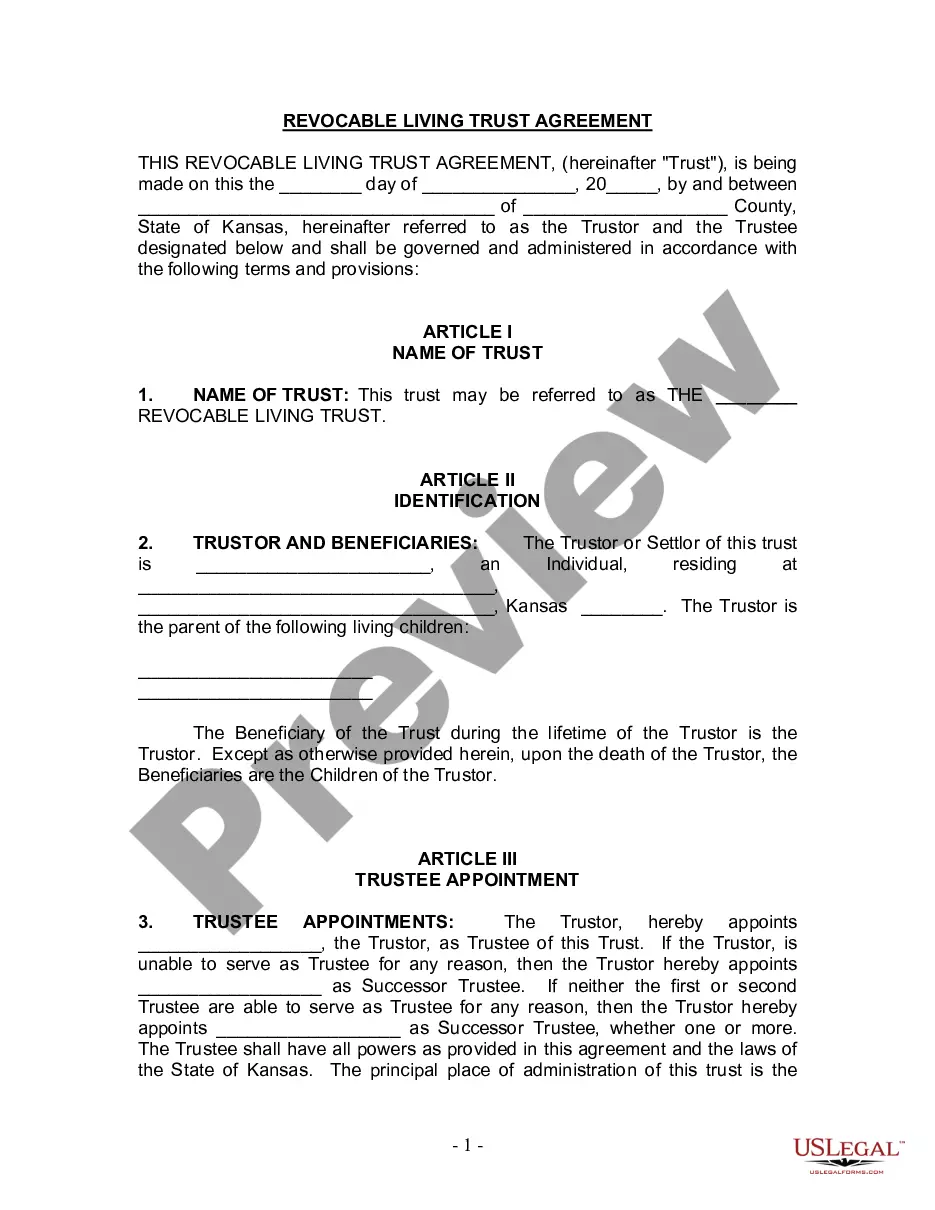



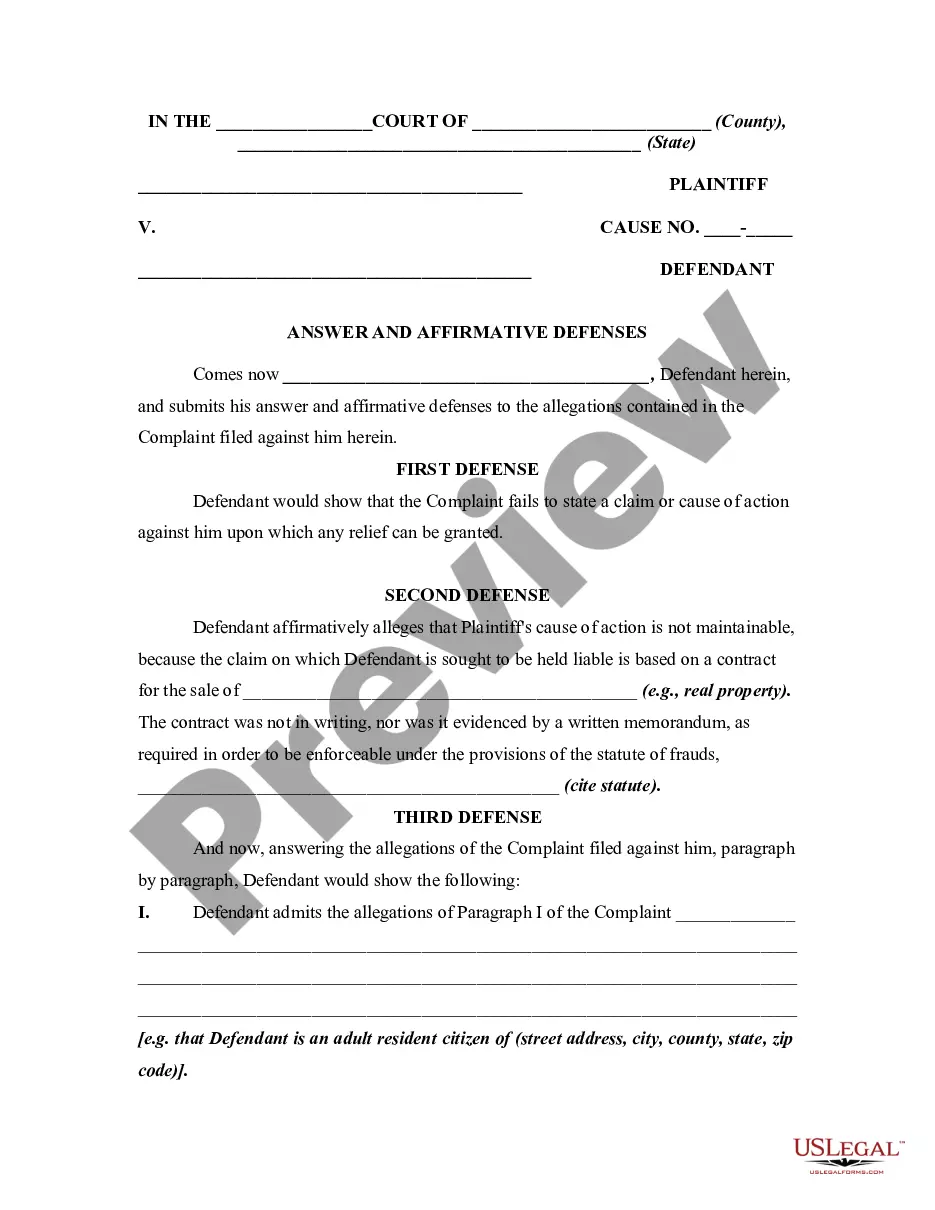
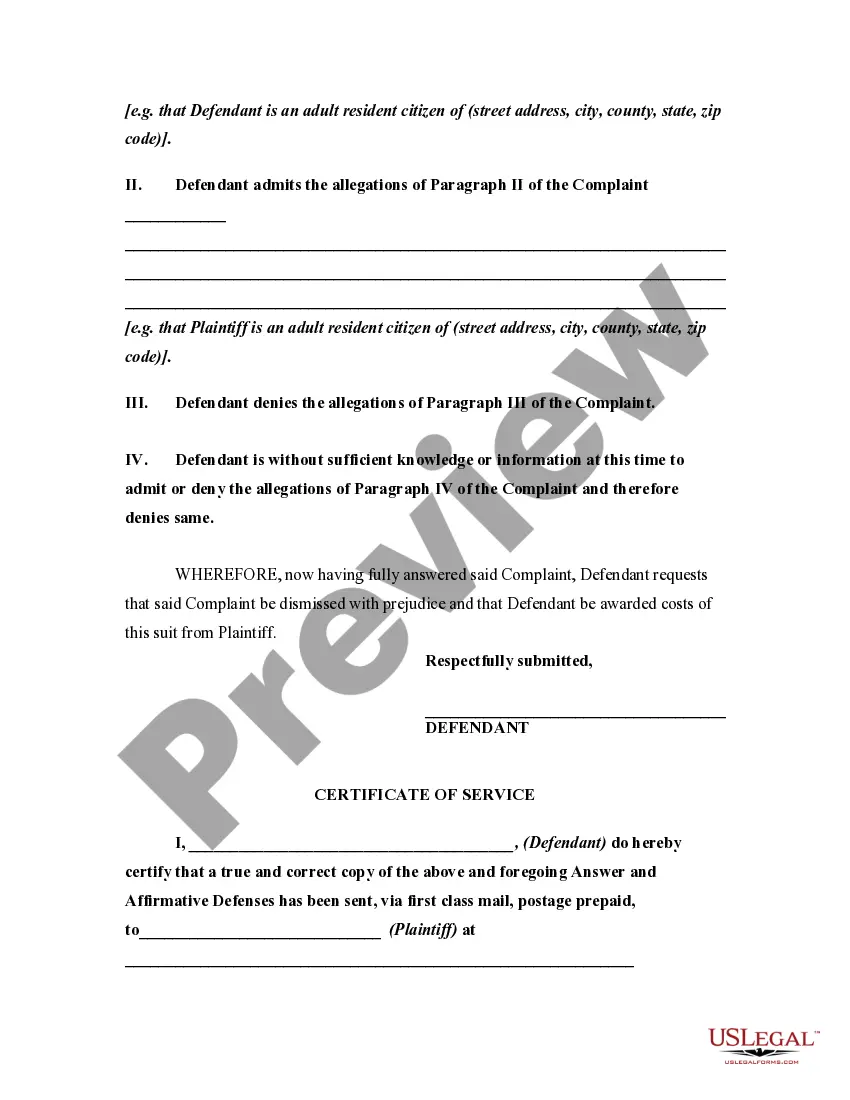
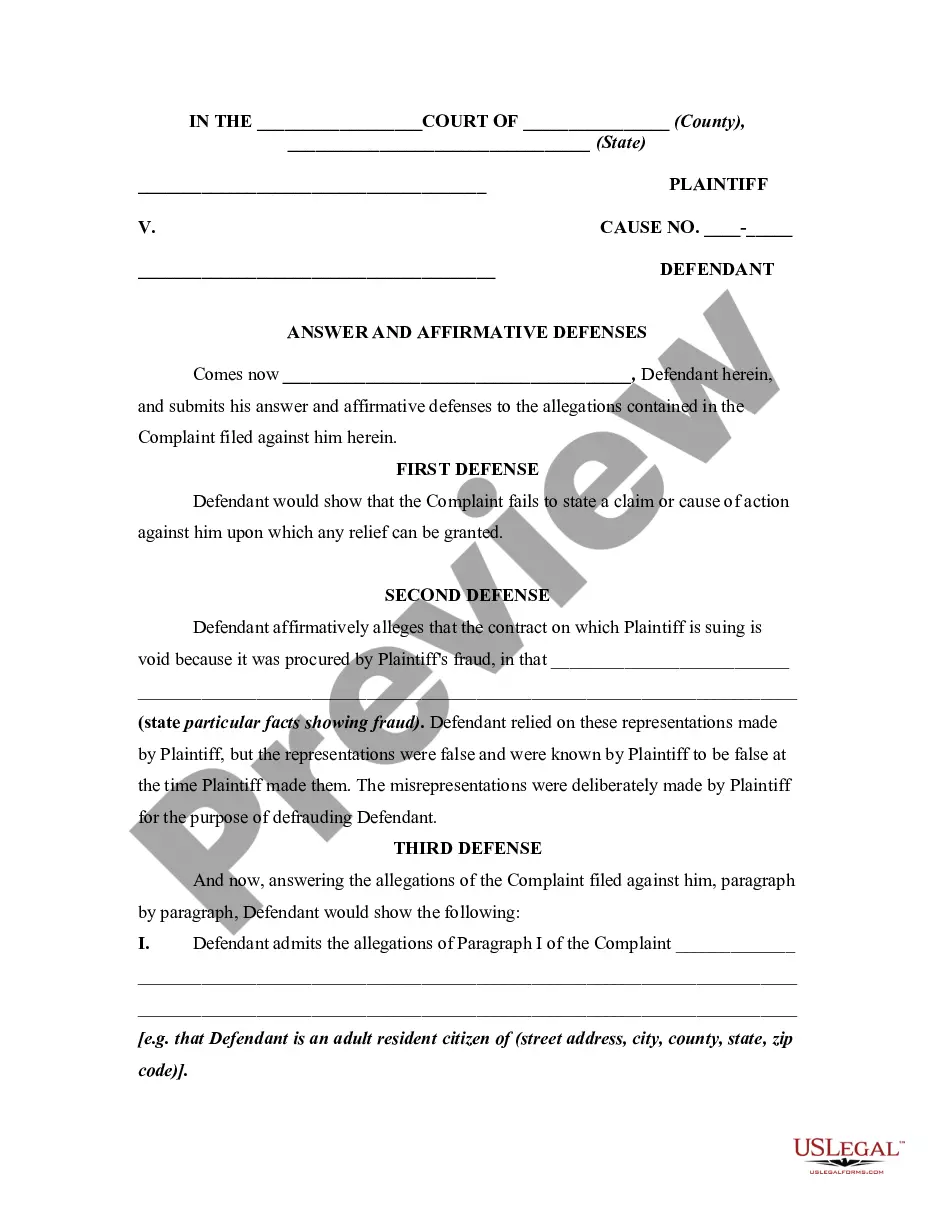
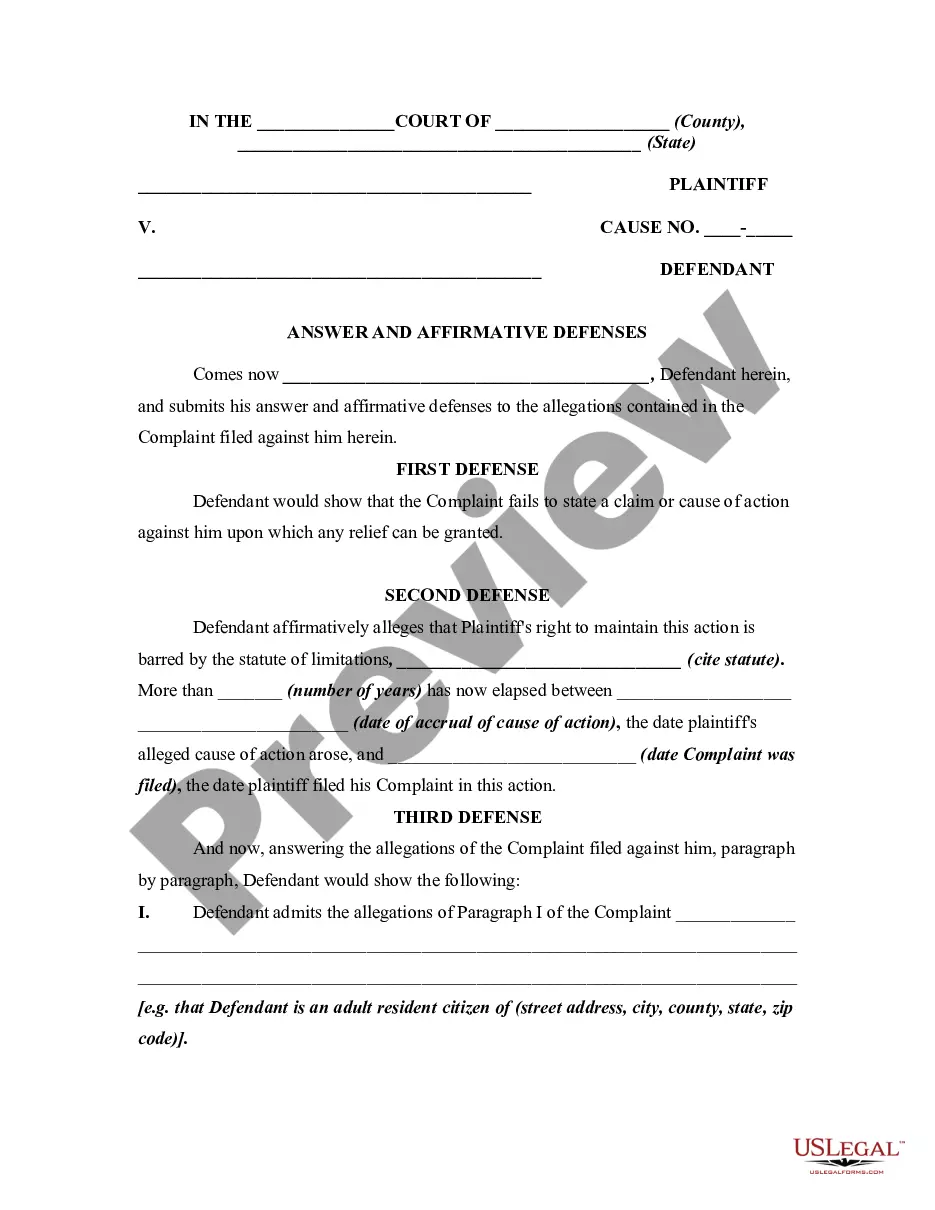
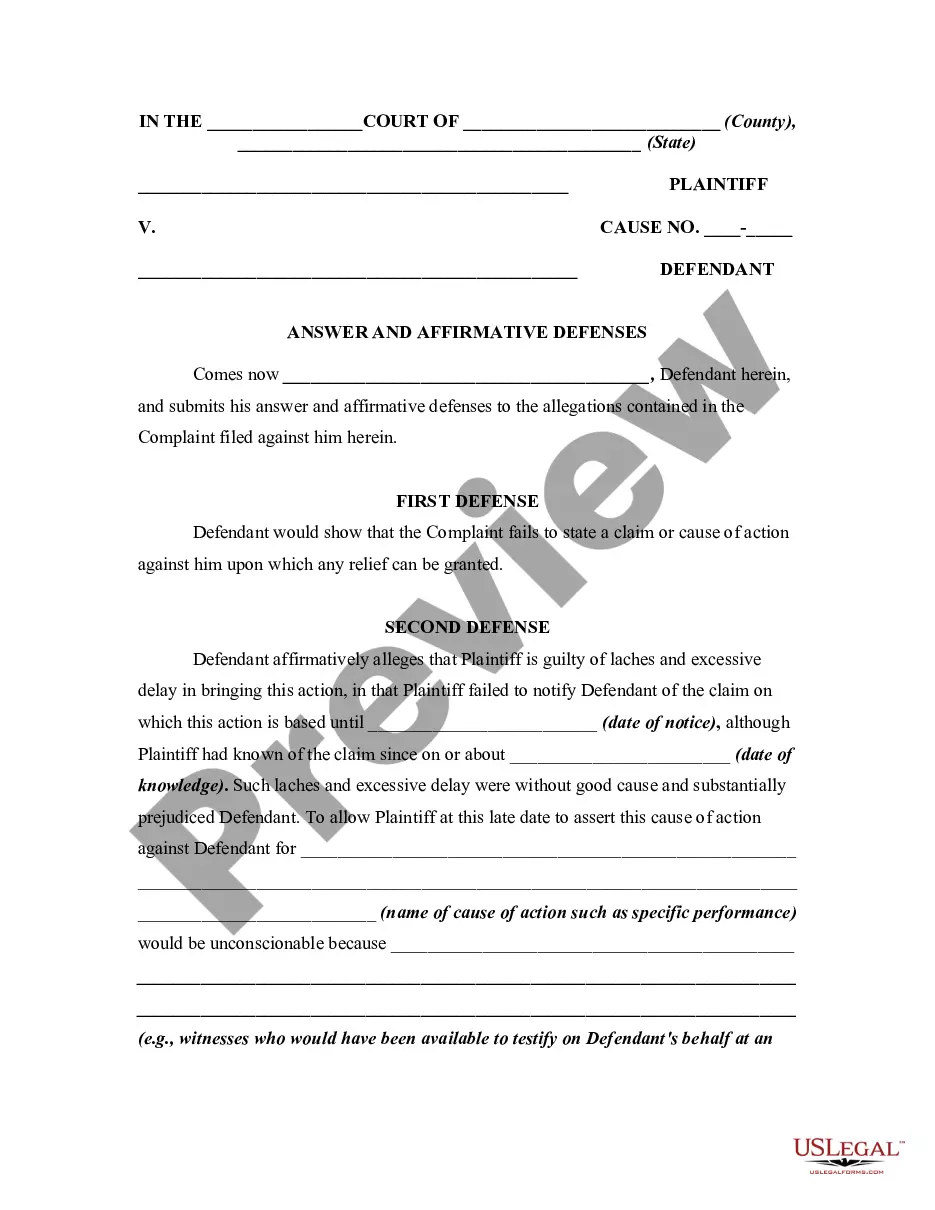
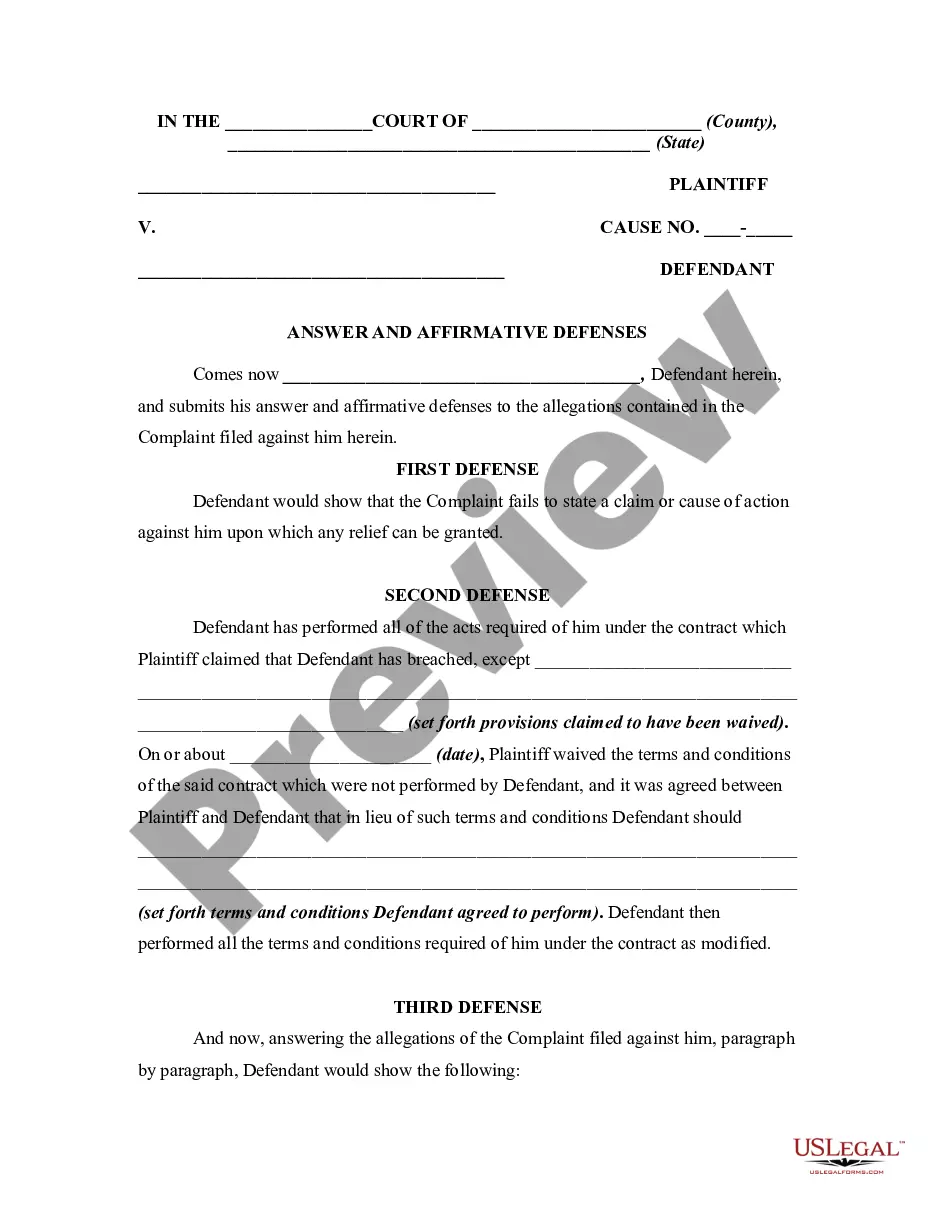
How to fill out Answer By Defendant In A Civil Lawsuit Alleging The Affirmative Defense Of The Cause Of Action Being Barred By The Appropriate Statute Of Frauds?
Regardless of whether it pertains to professional reasons or personal concerns, everyone must deal with legal matters at some point in their lives.
Completing legal documents necessitates meticulous attention, starting with choosing the correct form version.
With an extensive US Legal Forms collection available, you do not have to waste time searching for the right sample online. Utilize the library’s easy navigation to find the correct template for any circumstance.
- Locate the sample you require by utilizing the search field or navigating the catalog.
- Review the description of the form to confirm it suits your situation, state, and locality.
- Click on the preview of the form to view it.
- If it is not the correct document, return to the search feature to find the Statute Of Frauds Texas sample you need.
- Obtain the file when it meets your requirements.
- If you already possess a US Legal Forms account, click Log in to retrieve previously saved documents in My documents.
- If you do not have an account yet, you can acquire the form by clicking Buy now.
- Choose the suitable pricing option.
- Complete the profile registration form.
- Select your payment method: either use a credit card or PayPal account.
- Choose the desired file format and download the Statute Of Frauds Texas.
- Once downloaded, you can fill out the form using editing software or print it and complete it manually.
Form popularity
FAQ
[6] Generally, the statute of frauds applies to contracts regarding marriage, suretyship, sales of real estate, goods priced at $500.00 or more under the Uniform Commerical Code (UCC), and contracts that are not performable in one year.
Texas has its own version of the state of frauds in the state Business and Commerce Code. The law states that contracts must be written and signed under the following circumstances: Any agreement that will not be completed within one year. A promise to cover the debts of another person or business.
The Statute of Frauds can be satisfied by any signed writing that (1) reasonably identifies the subject matter of the contract, (2) is sufficient to indicate that a contract exists, and (3) states with reasonable certainty the material terms of the contract.
These exceptions are admission, performance, and promissory estoppel. Admission means that an oral contract can be enforced without meeting the requirements of a statute of frauds if the other party admits under oath that the oral contract was made.
What Is the Statute of Frauds? The statute of frauds is a legal doctrine requiring that certain types of contracts be in written form. The most common contracts covered by the statute of frauds include the sale of land, agreements involving goods worth $500 or more, and contracts lasting one year or more.