Civil Affirmative For Proof
Description
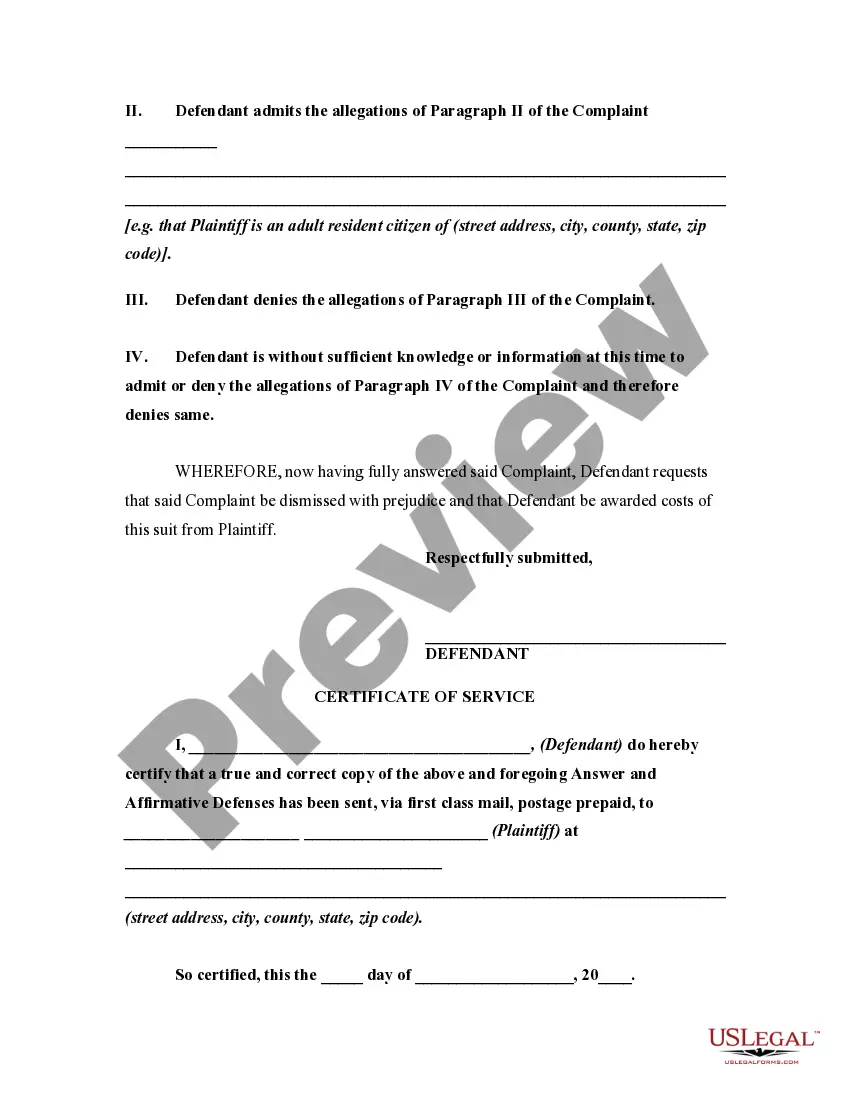

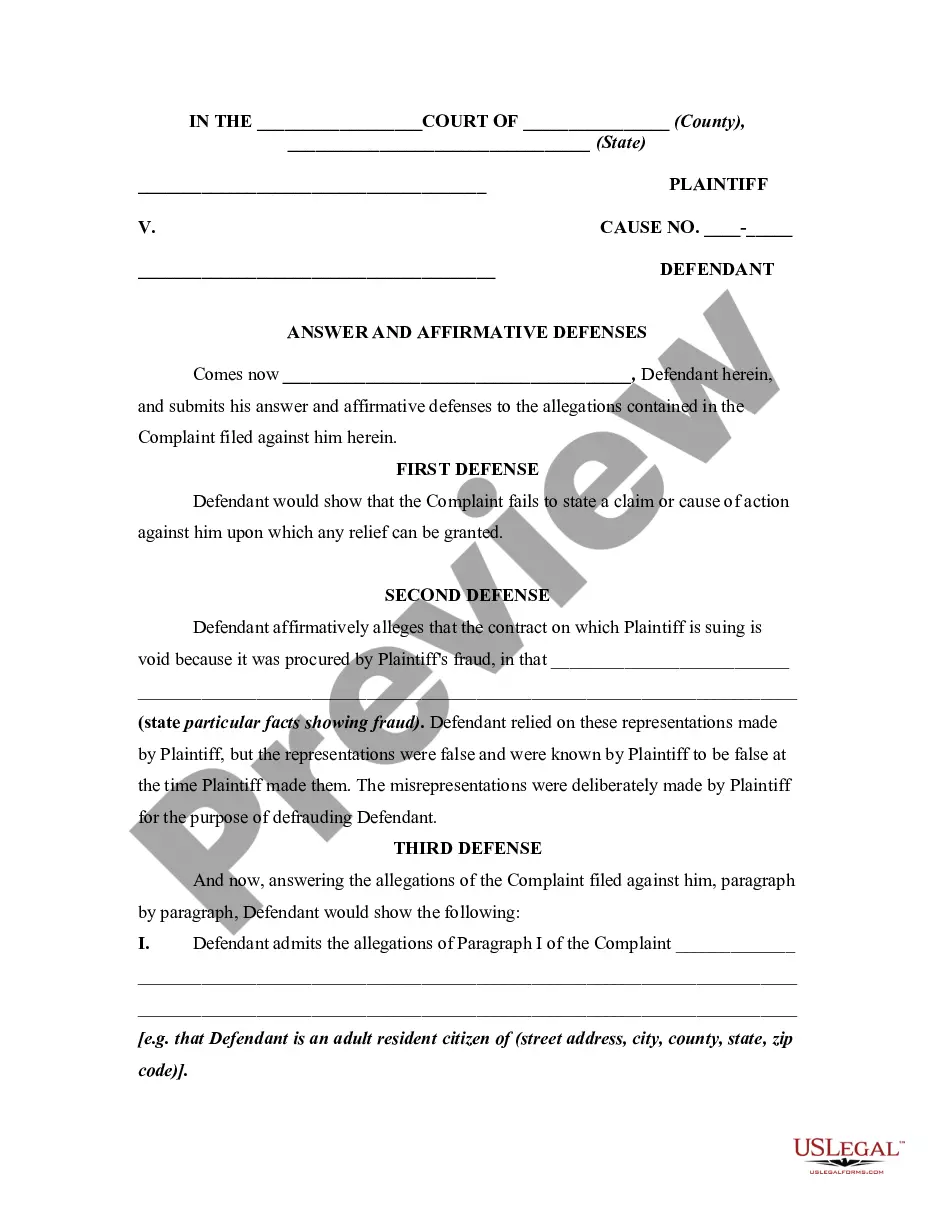
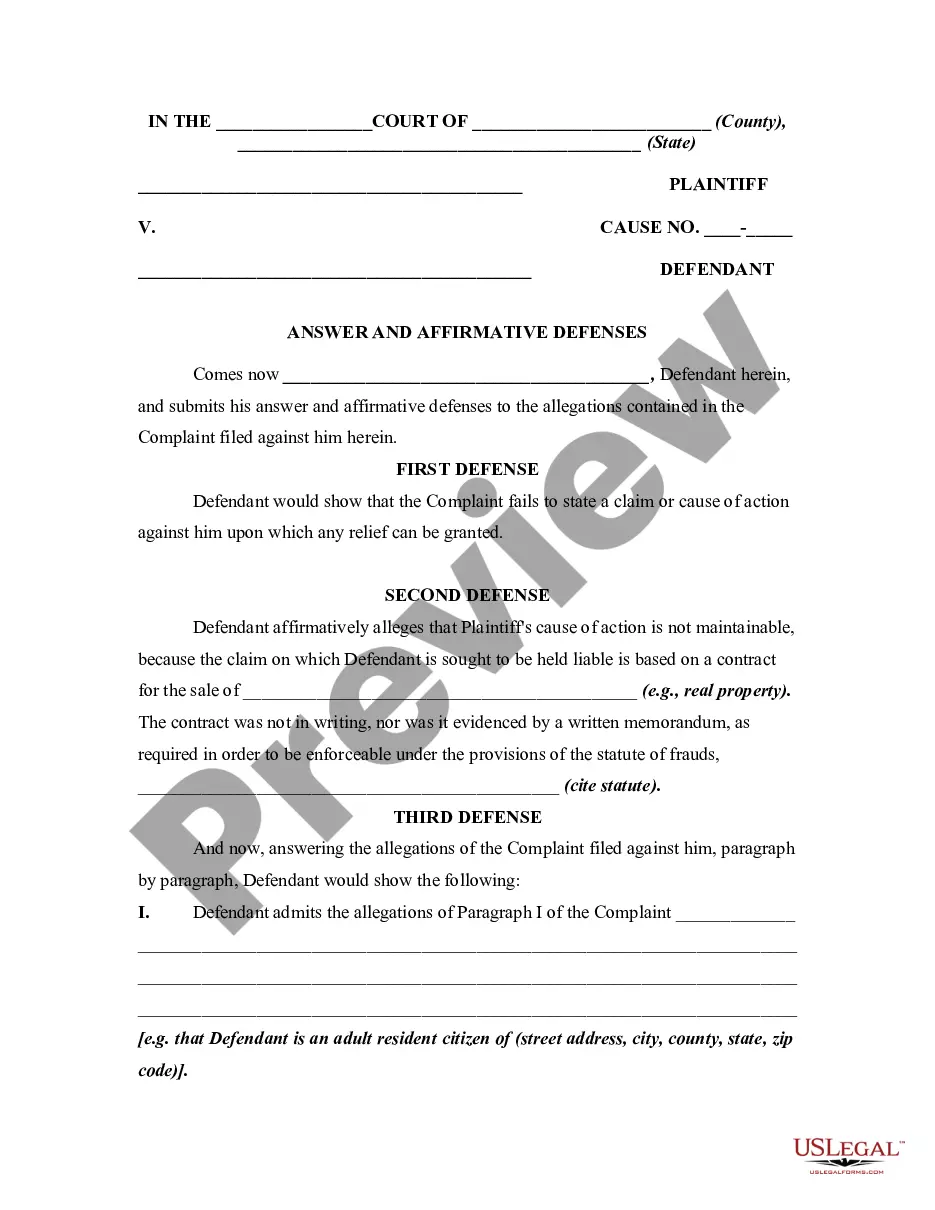
Get your form ready online
Our built-in tools help you complete, sign, share, and store your documents in one place.
Make edits, fill in missing information, and update formatting in US Legal Forms—just like you would in MS Word.
Download a copy, print it, send it by email, or mail it via USPS—whatever works best for your next step.
Sign and collect signatures with our SignNow integration. Send to multiple recipients, set reminders, and more. Go Premium to unlock E-Sign.
If this form requires notarization, complete it online through a secure video call—no need to meet a notary in person or wait for an appointment.
We protect your documents and personal data by following strict security and privacy standards.

Make edits, fill in missing information, and update formatting in US Legal Forms—just like you would in MS Word.

Download a copy, print it, send it by email, or mail it via USPS—whatever works best for your next step.

Sign and collect signatures with our SignNow integration. Send to multiple recipients, set reminders, and more. Go Premium to unlock E-Sign.

If this form requires notarization, complete it online through a secure video call—no need to meet a notary in person or wait for an appointment.

We protect your documents and personal data by following strict security and privacy standards.
Looking for another form?







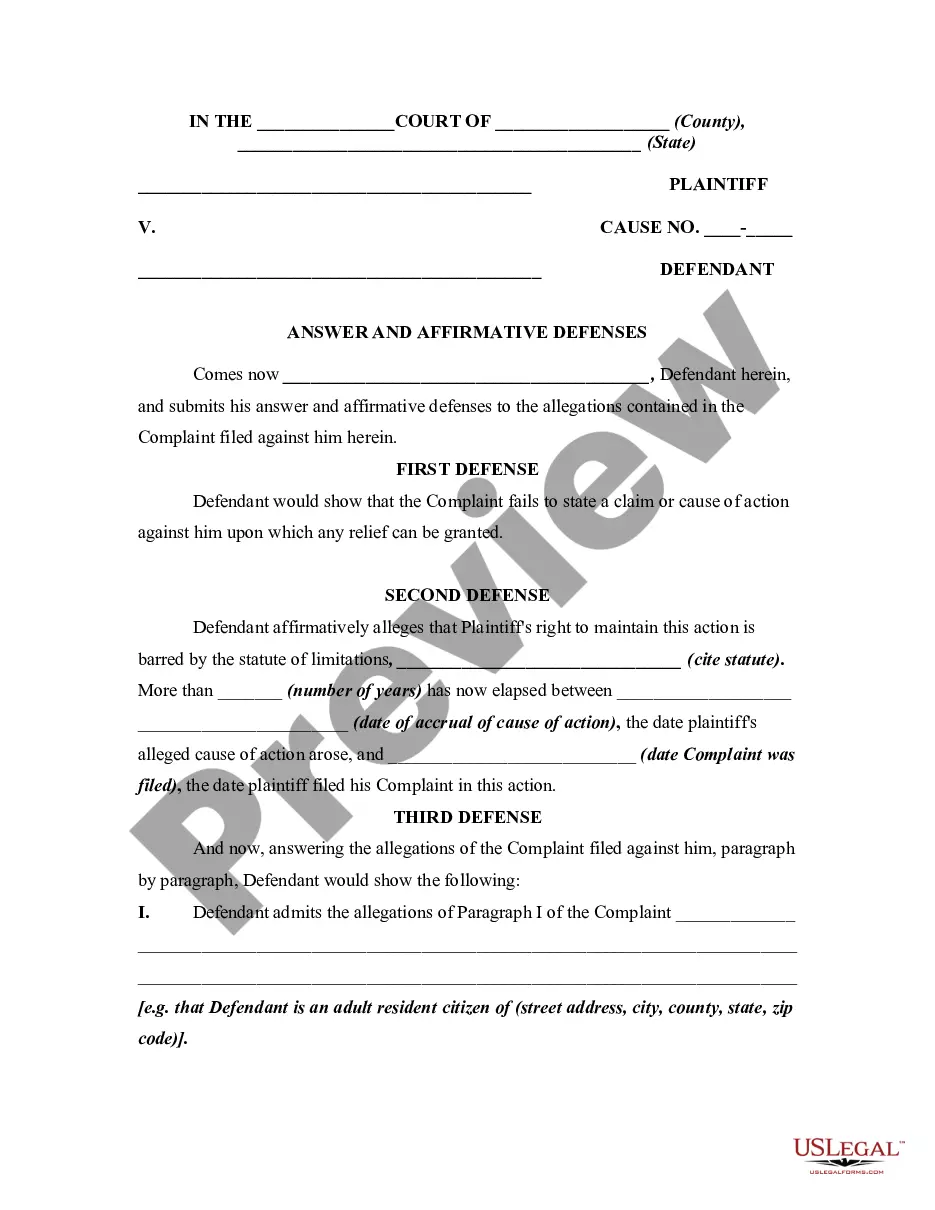
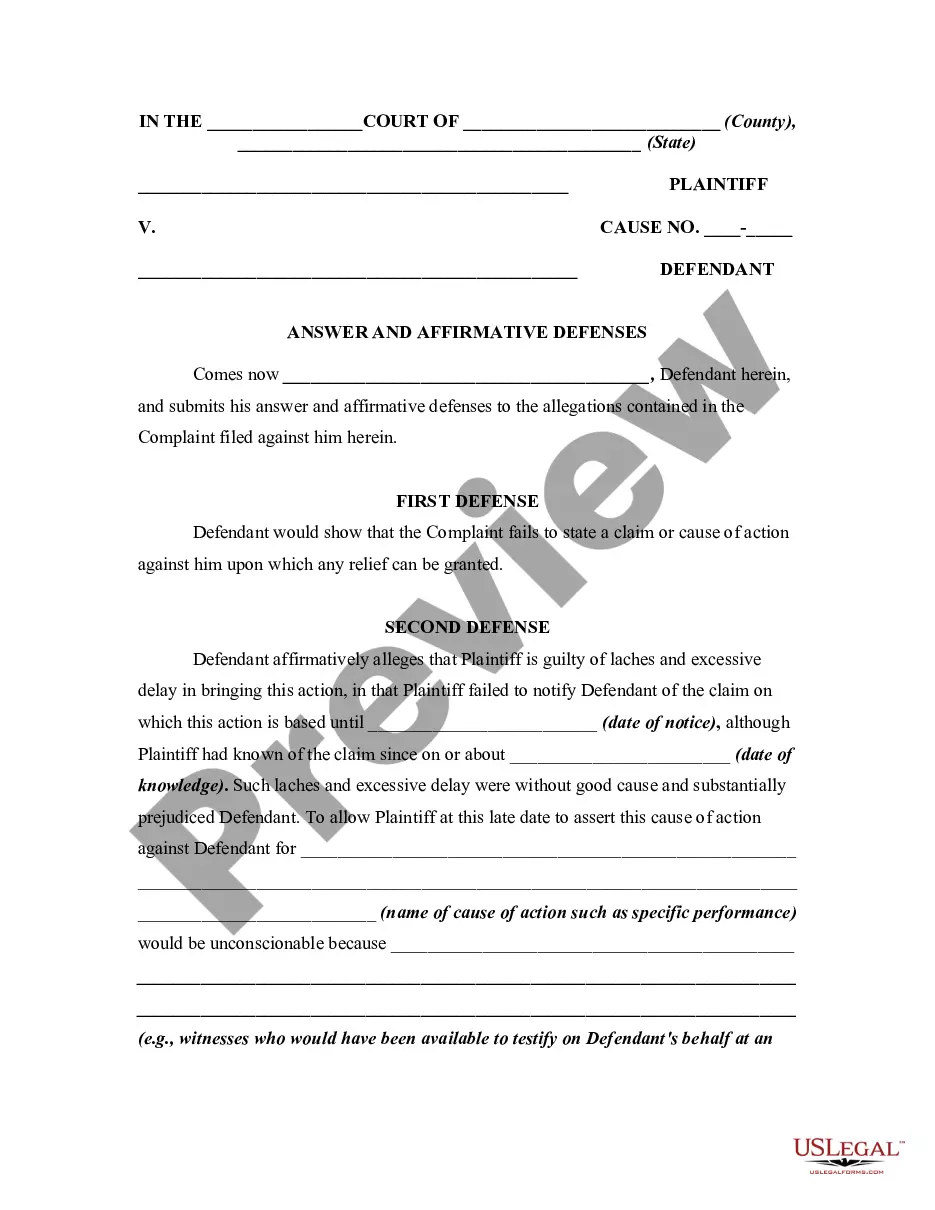
How to fill out Answer By Defendant In A Civil Lawsuit Alleging The Affirmative Defense Of The Cause Of Action Being Barred By The Appropriate Statute Of Limitations?
Managing legal documents can be daunting, even for the most experienced experts.
If you require a Civil Affirmative For Proof and lack the time to seek out the correct and latest version, the processes can be overwhelming.
Access a wealth of articles, guides, and resources pertinent to your circumstances and needs.
Save effort and time searching for the documents you require, and leverage US Legal Forms’ sophisticated search and Review function to locate Civil Affirmative For Proof and download it.
Leverage the US Legal Forms online repository, backed by 25 years of experience and reliability. Streamline your everyday document management into a simple and user-friendly process today.
- If you possess a subscription, Log In to your US Legal Forms account, search for the form, and download it.
- Check your My documents section to see the documents you previously acquired and manage your folders as needed.
- If this is your first experience with US Legal Forms, establish an account and gain unlimited access to all platform benefits.
- After finding the desired form, verify that it is the correct version by previewing it and reviewing its details.
- Ensure the document is approved in your state or county.
- Click Buy Now when you're ready.
- Select a subscription plan.
- Choose the format you prefer, and Download, complete, sign, print, and submit your document.
- Access state- or county-specific legal and business documents.
- US Legal Forms caters to all requirements you may have, from personal to business paperwork, all in one platform.
- Utilize advanced tools to fill out and manage your Civil Affirmative For Proof.
Form popularity
FAQ
An affirmative case presents evidence that supports a plaintiff's claims in a legal proceeding. It argues in favor of a specific position or outcome, typically highlighting facts that favor the plaintiff. Understanding civil affirmative for proof is essential for constructing a robust affirmative case. Utilizing US Legal Forms can provide you with the necessary resources to create a compelling case.
In the vast majority of cases, the defendant/respondent bears the burden of proof regarding the claimed affirmative defense.
If you want the judge to consider your legal defenses, you must include them in the form you file to respond to the lawsuit (your Answer). Include any possible defense you want the judge to consider in your Answer. You can focus on one, once you've collected more evidence while preparing for your trial.
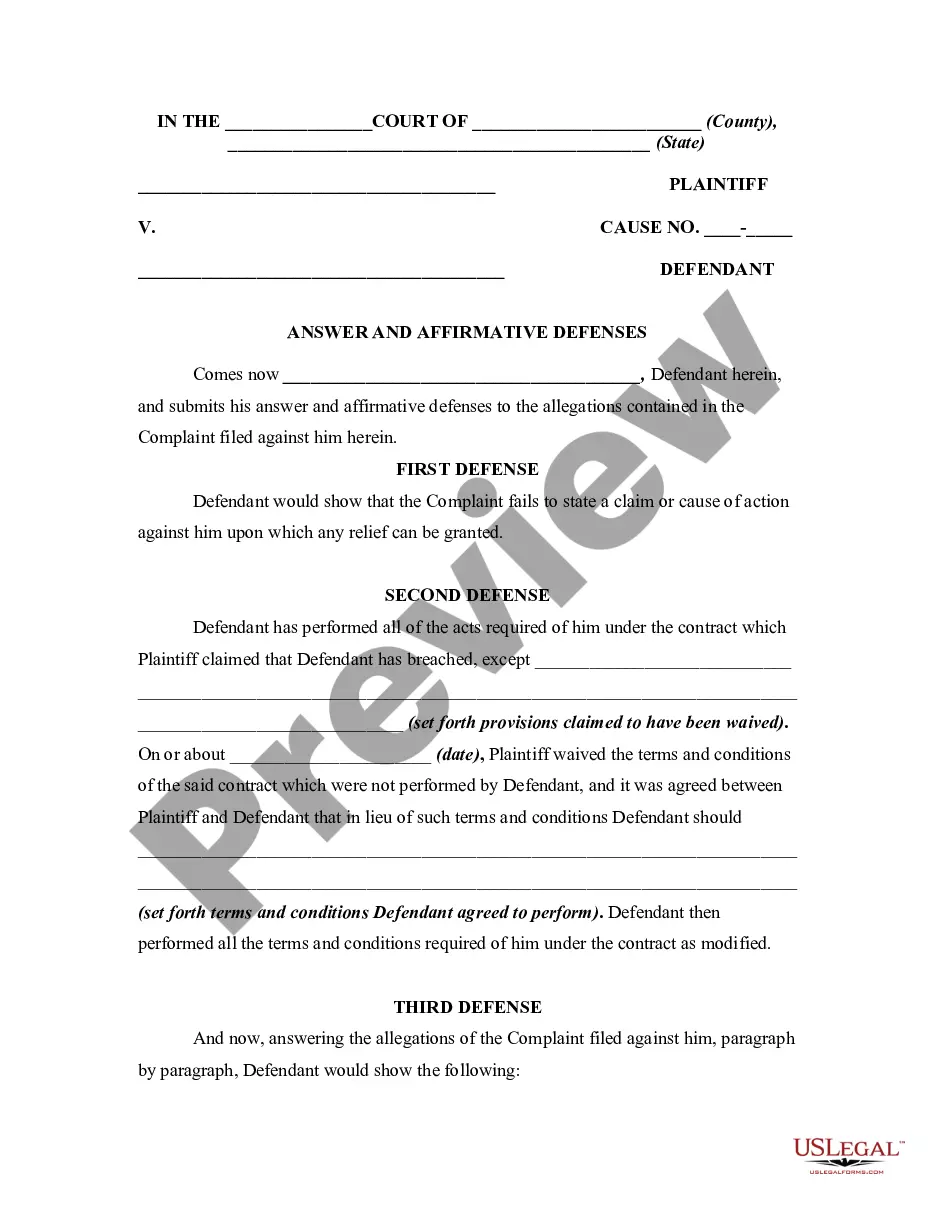
Examples Civil law. and satisfaction. assumption of risk (when the plaintiff knowingly entered into a dangerous situation) authority. consent. defense of property. estoppel. contract specification. ... Criminal law. insanity defense. necessity. duress. self defense. truth. public interest.
Because an affirmative defense requires an assertion of facts beyond those claimed by the plaintiff, generally the party who offers an affirmative defense bears the burden of proof. The standard of proof is typically lower than beyond a reasonable doubt.
When arguing an affirmative defense, a defendant must meet the ?preponderance of the evidence? burden of proof ? a much lower standard. Subsequently, the burden of proof shifts back to the prosecution who must disprove the affirmative defense raised beyond a reasonable doubt.