Suing For Negligence Uk
Description
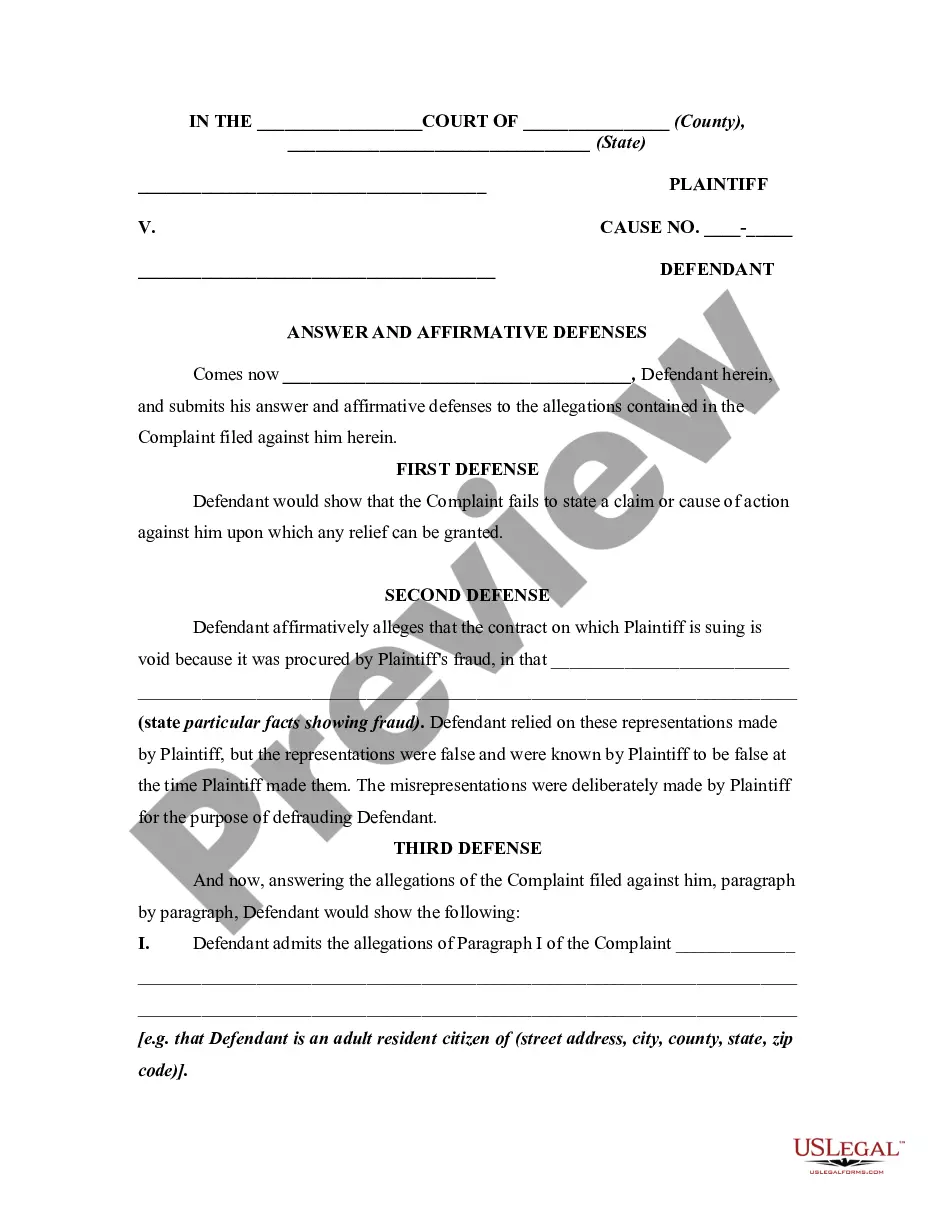
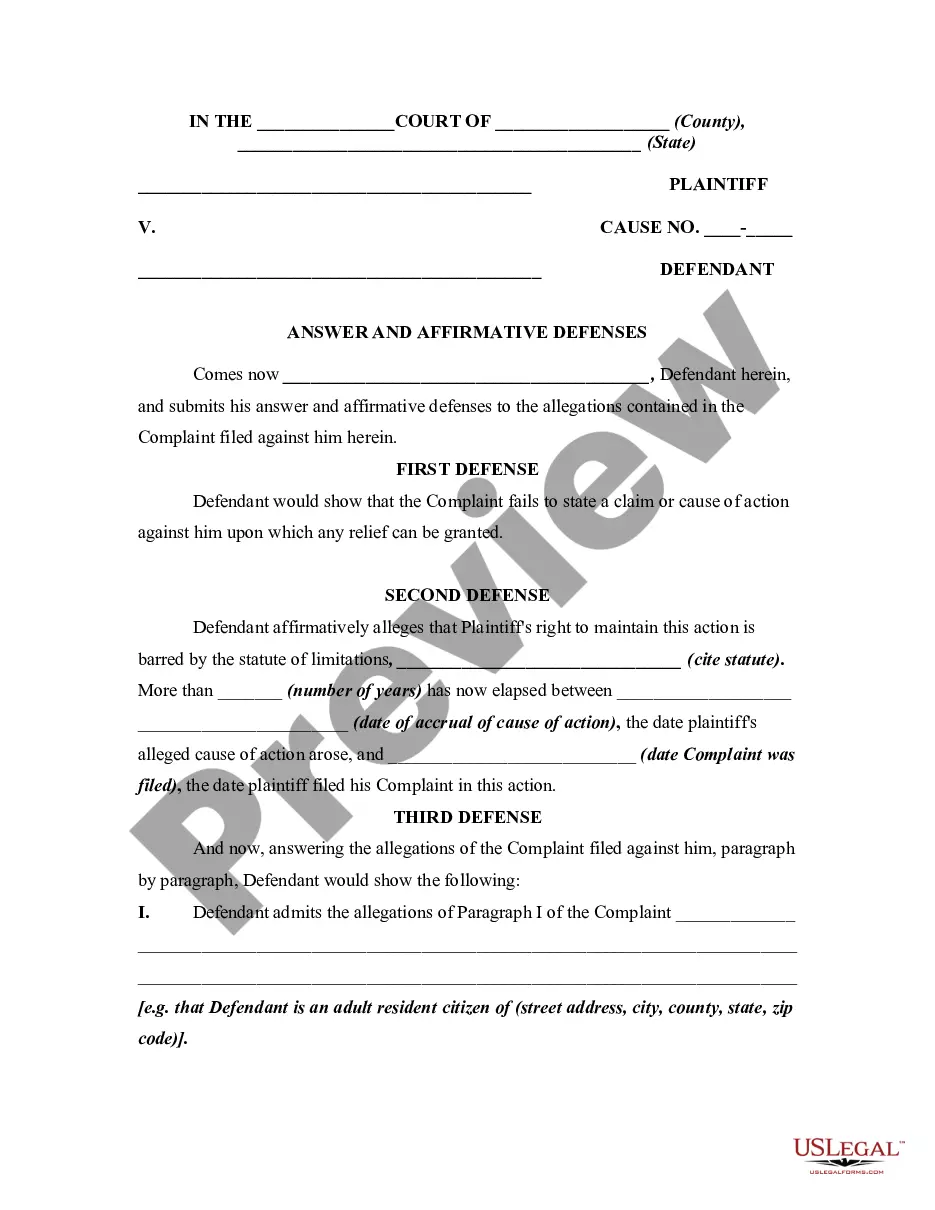
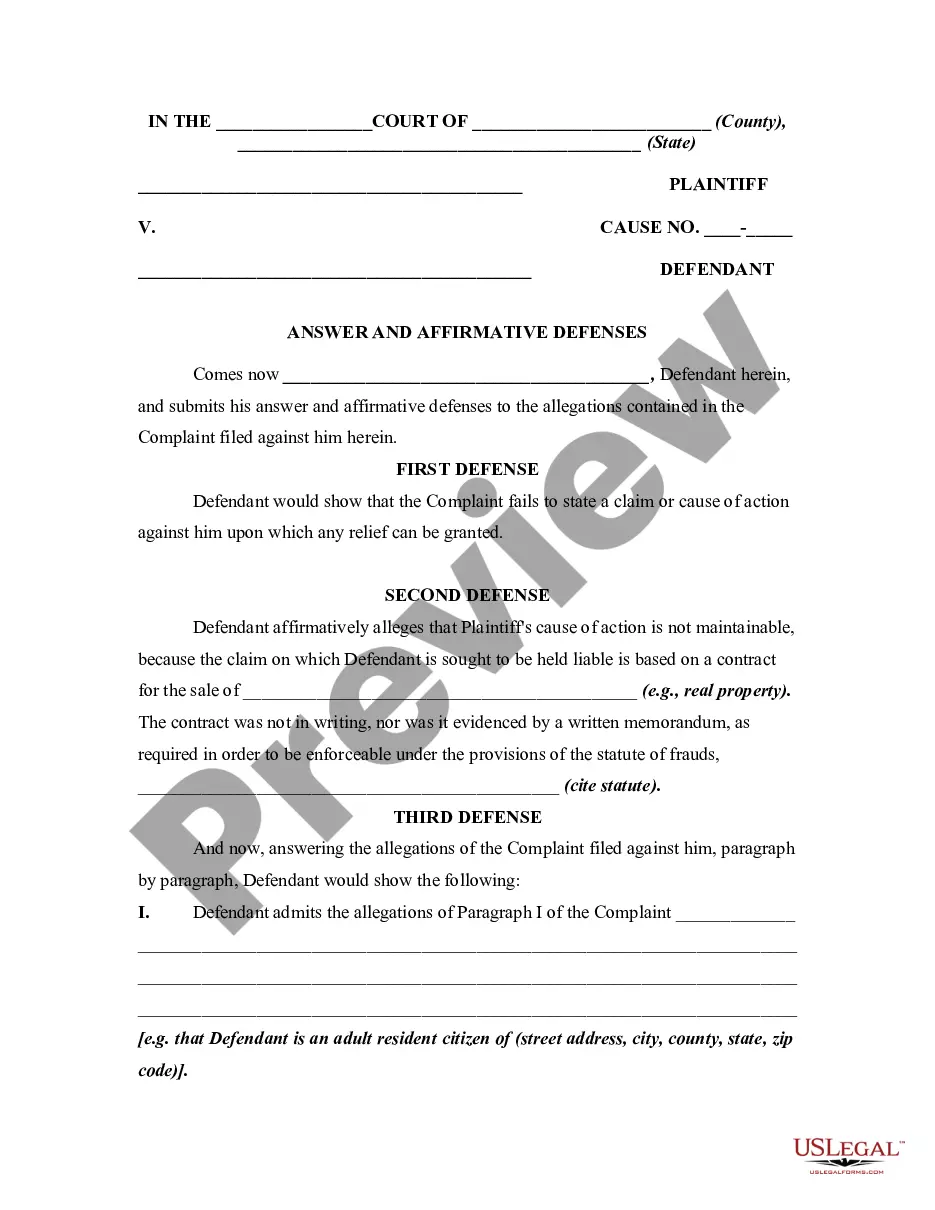
Get your form ready online
Our built-in tools help you complete, sign, share, and store your documents in one place.
Make edits, fill in missing information, and update formatting in US Legal Forms—just like you would in MS Word.
Download a copy, print it, send it by email, or mail it via USPS—whatever works best for your next step.
Sign and collect signatures with our SignNow integration. Send to multiple recipients, set reminders, and more. Go Premium to unlock E-Sign.
If this form requires notarization, complete it online through a secure video call—no need to meet a notary in person or wait for an appointment.
We protect your documents and personal data by following strict security and privacy standards.

Make edits, fill in missing information, and update formatting in US Legal Forms—just like you would in MS Word.

Download a copy, print it, send it by email, or mail it via USPS—whatever works best for your next step.

Sign and collect signatures with our SignNow integration. Send to multiple recipients, set reminders, and more. Go Premium to unlock E-Sign.

If this form requires notarization, complete it online through a secure video call—no need to meet a notary in person or wait for an appointment.

We protect your documents and personal data by following strict security and privacy standards.
Looking for another form?

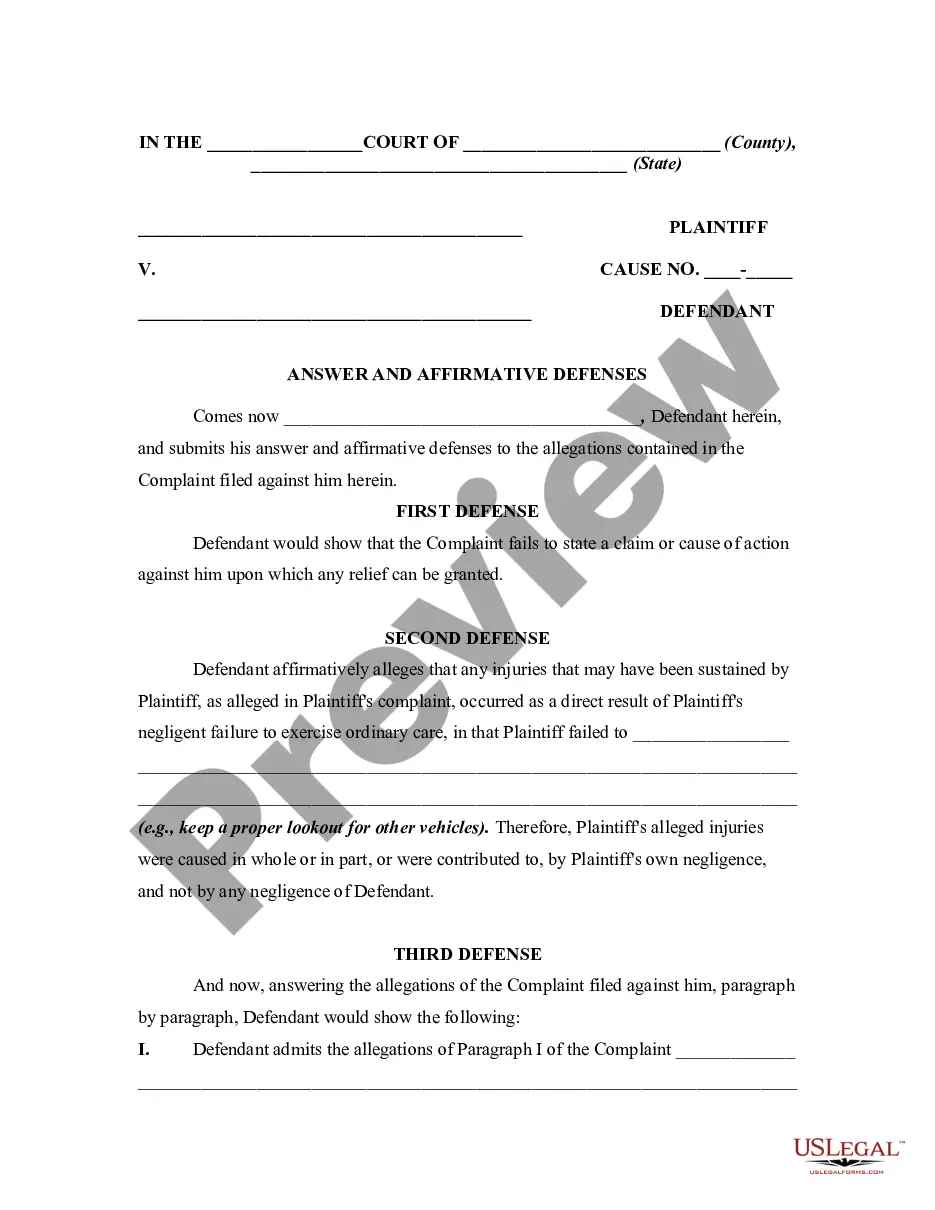
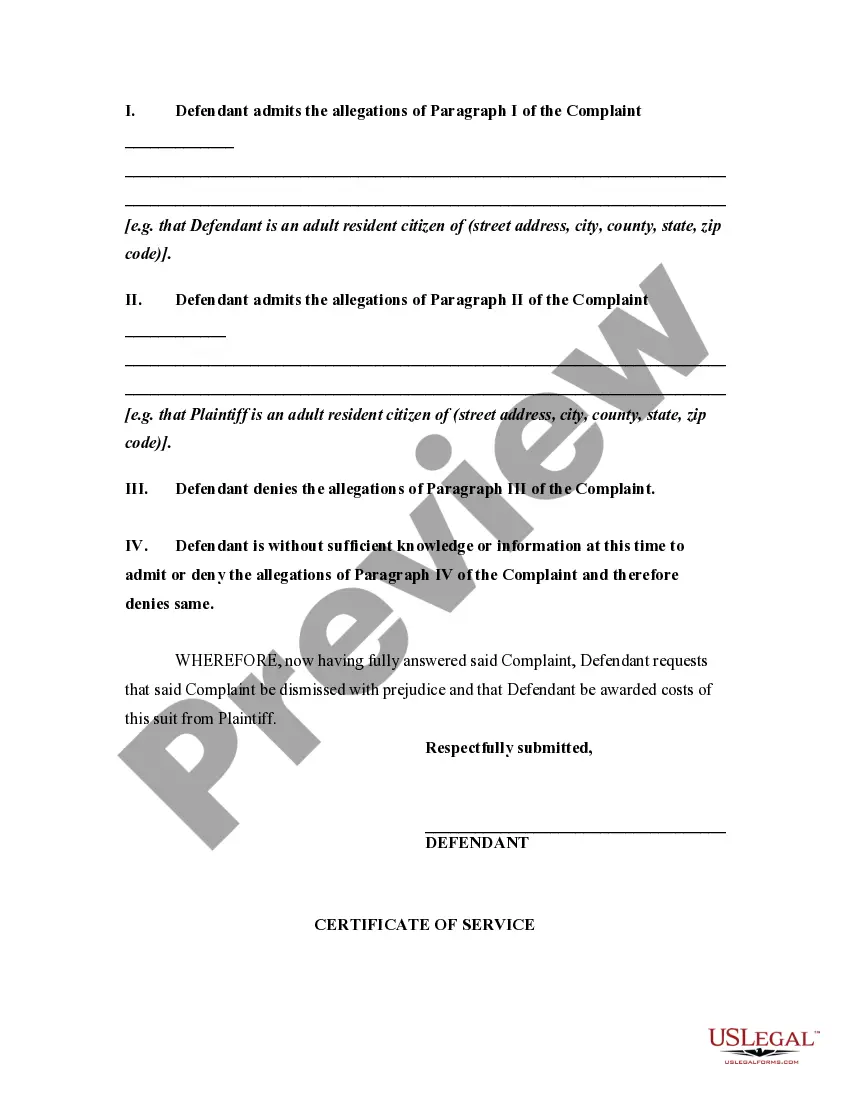
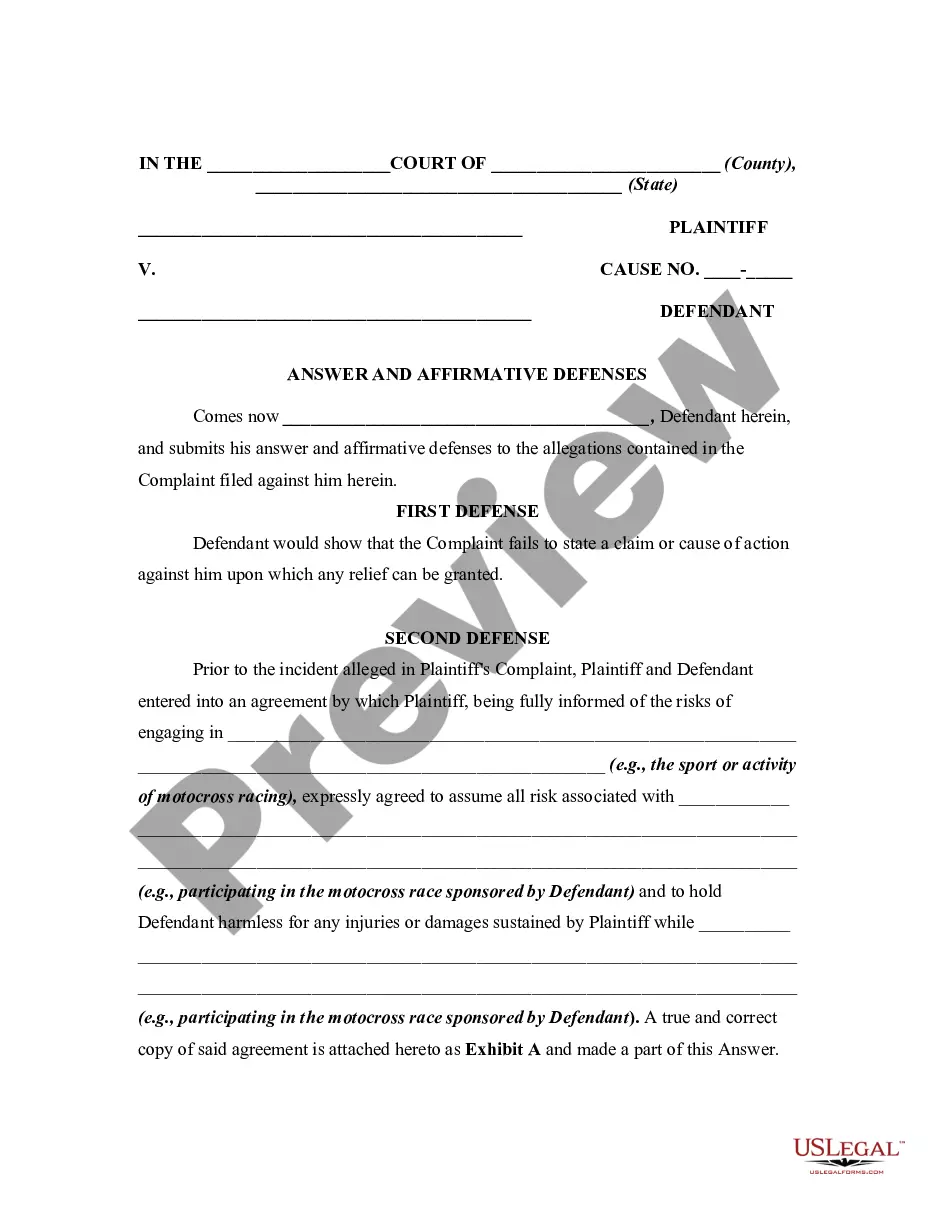
How to fill out Answer By Defendant In A Civil Lawsuit Alleging The Affirmative Defense Of Contributory Negligence?
Utilizing legal models that comply with federal and regional regulations is crucial, and the web provides countless alternatives to choose from.
However, what's the benefit of squandering time hunting for the suitable Suing For Negligence UK example online if the US Legal Forms digital repository already encompasses such templates consolidated in one location.
US Legal Forms is the largest online legal repository featuring over 85,000 fillable documents created by attorneys for any business and personal scenario.
Review the template using the Preview feature or through the text description to confirm it aligns with your requirements.
- They are straightforward to navigate with all paperwork organized by state and intended use.
- Our specialists stay updated with legislative changes, ensuring you can always trust your form is current and adheres to regulations when obtaining a Suing For Negligence UK from our site.
- Acquiring a Suing For Negligence UK is quick and uncomplicated for both existing and new users.
- If you have an account with an active subscription, Log In and download the document sample you need in your preferred format.
- If you are a newcomer to our website, follow the instructions below.
Form popularity
FAQ
To sue someone for negligence in the UK, you must first establish that the person owed you a duty of care. Next, you need to demonstrate that they breached that duty, which directly caused you harm or loss. It is crucial to gather evidence, such as photographs or witness statements, to support your claim. Consider using US Legal Forms as a resource to streamline the process and gain access to necessary legal documents to strengthen your case regarding suing for negligence in the UK.
When pursuing a negligence claim, it’s essential to understand the five key elements involved. These include duty of care, breach of that duty, causation, damages, and foreseeability. Each element must be established to succeed in suing for negligence in the UK. You can find valuable resources on platforms like US Legal Forms that outline these elements and assist you in preparing your case effectively.
The average payout for negligence in the UK varies significantly based on the case's specific circumstances. Generally, compensation can range from a few thousand to several million pounds, depending on factors like severity of injury and impact on life. When suing for negligence in the UK, it is crucial to gather strong evidence to support your claim. Using platforms like US Legal Forms can assist in guiding you through the process and ensuring you obtain fair compensation.
The four main claims of negligence highlight the various ways that negligence can occur. These include personal injury, property damage, professional malpractice, and product liability. Each claim addresses specific circumstances where negligence can have serious consequences. Understanding these claims can help you navigate the complexities of suing for negligence in the UK.
To prove negligence successfully, you must establish four essential elements: duty, breach, causation, and damages. First, identify that the defendant had a duty of care toward you. Next, demonstrate how they breached that duty. After that, you need to show a clear link between that breach and your injuries or damages. Finally, evidence of damages must be presented to support your claim.
Filing a negligence lawsuit involves several important procedures. Begin by gathering evidence to support your claim, which might include photographs, statements, and documents. It's also wise to consult with an attorney who specializes in negligence cases, as they can help draft the necessary legal documents. Once everything is prepared, you can file your lawsuit in the relevant court, ensuring all paperwork is complete and accurate.
The 4 C's of negligence provide a framework for understanding claims in this context. They are: clarity, consistency, coherence, and consideration. Each of these elements plays a role in assessing whether an action (or inaction) constitutes negligence. By addressing these components, plaintiffs can strengthen their cases when suing for negligence in the UK.
Starting the process of suing for negligence in the UK involves several important steps. First, gather all relevant evidence, such as witness statements and medical records. Next, seek legal advice to ensure your case is strong, as a legal professional can guide you through the intricacies of UK law. Finally, file a claim in court, presenting your case in a clear and organized manner.
Suing for negligence in the UK requires establishing four key proofs: duty of care, breach of that duty, causation, and damages. First, the plaintiff must show that the defendant owed them a duty to act or refrain from acting in a certain way. Then, there must be evidence that the defendant breached this duty. Lastly, the plaintiff needs to demonstrate how this breach directly caused their damages.