Sues For Negligence
Description
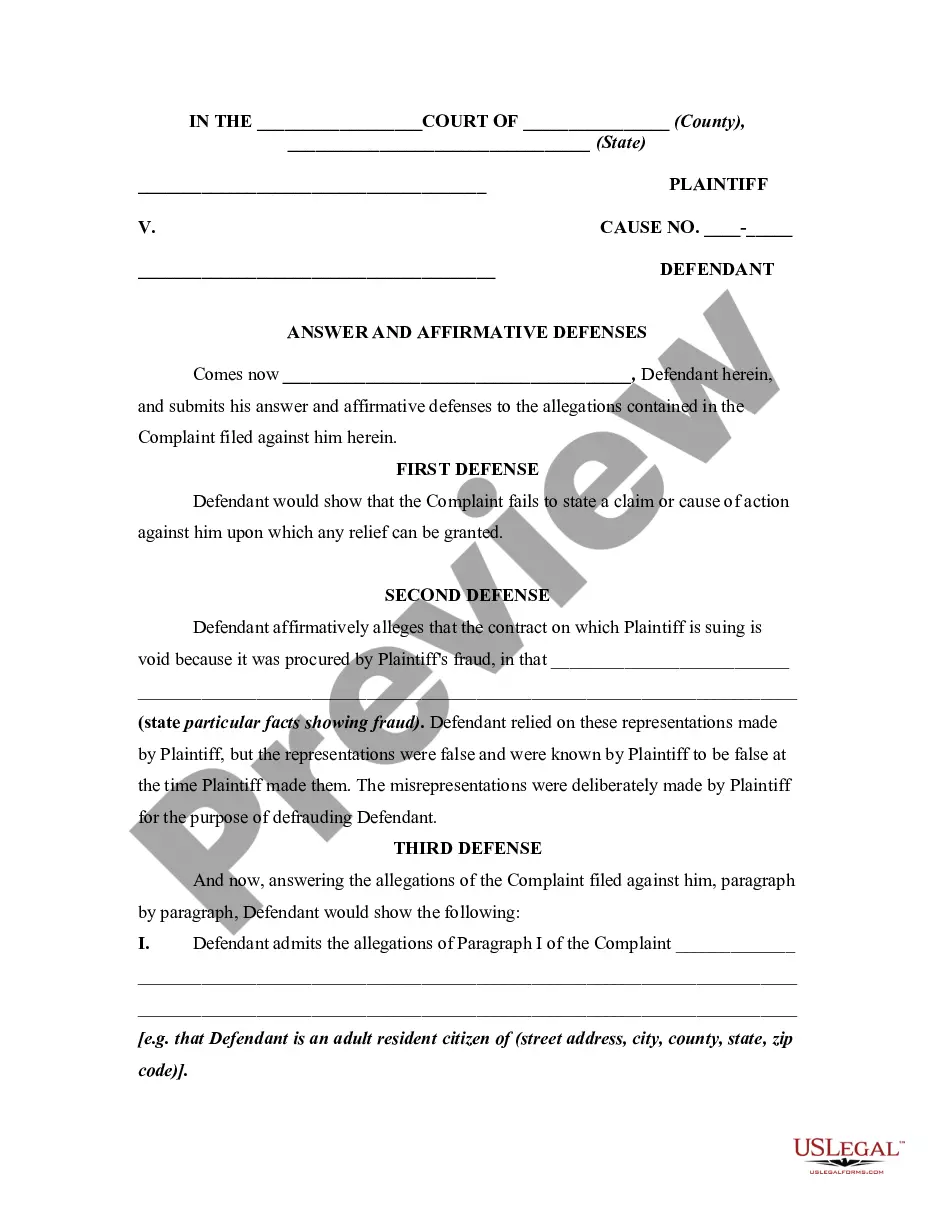
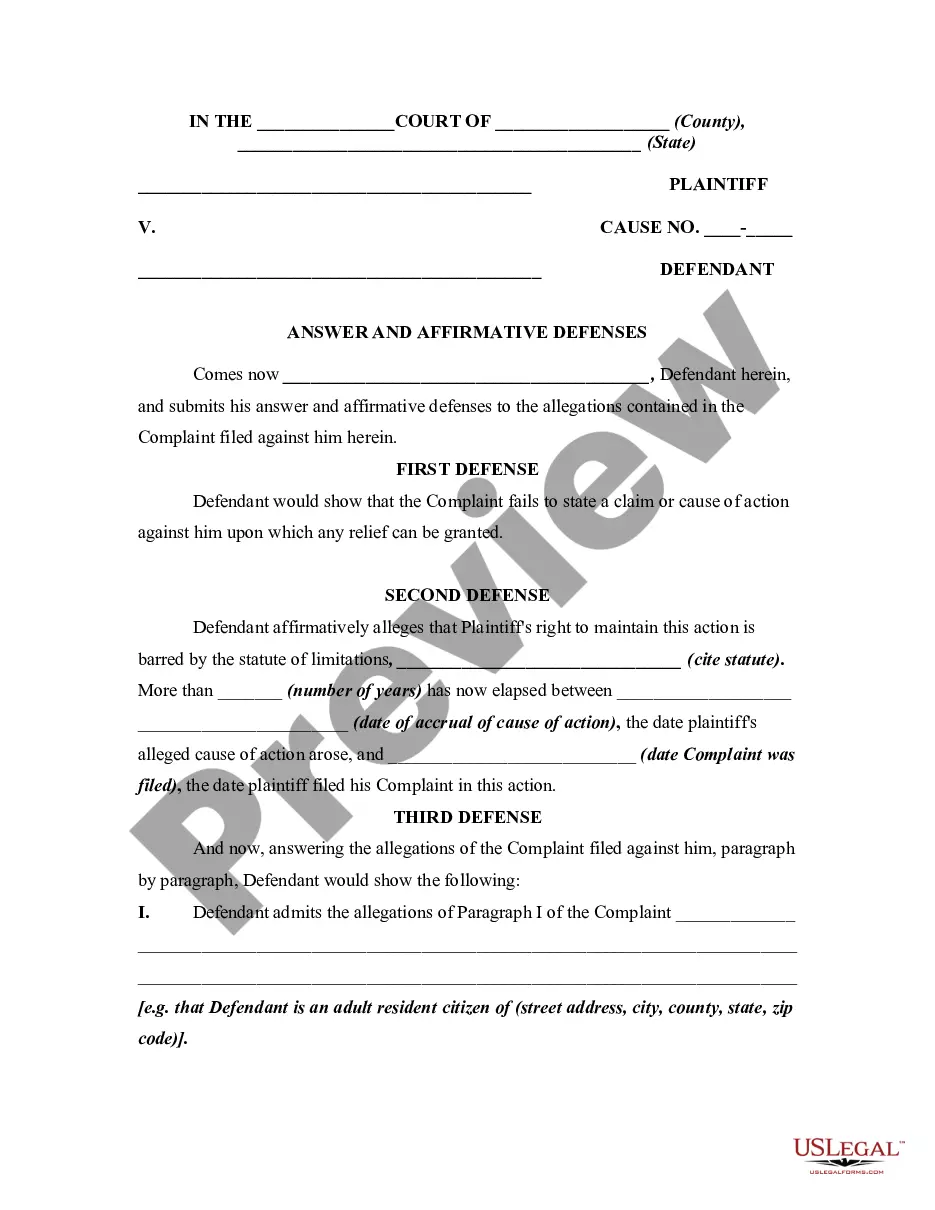
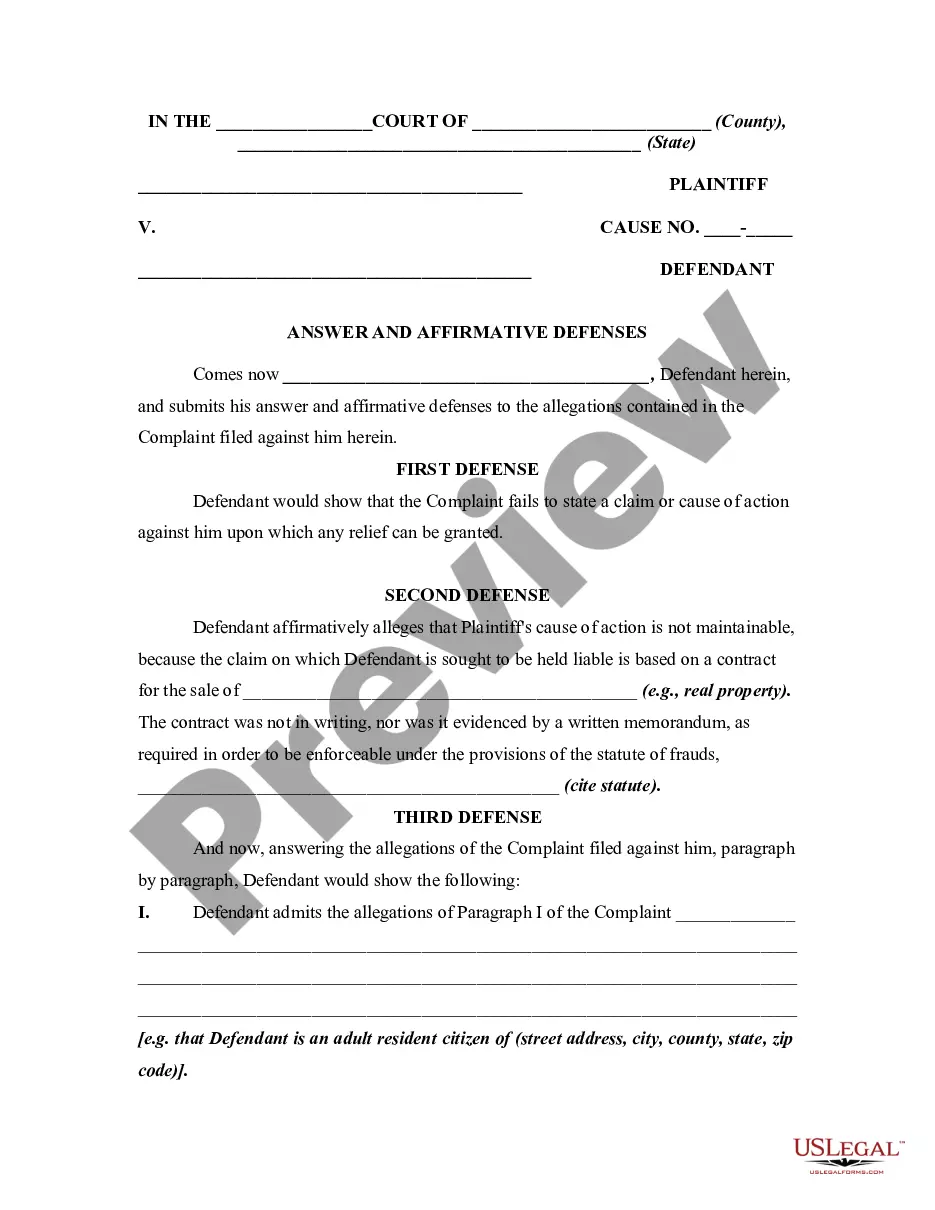
Get your form ready online
Our built-in tools help you complete, sign, share, and store your documents in one place.
Make edits, fill in missing information, and update formatting in US Legal Forms—just like you would in MS Word.
Download a copy, print it, send it by email, or mail it via USPS—whatever works best for your next step.
Sign and collect signatures with our SignNow integration. Send to multiple recipients, set reminders, and more. Go Premium to unlock E-Sign.
If this form requires notarization, complete it online through a secure video call—no need to meet a notary in person or wait for an appointment.
We protect your documents and personal data by following strict security and privacy standards.

Make edits, fill in missing information, and update formatting in US Legal Forms—just like you would in MS Word.

Download a copy, print it, send it by email, or mail it via USPS—whatever works best for your next step.

Sign and collect signatures with our SignNow integration. Send to multiple recipients, set reminders, and more. Go Premium to unlock E-Sign.

If this form requires notarization, complete it online through a secure video call—no need to meet a notary in person or wait for an appointment.

We protect your documents and personal data by following strict security and privacy standards.
Looking for another form?


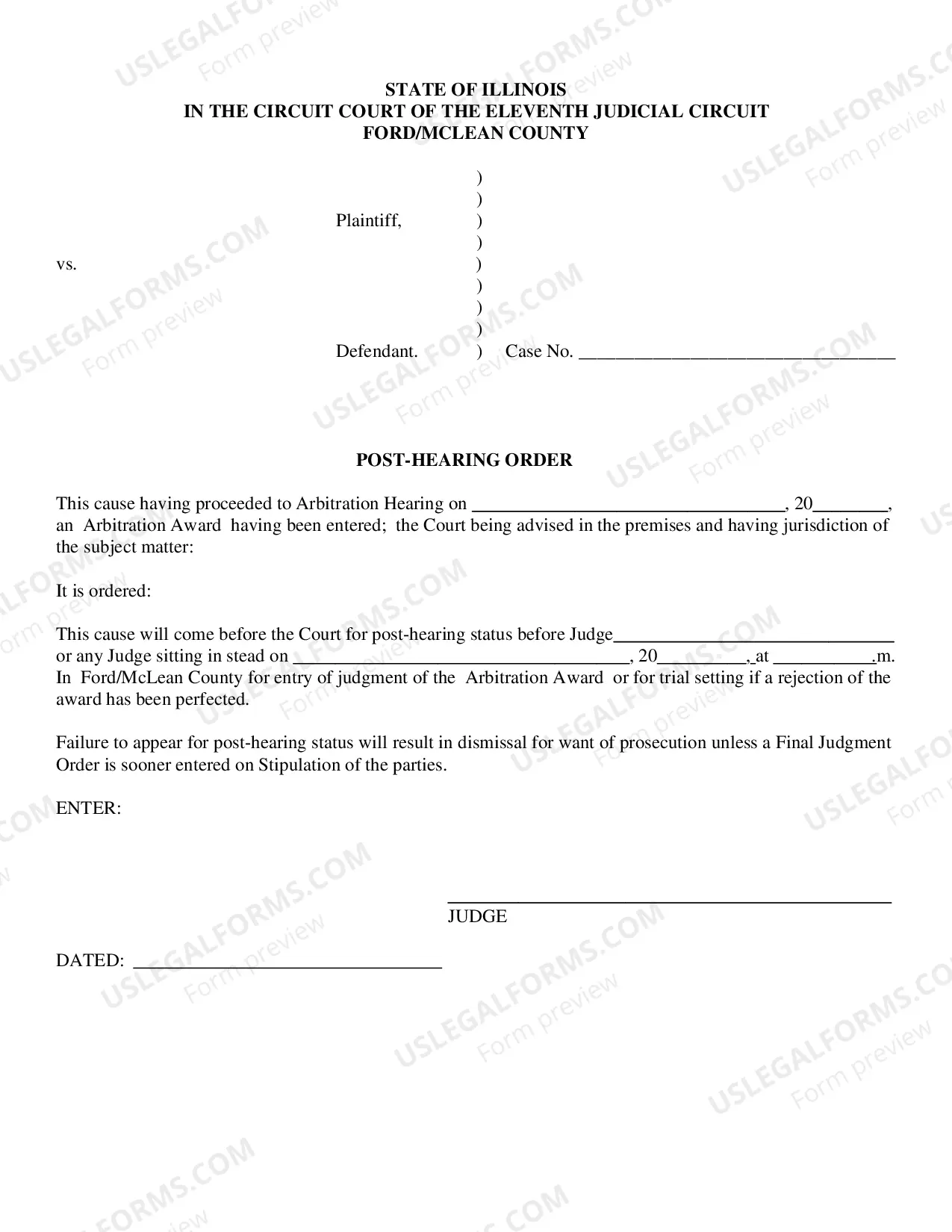




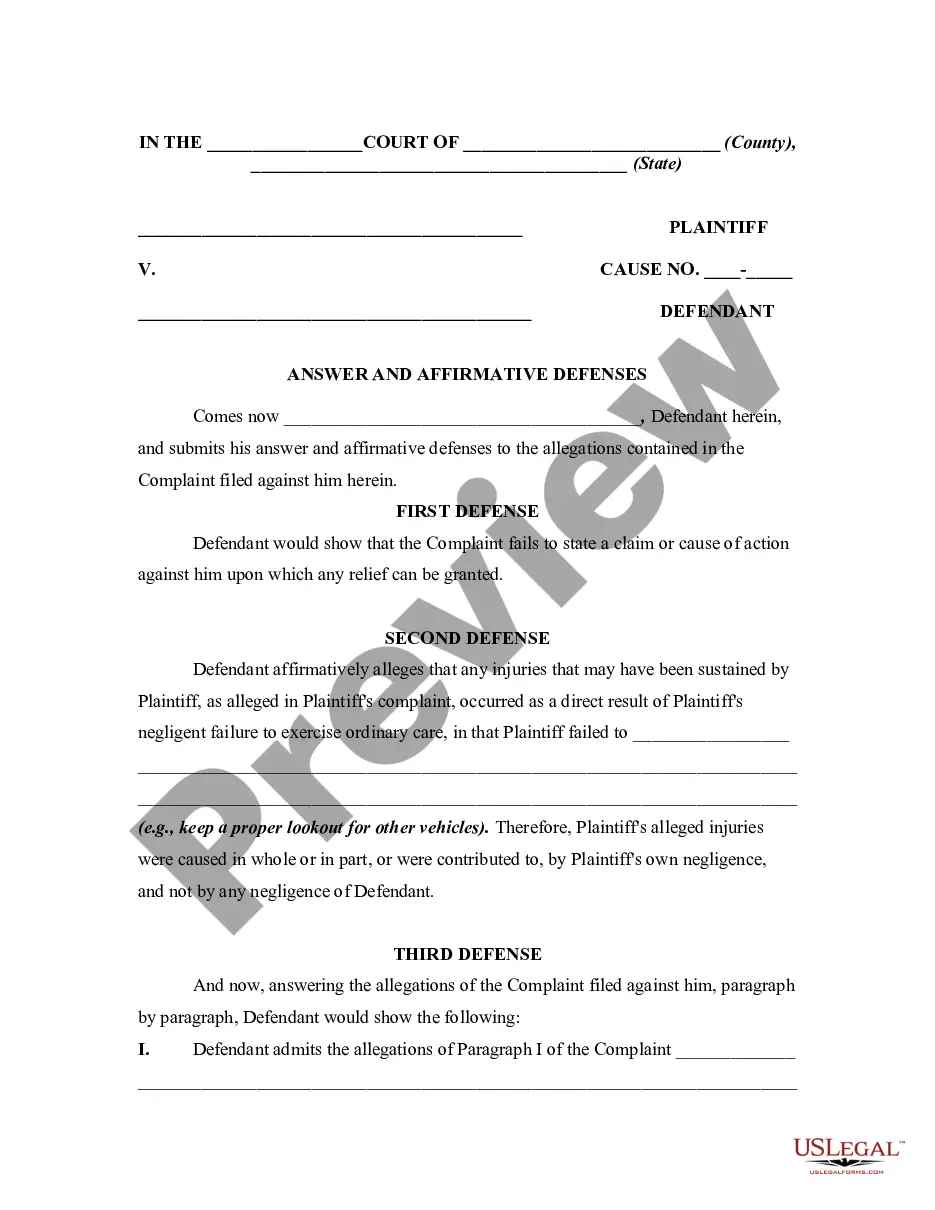
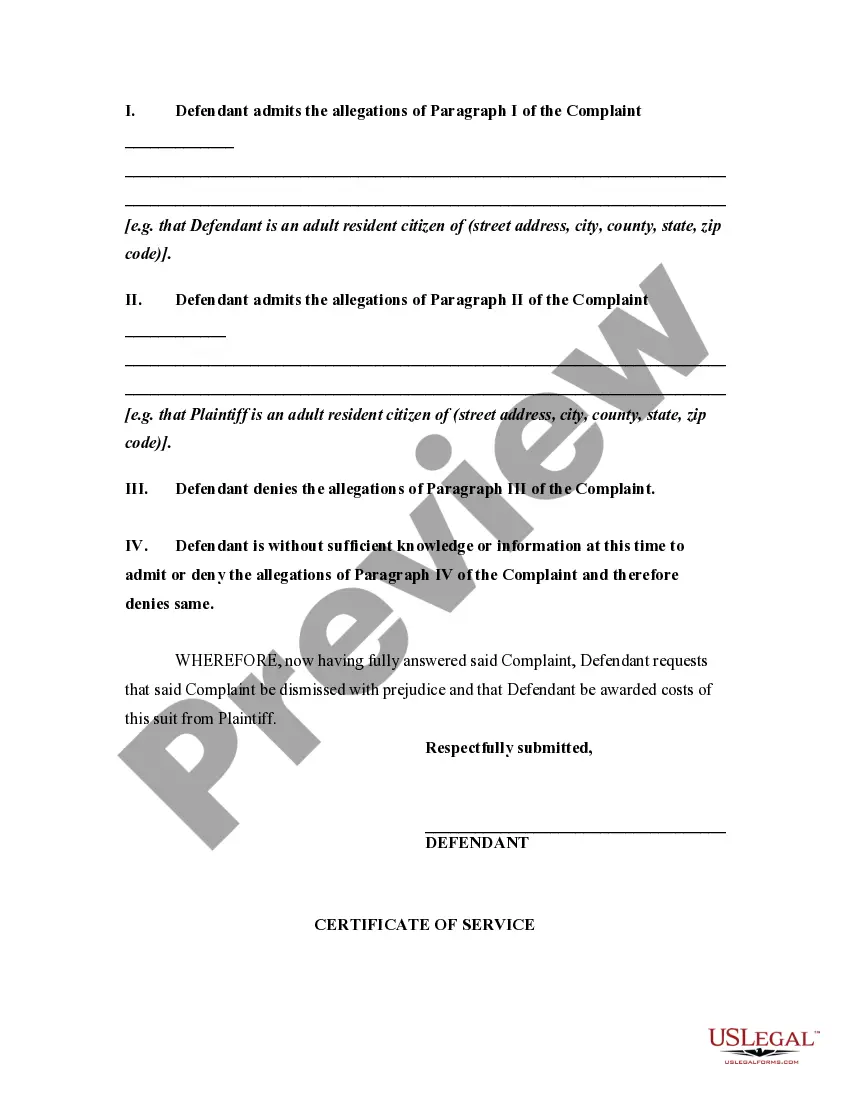
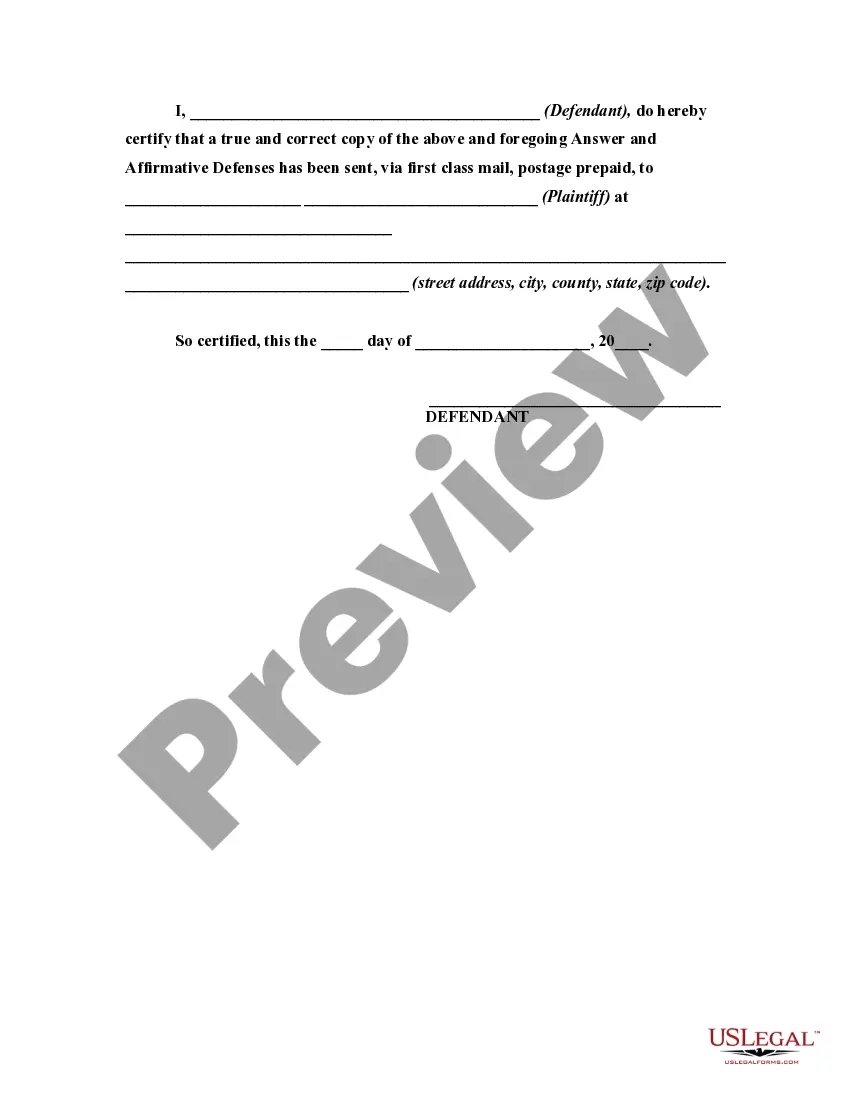
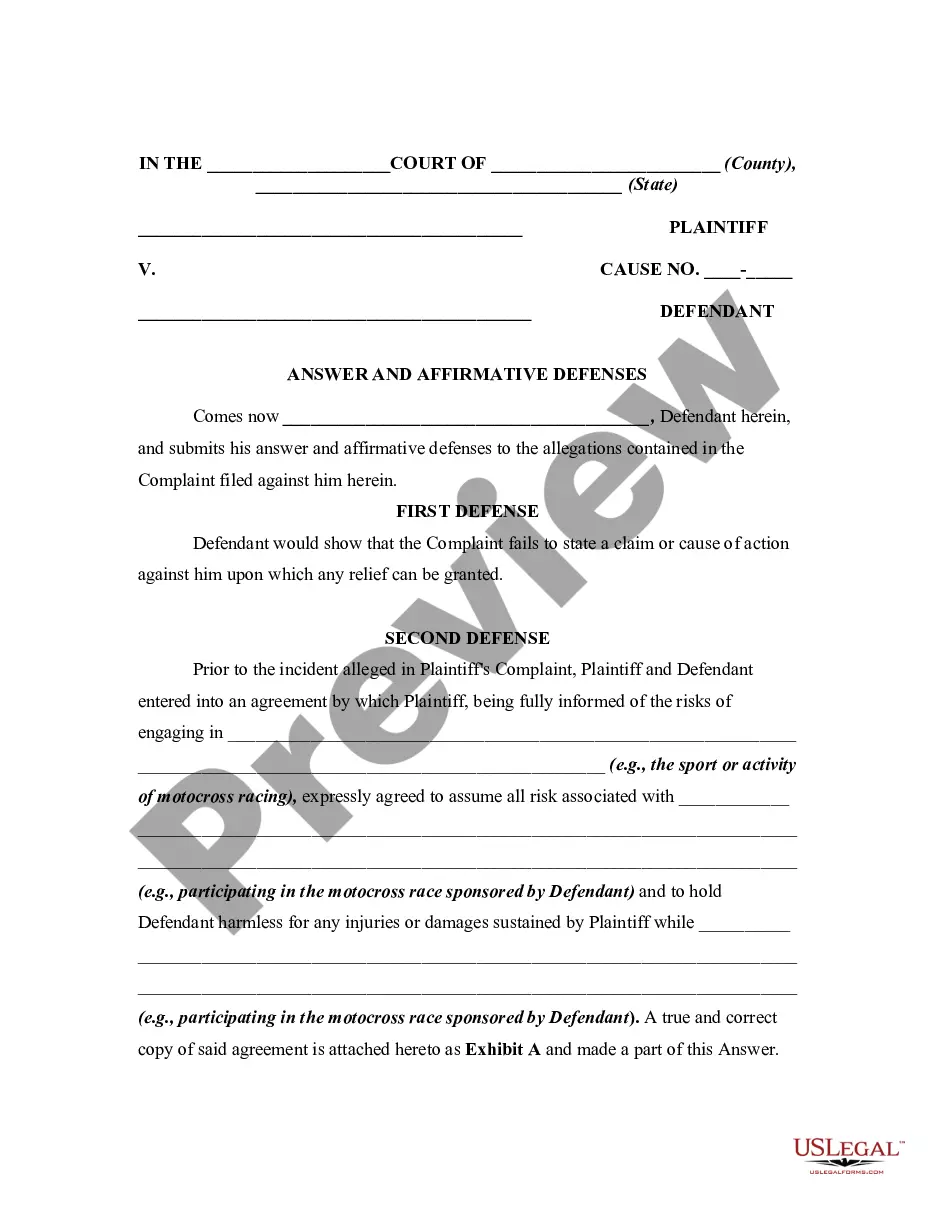
How to fill out Answer By Defendant In A Civil Lawsuit Alleging The Affirmative Defense Of Contributory Negligence?
Whether for corporate objectives or for personal issues, everyone must manage legal circumstances at some stage in their life.
Completing legal documents requires meticulous attention, beginning with selecting the correct form template.
Once it is saved, you can fill out the form using editing software or print it and complete it by hand. With a vast US Legal Forms catalog available, you never need to waste time searching for the appropriate template online. Utilize the library’s straightforward navigation to discover the perfect template for any situation.
- Obtain the template you require by utilizing the search field or catalog navigation.
- Review the form’s description to ensure it matches your case, jurisdiction, and region.
- Click on the form’s preview to examine it.
- If it is the wrong form, return to the search function to locate the Sues For Negligence template you need.
- Download the file if it aligns with your needs.
- If you possess a US Legal Forms profile, simply click Log in to access previously saved documents in My documents.
- If you do not have an account yet, you can download the form by clicking Buy now.
- Select the suitable payment option.
- Complete the profile registration form.
- Choose your payment method: you can use a credit card or PayPal account.
- Select the file format you prefer and download the Sues For Negligence.
Form popularity
FAQ
Suing someone for negligence involves several steps, beginning with gathering evidence to support your claim. You must then file a complaint in the appropriate court, outlining the details of the negligence and damages. Afterward, you may go through a discovery phase, where both parties exchange information. Utilizing resources from US Legal Forms can provide you with necessary templates and guidance throughout your case.
Individuals sue for negligence to seek compensation for injuries or damages caused by another party's lack of reasonable care. When someone suffers losses from an accident or incident that could have been prevented, they may pursue legal action for recovery. This suits the purpose of making the responsible party accountable and serving as a deterrent for future negligence. Ultimately, it seeks justice for the harmed party.
Winning a negligence case can be challenging, as it requires clear evidence and skilled legal representation. You need to convincingly prove that the other party acted negligently and that their actions directly caused your damages. Courts heavily scrutinize these cases, making it essential to gather substantial proof. Consulting with professionals, like those offered on the US Legal Forms platform, can help you navigate this complicated process.
You can get sued for negligence when someone believes you failed to act with reasonable care, leading to their injury. If your actions or inactions resulted in harm, the injured party may decide to pursue legal action against you. It is crucial to understand that negligence cases can involve various circumstances, such as car accidents or slip and fall incidents. Therefore, holding appropriate insurance and being cautious can help prevent such lawsuits.
To successfully sue for negligence, you must prove four key elements: duty, breach, causation, and damages. First, establish that the defendant owed you a duty of care. Next, show that the defendant breached that duty through their actions. Then, link their actions directly to the damages you suffered. Lastly, demonstrate that those damages truly impacted your life.
A plaintiff must prove that the defendant owed a duty to the plaintiff, breached that duty, caused harm through that breach, and the plaintiff suffered actual damages. These elements form the foundation of most negligence cases. When a person sues for negligence, demonstrating all four elements is vital for a favorable outcome. The US Legal Forms platform provides essential tools and templates to help plaintiffs effectively organize their cases.
The 4 elements of negligence include duty, breach, causation, and damages. To succeed in a lawsuit, you must prove that the defendant owed you a duty of care, failed to meet that duty, directly caused your injury, and resulted in measurable damages. When someone sues for negligence, these elements are crucial to the legal process. Utilizing US Legal Forms can simplify the documentation and understanding of these elements.
The 4 C's of negligence are care, capacity, causation, and compensation. It is essential to establish that a duty of care existed, the defendant had the capacity to fulfill that duty, a causal link exists between the breach of duty and the injury, and appropriate compensation is sought. If someone sues for negligence, understanding these elements provides clarity in building a strong case. US Legal Forms offers valuable resources to assist you in navigating these complexities.
The value of a negligence claim can vary significantly based on various factors, including the circumstances of the incident and the damages incurred. Generally, compensation may cover medical expenses, lost wages, and emotional distress. When someone sues for negligence, they aim to receive a fair settlement reflecting their losses. Assessing the worth of a claim often requires careful evaluation by legal and financial experts.
When someone sues for negligence, the process typically begins with a complaint filed in court. You will have the opportunity to respond to the claims made against you. If the case proceeds, you may engage in negotiations, mediation, or a trial to resolve the dispute. It's essential to consult with a legal professional who can guide you through this challenging process.