Affirmative Defenses In California With Business Relations
Description
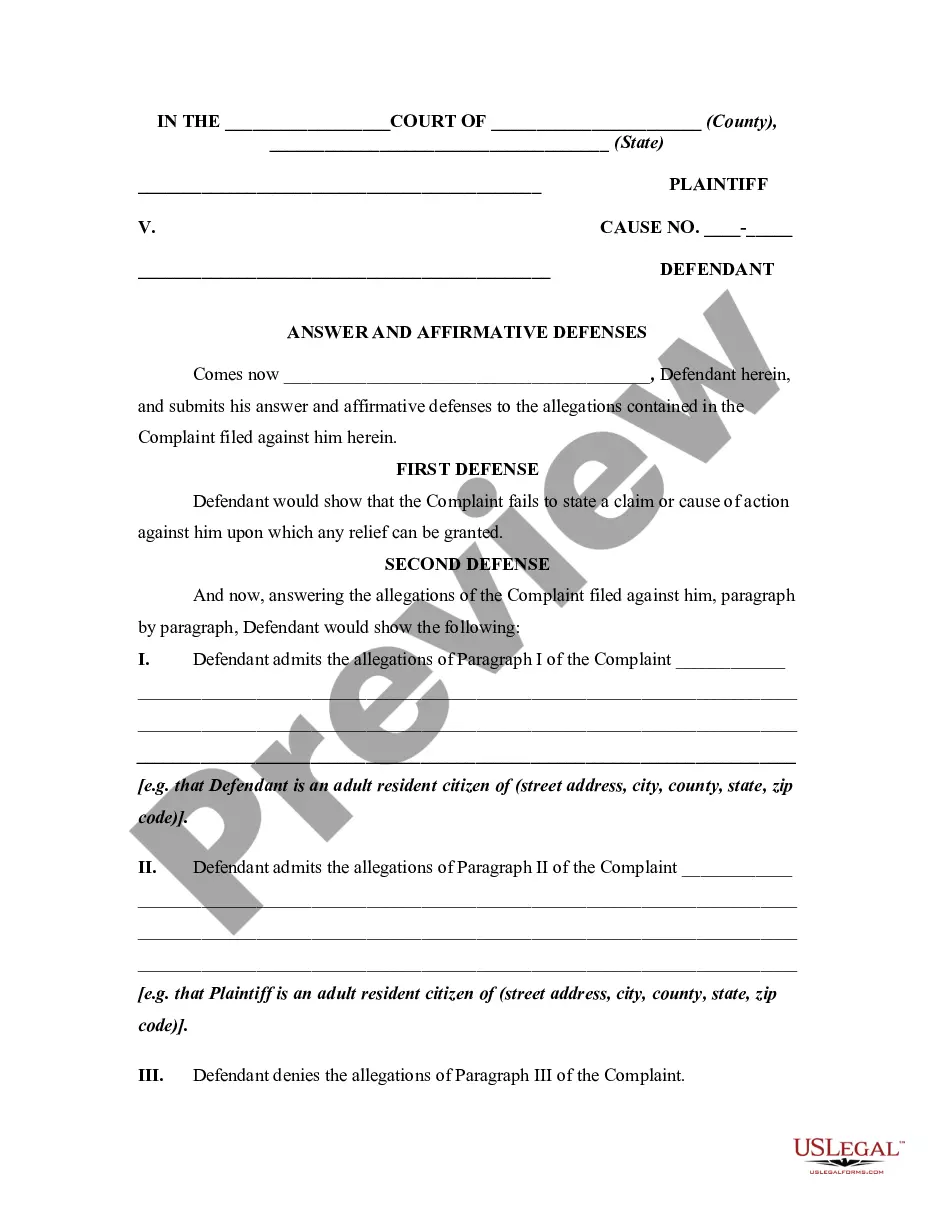
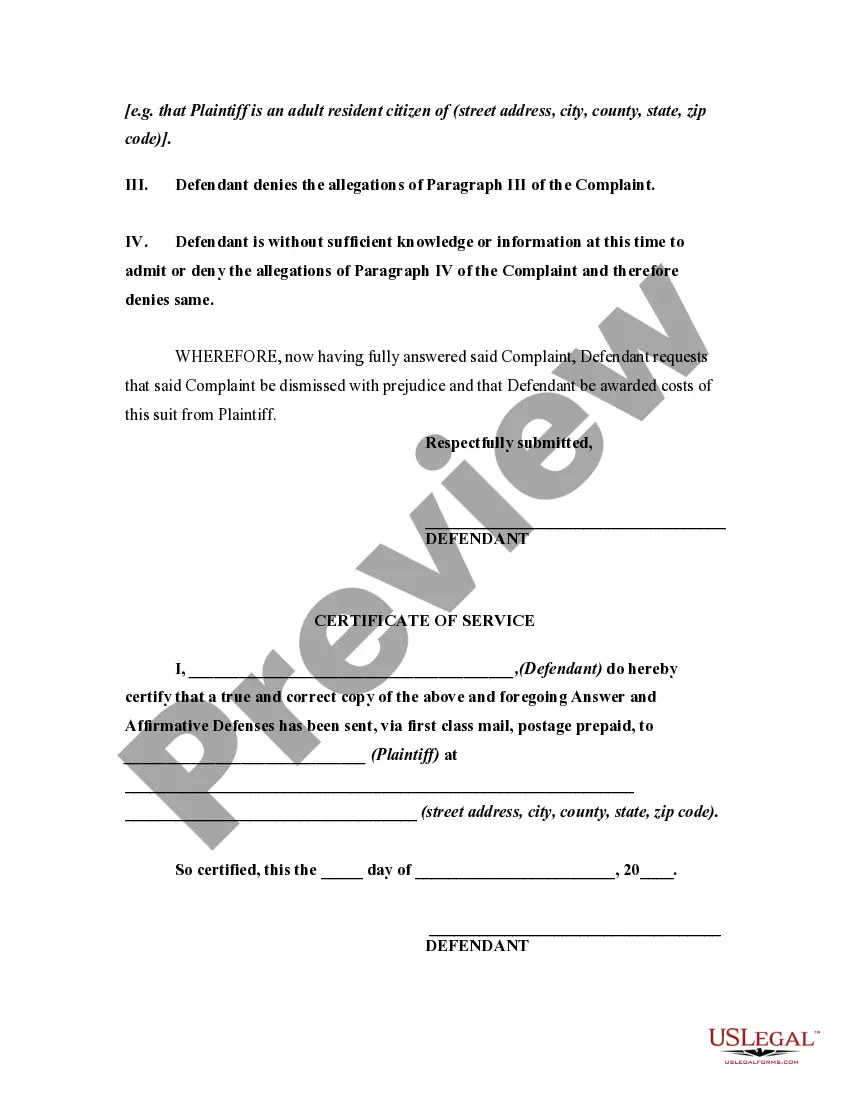

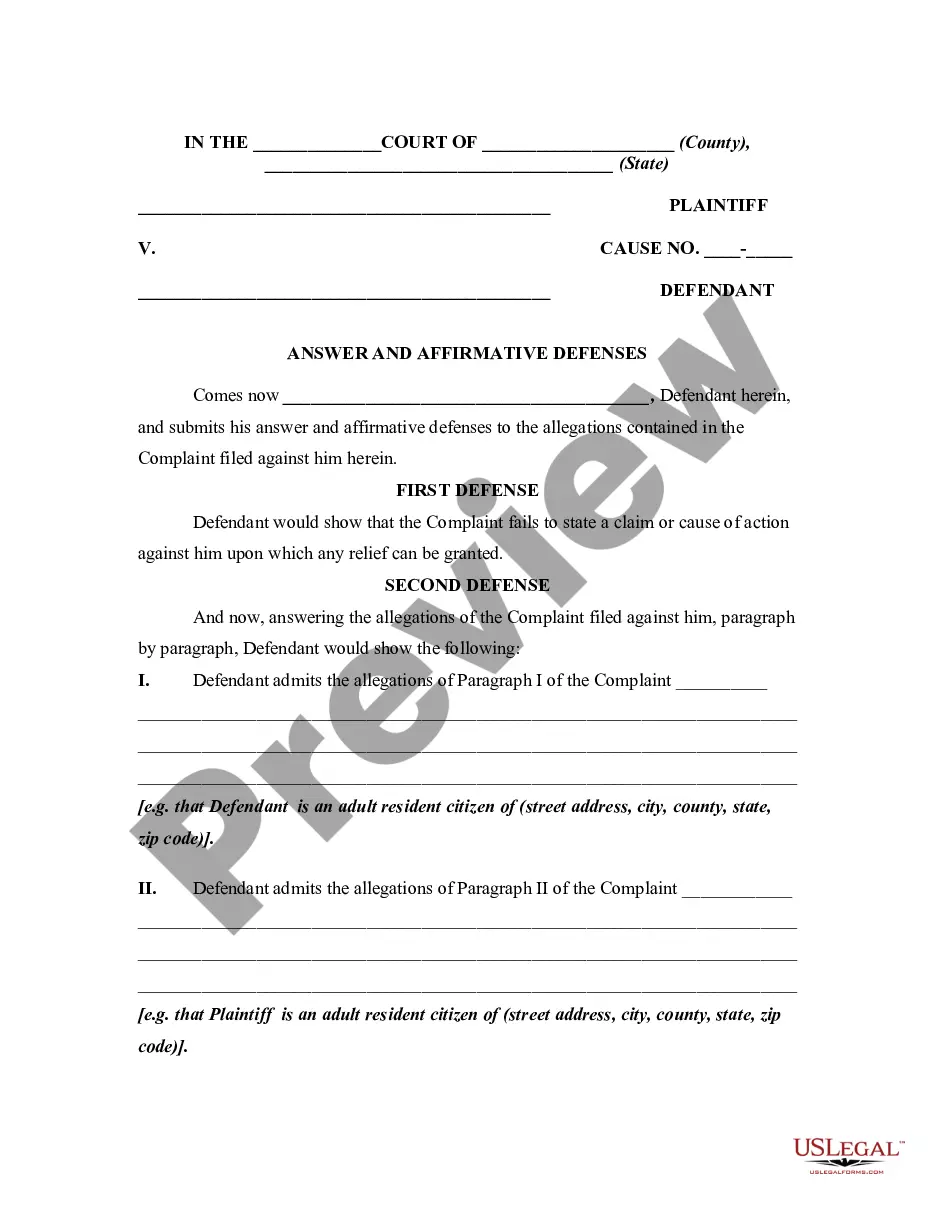
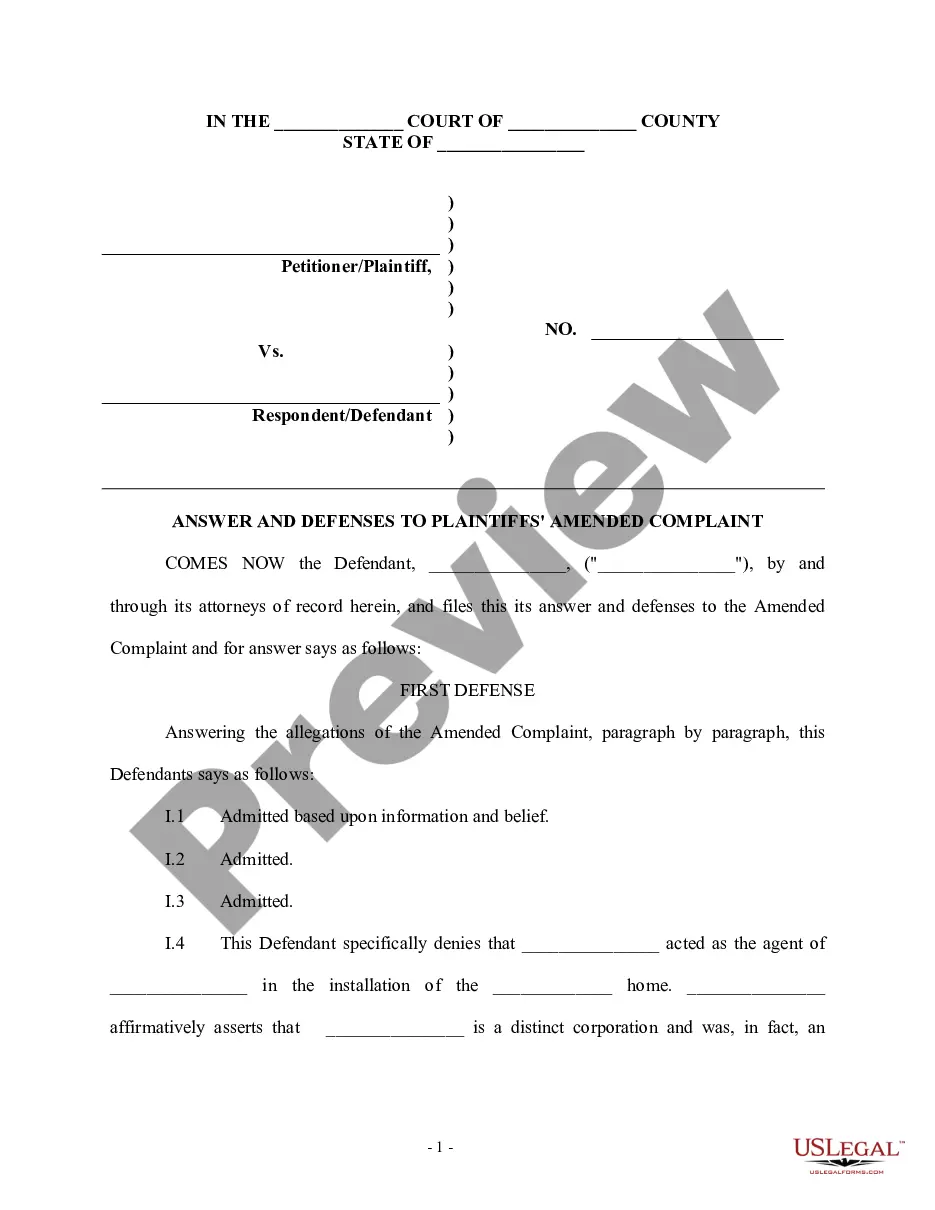
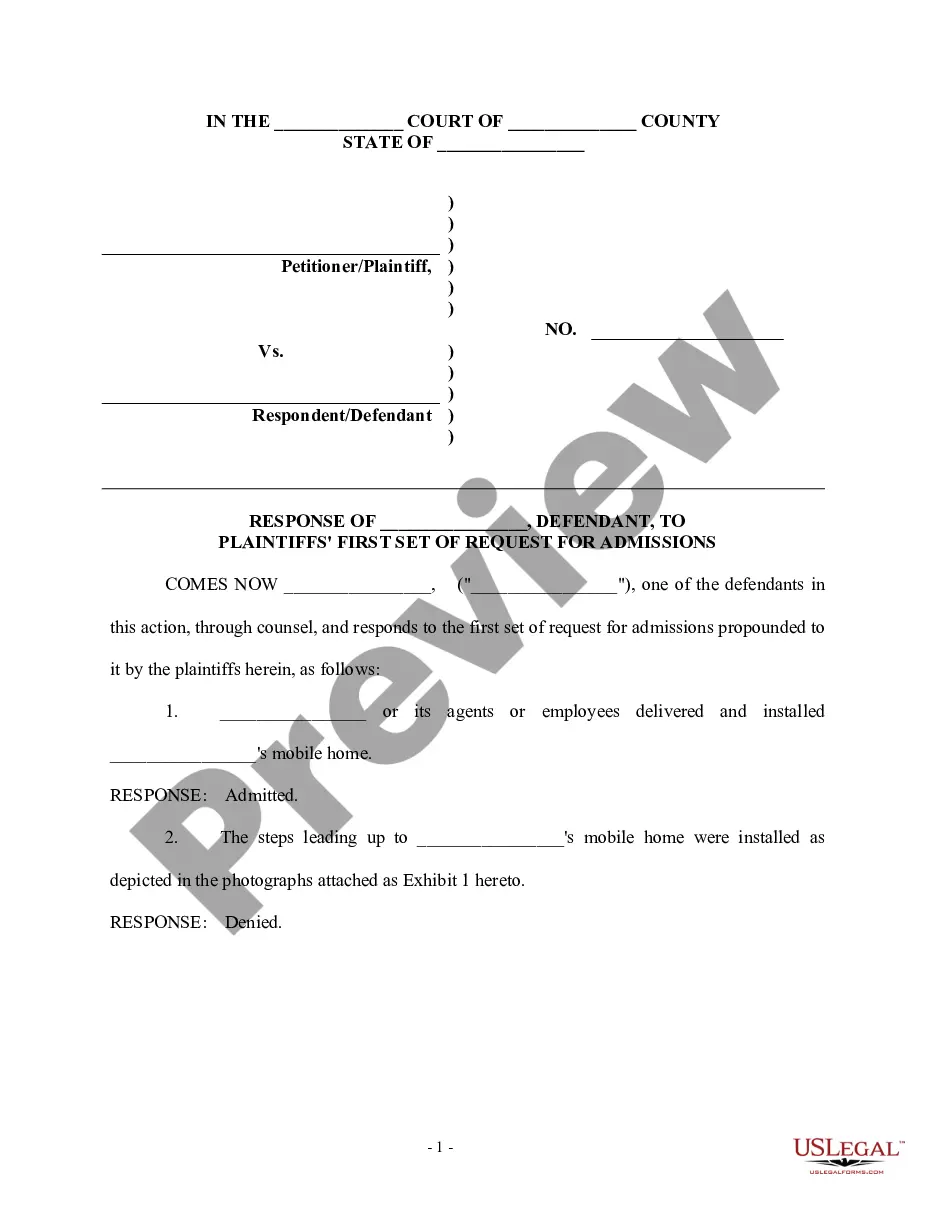
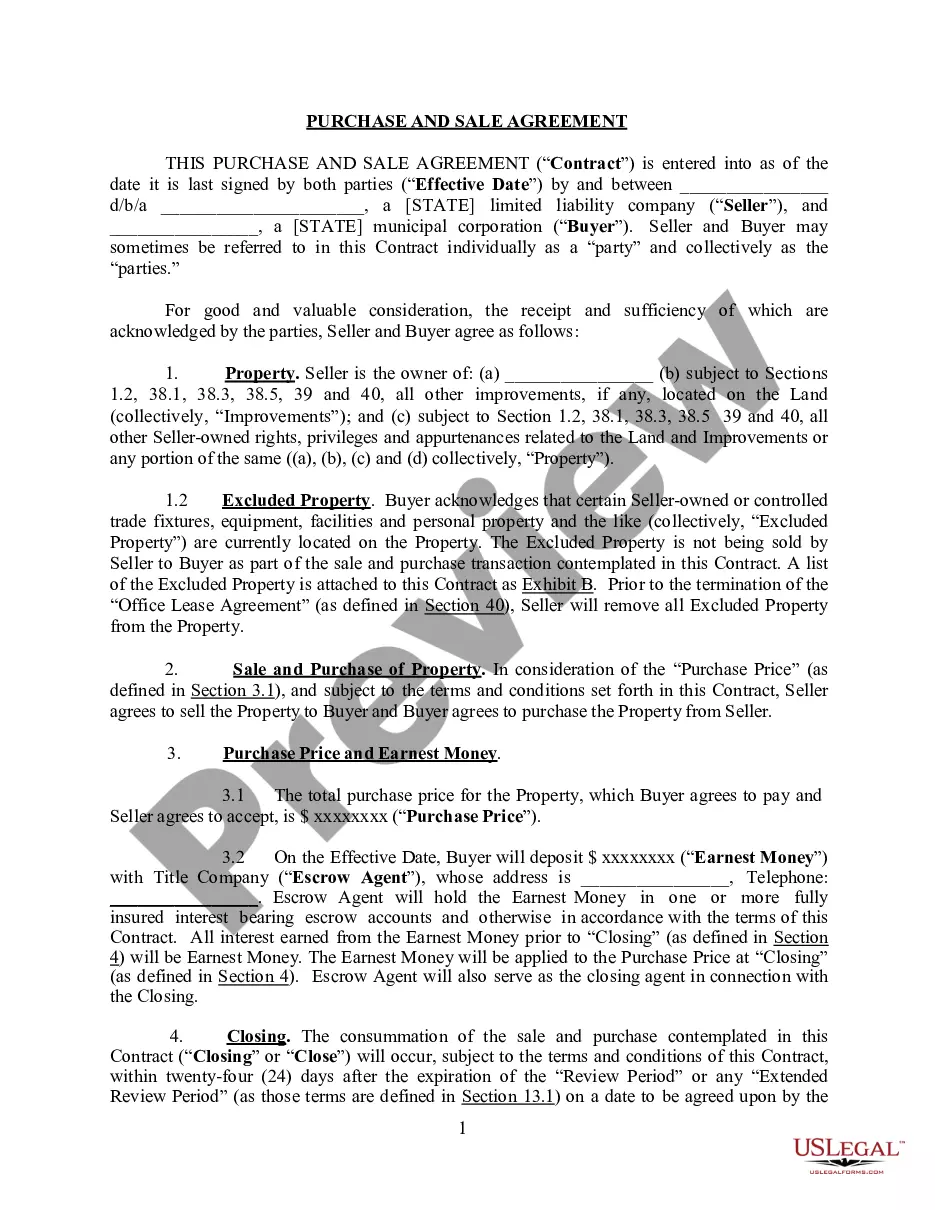
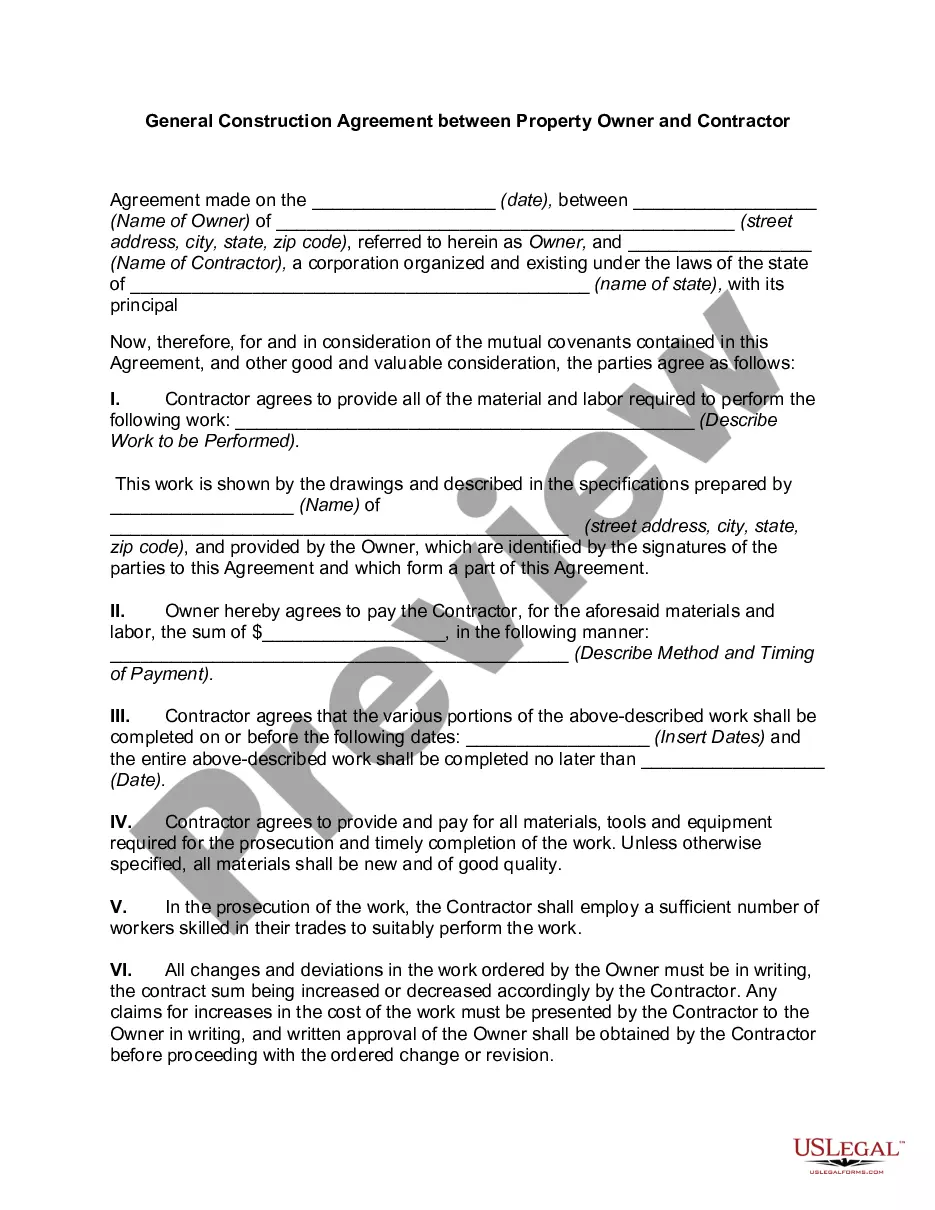
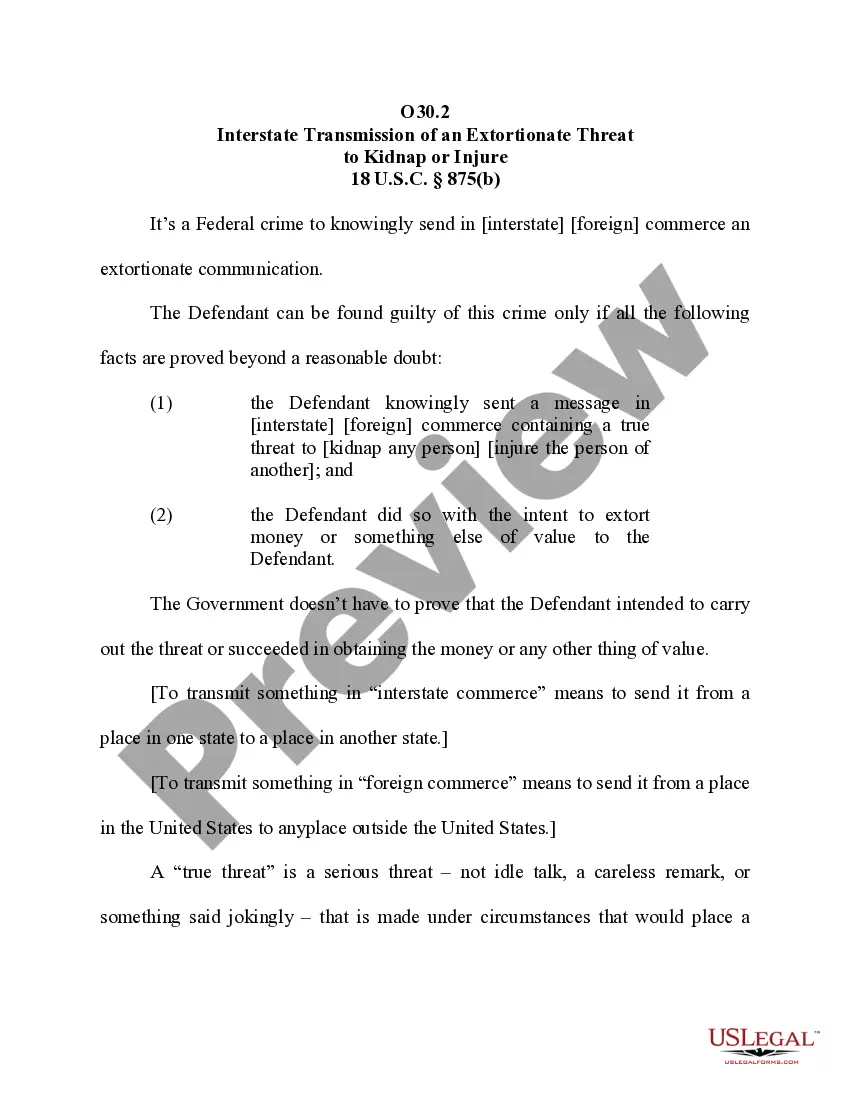
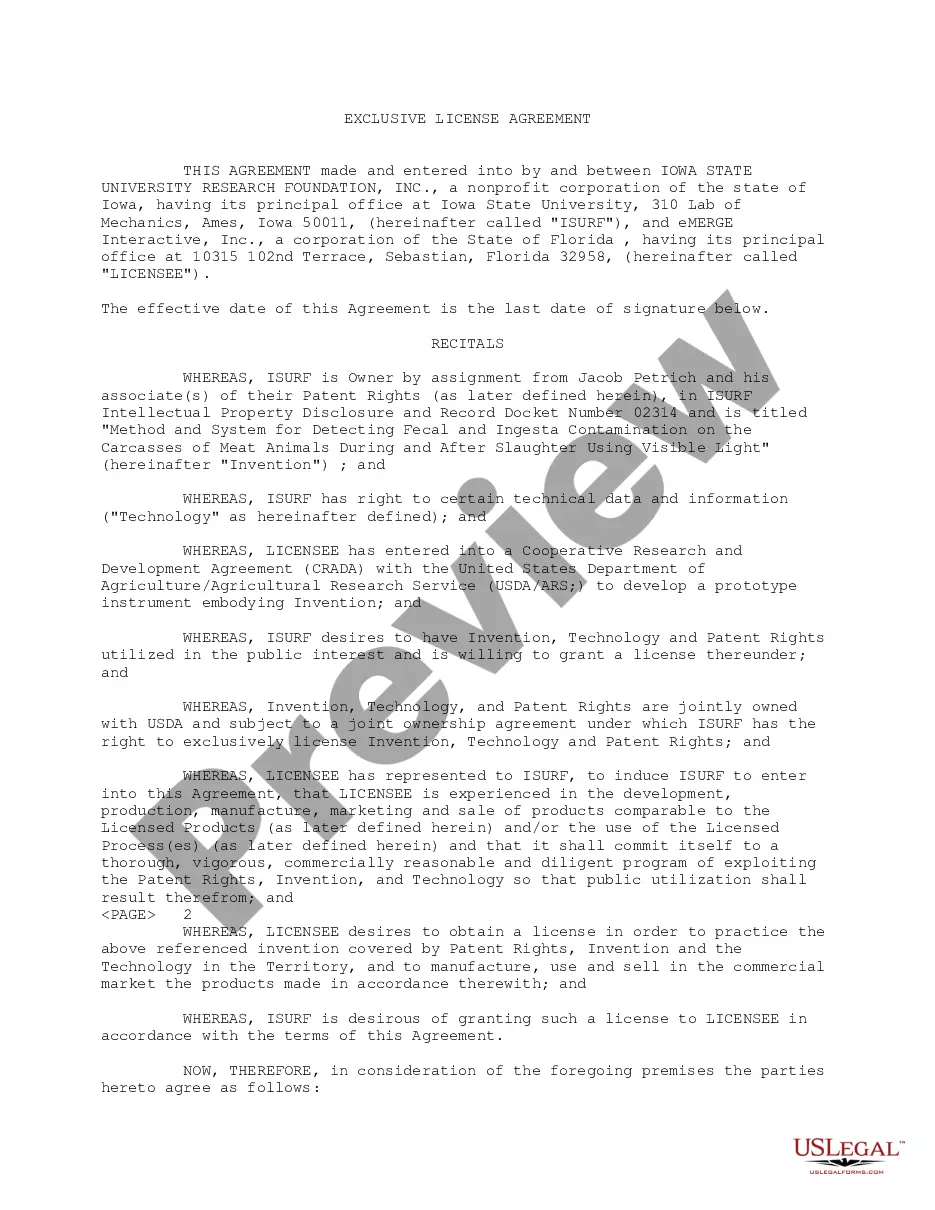

How to fill out Answer With Specific Denials And Admissions Along With Denial Of Sufficient Knowledge Or Information To Form A Belief As To Certain Allegations?
Whether for commercial objectives or personal issues, everyone must handle legal situations at some stage in their life. Completing legal paperwork demands meticulous focus, starting from selecting the correct form template. For instance, if you select an incorrect version of the Affirmative Defenses In California With Business Relations, it will be rejected upon submission. Hence, it is vital to have a reliable source of legal documents like US Legal Forms.
If you need to obtain an Affirmative Defenses In California With Business Relations template, follow these straightforward steps: Find the example you require by utilizing the search field or catalog navigation. Review the form’s description to confirm it aligns with your situation, state, and county. Click on the form’s preview to examine it. If it is the wrong form, return to the search function to locate the Affirmative Defenses In California With Business Relations example you need. Download the template if it satisfies your requirements.
- If you possess a US Legal Forms account, simply click Log in to access previously saved documents in My documents.
- If you do not have an account yet, you can acquire the form by clicking Buy now.
- Choose the appropriate pricing option.
- Complete the account registration form.
- Select your payment method: you can use a credit card or PayPal account.
- Choose the document format you prefer and download the Affirmative Defenses In California With Business Relations.
- Once it is saved, you can fill in the form using editing software or print it and complete it manually.
- With a vast US Legal Forms catalog available, you do not need to waste time searching for the suitable example across the internet.
- Utilize the library’s easy navigation to find the right template for any occasion.
Form popularity
FAQ
Affirmative Defenses State any factual or legal reasons that the Plaintiff cannot win all or part of this case. Provide enough detail so the Plaintiff and Court will understand your defense.
Affirmative defense?Examples On [Date], after making the contract and the alleged breach, and before this action was commenced, defendant paid to the plaintiff the sum of [specify amount], which was accepted by the plaintiff in full satisfaction and discharge of the damages claimed in the petition.
Self-defense, entrapment, insanity, necessity, and respondeat superior are some examples of affirmative defenses. Under the Federal Rules of Civil Procedure Rule 56, any party may make a motion for summary judgment on an affirmative defense.
Asserting an Affirmative Defense: An Example First, find the elements of the defense you want to assert. Statutes and appellate cases are good resources for this. Then, state any facts in your own case that make up the elements of that defense.
If you file an Answer to the lawsuit and defend yourself in court, you can state an affirmative defense. You can deny what the plaintiff says you did without saying anything else. But you can also have affirmative defenses. You must raise it in your Answer or you may give up your right to bring it up later.