Respond To A Lawsuit
Description
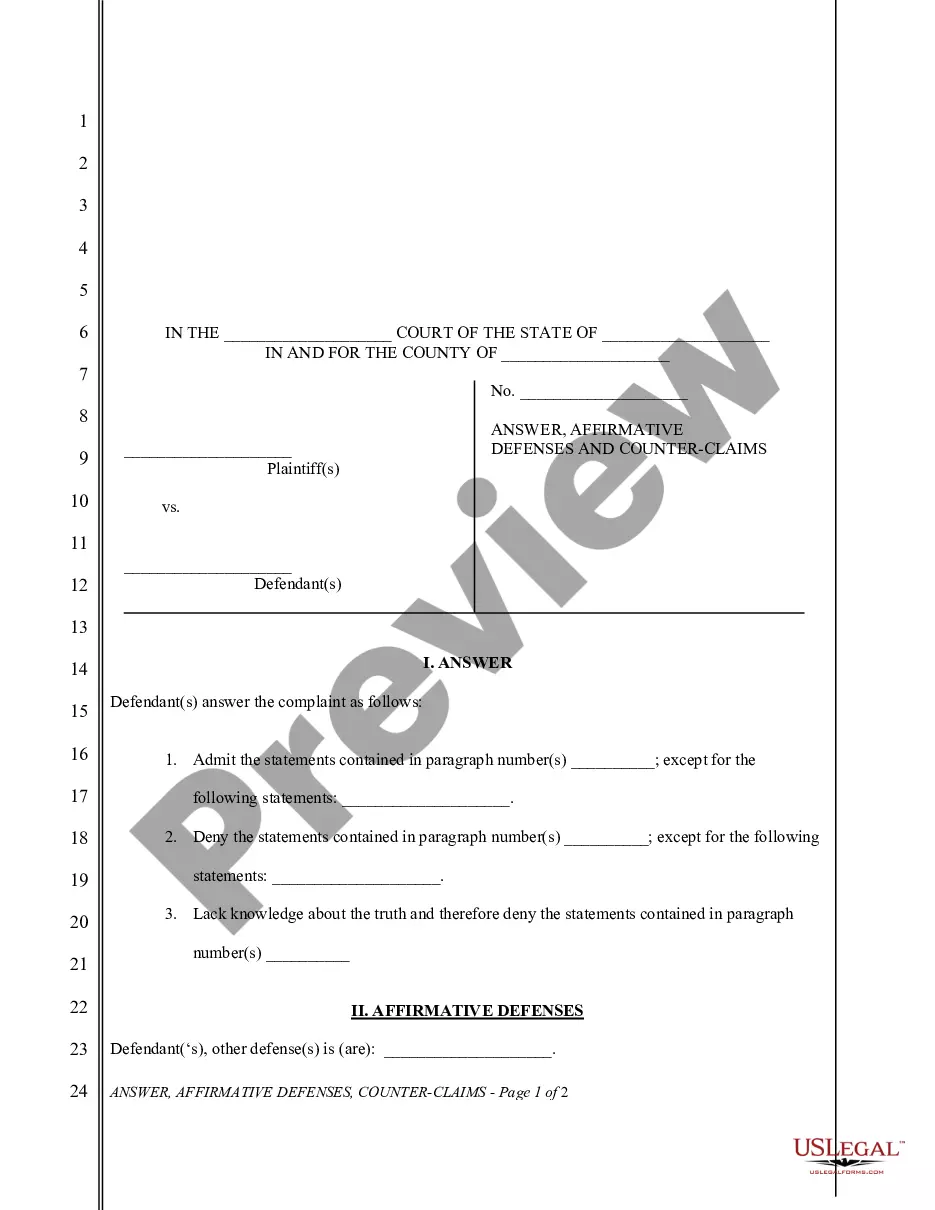
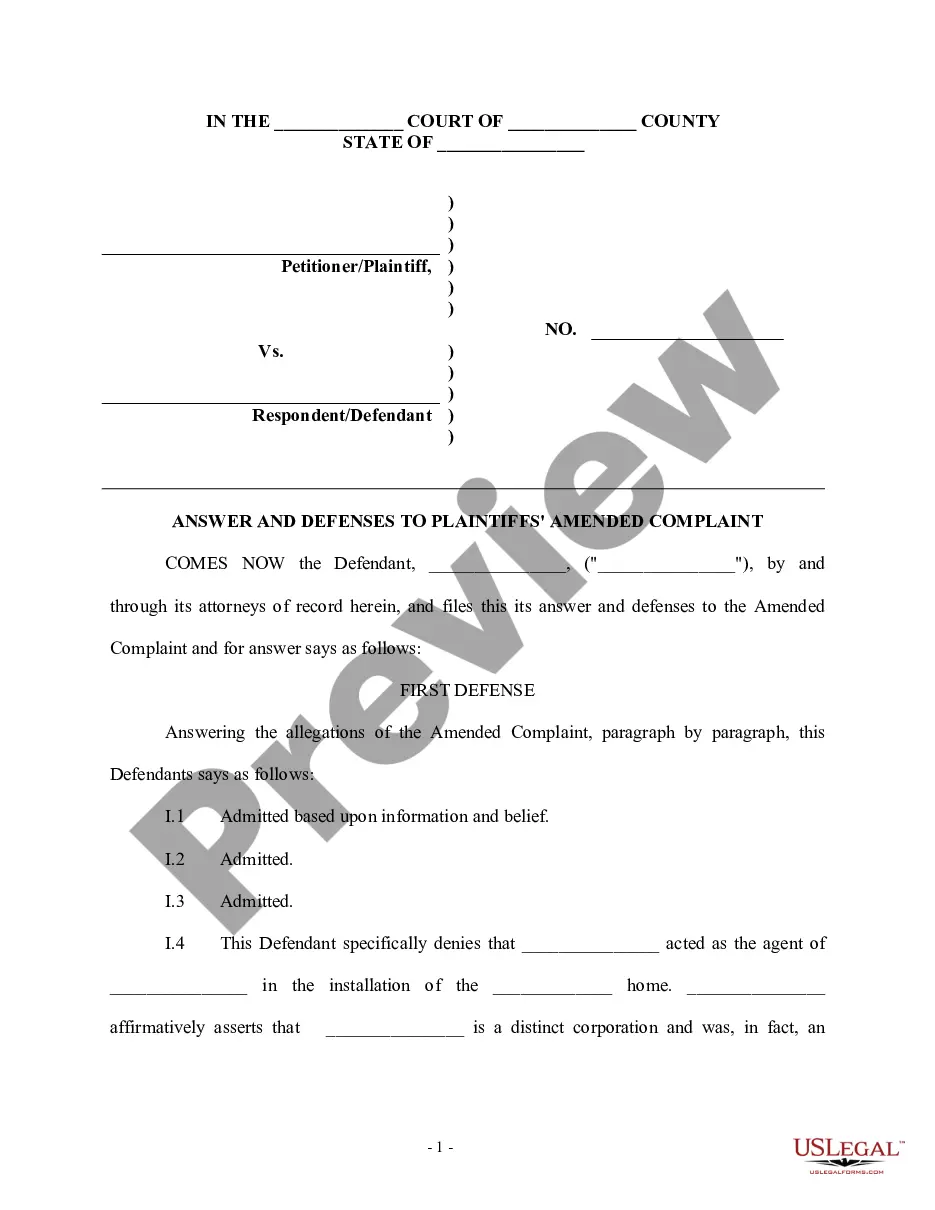
Get your form ready online
Our built-in tools help you complete, sign, share, and store your documents in one place.
Make edits, fill in missing information, and update formatting in US Legal Forms—just like you would in MS Word.
Download a copy, print it, send it by email, or mail it via USPS—whatever works best for your next step.
Sign and collect signatures with our SignNow integration. Send to multiple recipients, set reminders, and more. Go Premium to unlock E-Sign.
If this form requires notarization, complete it online through a secure video call—no need to meet a notary in person or wait for an appointment.
We protect your documents and personal data by following strict security and privacy standards.

Make edits, fill in missing information, and update formatting in US Legal Forms—just like you would in MS Word.

Download a copy, print it, send it by email, or mail it via USPS—whatever works best for your next step.

Sign and collect signatures with our SignNow integration. Send to multiple recipients, set reminders, and more. Go Premium to unlock E-Sign.

If this form requires notarization, complete it online through a secure video call—no need to meet a notary in person or wait for an appointment.

We protect your documents and personal data by following strict security and privacy standards.
Looking for another form?


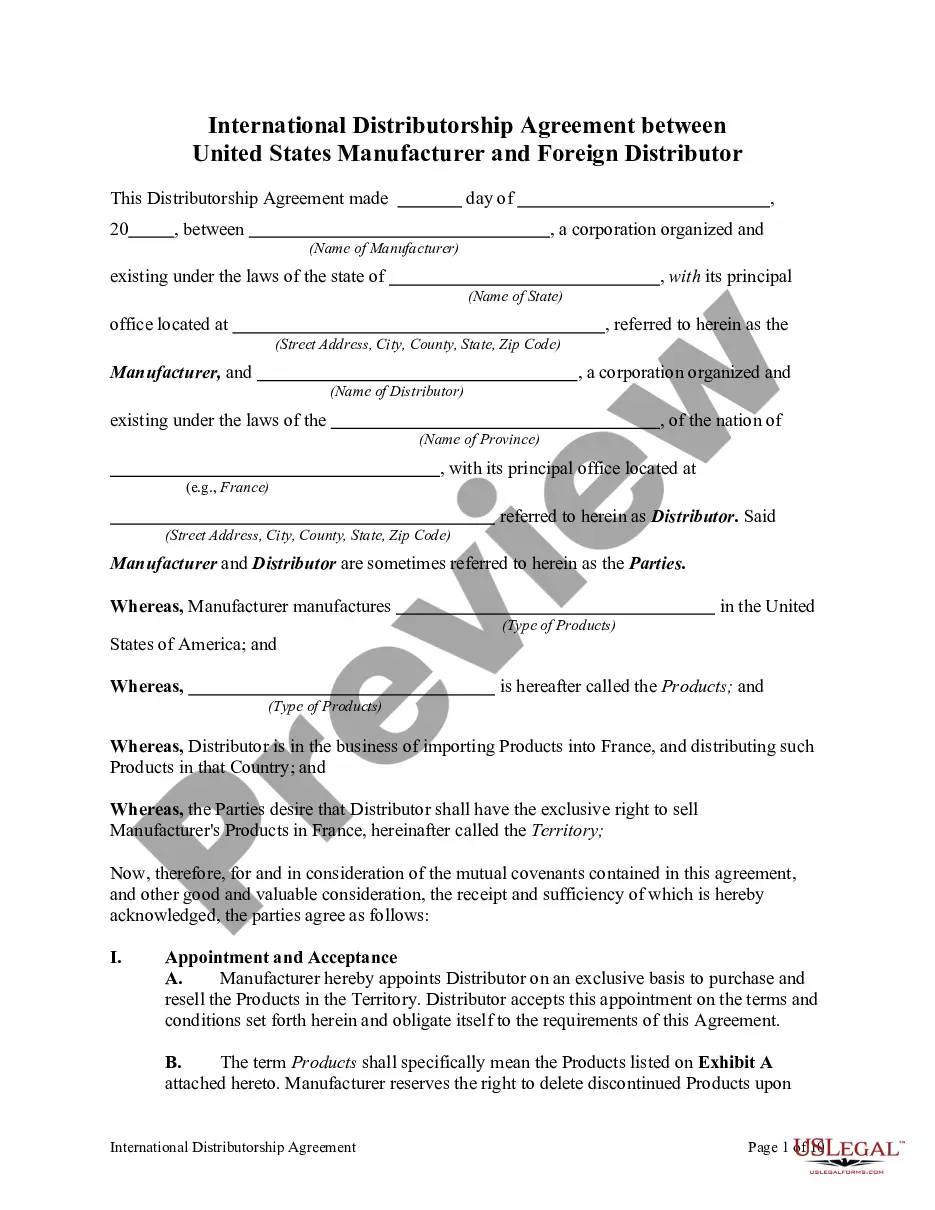





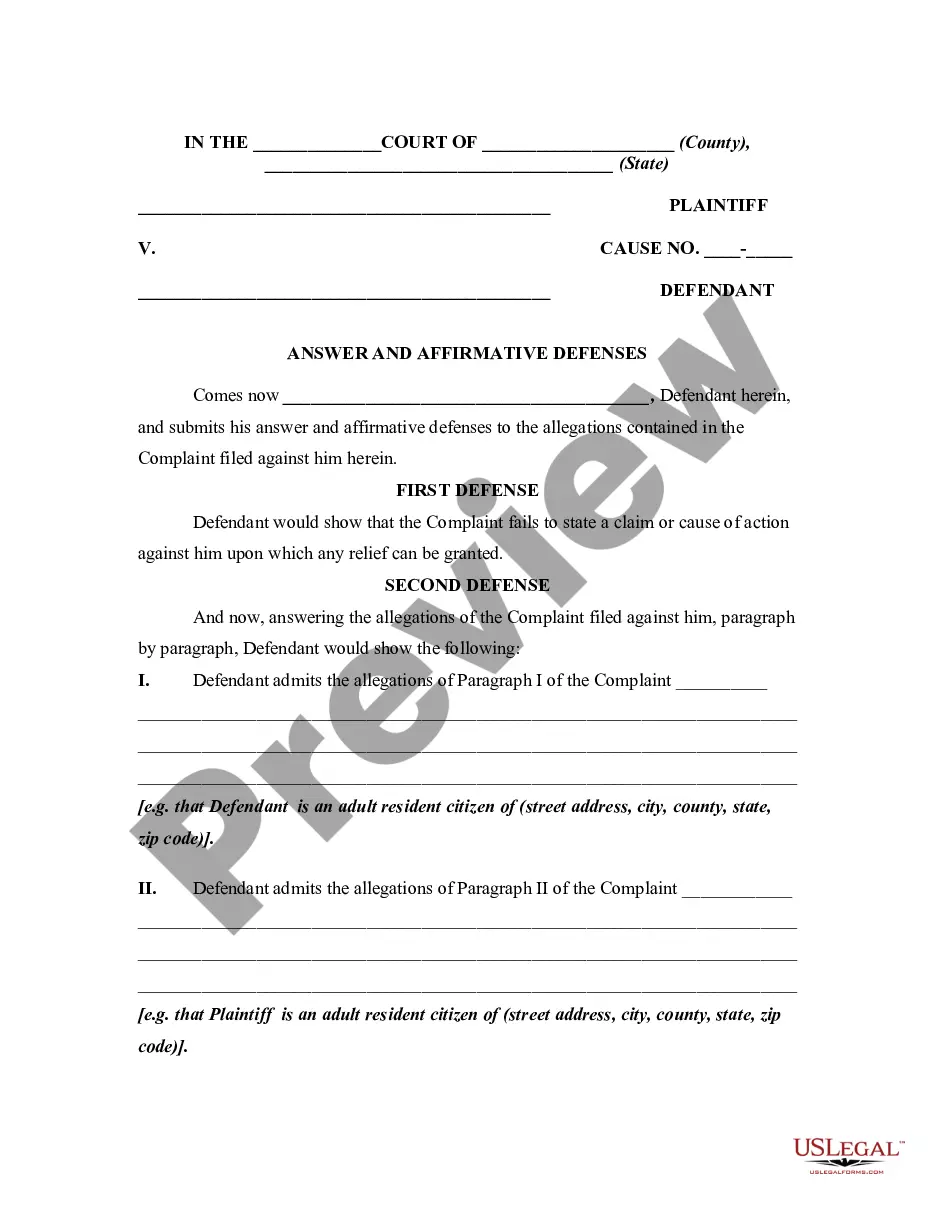
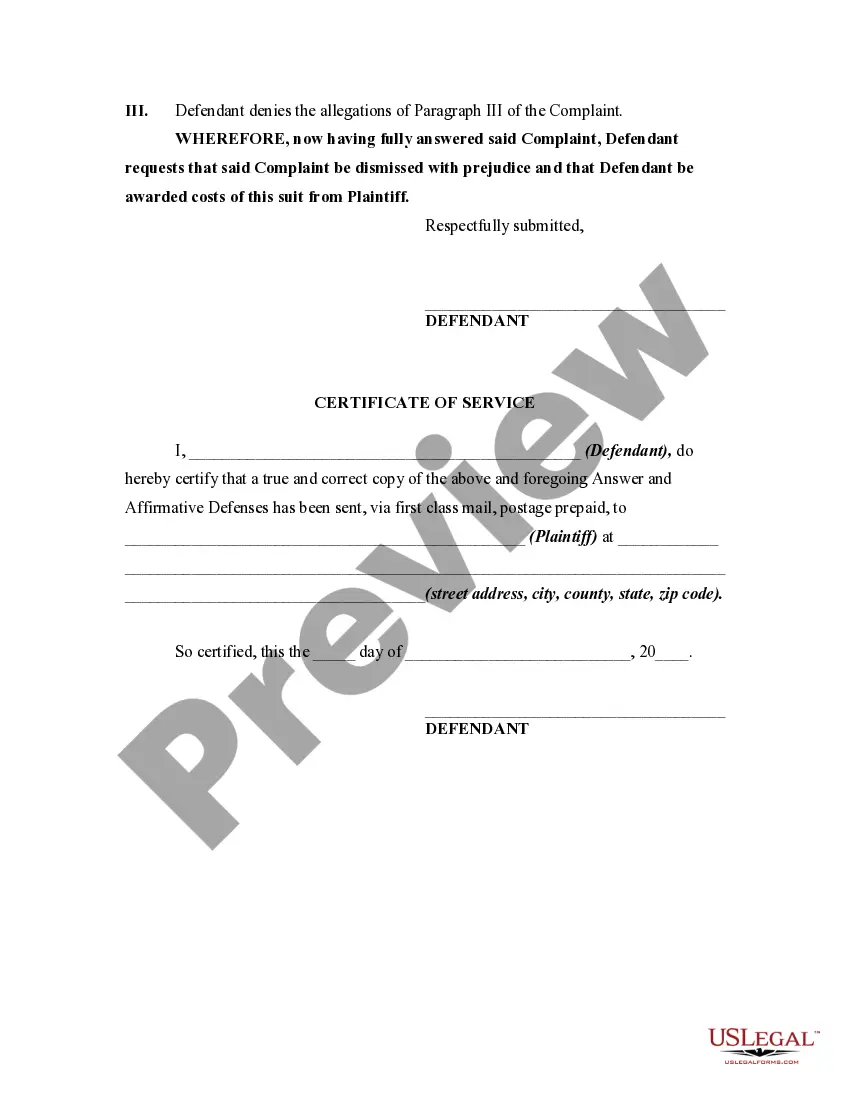
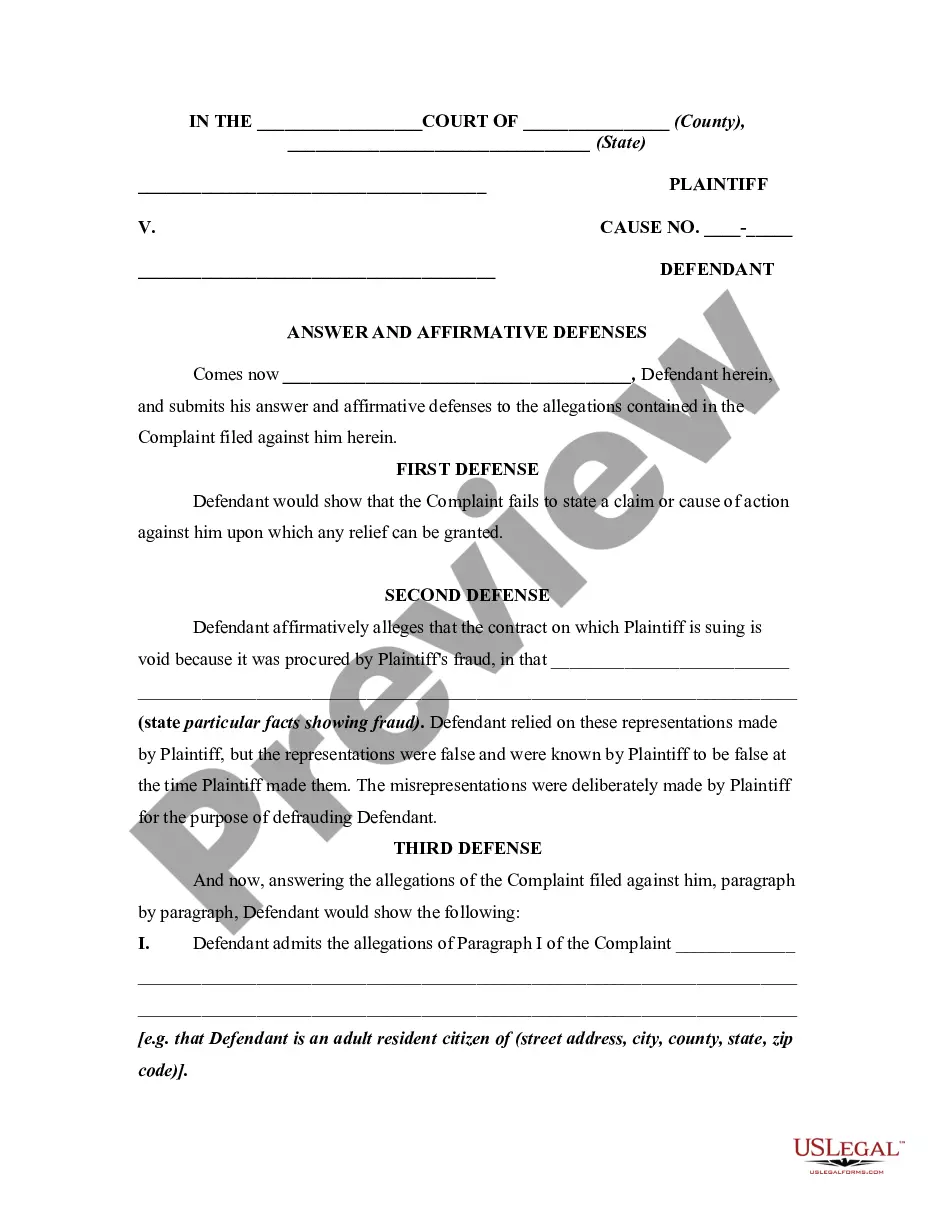
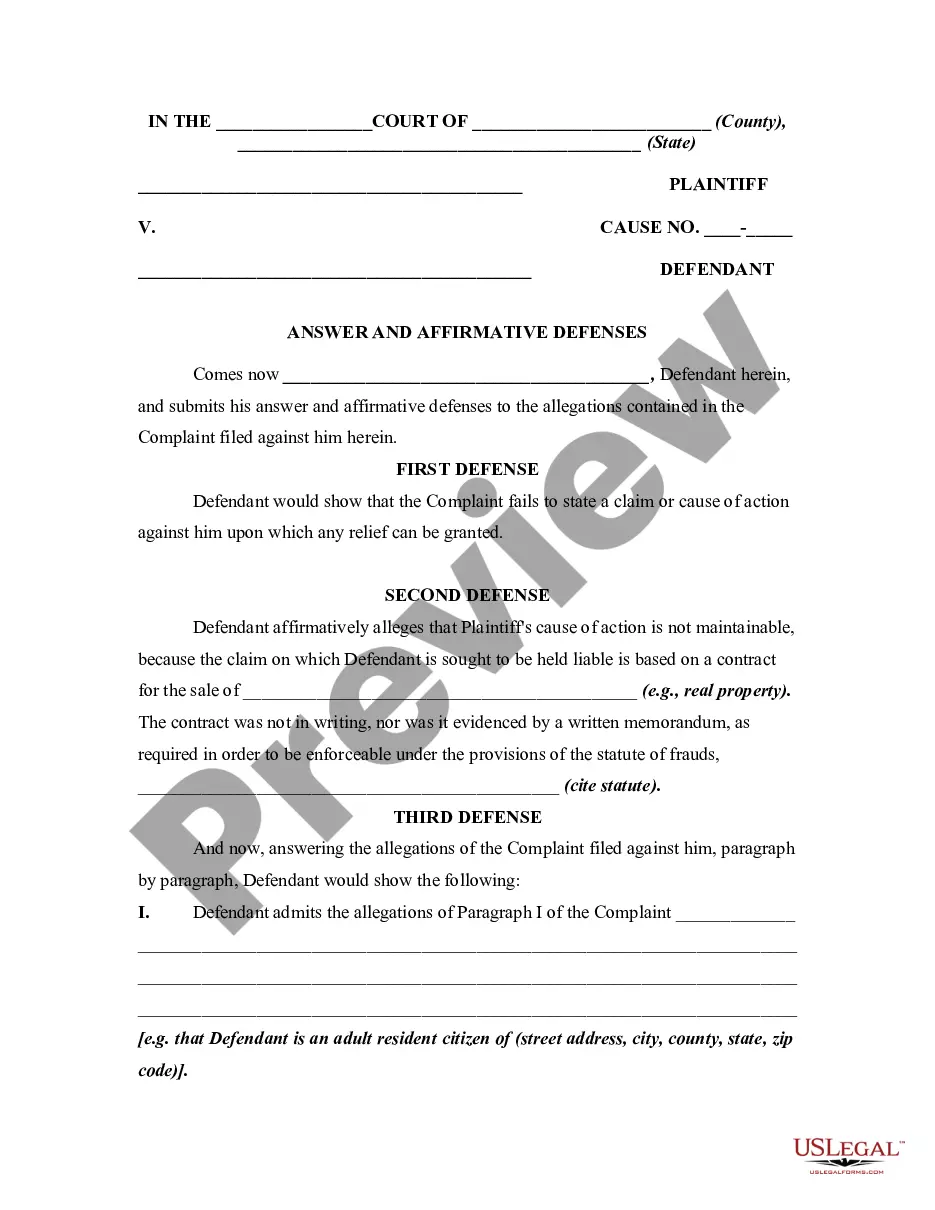
How to fill out General Form Of An Answer By Defendant In A Civil Lawsuit?
- If you are a returning user, log in to your account and check for the necessary form template. Ensure that your subscription is current; if not, renew it as needed.
- For new users, start by browsing the Preview mode and form description to confirm that you select the appropriate document for your local jurisdiction.
- If adjustments are necessary, utilize the Search tab to locate another template that better meets your needs.
- After selecting the right document, click on the Buy Now button to choose your preferred subscription plan. Create an account to access the full library.
- Complete your purchase by entering your payment details through credit card or PayPal.
- Finally, download your form to your device. You can access it anytime via the My Forms section.
In conclusion, using US Legal Forms allows you to respond to a lawsuit with confidence, thanks to our extensive collection of legal forms and expert assistance. Don't hesitate to take control of your legal matters.
Visit our website today and discover how easy it is to get the legal documents you need!
Form popularity
FAQ
A defendant's response to a plaintiff's action is typically an answer that addresses each claim made in the lawsuit. This document lays out the defendant's perspective and any defenses they might have. If you need to respond to a lawsuit, the quality and clarity of your response can significantly affect the case’s outcome. Utilize resources like US Legal Forms to craft a comprehensive and legally sound response.
A response to a lawsuit is commonly referred to as an answer or a motion. This document informs the court about your stance on the allegations made against you. When you respond to a lawsuit, it’s essential to clearly outline your defense strategies to avoid default judgments. Tools available on platforms like US Legal Forms can help streamline this process for you.
A reply in a lawsuit is a response from the plaintiff to the defendant’s answer. It addresses any new points raised by the defendant and clarifies the plaintiff's position further. When you respond to a lawsuit, understanding the significance of a reply can strengthen your case. This process allows both parties to clarify their arguments before moving forward.
To answer the lawsuit means to provide a formal response to the claims made by the plaintiff. This document outlines your position and any defenses you intend to assert. When you respond to a lawsuit, crafting a solid answer is crucial, as it sets the stage for the proceedings ahead. You can use platforms like US Legal Forms to help you create an effective answer template.
The outcome of a lawsuit is known as a judgment. This judgment reflects the court’s decision regarding the rights and obligations of the parties involved. When you respond to a lawsuit, understanding the potential outcomes can help you prepare effectively. Whether a decision is in your favor or not, it’s important to know your options and next steps.
Writing a legal response involves understanding the claims made against you. Identify each claim and draft a clear and concise response to each one. It’s important to remain factual and avoid emotional language. For a structured approach, many individuals turn to resources like USLegalForms for guidance.
To write a response letter to a lawsuit, begin by including your basic information alongside the case details. Clearly state your position on the allegations, and provide any defenses against the claims. Consider using templates available on USLegalForms to ensure you cover all necessary elements in your response.
An official response letter should have a formal tone and proper formatting. Start with a clear subject line, followed by an introduction that states the purpose of your response. Make sure to respond to the points raised, and conclude with a polite closing that invites further communication.
When writing a response to a claim, begin by acknowledging the claim and expressing your intent to respond. Address each element of the claim with a clear explanation of your stance. It is crucial to remain factual and respectful throughout, which helps maintain a constructive dialogue.
To craft a legal response letter, start with your contact information and date, followed by the recipient's details. Address the specific issues raised in the original letter, and provide your response point by point. This organized structure helps ensure clarity and accuracy as you respond to a lawsuit.