Petition To Quiet Title Form Texas
Description
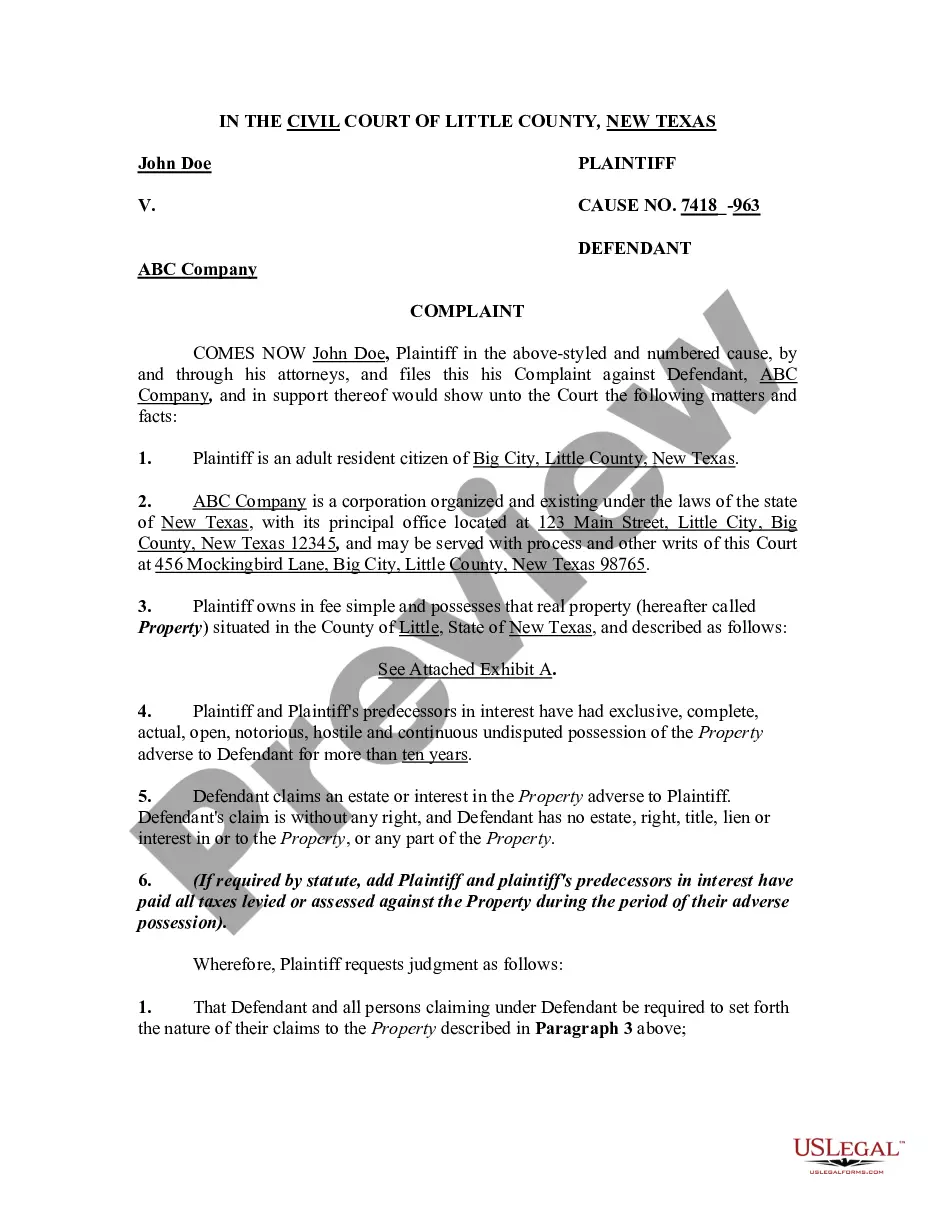
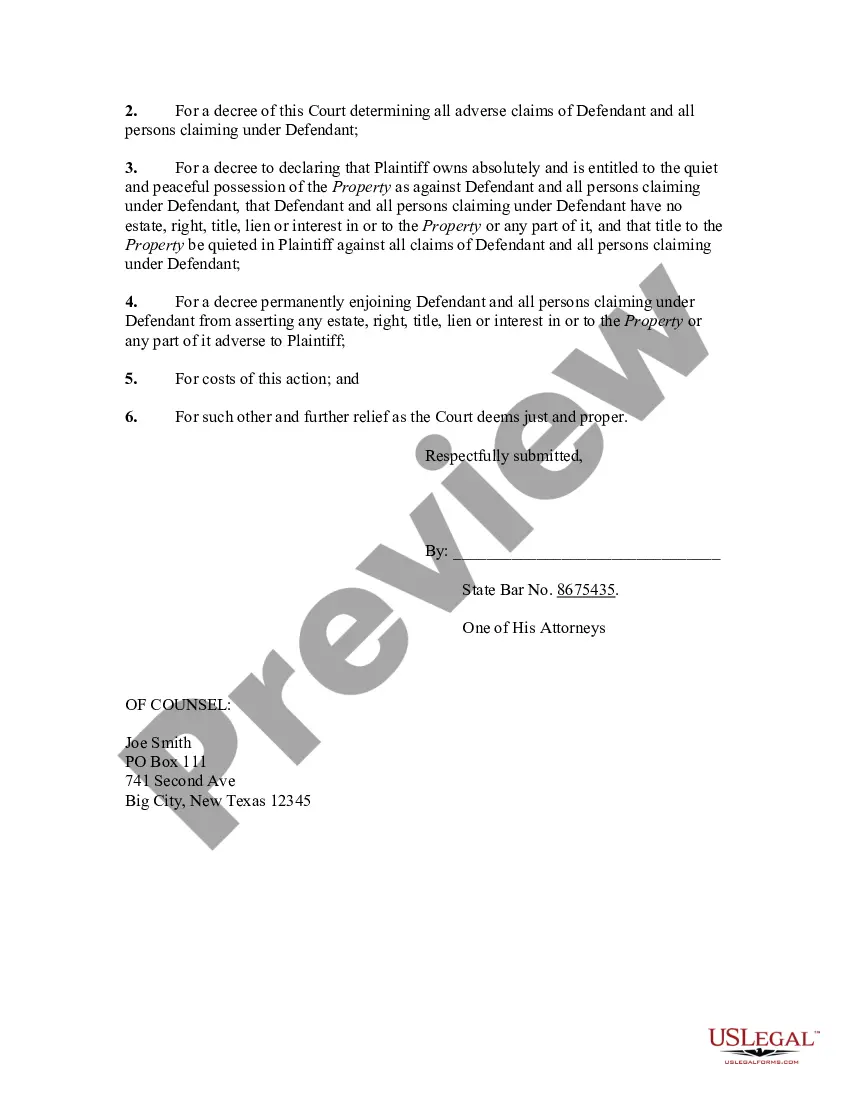
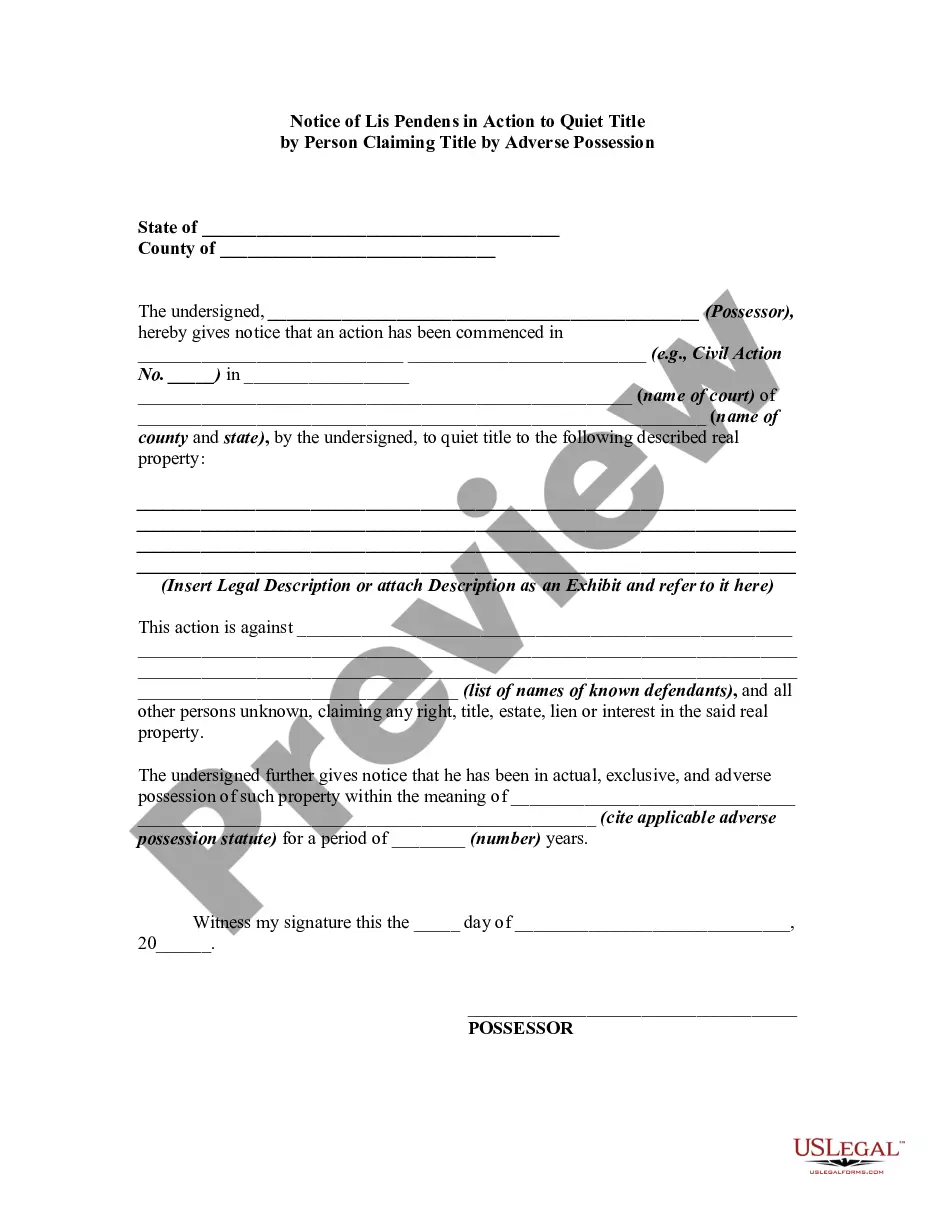
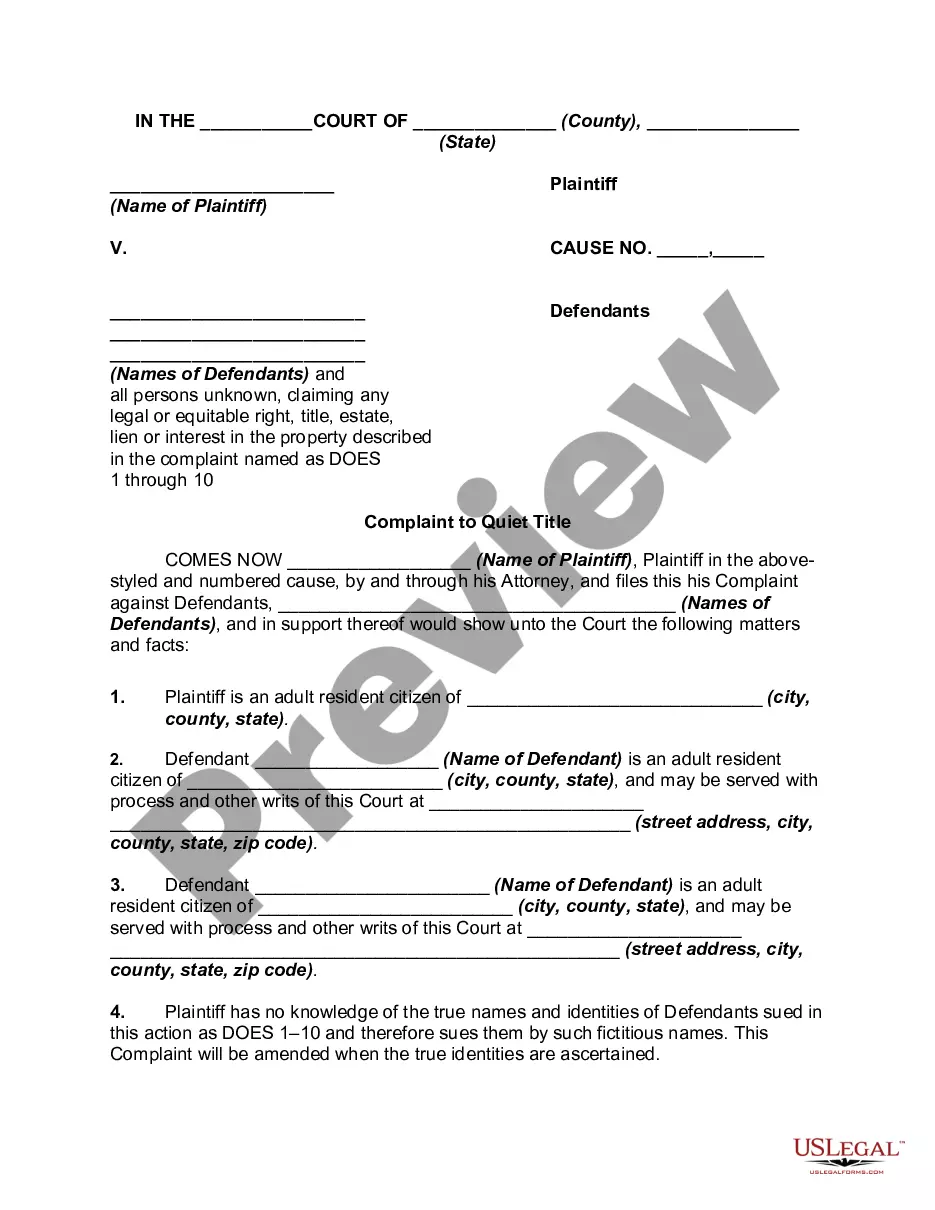
Get your form ready online
Our built-in tools help you complete, sign, share, and store your documents in one place.
Make edits, fill in missing information, and update formatting in US Legal Forms—just like you would in MS Word.
Download a copy, print it, send it by email, or mail it via USPS—whatever works best for your next step.
Sign and collect signatures with our SignNow integration. Send to multiple recipients, set reminders, and more. Go Premium to unlock E-Sign.
If this form requires notarization, complete it online through a secure video call—no need to meet a notary in person or wait for an appointment.
We protect your documents and personal data by following strict security and privacy standards.
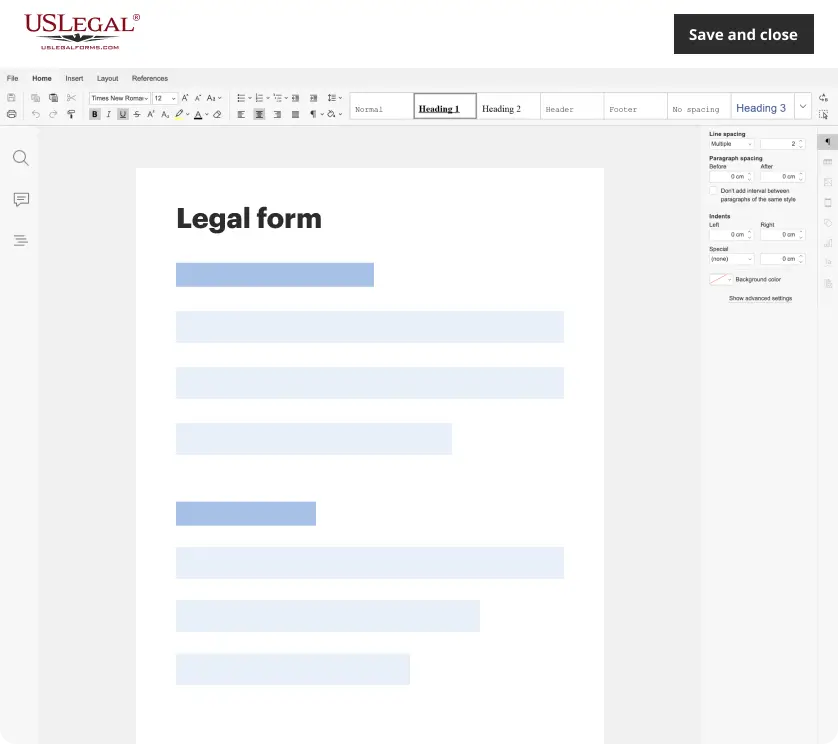
Make edits, fill in missing information, and update formatting in US Legal Forms—just like you would in MS Word.
Download a copy, print it, send it by email, or mail it via USPS—whatever works best for your next step.
Sign and collect signatures with our SignNow integration. Send to multiple recipients, set reminders, and more. Go Premium to unlock E-Sign.
If this form requires notarization, complete it online through a secure video call—no need to meet a notary in person or wait for an appointment.
We protect your documents and personal data by following strict security and privacy standards.
Looking for another form?
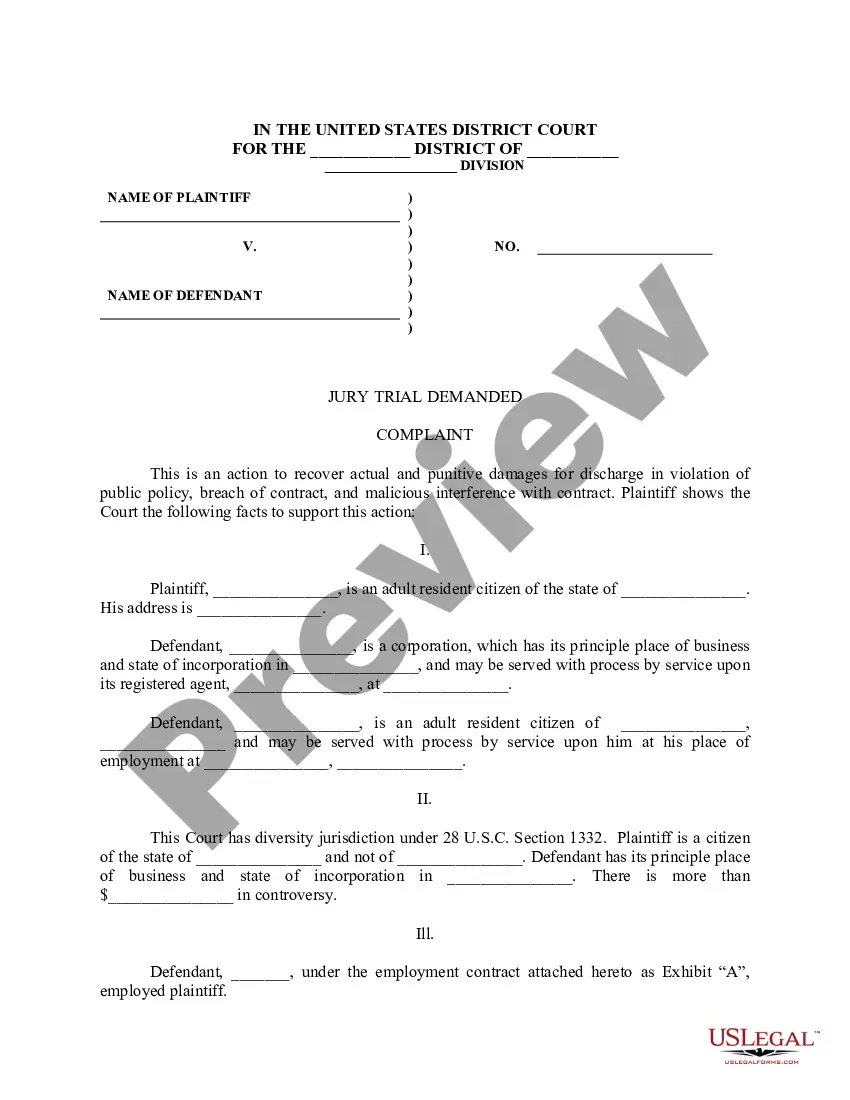
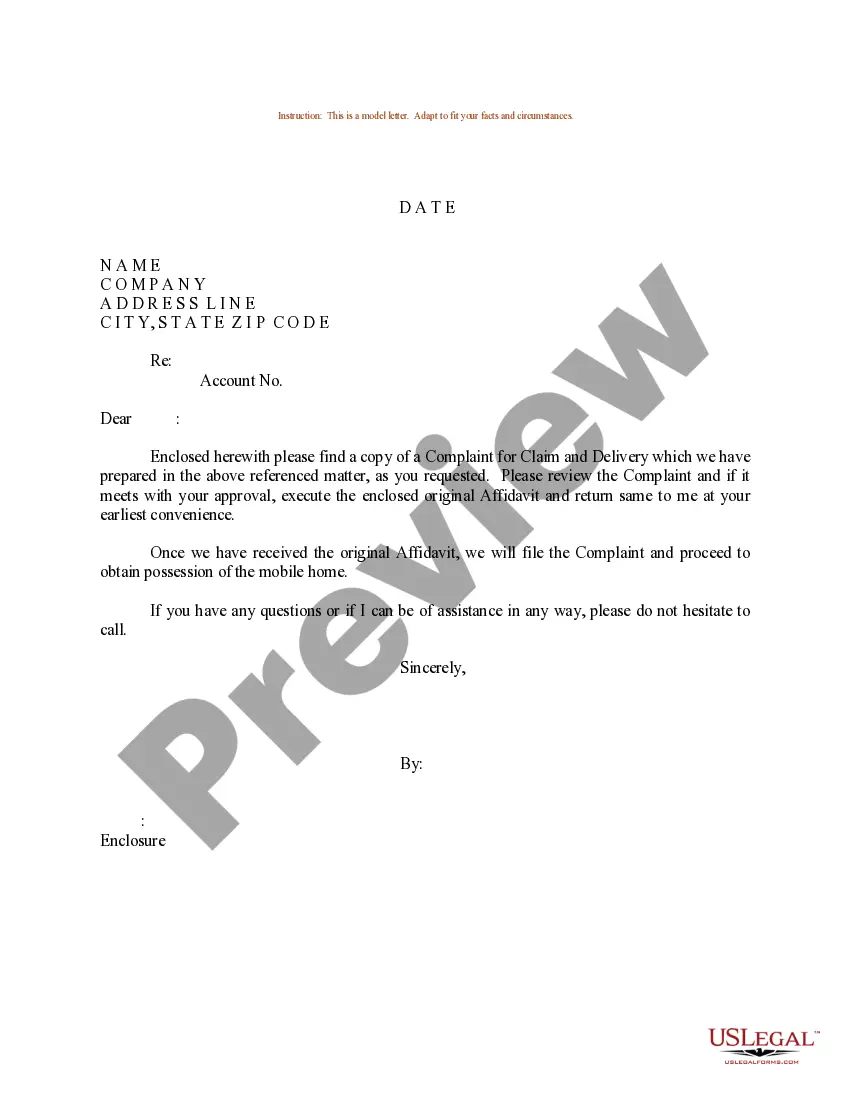
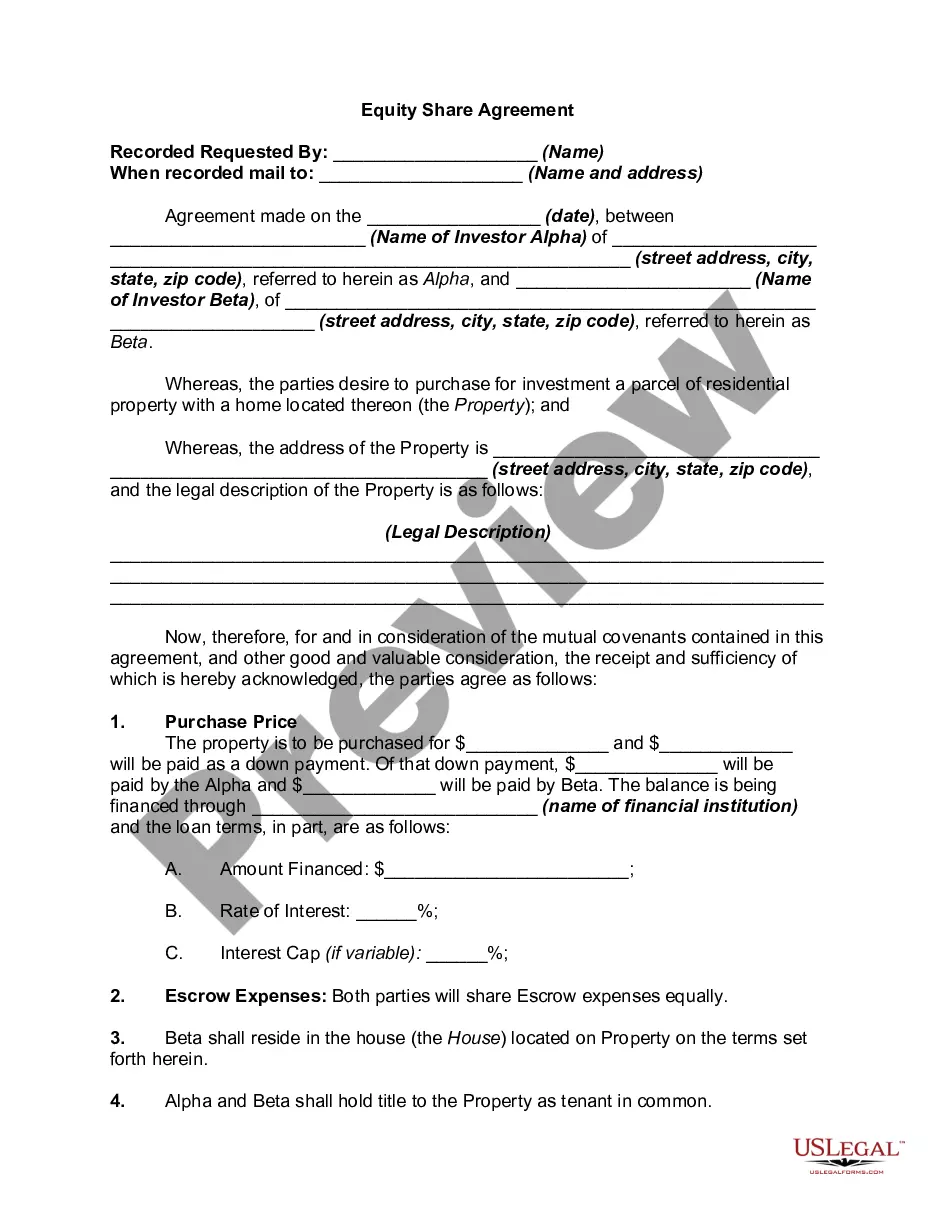
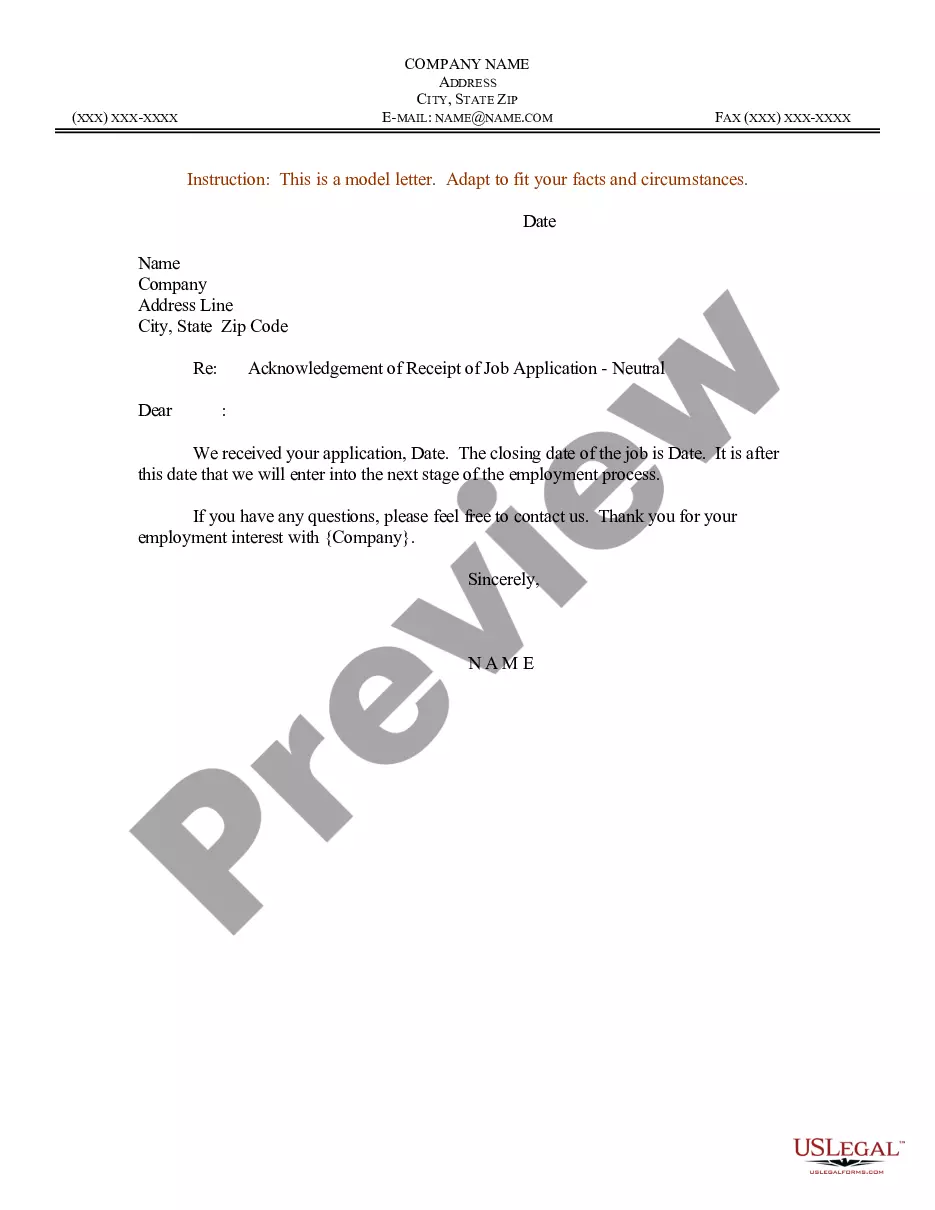
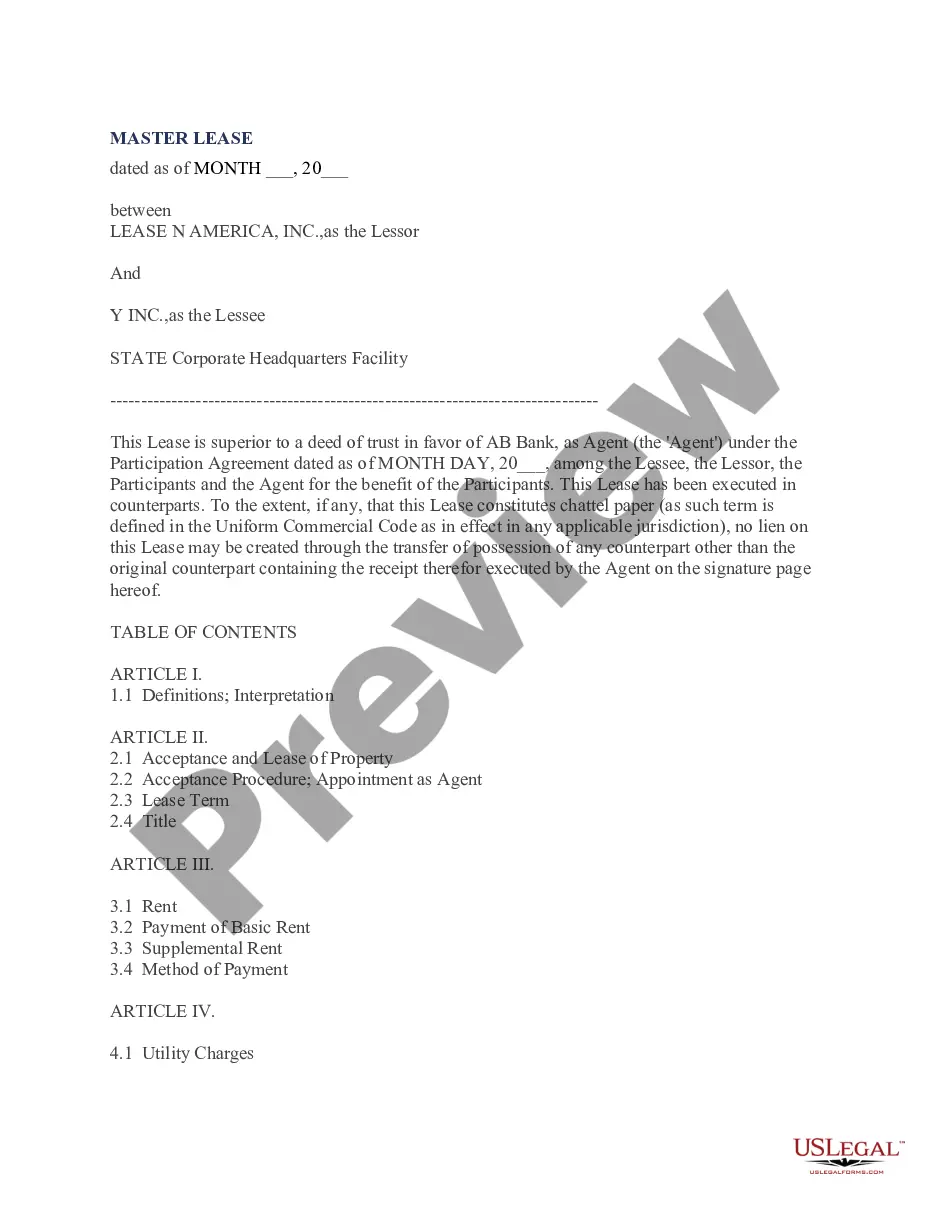
How to fill out Complaint To Quiet Title By Person Claiming Adverse Possession - Squatters Rights?
Locating a dependable source for acquiring the most up-to-date and suitable legal templates is a significant part of navigating bureaucracy.
Selecting the correct legal documents demands precision and careful consideration, which is why it is crucial to obtain samples of the Petition To Quiet Title Form Texas solely from trustworthy providers, such as US Legal Forms.
Eliminate the stress that comes with your legal documentation. Explore the extensive US Legal Forms library where you can discover legal templates, evaluate their suitability for your situation, and download them instantly.
- Utilize the library navigation or search box to locate your sample.
- Access the form's description to verify if it aligns with the criteria for your state and locality.
- Open the form preview, if available, to confirm the template is what you seek.
- Continue your search and look for the suitable template if the Petition To Quiet Title Form Texas does not fulfill your requirements.
- Once you are confident about the form's applicability, download it.
- If you are a registered user, click Log in to verify and access your selected forms in My documents.
- If you do not possess a profile yet, click Buy now to acquire the form.
- Choose the pricing option that fits your needs.
- Proceed with the registration to complete your purchase.
- Finalize your purchase by selecting a payment method (credit card or PayPal).
- Select the document format for downloading the Petition To Quiet Title Form Texas.
- After receiving the form on your device, you may modify it using the editor or print it to complete manually.
Form popularity
FAQ
Signed into law on June 6, 2023, and effective this August, this bill restricts landlords (with some exceptions) from considering or inquiring about certain information relating to a prospective tenant's amount of income and credit history. It also places a cap on security deposits.
Tenants can break a lease early for various reasons. For example, it could be because of a job transfer or a divorce. Another reason could be that the tenant is a student and only needs the property when school's in session. Regardless of the reason, breaking a lease in Colorado could lead to a number of consequences.
The act requires a residential landlord to provide a tenant with a copy of any written rental agreement signed by the parties and to give the tenant a contemporaneous receipt for any payment made in person with cash or a money order.
In the state of Colorado, the amount of notice needed from a tenant wishing to end a lease is 91 days for a yearly lease, 28 days for 6 months-a year lease, 21 days for a monthly lease, and 3 days for a weekly lease. In the lease agreement, you should also outline your responsibility as a landlord to re-rent the unit.
Whatever your situation, there are ways to explain a broken lease and various other methods to get around a bad mark on your rental record. Speak to Management. ... Offer a Larger Deposit. ... Fix It, Then Explain It. ... References & Co-Signers. ... Be Less Picky. ... Apply to Private Owners.
You might be able to legally move out before the lease term ends in the following situations. You Are Starting Active Military Duty. ... You Are a Victim of Domestic Violence. ... The Rental Unit Is Unsafe or Violates Colorado Health or Safety Codes. ... Your Landlord Harasses You or Violates Your Privacy Rights.
Colorado landlords can't raise the rent during the term of a lease unless the lease specifically allows them to do so. And, Colorado landlords can't increase the rent more than one time in any 12-month period of consecutive occupancy by the tenant.
Tenants. Tenant rights state that they may exercise their right to habitable housing whenever they consider it appropriate; this includes asking for utilities in good condition, getting repairs in a reasonable amount of time, and collecting their security deposit once they leave the premises.