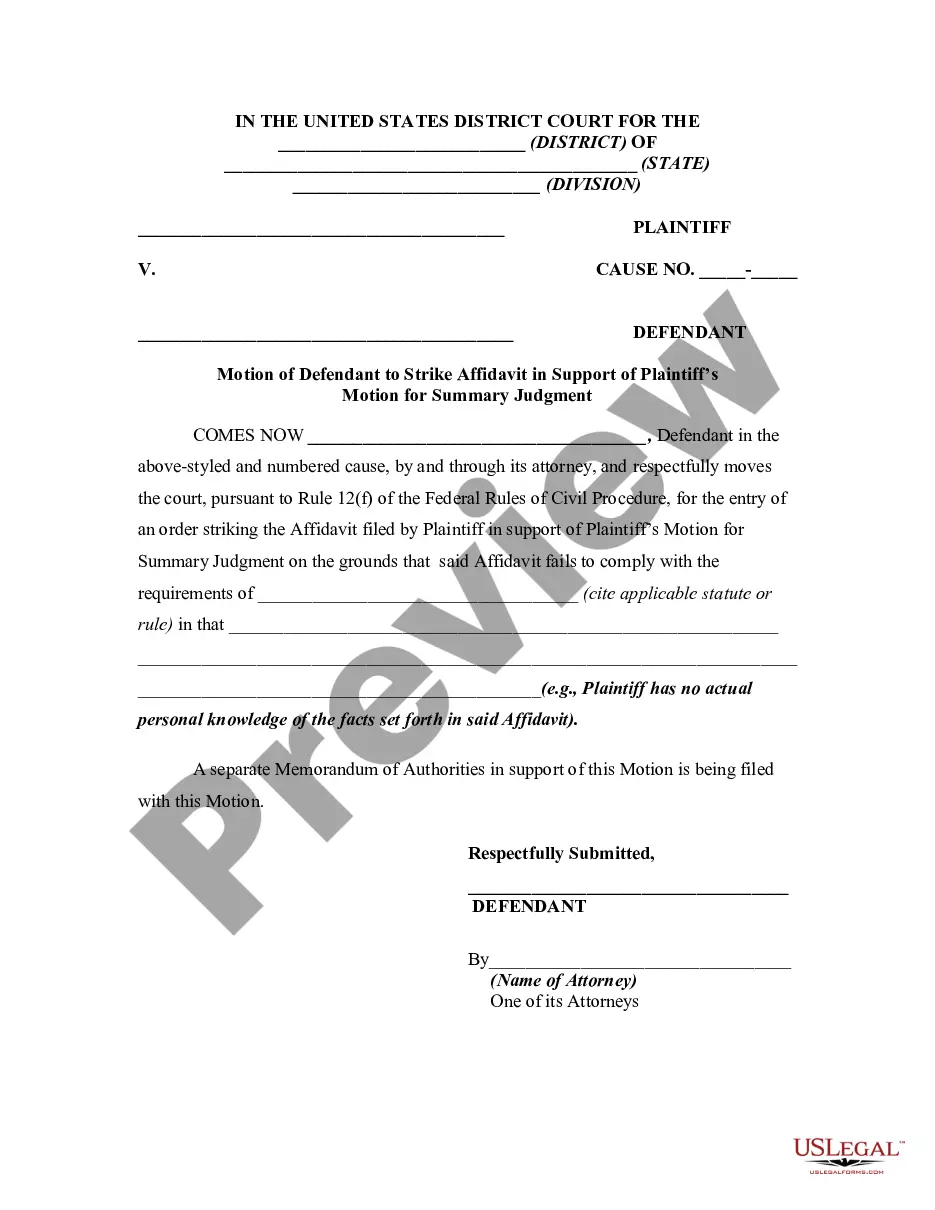
Motion To Strike Illinois Example
Description

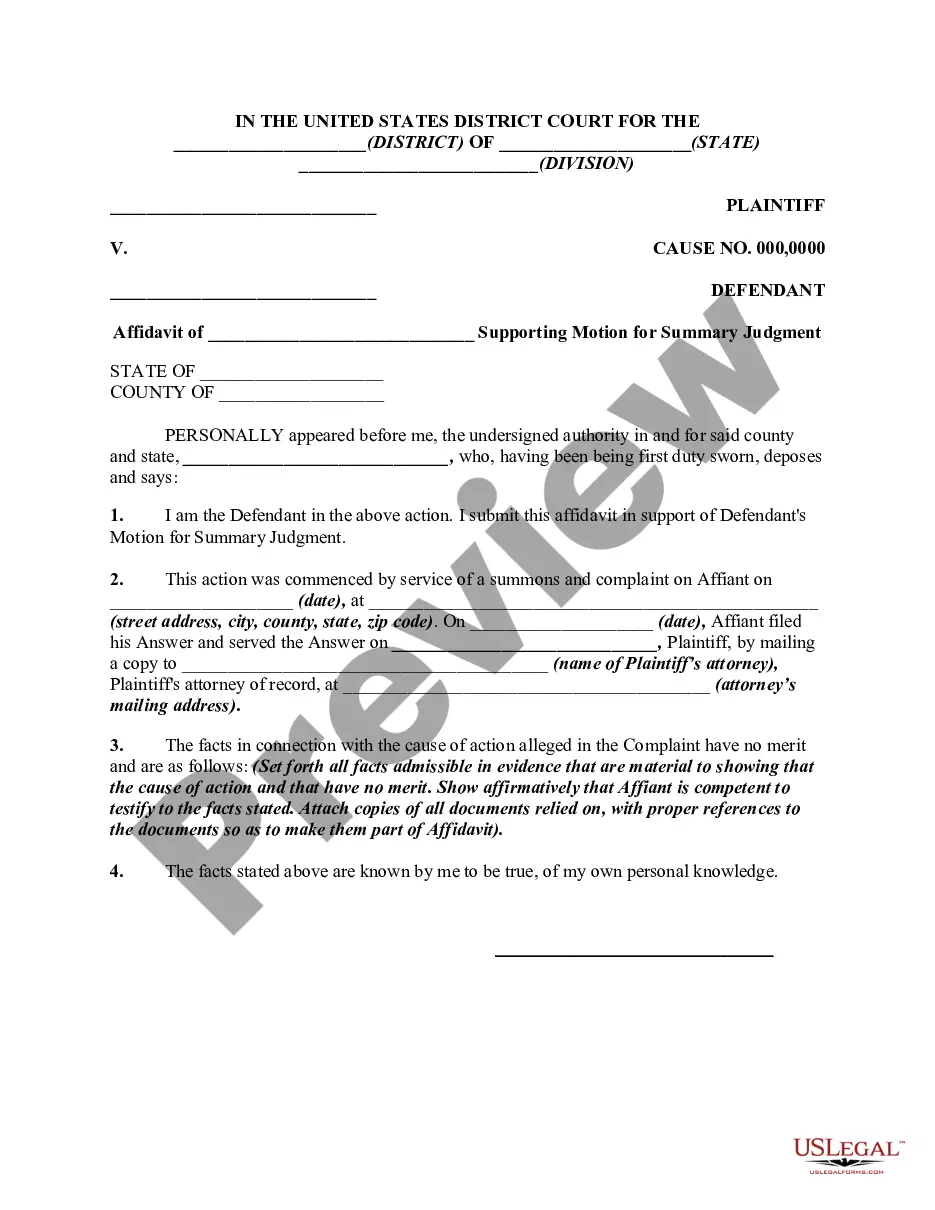
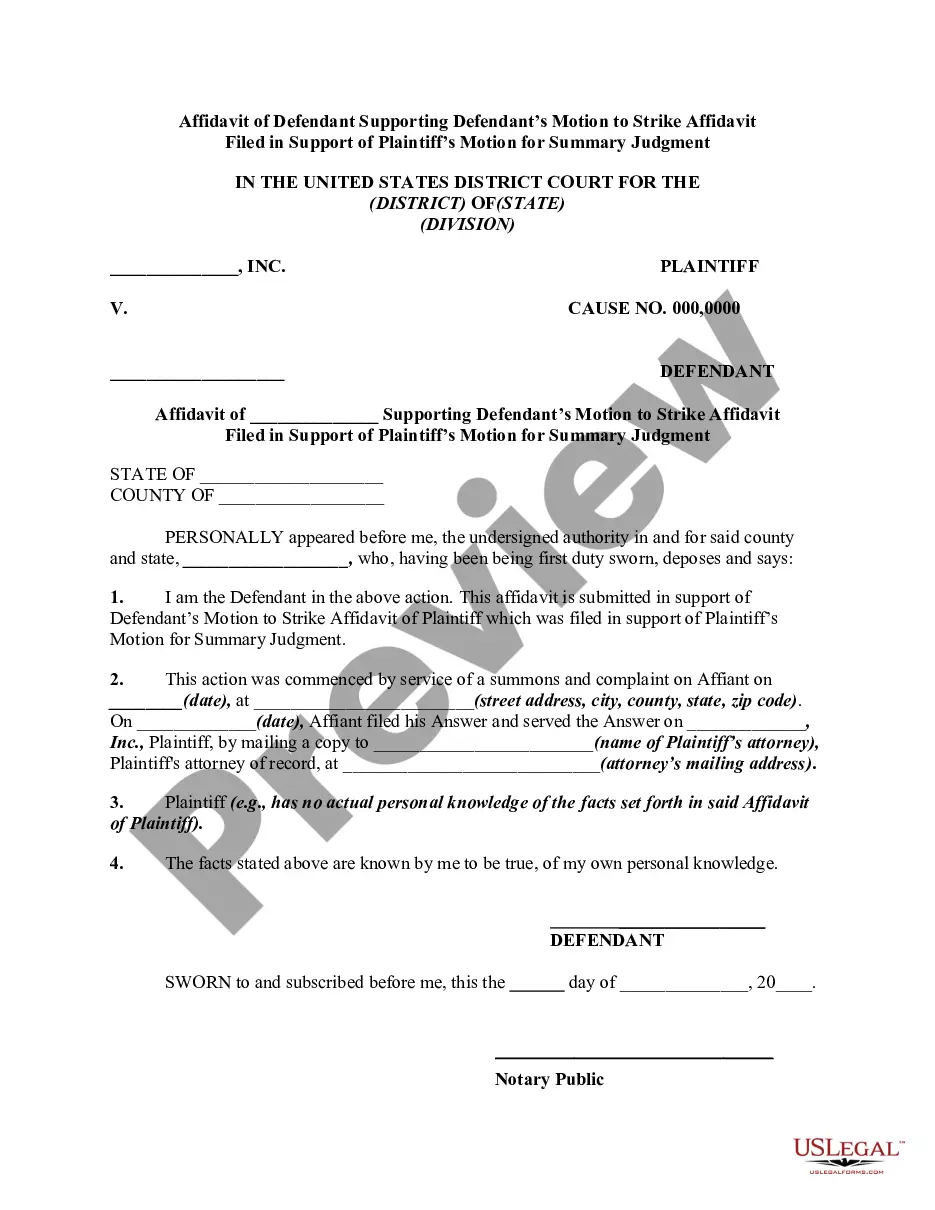
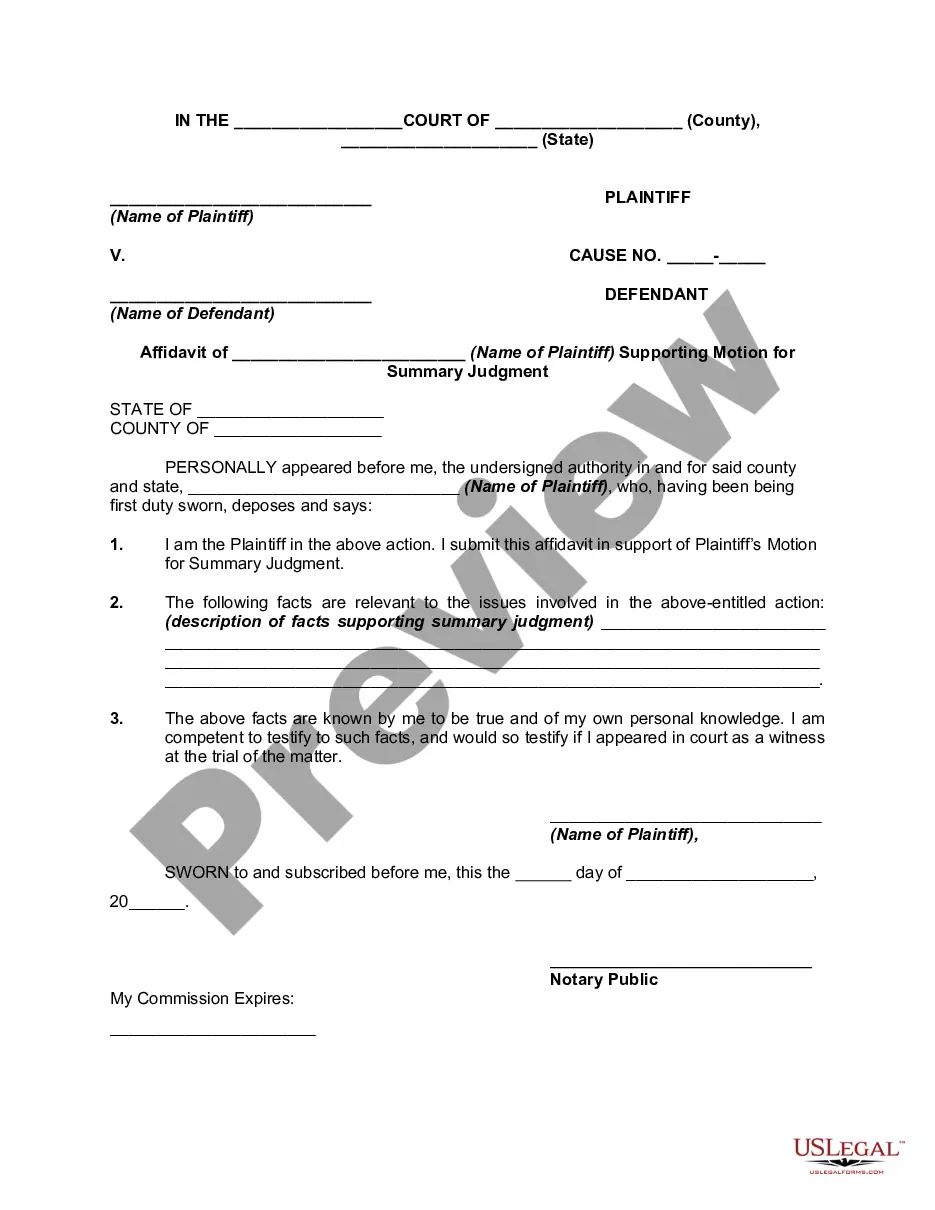
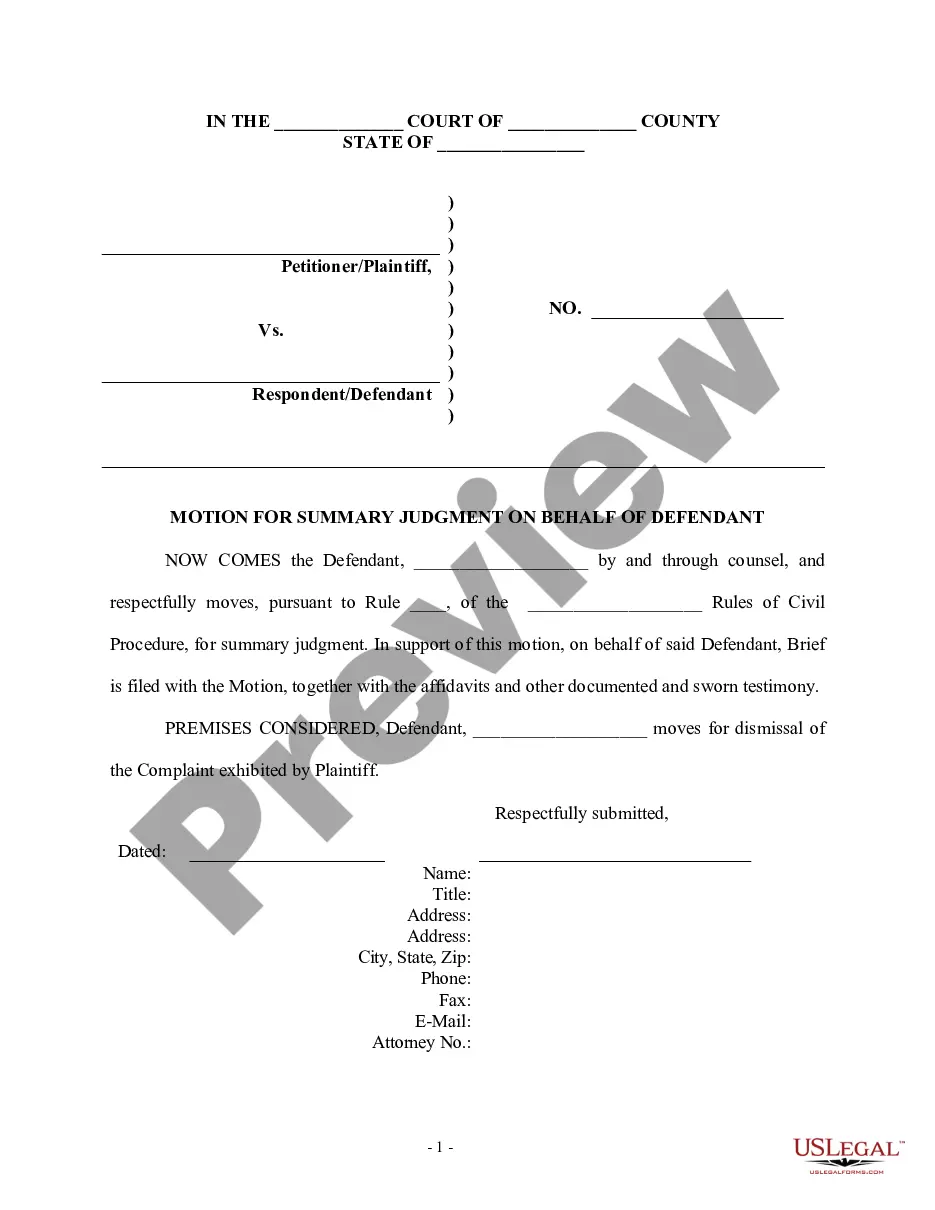
Get your form ready online
Our built-in tools help you complete, sign, share, and store your documents in one place.
Make edits, fill in missing information, and update formatting in US Legal Forms—just like you would in MS Word.
Download a copy, print it, send it by email, or mail it via USPS—whatever works best for your next step.
Sign and collect signatures with our SignNow integration. Send to multiple recipients, set reminders, and more. Go Premium to unlock E-Sign.
If this form requires notarization, complete it online through a secure video call—no need to meet a notary in person or wait for an appointment.
We protect your documents and personal data by following strict security and privacy standards.

Make edits, fill in missing information, and update formatting in US Legal Forms—just like you would in MS Word.

Download a copy, print it, send it by email, or mail it via USPS—whatever works best for your next step.

Sign and collect signatures with our SignNow integration. Send to multiple recipients, set reminders, and more. Go Premium to unlock E-Sign.

If this form requires notarization, complete it online through a secure video call—no need to meet a notary in person or wait for an appointment.

We protect your documents and personal data by following strict security and privacy standards.
Looking for another form?

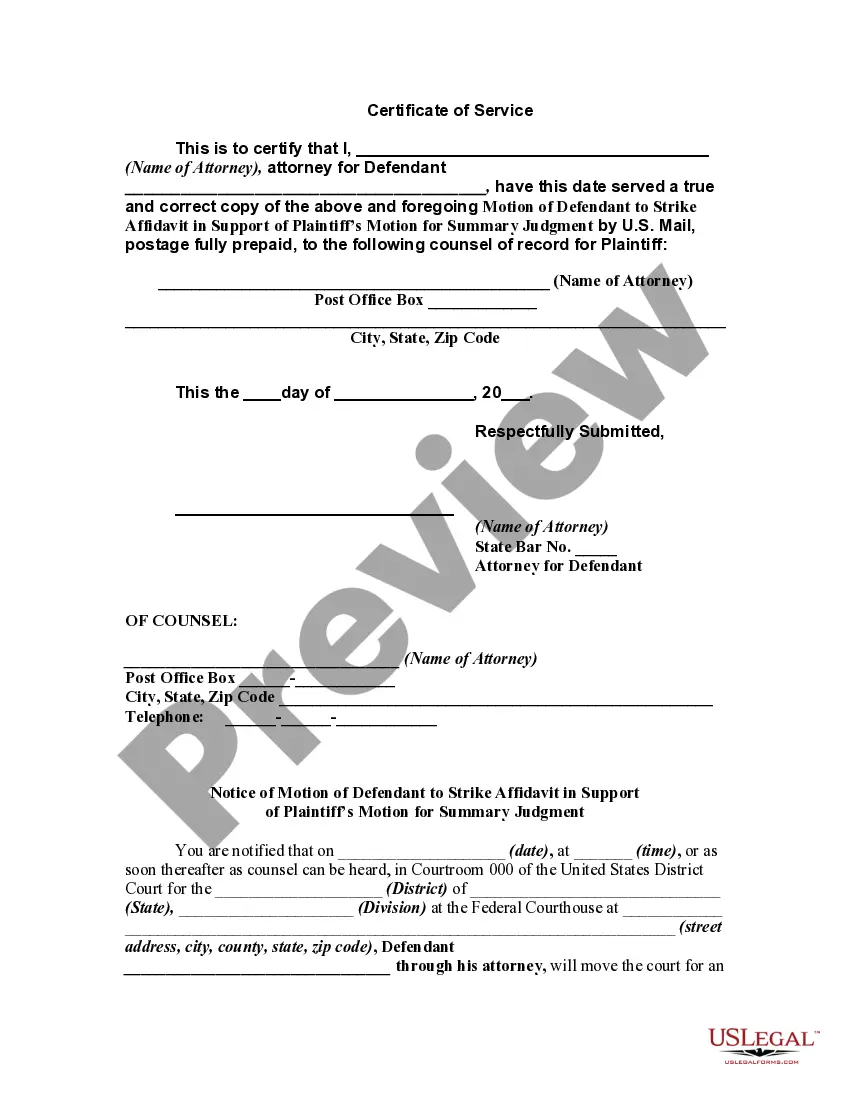
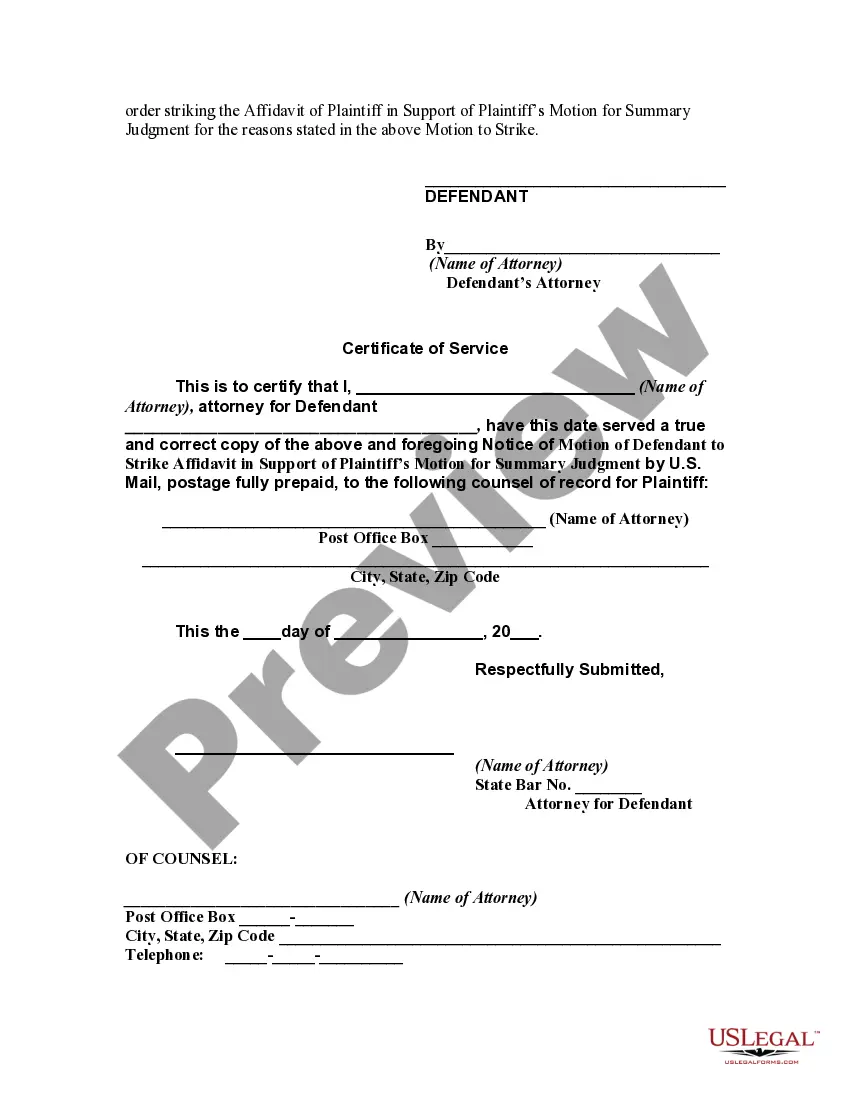
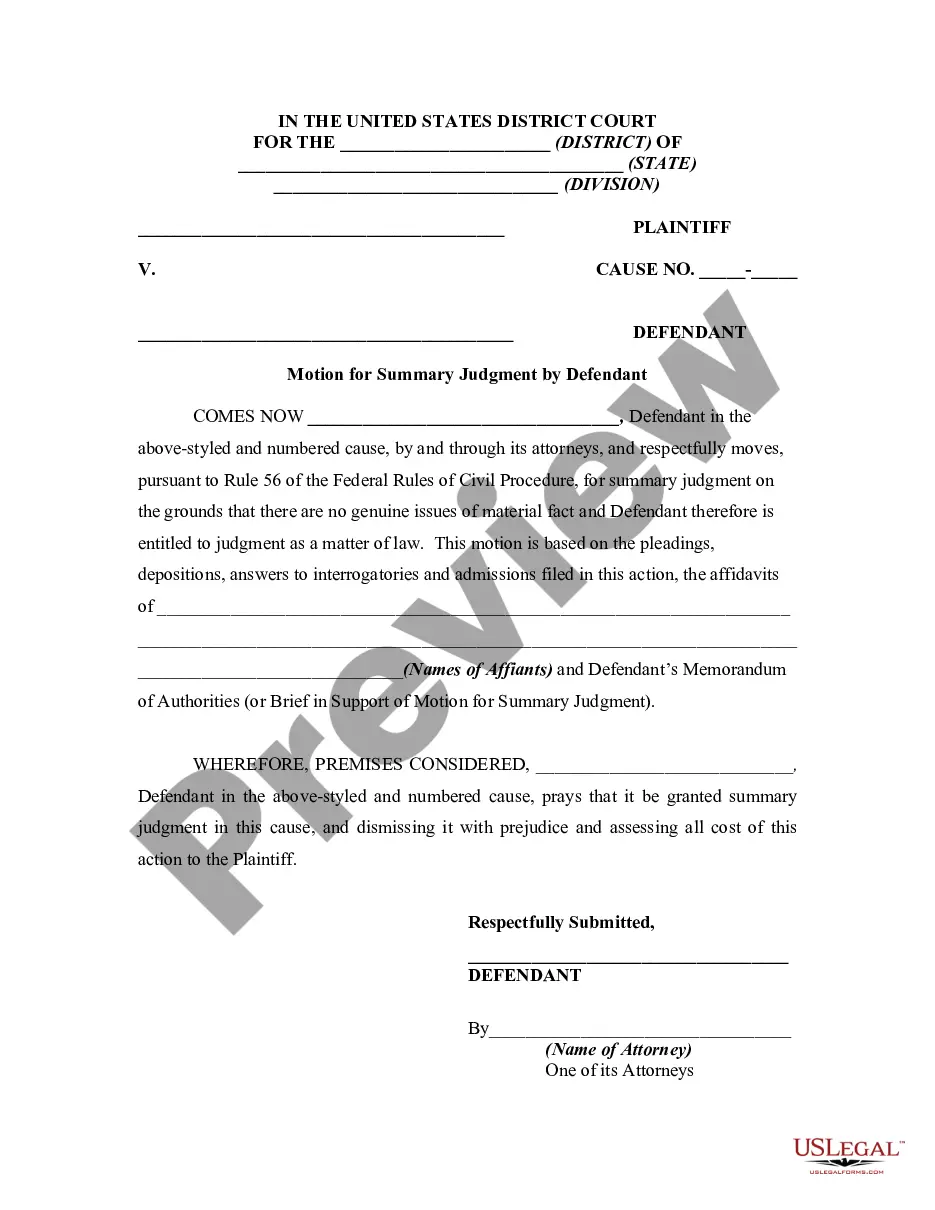
How to fill out Motion Of Defendant To Strike Affidavit In Support Of Plaintiffs Motion For Summary Judgment And Notice Of Motion To Strike?
It’s no secret that you can’t become a legal expert overnight, nor can you learn how to quickly draft Motion To Strike Illinois Example without the need of a specialized background. Putting together legal forms is a time-consuming venture requiring a particular education and skills. So why not leave the preparation of the Motion To Strike Illinois Example to the pros?
With US Legal Forms, one of the most extensive legal template libraries, you can find anything from court paperwork to templates for in-office communication. We understand how important compliance and adherence to federal and local laws are. That’s why, on our website, all templates are location specific and up to date.
Here’s how you can get started with our platform and obtain the form you require in mere minutes:
- Discover the form you need by using the search bar at the top of the page.
- Preview it (if this option available) and check the supporting description to determine whether Motion To Strike Illinois Example is what you’re looking for.
- Start your search again if you need a different form.
- Register for a free account and choose a subscription option to buy the template.
- Pick Buy now. As soon as the payment is complete, you can get the Motion To Strike Illinois Example, fill it out, print it, and send or mail it to the designated individuals or entities.
You can re-gain access to your forms from the My Forms tab at any time. If you’re an existing customer, you can simply log in, and locate and download the template from the same tab.
No matter the purpose of your paperwork-be it financial and legal, or personal-our platform has you covered. Try US Legal Forms now!
Form popularity
FAQ
Motions to Strike are important If an attorney is successful, they can eliminate evidence or statements presented by their opponent. If the evidence is important to the other party's claim, it can turn the tide of a lawsuit. Here's an example. Example: Shelly is the defendant in a nuisance lawsuit.
Be as persuasive as possible as you write your motion in a sequential, logical format. Express your ideas clearly, and make sure you outline what steps are necessary and how they will help your case. Use facts of the case whenever you can to avoid baseless emotional appeals.
Grounds for a motion to strike include the following: The pleading is false; that is, untrue. ... The pleading is filed without the required leave of court. ... The form of pleading is in violation of a court order. ... The pleading is filed late. ... The pleading is barred by the statute of limitations. ... The pleading must be verified.
A motion to strike is a request to a judge that part of a party's pleading or a piece of evidence be removed from the record. During the pleading stage, this can be accomplished by a tool such as Rule 12(f) of the Federal Rules of Civil Procedure or a state equivalent.
Motion to Strike This asks the court to take something out of the Complaint because it is not understandable, it is repetitive, it isn't legal, or it doesn't matter. This motion can help to limit what the case is about so you do not have to defend that part of the case.