Child Custody Application Form Texas
Description
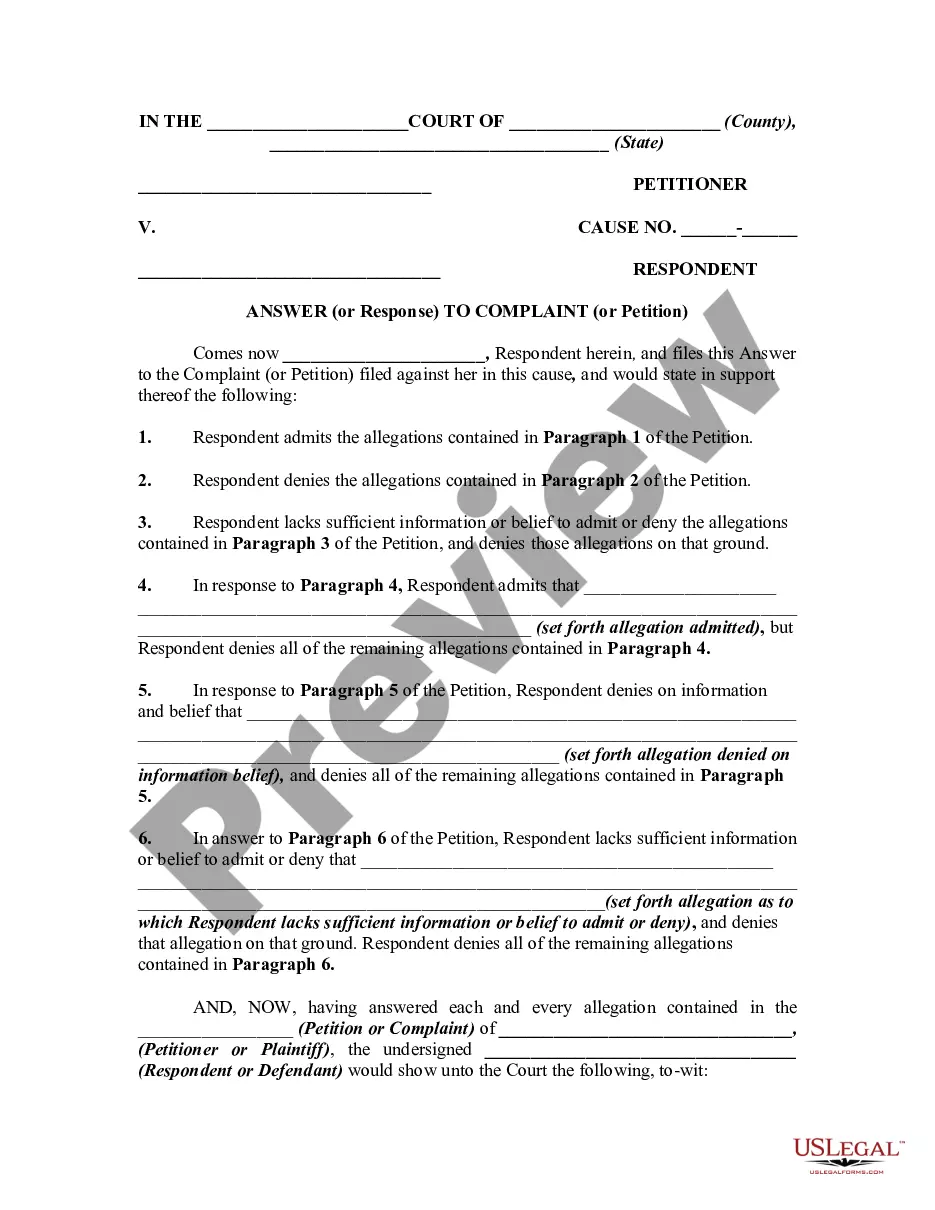
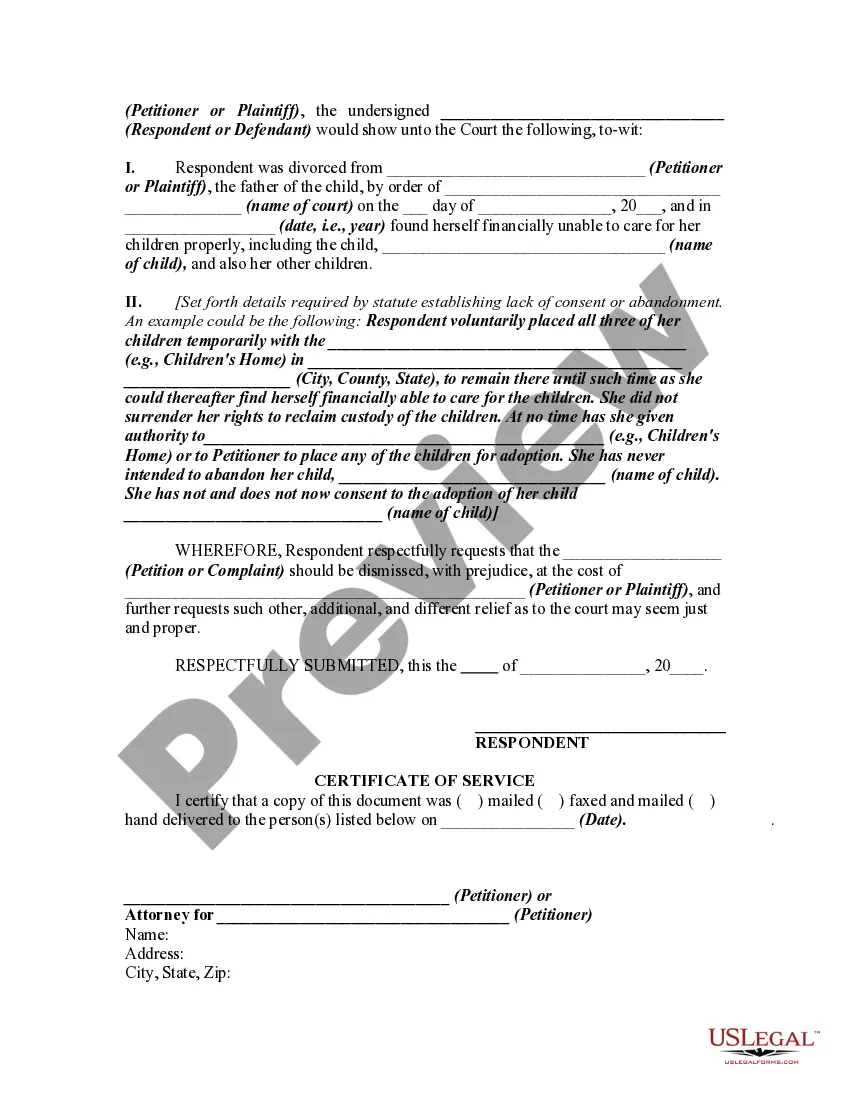
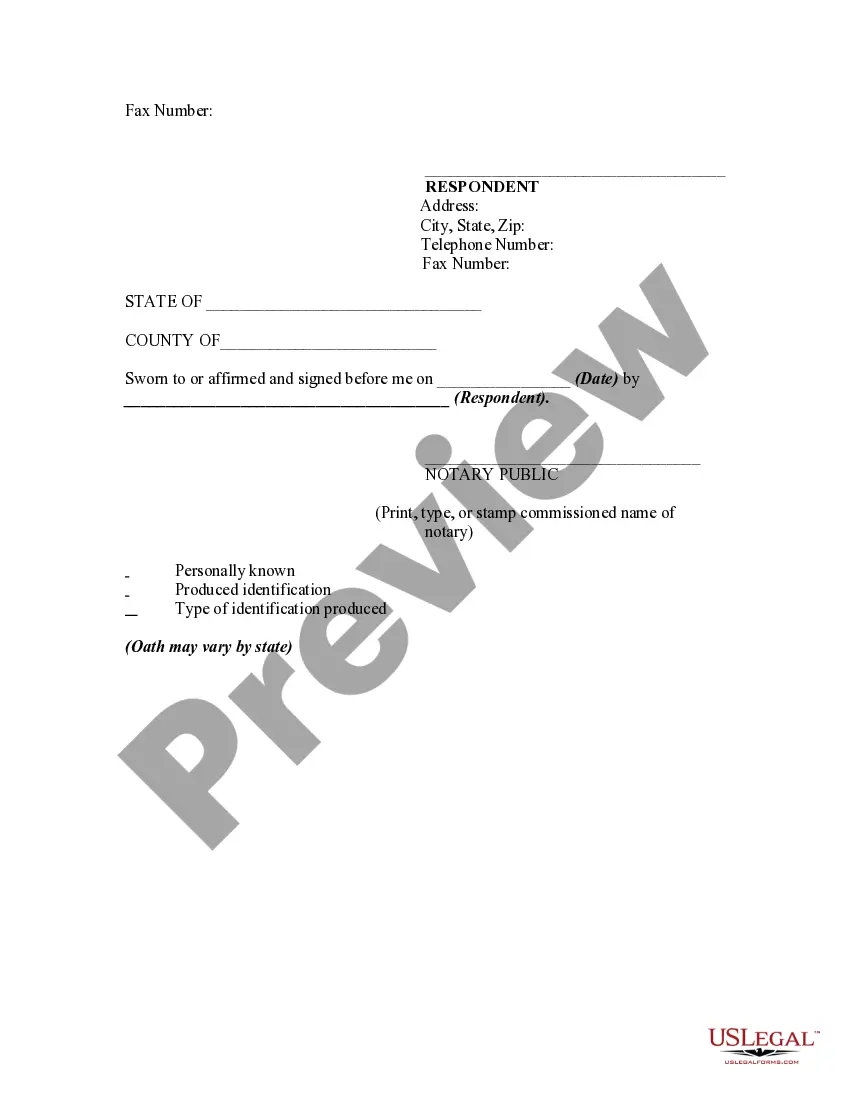
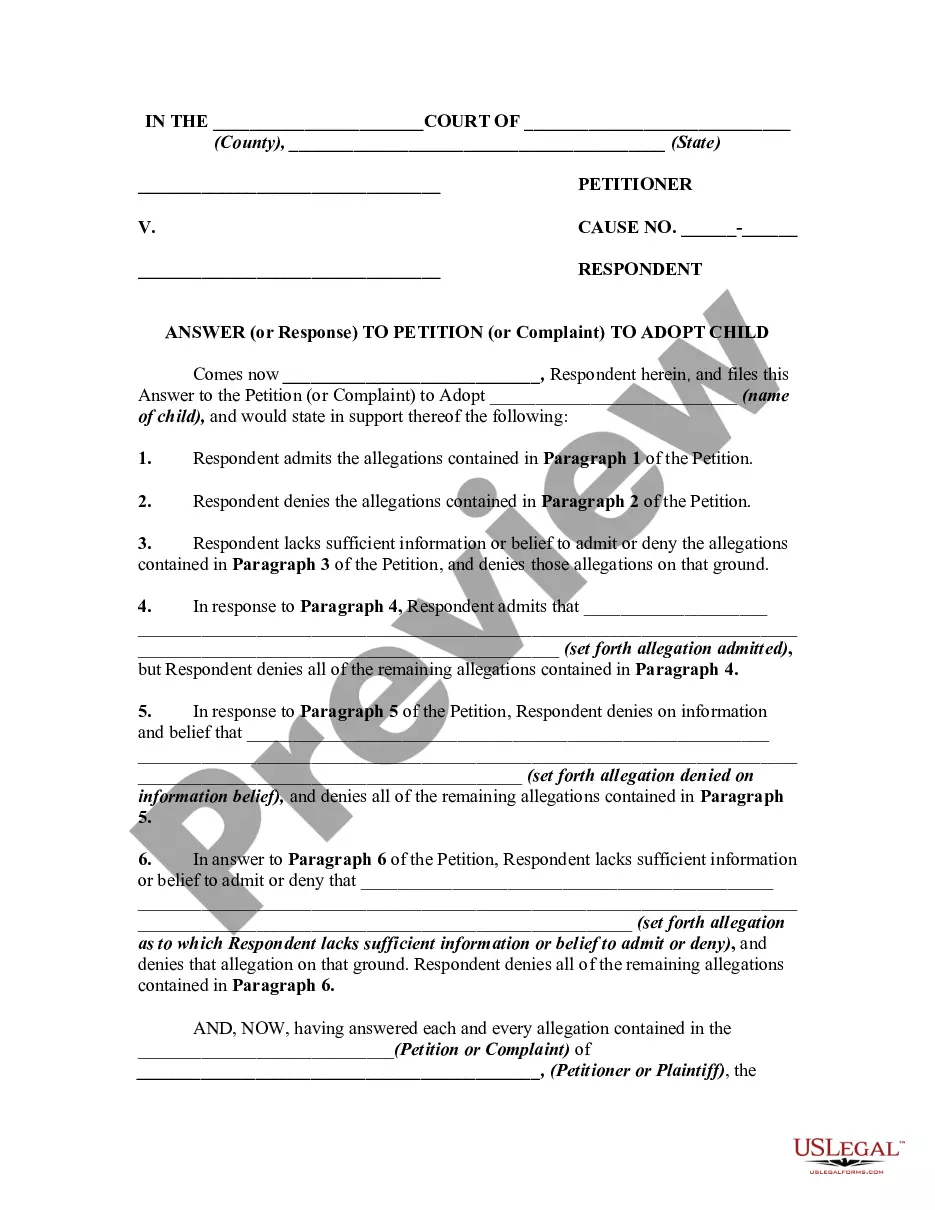
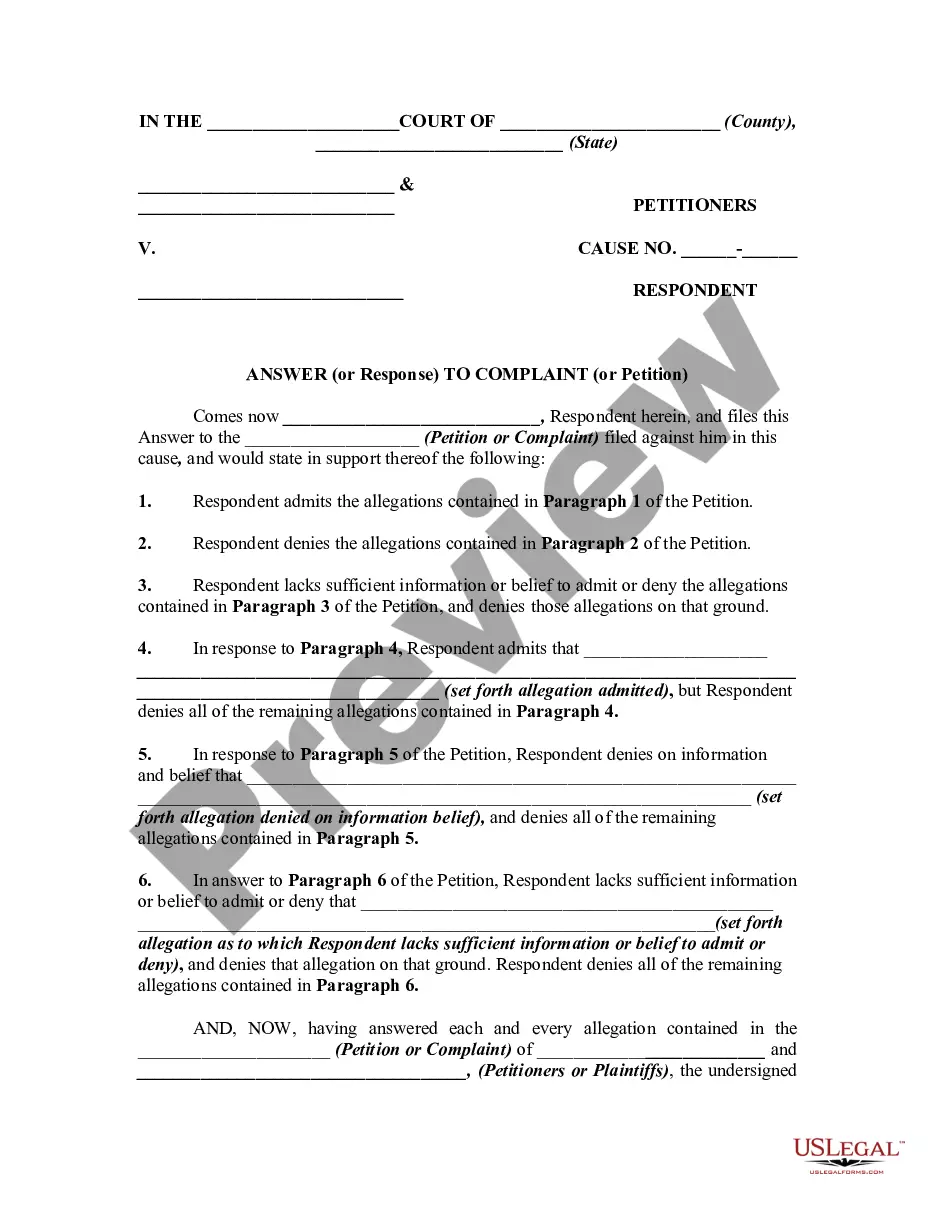
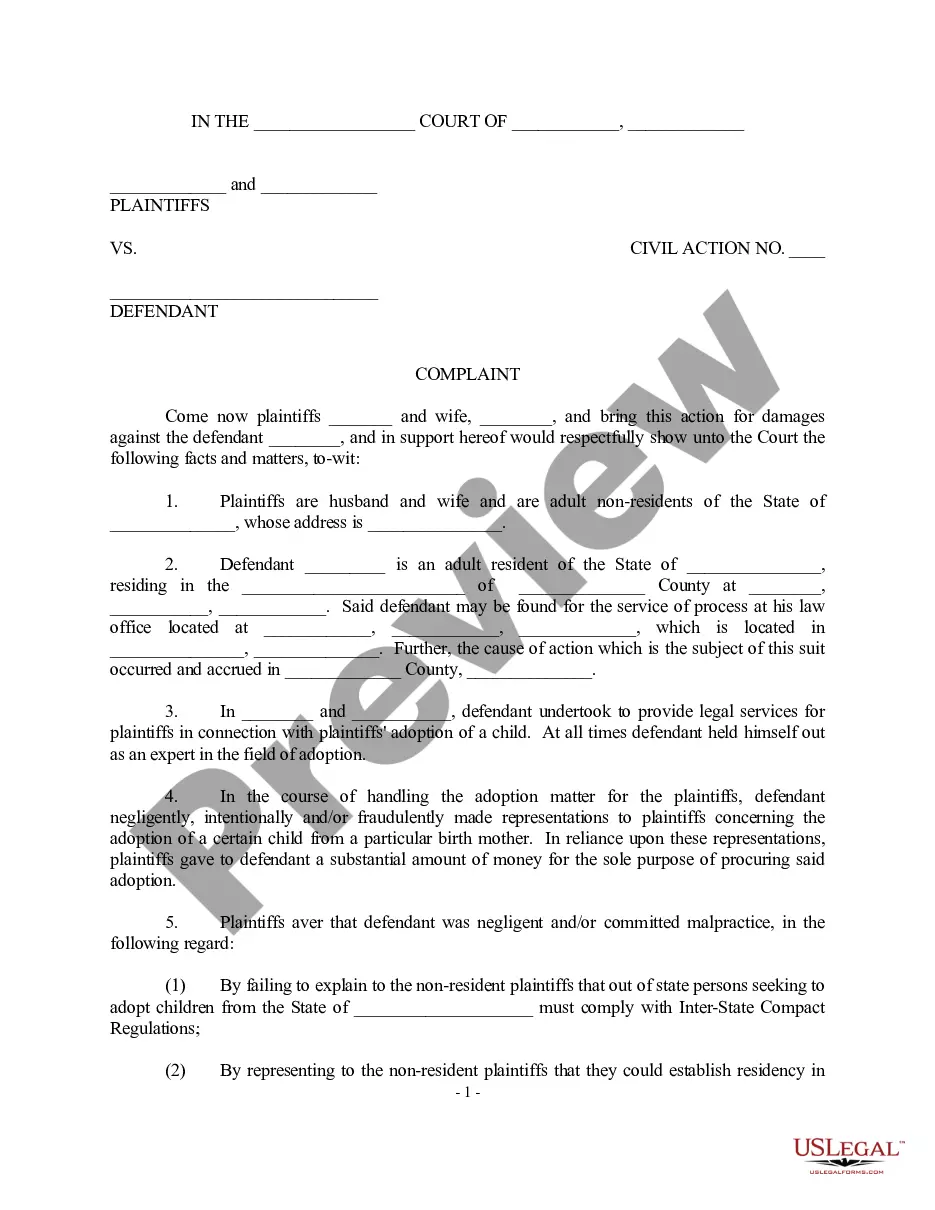
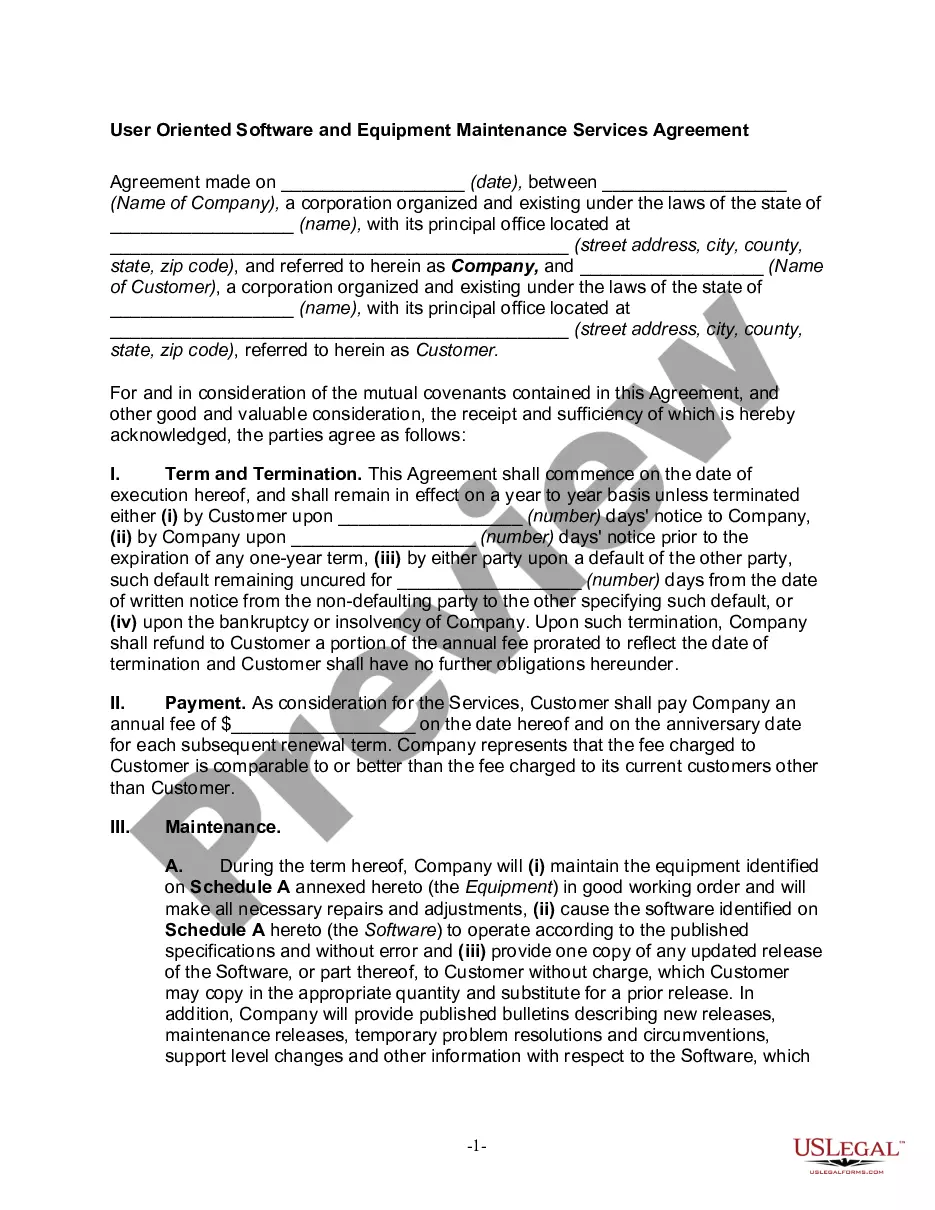


How to fill out Answer By Natural Mother To Complaint That She Abandoned Child Or Consented To Give Up Custody?
Locating a preferred venue to acquire the most up-to-date and suitable legal templates is a significant part of navigating red tape.
Selecting the correct legal documents necessitates accuracy and meticulousness, which is why it is crucial to obtain samples of the Child Custody Application Form Texas exclusively from trustworthy sources, such as US Legal Forms. An incorrect template can squander your time and delay your current situation. With US Legal Forms, you have minimal cause for concern. You can access and review all the information regarding the document’s applicability and significance for your situation and within your state or locality.
After obtaining the form on your device, you can edit it using the editor or print it out and fill it in manually. Eliminate the stress associated with your legal paperwork. Investigate the extensive US Legal Forms collection to discover legal templates, verify their relevance to your circumstances, and download them immediately.
- Use the catalog navigation or search bar to find your template.
- Examine the form’s details to verify if it meets the criteria of your state and locality.
- Check the form preview, if available, to confirm that the template is what you need.
- Continue your search and find the appropriate template if the Child Custody Application Form Texas does not meet your requirements.
- When you are confident about the form’s suitability, download it.
- If you are a registered user, click Log in to verify and access your selected forms in My documents.
- If you haven't created an account yet, click Buy now to purchase the template.
- Select the pricing option that best fits your requirements.
- Proceed to registration to finalize your acquisition.
- Complete your transaction by choosing a payment method (credit card or PayPal).
- Select the file format for downloading the Child Custody Application Form Texas.
Form popularity
FAQ
The biggest mistake in a custody battle often involves neglecting to prepare the proper documentation, such as the Child custody application form Texas. Failing to present a solid case with the necessary evidence can weaken your position in court. It is crucial to understand the importance of thorough preparation and to ensure that all required forms are filled out accurately. Utilizing resources like US Legal Forms can guide you in completing your Child custody application form Texas effectively, helping you avoid common pitfalls.
To start a custody process in Texas, you should complete the child custody application form Texas and submit it to the appropriate court. Ensure you understand the local court rules and procedures, as these can vary by location. It’s beneficial to consult with a legal expert or use platforms like US Legal Forms to access the necessary forms and guidance. This preparation will help you navigate the custody process smoothly.
While achieving 50/50 custody in Texas can be challenging, it is certainly possible. The court prioritizes the child's best interests, and as a father, demonstrating your active involvement and commitment can strengthen your case. Utilizing the Child custody application form Texas can streamline the process, making it easier to present your case effectively and increase your chances of a favorable outcome.
When speaking to a judge about custody, focus on the child's needs and well-being. Clearly explain your parenting plan and how you can provide a safe and nurturing environment. Highlight your commitment to maintaining a strong relationship with the child, and consider using the Child custody application form Texas to articulate your points systematically and persuasively.
To secure full custody, you must present clear and convincing evidence demonstrating that it serves the child's best interests. Common evidence includes proof of a stable home environment, documentation of your involvement in the child's life, and testimonials from teachers or counselors. Using the Child custody application form Texas can help you organize and submit your evidence effectively, ensuring you meet all legal requirements.
What Age Does a Child Have a Say in Custody? Although children cannot officially decide which parent they want to live with until they are 18 years old, Texas law does allow children that are 12 or older to have a say in where they'd like to live, but ultimately a judge will make the final decision.
A similar but more structured form of mutual agreement is mediation, which is a type of alternative dispute resolution (ADR). This is another way to reach a child custody agreement out of court. Instead of just the parents discussing custody issues, a mediator (who is a neutral third party) helps negotiate.
This fee must be paid in order to initiate a custody case in the Texas court system. The amount of the filing fee will vary depending on the county in which the case is filed, but it can range anywhere from $250 to $500 or more.
This fee must be paid in order to initiate a custody case in the Texas court system. The amount of the filing fee will vary depending on the county in which the case is filed, but it can range anywhere from $250 to $500 or more.