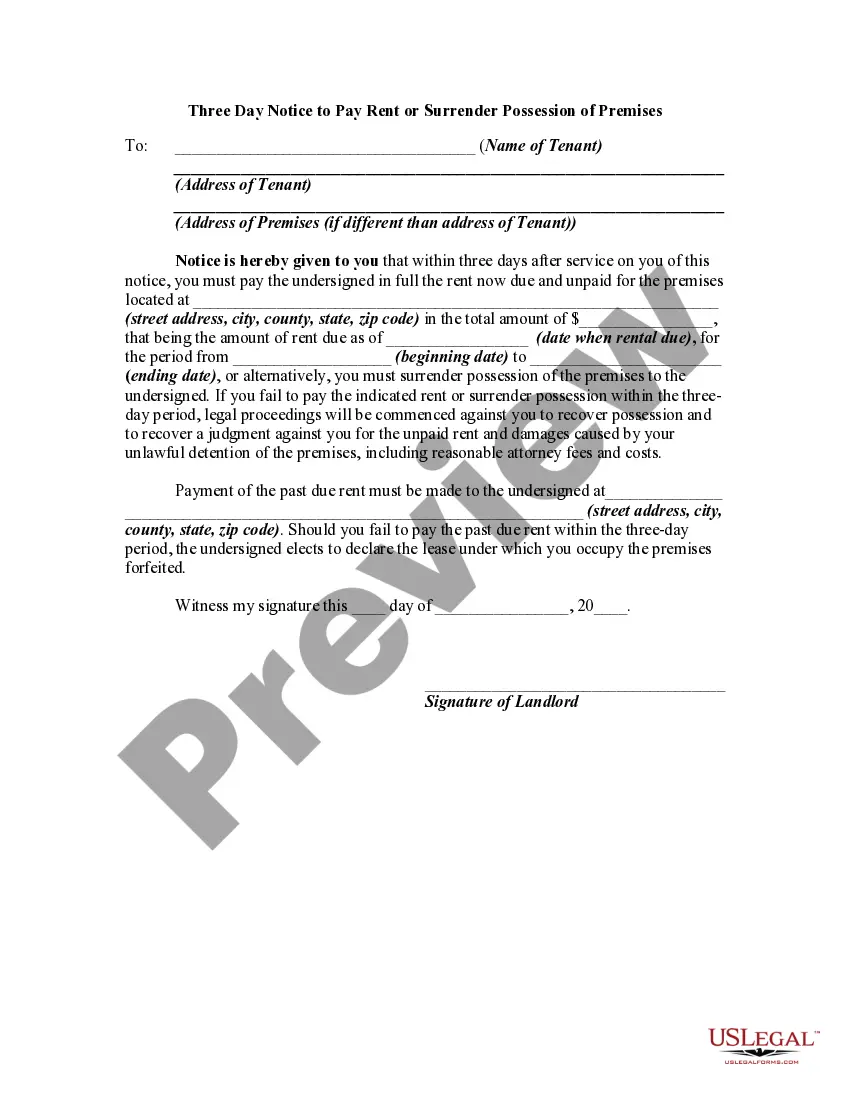
Premises Eviction Without Lease
Description
Get your form ready online
Our built-in tools help you complete, sign, share, and store your documents in one place.
Make edits, fill in missing information, and update formatting in US Legal Forms—just like you would in MS Word.
Download a copy, print it, send it by email, or mail it via USPS—whatever works best for your next step.
Sign and collect signatures with our SignNow integration. Send to multiple recipients, set reminders, and more. Go Premium to unlock E-Sign.
If this form requires notarization, complete it online through a secure video call—no need to meet a notary in person or wait for an appointment.
We protect your documents and personal data by following strict security and privacy standards.

Make edits, fill in missing information, and update formatting in US Legal Forms—just like you would in MS Word.

Download a copy, print it, send it by email, or mail it via USPS—whatever works best for your next step.

Sign and collect signatures with our SignNow integration. Send to multiple recipients, set reminders, and more. Go Premium to unlock E-Sign.

If this form requires notarization, complete it online through a secure video call—no need to meet a notary in person or wait for an appointment.

We protect your documents and personal data by following strict security and privacy standards.
Looking for another form?



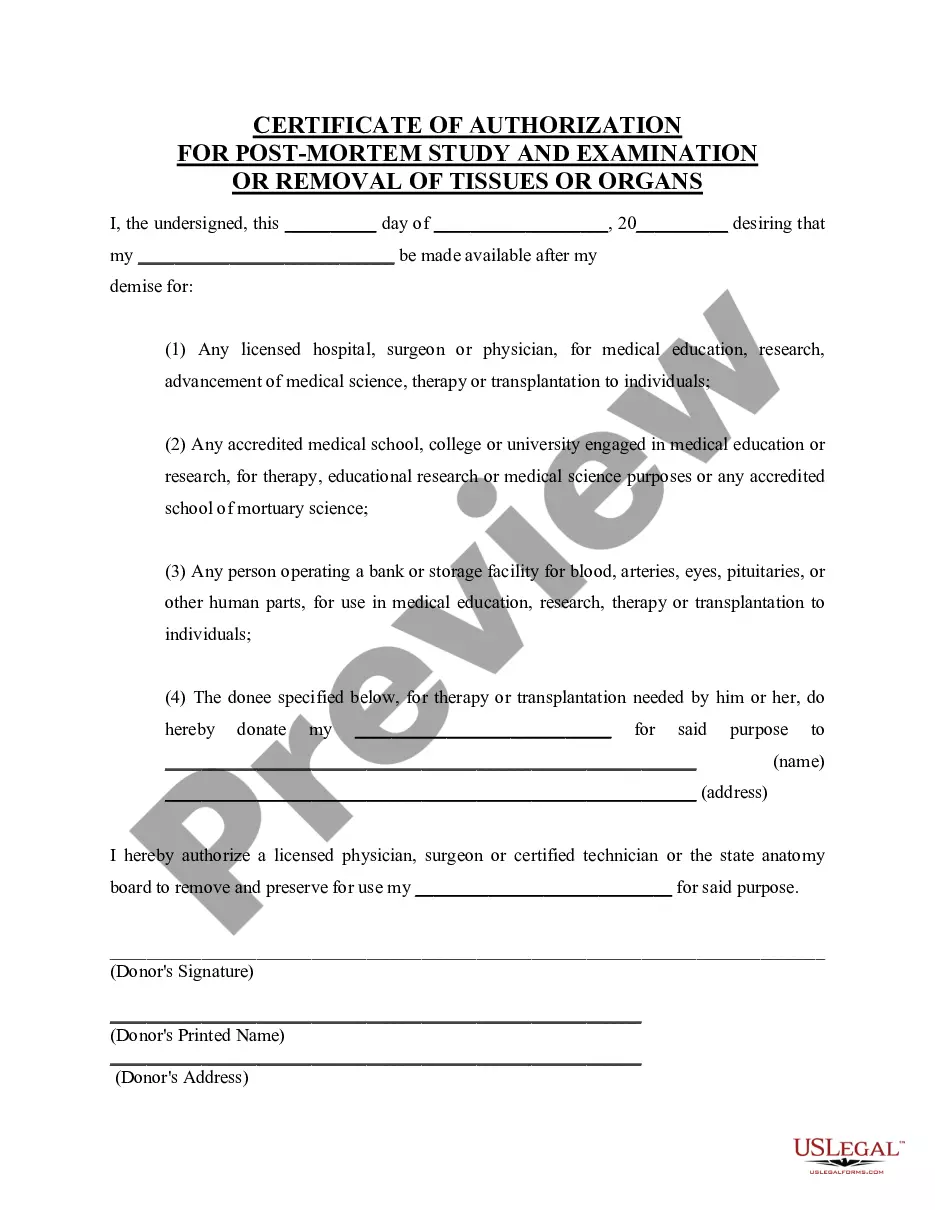
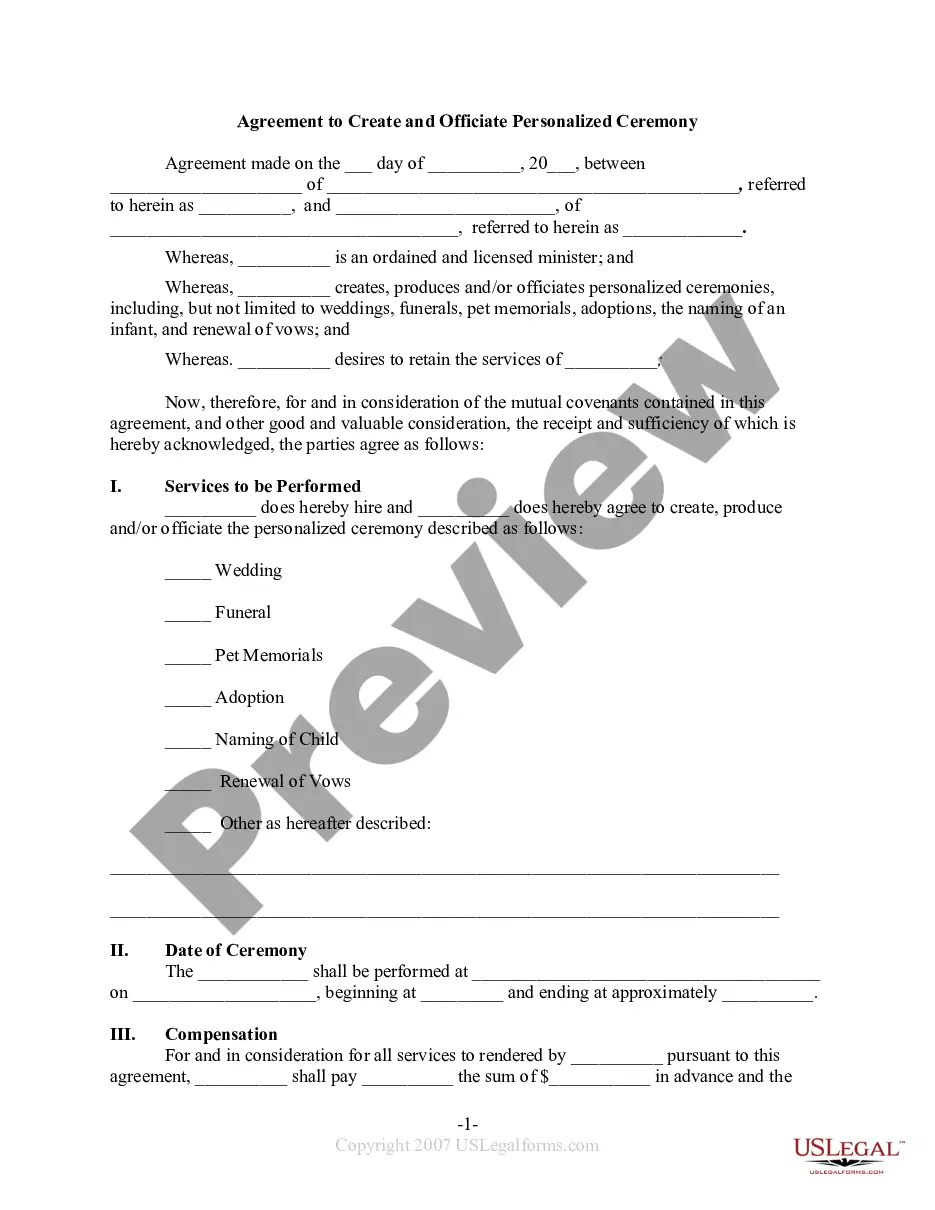
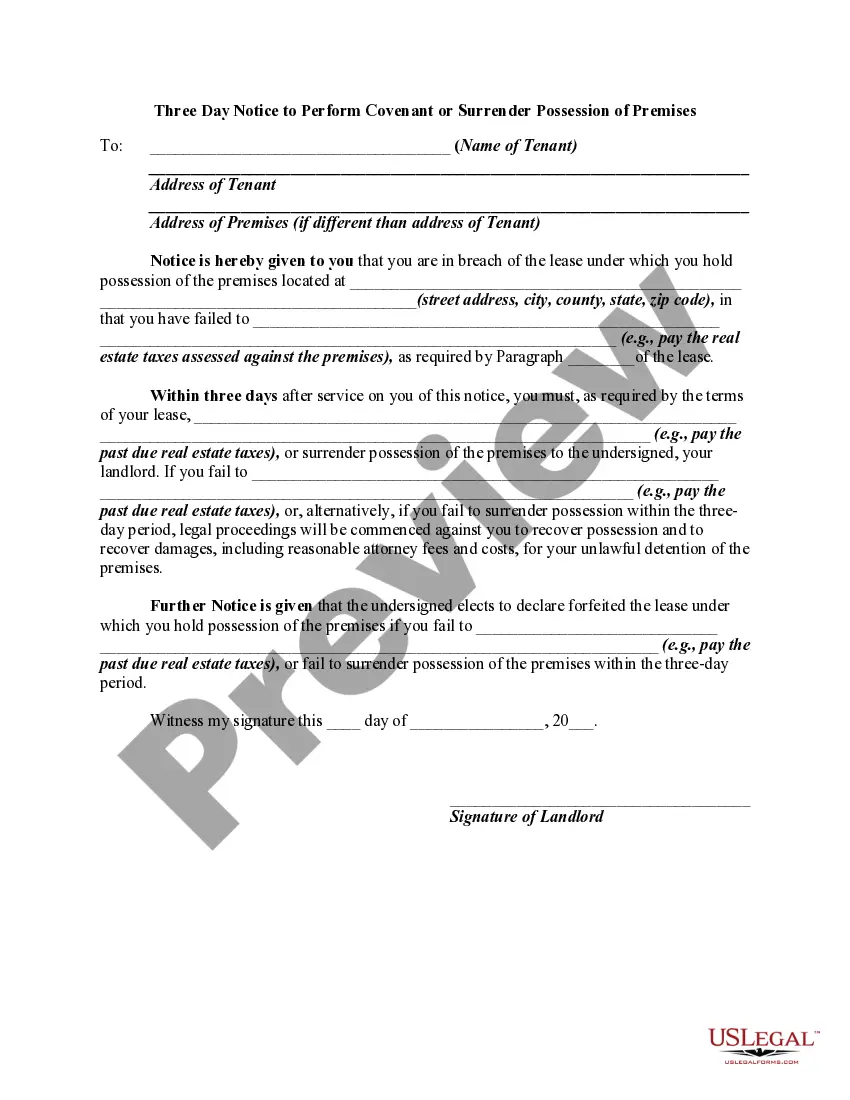
How to fill out Three Day Notice To Pay Rent Or Surrender Possession Of Premises - Vacate - Past Due Rent - Eviction?
Creating legal documents from the ground up can occasionally be daunting.
Some situations may require extensive research and substantial financial resources.
If you're looking for a simpler and more cost-effective approach to preparing Premises Eviction Without Lease or other documentation without unnecessary hassles, US Legal Forms is always at your disposal.
Our online library of over 85,000 current legal forms covers almost every aspect of your financial, legal, and personal issues. With just a few clicks, you can swiftly access state- and county-specific templates meticulously crafted for you by our legal professionals.
US Legal Forms has an excellent reputation and boasts over 25 years of experience. Join us today and make form completion a straightforward and efficient process!
- Utilize our website whenever you need dependable and trustworthy services to quickly find and download the Premises Eviction Without Lease.
- If you're familiar with our site and have already established an account, just Log In to your account, choose the template, and download it or re-download it anytime from the My documents section.
- Don’t yet have an account? No worries. It only takes a few minutes to create an account and browse the catalog.
- Before rushing to download the Premises Eviction Without Lease, follow these recommendations.
- Review the form preview and descriptions to confirm that you have the correct form.
Form popularity
FAQ
In California, premises eviction without lease can still occur, as landlords may have grounds for removing tenants even without a formal agreement. If a tenant occupies a property without a lease, the landlord may initiate eviction based on occupancy duration or other justifiable reasons. It is crucial for both parties to understand their rights and obligations. Using tools from USLegalForms can help landlords navigate the complexities of this process effectively.
If there is no lease agreement in Virginia, your rights as a tenant are still protected under state law. You have the right to a safe and habitable living environment, even without a written contract. In instances of premises eviction without lease, landlords must still follow legal procedures, which typically require giving notice. You can find detailed guidance on navigating these rights on the US Legal Forms platform, where resources are available to help you understand your options.
To write an eviction notice without a lease, start with the tenant's name and the address in question. Clearly outline the reasons for the eviction, providing sufficient detail, such as the notice period and any relevant legal citations. It's essential to include a specific deadline for vacating the property. For a professional approach, consider using USLegalForms to create an eviction notice that aligns with legal standards.
Writing an eviction notice without a lease requires clarity and adherence to local laws. Start by stating the tenant's name, the property address, and the reasons for the eviction, such as nonpayment of rent. Include the date by which the tenant must vacate, ensuring you send the notice via a method that confirms delivery. Using a service like USLegalForms can help you generate a legally sound eviction notice that meets all requirements.
In Colorado, when dealing with premises eviction without lease, landlords must follow the state's eviction laws that outline the process. This entails providing tenants a written notice that details the reason for eviction, usually due to unpaid rent or breach of agreement. After the notice period elapses, landlords can initiate legal proceedings in court if tenants refuse to vacate. Being familiar with these regulations can streamline the eviction process.
When there is no tenancy agreement, establishing tenant rights can become complicated. A premises eviction without lease may still be possible if you prove that the person is occupying the property without permission. You should provide a notice to vacate first, and if they do not comply, you may need to proceed with legal action. Consider utilizing US Legal Forms to navigate the required steps effectively.
To evict someone not on the lease, you must follow the specific laws in your state. Generally, you will need to prove that the person does not have legal rights to reside in the property. Begin with a formal notice to vacate, then, if they do not leave, you may need to file for a premises eviction without lease in court. Using a service like US Legal Forms can simplify the process by providing the necessary documentation.