Summary Judgment Motion To Vacate
Description
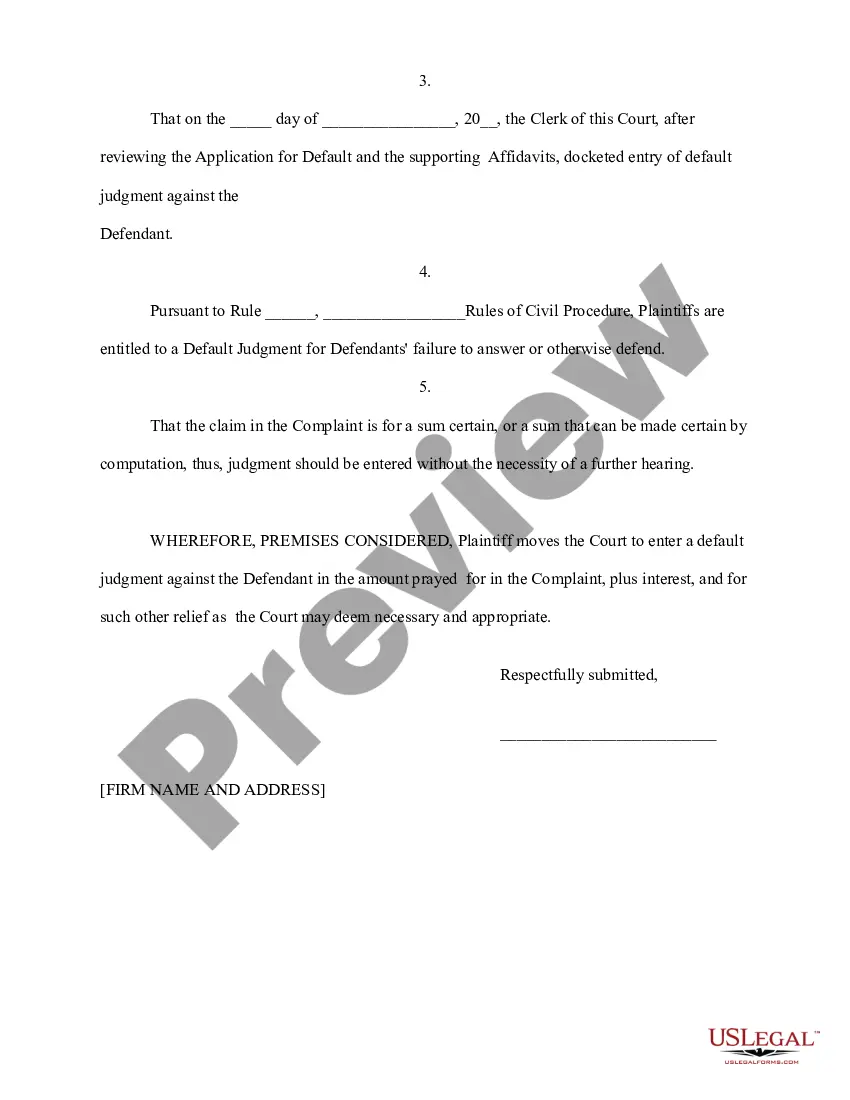
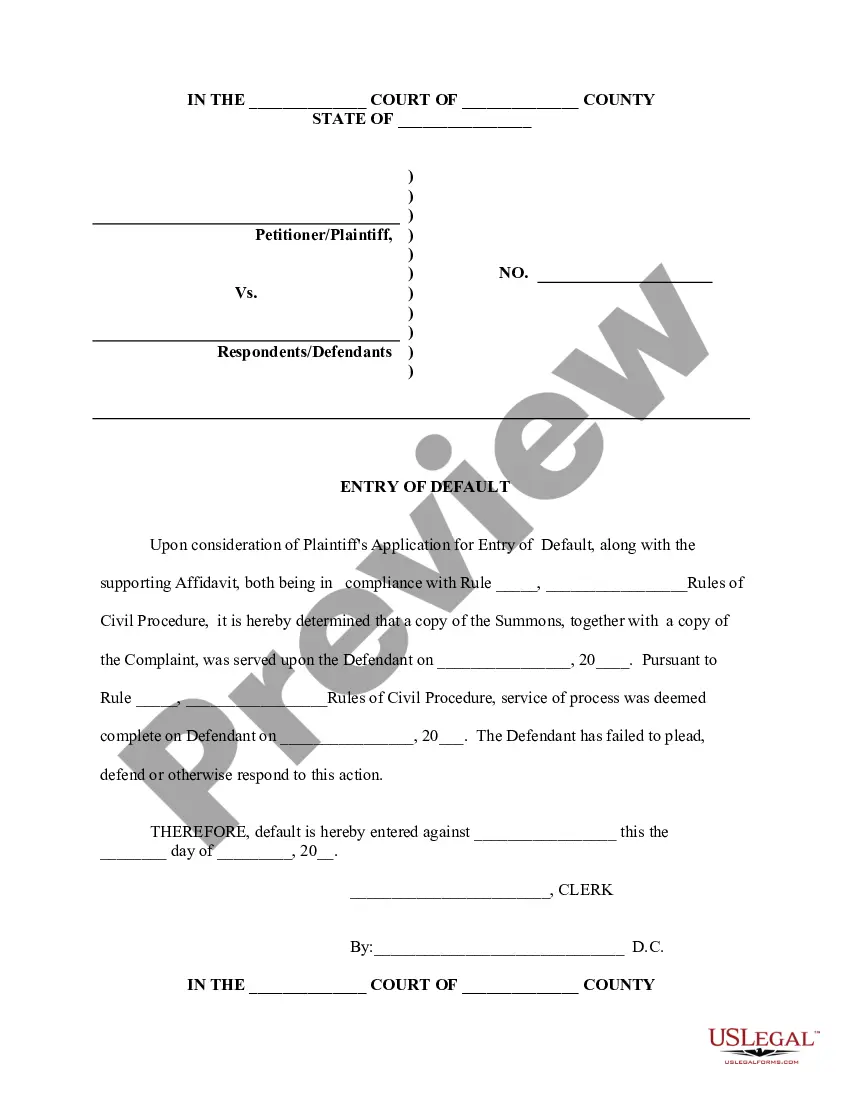
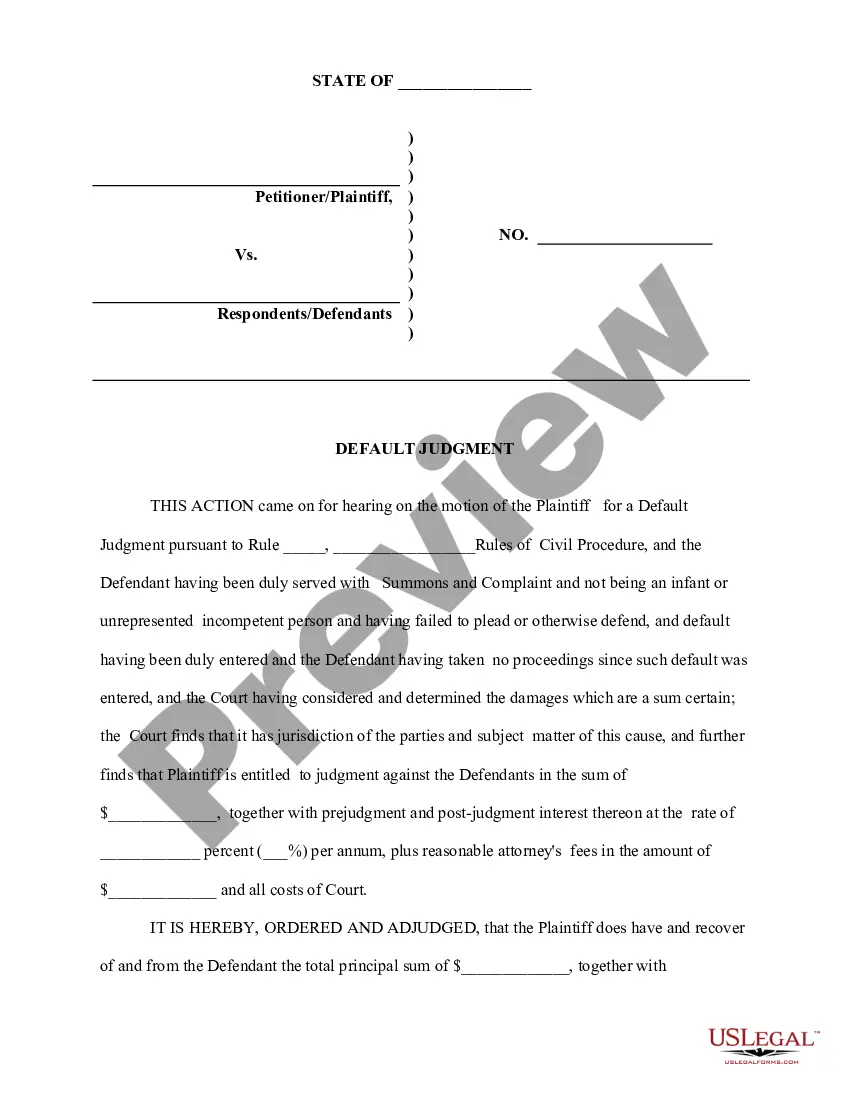
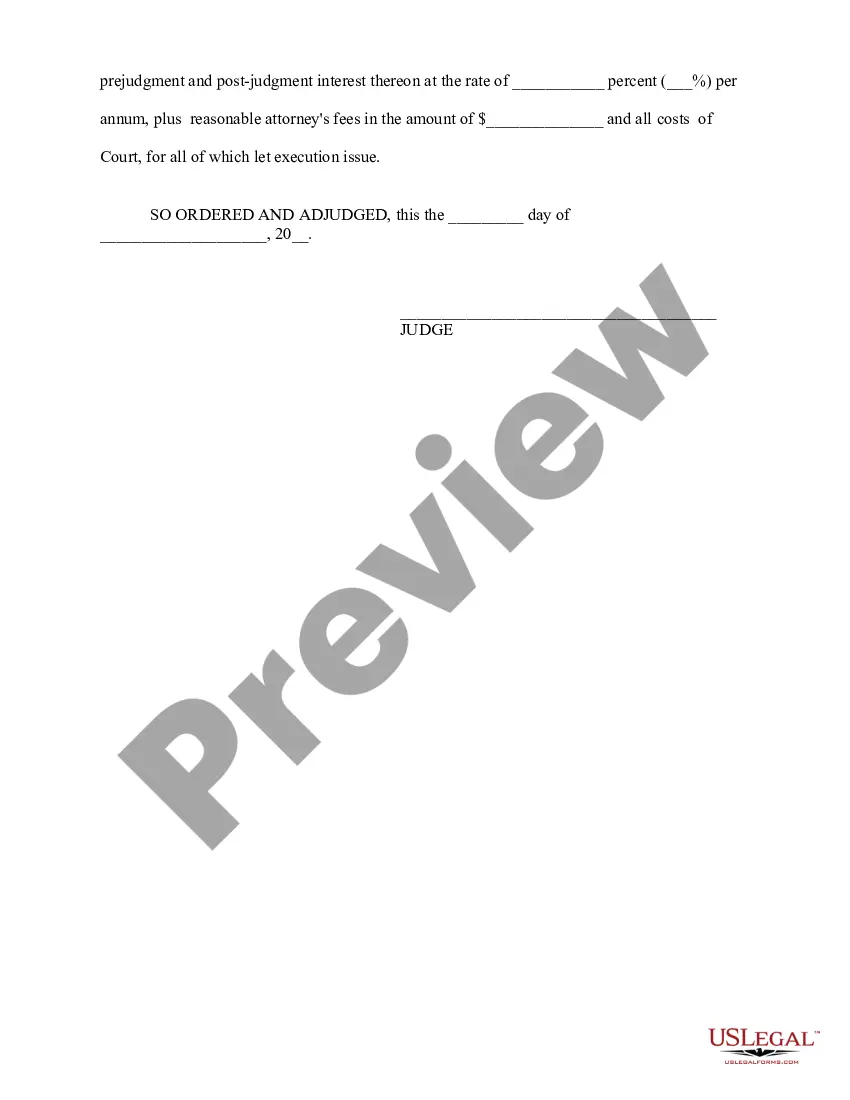
Get your form ready online
Our built-in tools help you complete, sign, share, and store your documents in one place.
Make edits, fill in missing information, and update formatting in US Legal Forms—just like you would in MS Word.
Download a copy, print it, send it by email, or mail it via USPS—whatever works best for your next step.
Sign and collect signatures with our SignNow integration. Send to multiple recipients, set reminders, and more. Go Premium to unlock E-Sign.
If this form requires notarization, complete it online through a secure video call—no need to meet a notary in person or wait for an appointment.
We protect your documents and personal data by following strict security and privacy standards.

Make edits, fill in missing information, and update formatting in US Legal Forms—just like you would in MS Word.

Download a copy, print it, send it by email, or mail it via USPS—whatever works best for your next step.

Sign and collect signatures with our SignNow integration. Send to multiple recipients, set reminders, and more. Go Premium to unlock E-Sign.

If this form requires notarization, complete it online through a secure video call—no need to meet a notary in person or wait for an appointment.

We protect your documents and personal data by following strict security and privacy standards.
Looking for another form?










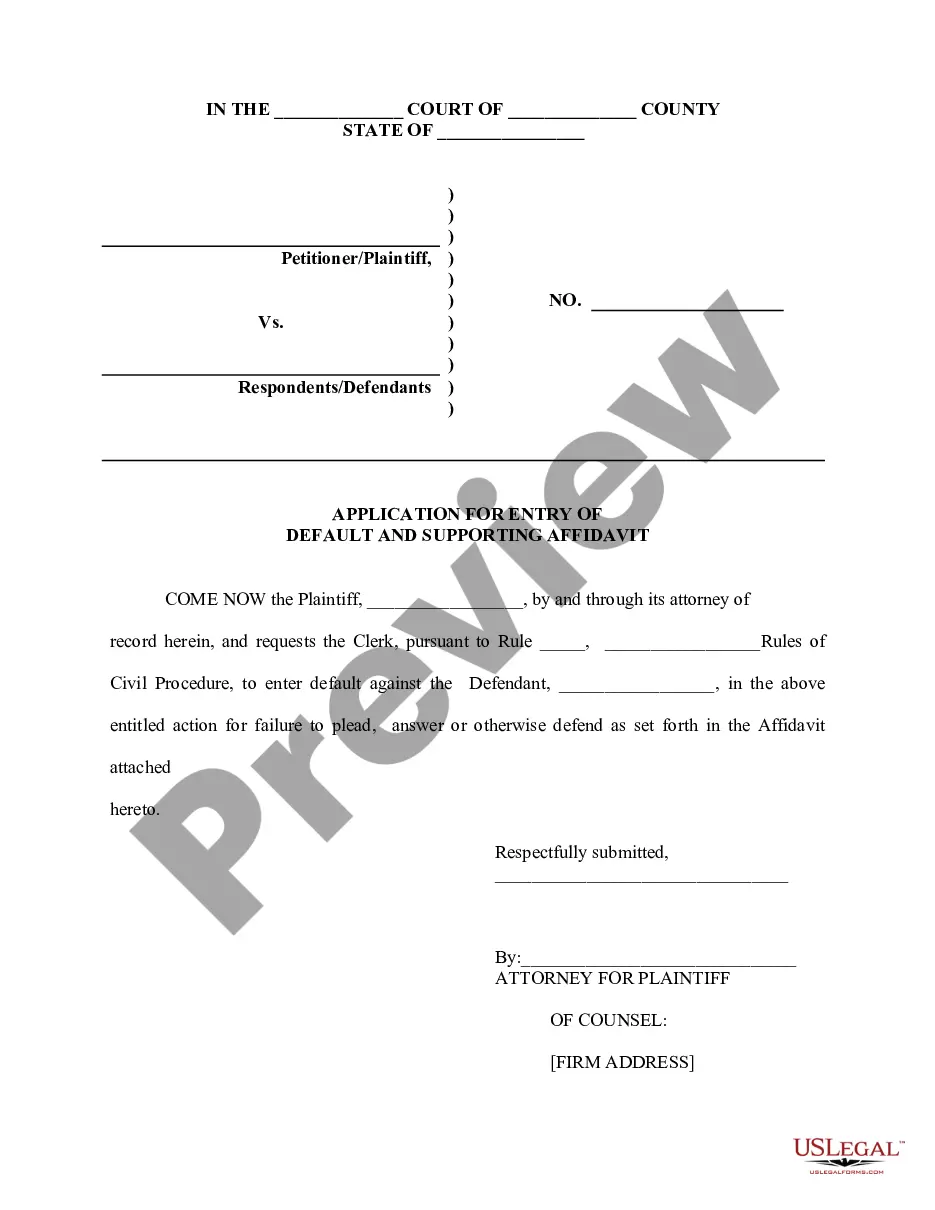
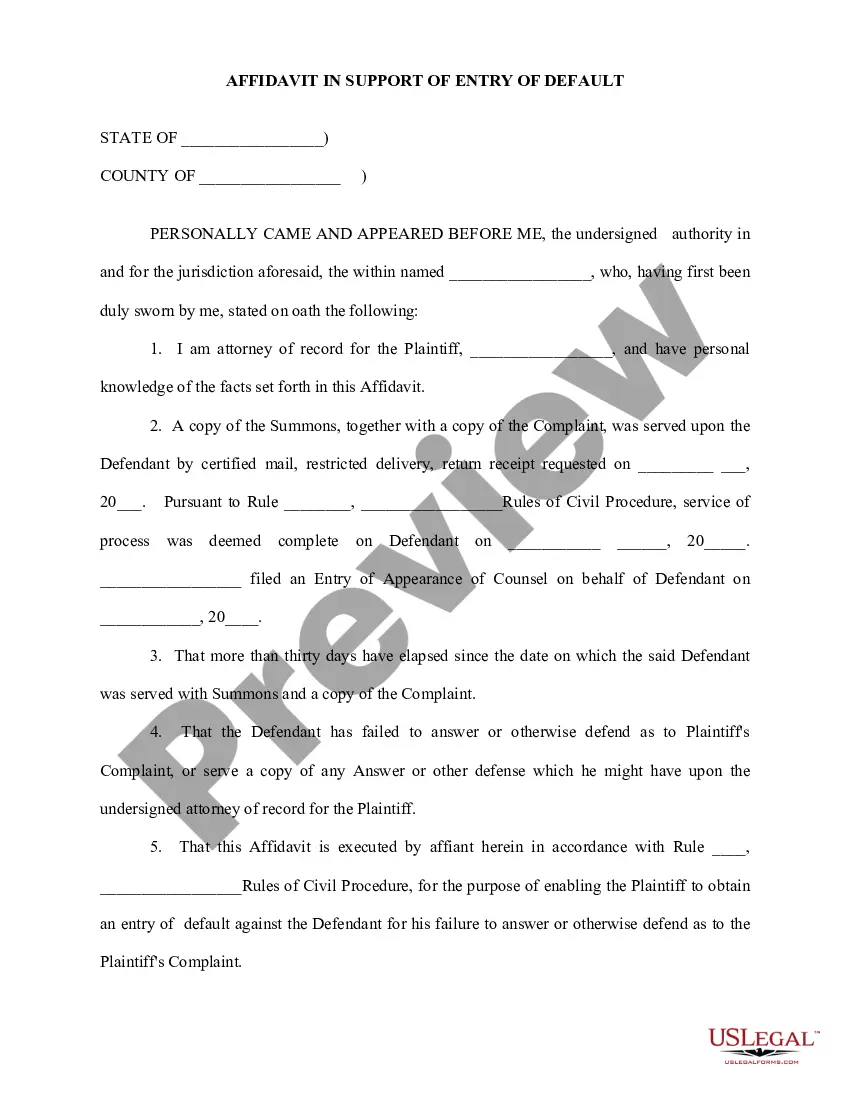
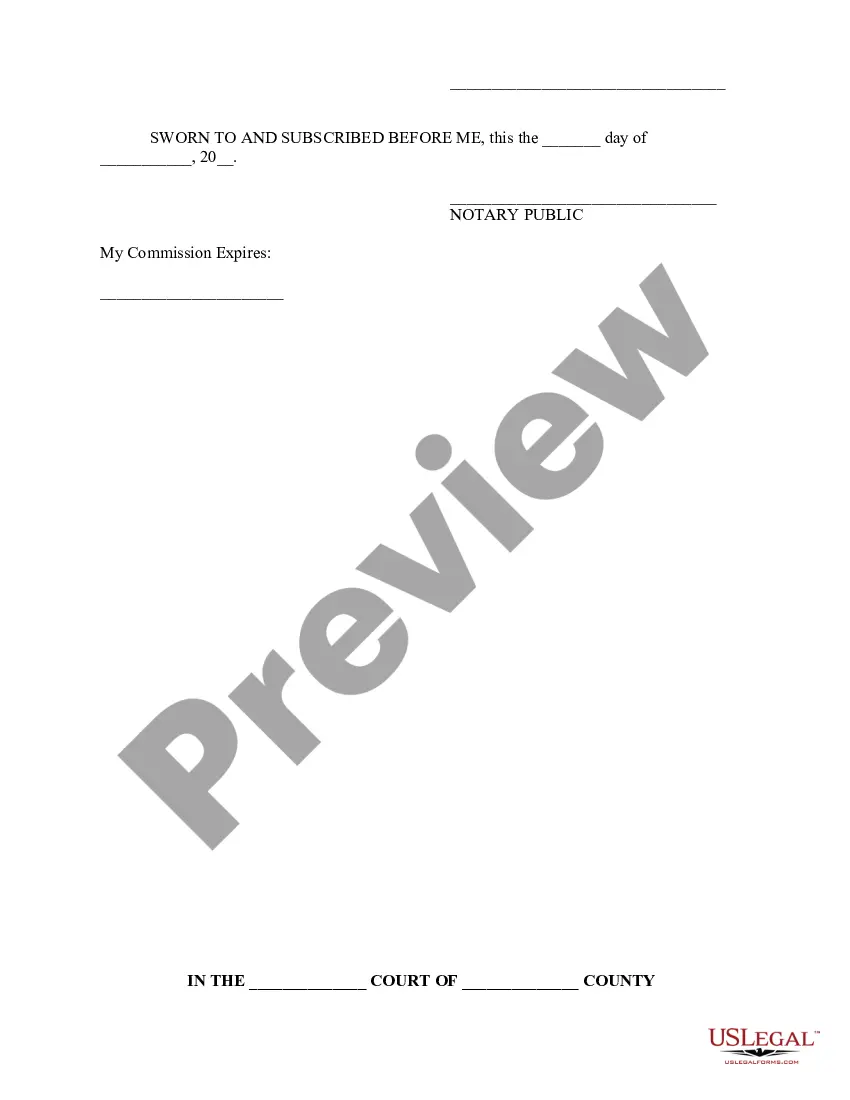
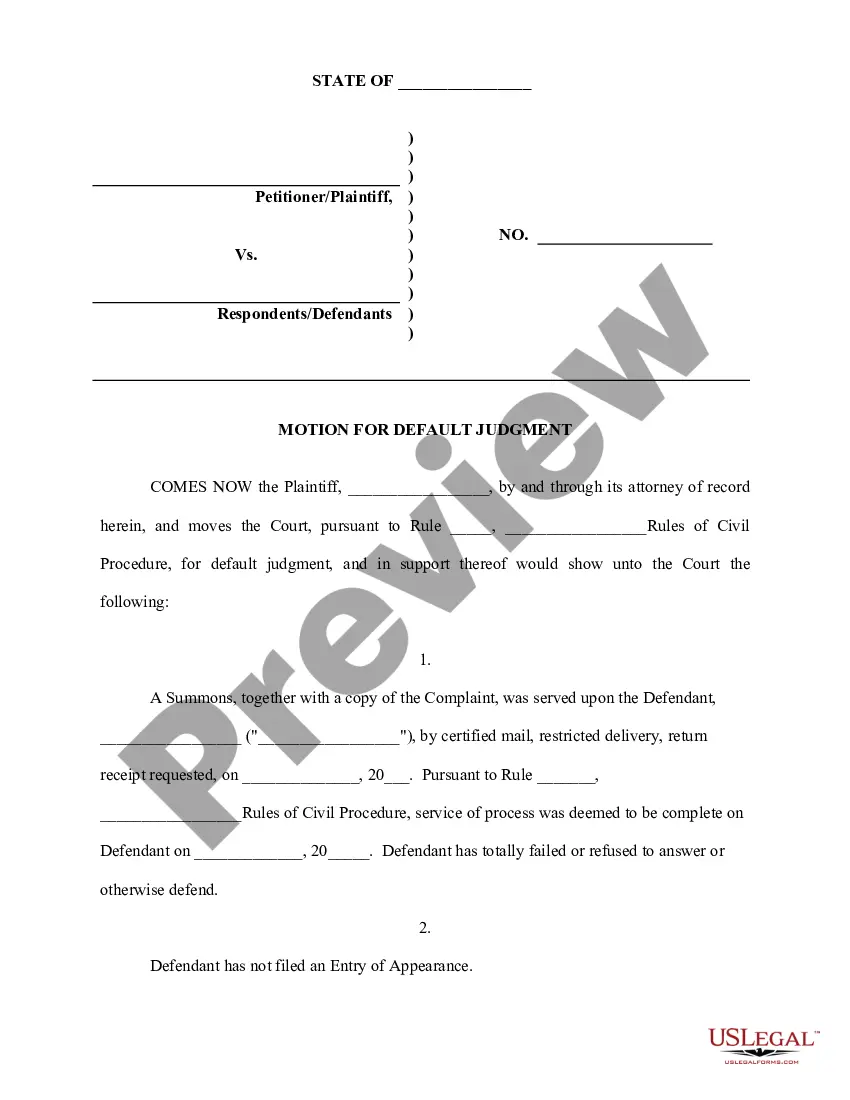
How to fill out Application For Entry Of Default - Affidavit - Motion - Entry Of Default - Default Judgment?
It’s well-known that you cannot transform into a legal specialist instantly, nor can you learn to swiftly compose a Summary Judgment Motion To Vacate without possessing a specialized education.
Assembling legal paperwork is a laborious task that demands certain knowledge and expertise. So why not entrust the drafting of the Summary Judgment Motion To Vacate to the experts.
With US Legal Forms, one of the most comprehensive legal document repositories, you can find anything from court documents to templates for in-office correspondence.
You can re-access your forms from the My documents section at any time. If you are a current customer, you can simply Log In, and find and download the template from the same section.
Regardless of the purpose of your forms—be it financial, legal, or personal—our platform is here to assist you. Give US Legal Forms a try now!
- Locate the document you need using the search bar at the top of the page.
- Preview it (if this option is available) and review the accompanying description to confirm if the Summary Judgment Motion To Vacate is what you are looking for.
- Restart your search if you require a different template.
- Create a free account and select a subscription plan to acquire the form.
- Select Buy now. Once the payment is processed, you can obtain the Summary Judgment Motion To Vacate, fill it out, print it, and deliver it to the required individuals or organizations.
Form popularity
FAQ
Vacating a judgment means to annul or set aside a court's previous decision. When a judge vacates a judgment, it nullifies the legal effect of that ruling. This can happen for several reasons, including new evidence or procedural errors. If you're considering a summary judgment motion to vacate, it’s essential to understand the process and potential outcomes.
To respond to a summary judgment motion, first, review the arguments presented and the evidence submitted by the opposing party. Clearly articulate your counterarguments, ensuring that you provide substantial evidence that supports your case. Typically, you will file an opposition brief along with supporting documents to demonstrate why the motion should not be granted. Leveraging resources from uslegalforms can greatly simplify this process, providing templates and guidance as you navigate your response.
Judges may grant partial summary judgment. For example, a judge might rule on some factual issues, but leave others for trial. Alternately, a judge might grant summary judgment regarding liability, but still hold a trial to determine damages.
Get the form SC-135: Notice of Motion to Vacate Judgment. You must explain on the form why you did not come to court. File the form with the Small Claims Court Clerk's Office at the court where your case was heard. Pay the filing fee.
Vacate: When the Supreme Court vacates a lower court ruling, it strips that ruling of effect, often in order to send the case back to the lower court for further proceedings.
In civil and criminal procedure: To set aside or annul a previous judgment or order.
If you file a motion to vacate a default or a default judgment, you must file an answer to the original complaint along with any cross claims or counterclaims you may wish to assert, and the motion must be accompanied by the appropriate fee.