Default For Entry By Clerk
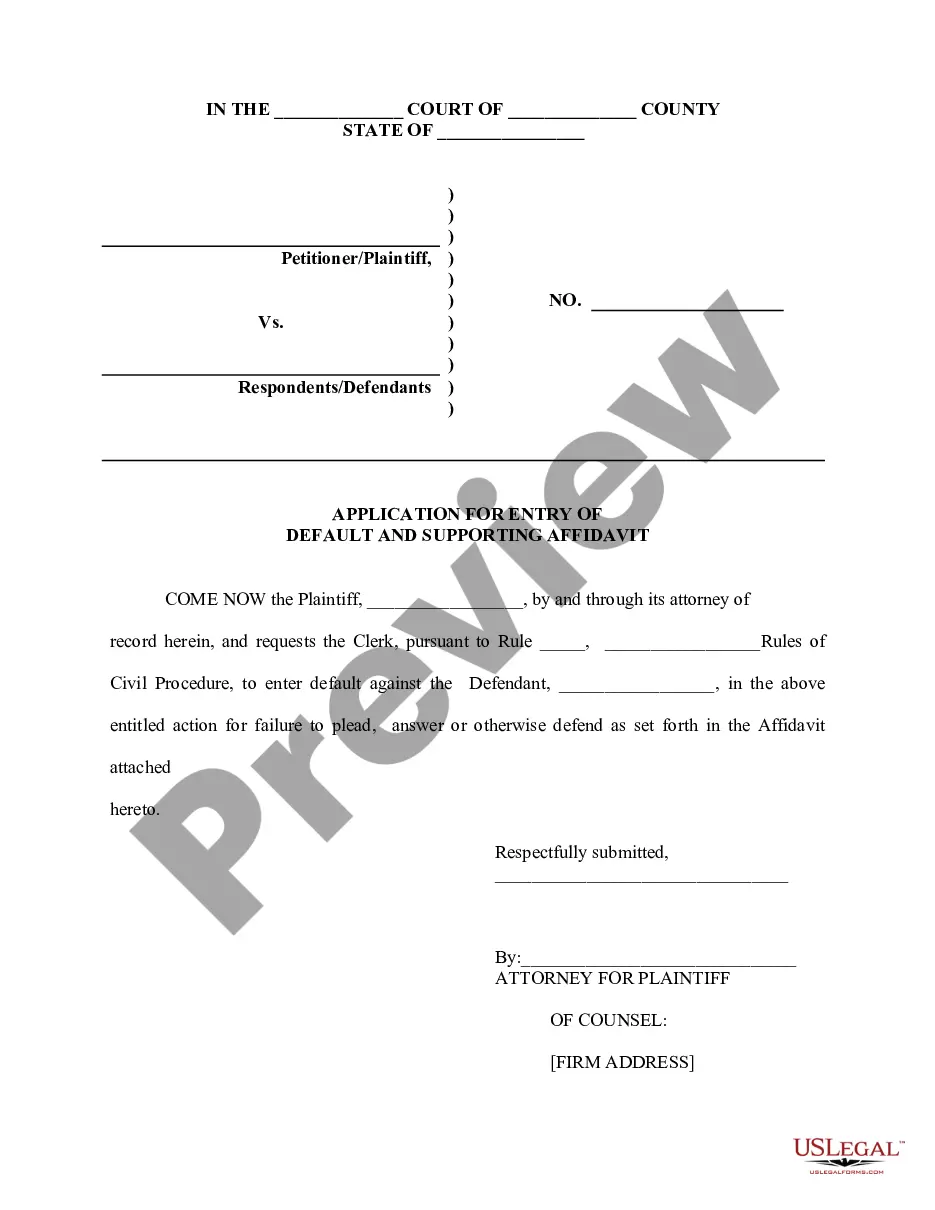
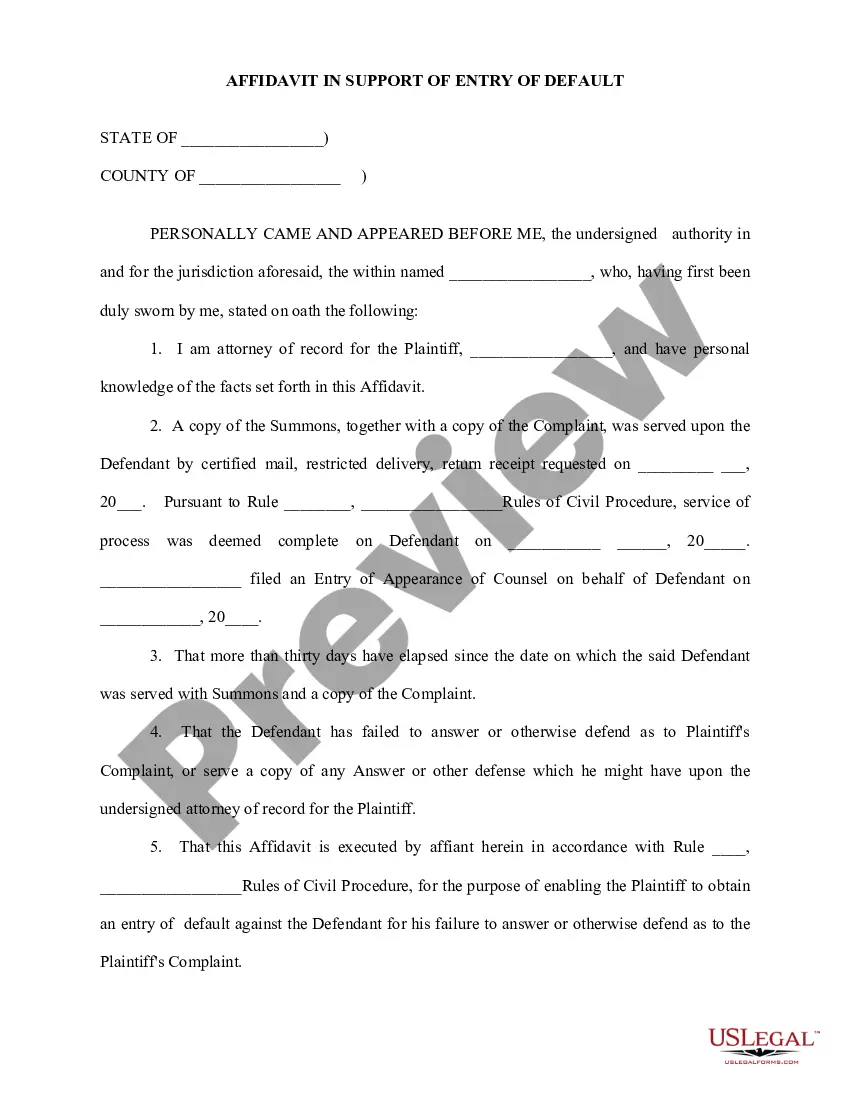
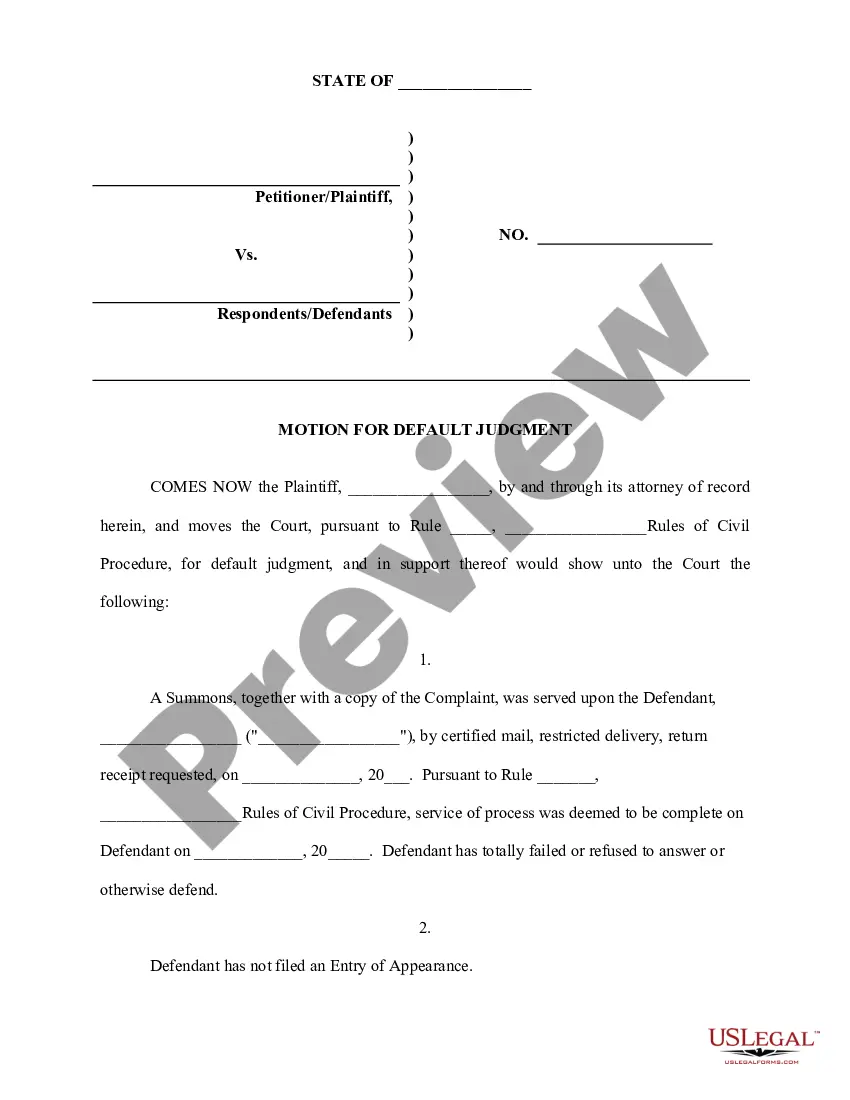
Description
Get your form ready online
Our built-in tools help you complete, sign, share, and store your documents in one place.
Make edits, fill in missing information, and update formatting in US Legal Forms—just like you would in MS Word.
Download a copy, print it, send it by email, or mail it via USPS—whatever works best for your next step.
Sign and collect signatures with our SignNow integration. Send to multiple recipients, set reminders, and more. Go Premium to unlock E-Sign.
If this form requires notarization, complete it online through a secure video call—no need to meet a notary in person or wait for an appointment.
We protect your documents and personal data by following strict security and privacy standards.

Make edits, fill in missing information, and update formatting in US Legal Forms—just like you would in MS Word.

Download a copy, print it, send it by email, or mail it via USPS—whatever works best for your next step.

Sign and collect signatures with our SignNow integration. Send to multiple recipients, set reminders, and more. Go Premium to unlock E-Sign.

If this form requires notarization, complete it online through a secure video call—no need to meet a notary in person or wait for an appointment.

We protect your documents and personal data by following strict security and privacy standards.
Looking for another form?

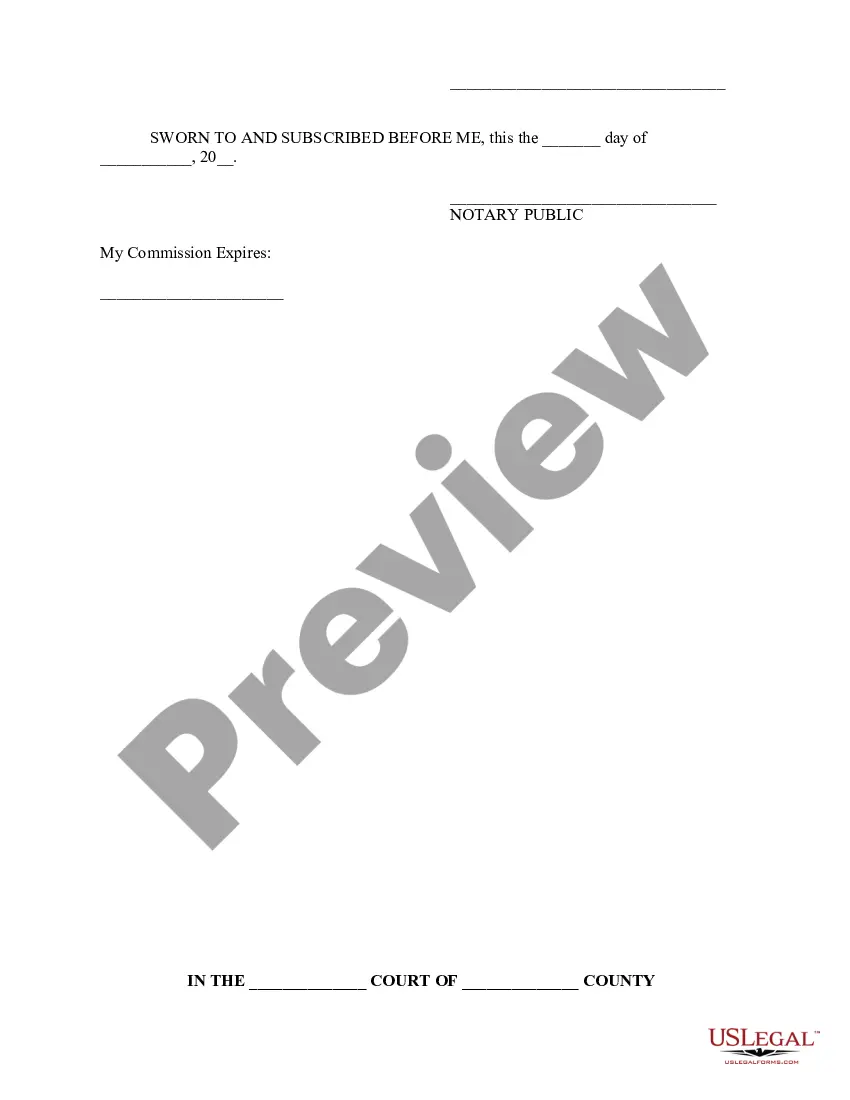
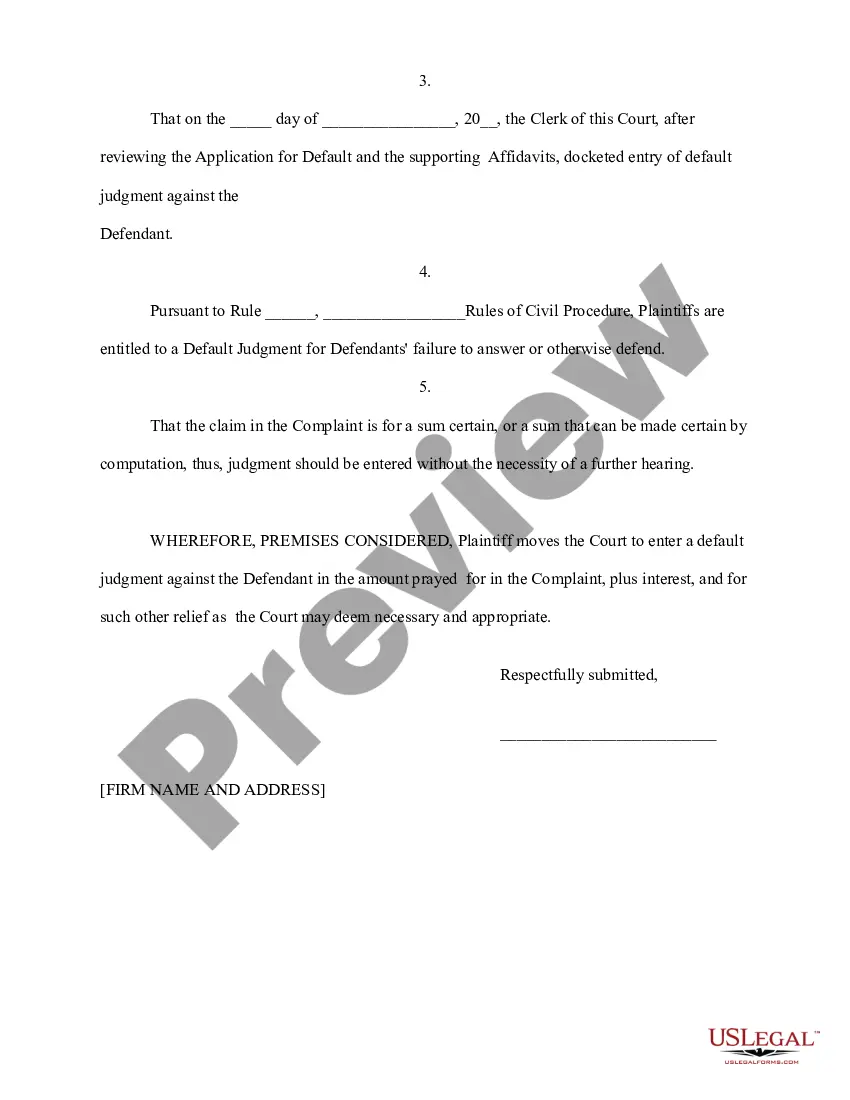
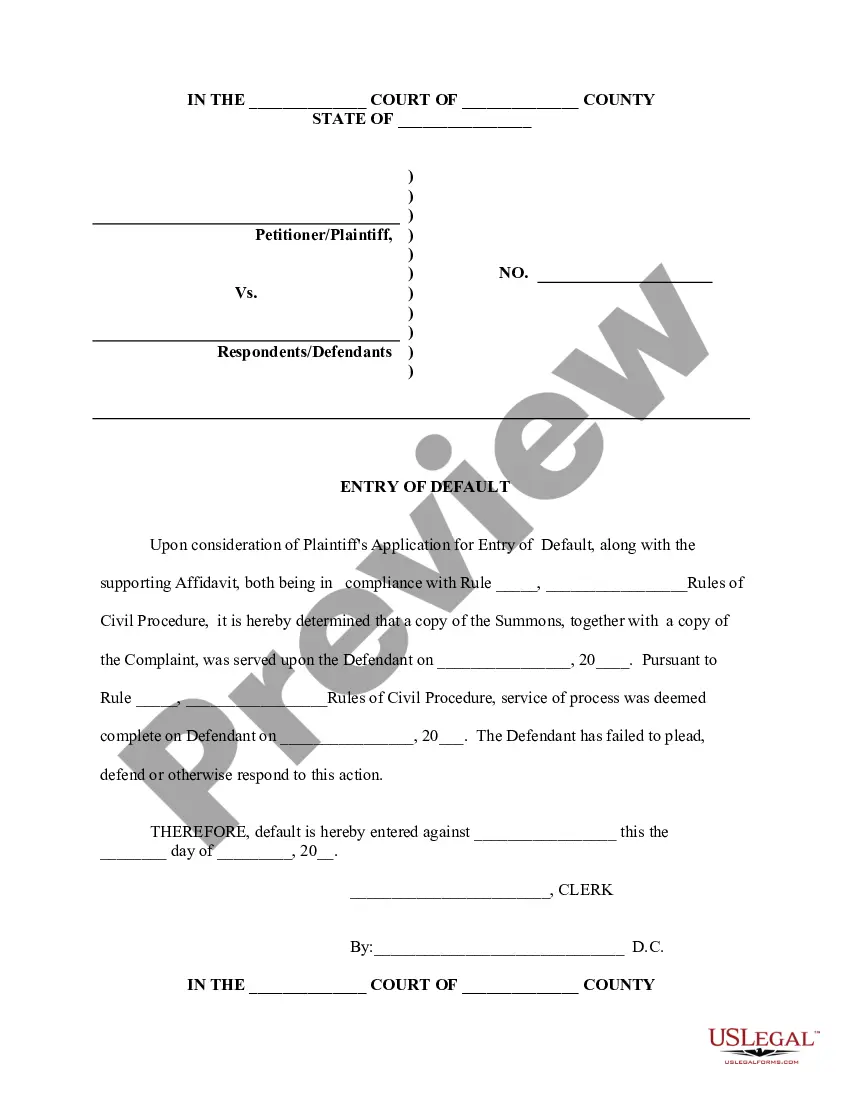
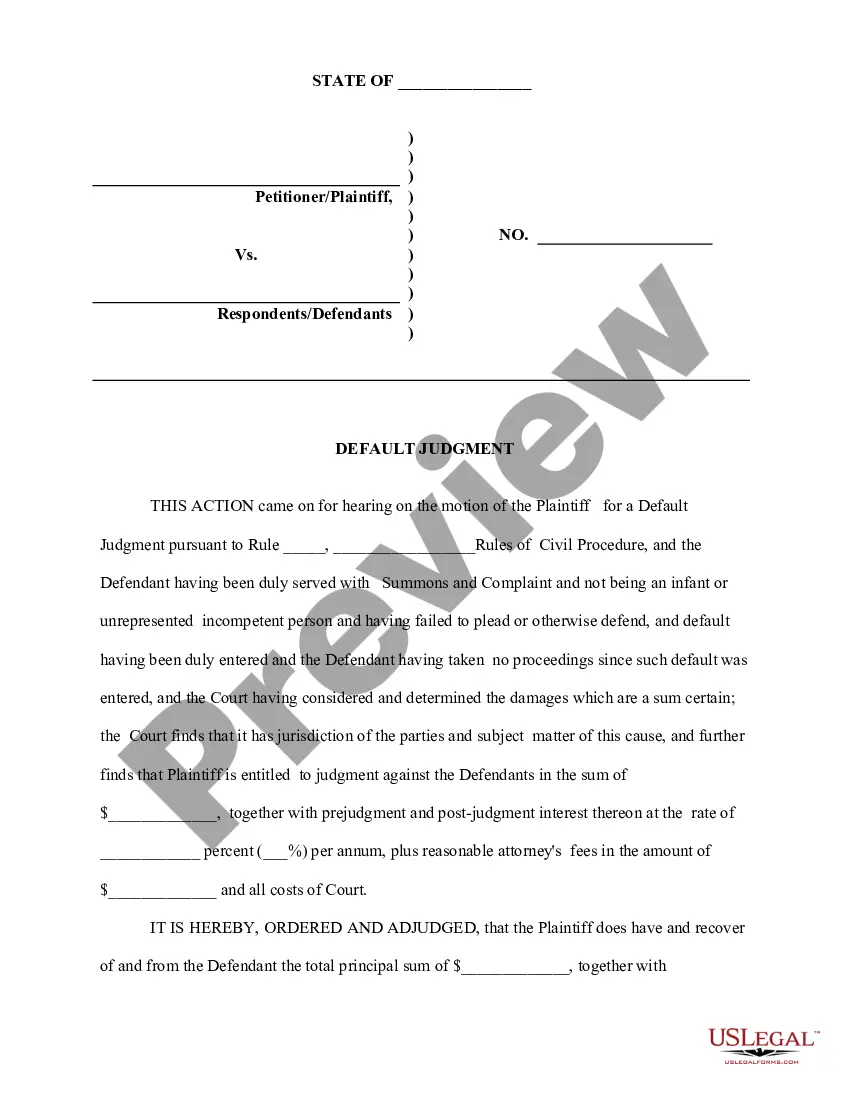
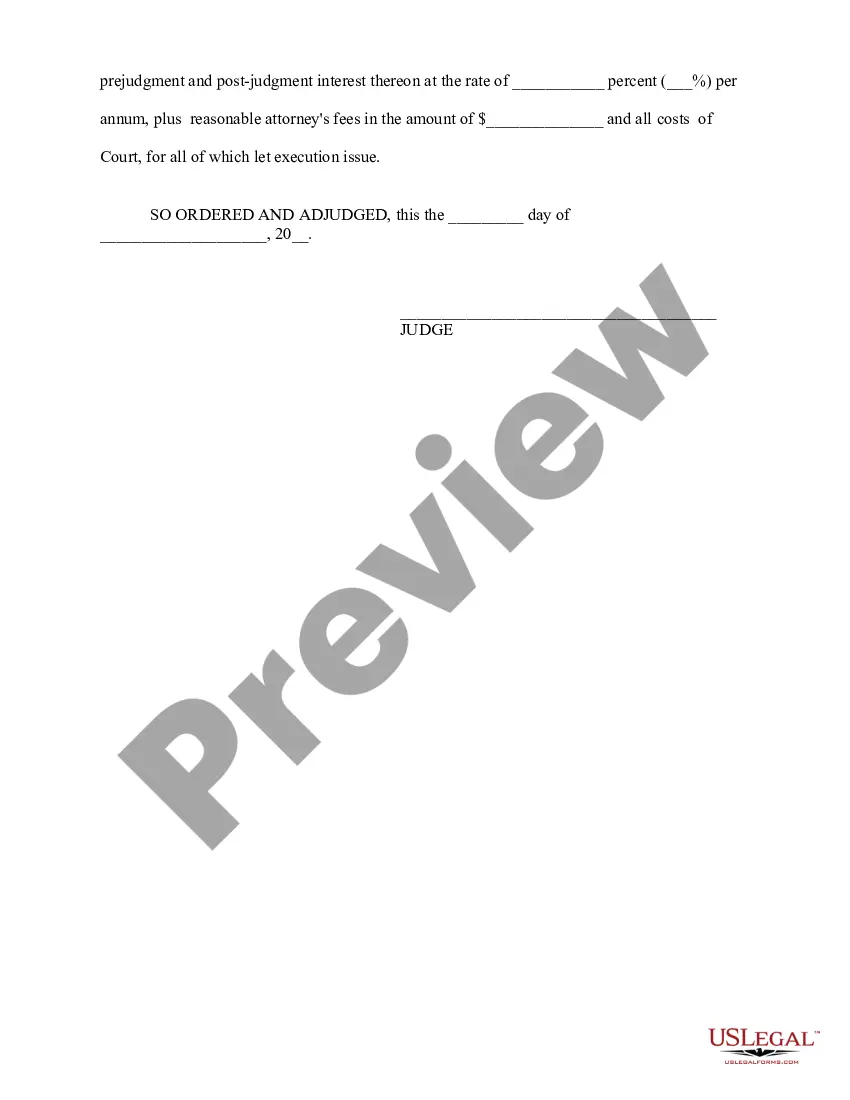
How to fill out Application For Entry Of Default - Affidavit - Motion - Entry Of Default - Default Judgment?
Acquiring legal documentation that complies with federal and local laws is essential, and the web provides numerous choices to consider.
However, what is the benefit of spending time searching for the appropriate Default For Entry By Clerk example online if the US Legal Forms online repository already consolidates such documents.
US Legal Forms is the largest online legal collection with more than 85,000 editable templates created by attorneys for any business or personal situation. They are easy to navigate, with all documents categorized by state and intended use. Our specialists keep track of legal updates, so you can always trust that your documents are current and compliant when acquiring a Default For Entry By Clerk from our site.
All templates you discover through US Legal Forms are reusable. To re-download and complete previously saved documents, access the My documents section in your account. Enjoy utilizing the most expansive and user-friendly legal documentation service!
- Acquiring a Default For Entry By Clerk is straightforward and quick for both existing and new users.
- If you already have a registered account with an active subscription, Log In and save the document template you need in your preferred format.
- If you’re visiting our site for the first time, please follow the steps below.
- Review the template using the Preview feature or the text description to ensure it meets your requirements.
- Search for another example using the search feature at the top of the page if needed.
- Click Buy Now once you’ve located the appropriate form and select a subscription option.
- Create an account or Log In and process your payment using PayPal or a credit card.
- Select the format that suits your Default For Entry By Clerk best and download it.
Form popularity
FAQ
An entry of default indicates that the court recognizes a defendant’s failure to engage with the legal proceedings. This entry allows the plaintiff to request a judgment, potentially leading to a favorable outcome without the defendant's participation. Utilizing resources like US Legal Forms can help you navigate this process effectively, ensuring you understand your rights and options related to a default for entry by clerk.
A clerk's default is an official action taken by the court clerk when a defendant does not respond to a lawsuit. This entry means that the plaintiff can move forward with their case, often resulting in a default judgment. Understanding this process is crucial, as a default for entry by clerk can significantly impact the outcome of a legal matter.
When a clerk enters a default, it signifies that a defendant has failed to respond to a legal complaint within the specified time frame. This action allows the plaintiff to seek a judgment without further input from the defendant. It’s important to understand that a default for entry by clerk can streamline the legal process for the plaintiff, simplifying the path to a resolution.
An entry for default is a formal acknowledgment by the court that a party has failed to respond to a legal action. It serves as a prerequisite for obtaining a default judgment, effectively signaling that the case can proceed without the absent party's participation. This entry is crucial in ensuring that your legal rights are protected when facing non-responsive parties. The US Legal Forms platform can provide you with the necessary forms and instructions to facilitate this process.
Yes, a clerk can enter a default judgment under certain conditions. If the defendant has failed to respond to the complaint, and all necessary documentation is provided, the clerk can issue a judgment in favor of the plaintiff. This process streamlines the resolution of cases where the defendant does not contest the claims. For step-by-step guidance, consider using the resources available on the US Legal Forms platform.
Rule 55a in Massachusetts outlines the procedure for obtaining a default judgment when a defendant fails to respond. This rule specifies the requirements for filing a request for default and the subsequent steps for obtaining a judgment by the clerk. Understanding this rule is crucial for anyone navigating the legal process, as it ensures that you comply with all necessary legal formalities. The US Legal Forms platform offers resources to help clarify these rules and assist in your filing process.
A motion for clerk's default is a formal request asking the court clerk to enter a default against a party who has not responded to a legal action. This motion highlights the lack of response and can expedite the process of obtaining a default judgment. It is an essential step when pursuing a claim, as it confirms the other party's failure to engage. Tools available on the US Legal Forms platform can assist you in crafting this motion effectively.
To request an entry of default, you need to file a motion with the court. This motion must include proof that the opposing party was properly served and has failed to respond. Once submitted, the clerk will review your request for entry by clerk and, if approved, will officially record the default. Using the US Legal Forms platform can simplify this process by providing templates and guidance tailored to your needs.
The entry of default is a formal acknowledgment by the court that a defendant has not responded to a complaint within the specified timeframe. This entry allows the plaintiff to seek a default judgment, which can expedite the resolution of the case. It is essential to follow proper procedures when requesting this entry, and US Legal Forms offers comprehensive tools and resources to assist you in managing the entry of default seamlessly.
An entry of a default order signifies that the court recognizes a party's failure to respond to a legal action, allowing the other party to proceed without opposition. This order can lead to a judgment in favor of the responding party, as the non-responsive party forfeits their right to contest the claims. Understanding this process is crucial, and resources like US Legal Forms can help you navigate the implications of an entry of default order effectively.