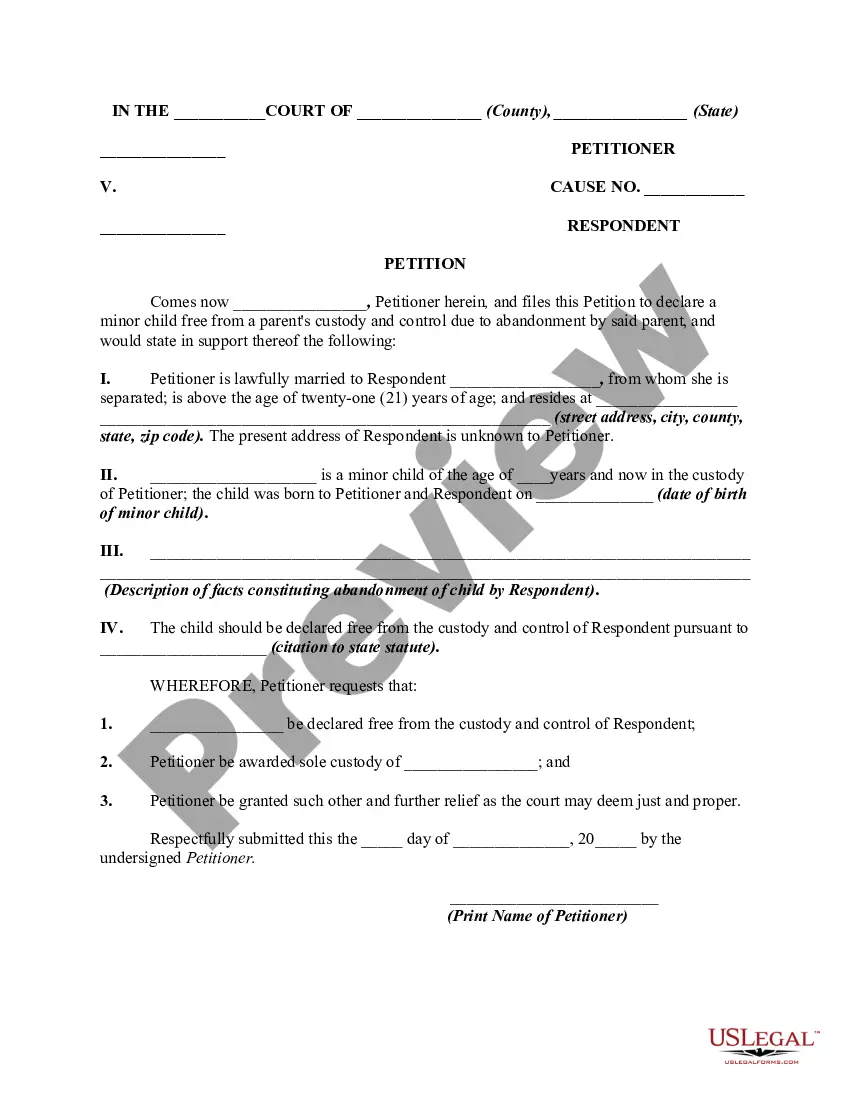
Child Rights With Divorced Parents
Description
Get your form ready online
Our built-in tools help you complete, sign, share, and store your documents in one place.
Make edits, fill in missing information, and update formatting in US Legal Forms—just like you would in MS Word.
Download a copy, print it, send it by email, or mail it via USPS—whatever works best for your next step.
Sign and collect signatures with our SignNow integration. Send to multiple recipients, set reminders, and more. Go Premium to unlock E-Sign.
If this form requires notarization, complete it online through a secure video call—no need to meet a notary in person or wait for an appointment.
We protect your documents and personal data by following strict security and privacy standards.

Make edits, fill in missing information, and update formatting in US Legal Forms—just like you would in MS Word.

Download a copy, print it, send it by email, or mail it via USPS—whatever works best for your next step.

Sign and collect signatures with our SignNow integration. Send to multiple recipients, set reminders, and more. Go Premium to unlock E-Sign.

If this form requires notarization, complete it online through a secure video call—no need to meet a notary in person or wait for an appointment.

We protect your documents and personal data by following strict security and privacy standards.
Looking for another form?

Form popularity
FAQ
Being a child of divorce can have lasting effects, influencing relationships and emotional health in adulthood. Many adults from divorced families face challenges with trust and commitment, but others develop resilience and strong coping skills. Understanding child rights with divorced parents can help you acknowledge these feelings and seek support when necessary.
As a child of divorced parents, your rights include living in a stable environment, having regular contact with both parents, and receiving emotional support. The concept of child rights with divorced parents ensures that your best interests guide parental decisions. You deserve to voice your feelings and have your needs respected during and after the divorce.
Child custody decisions rely on various factors, including the child's best interests and each parent's involvement. Generally, parents who demonstrate stability, a nurturing environment, and a commitment to co-parenting are more likely to win custody. Understanding child rights with divorced parents can help in navigating this complex process.
The best outcome for a child of divorced parents is to maintain a healthy relationship with both parents. Child rights with divorced parents emphasize co-parenting arrangements that promote stability, communication, and emotional support. Creating a predictable environment can significantly benefit the child's development.
After a divorce, a child may face emotional and psychological challenges, as their family dynamic changes. Child rights with divorced parents focus on ensuring that the child's well-being remains a priority. Typically, arrangements such as visitation rights and custody plans are established to maintain stability and support for the child.
You can leave your husband, but taking your child requires careful consideration of child rights with divorced parents. Laws vary by state, and some jurisdictions prioritize the child's best interests. It’s best to consult a family lawyer to understand your rights and the implications of custody and potential relocation.
Divorce can significantly impact a 3-year-old child, as they may struggle to understand the situation. They might experience feelings of confusion and insecurity. Providing reassurance and maintaining routines can help ease their anxiety. Recognizing child rights with divorced parents is vital to ensure their emotional needs are met during this transition.
Visitation rights depend on the custody arrangement established during the divorce. Generally, children have the right to maintain a relationship with both parents. Courts often emphasize stability and the child’s best interests. Understanding these rights is crucial for parents, and platforms like US Legal can offer insights on child rights with divorced parents.
Supporting a child with divorced parents involves open communication and emotional guidance. Encourage the child to express their feelings and validate their emotions. It is essential to reassure them that both parents love them and will always be there. Resources like US Legal can provide tools to understand child rights with divorced parents.
Divorced parents can benefit from spending time together with their children. This approach can create a stable environment for the child and promote positive relationships. When parents cooperate, the child feels secure and valued. Ultimately, prioritizing child rights with divorced parents helps foster emotional well-being.