Bond Reduction Request With Sodium Borohydride
Description
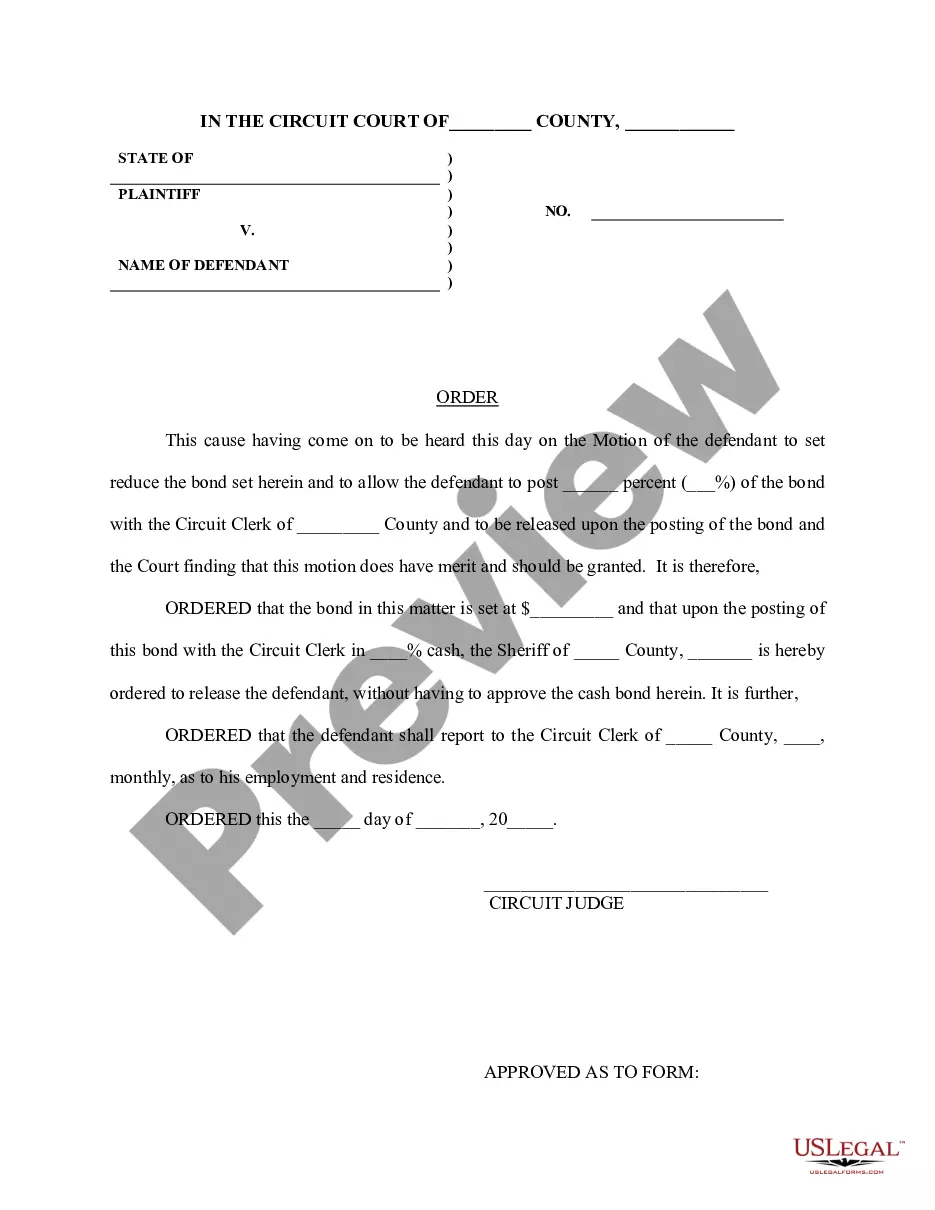

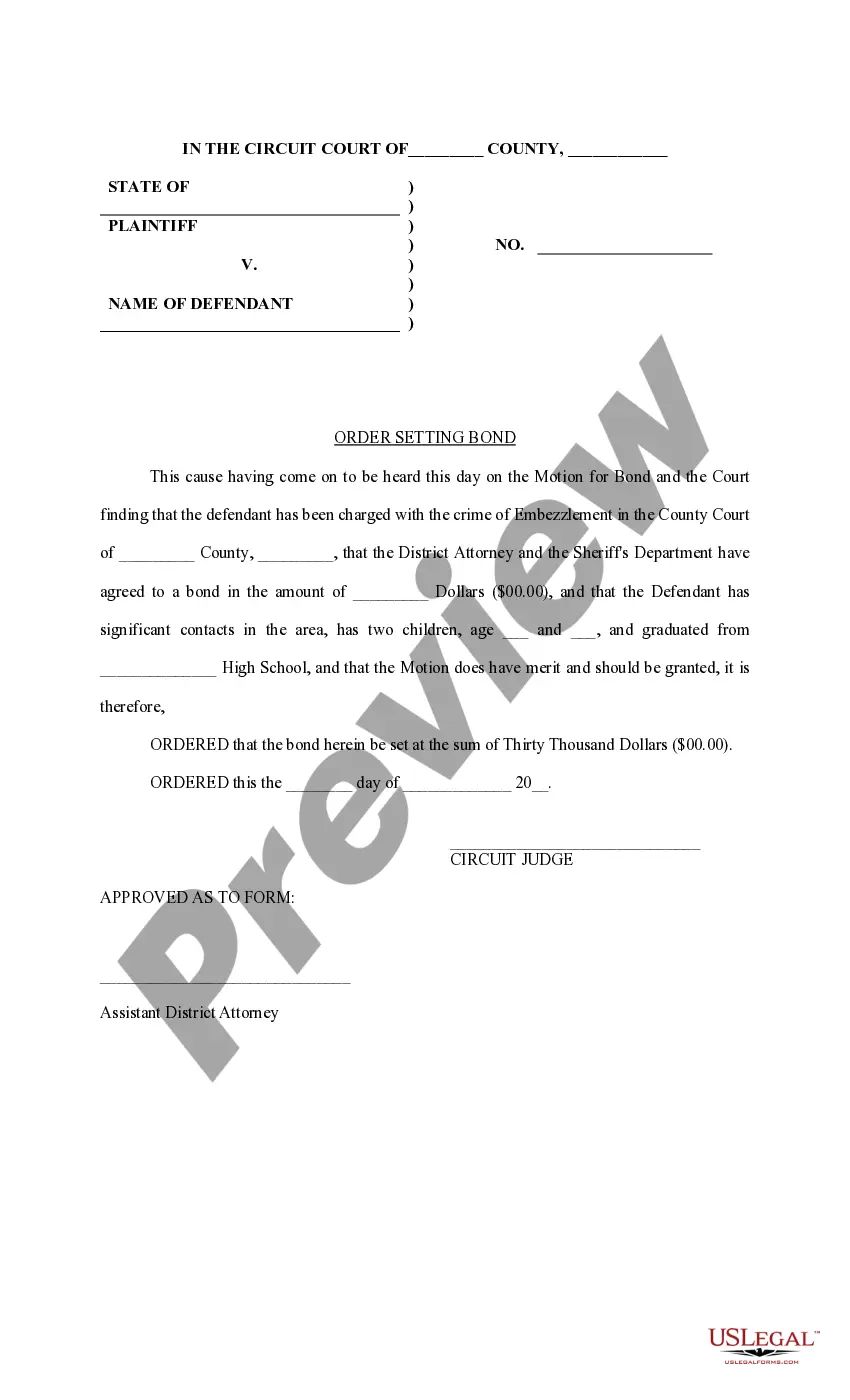
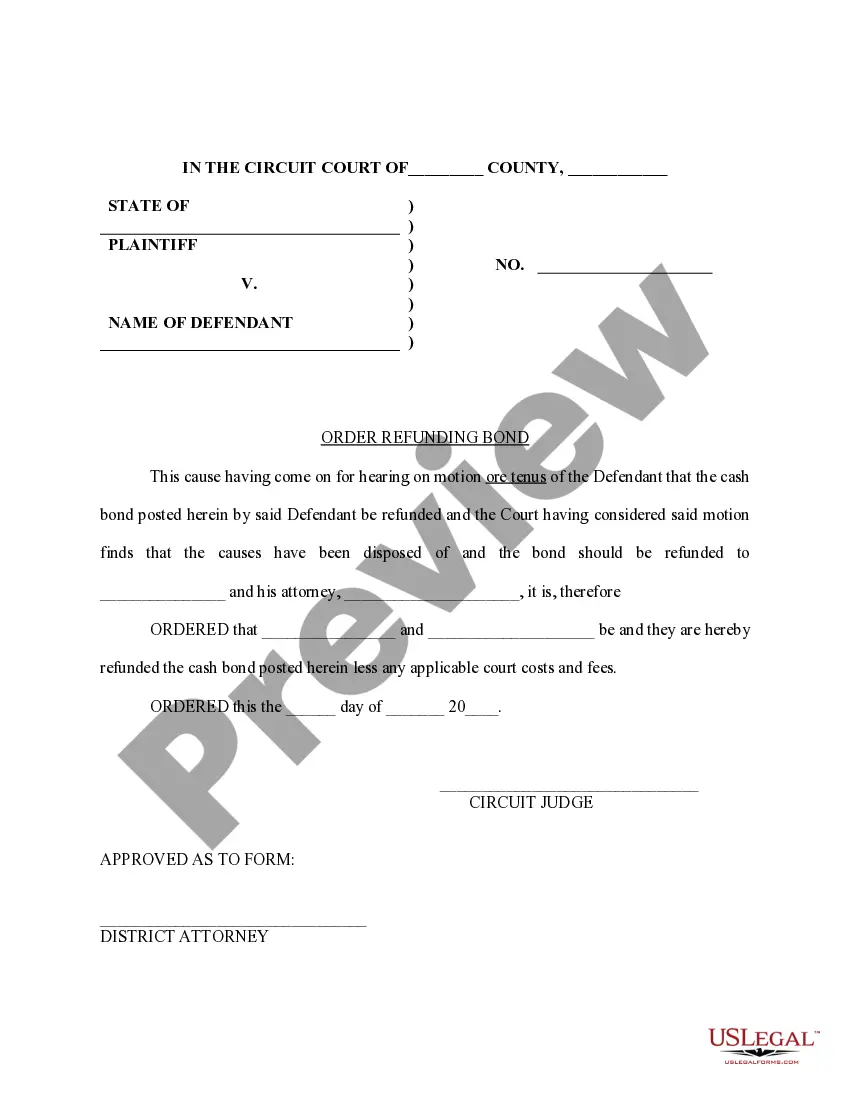
Get your form ready online
Our built-in tools help you complete, sign, share, and store your documents in one place.
Make edits, fill in missing information, and update formatting in US Legal Forms—just like you would in MS Word.
Download a copy, print it, send it by email, or mail it via USPS—whatever works best for your next step.
Sign and collect signatures with our SignNow integration. Send to multiple recipients, set reminders, and more. Go Premium to unlock E-Sign.
If this form requires notarization, complete it online through a secure video call—no need to meet a notary in person or wait for an appointment.
We protect your documents and personal data by following strict security and privacy standards.

Make edits, fill in missing information, and update formatting in US Legal Forms—just like you would in MS Word.

Download a copy, print it, send it by email, or mail it via USPS—whatever works best for your next step.

Sign and collect signatures with our SignNow integration. Send to multiple recipients, set reminders, and more. Go Premium to unlock E-Sign.

If this form requires notarization, complete it online through a secure video call—no need to meet a notary in person or wait for an appointment.

We protect your documents and personal data by following strict security and privacy standards.
Looking for another form?

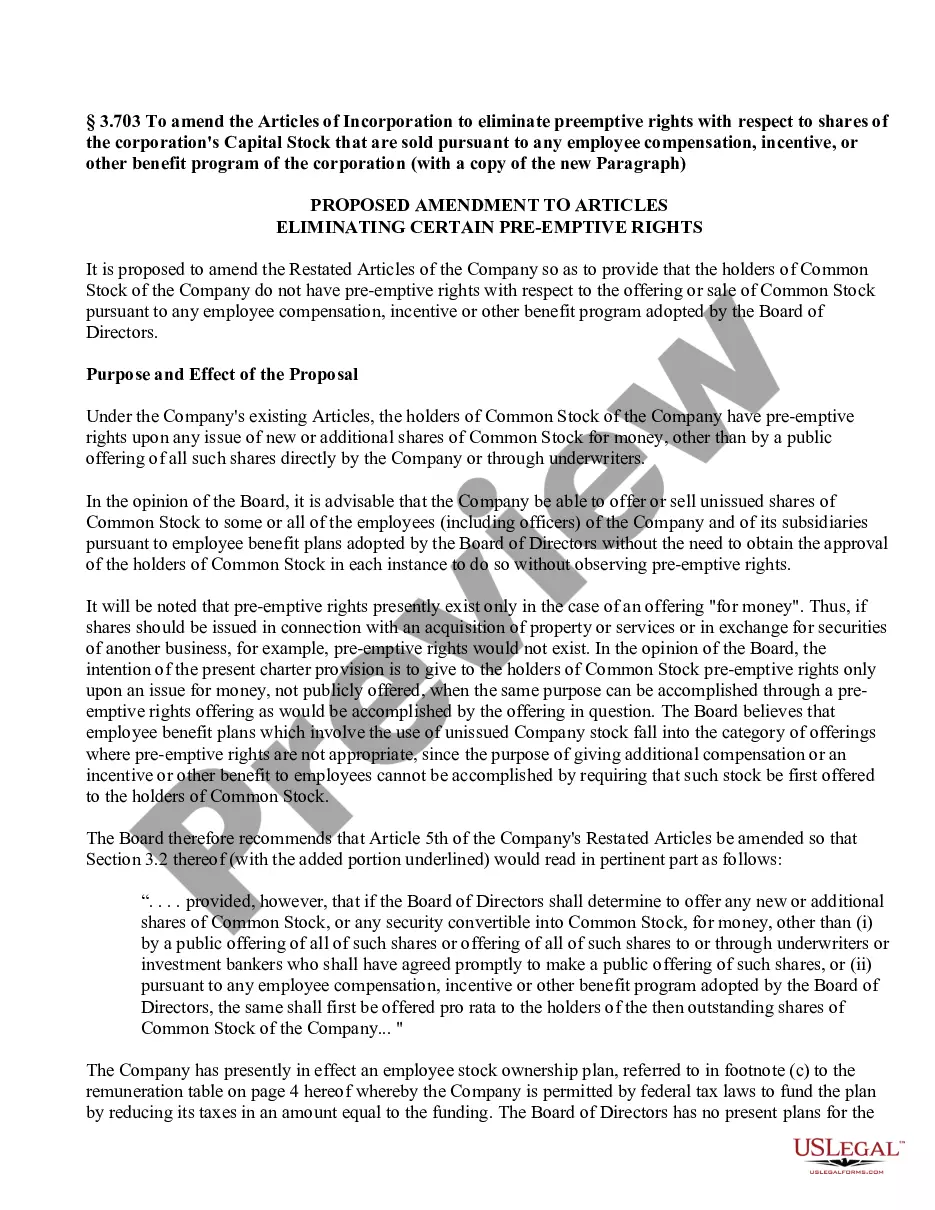






How to fill out Order To Reduce Bond?
The Bond Reduction Request With Sodium Borohydride you see on this page is a reusable formal template drafted by professional lawyers in accordance with federal and state regulations.
For over 25 years, US Legal Forms has supplied individuals, organizations, and legal experts with more than 85,000 validated, state-specific documents for any business and personal situation. It’s the fastest, simplest, and most reliable method to procure the forms you require, as the service assures bank-level data protection and anti-malware safeguards.
Subscribe to US Legal Forms to have confirmed legal templates for all of life’s situations readily available.
- Look for the document you need and review it.
- Sign up and Log In.
- Obtain the fillable template.
- Complete and sign the document.
- Download your papers again.
Form popularity
FAQ
The wa- ter present in the reaction mixture usually does not have unfa- vourable effects on the desired reduction, provided that there is sufficient borohydride present. This is the main reason why a slight excess of sodium borohydride is used customarily in reduction reactions.
NaBH4 is not able to reduce isolated C=C bond. But, NaBH4 reduces the double bond present in an enal (a conjugated aldehyde). After the reaction C=C bond is gone and left aldehyde is reduced to alcohol in next step by NaBH4.
Sodium borohydride is used in the excess compounds to reduce the aldehyde group-containing other functional groups like phenol carboxylic acid. It is so because sodium borohydride is a mild reducing agent. It can't reduce each carbonyl as it can reduce only aldehyde and ketone to primary and secondary alcohol.
Sodium borohydride reduces disulfides to thiols, which can then be used to reduce nitro groups. Based on the redox properties of 1,2-dithiolane, lipoamide (17) was used for the selective reduction of monosubstituted nitrobenzenes to the corresponding anilines.
Sodium borohydride will reduce aldehydes to primary alcohols and ketones to secondary alcohols.