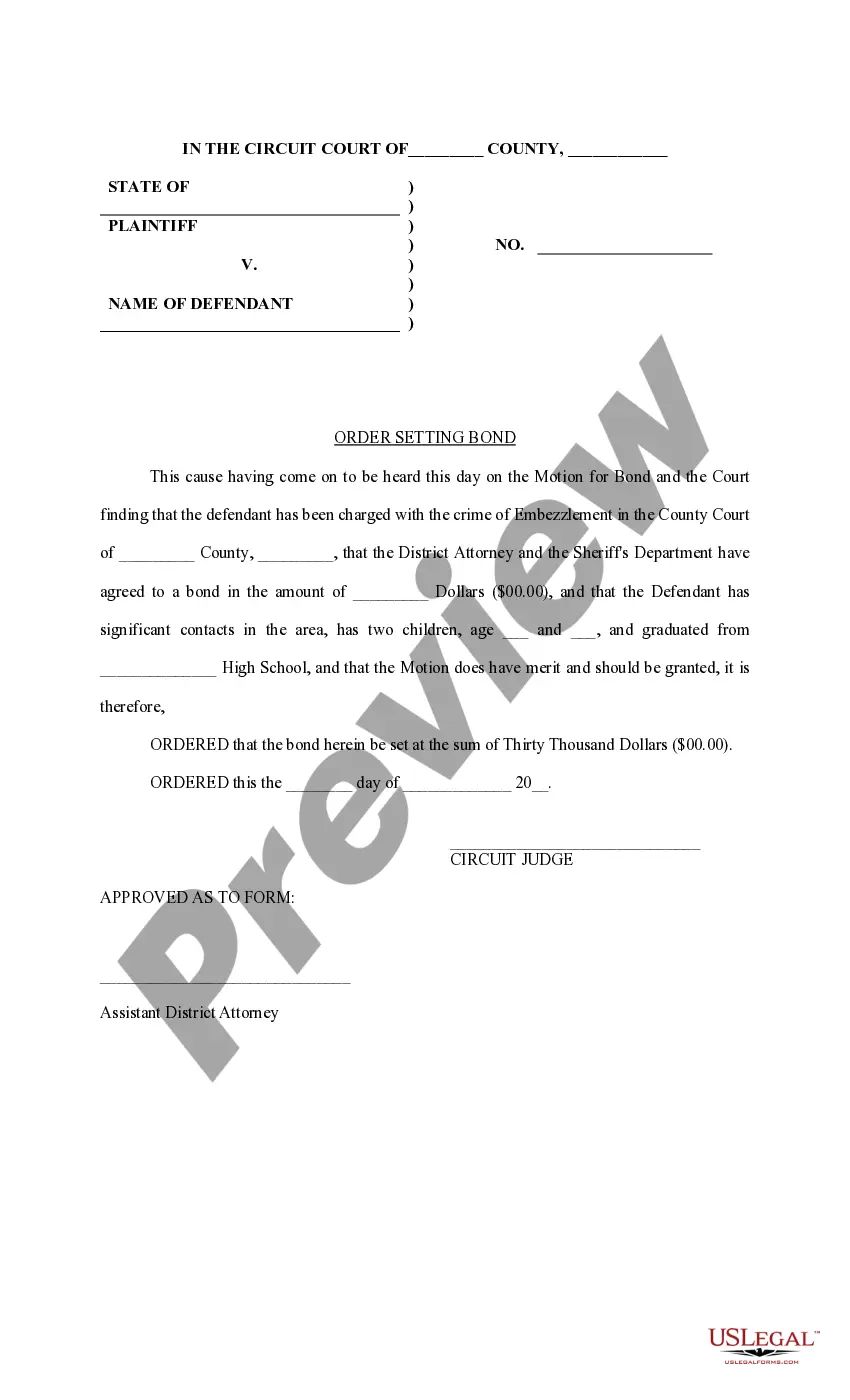
Order Setting With An Iterable
Description
Get your form ready online
Our built-in tools help you complete, sign, share, and store your documents in one place.
Make edits, fill in missing information, and update formatting in US Legal Forms—just like you would in MS Word.
Download a copy, print it, send it by email, or mail it via USPS—whatever works best for your next step.
Sign and collect signatures with our SignNow integration. Send to multiple recipients, set reminders, and more. Go Premium to unlock E-Sign.
If this form requires notarization, complete it online through a secure video call—no need to meet a notary in person or wait for an appointment.
We protect your documents and personal data by following strict security and privacy standards.

Make edits, fill in missing information, and update formatting in US Legal Forms—just like you would in MS Word.

Download a copy, print it, send it by email, or mail it via USPS—whatever works best for your next step.

Sign and collect signatures with our SignNow integration. Send to multiple recipients, set reminders, and more. Go Premium to unlock E-Sign.

If this form requires notarization, complete it online through a secure video call—no need to meet a notary in person or wait for an appointment.

We protect your documents and personal data by following strict security and privacy standards.
Looking for another form?
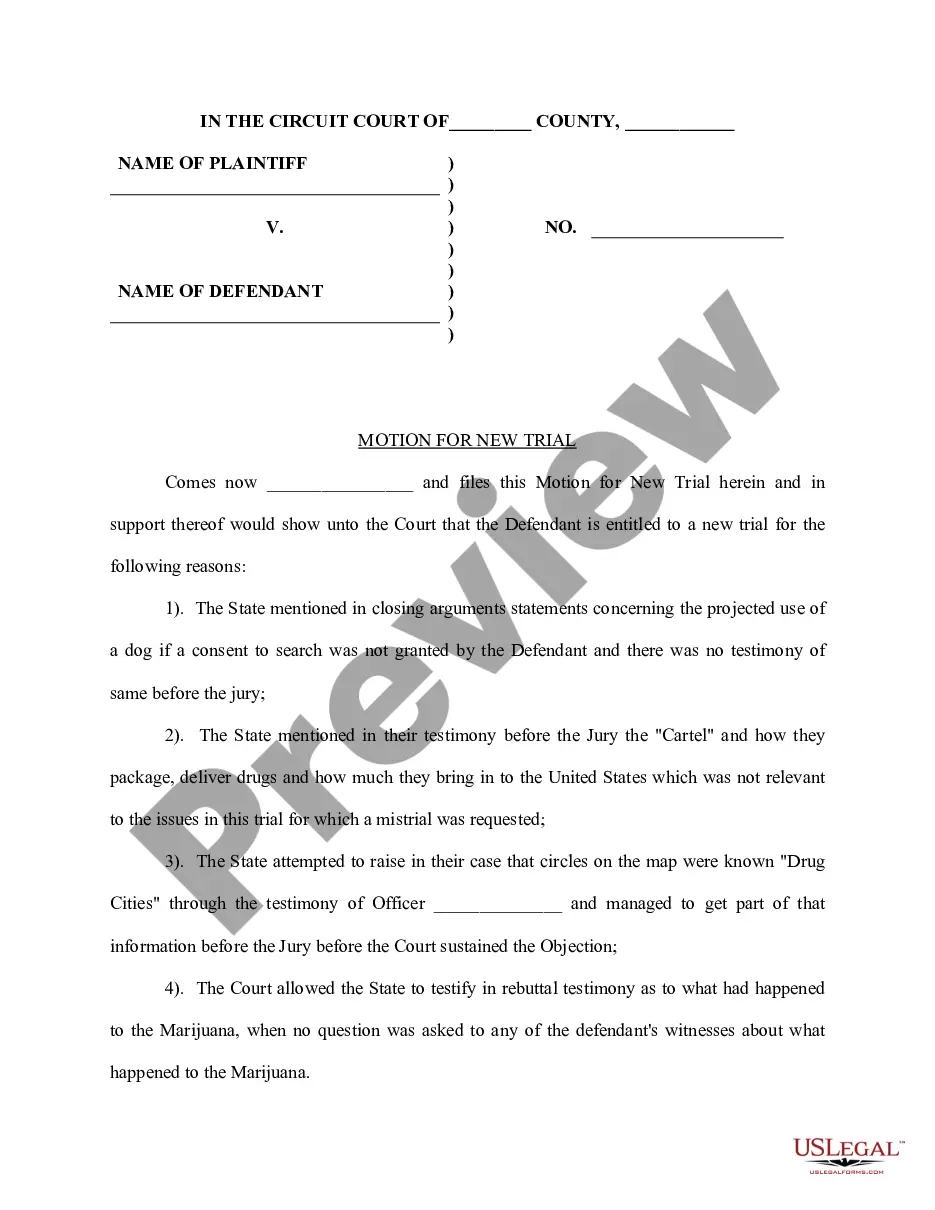
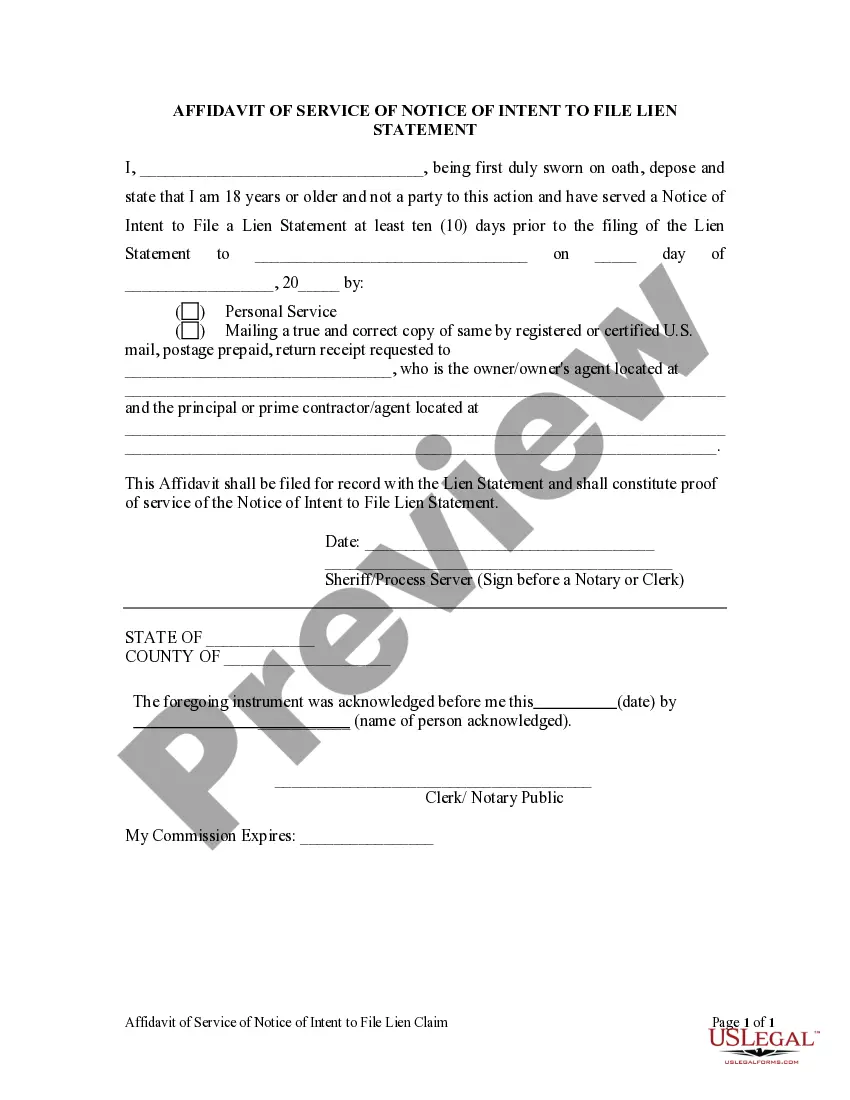





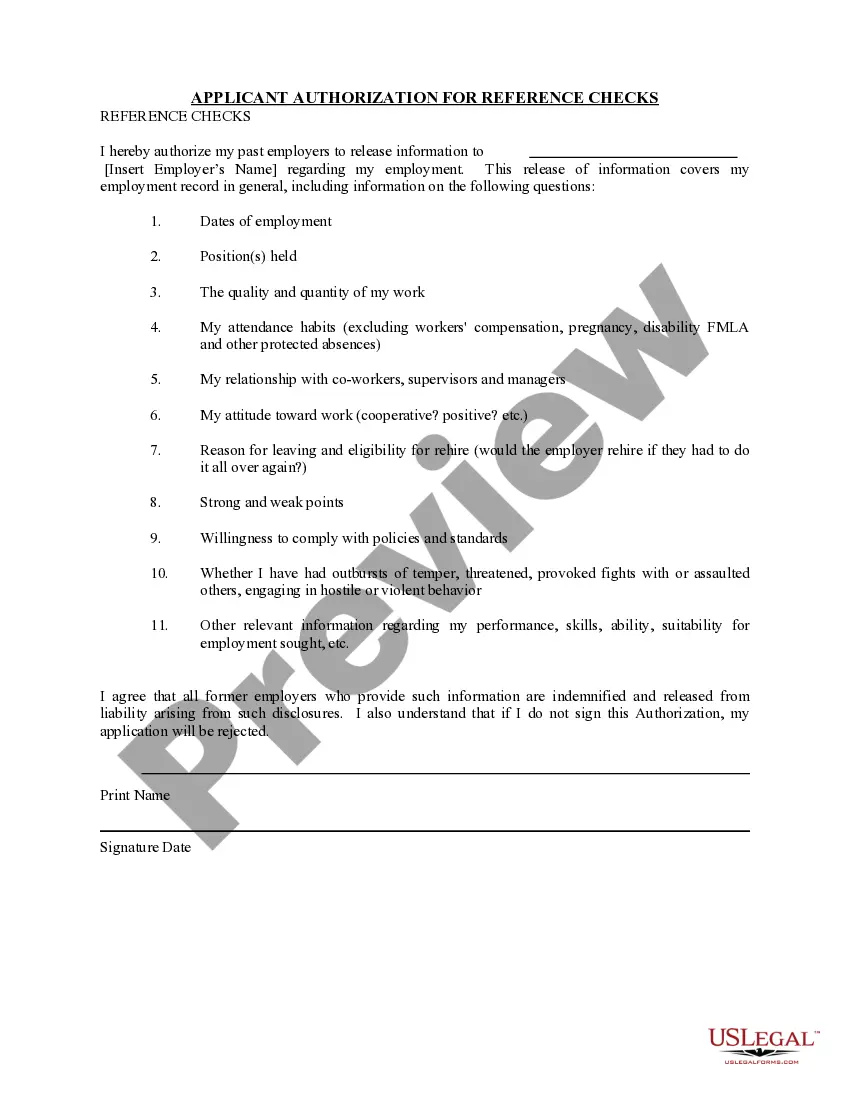
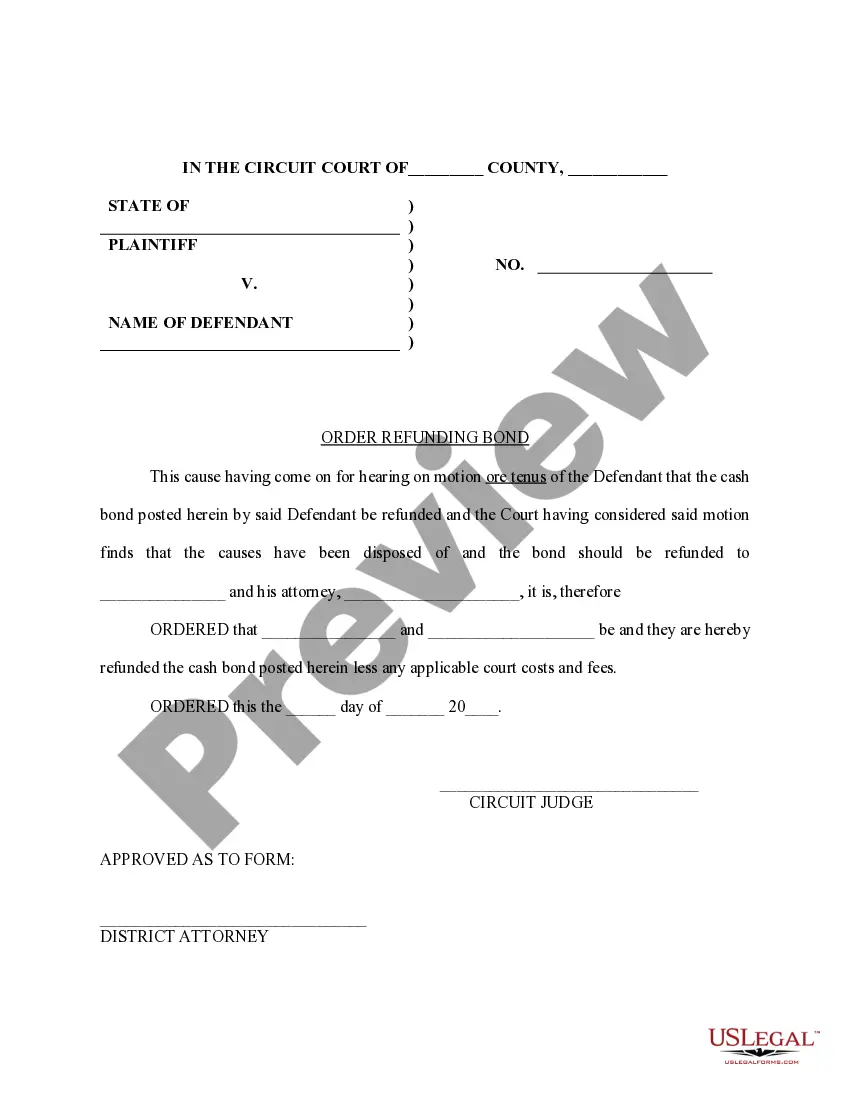
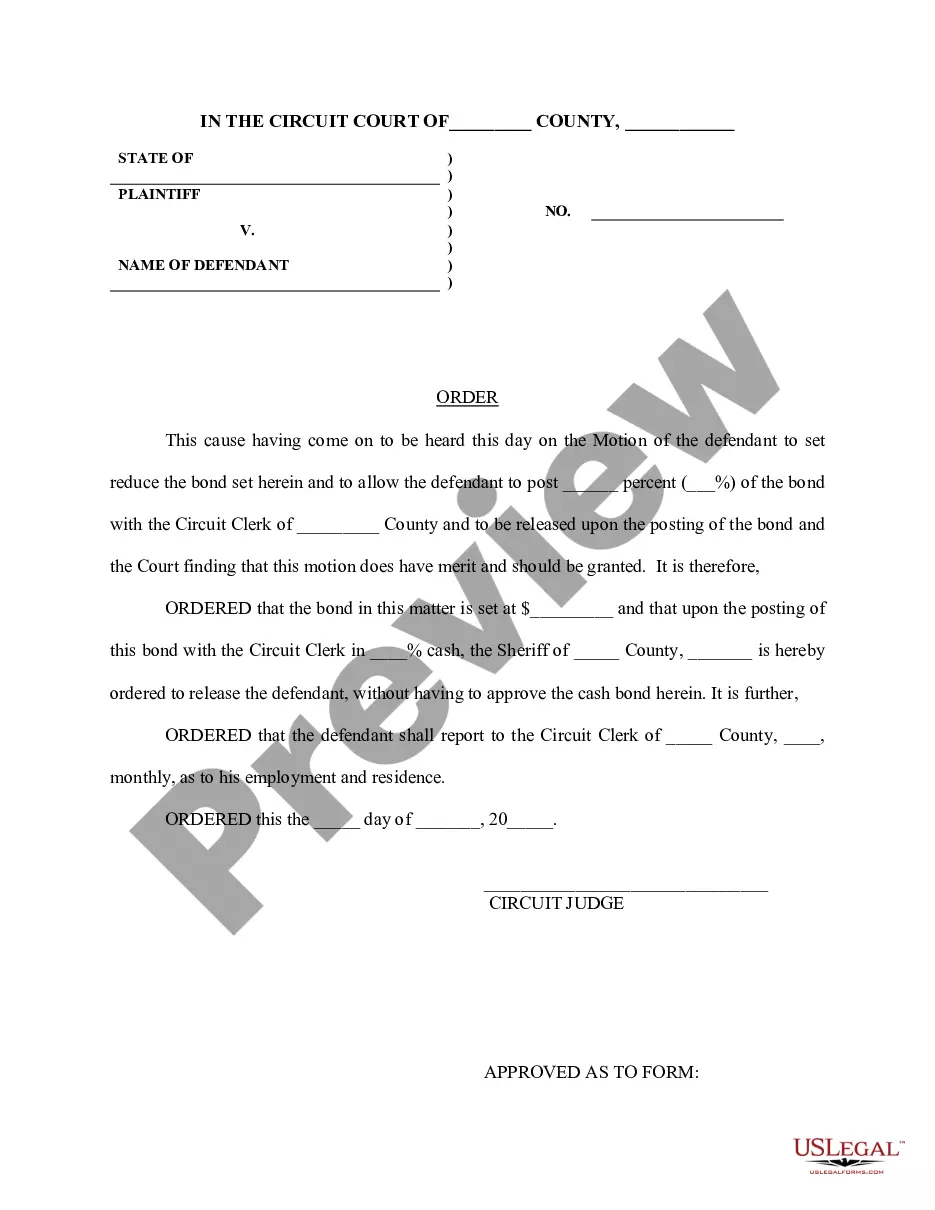
How to fill out Order Setting Bond?
Managing legal documents can be exasperating, even for experienced professionals.
When you're looking for an Order Setting With An Iterable and don't have the opportunity to search for the correct and current version, the processes can be overwhelming.
US Legal Forms addresses all your needs, from personal to business documents, all in one location.
Utilize advanced tools to complete and manage your Order Setting With An Iterable.
Here are the steps to follow after accessing the form you desire: Confirm this is the correct form by previewing it and reading its description. Ensure that the template is recognized in your state or county. Click Buy Now when you are ready. Choose a subscription plan. Select the format you prefer, and Download, complete, eSign, print, and send your document. Take advantage of the US Legal Forms online catalog, supported by 25 years of experience and reliability. Transform your everyday document management into a seamless and user-friendly experience today.
- Access a resource hub of articles, guides, and manuals related to your case and preferences.
- Save time and energy searching for the documents you need, and use US Legal Forms’ advanced search and Preview tool to locate Order Setting With An Iterable and download it.
- If you have a monthly subscription, Log Into your US Legal Forms account, search for the form, and download it.
- Check the My documents tab to view the documents you've previously saved and manage your folders as needed.
- If it's your first time with US Legal Forms, create a free account and enjoy unlimited access to all the library's benefits.
- A robust online form library can be transformative for anyone aiming to handle these matters effectively.
- US Legal Forms is a frontrunner in online legal documentation, offering more than 85,000 state-specific legal forms accessible at any moment.
- With US Legal Forms, you can access state- or county-specific legal and business forms.
Form popularity
FAQ
In order to be iterable, an object must implement the @@iterator method, meaning that the object (or one of the objects up its prototype chain) must have a property with a @@iterator key which is available via constant Symbol.iterator : [Symbol.iterator]
Using union() function We can use this method to add all elements of an iterable to the set. We convert our iterable to the set and passed it to the union() function as an argument.
Familiar examples of iterables include lists, tuples, and strings - any such sequence can be iterated over in a for-loop. We will also encounter important non-sequential collections, like dictionaries and sets; these are iterables as well.
Using union() function We can use this method to add all elements of an iterable to the set. We convert our iterable to the set and passed it to the union() function as an argument. As a set contains only unique elements, therefore duplicate elements will be ignored.
Iterable is anything that, roughly said, can be iterated over (looped over using a for loop). Sequence is an iterable with some additional properties: You can get its size len(sequence) , you can access its elements by their position sequence[n] etc.