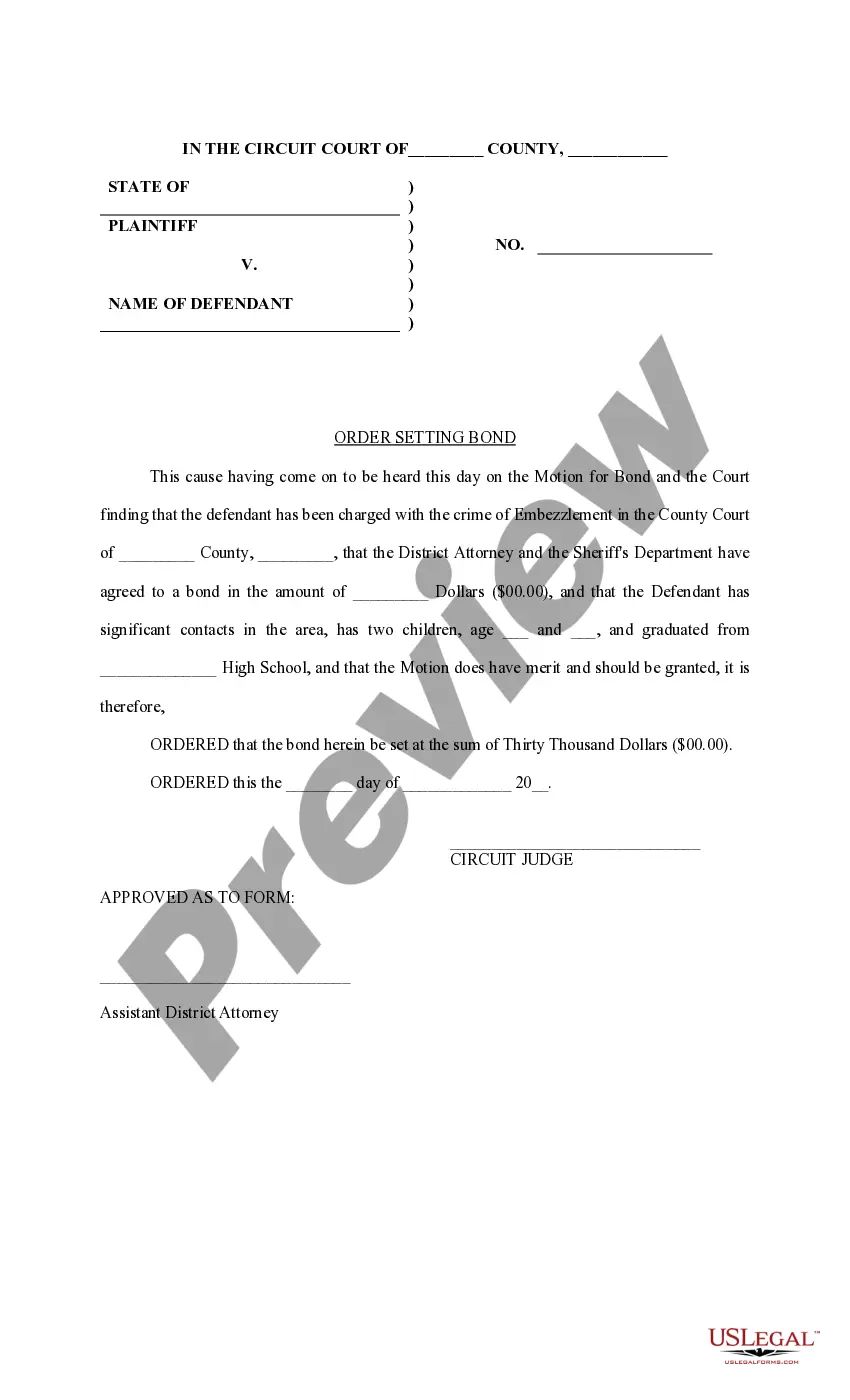
Option For Bond
Description
Get your form ready online
Our built-in tools help you complete, sign, share, and store your documents in one place.
Make edits, fill in missing information, and update formatting in US Legal Forms—just like you would in MS Word.
Download a copy, print it, send it by email, or mail it via USPS—whatever works best for your next step.
Sign and collect signatures with our SignNow integration. Send to multiple recipients, set reminders, and more. Go Premium to unlock E-Sign.
If this form requires notarization, complete it online through a secure video call—no need to meet a notary in person or wait for an appointment.
We protect your documents and personal data by following strict security and privacy standards.

Make edits, fill in missing information, and update formatting in US Legal Forms—just like you would in MS Word.

Download a copy, print it, send it by email, or mail it via USPS—whatever works best for your next step.

Sign and collect signatures with our SignNow integration. Send to multiple recipients, set reminders, and more. Go Premium to unlock E-Sign.

If this form requires notarization, complete it online through a secure video call—no need to meet a notary in person or wait for an appointment.

We protect your documents and personal data by following strict security and privacy standards.
Looking for another form?
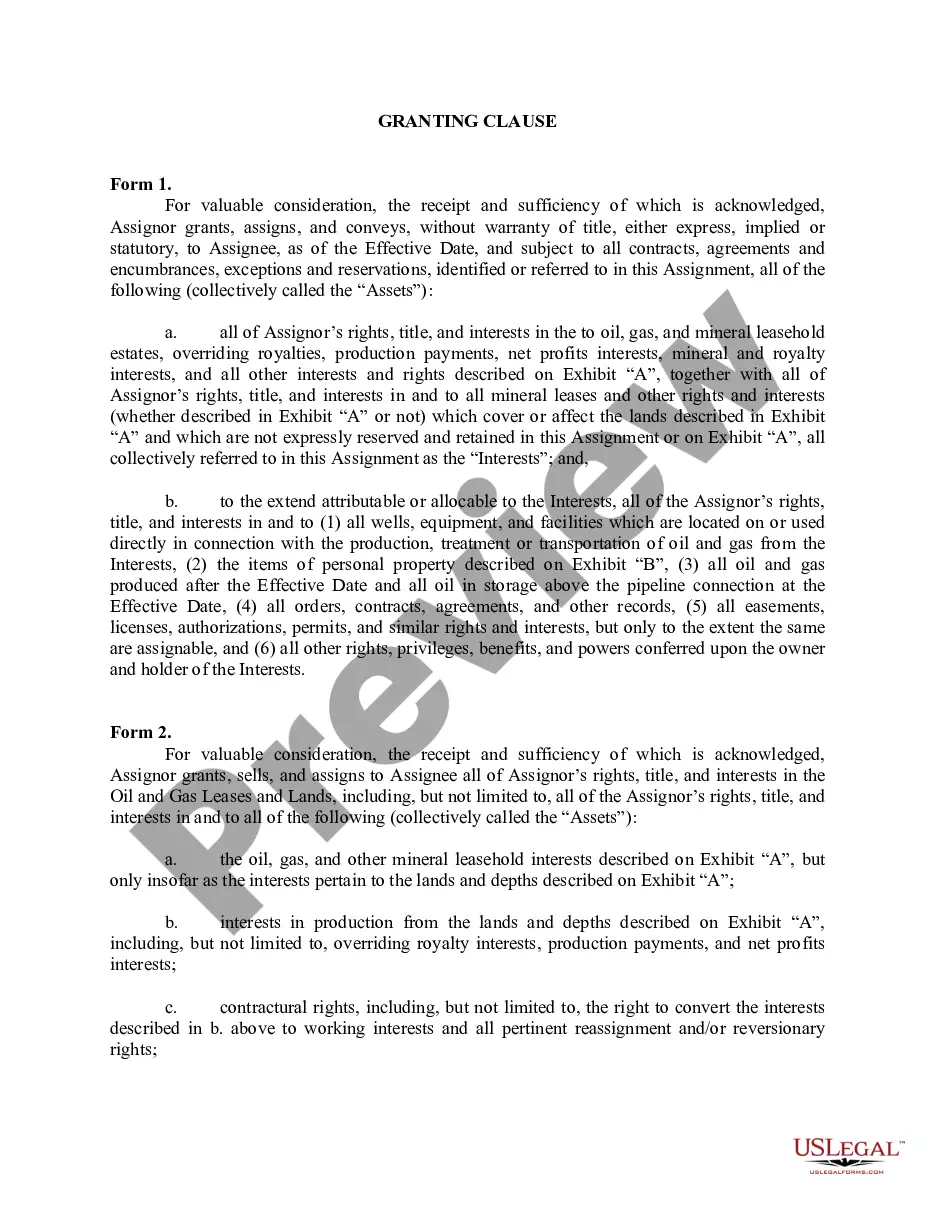

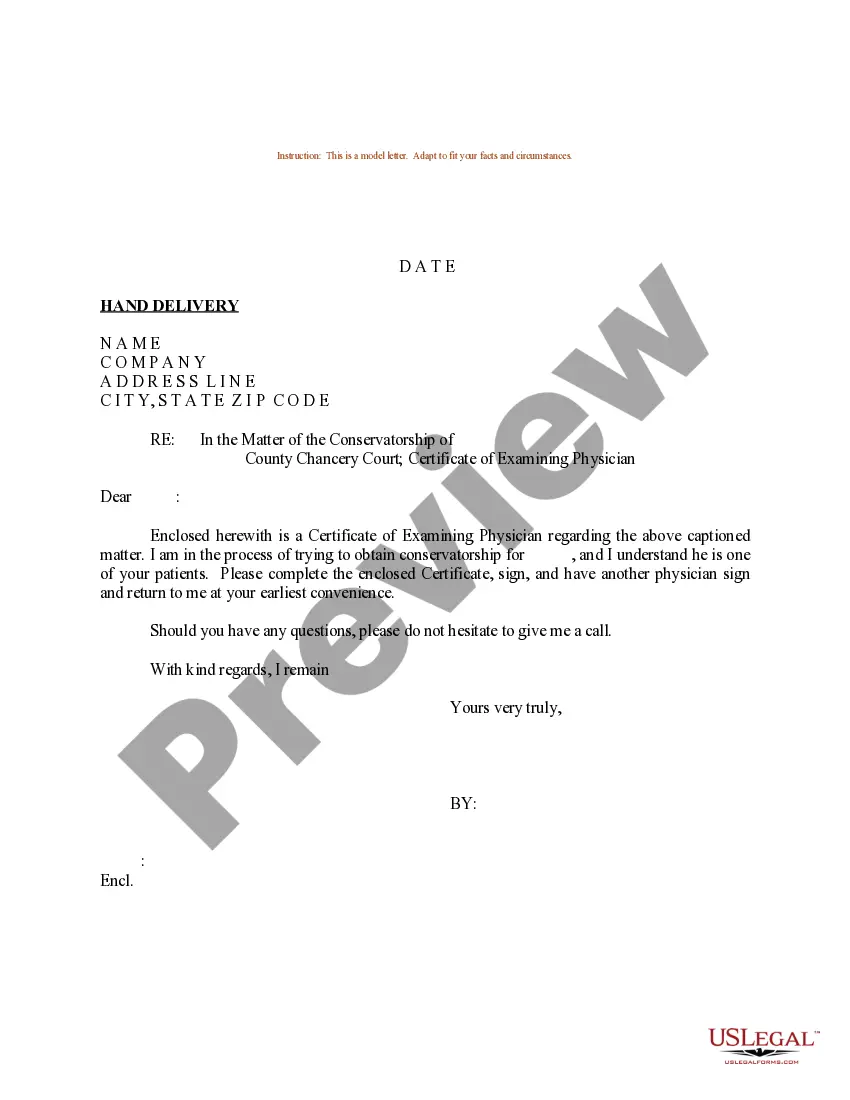

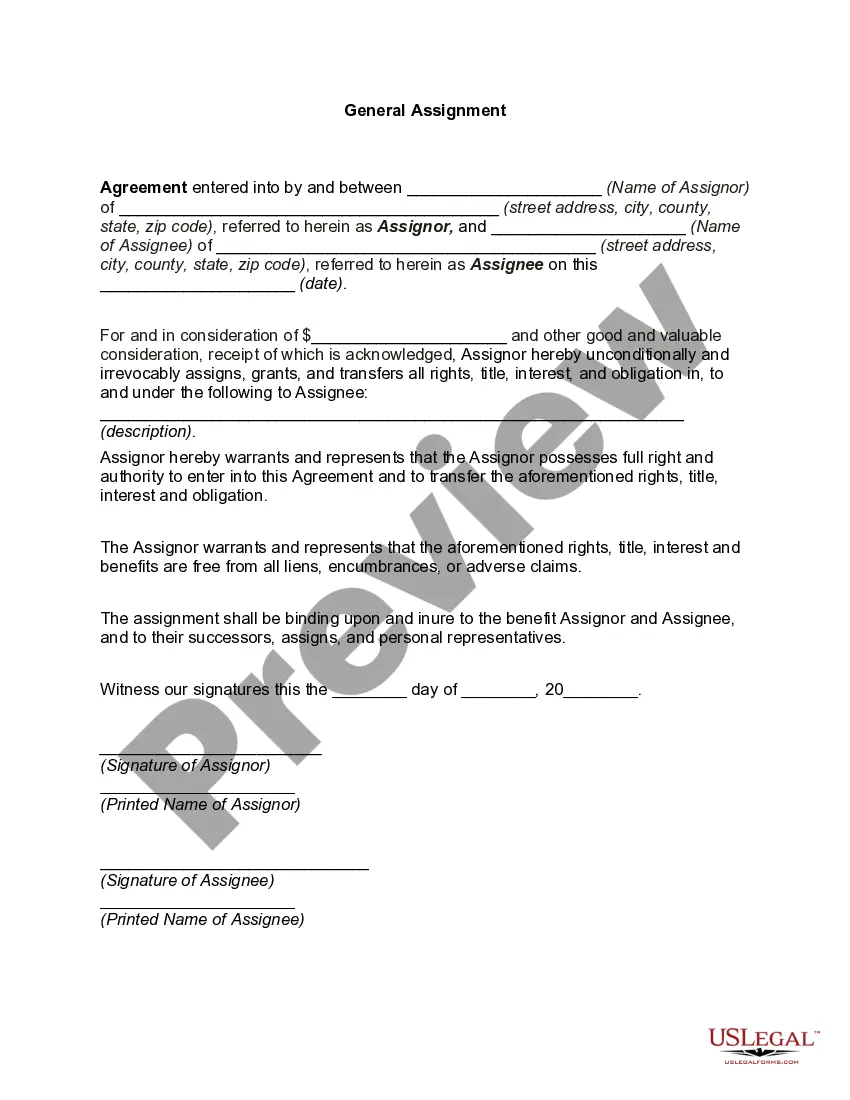
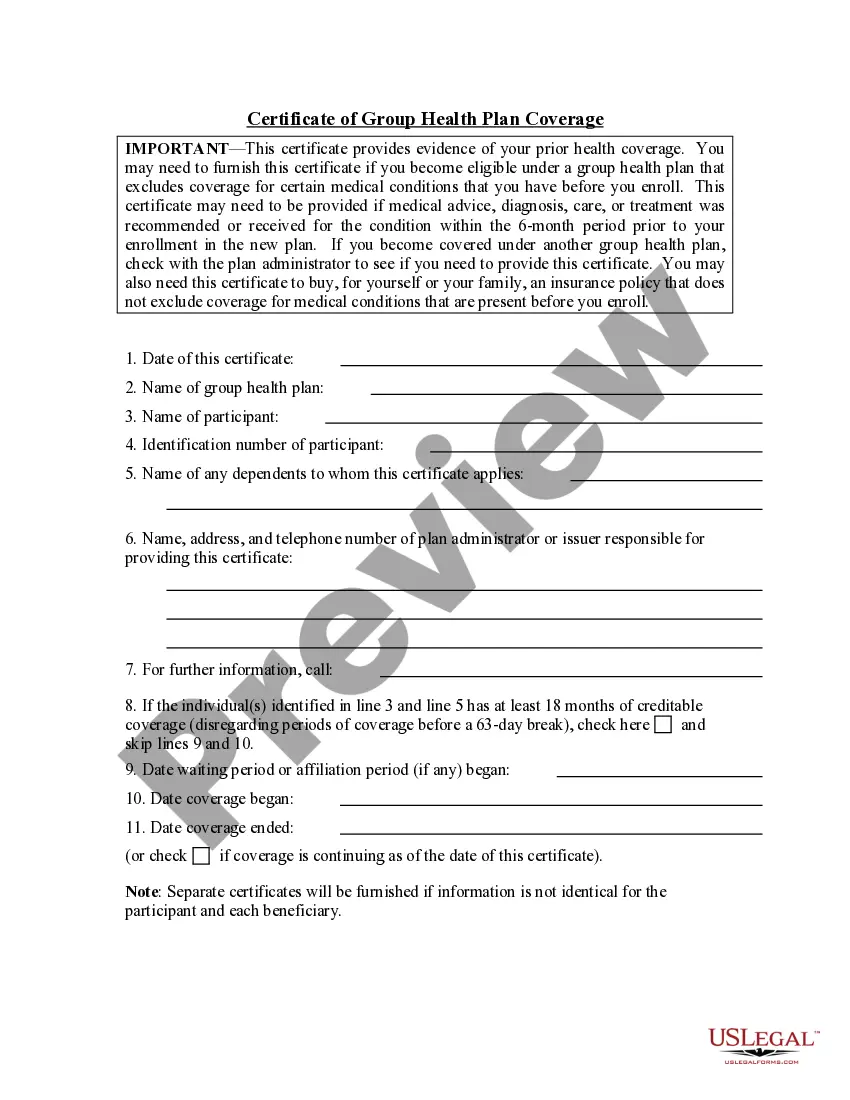




How to fill out Order Setting Bond?
Regardless of whether it's for corporate reasons or personal affairs, everyone must confront legal matters at some point in their existence.
Completing legal documents demands meticulous care, starting with choosing the correct form template.
With an extensive US Legal Forms inventory available, you won't need to waste time searching for the correct sample online. Utilize the library’s straightforward navigation to find the suitable form for any circumstance.
- Obtain the form you require using the search tool or catalog browsing.
- Review the document’s description to ensure it aligns with your circumstances, state, and county.
- Click on the form’s preview to view it.
- If it is not the correct document, return to the search tool to locate the Option For Bond sample you need.
- Download the template once it fulfills your requirements.
- If you possess a US Legal Forms account, simply click Log in to access previously saved files in My documents.
- If you haven’t created an account yet, you can download the form by clicking Buy now.
- Select the appropriate pricing plan.
- Complete the account registration form.
- Choose your payment method: either a credit card or PayPal account.
- Select the document format you prefer and download the Option For Bond.
- After downloading, you can fill out the form using editing software or print it and complete it by hand.
Form popularity
FAQ
For example, let's say a 6% coupon bond is issued and is due to mature in five years. An investor purchases $10,000 worth and receives coupon payments of 6% x $10,000 or $600 annually. Three years after issuance, the interest rates fall to 4%, and the issuer calls the bond.
Buying a bond option (call) The buyer of a bond option (call) has the right, but not the obligation, to buy the underlying asset at an agreed price. If the price is higher than the strike price at the time of expiry, the option can be exercised at a profit.
A put option on a bond, also known as a put provision, gives the holder the right to demand the issuer pay back the principal before the bond matures, for whatever reason. There are several reasons why a bond holder might exercise a put provision on a bond.
For example, an investor purchases a bond put option with a strike price of $950. The par value of the underlying bond security is $1,000. If as expected, interest rates increase and the bond's price falls to $930, the put buyer will exercise his right to sell his bond at the $950 strike price.
In the absence of default and interest rate volatility, the bond's future cash flows are certain. Thus, the value of a callable or putable bond can be calculated by discounting the bond's future cash flows at the appropriate one-period forward rates, taking into consideration the decision to exercise the option.