Motion Court Criminal Format
Description



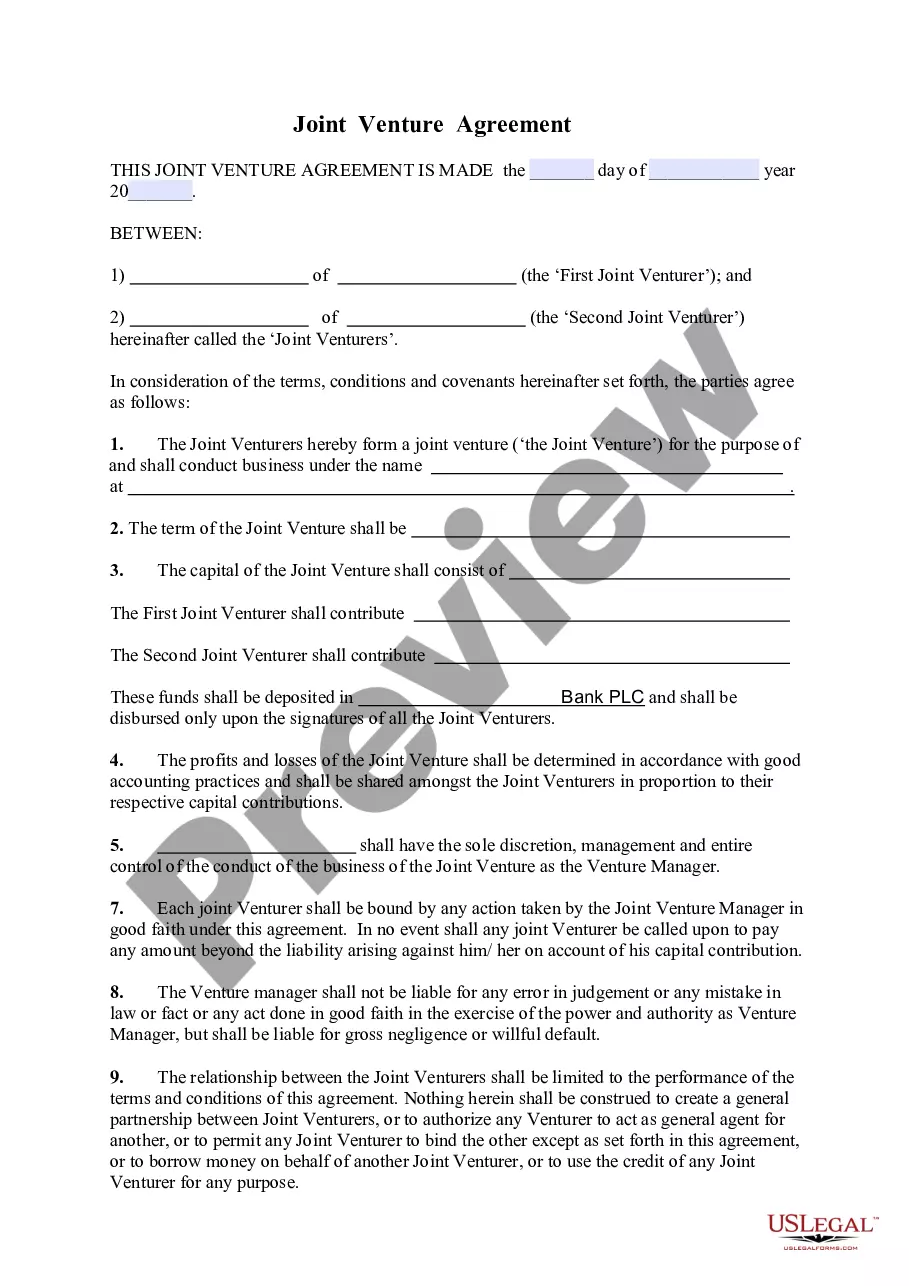

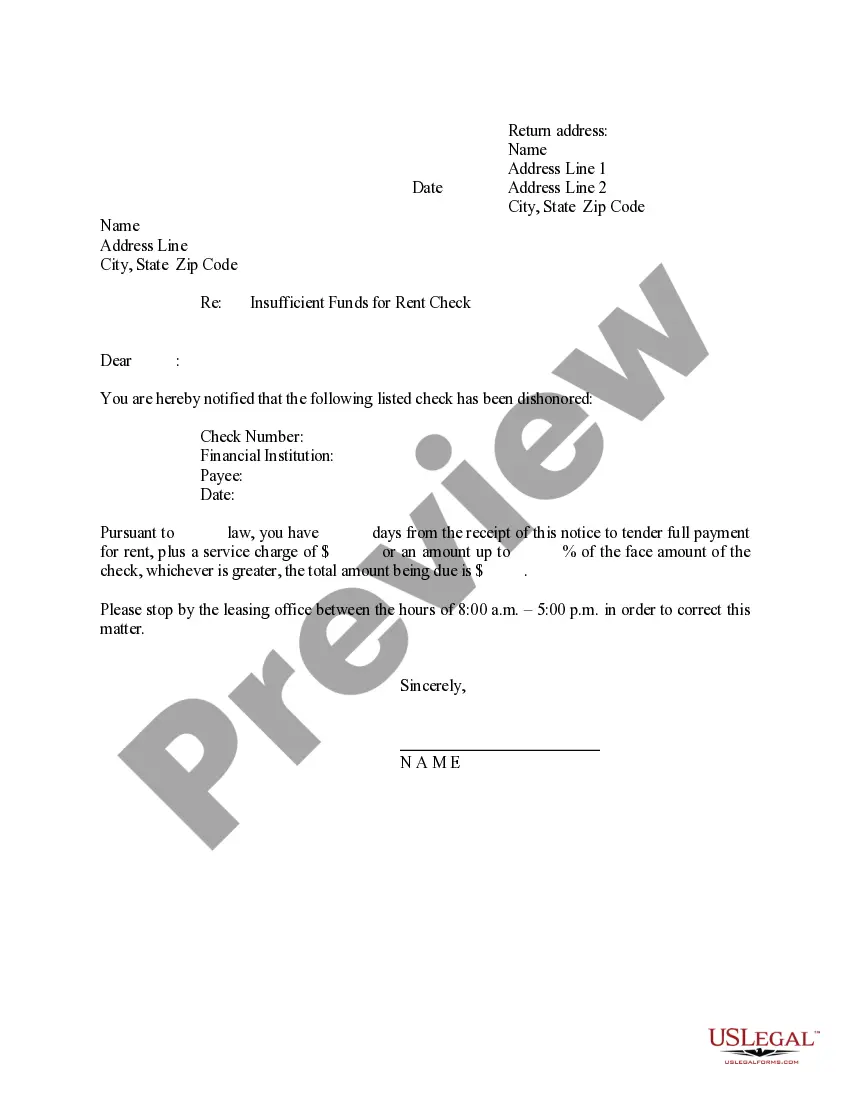

How to fill out Motion To Release On Earned Probation?
Regardless of whether it’s for professional reasons or personal issues, everyone must confront legal matters at some point in their lives. Filling out legal documents necessitates meticulous care, beginning with selecting the appropriate form template. For example, if you select an incorrect version of a Motion Court Criminal Format, it will be declined upon submission. Thus, it is vital to obtain a trustworthy source of legal documents like US Legal Forms.
If you need to obtain a Motion Court Criminal Format template, adhere to these straightforward steps.
With an extensive US Legal Forms catalog readily available, you will never need to waste time searching for the correct template across the internet. Utilize the library’s user-friendly navigation to find the appropriate form for any circumstance.
- Acquire the template you require using the search bar or catalog browsing.
- Review the form’s details to confirm it aligns with your circumstances, state, and county.
- Click on the form’s preview to examine it.
- If it is the incorrect form, return to the search feature to find the Motion Court Criminal Format template you need.
- Download the template once it meets your requirements.
- If you already possess a US Legal Forms account, simply click Log in to access previously stored templates in My documents.
- If you do not have an account yet, you can acquire the form by clicking Buy now.
- Choose the appropriate pricing option.
- Fill out the account registration form.
- Select your payment method: you can utilize a credit card or PayPal account.
- Choose the file format you desire and download the Motion Court Criminal Format.
- Once downloaded, you can complete the form using editing software or print it and finalize it manually.
Form popularity
FAQ
To write a successful motion, start by thoroughly researching the relevant laws and rules that apply to your case. Clearly outline your arguments and support them with facts and legal precedents. Additionally, make sure to format your motion according to the accepted Motion court criminal format, which includes a clear structure and concise language. You can also utilize resources from USLegalForms to guide you through the process, ensuring your motion meets all necessary requirements.
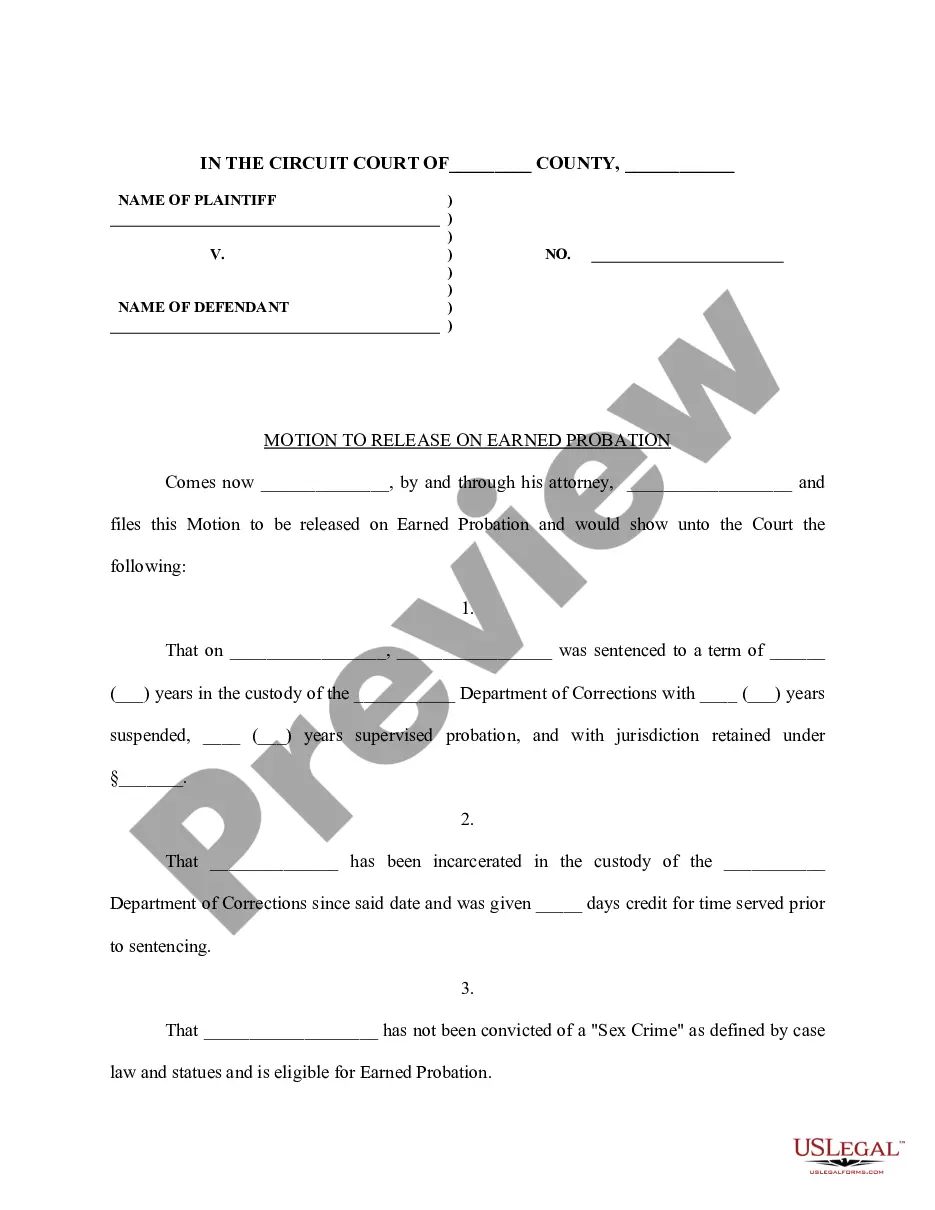
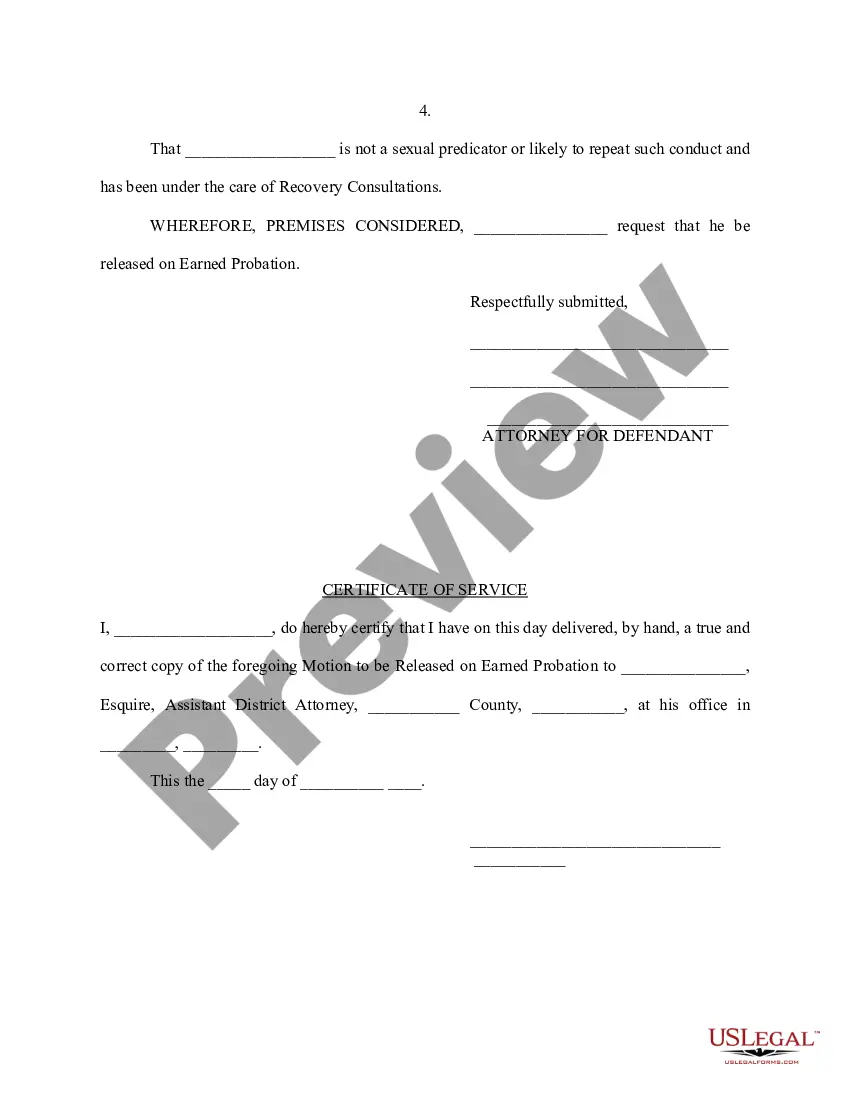
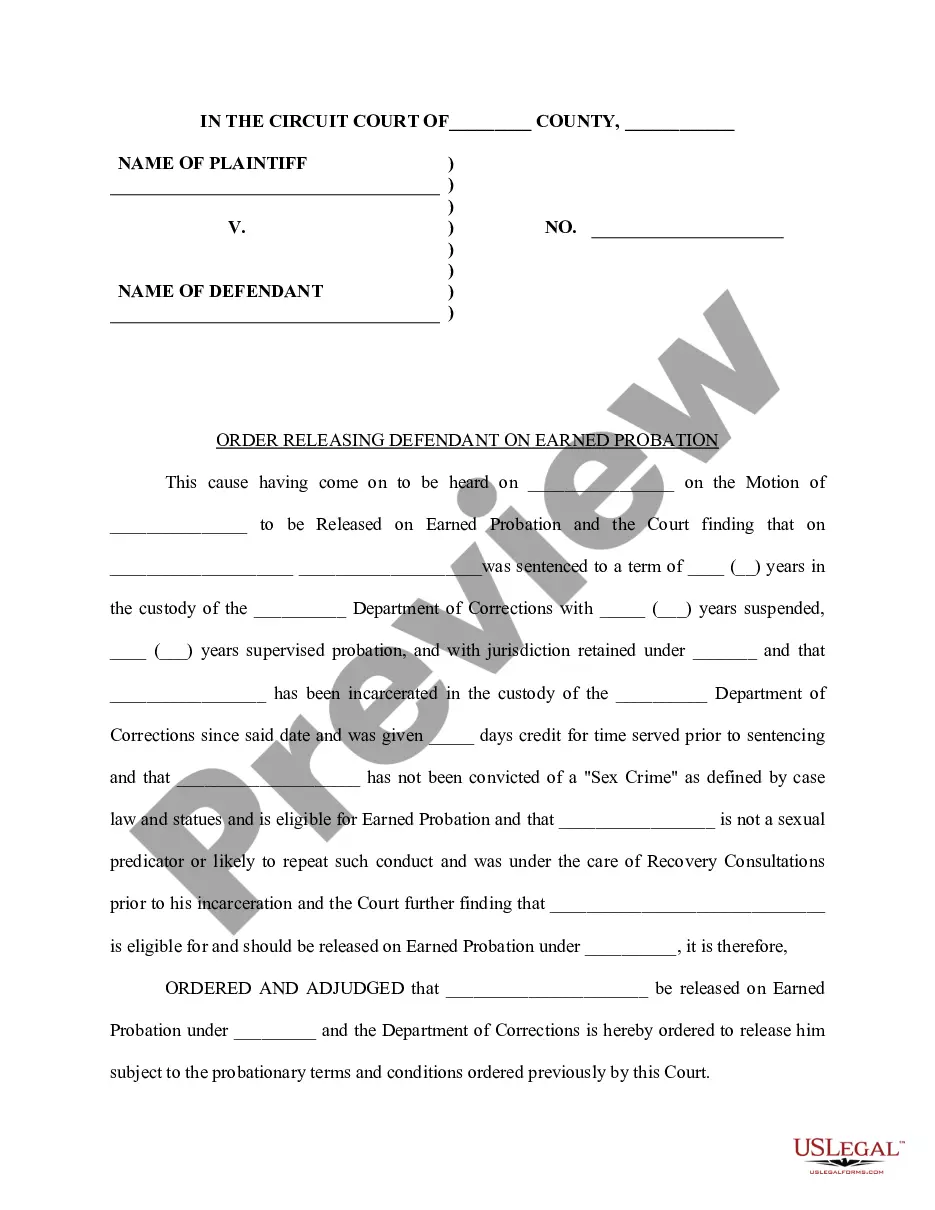
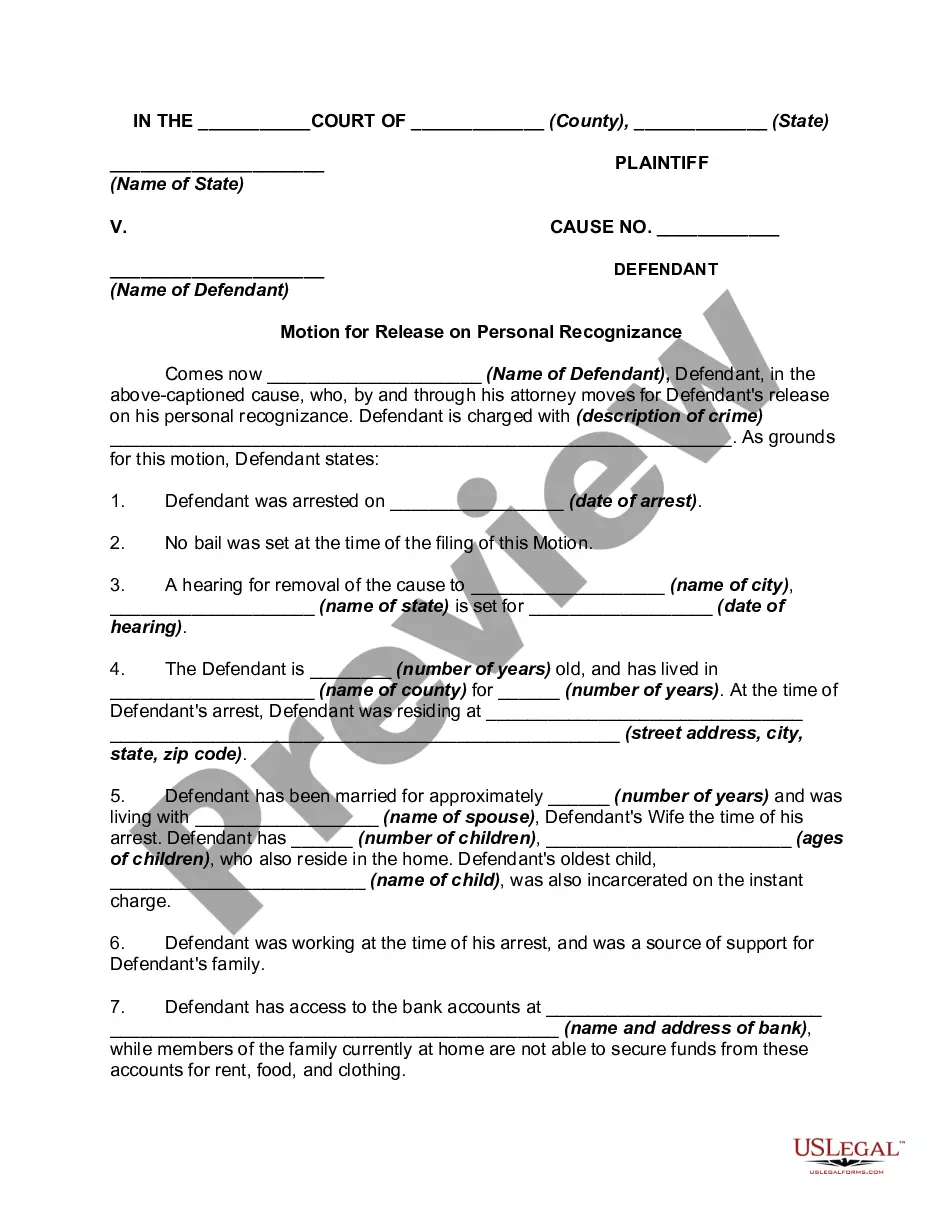
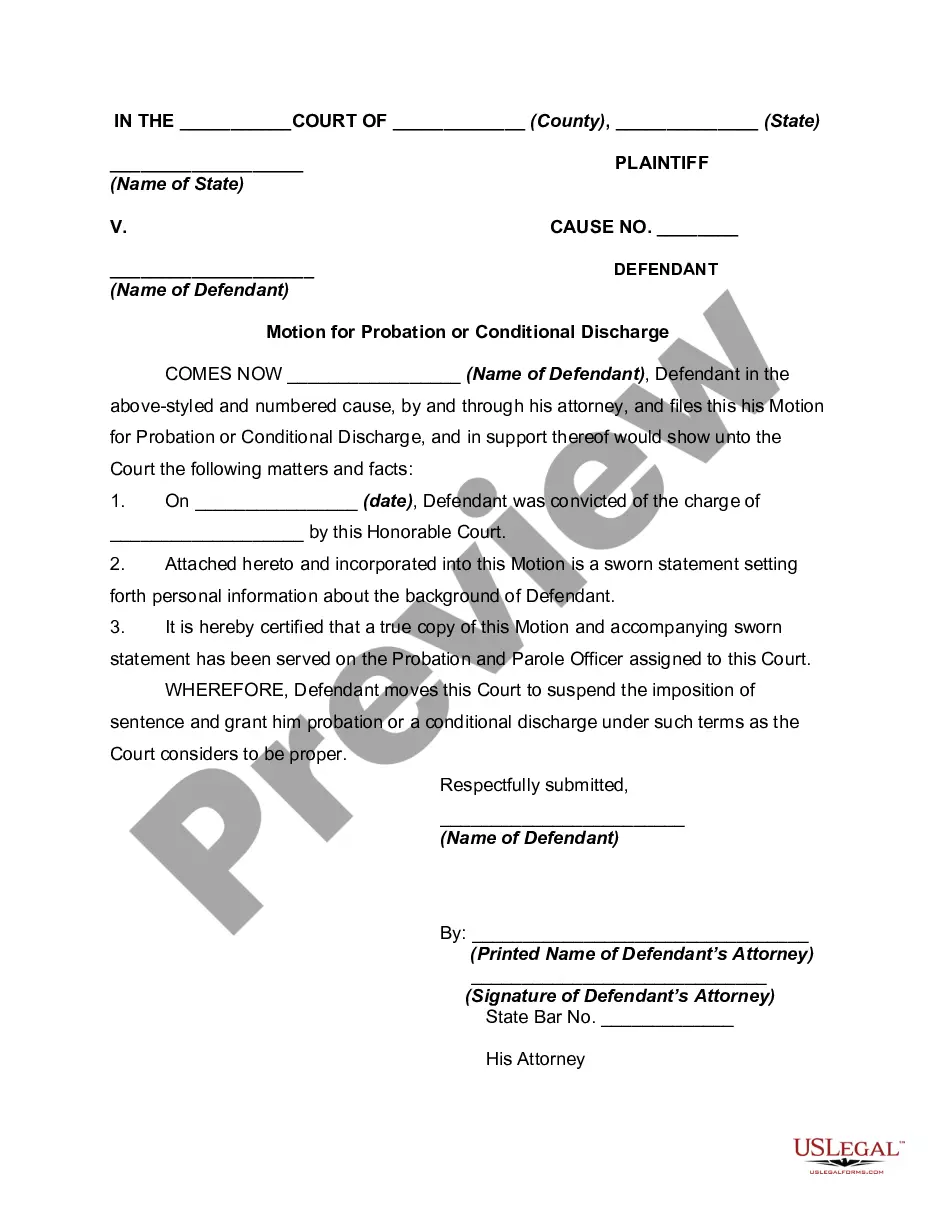
The format of a court motion typically includes a caption, a title, and a body. In the caption, you should list the court's name, the parties involved, and the case number. The title should clearly state what the motion is about, while the body provides a detailed explanation of the request, including relevant facts and legal arguments. Using the correct Motion court criminal format is crucial to ensure your motion is accepted and considered by the court.
To format a motion for court in Word, start by setting your document to a standard size, typically 8.5 x 11 inches, with 1-inch margins. Use a clear font, such as Times New Roman or Arial, in 12-point size. Structure your motion with appropriate headings, including the title, introduction, body, and conclusion. Utilizing templates from US Legal Forms can simplify this process, helping you achieve a professional motion court criminal format effortlessly.
Filing a motion involves a systematic approach. First, complete your motion using the proper format and ensure all necessary documents are included. Next, make copies of your motion for the court and opposing parties. Finally, file your motion with the court clerk, paying any required fees, and serve copies to all relevant parties. This process ensures your motion court criminal format is properly submitted and considered.
Writing a motion for criminal court involves several critical steps. Begin by identifying the specific issue you wish to address, and then format your motion according to the court's requirements. It is essential to articulate your arguments clearly and support them with evidence. Additionally, using a reputable platform like US Legal Forms can help ensure your motion court criminal format meets all legal standards and requirements.
To write a motion format, start with a clear title that indicates the purpose of the motion. Next, include a statement of facts that outlines the relevant details of your case. Follow this with a section that presents the legal basis for your motion, citing appropriate laws or precedents. Finally, conclude with a request for relief, specifying what you want the court to do regarding your motion court criminal format.
There are several different types of post-judgment motions, but the most common are motions for new trial, motions to vacate, and motions to set-aside. Motions for new trial, motions to vacate, and motions to set-aside are the three most common post-judgment motions.
Be as persuasive as possible as you write your motion in a sequential, logical format. Express your ideas clearly, and make sure you outline what steps are necessary and how they will help your case. Use facts of the case whenever you can to avoid baseless emotional appeals.
Proving Your Case Whatever the reason for being at court, you must convince the judge or magistrate that he or she should rule in your favor. This is done by providing sufficient documentary evidence and witness testimony. There are different standards of proof for various types of cases.
A motion is an application to the court made by the prosecutor or defense attorney, requesting that the court make a decision on a certain issue before the trial begins. The motion can affect the trial, courtroom, defendants, evidence, or testimony. Only judges decide the outcome of motions.