Habeas Corpus Writ In Pakistan
Description

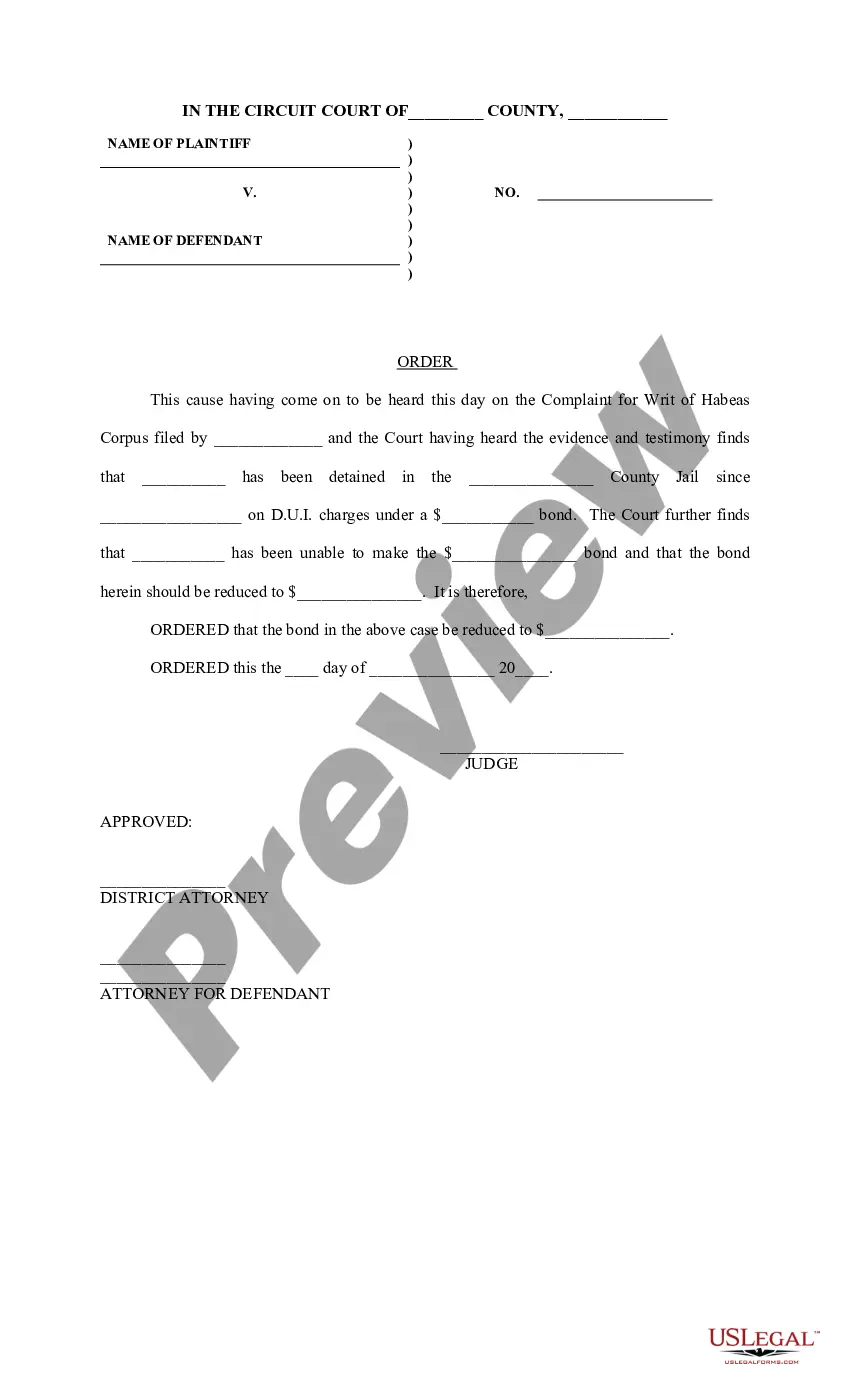
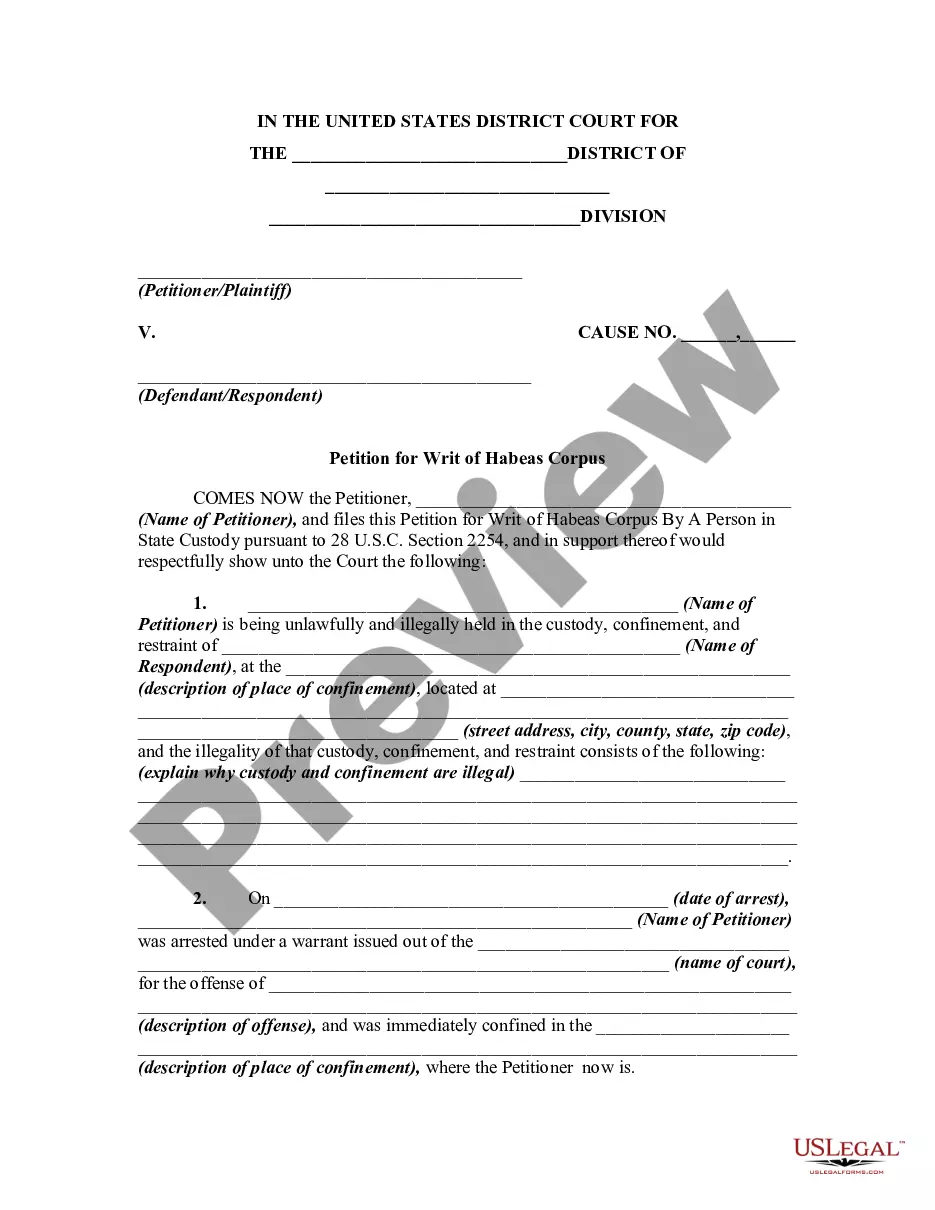







How to fill out Complaint For Writ Of Habeas Corpus?
Legal administration can be daunting, even for the most seasoned professionals.
When you're seeking a Habeas Corpus Writ in Pakistan and cannot dedicate time to find the correct and updated version, the process can be challenging.
Tap into a library of articles, guides, and resources that are pertinent to your circumstance and requirements.
Conserve time and effort in sourcing the forms you need, and use US Legal Forms' sophisticated search and Review feature to locate the Habeas Corpus Writ in Pakistan and obtain it.
Make certain the template is authorized in your state or region. Choose Buy Now when you are ready. Select a monthly subscription plan. Choose the file format you wish, and Download, complete, sign, print, and send your documents. Take advantage of the US Legal Forms online catalog, supported by 25 years of experience and trustworthiness. Transform your daily document management into a seamless and straightforward process today.
- If you have a subscription, Log Into your US Legal Forms account, look for the form, and obtain it.
- Visit the My documents tab to review the documents you've previously downloaded and manage your folders as you wish.
- If this is your initial experience with US Legal Forms, create a free account and gain unlimited access to all the platform's benefits.
- Here are the steps to follow after finding the form you need.
- Ensure this is the correct document by previewing it and reading its description.
- Access state- or region-specific legal and business documents.
- US Legal Forms meets all your needs, from personal to corporate paperwork, all in one location.
- Employ advanced tools to create and manage your Habeas Corpus Writ in Pakistan.
Form popularity
FAQ
The habeas corpus in Pakistan is a fundamental legal right that allows individuals to contest unlawful detention. It serves as a crucial check on the powers of the state and ensures personal liberty. By utilizing this avenue, citizens assert their legal protections. Using platforms like USLegalForms can simplify the process of filing for a habeas corpus writ in Pakistan, making legal assistance more accessible.
In simple terms, the writ of habeas corpus is a way for individuals to ask the court to check if their detention is legal. It is a safeguard against arbitrary imprisonment by authorities. This legal process helps ensure that the rights of individuals are protected under the law. Essentially, it empowers citizens to seek their freedom when detained unlawfully.
In Pakistan, any person who believes they are detained unlawfully can file a writ petition. This includes the detained individual themselves, or a relative or friend acting on their behalf. Additionally, lawyers and legal representatives can file on behalf of their clients. This accessibility allows more people to seek justice through the habeas corpus writ in Pakistan.
The writ of habeas corpus in Pakistan is a legal tool that protects individual freedom. It allows a person detained by authorities to challenge the legality of their detention. This writ ensures that no one can be held without sufficient cause. By filing this petition, individuals can seek immediate relief from unlawful imprisonment.
In Pakistan, the legal system recognizes five main types of writs: habeas corpus, mandamus, prohibition, certiorari, and quo warranto. Each writ serves a distinct purpose, with habeas corpus focusing specifically on unlawful detentions. Understanding these writs is critical for individuals seeking justice or addressing grievances within the legal framework. For those in need of assistance, USLegalForms can provide valuable resources and support in navigating these legal processes effectively.
Habeas corpus exists in many countries around the world as a fundamental legal right. Notable countries with habeas corpus provisions include the United States, Canada, the United Kingdom, and India. Each of these countries approaches habeas corpus with varying legal frameworks to ensure protection against unlawful detention. The concept is a cornerstone of democratic societies, promoting individual freedoms and legal accountability.
A writ of habeas corpus in court serves as a legal mechanism to challenge unlawful detention or imprisonment. When a habeas corpus writ in Pakistan is filed, the court is requested to examine the legality of a person's detention. This writ is essential because it protects individuals from arbitrary state actions and ensures that they are not imprisoned without due process. Essentially, it upholds the principle of liberty and the right to a fair hearing.
Section 44 of the Civil Procedure Code (CPC) in Pakistan deals specifically with the issuance of a habeas corpus writ in Pakistan. This section allows individuals to file petitions in court for the release of someone who is unlawfully detained. The objective is to ensure that personal liberty is protected, and that any detention serves a legitimate purpose under the law. Understanding this section is crucial for those advocating for the enforcement of legal rights concerning personal freedom.
Winning a habeas corpus case can be challenging due to the complexity of legal procedures and the specific criteria that must be met. The habeas corpus writ in Pakistan allows individuals to challenge unlawful detention, but success depends on presenting clear evidence and strong arguments. You need to understand the legal framework and the factors that influence court decisions. Utilizing platforms like US Legal Forms can help you navigate the requirements and gather necessary documentation to enhance your chances of a favorable outcome.
