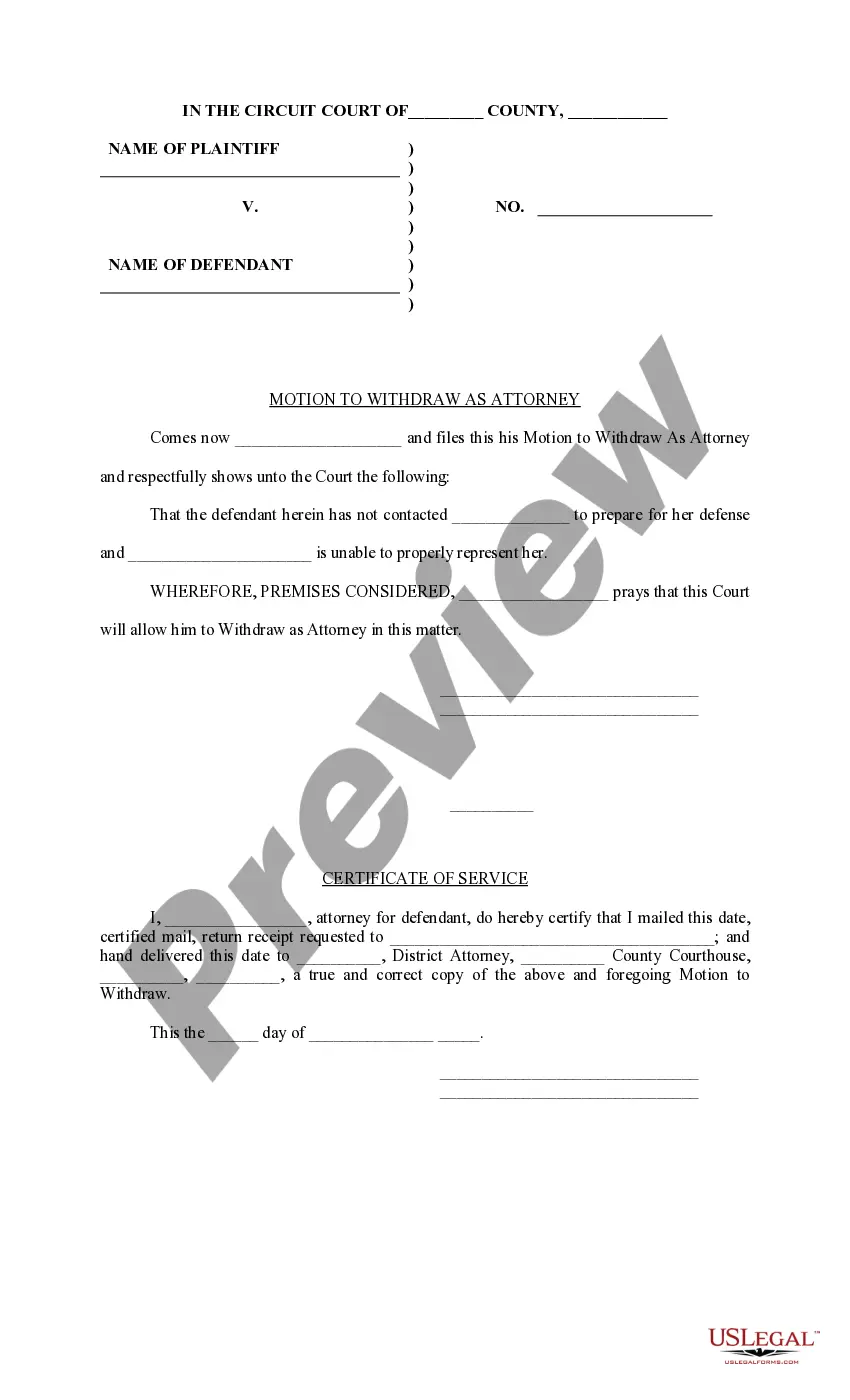
Motion To Dismiss With Prejudice
Description
Get your form ready online
Our built-in tools help you complete, sign, share, and store your documents in one place.
Make edits, fill in missing information, and update formatting in US Legal Forms—just like you would in MS Word.
Download a copy, print it, send it by email, or mail it via USPS—whatever works best for your next step.
Sign and collect signatures with our SignNow integration. Send to multiple recipients, set reminders, and more. Go Premium to unlock E-Sign.
If this form requires notarization, complete it online through a secure video call—no need to meet a notary in person or wait for an appointment.
We protect your documents and personal data by following strict security and privacy standards.

Make edits, fill in missing information, and update formatting in US Legal Forms—just like you would in MS Word.

Download a copy, print it, send it by email, or mail it via USPS—whatever works best for your next step.

Sign and collect signatures with our SignNow integration. Send to multiple recipients, set reminders, and more. Go Premium to unlock E-Sign.

If this form requires notarization, complete it online through a secure video call—no need to meet a notary in person or wait for an appointment.

We protect your documents and personal data by following strict security and privacy standards.
Looking for another form?
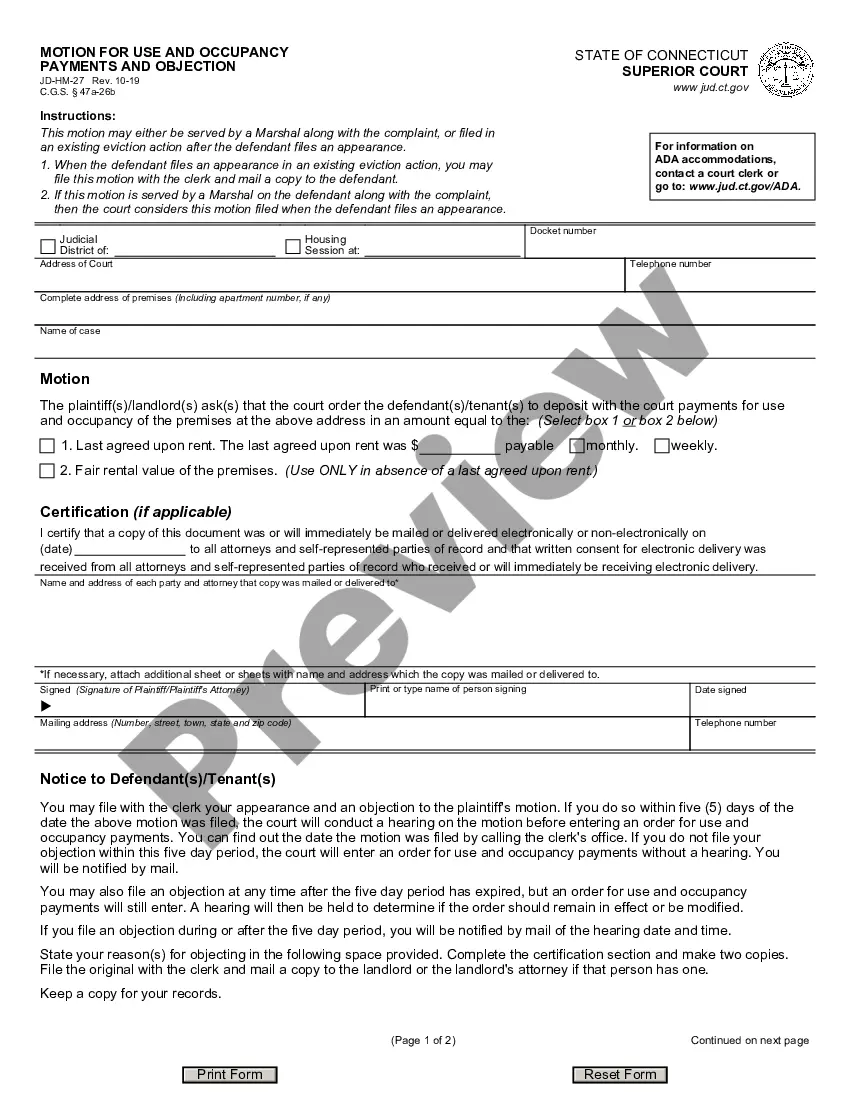








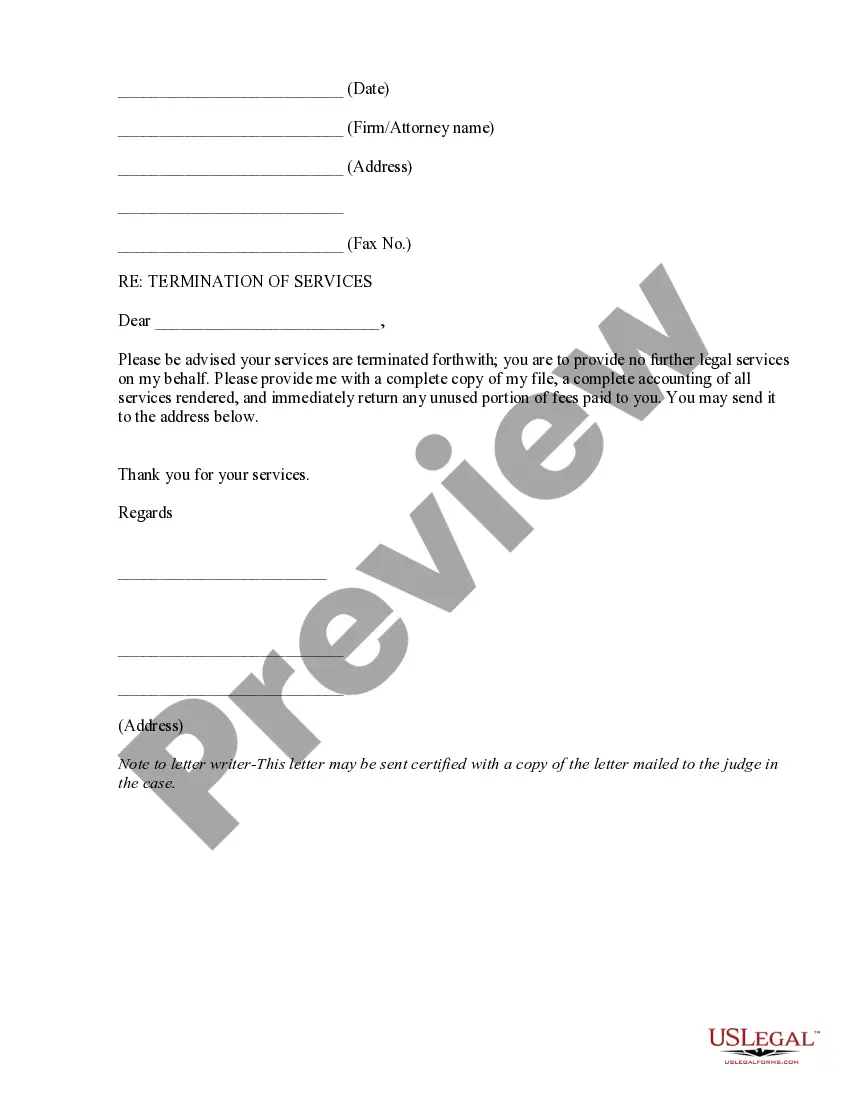
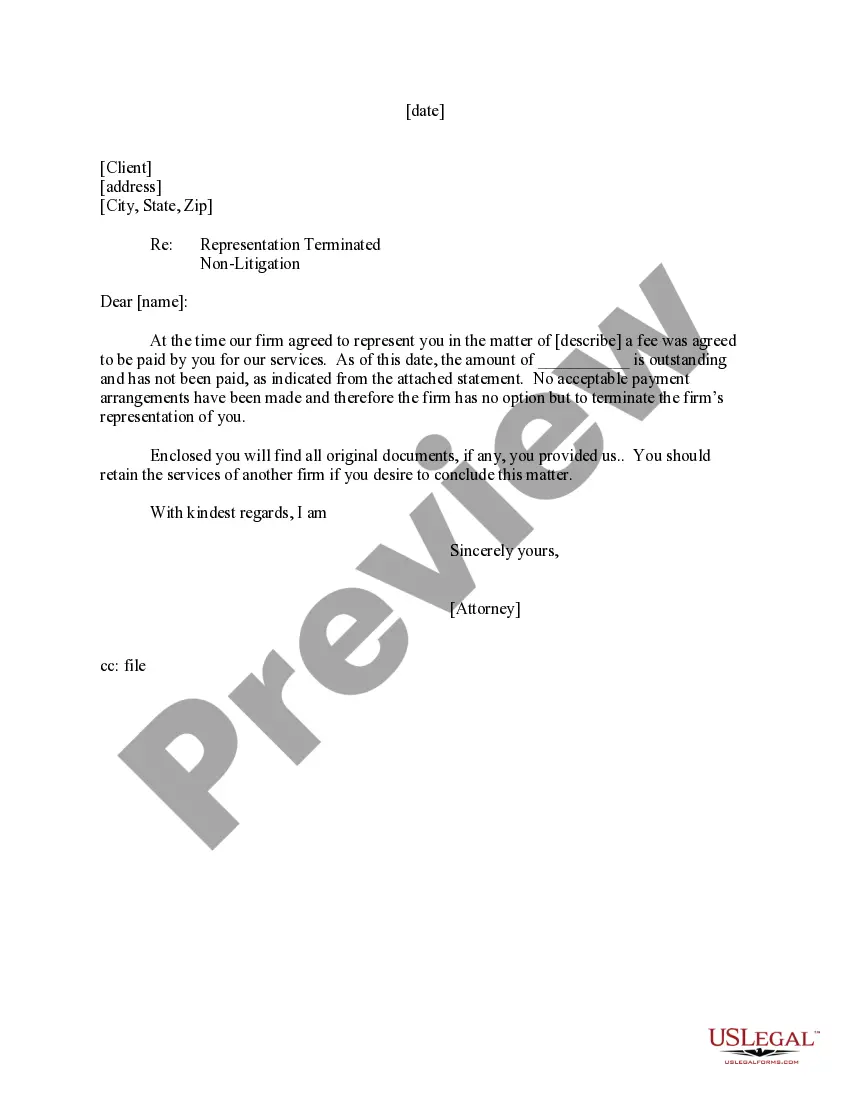
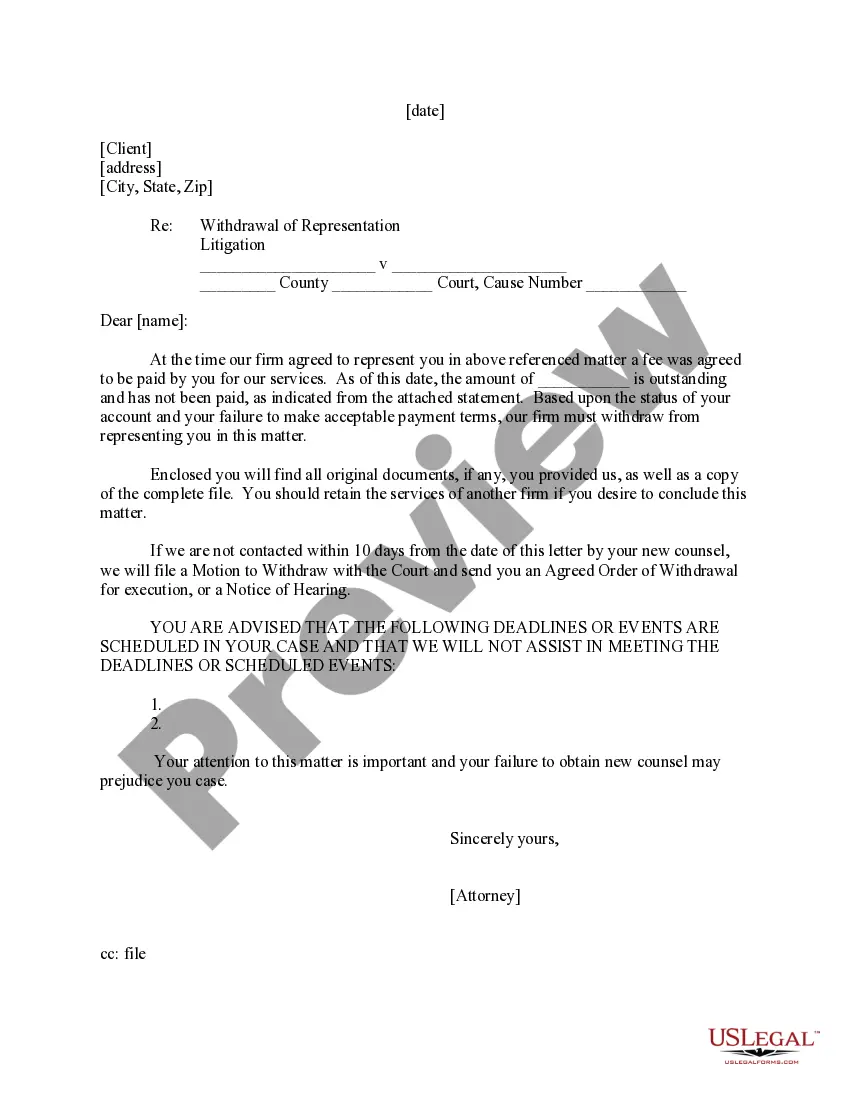
How to fill out Motion To Withdraw As Attorney?
Managing legal affairs can be daunting, even for the most seasoned professionals.
If you are looking into a Motion To Dismiss With Prejudice and cannot find the time to search for the correct and current version, the process may become burdensome.
Tap into a valuable repository of articles, guidelines, manuals, and resources pertinent to your circumstance and requirements.
Save effort and time hunting for the documents you require, and leverage US Legal Forms’ enhanced search and Review function to locate Motion To Dismiss With Prejudice and obtain it.
Reap the benefits of the US Legal Forms online library, backed by 25 years of experience and reliability. Transform how you handle everyday paperwork into a seamless and user-friendly process today.
- If you hold a subscription, Log In to your US Legal Forms account, search for the document, and obtain it.
- Check the My documents section to view the documents you have previously saved and manage your folders as needed.
- If this is your initial experience with US Legal Forms, create a complimentary account and gain unlimited access to all platform benefits.
- Here are the steps to follow after finding the form you need.
- Confirm this is the accurate form by previewing it and reviewing its details.
- Ensure that the template is accepted in your state or locality.
- Click Buy Now when you feel prepared.
- Choose a monthly subscription plan.
- Select the format you desire, and Download, complete, sign, print, and send your documents.
- Access state- or locality-specific legal and business documents.
- US Legal Forms accommodates any requirements you might have, from personal to corporate paperwork, all in one place.
- Utilize advanced tools to complete and manage your Motion To Dismiss With Prejudice.
Form popularity
FAQ
Indeed, you can choose to file a motion to dismiss instead of an answer, particularly when you believe that the complaint lacks merit. Filing a motion to dismiss with prejudice can be a decisive action that seeks to thwart the lawsuit before it progresses. This approach streamlines matters in certain cases, so you maintain control over your legal strategy.
Yes, you can file a motion to dismiss without submitting an answer. A motion to dismiss with prejudice is often filed to contest the basis of the lawsuit before an answer is provided. This is a strategic move that allows you to challenge the case early, potentially saving resources and time.
To write an effective motion to dismiss, particularly a motion to dismiss with prejudice, you should clearly state the legal grounds for dismissal. Include supporting facts, relevant case law, and evidence that backs your claims. Make sure to format your motion properly and comply with court rules to enhance your chances of success.
If a party fails to respond to a motion, like a motion to dismiss with prejudice, the court may assume that they agree with the motion's arguments. This could lead to the court granting the motion without further discussion. Therefore, responding promptly is crucial to protect your interests in the case.
A motion to quash targets specific legal processes, like subpoenas or service of process, while a motion to dismiss, particularly a motion to dismiss with prejudice, seeks to terminate a case altogether. When you file a motion to dismiss with prejudice, it prevents the plaintiff from bringing the same claim again. Understanding these differences helps you choose the right strategy in legal proceedings.
A defendant may file a motion to dismiss to challenge the validity of the claims presented against them. They seek to demonstrate that the case lacks merit, often due to jurisdictional issues or failure to state a valid legal claim. If successful, the court may grant a dismissal with prejudice, effectively ending the litigation.
A case may be dismissed with prejudice as part of a settlement agreement when both parties agree to resolve their disputes. This approach ensures that neither side can reopen the case later, providing closure. Using a motion to dismiss with prejudice can expedite the settlement process and clarify the expectations for both parties.
Whether a dismissal with prejudice is good or bad largely depends on your perspective. For defendants, it can be favorable as it permanently resolves the case and avoids further litigation. For plaintiffs, however, it can be seen as a negative outcome since it blocks them from pursuing the same claims in the future.
A dismissal with prejudice means that a case is permanently closed, and the plaintiff cannot refile the same claim. This decision typically stems from a determination that the case lacks merit or has been previously settled. Utilizing a motion to dismiss with prejudice can provide finality for defendants, allowing them to move on.
No, you cannot appeal a case that has been dismissed with prejudice. This type of dismissal concludes the case permanently, preventing any future legal action on the same claims. Understanding the implications of a motion to dismiss with prejudice is crucial before moving forward.