Necessary Fair Trial Within A Reasonable Time
Description
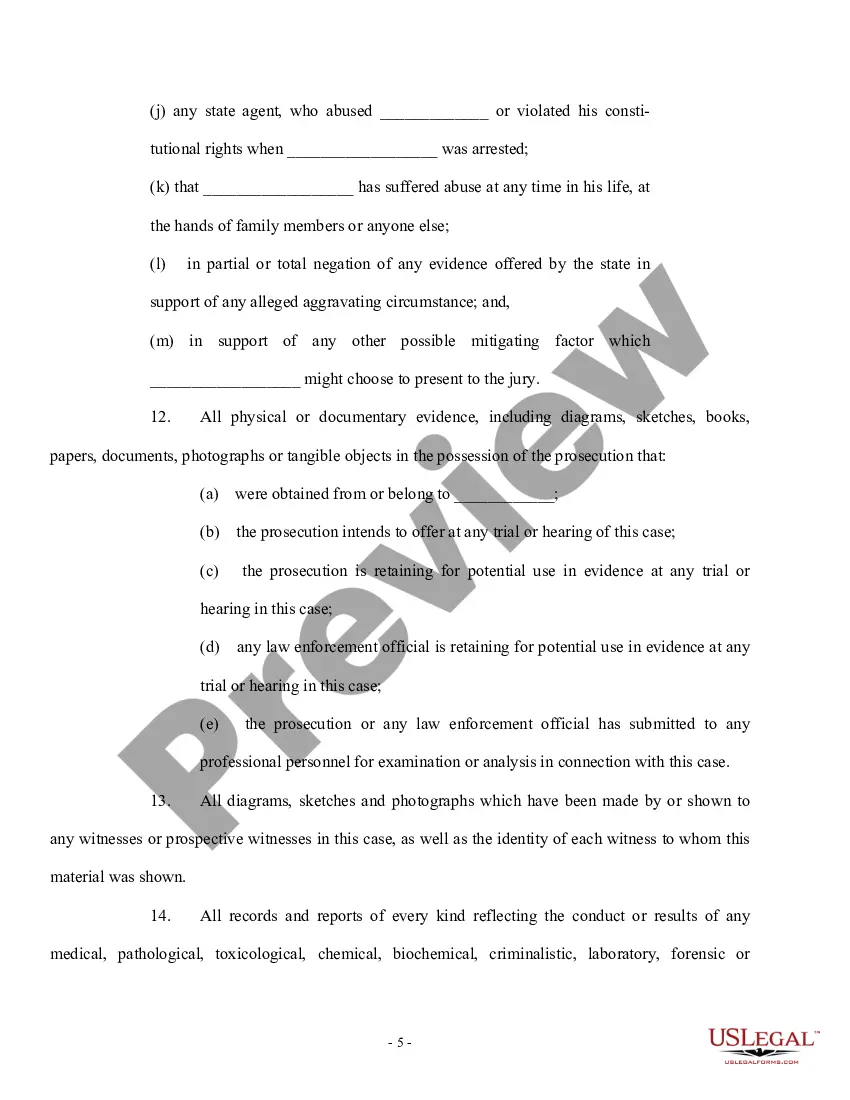
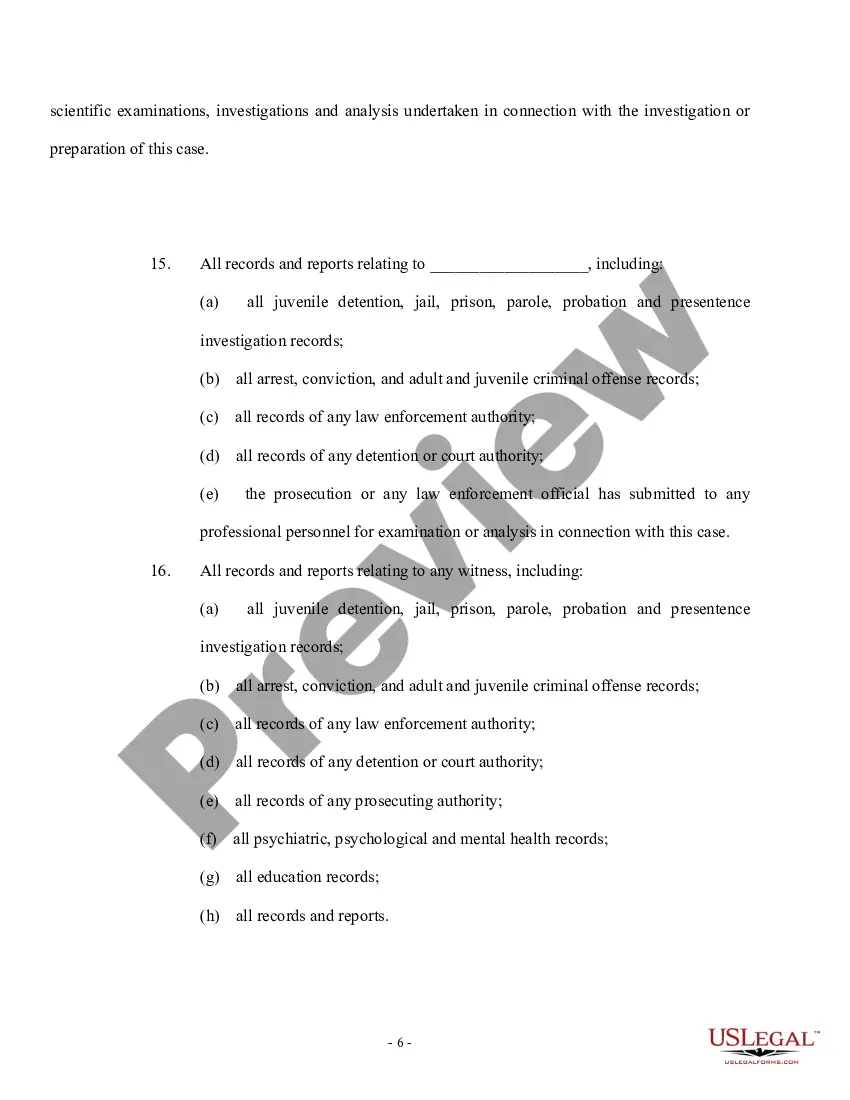
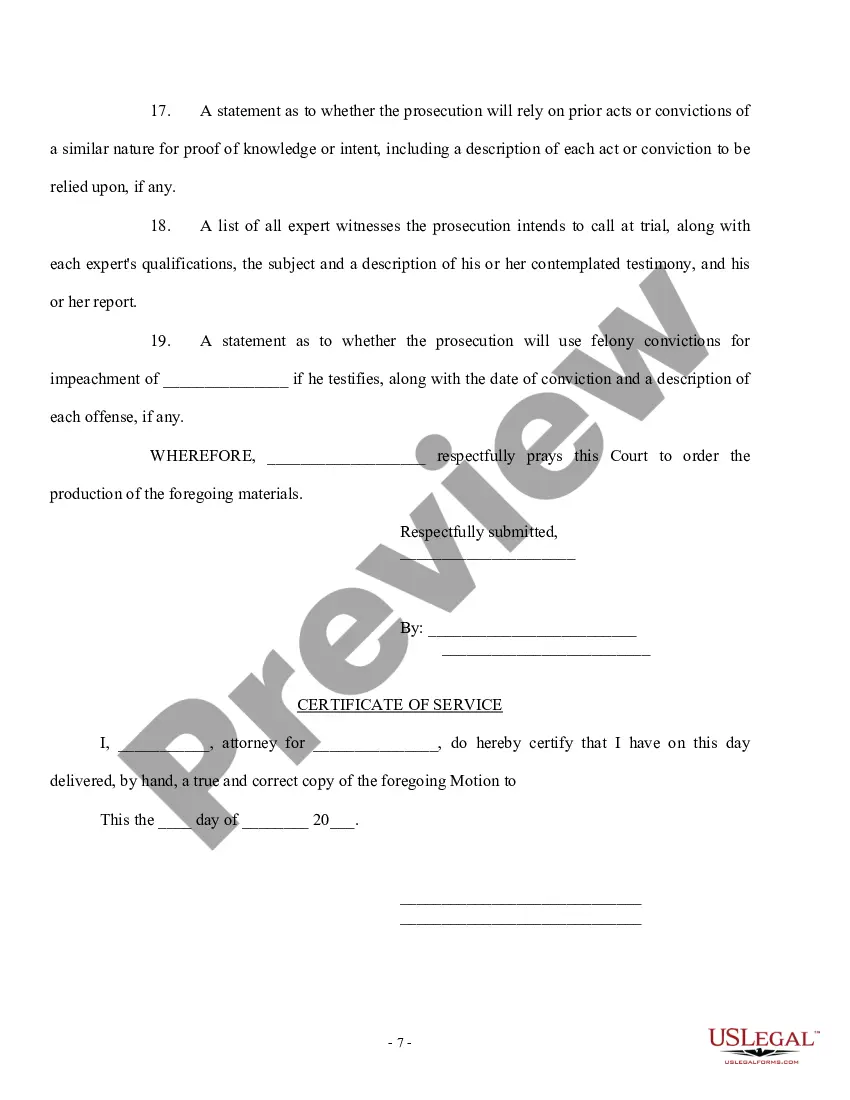
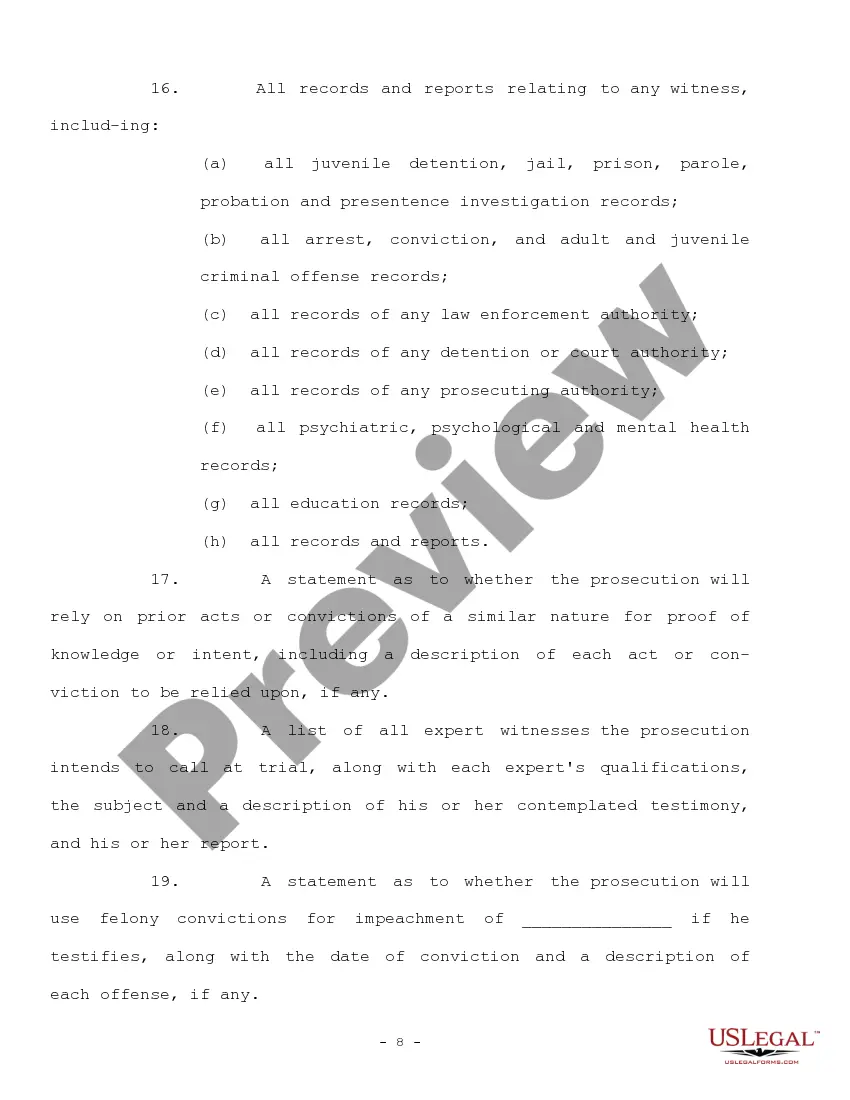
Get your form ready online
Our built-in tools help you complete, sign, share, and store your documents in one place.
Make edits, fill in missing information, and update formatting in US Legal Forms—just like you would in MS Word.
Download a copy, print it, send it by email, or mail it via USPS—whatever works best for your next step.
Sign and collect signatures with our SignNow integration. Send to multiple recipients, set reminders, and more. Go Premium to unlock E-Sign.
If this form requires notarization, complete it online through a secure video call—no need to meet a notary in person or wait for an appointment.
We protect your documents and personal data by following strict security and privacy standards.

Make edits, fill in missing information, and update formatting in US Legal Forms—just like you would in MS Word.

Download a copy, print it, send it by email, or mail it via USPS—whatever works best for your next step.

Sign and collect signatures with our SignNow integration. Send to multiple recipients, set reminders, and more. Go Premium to unlock E-Sign.

If this form requires notarization, complete it online through a secure video call—no need to meet a notary in person or wait for an appointment.

We protect your documents and personal data by following strict security and privacy standards.
Looking for another form?




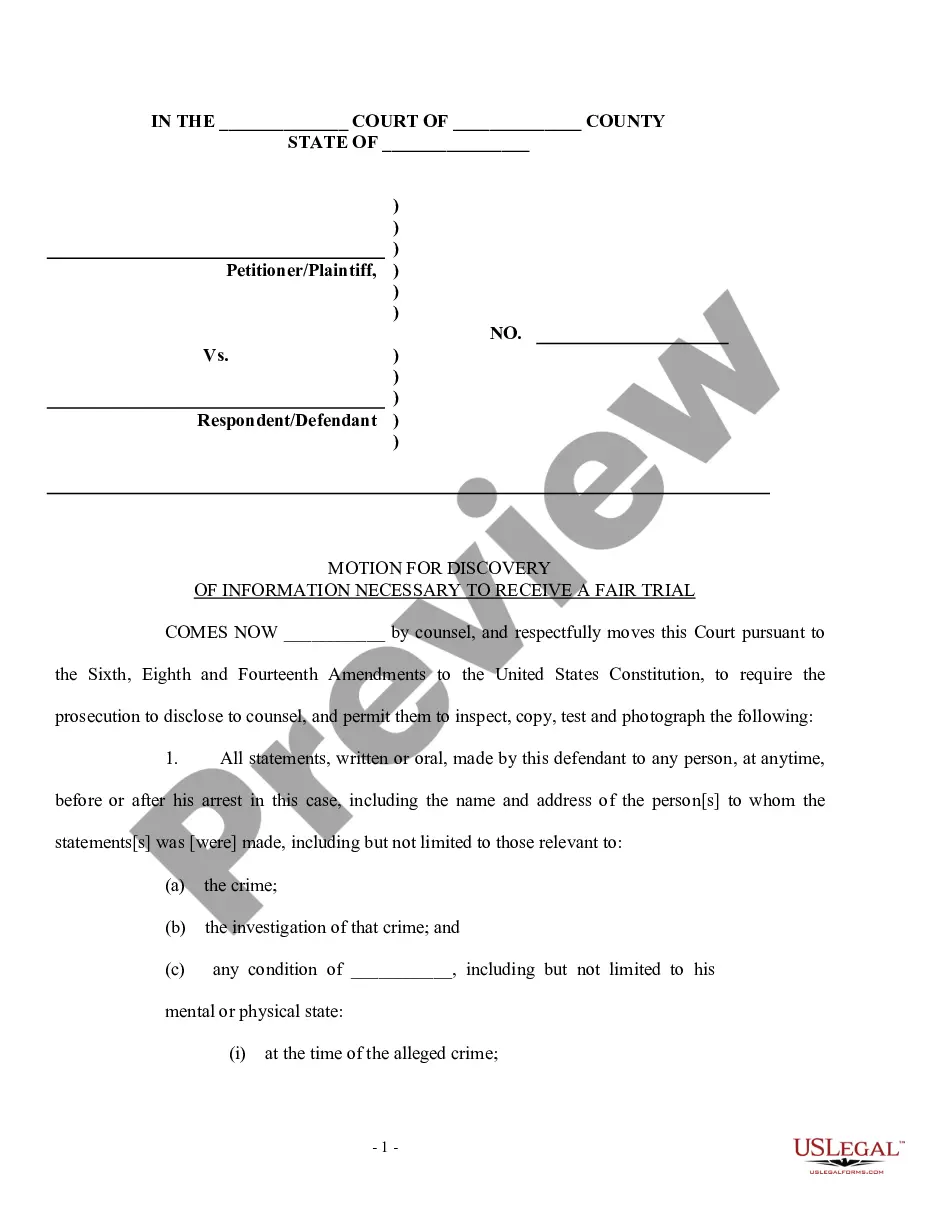
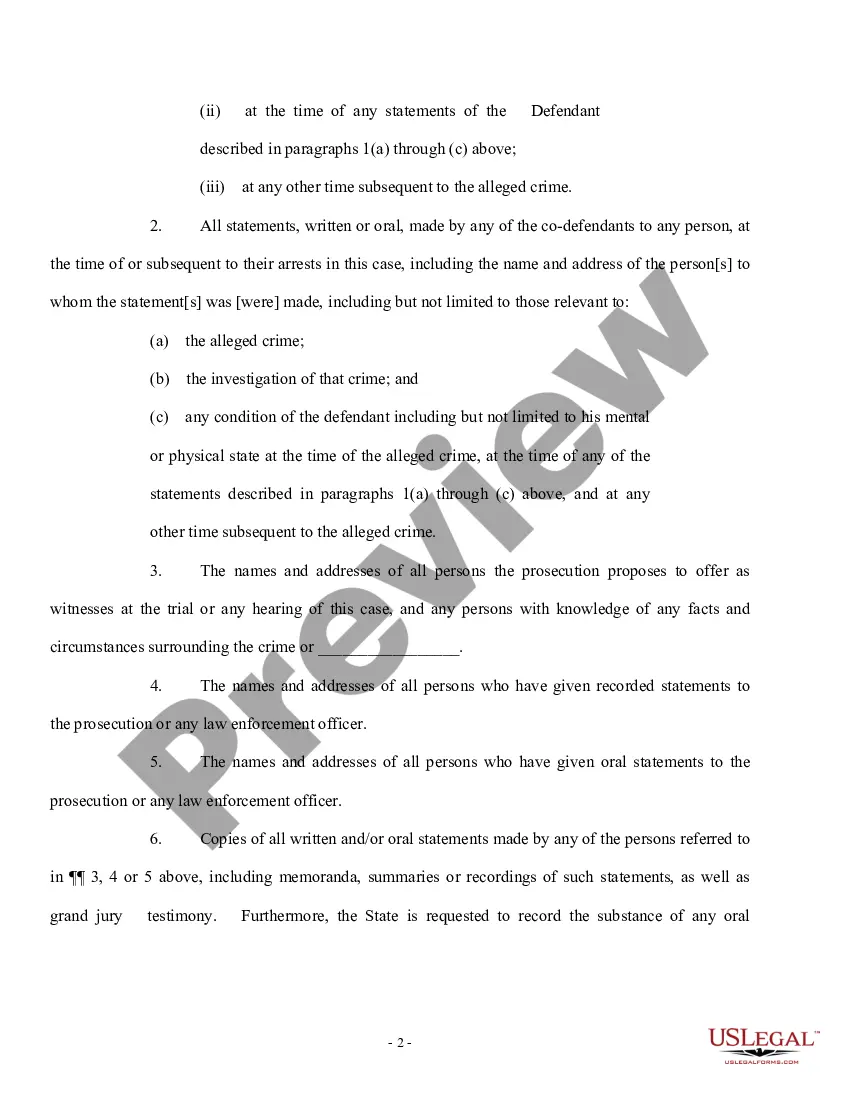
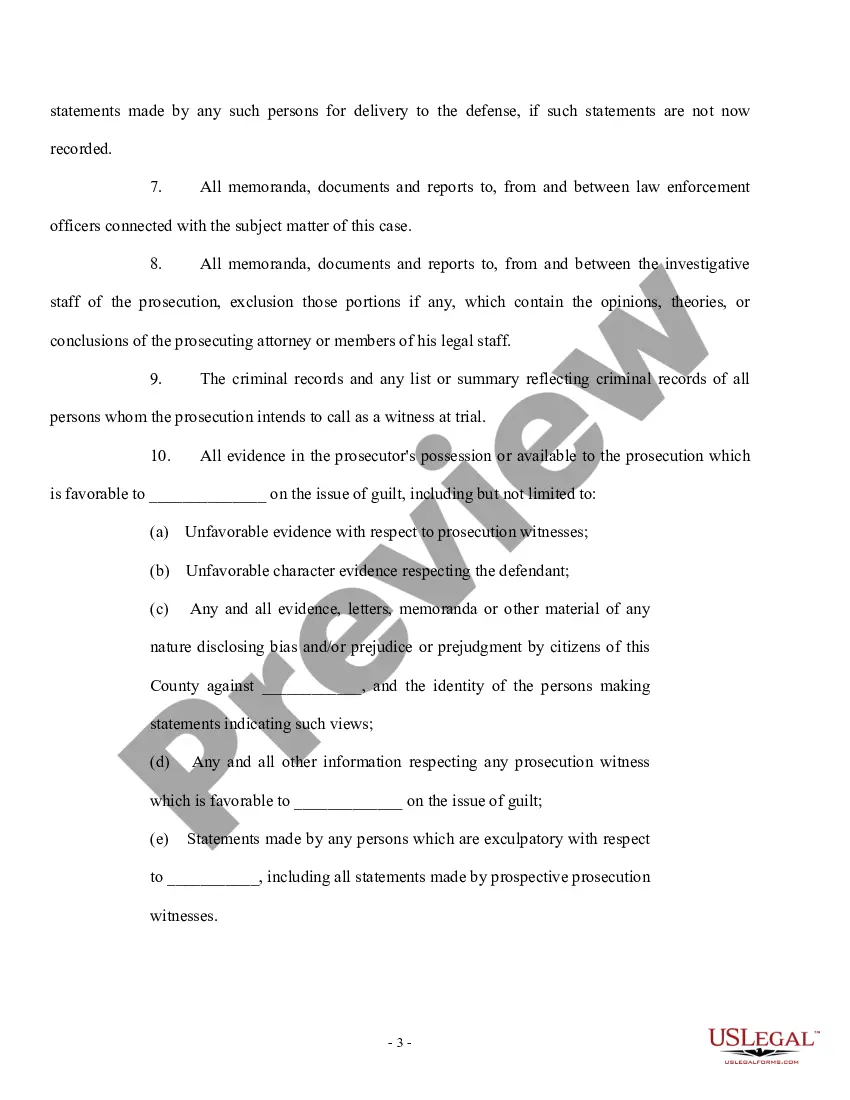
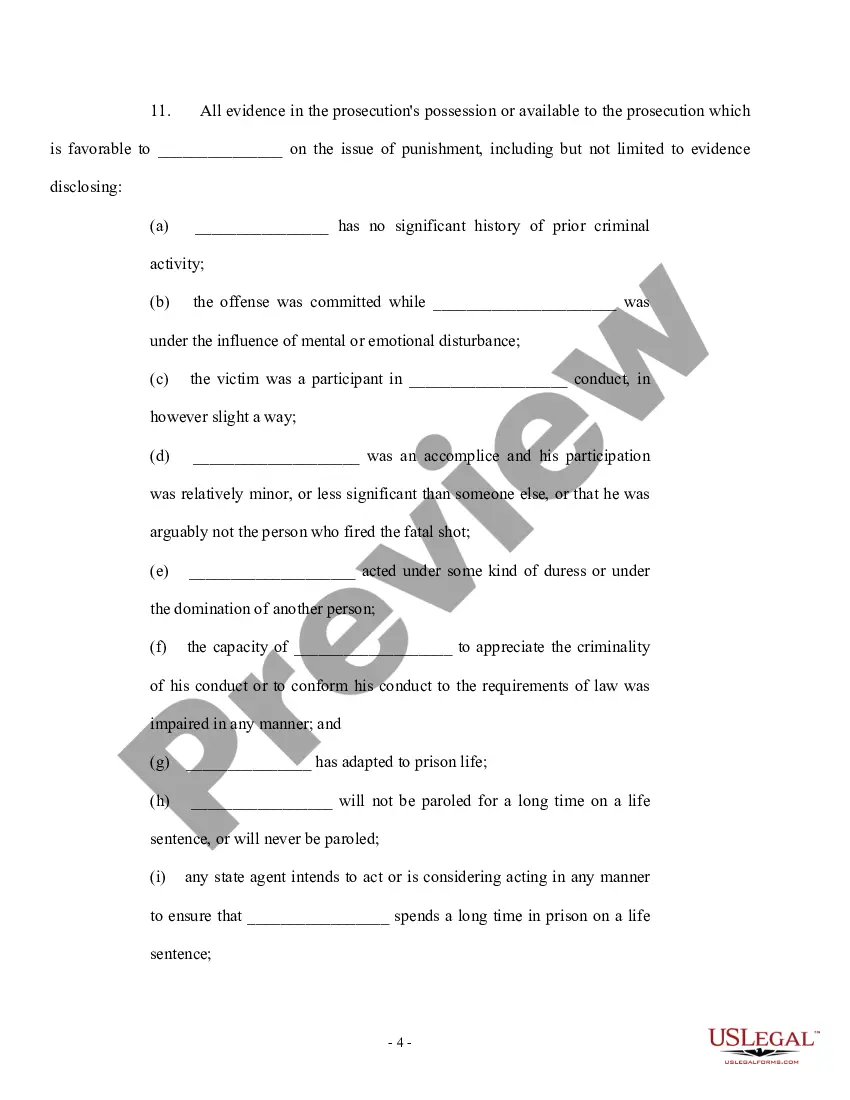
How to fill out Motion For Discovery Of Information Necessary To Receive A Fair Trial?
The Essential Just Trial Within A Reasonable Duration you see on this page is a versatile legal template created by experienced attorneys in accordance with federal and state regulations.
For over 25 years, US Legal Forms has supplied individuals, entities, and legal experts with more than 85,000 authenticated, state-specific documents for any business and personal situation. It’s the quickest, simplest, and most reliable way to acquire the paperwork you require, as the service ensures bank-level data protection and anti-malware security.
Register for US Legal Forms to have verified legal templates for all of life’s circumstances at your fingertips.
- Search for the document you require and examine it.
- Choose the appropriate pricing plan and create an account.
- Choose the file format you desire for your Essential Just Trial Within A Reasonable Duration (PDF, DOCX, RTF) and download the document to your device.
- Print the template to fill it out manually, or utilize an online multifunctional PDF editor to quickly and accurately complete and sign your form with a valid.
- Use the same document again whenever necessary. Access the My documents tab in your profile to redownload any previously saved documents.
Form popularity
FAQ
The three main components that define a fair trial are the right to a competent attorney, the right to present evidence and call witnesses, and the right to an impartial judge or jury. Each of these elements plays a vital role in ensuring that the justice process is conducted fairly. Fostering a necessary fair trial within a reasonable time ultimately leads to just outcomes and reinforces public confidence in the legal system.
The right to a trial within a reasonable time is guaranteed by constitutional protections and legal statutes. These frameworks aim to prevent unnecessary delays and ensure that individuals do not languish in uncertainty. By advocating for the necessary fair trial within a reasonable time, individuals can protect their rights and seek timely justice.
The standards of a fair trial include the right to a public trial, the right to appeal, and the right to cross-examine witnesses. These standards ensure transparency and accountability in the judicial process. By adhering to these principles, the legal system upholds the necessary fair trial within a reasonable time, contributing to the overall credibility of the court.
In a criminal case, a fundamental requirement for a fair trial is the presumption of innocence until proven guilty. The prosecution bears the burden of proof, and the accused should have access to a competent attorney. This aspect is vital because it supports the necessary fair trial within a reasonable time, helping maintain the integrity of the judicial process.
A fair trial entails several key requirements, including an impartial jury, the right to legal representation, and the ability to present evidence. It's essential that the accused have the opportunity to defend themselves with full knowledge of the charges. Moreover, a necessary fair trial within a reasonable time must allow for adequate time to prepare a defense and ensure that justice is served without undue delay.
To ensure a necessary fair trial within a reasonable time, you would want the judge to promise impartiality and transparency throughout the proceedings. This includes a commitment to clearly outline the trial process, ensure that all parties have equal access to evidence, and provide adequate time for both sides to prepare their cases. Additionally, the judge should guarantee that any potential conflicts of interest are addressed, fostering trust in the judicial process for everyone involved.
Excusable neglect refers to a failure to meet a legal obligation that is considered understandable under certain circumstances. For instance, a missed court date due to an emergency hospitalization may qualify as excusable neglect. Similarly, if someone did not receive important legal documents because they were sent to the wrong address, this can also be an appropriate example. Understanding these scenarios is crucial because they can impact your right to a necessary fair trial within a reasonable time.