Motion Information Trial For New
Description
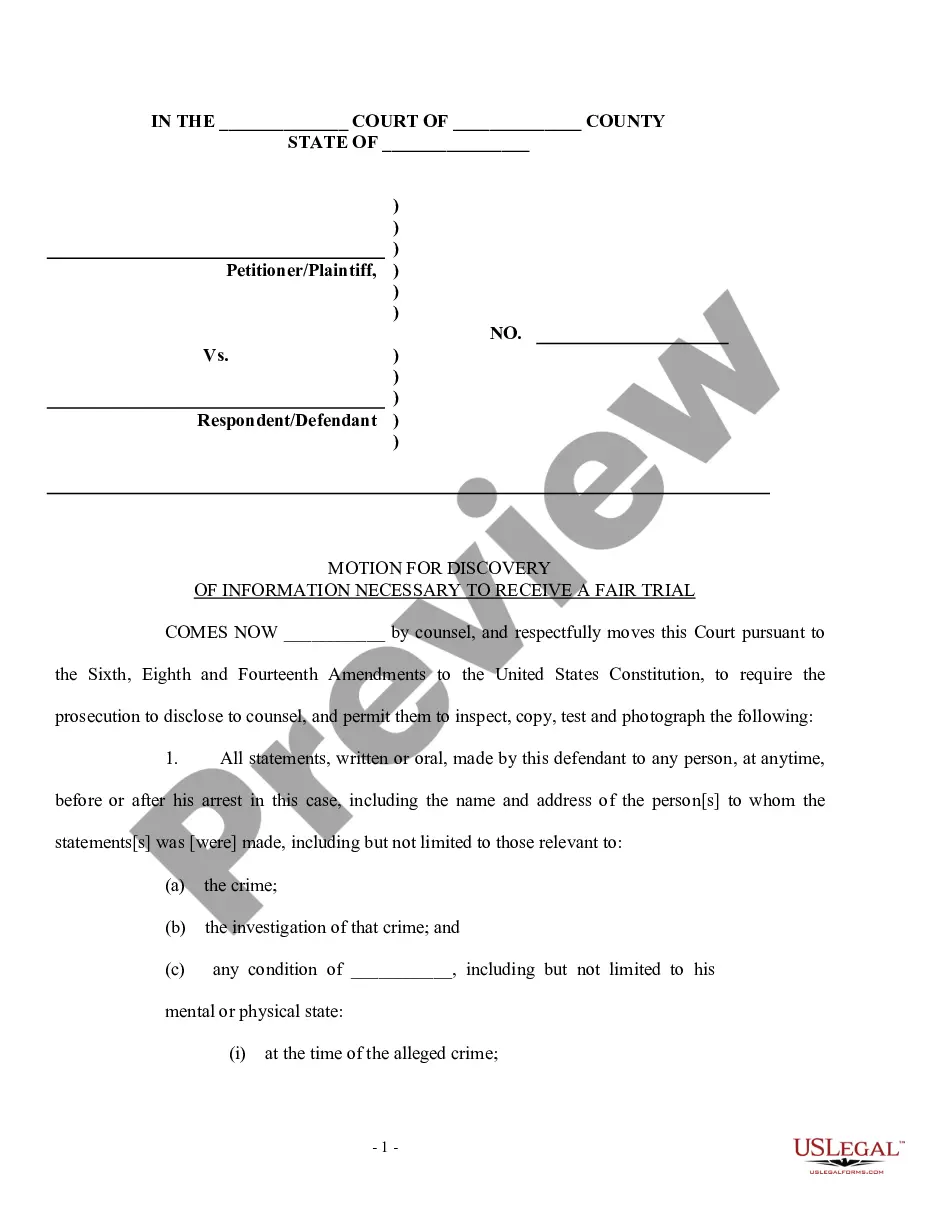
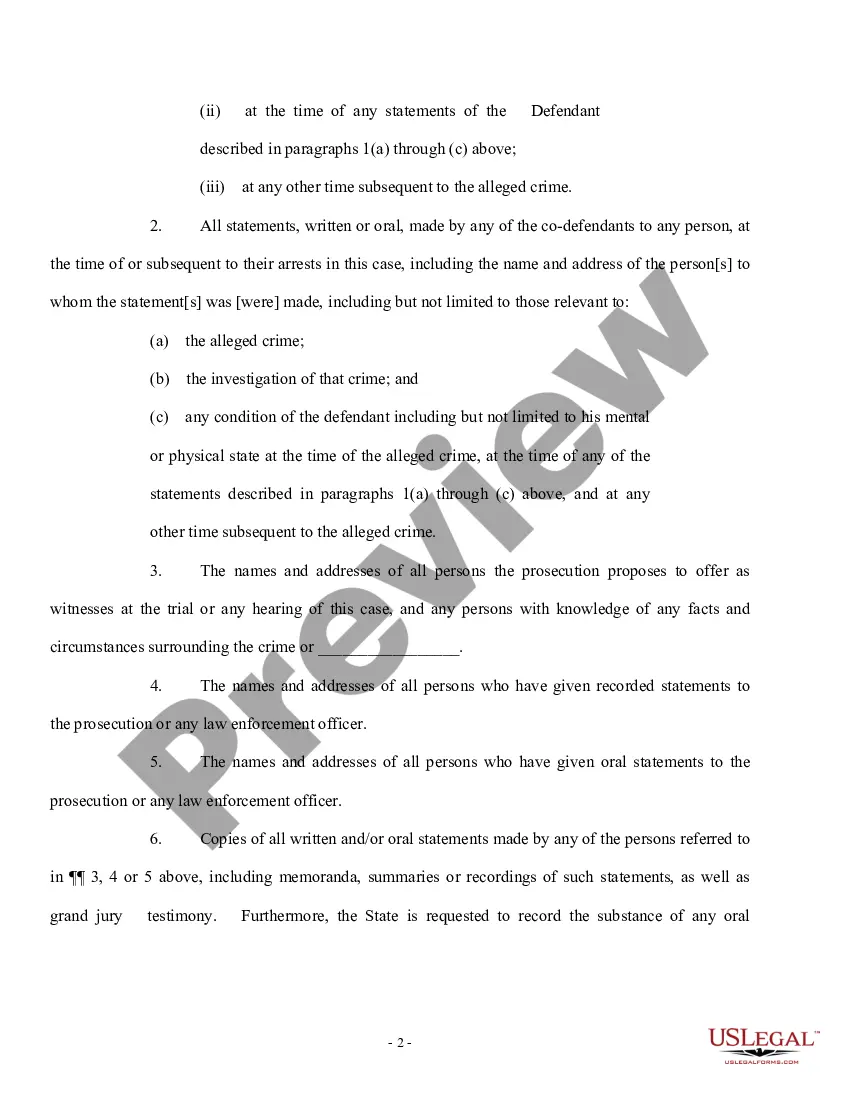
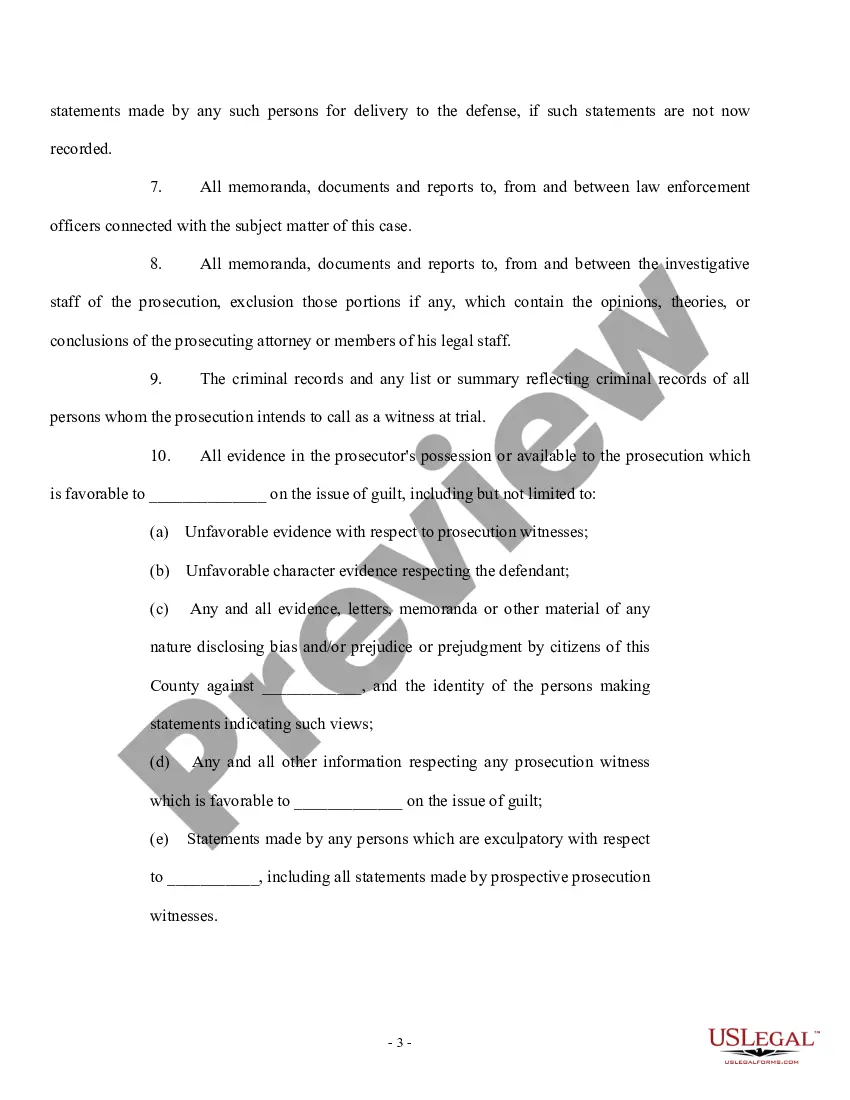
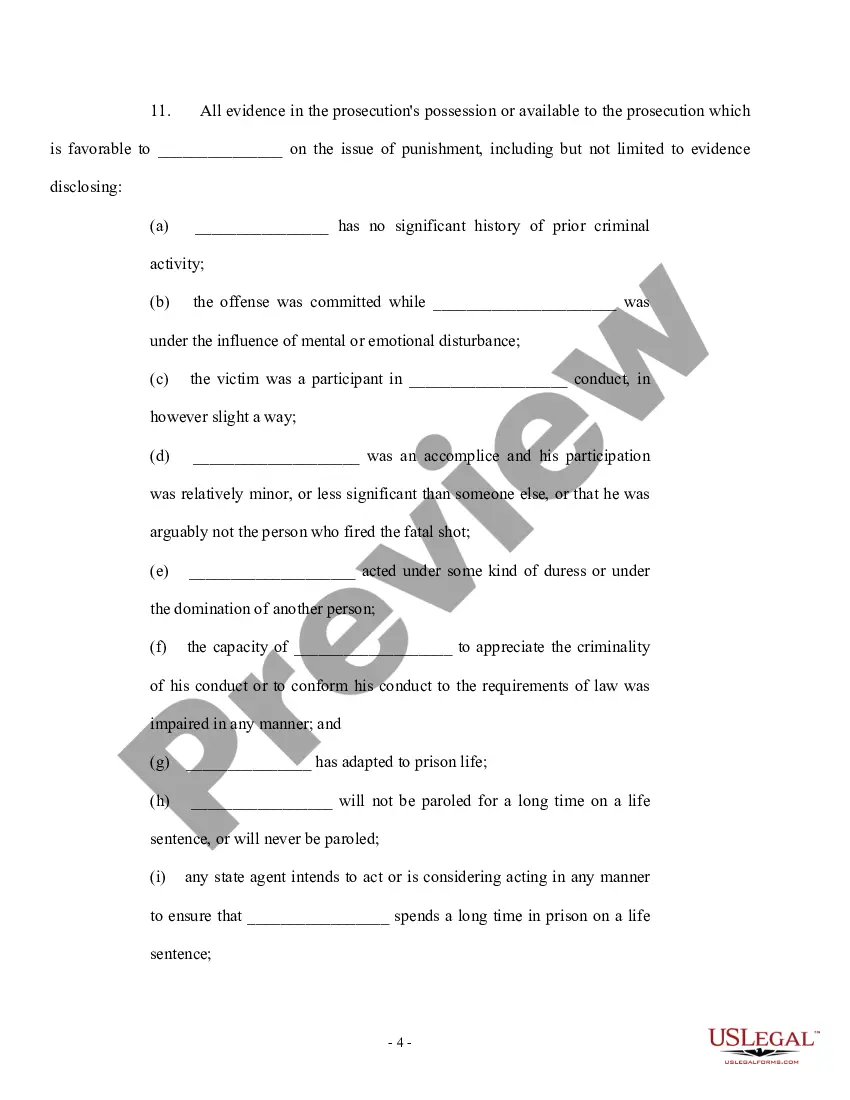
Get your form ready online
Our built-in tools help you complete, sign, share, and store your documents in one place.
Make edits, fill in missing information, and update formatting in US Legal Forms—just like you would in MS Word.
Download a copy, print it, send it by email, or mail it via USPS—whatever works best for your next step.
Sign and collect signatures with our SignNow integration. Send to multiple recipients, set reminders, and more. Go Premium to unlock E-Sign.
If this form requires notarization, complete it online through a secure video call—no need to meet a notary in person or wait for an appointment.
We protect your documents and personal data by following strict security and privacy standards.

Make edits, fill in missing information, and update formatting in US Legal Forms—just like you would in MS Word.

Download a copy, print it, send it by email, or mail it via USPS—whatever works best for your next step.

Sign and collect signatures with our SignNow integration. Send to multiple recipients, set reminders, and more. Go Premium to unlock E-Sign.

If this form requires notarization, complete it online through a secure video call—no need to meet a notary in person or wait for an appointment.

We protect your documents and personal data by following strict security and privacy standards.
Looking for another form?




How to fill out Motion For Discovery Of Information Necessary To Receive A Fair Trial?
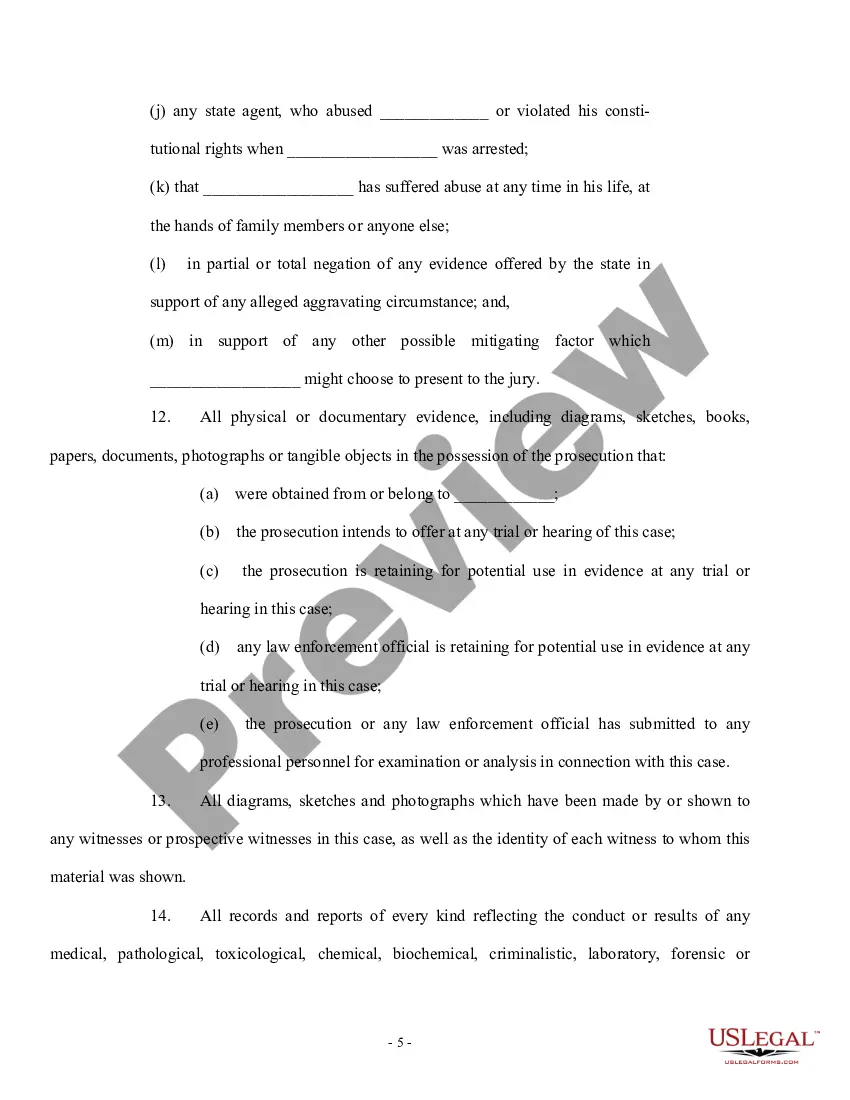
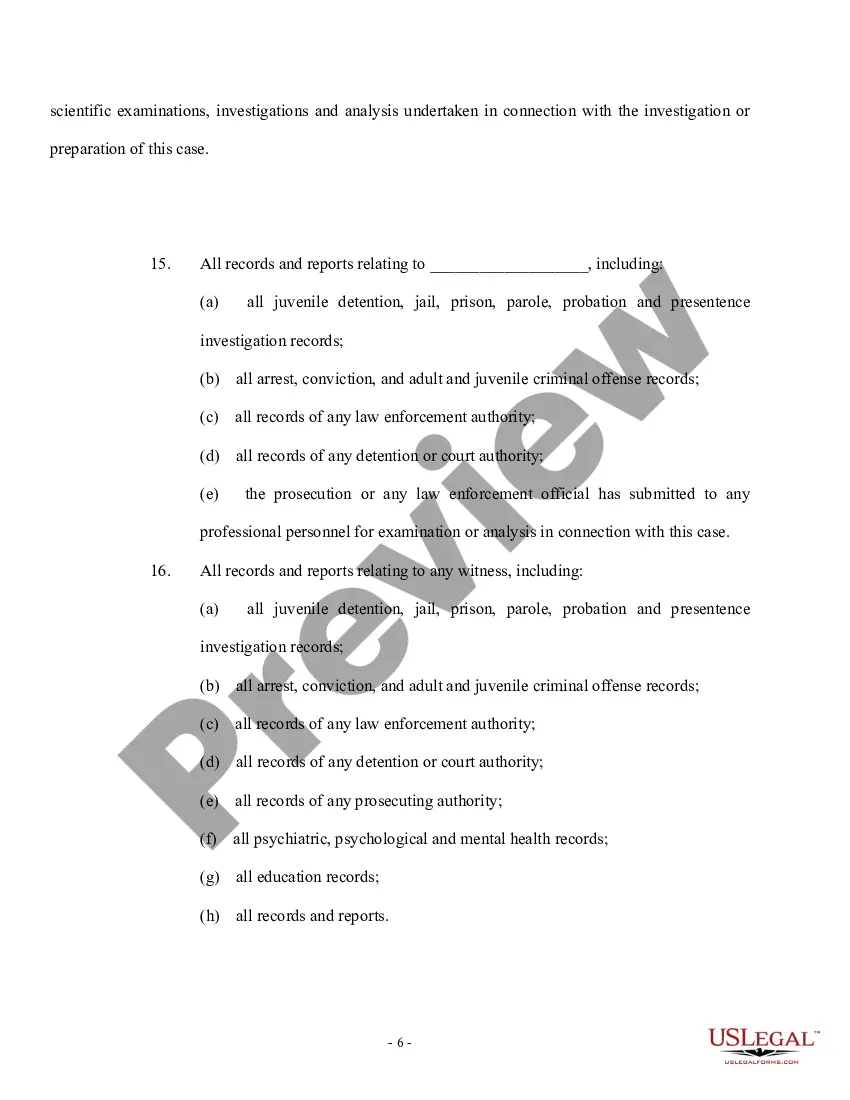
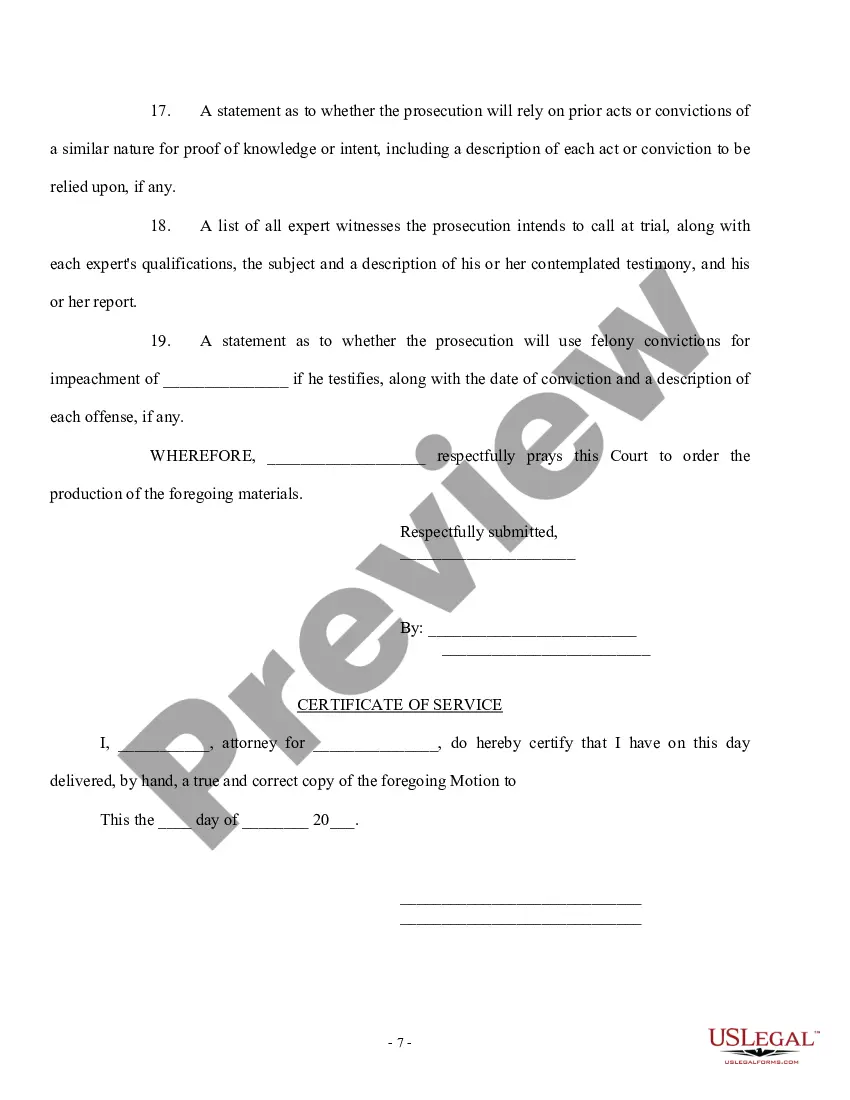
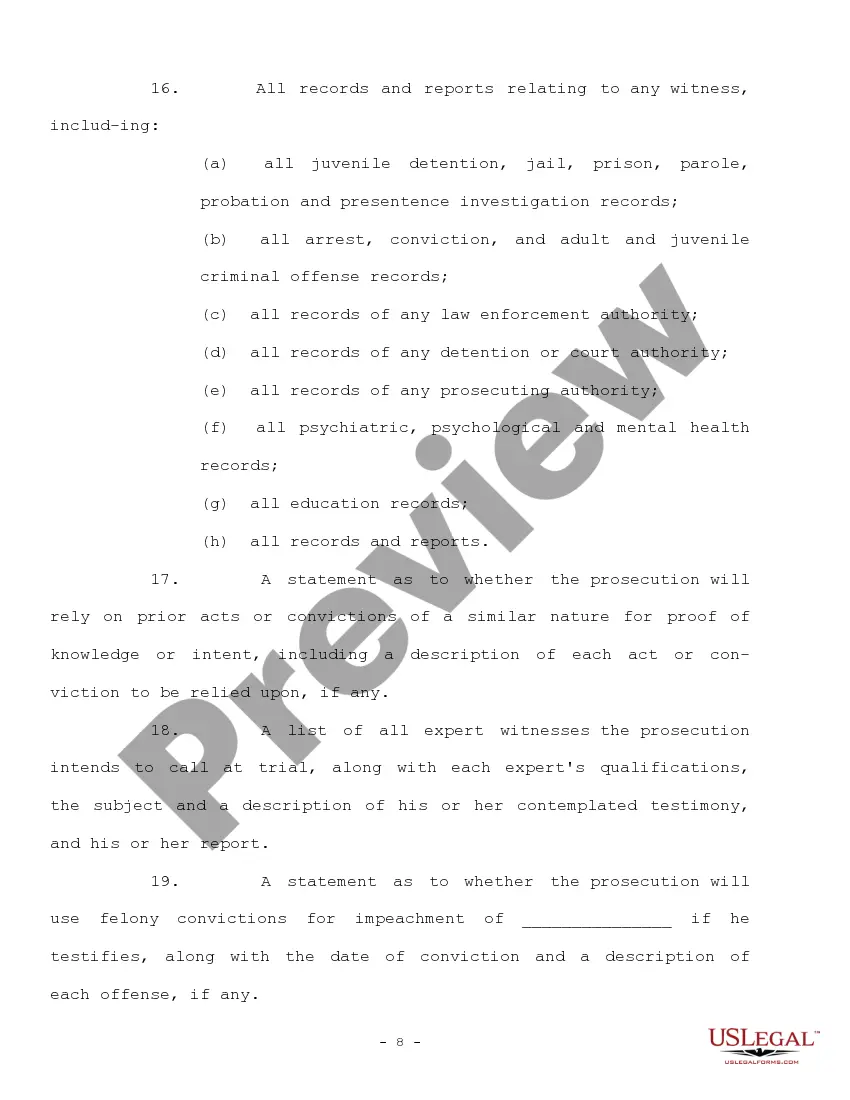
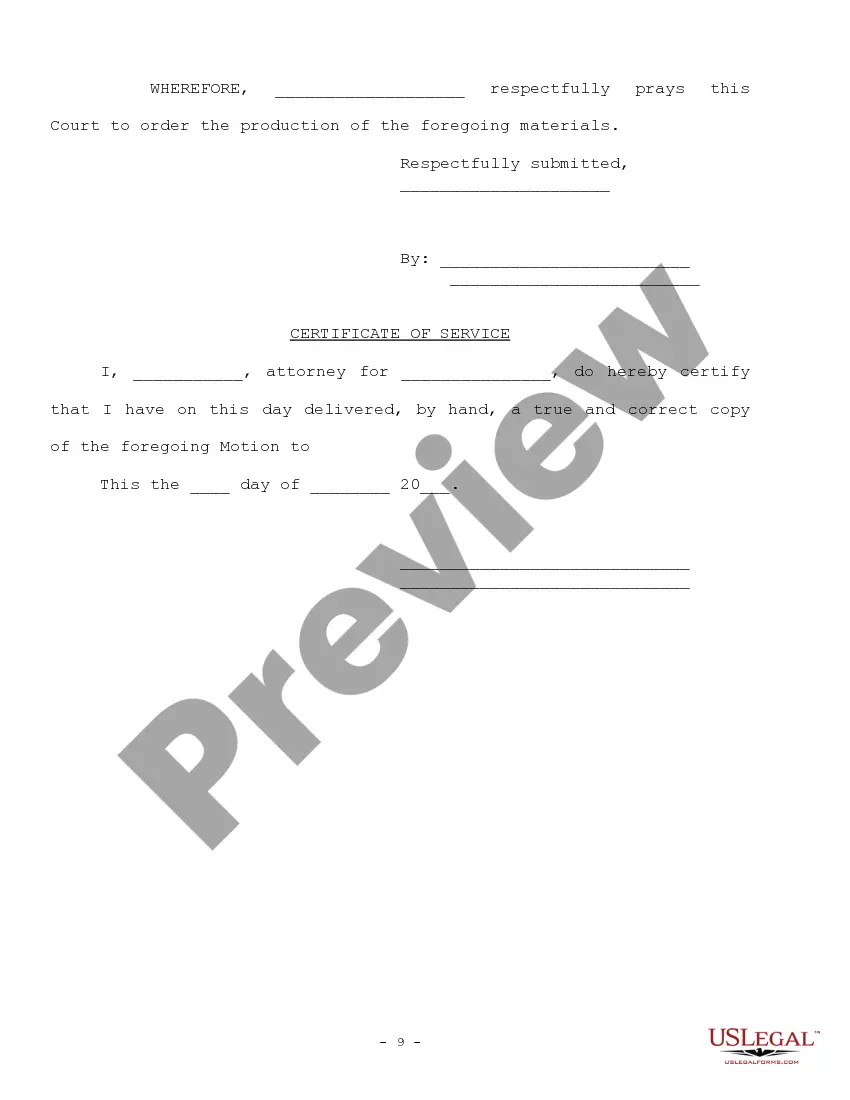
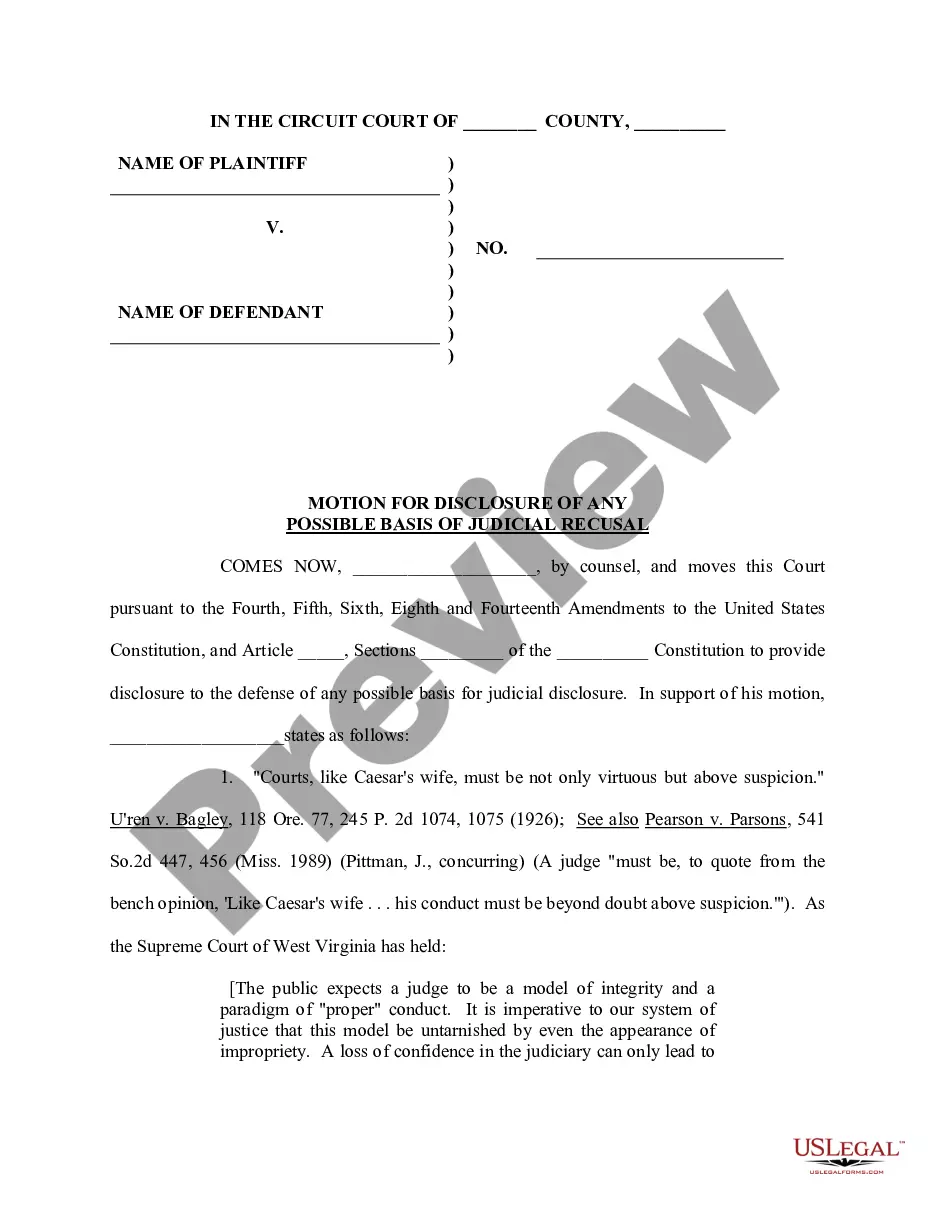
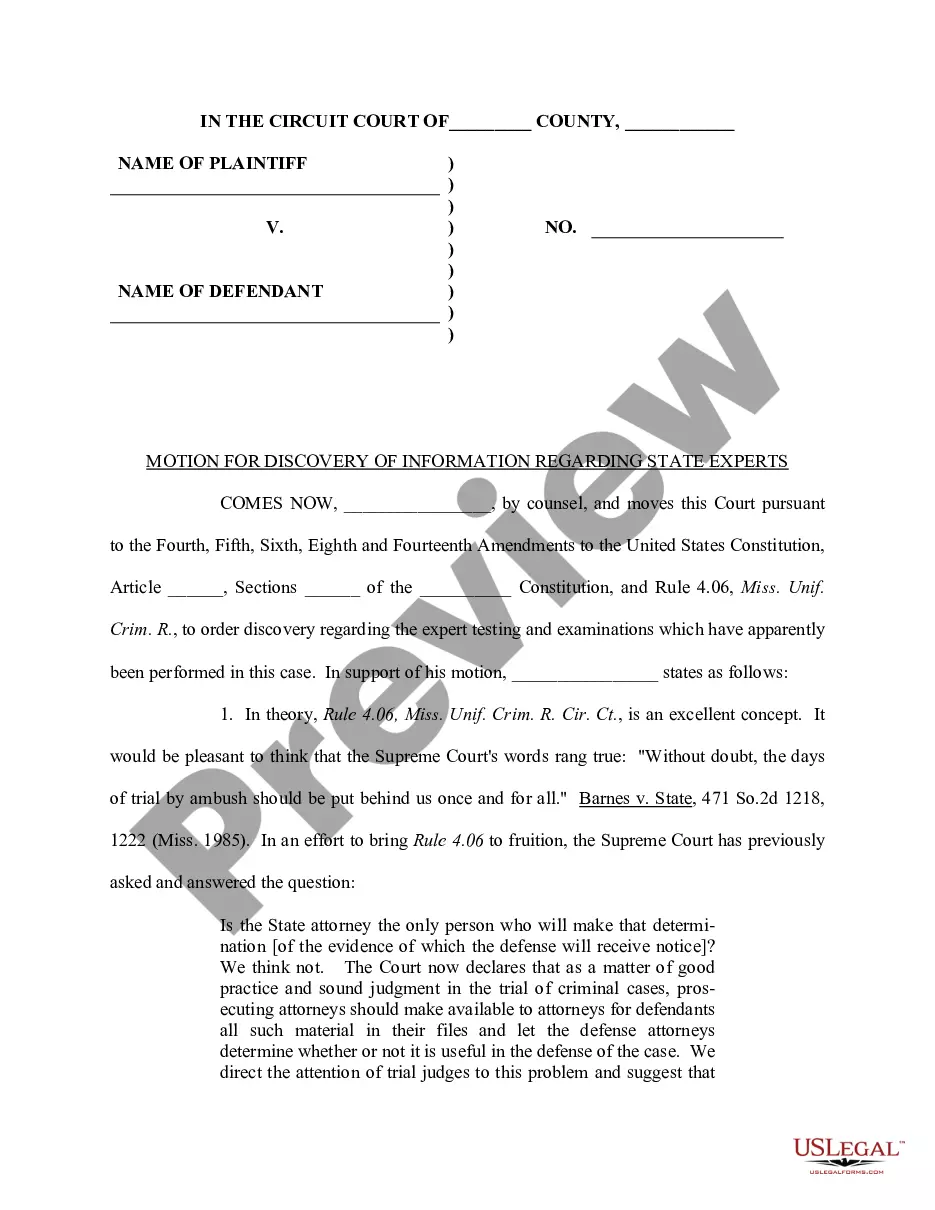
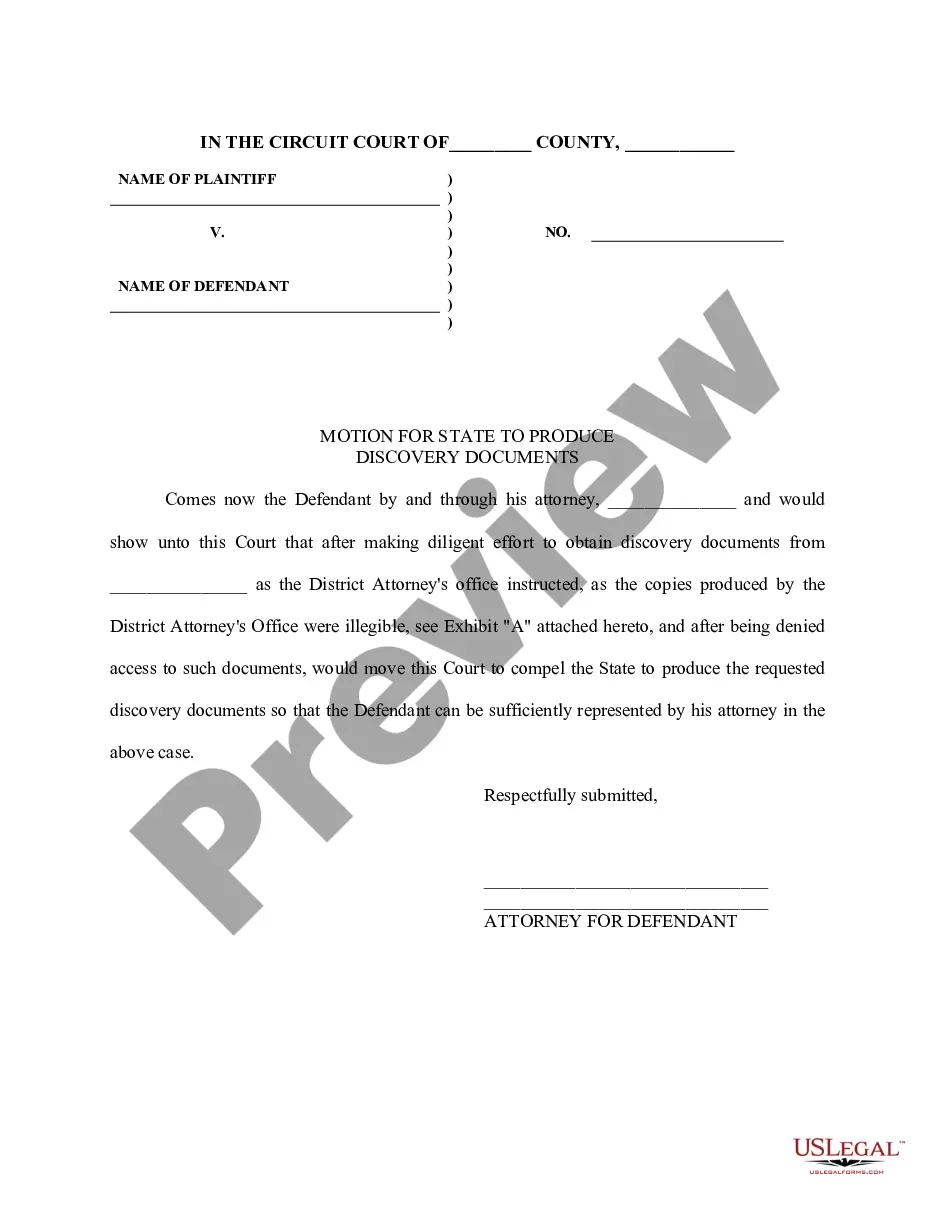
The Motion Information Trial For New visible on this webpage is a versatile legal template crafted by skilled attorneys per national and local statutes.
For over 25 years, US Legal Forms has supplied individuals, businesses, and lawyers with over 85,000 validated, state-specific documents suitable for any professional and personal situation. It’s the quickest, simplest, and most dependable method to acquire the forms you require, as the service ensures bank-standard data security and anti-malware safeguards.
Re-download the same document anytime you require it. Open the My documents tab in your profile to retrieve any previously downloaded forms. Enroll in US Legal Forms to have authenticated legal templates for all aspects of life readily available.
- Search for the document you require and assess it.
- Browse through the file you searched and view it or verify the form description to ensure it meets your needs. If it doesn't, utilize the search bar to discover the correct version. Click Buy Now once you have found the template you need.
- Register and sign in.
- Select the pricing plan that fits you and create an account. Use PayPal or a credit card for swift payment. If you already hold an account, Log In and verify your subscription to proceed.
- Acquire the editable template.
- Select the format you desire for your Motion Information Trial For New (PDF, DOCX, RTF) and download the sample to your device.
- Fill out and sign the document.
- Print the template for manual completion. Alternatively, use an online multifunctional PDF editor to quickly and accurately fill in and sign your form electronically.
Form popularity
FAQ
USLegalForms offers valuable resources and templates to streamline the process of filing motions for new trials. Their user-friendly platform helps you understand the requirements and prepare your documents accurately. Utilizing USLegalForms can significantly enhance your efficiency in pursuing a motion information trial for new outcomes.
It is sometimes possible to introduce newly discovered evidence as late as a motion for post-trial relief (or even in an even later motion to set aside a judgment), but usually, the very latest point at which you can introduce evidence is the close of your case at trial (in the case of a plaintiff, often at the halfway ...
After-discovered evidence is an issue predominantly in criminal proceedings and may be used as the basis for a motion for a new trial. Courts employ a four-part test in determining whether to grant a new trial on this basis.
The grounds for granting a motion for a new trial include a significant error of law, verdict going against the weight of evidence, irregularity in the court proceeding, jury misconduct, newly discovered material evidence, and improper damages.
If you want to file a motion, the process is generally something like this: You write your motion. You file your motion with the court clerk. The court clerk inserts the date and time your motion will be heard by the judge. You ?serve? (mail) your motion to the other side.
Common pre-trial motions include: Motion to Dismiss ? an attempt to get the judge to dismiss a charge or the case. ... Motion to Suppress ? an attempt to keep certain statements or evidence from being introduced as evidence. ... Motion for Change of Venue ? may be made for various reasons including pre-trial publicity.