Discovery Information Statement Format
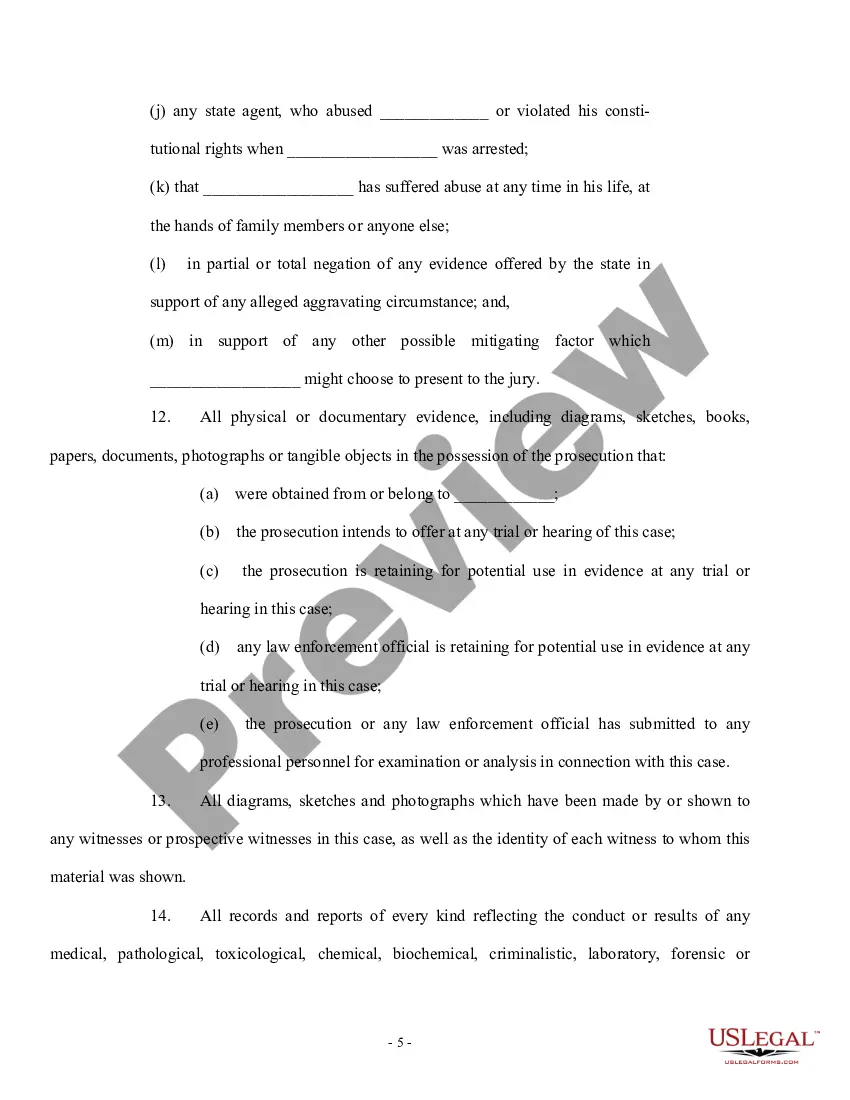
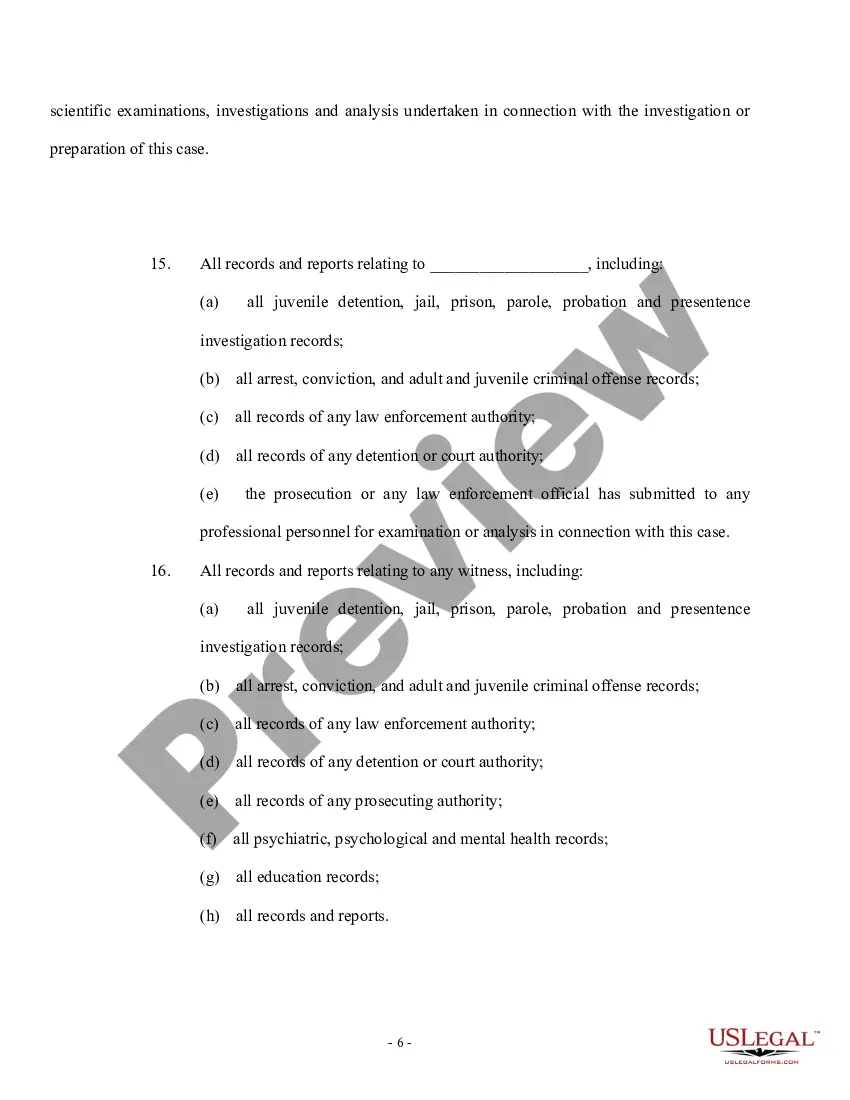
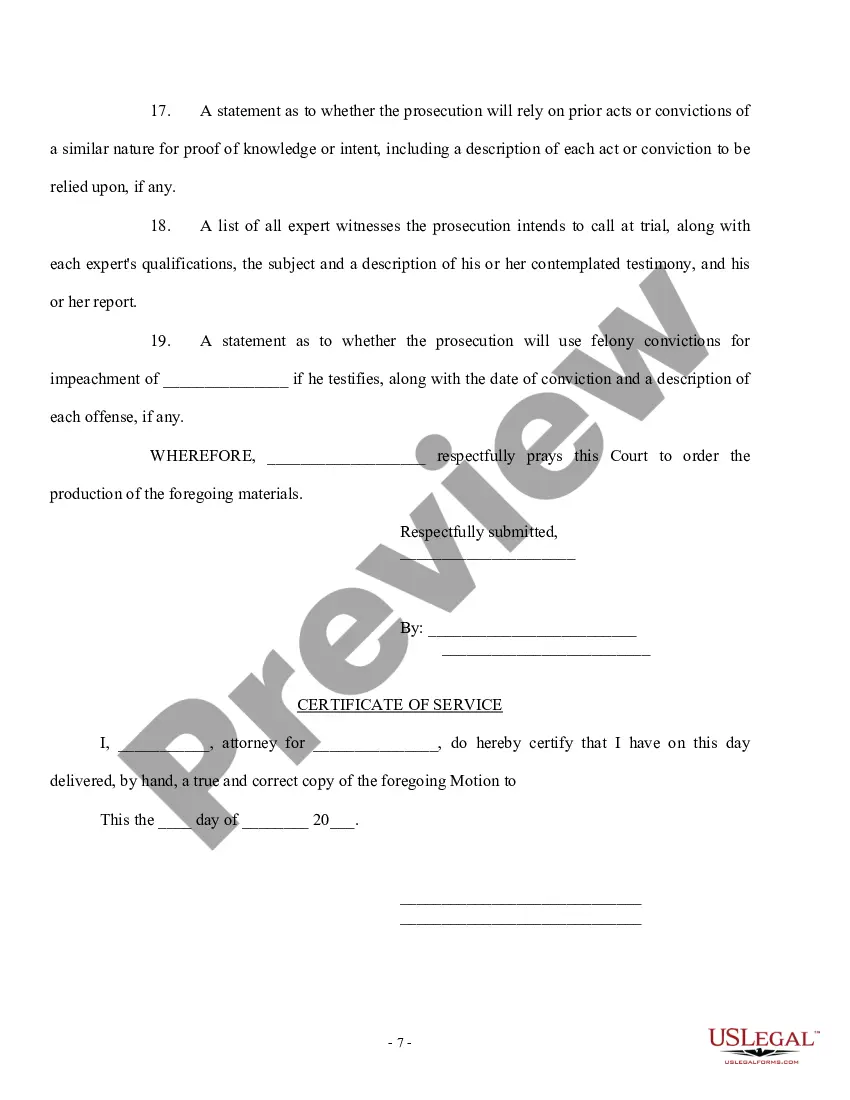
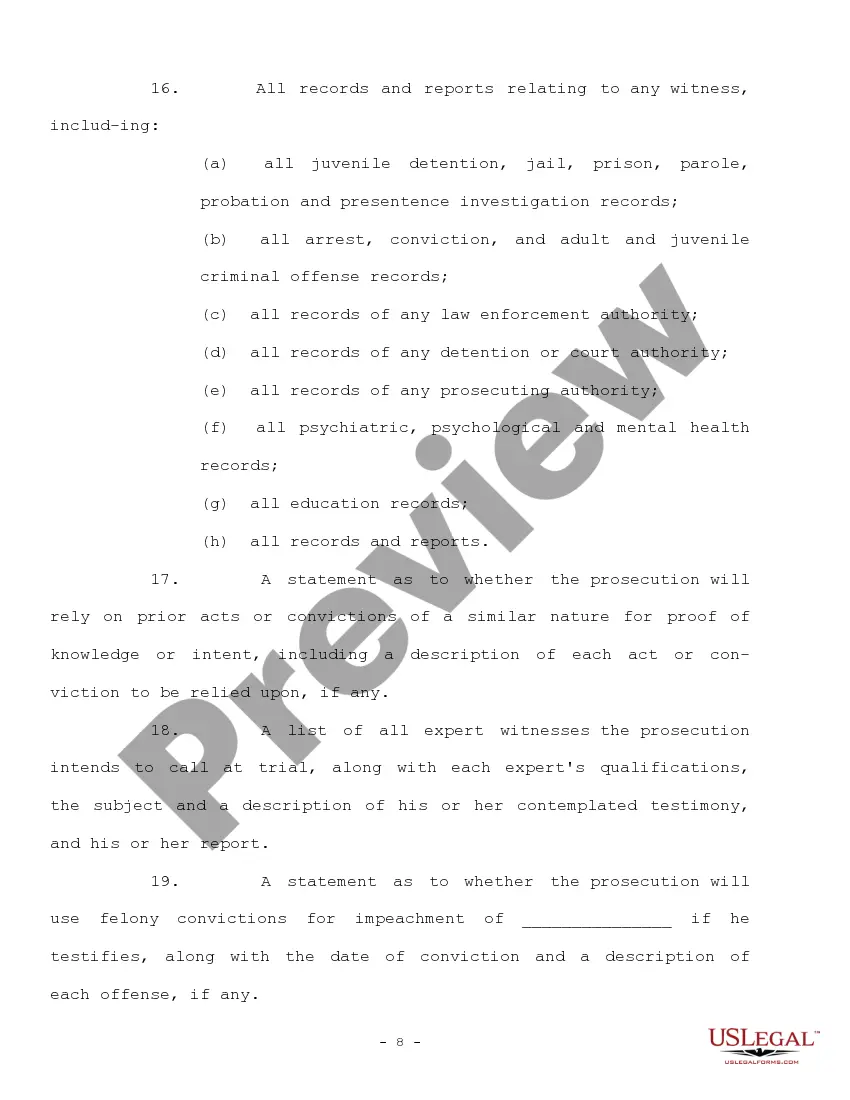
Description
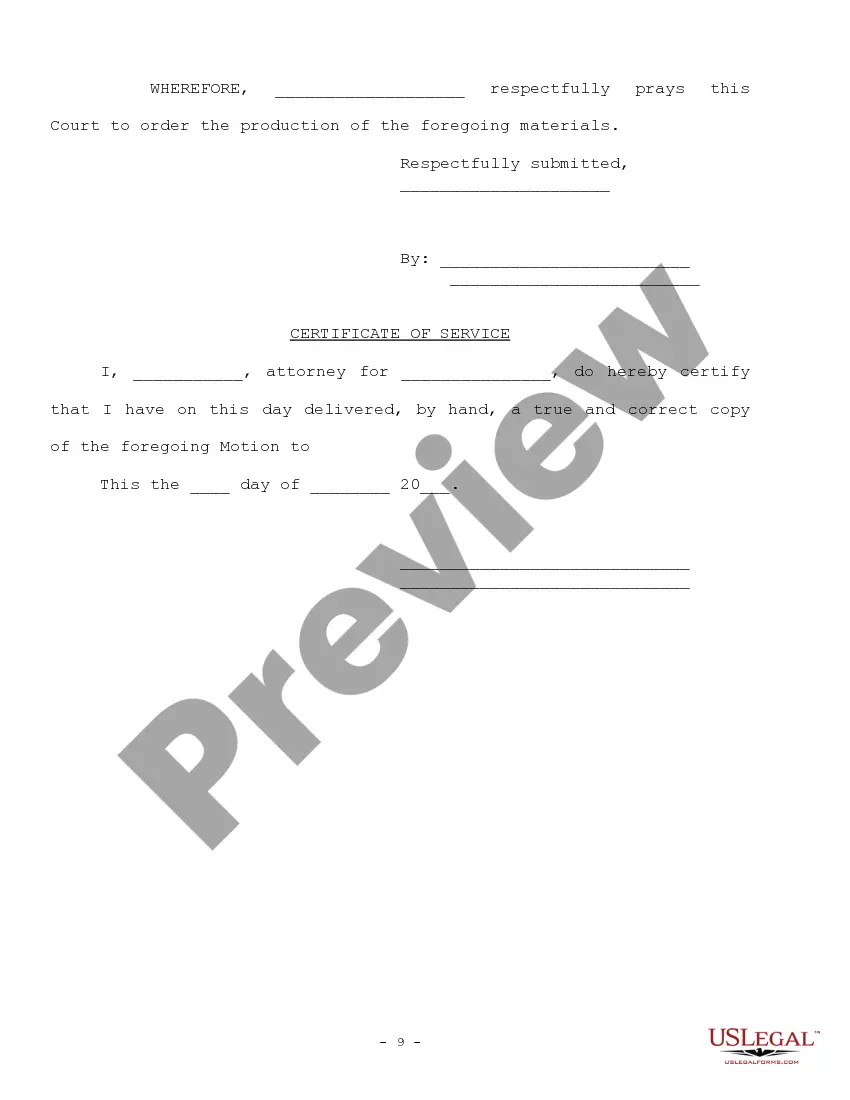
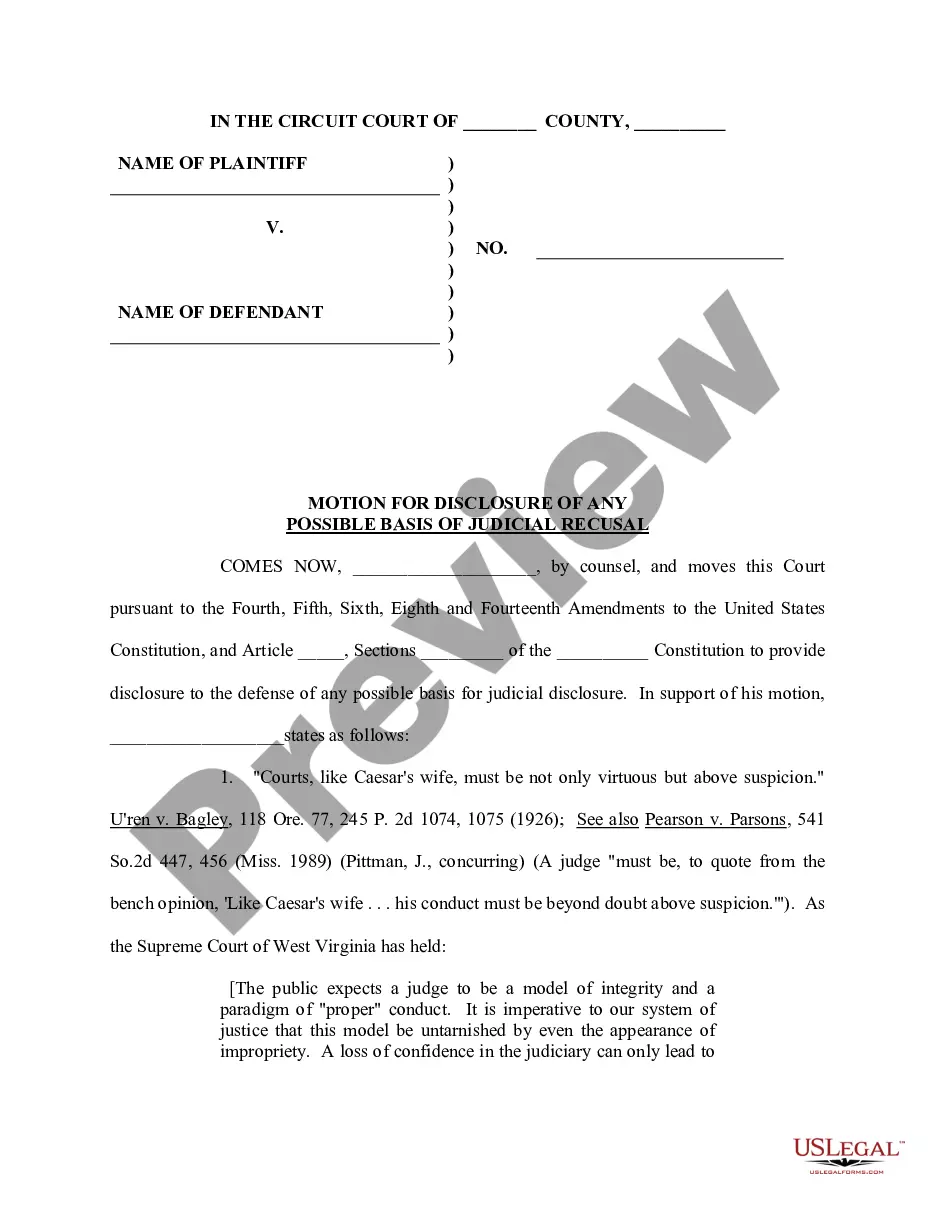
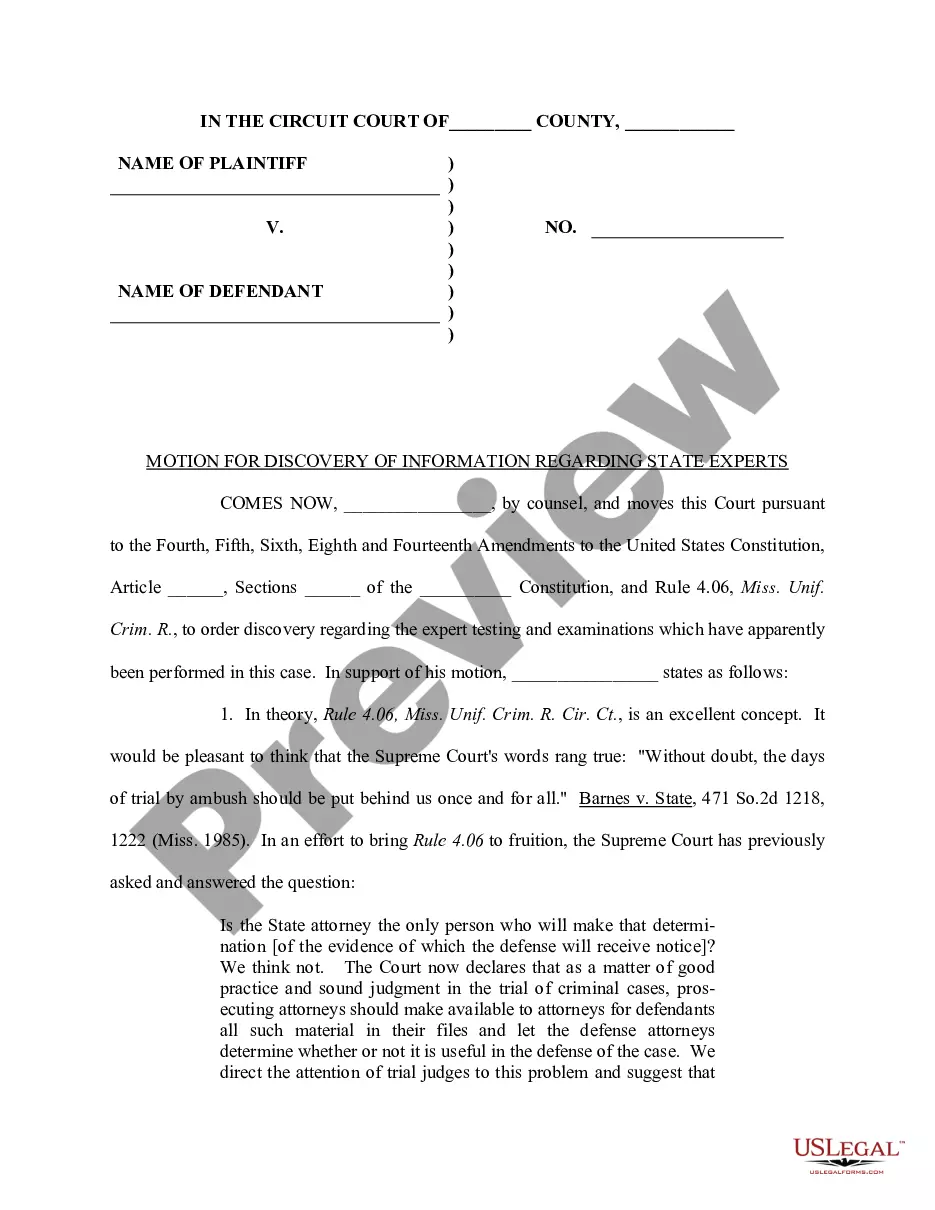
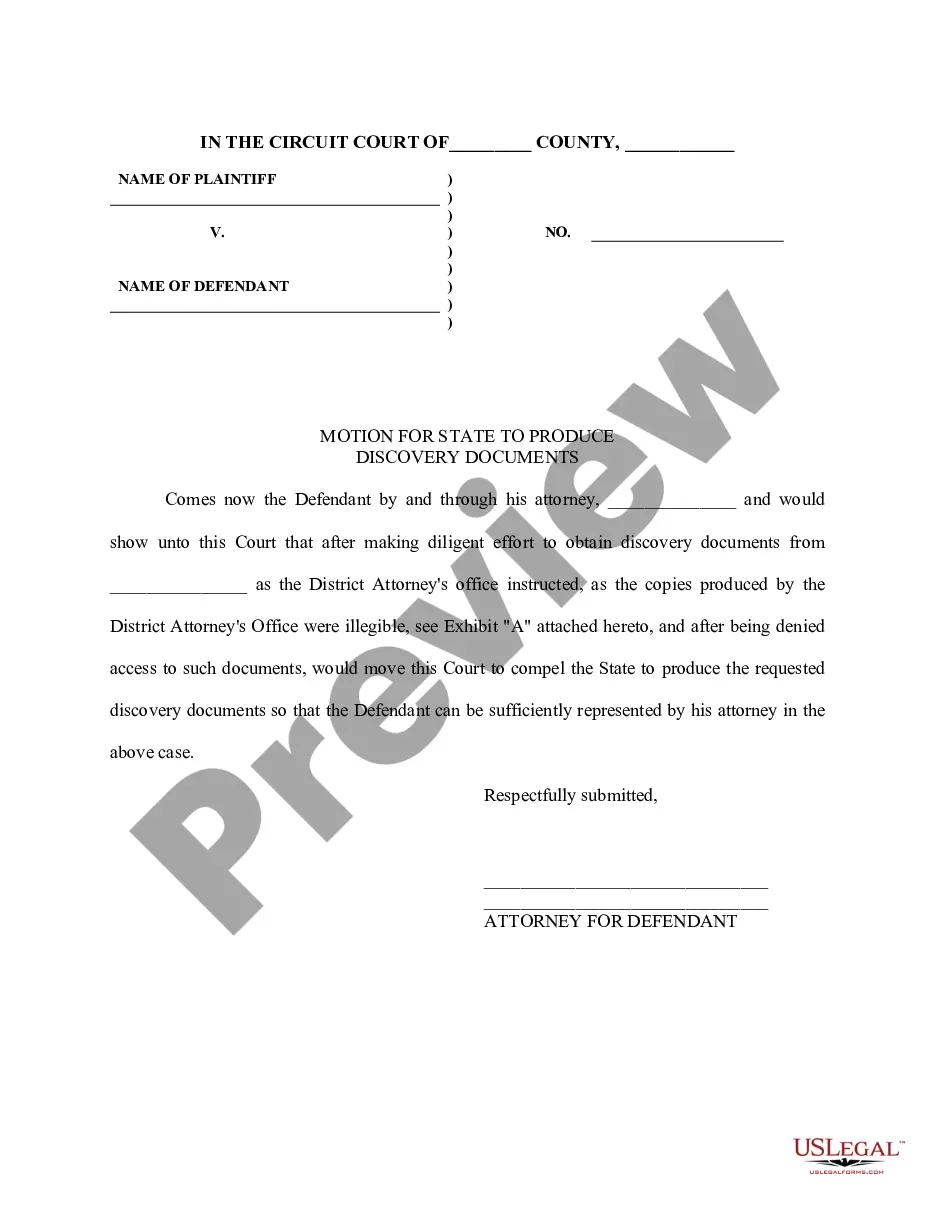
Get your form ready online
Our built-in tools help you complete, sign, share, and store your documents in one place.
Make edits, fill in missing information, and update formatting in US Legal Forms—just like you would in MS Word.
Download a copy, print it, send it by email, or mail it via USPS—whatever works best for your next step.
Sign and collect signatures with our SignNow integration. Send to multiple recipients, set reminders, and more. Go Premium to unlock E-Sign.
If this form requires notarization, complete it online through a secure video call—no need to meet a notary in person or wait for an appointment.
We protect your documents and personal data by following strict security and privacy standards.

Make edits, fill in missing information, and update formatting in US Legal Forms—just like you would in MS Word.

Download a copy, print it, send it by email, or mail it via USPS—whatever works best for your next step.

Sign and collect signatures with our SignNow integration. Send to multiple recipients, set reminders, and more. Go Premium to unlock E-Sign.

If this form requires notarization, complete it online through a secure video call—no need to meet a notary in person or wait for an appointment.

We protect your documents and personal data by following strict security and privacy standards.
Looking for another form?
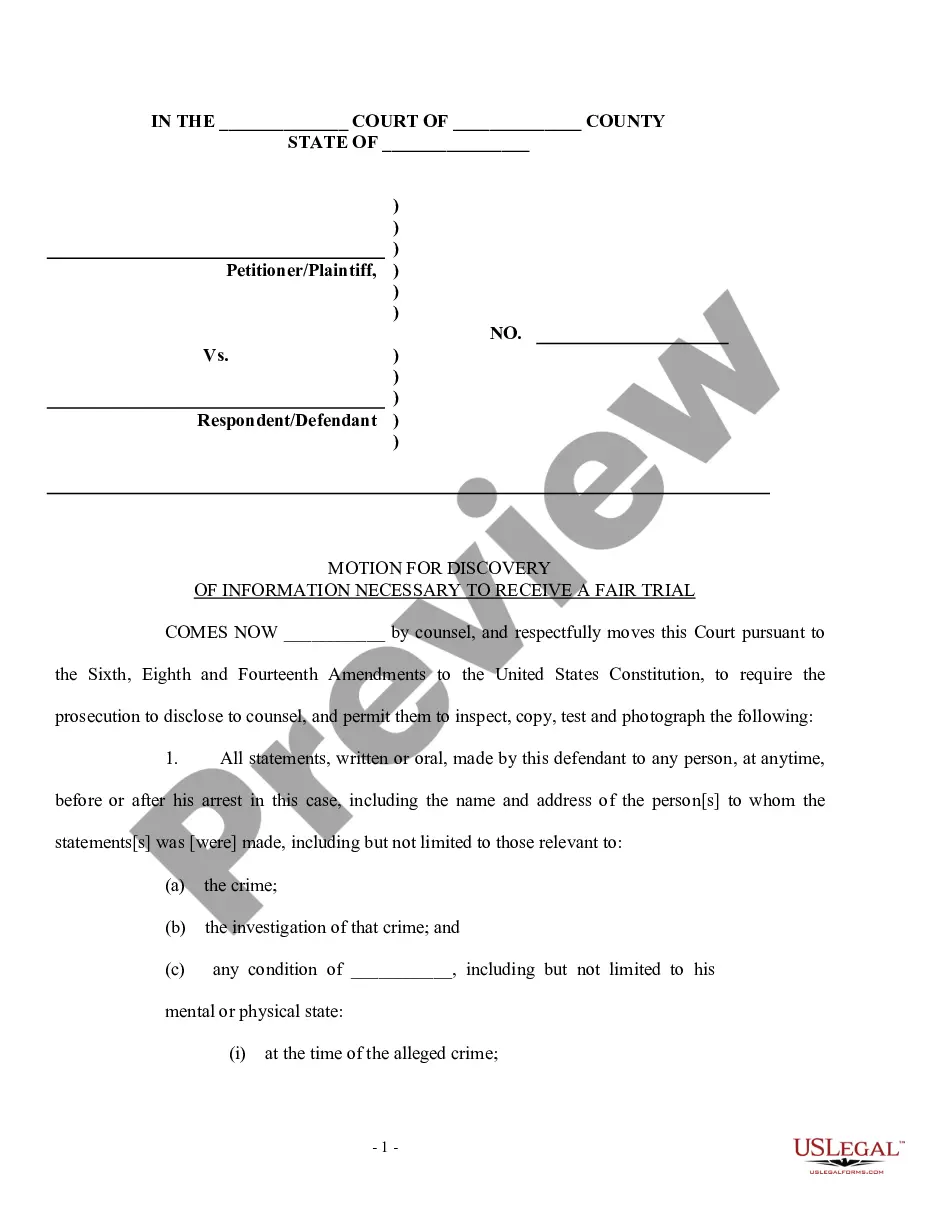
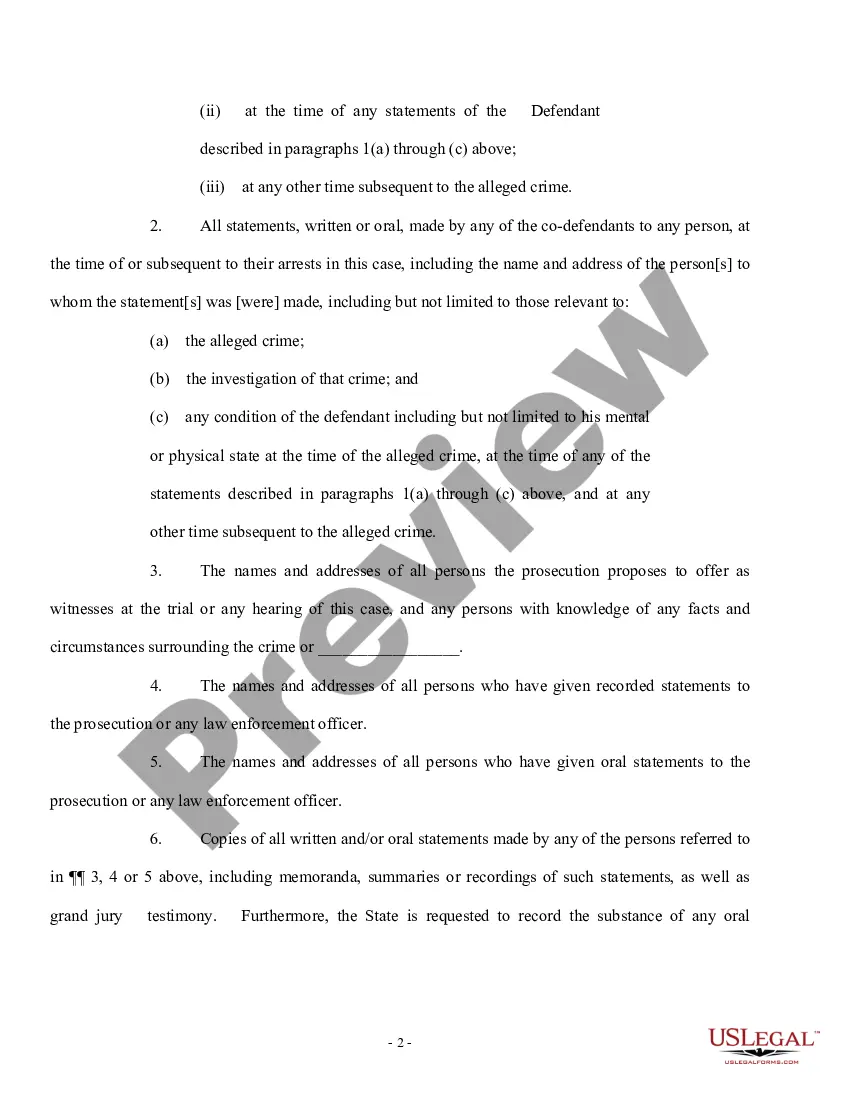
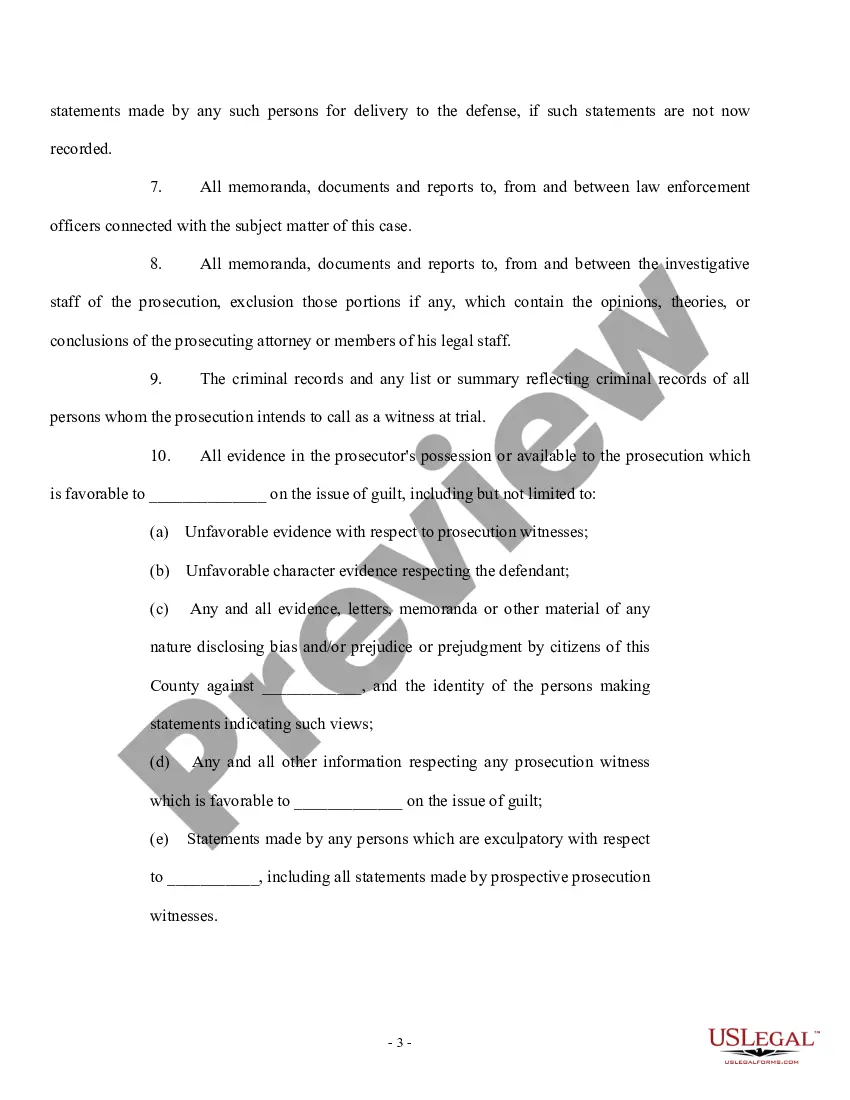
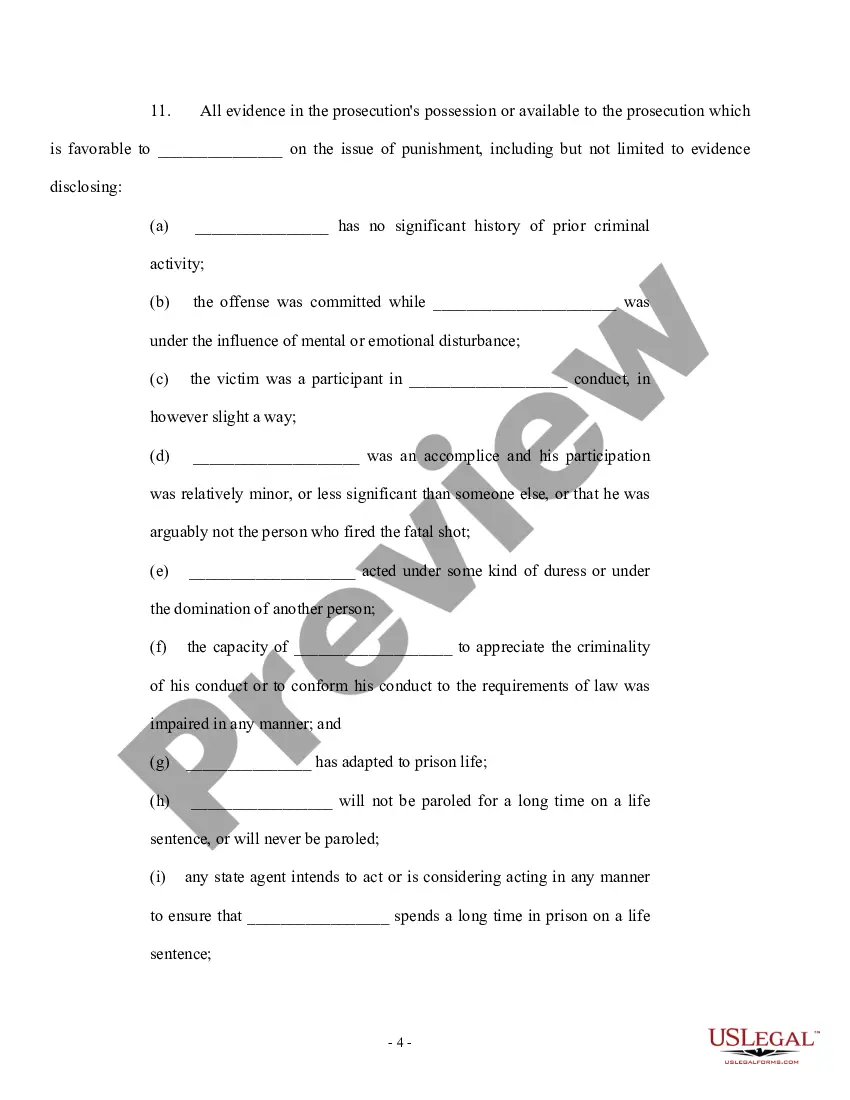
How to fill out Motion For Discovery Of Information Necessary To Receive A Fair Trial?
Utilizing legal templates that adhere to federal and state laws is crucial, and the web provides countless choices to select from.
However, why squander time looking for the suitable Discovery Information Statement Format sample online when the US Legal Forms online repository already consolidates such templates in one location.
US Legal Forms is the largest digital legal library with more than 85,000 editable templates created by lawyers for any professional and personal scenario.
Review the template using the Preview feature or through the text outline to confirm it fulfills your requirements.
- They are straightforward to navigate with all documents categorized by state and intended use.
- Our experts keep abreast of legislative updates, ensuring your documents are current and compliant when obtaining a Discovery Information Statement Format from our site.
- Acquiring a Discovery Information Statement Format is swift and simple for both existing and new users.
- If you possess an account with an active subscription, Log In and save the document sample you require in the appropriate format.
- If you are unfamiliar with our site, follow the steps below.
Form popularity
FAQ
Discovery may be carried out by directly asking a person questions (oral depositions), by sending a person written questions (interrogatories and depositions on written questions), and by requesting that the person provide documents (motions for production, subpoenas duces tecum).
Under the simplified procedure, parties present their evidence using affidavits that have been sworn or affirmed by their witnesses and transcripts from the examination for discovery. Witnesses only testify in person if they are called to be cross-examined by another party.
Discovery enables everyone involved to know the facts and information about the case. Discovery may be completed before settlement negotiations occur and certainly before a trial beings. Discovery consists of four key actions: interrogatories, requests for production, requests for admission and depositions.
Follow these steps to begin discovery in justice court: Step 1: Prepare and exchange your initial disclosures. Within thirty days after the defendant files his answer, the plaintiff and defendant must exchange: ... Step 2: File the early case conference report. ... Step 3: Ask the court to allow more discovery if you want it.
Here's what every lawyer should consider when creating a discovery plan: 1) Agree on timelines for your discovery plan. ... 2) Provide a list of custodians. ... 3) Lay out parameters for information disclosure. ... 4) Keep legal holds in mind. ... 5) Make sure preservation methods are forensically sound. ... 6) Define protective orders.