Court Records Appellate Without A Lawyer
Description
Get your form ready online
Our built-in tools help you complete, sign, share, and store your documents in one place.
Make edits, fill in missing information, and update formatting in US Legal Forms—just like you would in MS Word.
Download a copy, print it, send it by email, or mail it via USPS—whatever works best for your next step.
Sign and collect signatures with our SignNow integration. Send to multiple recipients, set reminders, and more. Go Premium to unlock E-Sign.
If this form requires notarization, complete it online through a secure video call—no need to meet a notary in person or wait for an appointment.
We protect your documents and personal data by following strict security and privacy standards.

Make edits, fill in missing information, and update formatting in US Legal Forms—just like you would in MS Word.

Download a copy, print it, send it by email, or mail it via USPS—whatever works best for your next step.

Sign and collect signatures with our SignNow integration. Send to multiple recipients, set reminders, and more. Go Premium to unlock E-Sign.

If this form requires notarization, complete it online through a secure video call—no need to meet a notary in person or wait for an appointment.

We protect your documents and personal data by following strict security and privacy standards.
Looking for another form?







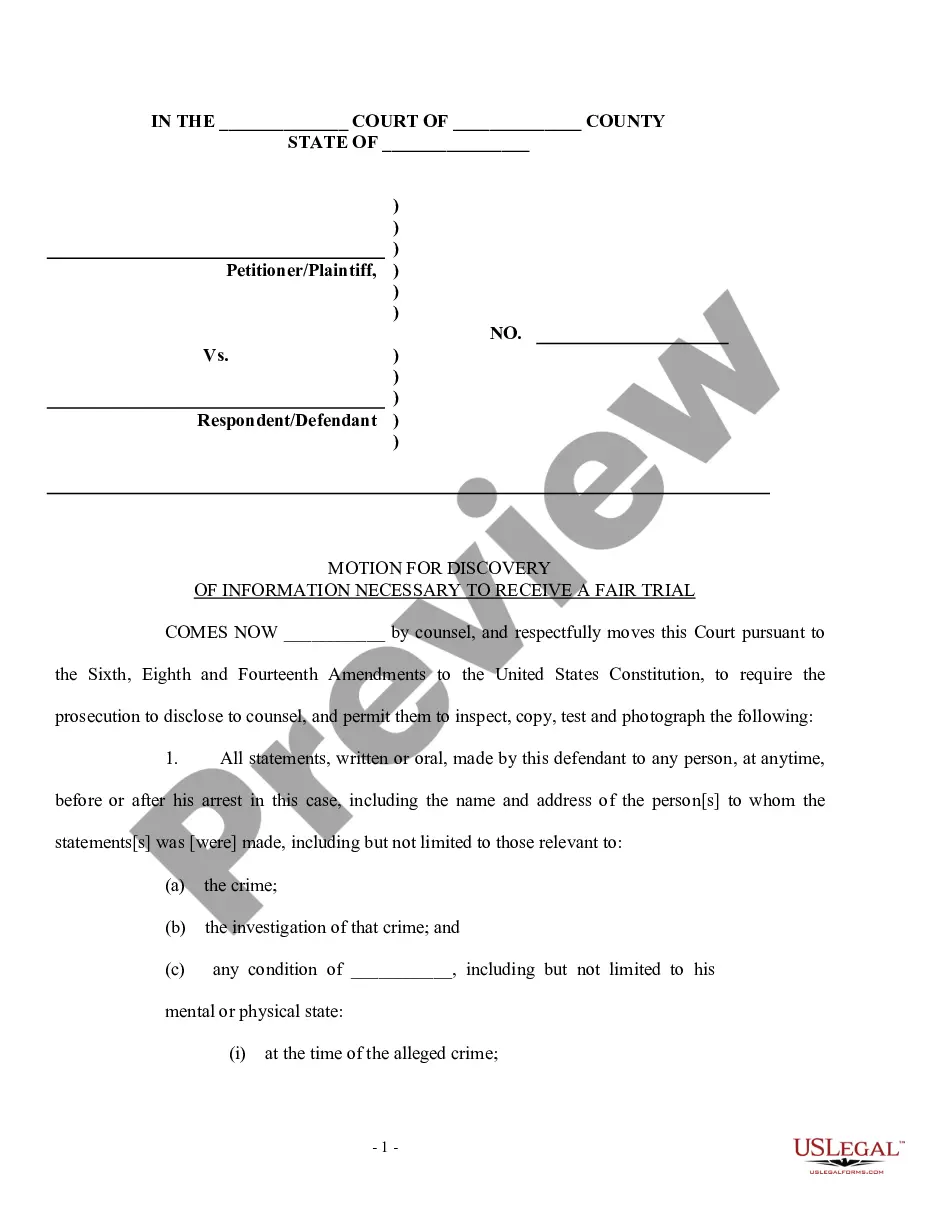
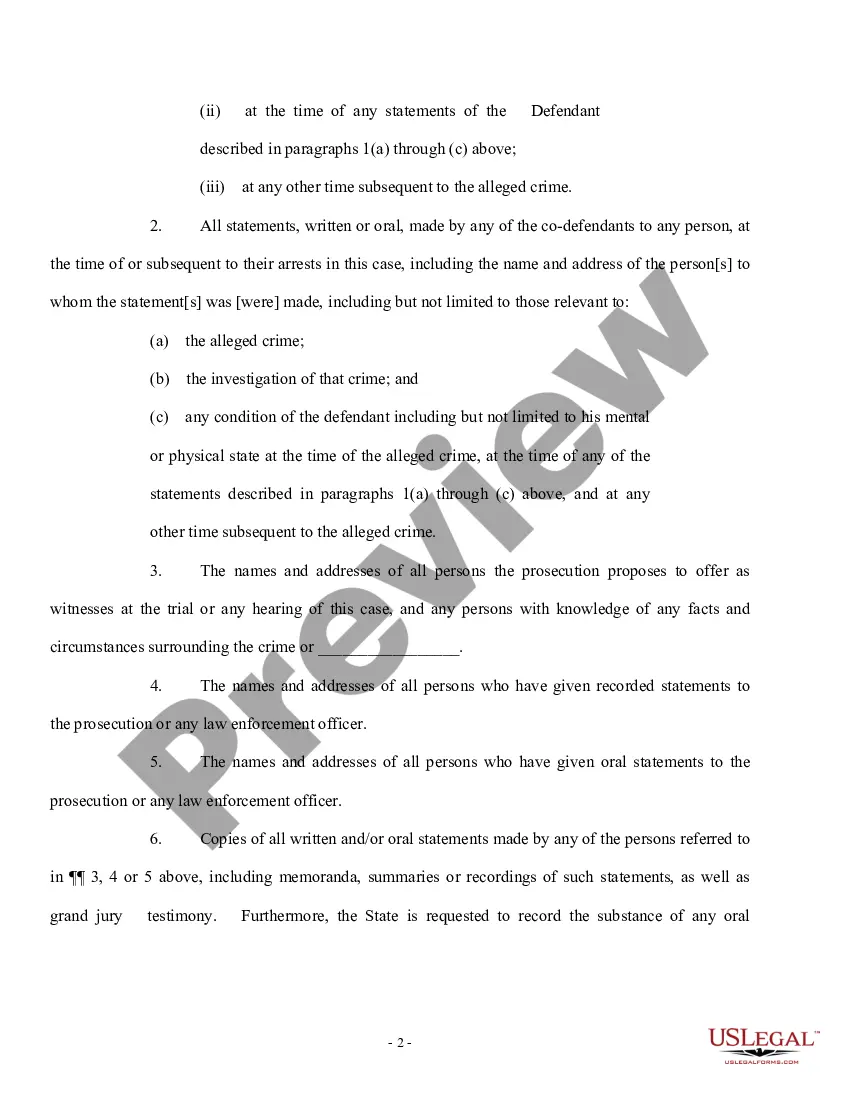
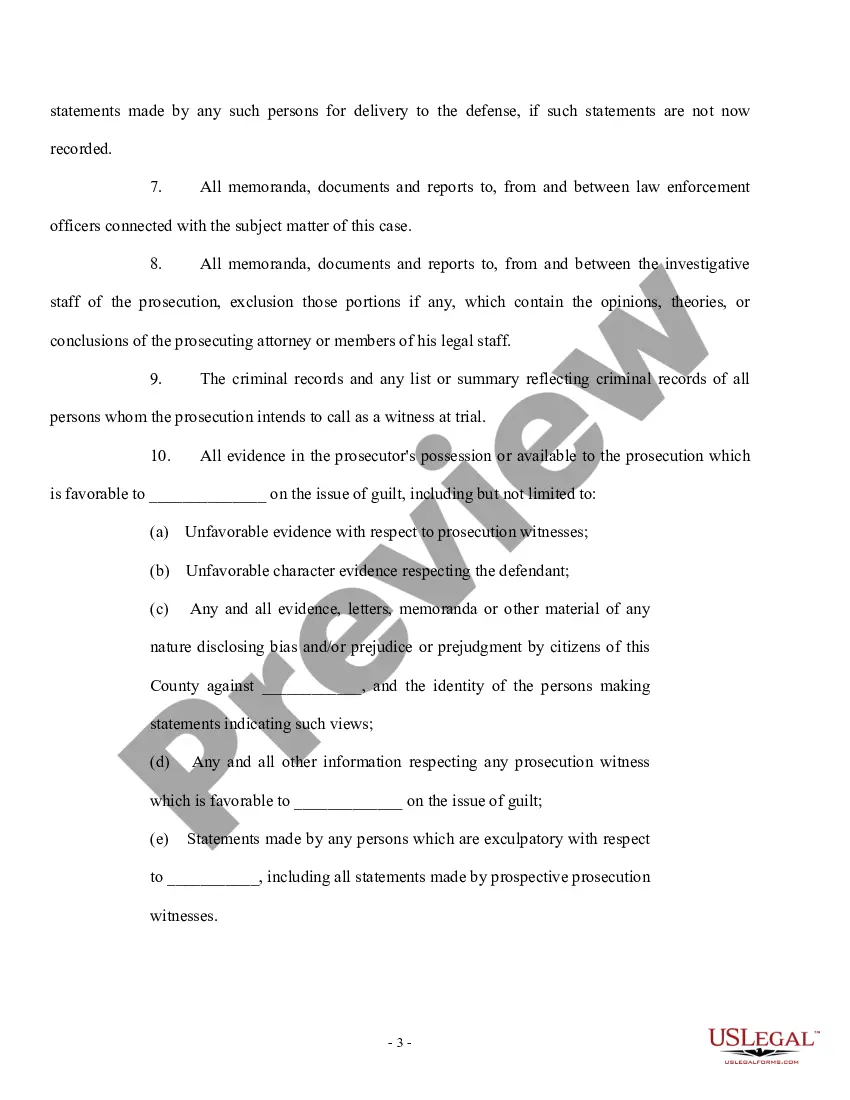
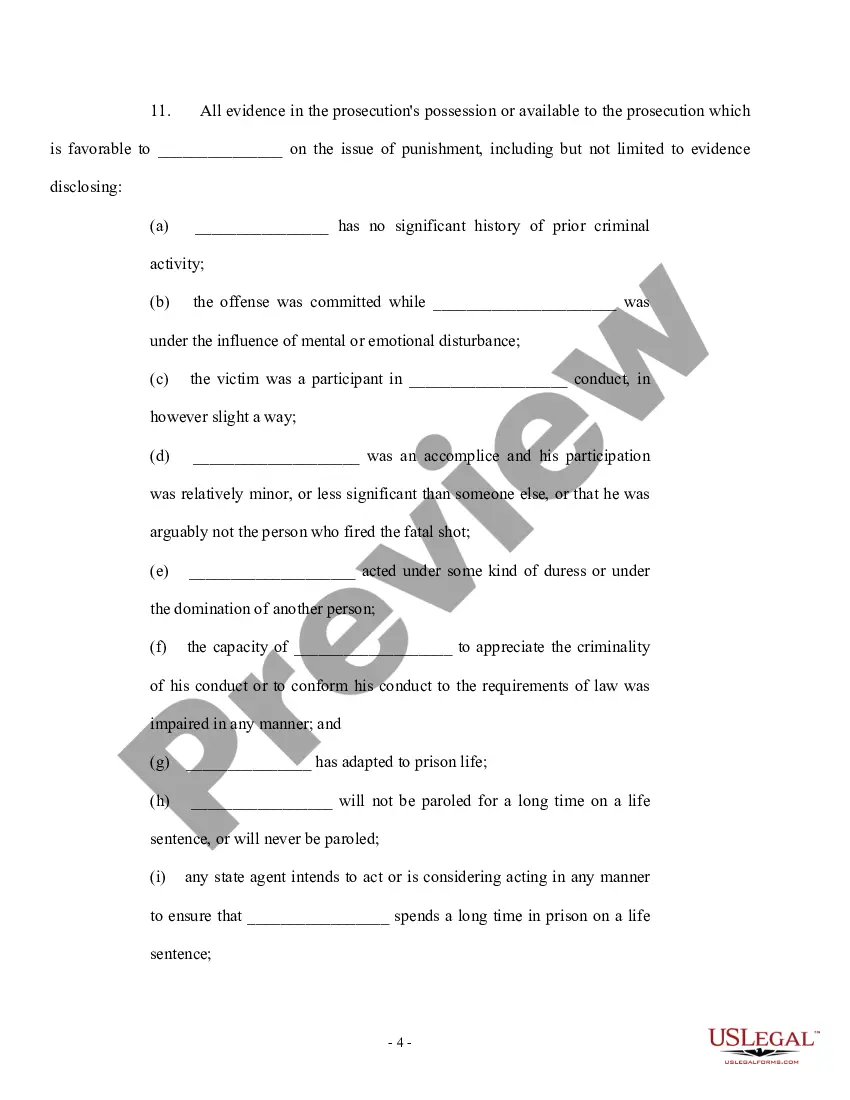
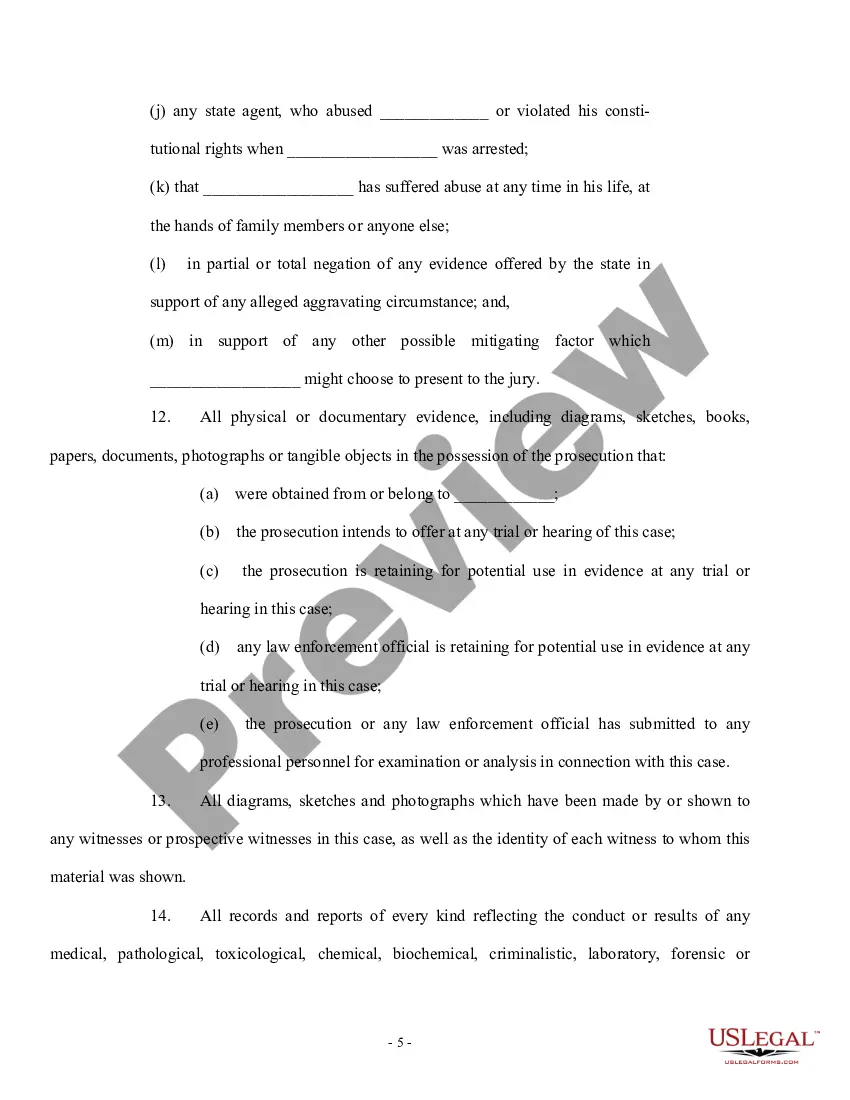
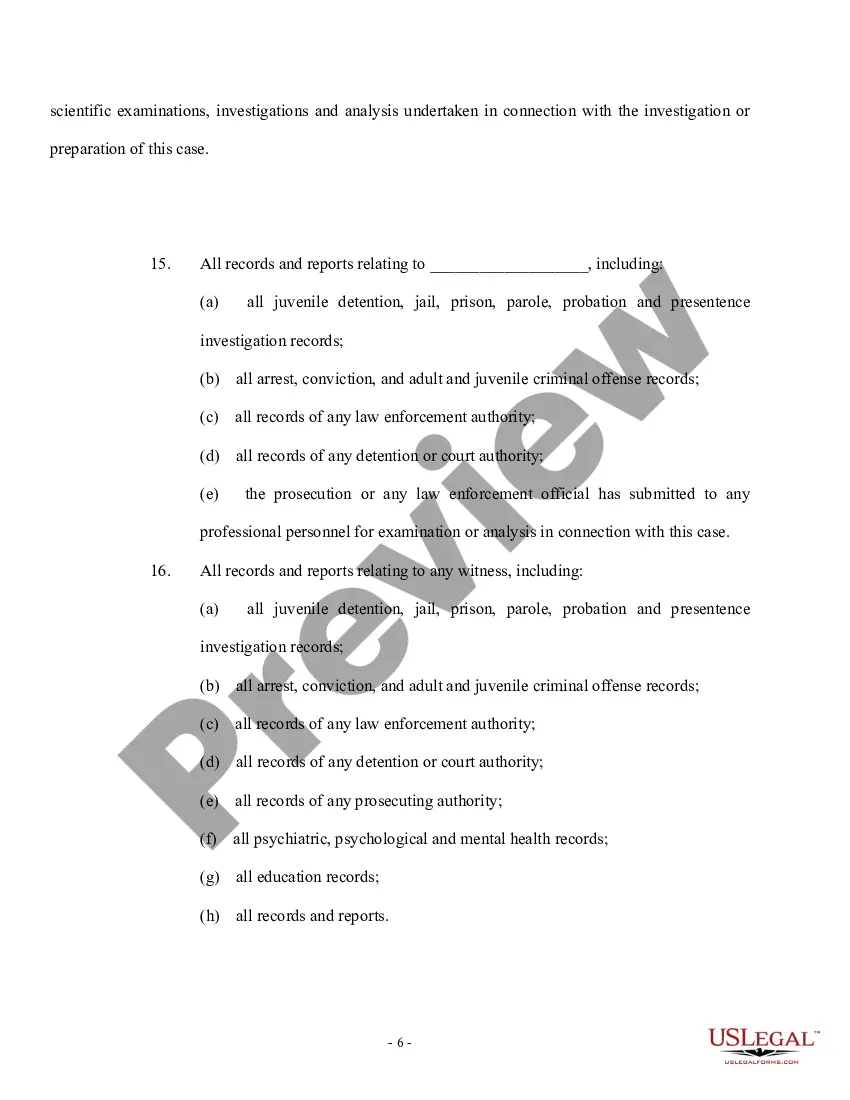
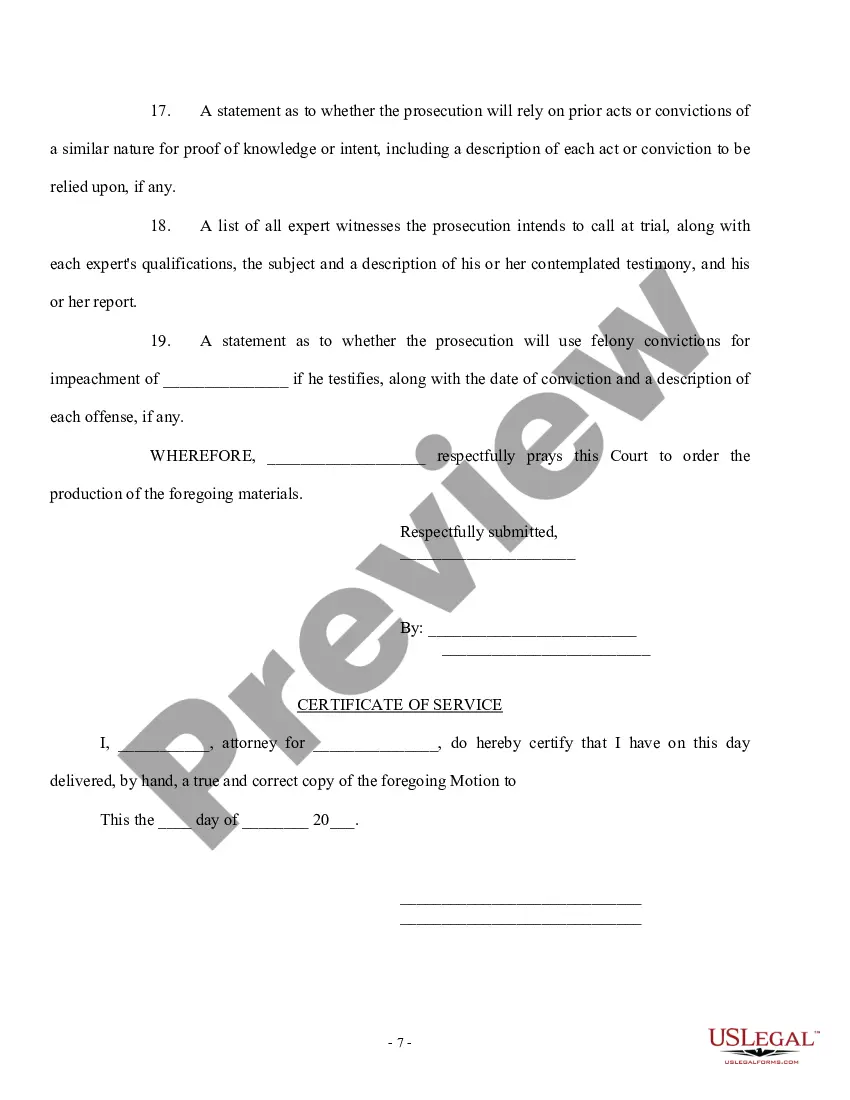
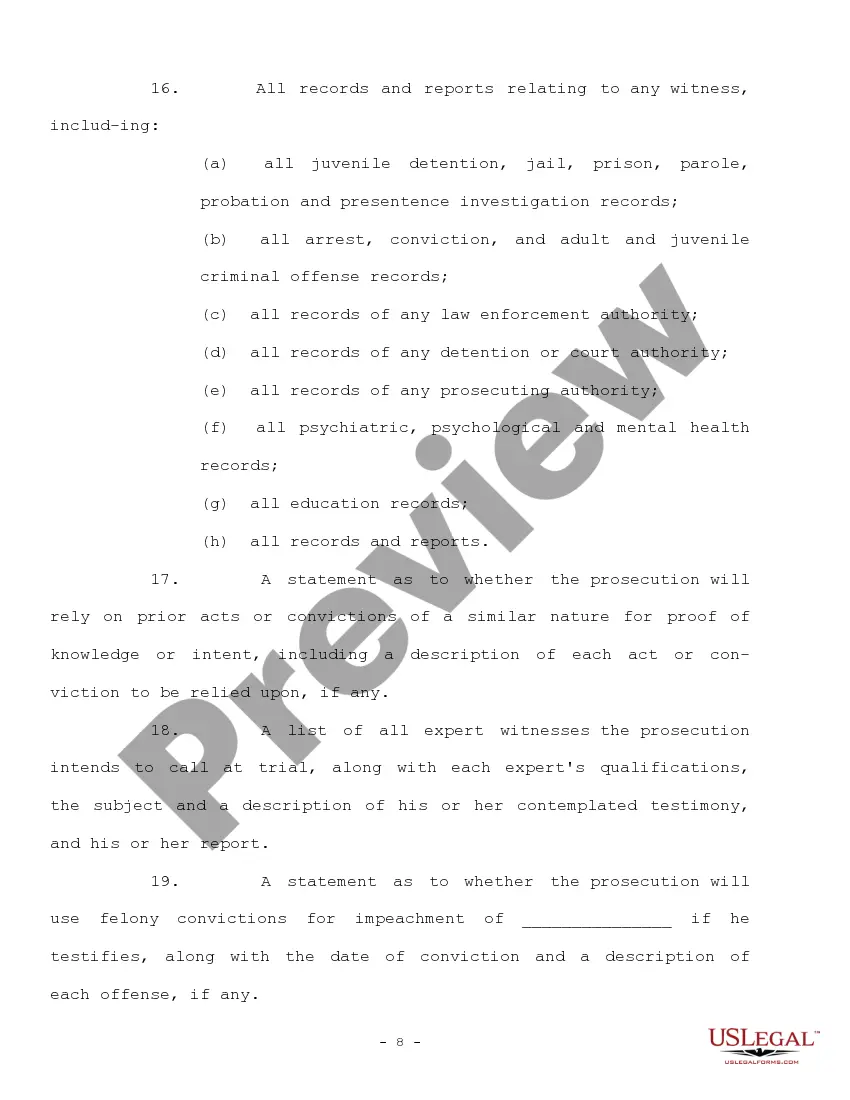
How to fill out Motion For Discovery Of Information Necessary To Receive A Fair Trial?
It’s common knowledge that you cannot transform into a legal expert in an instant, nor can you swiftly master how to compile Court Records Appellate Without A Lawyer without possessing a distinct set of expertise.
Assembling legal documentation is a labor-intensive endeavor necessitating specific education and capabilities. Therefore, why not entrust the development of the Court Records Appellate Without A Lawyer to those with expertise.
With US Legal Forms, one of the most extensive legal document collections available, you can discover everything from court forms to templates for internal business communication. We recognize the significance of compliance with both federal and state regulations. This is why all documents on our platform are region-specific and current.
Select Buy now. After the payment process is finalized, you can download the Court Records Appellate Without A Lawyer, complete it, print it out, and send or deliver it to the specified recipients or organizations.
You can access your documents anytime from the My documents section. If you are a current customer, just Log In to locate and download the template from the same section. No matter the reason for your forms—whether they are financial, legal, or personal—our site is here to assist you. Experience US Legal Forms today!
- Begin by visiting our site and acquiring the form you need in just a few moments.
- Search for the document required using the search functionality at the top of the page.
- Preview it (if this choice is offered) and examine the accompanying description to determine if Court Records Appellate Without A Lawyer is what you're looking for.
- Restart your search if you're in need of a different template.
- Create a free account and choose a subscription plan to buy the form.
Form popularity
FAQ
How to file notice of appeal Fill out notice and make copies. Fill out: ... Serve your notice. Serve the other side (the respondent) with a copy of your Notice of Appeal. ... File Notice and Proof of Service. File the original of your Notice of Appeal and Proof of Service.
The California Constitution generally requires appellate courts to decide a case in a written opinion setting forth the facts and rules of law upon which the decision is made.
Also, certain kinds of cases go directly to the Supreme Court and are not heard first in a Court of Appeal, such as: Death penalty appeals, and. Disciplinary cases involving judges.
The appellate courts do not retry cases or hear new evidence. They do not hear witnesses testify. There is no jury. Appellate courts review the procedures and the decisions in the trial court to make sure that the proceedings were fair and that the proper law was applied correctly.
The Courts of Appeal cannot review death penalty cases. In each Court of Appeal, a panel of three judges, called "justices," decides appeals from Superior Courts.