Prosecution Exclude Without Evidence
Description
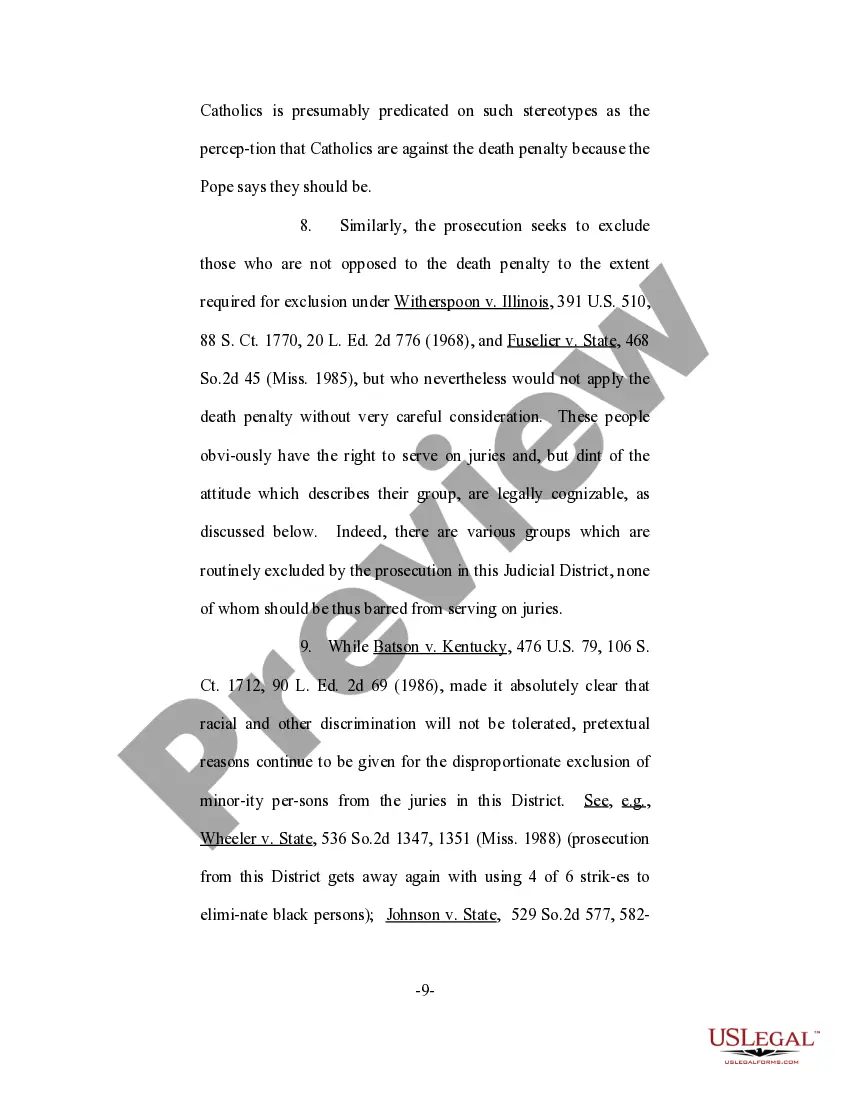
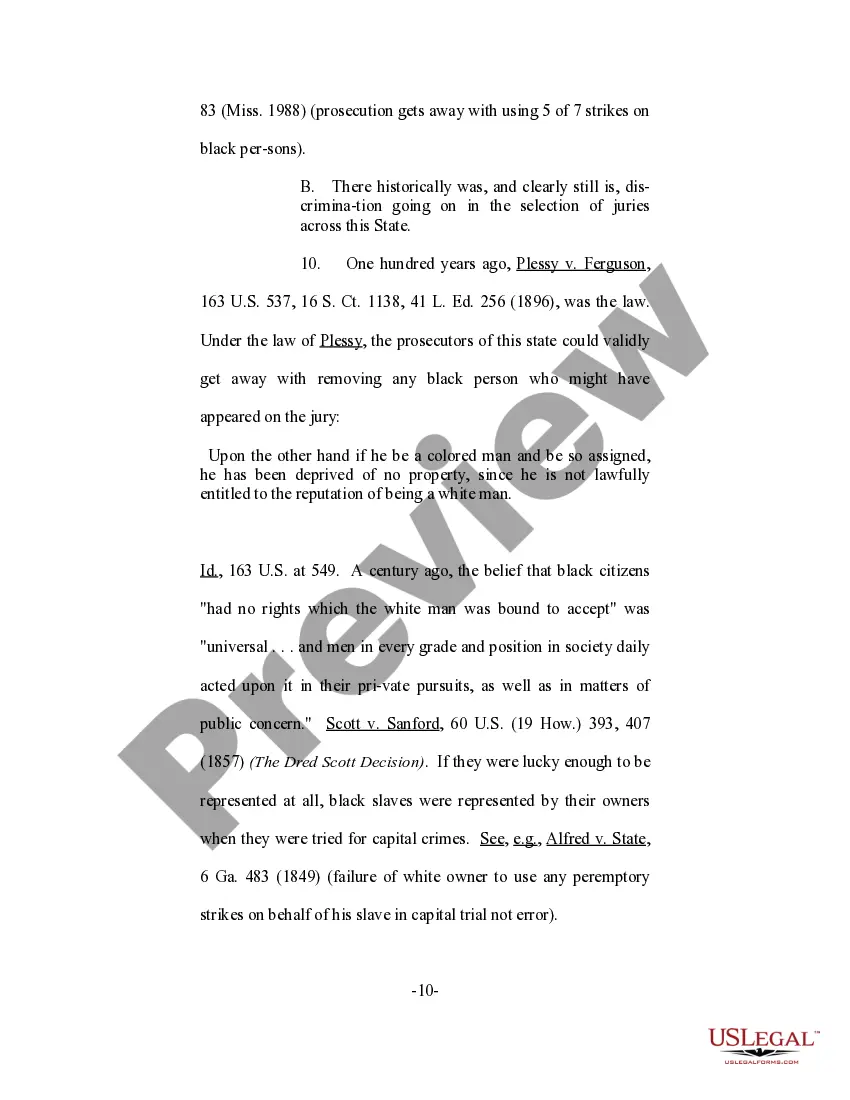

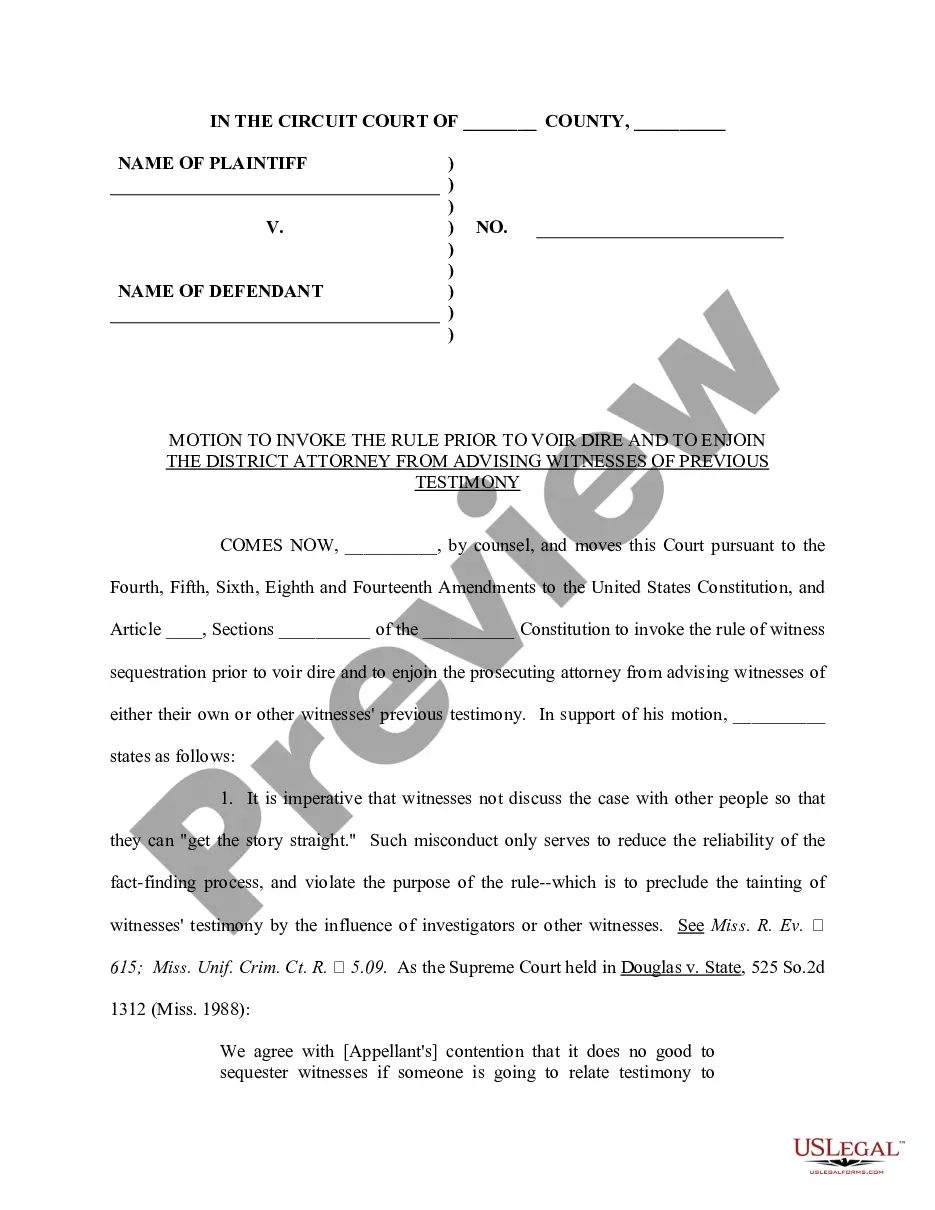
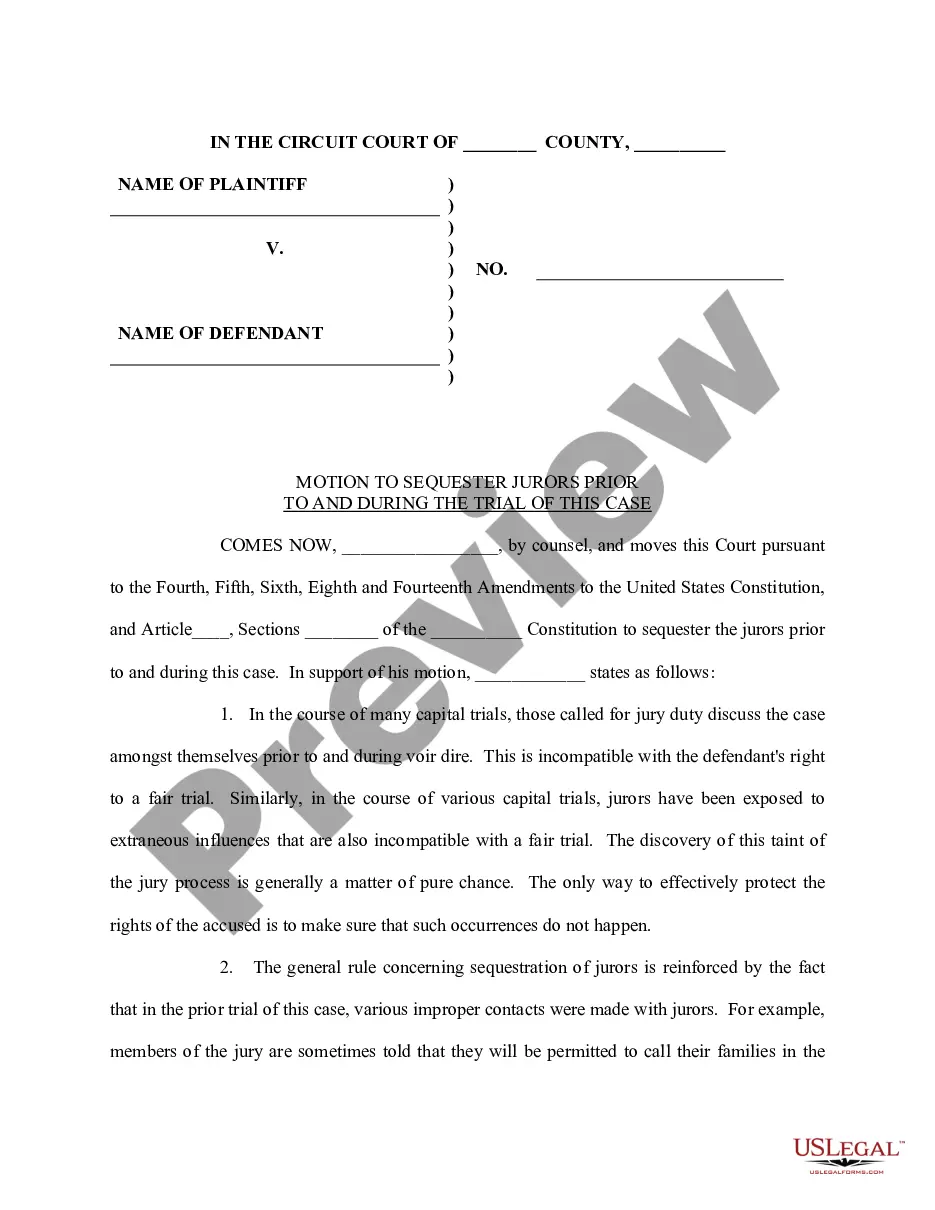
Get your form ready online
Our built-in tools help you complete, sign, share, and store your documents in one place.
Make edits, fill in missing information, and update formatting in US Legal Forms—just like you would in MS Word.
Download a copy, print it, send it by email, or mail it via USPS—whatever works best for your next step.
Sign and collect signatures with our SignNow integration. Send to multiple recipients, set reminders, and more. Go Premium to unlock E-Sign.
If this form requires notarization, complete it online through a secure video call—no need to meet a notary in person or wait for an appointment.
We protect your documents and personal data by following strict security and privacy standards.

Make edits, fill in missing information, and update formatting in US Legal Forms—just like you would in MS Word.

Download a copy, print it, send it by email, or mail it via USPS—whatever works best for your next step.

Sign and collect signatures with our SignNow integration. Send to multiple recipients, set reminders, and more. Go Premium to unlock E-Sign.

If this form requires notarization, complete it online through a secure video call—no need to meet a notary in person or wait for an appointment.

We protect your documents and personal data by following strict security and privacy standards.
Looking for another form?

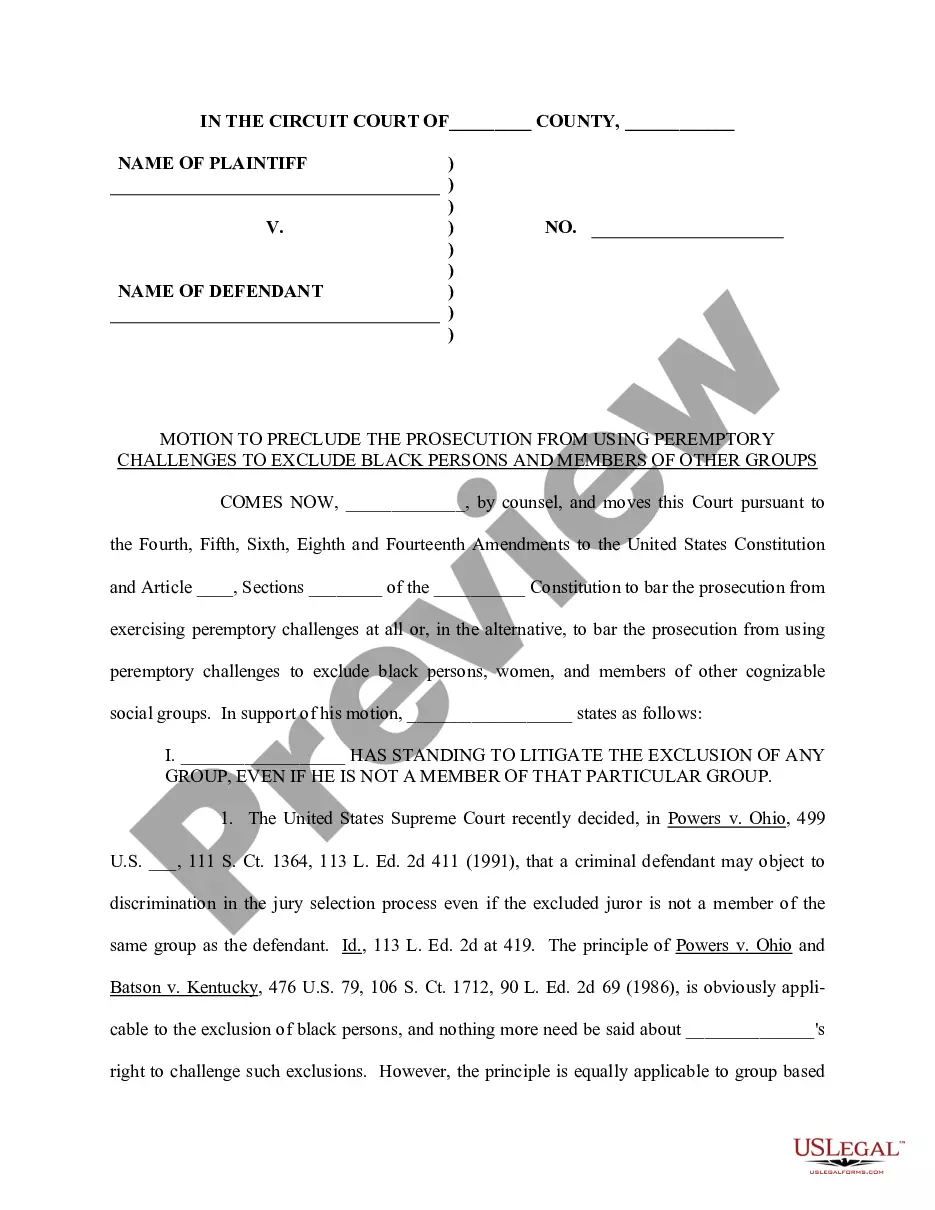
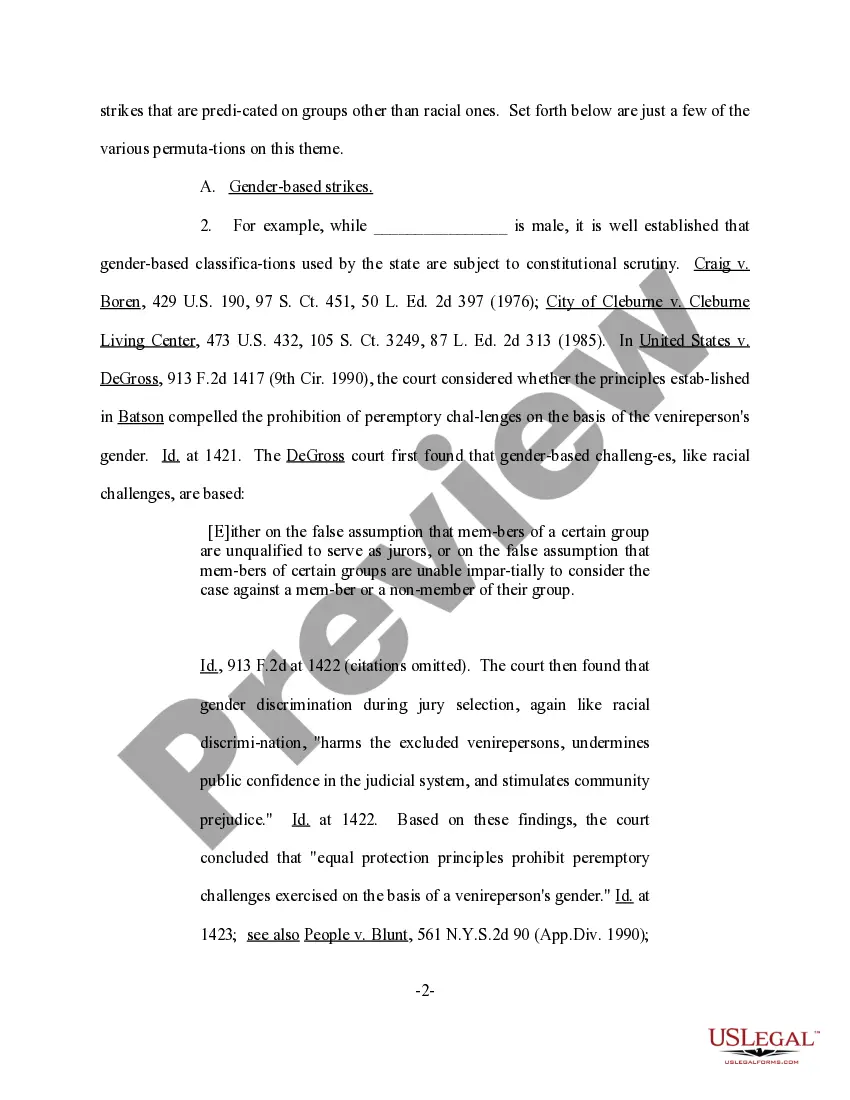
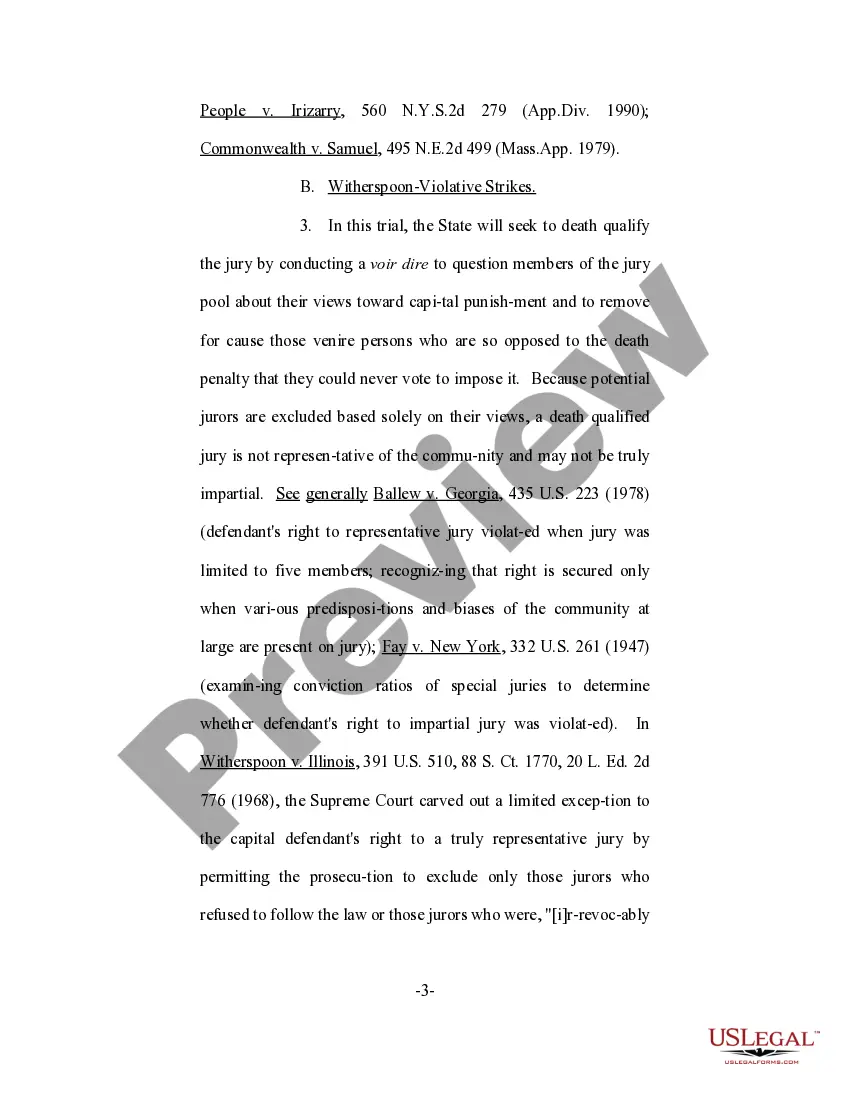
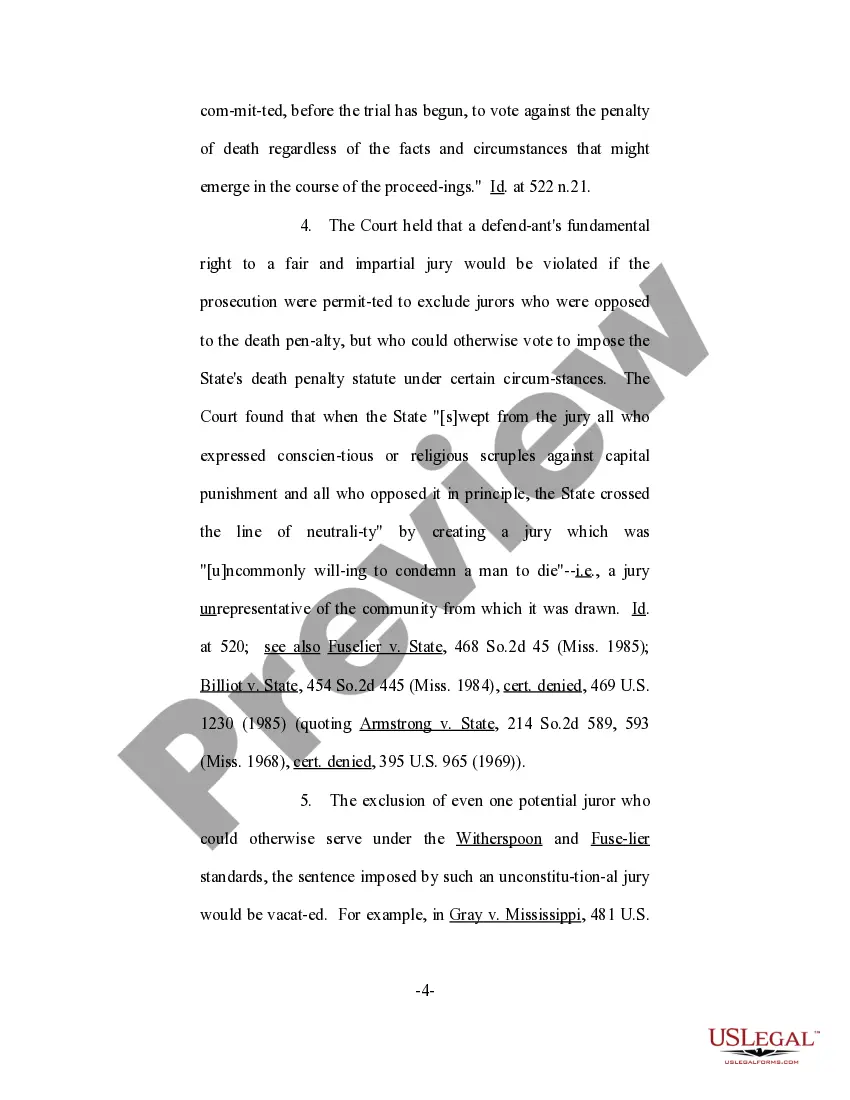
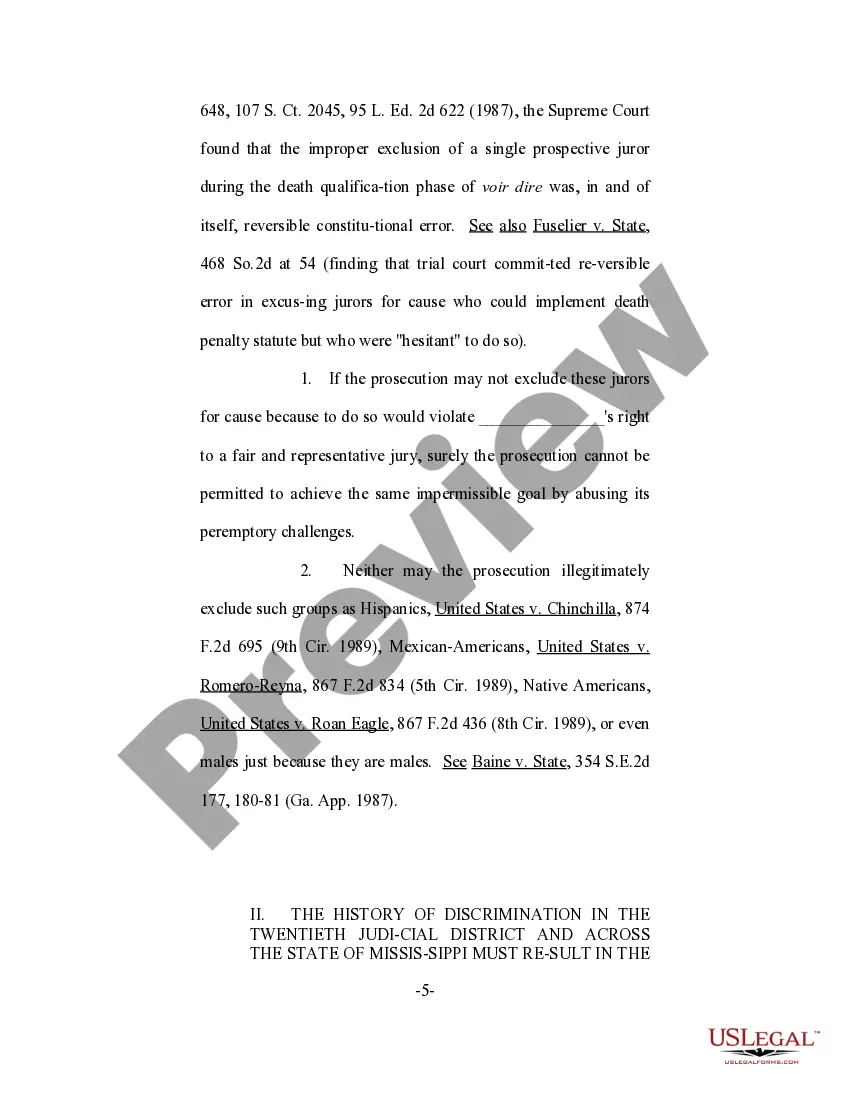
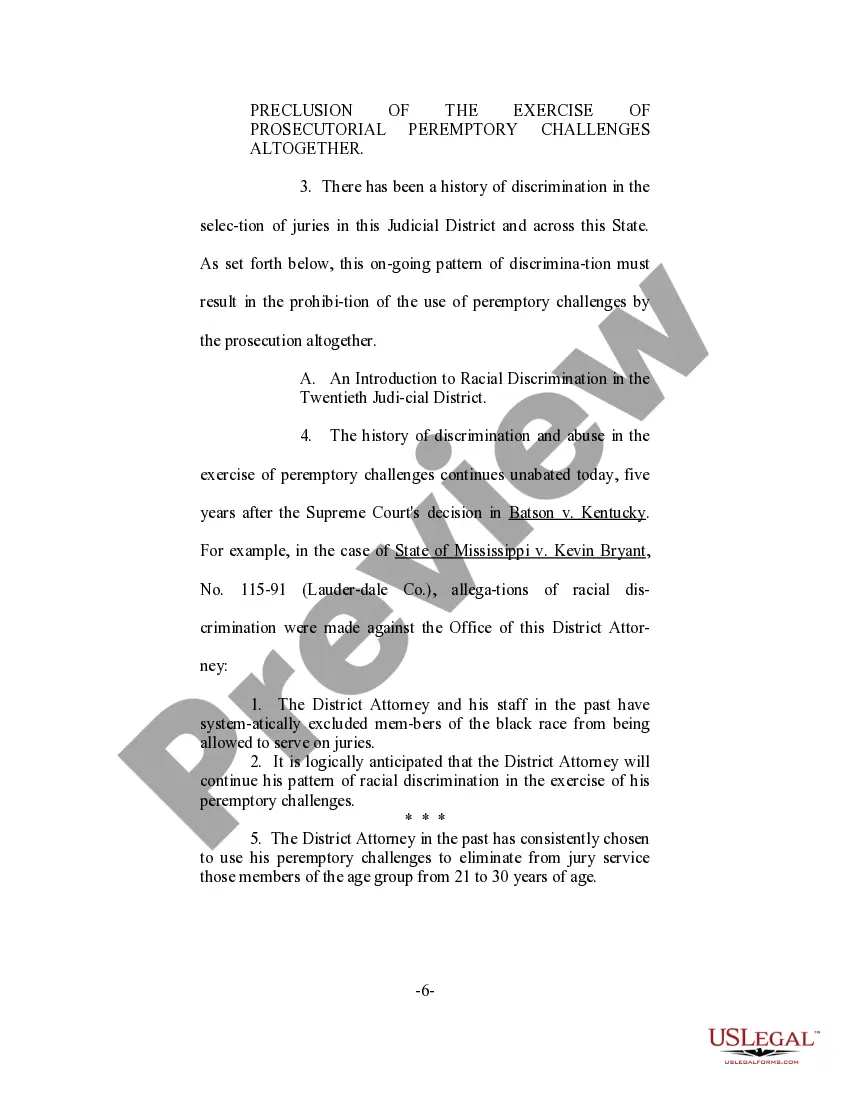
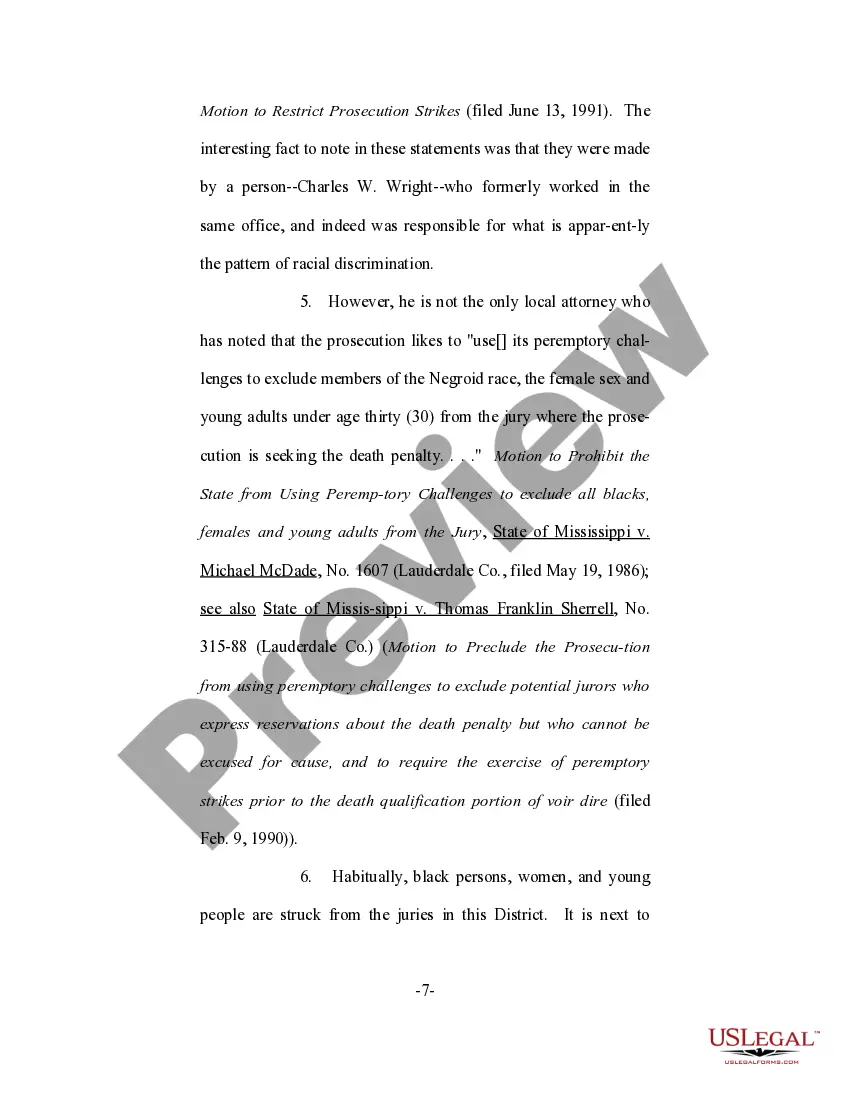
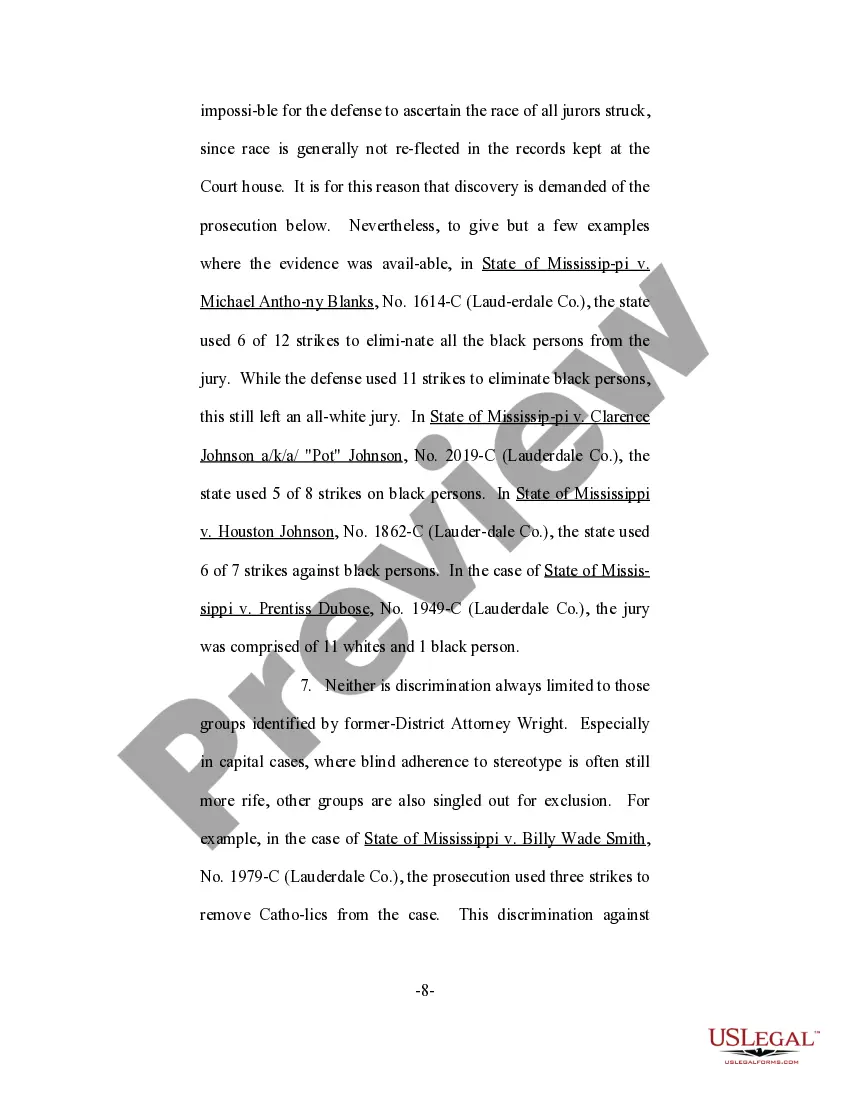
How to fill out Motion To Preclude The Prosecution From Using Peremptory Challenges To Exclude Black Persons And Members Of Other Groups?
Employing legal document examples that adhere to federal and state regulations is essential, and the web presents many choices to select from.
However, what’s the benefit of squandering time searching for the right Prosecution Exclude Without Evidence template online when the US Legal Forms digital library has such documents compiled in one location.
US Legal Forms is the most extensive online legal repository with over 85,000 editable templates formulated by attorneys for all professional and personal scenarios. They are easy to navigate with all documents categorized by state and intended use.
Explore another example using the search bar at the top of the webpage if necessary. Click Buy Now once you have found the appropriate document and select a subscription option. Create an account or Log In and proceed with payment via PayPal or a credit card. Choose the suitable format for your Prosecution Exclude Without Evidence and download it. All documents you find through US Legal Forms are reusable. To re-download and complete previously acquired forms, access the My documents section in your account. Take advantage of the most comprehensive and user-friendly legal documentation service!
- Our experts keep abreast of legislative updates, ensuring your documents are current and compliant when obtaining a Prosecution Exclude Without Evidence from our platform.
- Acquiring a Prosecution Exclude Without Evidence is straightforward and quick for both existing and new clientele.
- If you already possess an account with an active subscription, sign in and download the document example you require in your chosen format.
- If you are a newcomer to our site, follow the steps listed below.
- Examine the template using the Preview feature or the textual description to confirm it fulfills your requirements.
Form popularity
FAQ
One of the most common reasons for evidence to be excluded from trial is the violation of legal procedures during its collection. If evidence is obtained unlawfully, it may not be admissible in court. This principle helps prevent the prosecution from excluding cases without strong evidence. Understanding how these rules apply can help you prepare better for any legal situation.
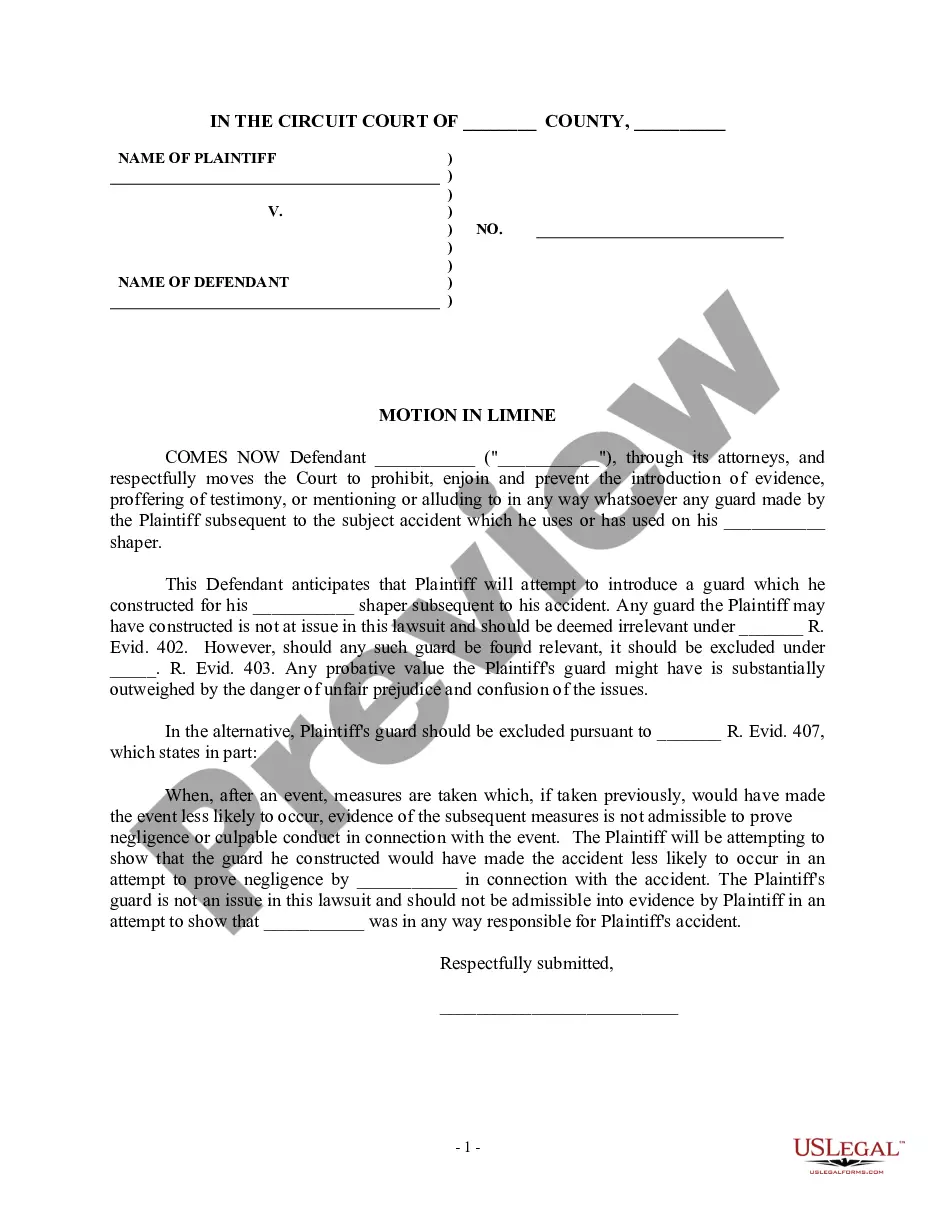
Typically, in a motion in limine (Latin for "at the start" or "on the threshold"), a party seeks to exclude prejudicial or irrelevant evidence from a jury trial. However, a party also may use a motion in limine to obtain an advance ruling on whether the court will admit specified evidence at trial.
Relevant evidence may be excluded if its probative value is substantially outweighed by the risk of unfair prejudice, confusion of the issues, misleading the jury, or if it would result in undue delay, waste of time, or a needlessly cumulative presentation of evidence.
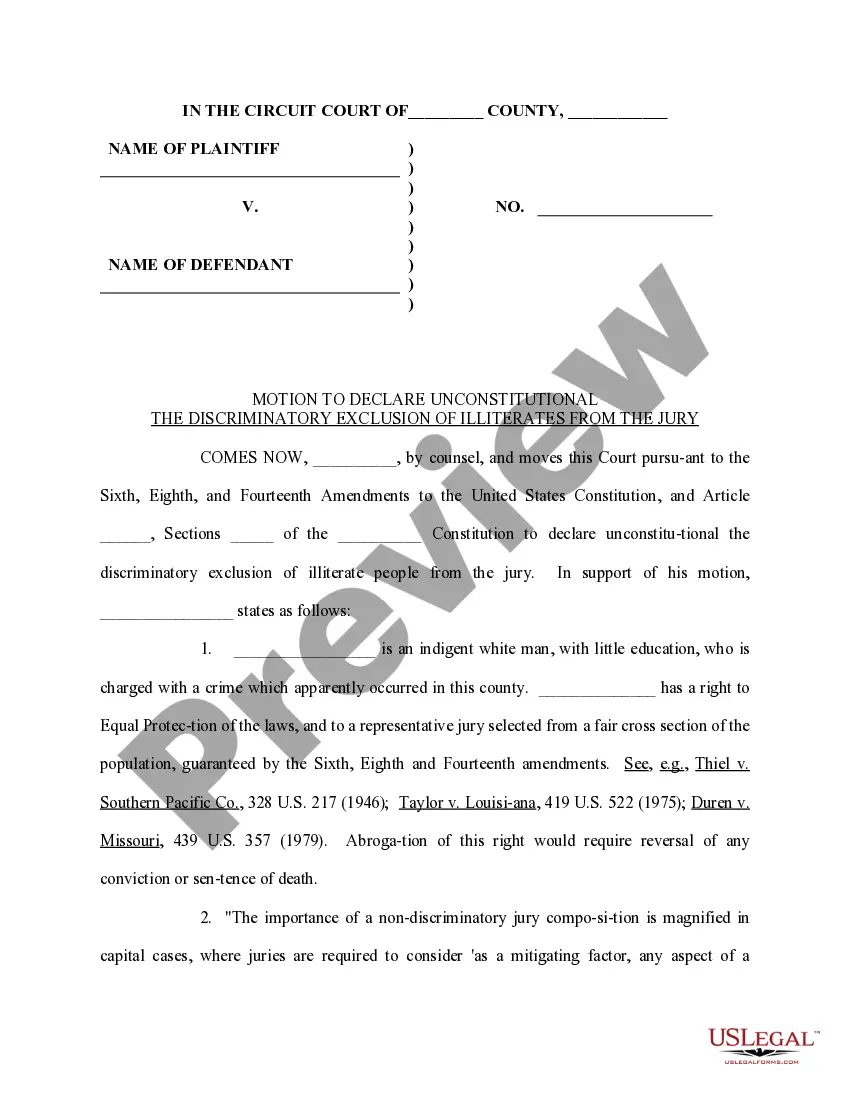
A Motion to Exclude or Suppress Evidence (often simplified as ?Motion to Suppress?) is a pre-trial motion requesting that the courts exclude one or more pieces of evidence from the upcoming trial. Under the law, only evidence that is pertinent to your case and legally obtained may be presented at your trial.
A motion to exclude evidence, or a motion to suppress, is a way to effect this rule. In this motion, a defendant requests that the court exclude certain evidence from a trial. It is a pretrial motion, heard and decided by a judge.
If the evidence is inadmissible as a matter of law, it must be excluded; the judge has no discretion not to do so. If the evidence is admissible as a matter of law, the party may seek to adduce it at the trial; but this does not mean that the court must admit the evidence.