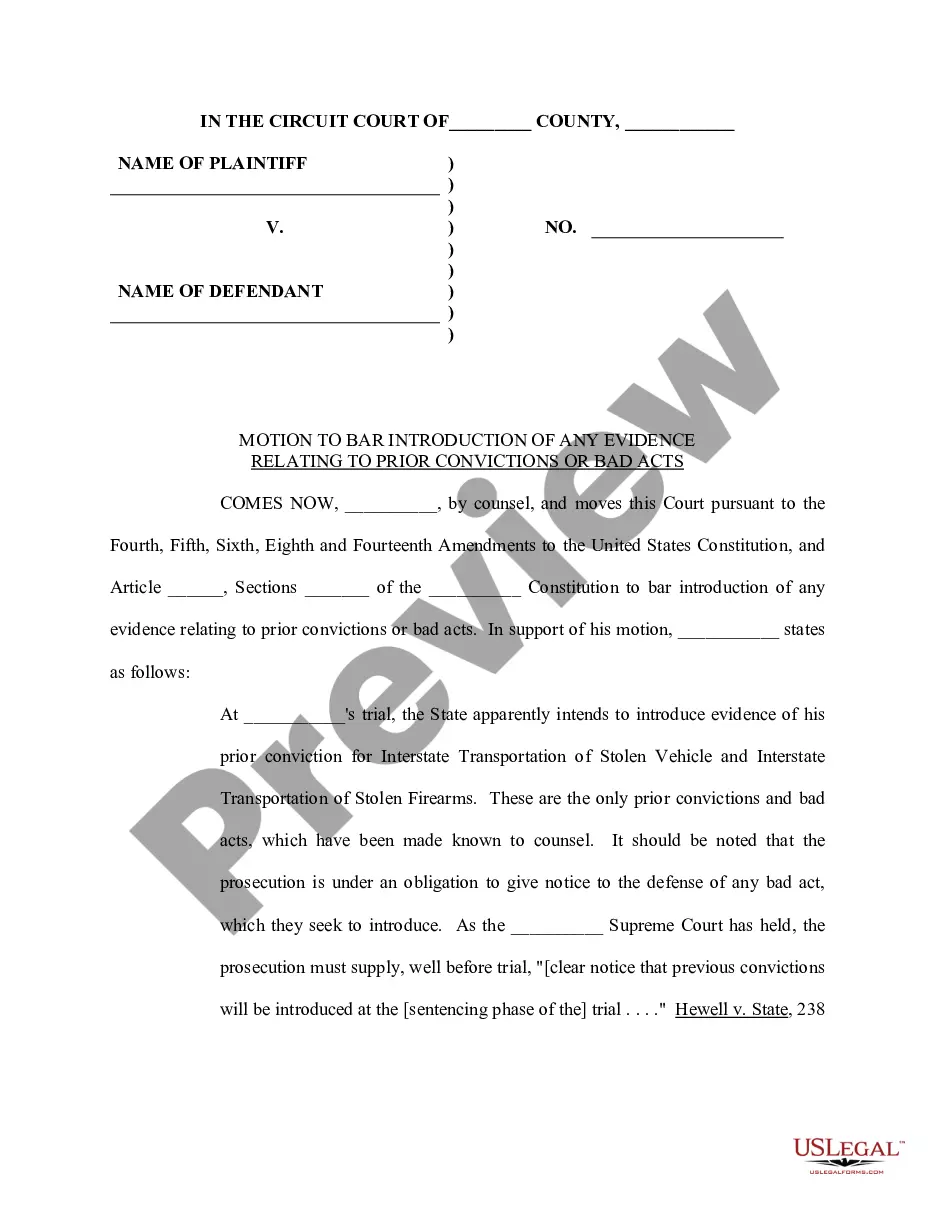
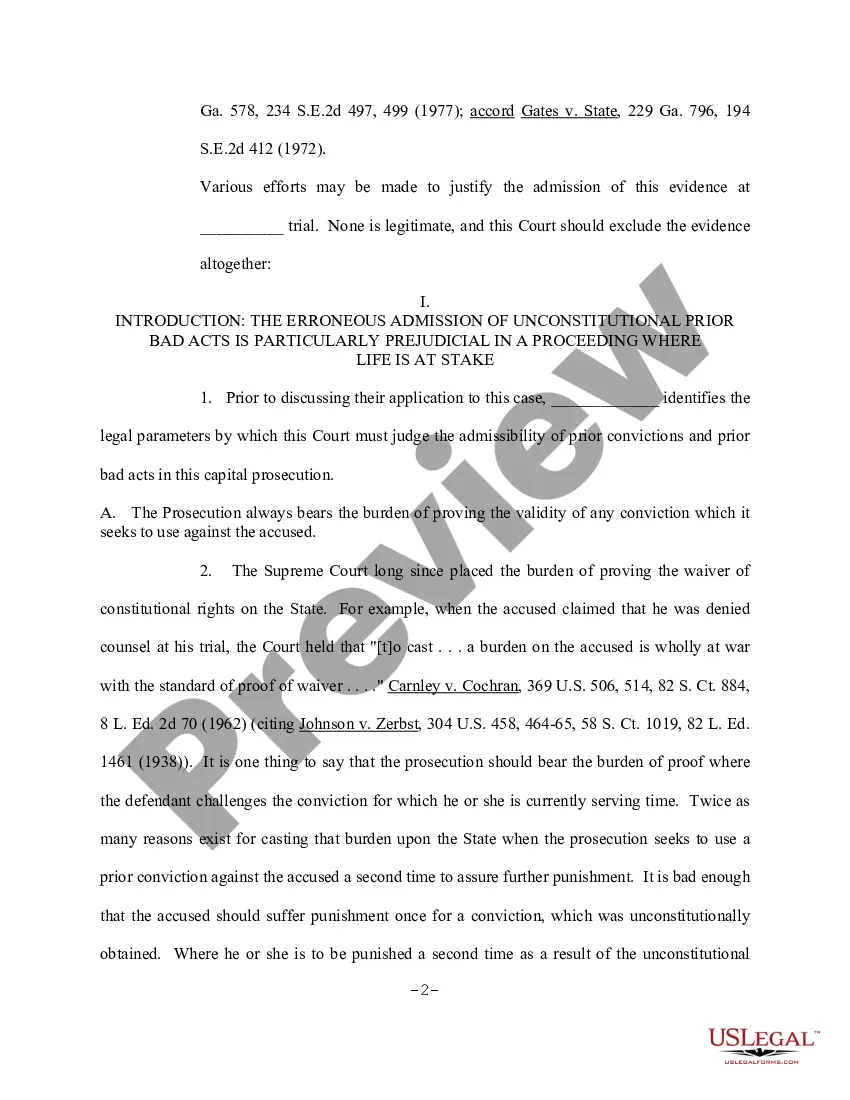
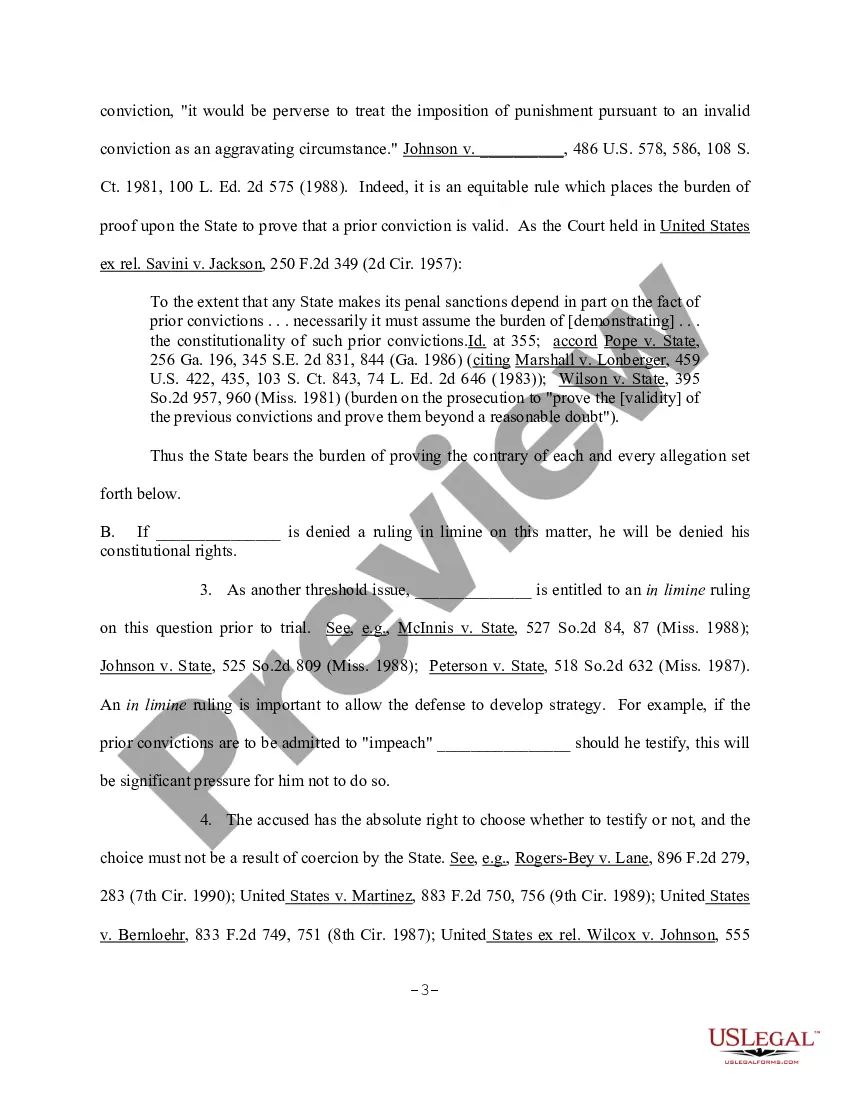
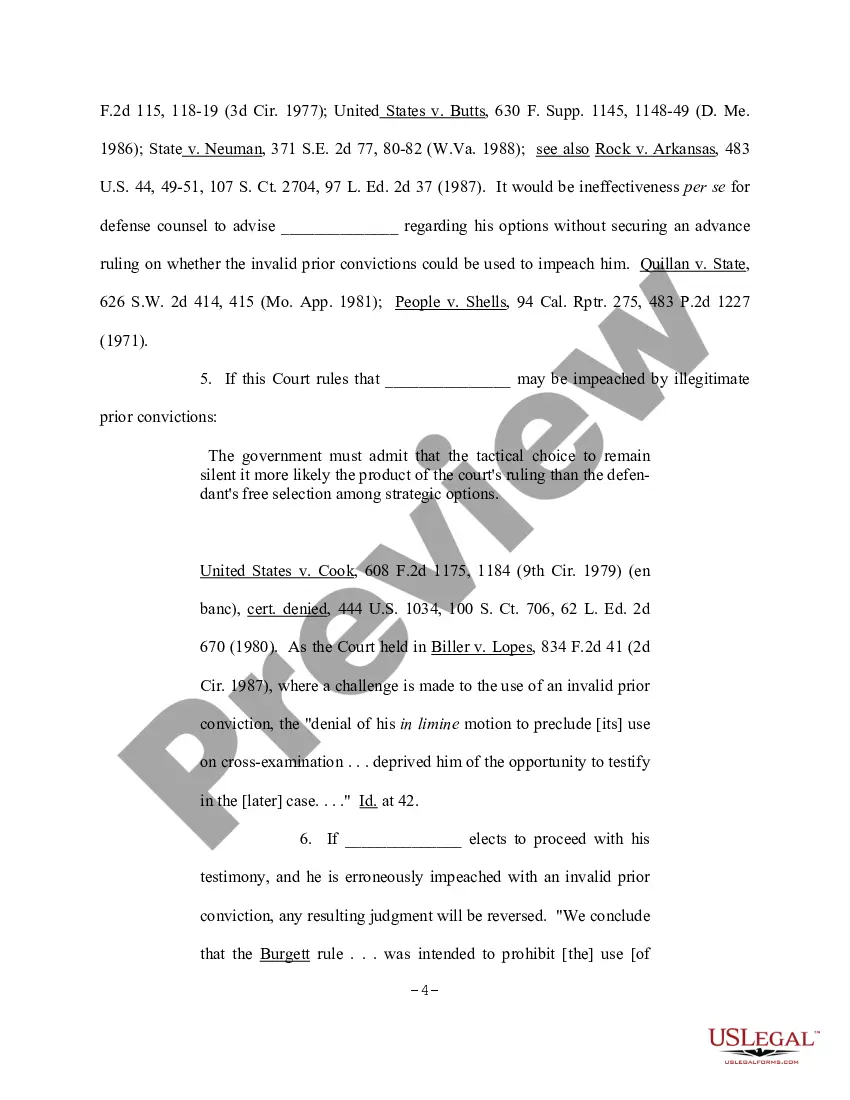
Prior Convictions Without Evidence
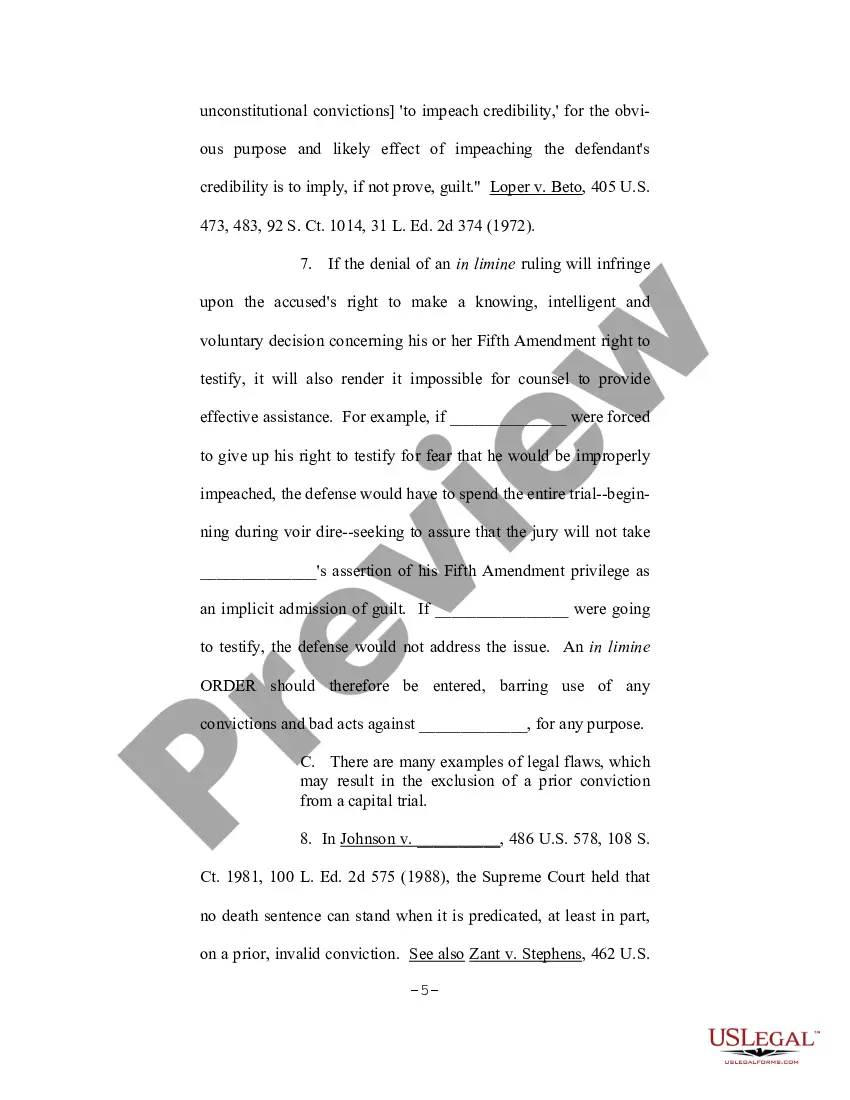
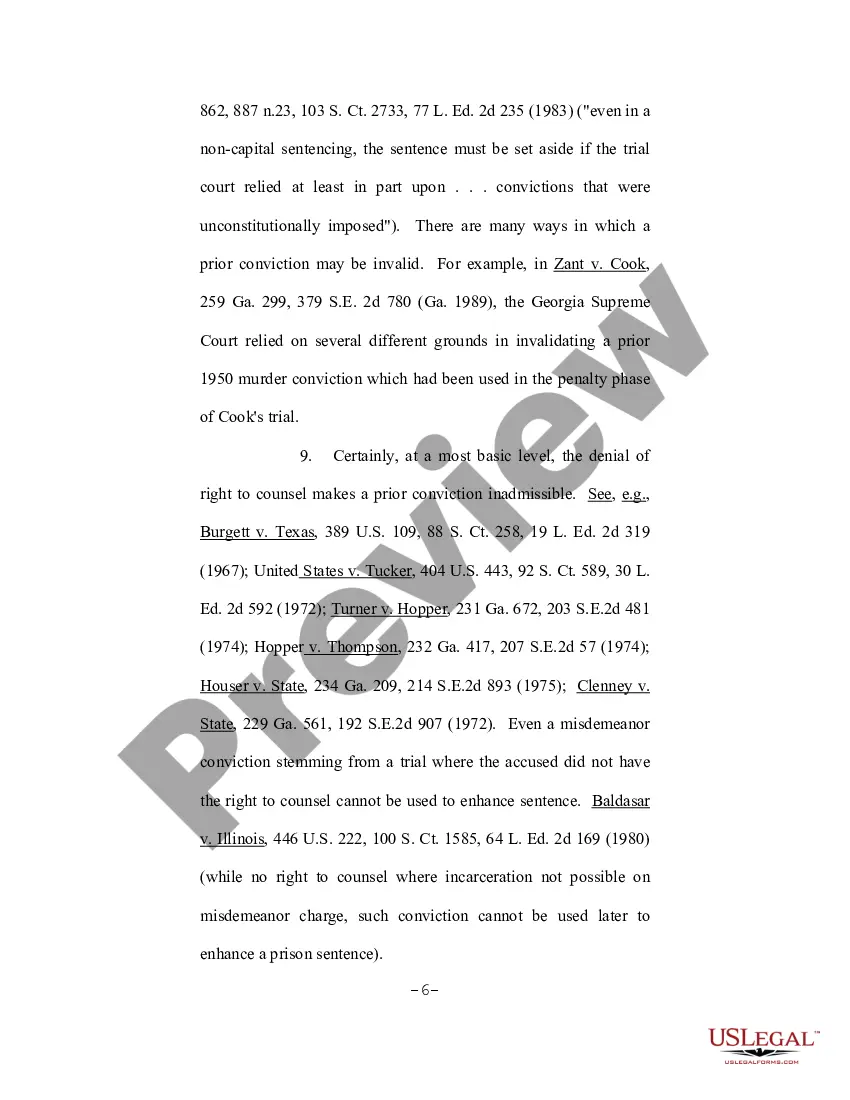
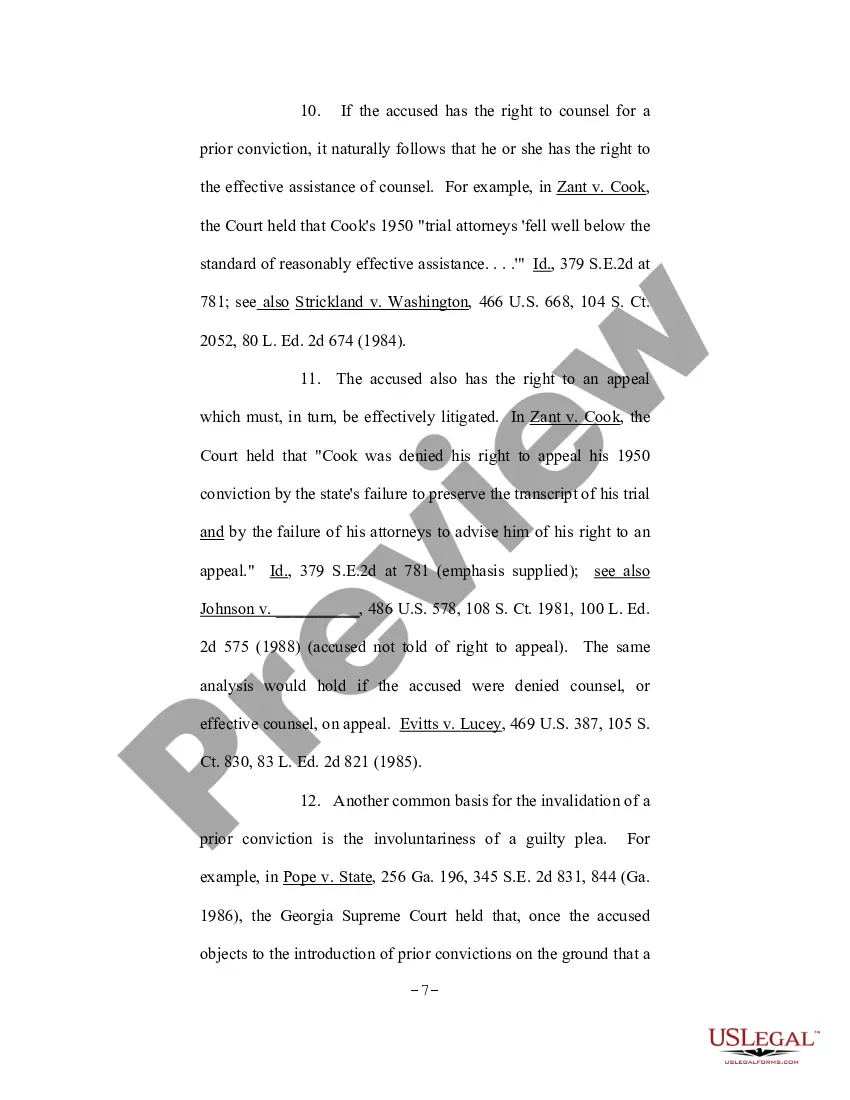
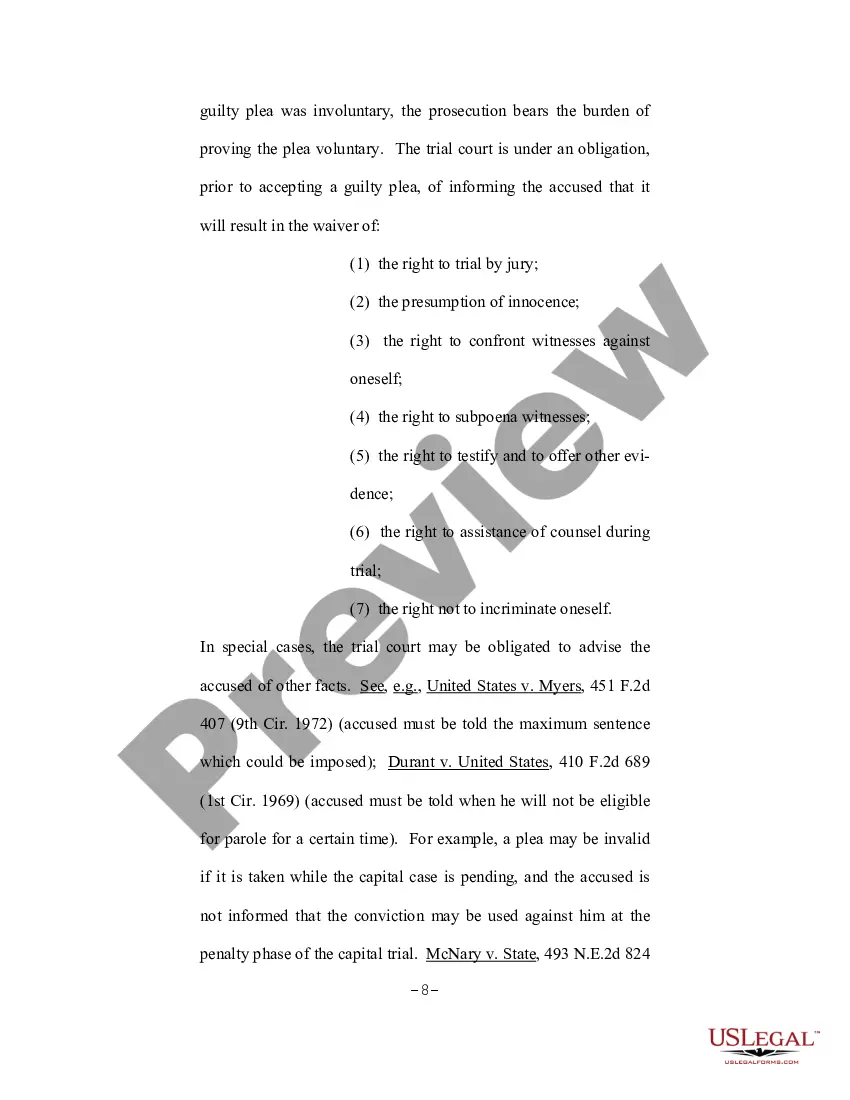
Description

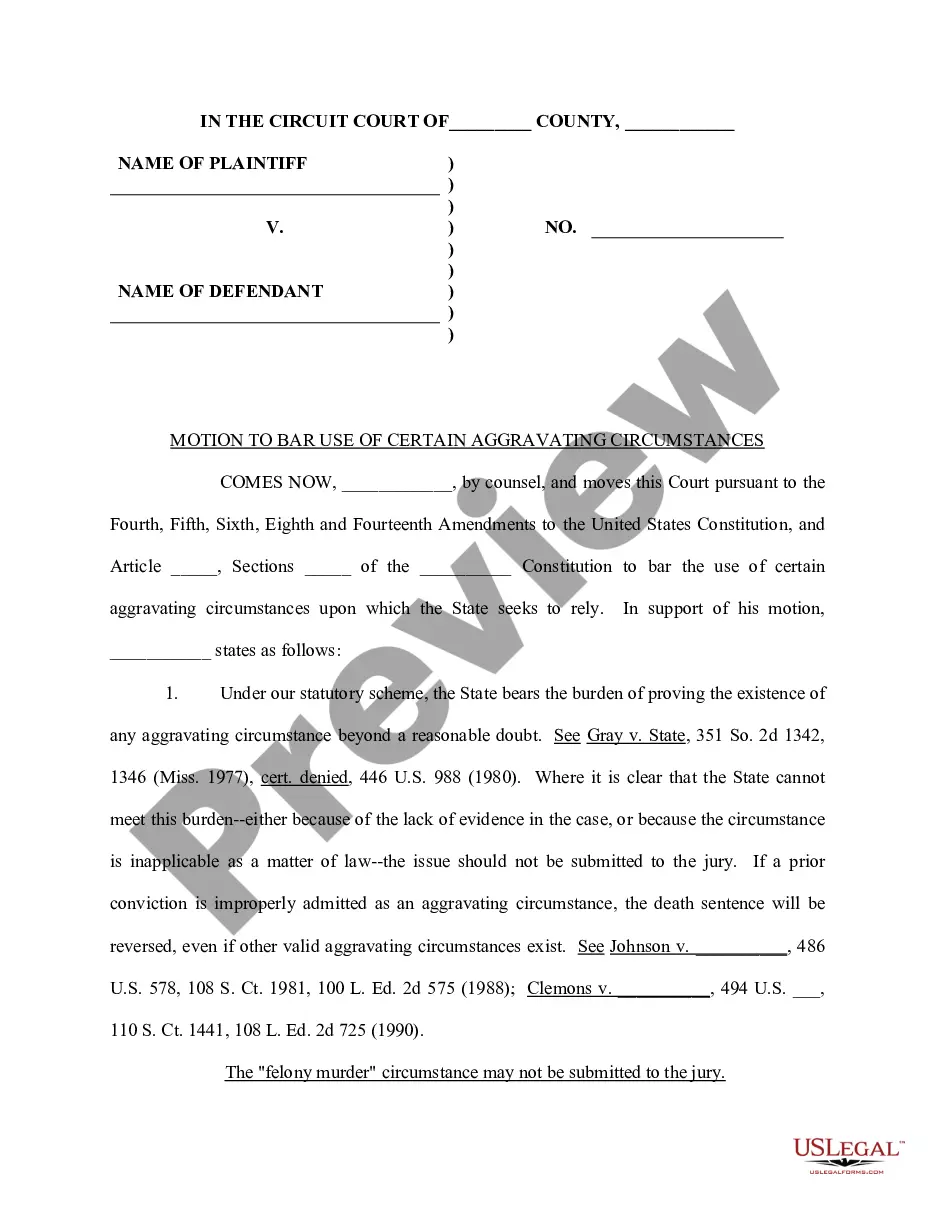
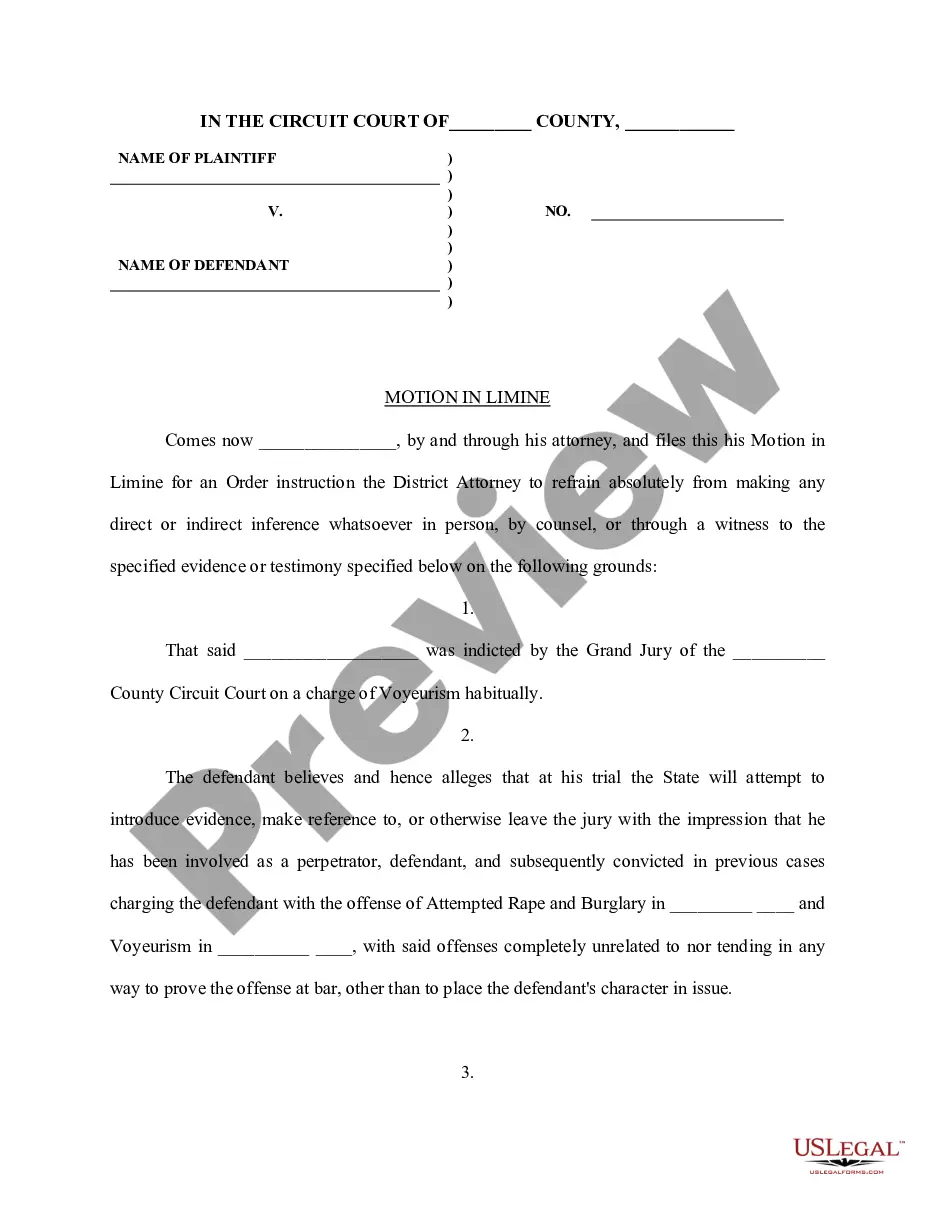
Get your form ready online
Our built-in tools help you complete, sign, share, and store your documents in one place.
Make edits, fill in missing information, and update formatting in US Legal Forms—just like you would in MS Word.
Download a copy, print it, send it by email, or mail it via USPS—whatever works best for your next step.
Sign and collect signatures with our SignNow integration. Send to multiple recipients, set reminders, and more. Go Premium to unlock E-Sign.
If this form requires notarization, complete it online through a secure video call—no need to meet a notary in person or wait for an appointment.
We protect your documents and personal data by following strict security and privacy standards.

Make edits, fill in missing information, and update formatting in US Legal Forms—just like you would in MS Word.

Download a copy, print it, send it by email, or mail it via USPS—whatever works best for your next step.

Sign and collect signatures with our SignNow integration. Send to multiple recipients, set reminders, and more. Go Premium to unlock E-Sign.

If this form requires notarization, complete it online through a secure video call—no need to meet a notary in person or wait for an appointment.

We protect your documents and personal data by following strict security and privacy standards.
Looking for another form?





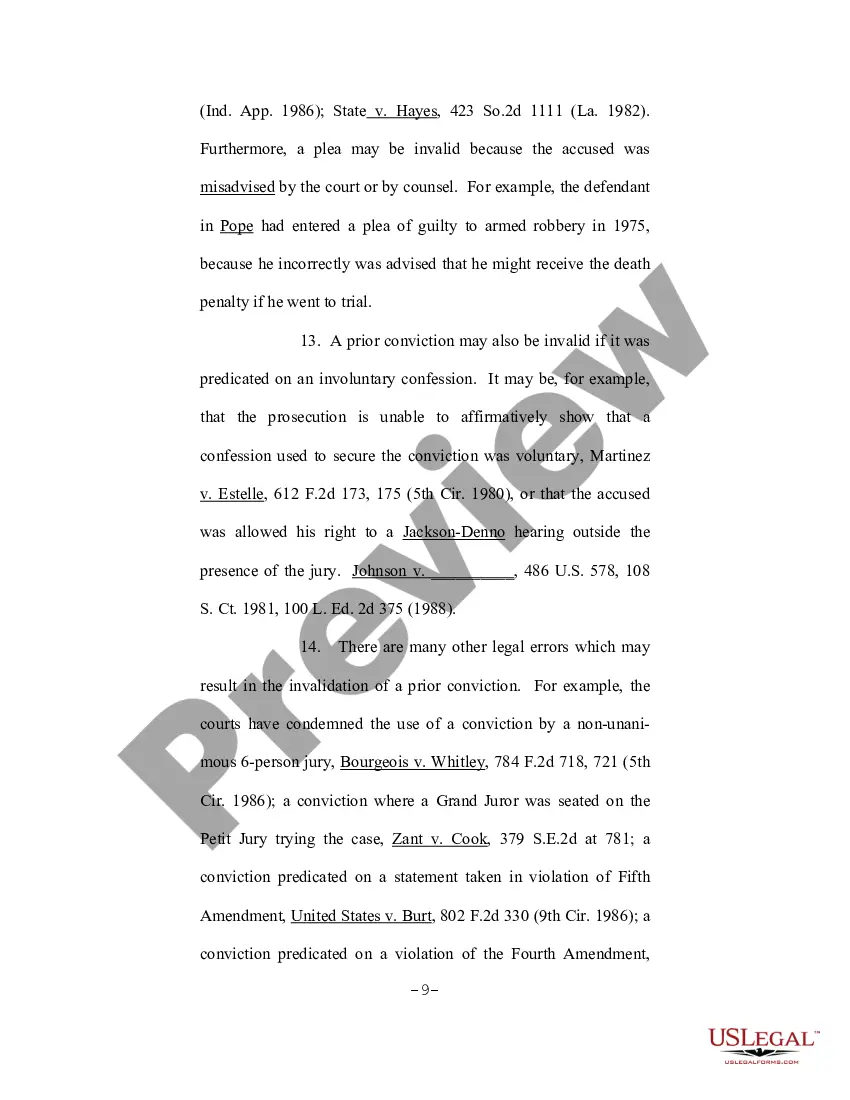
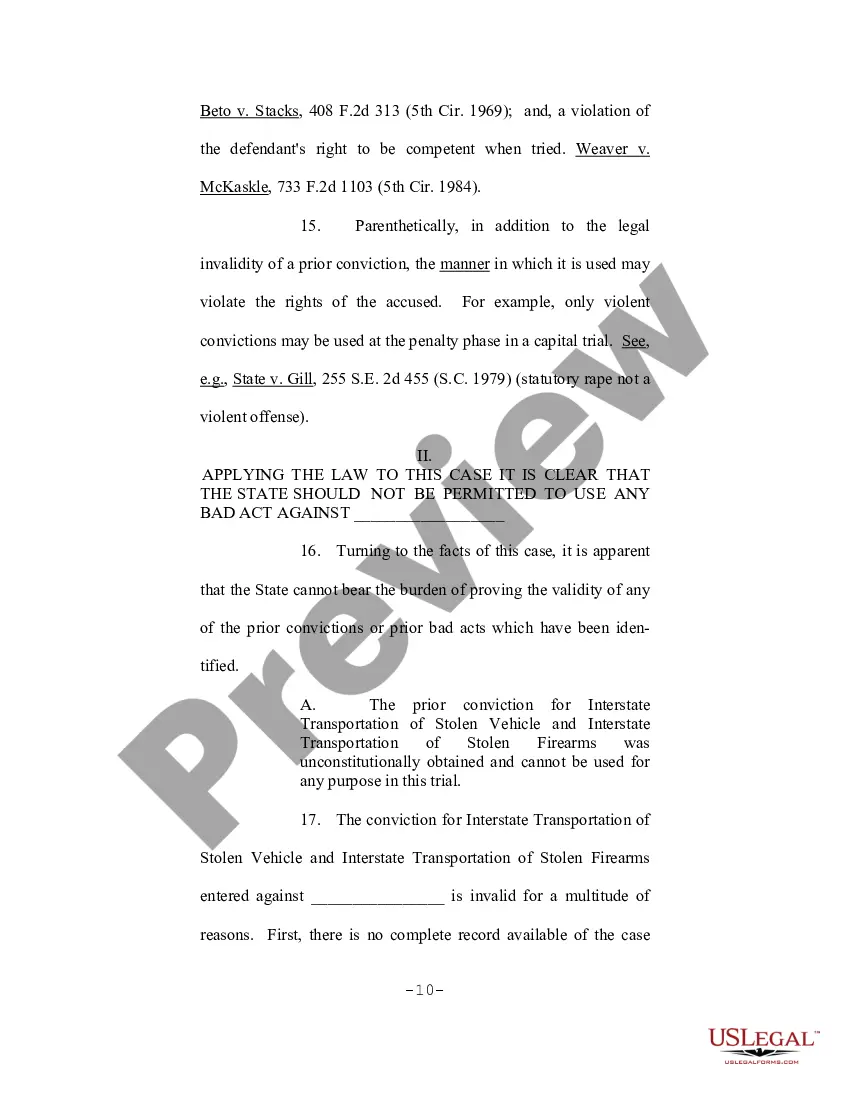
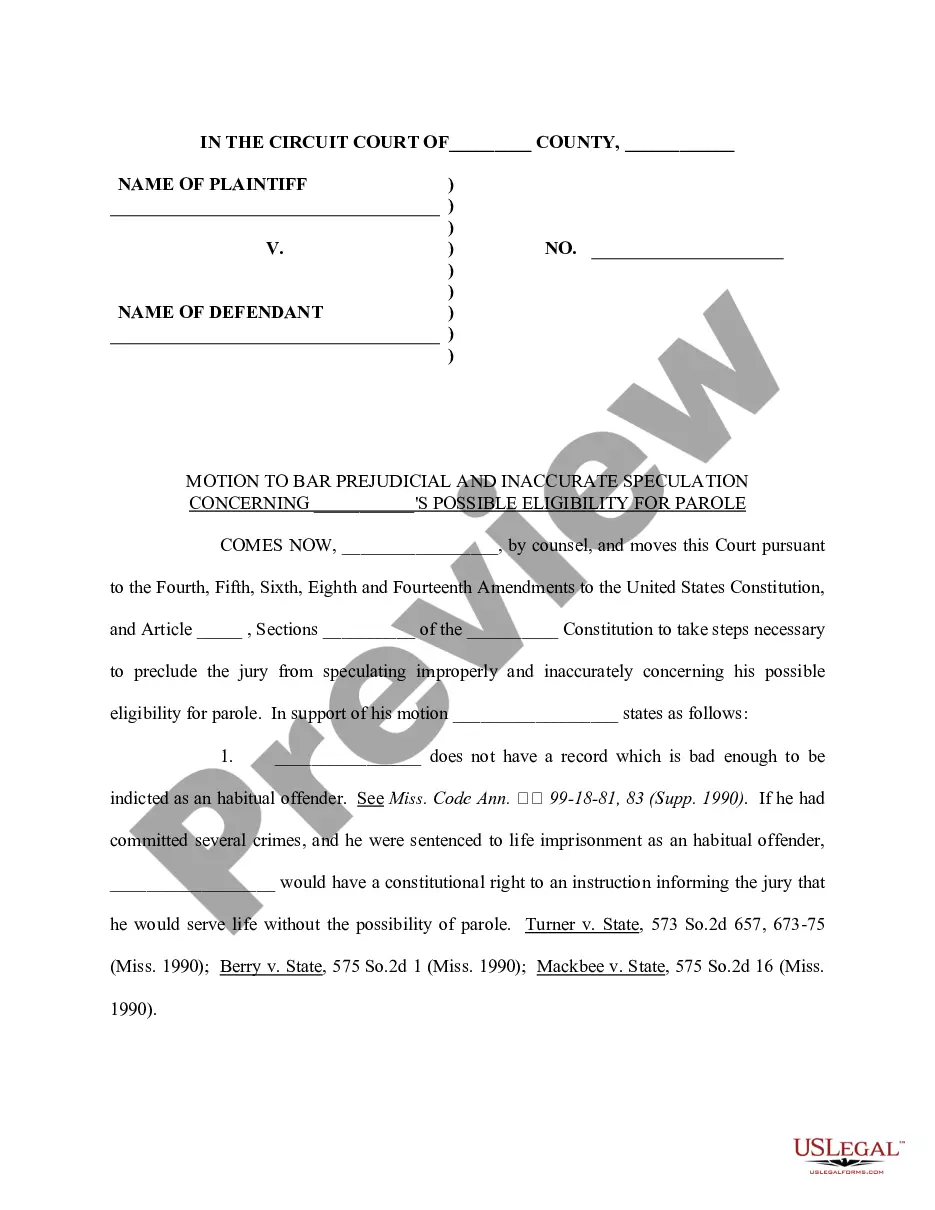
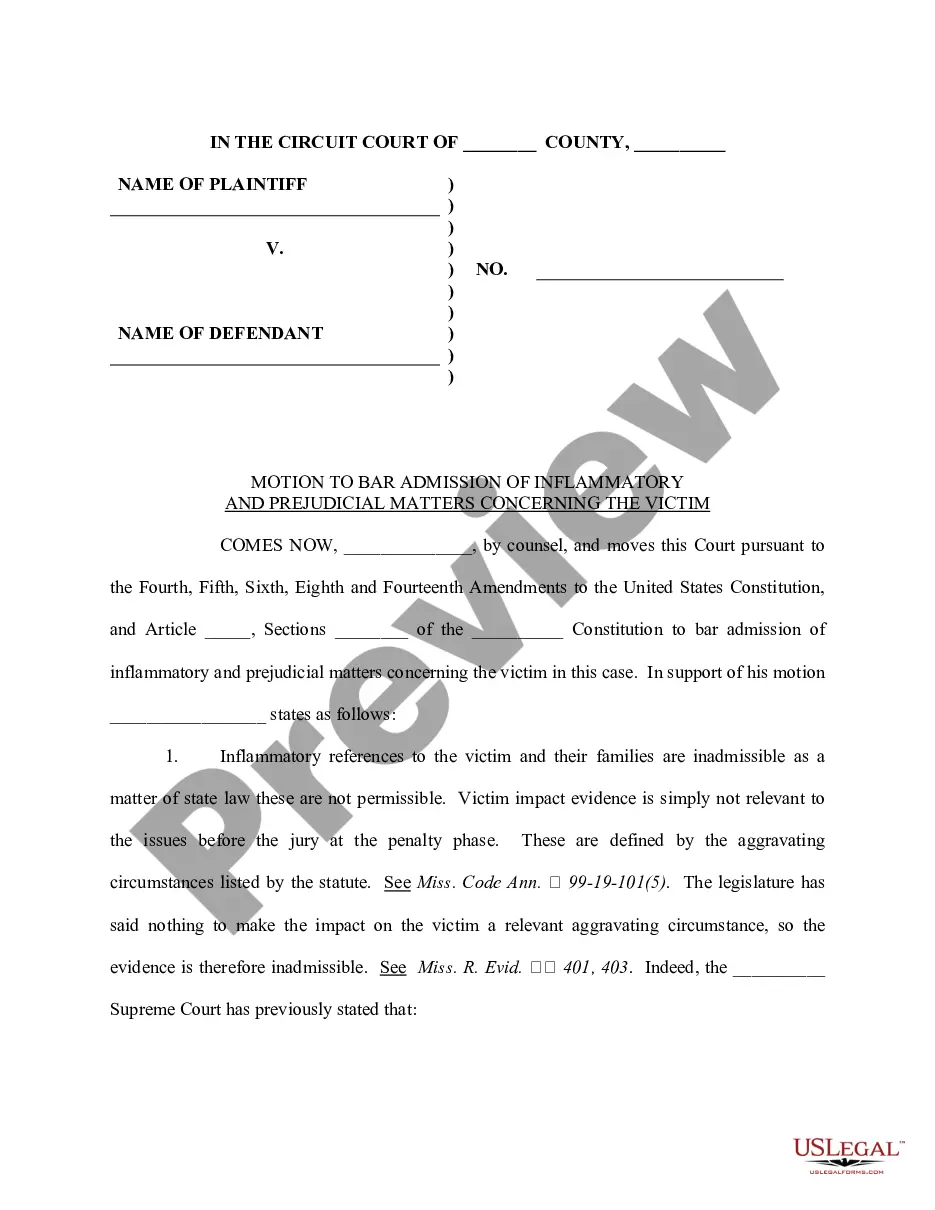
How to fill out Motion To Bar Introduction Of Any Evidence Relating To Prior Convictions Or Bad Acts?
It’s well known that you cannot become a legal expert instantly, nor can you learn how to swiftly create Prior Convictions Without Evidence without possessing a unique set of abilities.
Assembling legal documents is a labor-intensive process that necessitates specific education and expertise.
So why not entrust the creation of the Prior Convictions Without Evidence to the experts.
Preview it (if this option is available) and review the accompanying description to ascertain whether Prior Convictions Without Evidence is what you seek.
If you need any other form, restart your search. Create a free account and select a subscription plan to buy the form. Click Buy now. Once the payment is finalized, you can download the Prior Convictions Without Evidence, fill it out, print it, and send or mail it to the relevant individuals or organizations.
- With US Legal Forms, one of the largest legal document repositories, you can find anything from judicial paperwork to templates for internal communication.
- We recognize how vital compliance and adherence to federal and state regulations are.
- That's why, on our platform, all forms are location-specific and current.
- Begin with our website and acquire the form you require in just a few minutes.
- Locate the form you need by utilizing the search bar at the top of the page.
Form popularity
FAQ
The rule of evidence for prior convictions dictates that such evidence may be considered under certain circumstances, particularly when it is relevant to the case. However, the opposing side can challenge its admissibility based on the potential for prejudice. It's essential to navigate these rules carefully, especially concerning prior convictions without evidence, to ensure a fair trial.
Past crimes can sometimes be used as evidence, but only under specific conditions. Courts typically allow such evidence when it directly relates to the case at hand or helps establish a pattern of behavior. However, prior convictions without evidence should not be the sole basis for any legal decision, as this could violate a defendant's rights.
The five rules of evidence include relevance, materiality, competency, hearsay, and the exclusionary rule. Each rule plays a critical role in determining what evidence is admissible in court. Understanding these rules can help clarify how prior convictions without evidence might be treated during a trial.
To obtain a list of previous convictions, you can request a criminal history report from the appropriate state or federal agency. Many jurisdictions offer online platforms where you can search for records. Additionally, using services like USLegalForms can simplify the process of obtaining legal documents and information about criminal records.
Prior bad acts are often deemed inadmissible because they can unfairly prejudice a jury against a defendant. The rationale is that such evidence may lead to a decision based on past behavior rather than the facts of the current case. This principle helps maintain the integrity of the judicial process and ensures that prior convictions without evidence do not cloud the truth.
Pressing charges without proof is not a standard practice in the legal system. Law enforcement typically requires some form of evidence to initiate a case, ensuring that individuals are not wrongly accused. If you're concerned about prior convictions without evidence affecting a case, consulting a legal professional can help clarify your options.
In a legal context, being convicted without evidence is highly unlikely and generally not permissible. The justice system requires a standard of proof, meaning there must be sufficient evidence to establish guilt. If prior convictions without evidence were the basis for a conviction, it would likely lead to an appeal or retrial.
The evidence rule for prior convictions states that a defendant's past convictions may be introduced to establish their credibility or propensity to commit crimes. However, this is only permissible under certain circumstances, ensuring that prior convictions without evidence do not unfairly influence a jury's decision. It's important to understand the context and relevance of such evidence in legal proceedings.