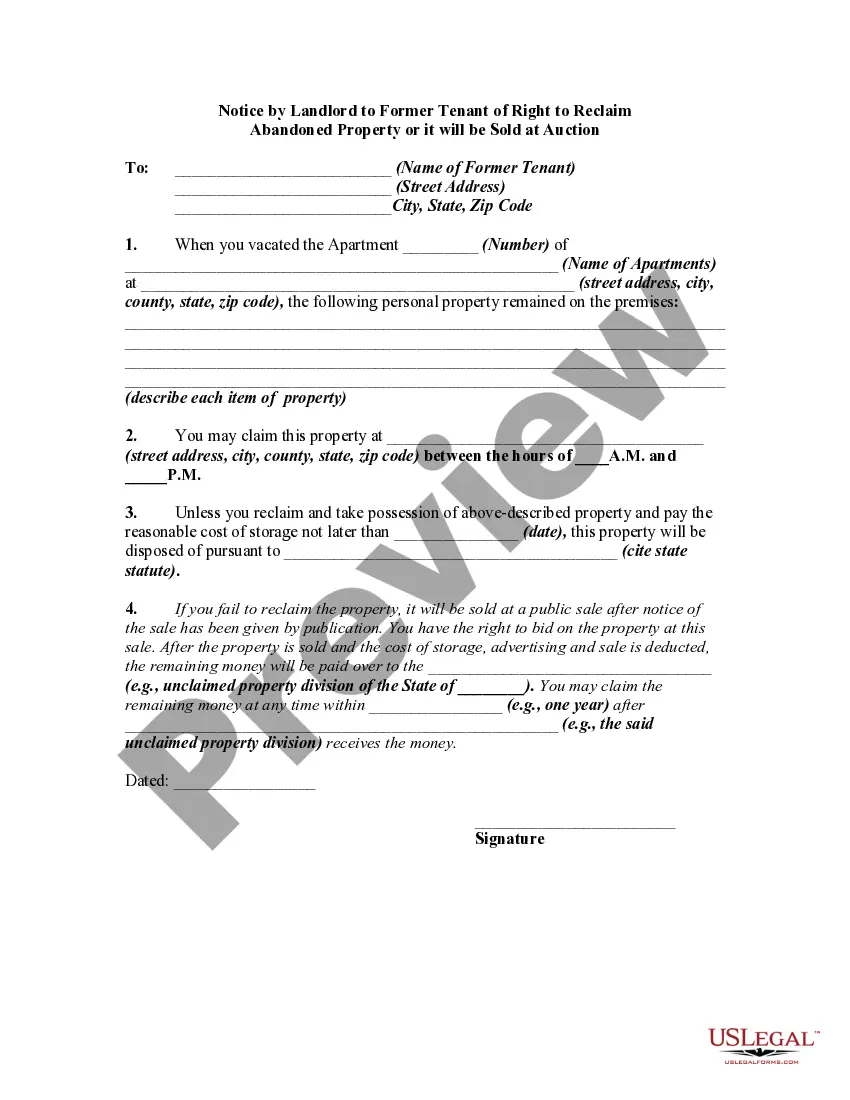
Example Of Abandoned Property
Description
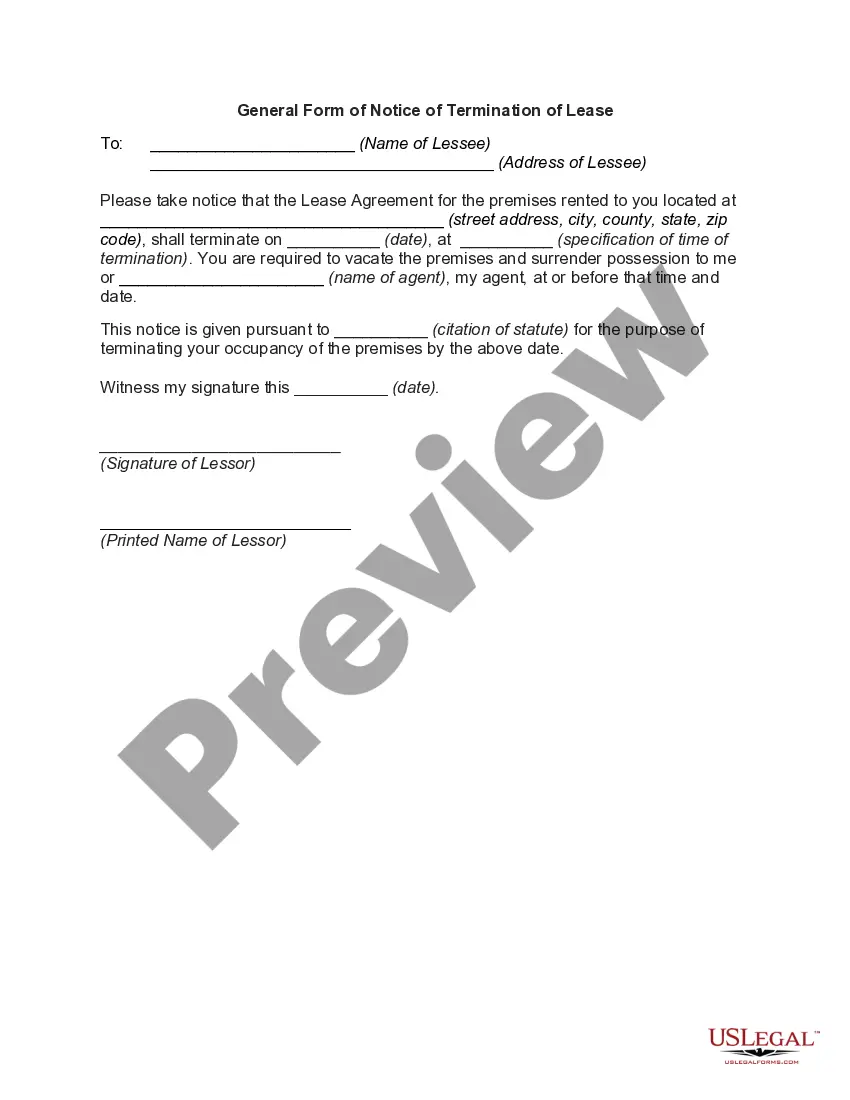
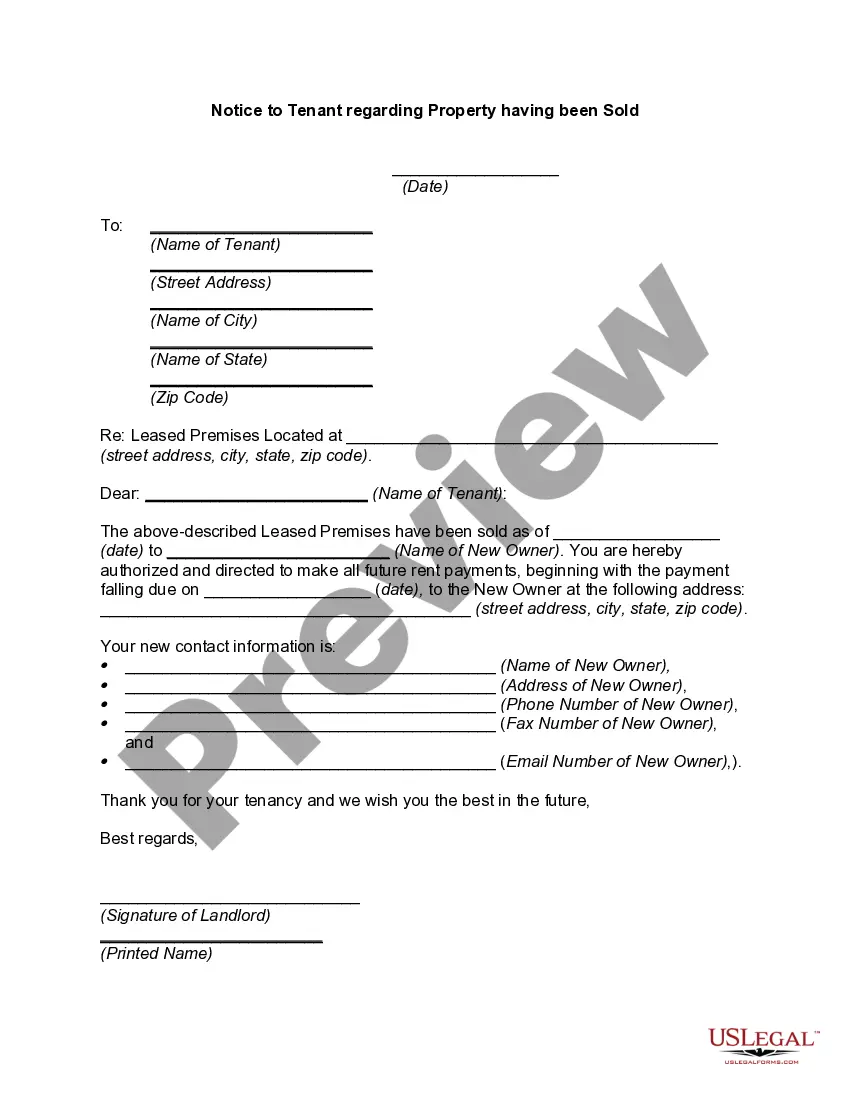
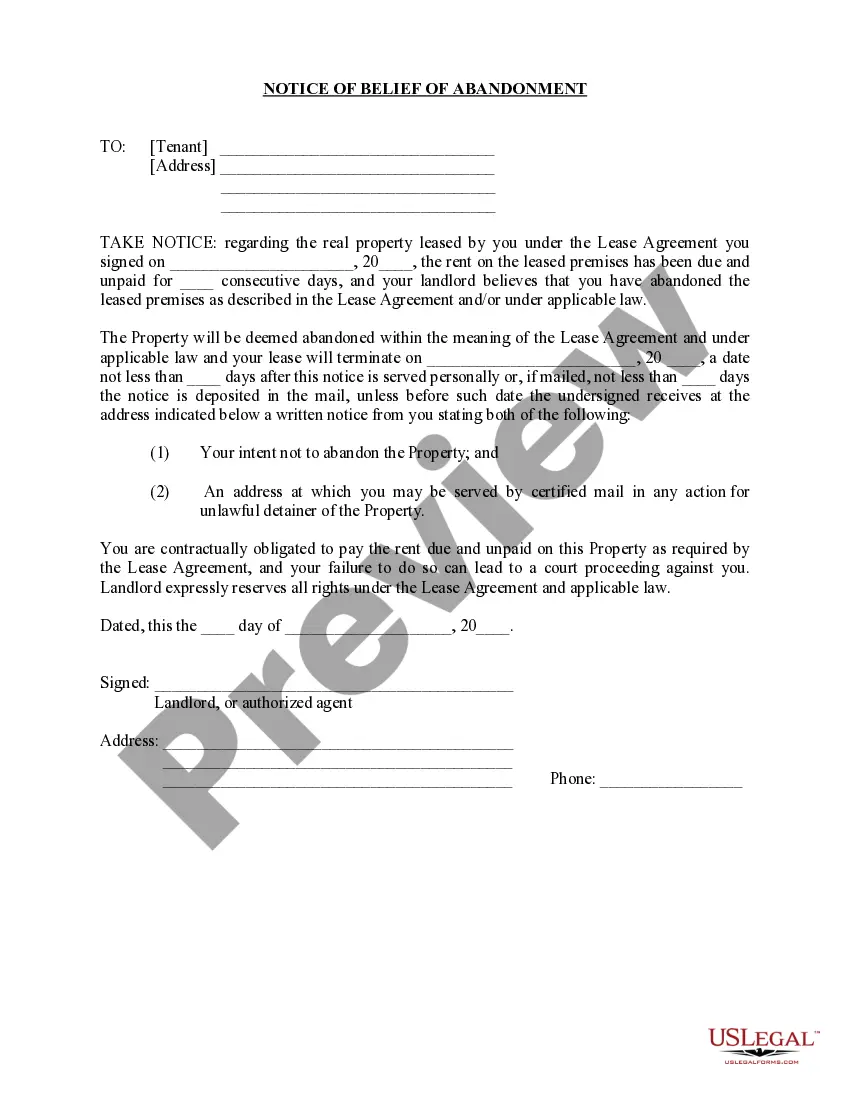
Get your form ready online
Our built-in tools help you complete, sign, share, and store your documents in one place.
Make edits, fill in missing information, and update formatting in US Legal Forms—just like you would in MS Word.
Download a copy, print it, send it by email, or mail it via USPS—whatever works best for your next step.
Sign and collect signatures with our SignNow integration. Send to multiple recipients, set reminders, and more. Go Premium to unlock E-Sign.
If this form requires notarization, complete it online through a secure video call—no need to meet a notary in person or wait for an appointment.
We protect your documents and personal data by following strict security and privacy standards.

Make edits, fill in missing information, and update formatting in US Legal Forms—just like you would in MS Word.

Download a copy, print it, send it by email, or mail it via USPS—whatever works best for your next step.

Sign and collect signatures with our SignNow integration. Send to multiple recipients, set reminders, and more. Go Premium to unlock E-Sign.

If this form requires notarization, complete it online through a secure video call—no need to meet a notary in person or wait for an appointment.

We protect your documents and personal data by following strict security and privacy standards.
Looking for another form?
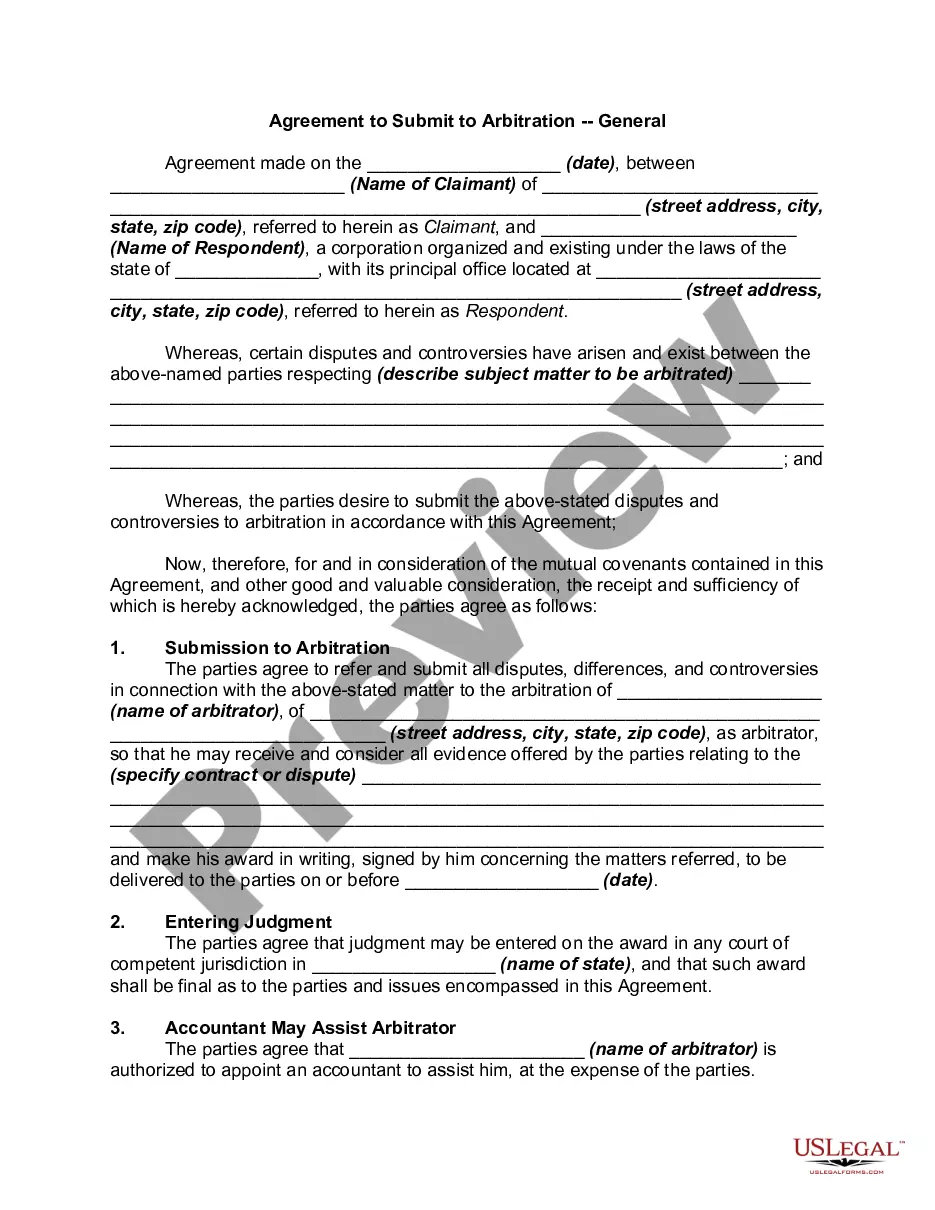
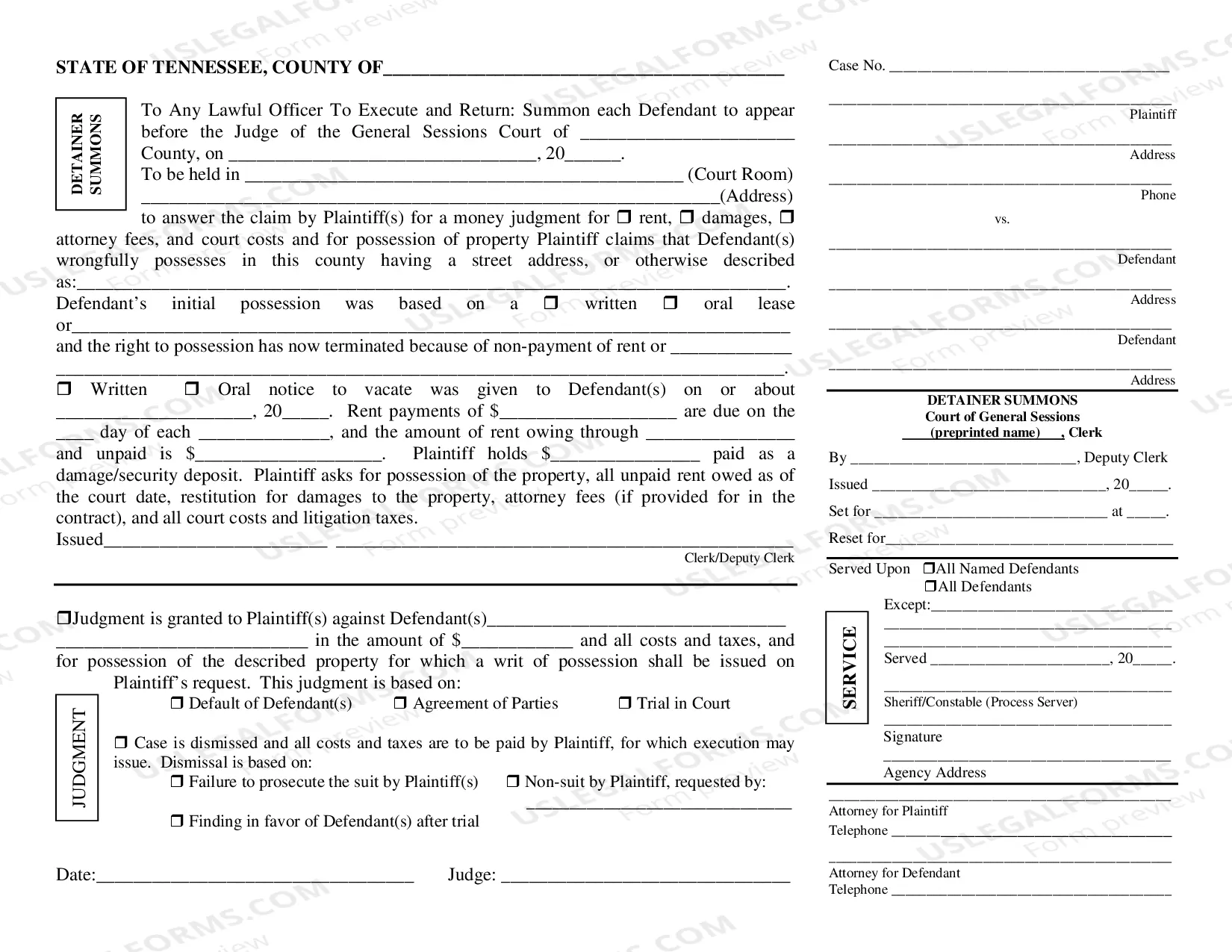
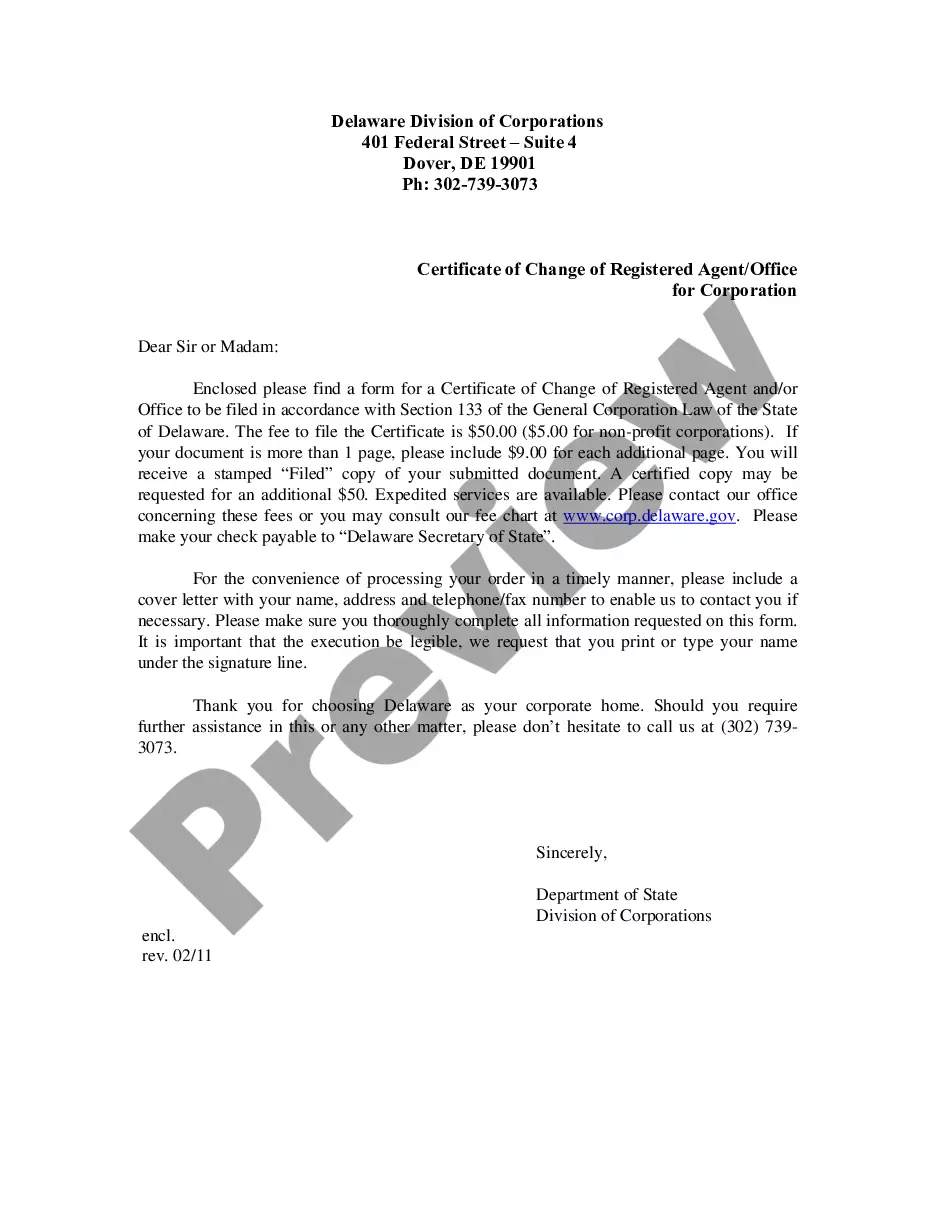
How to fill out Notice By Landlord To Former Tenant Of Right To Reclaim Abandoned Property Or It Will Be Sold At Auction - Abandonment?
Whether for commercial reasons or for personal issues, everyone encounters legal situations at some point in their life.
Filling out legal documents requires meticulous attention, starting with selecting the appropriate form template.
After downloading, you can fill out the form using editing software or print it to complete it by hand. With a vast catalog of US Legal Forms available, you no longer need to waste time searching for the right template online. Utilize the library’s straightforward navigation to find the appropriate form for any situation.
- Locate the template you require using the search bar or catalog browsing.
- Review the description of the form to confirm it fits your case, state, and jurisdiction.
- Click on the preview of the form to examine it.
- If it is the incorrect form, return to the search feature to find the Example Of Abandoned Property sample you need.
- Download the template if it aligns with your requirements.
- If you have a US Legal Forms account, click Log in to retrieve previously saved documents in My documents.
- If you do not yet have an account, you can download the form by clicking Buy now.
- Select the right pricing choice.
- Complete the profile registration form.
- Choose your payment method: either a credit card or PayPal account.
- Select the desired file format and download the Example Of Abandoned Property.
Form popularity
FAQ
Abandoned property refers to items that the owner has left behind without any intention of returning. It can encompass a variety of belongings, such as vehicles, furniture, or personal items, and often has been unclaimed for a period defined by state laws. Realizing what is classified as abandoned property can help individuals navigate the complex area of property rights. For those seeking guidance, platforms like US Legal Forms offer tools to understand and manage abandoned property issues proficiently.
The most common type of unclaimed property consists of financial accounts, such as bank accounts or insurance policies, which owners have forgotten or neglected. For instance, these accounts may hold funds that designates them as abandoned property. Additionally, personal belongings left behind in storage units often qualify as unclaimed property. Knowing what constitutes unclaimed property can lead to successfully reclaiming your assets.
In Tennessee, abandoned property includes belongings that an owner leaves without intention for recovery. Specific criteria define abandonment, often linked to the time elapsed since the owner last accessed the items. For example, an abandoned property could be an unclaimed vehicle or personal effects at a rental unit. Familiarizing yourself with state laws can inform your actions regarding any potential abandoned property.
In California, abandoned property laws refer to items left behind by their owners without intention of returning. Typically, if personal property remains unclaimed for a certain period, it may be considered abandoned. For example, abandoned property may include vehicles, furniture, or other possessions left on someone else's land. Understanding these laws can help individuals identify their rights and responsibilities regarding abandoned property.
The four tests of abandonment usually include the intention to abandon the property, the physical act of leaving, the length of time it has been uninhabited, and whether the owner has made any claims or acts to recover the property. Each of these helps establish a legal status around the property. Identifying an example of abandoned property requires understanding these tests, as they guide potential claims and rights over the property.
A house is considered abandoned when it shows signs of neglect and lack of maintenance, with no occupants for a significant time. Factors such as accumulated mail, broken windows, or overgrown gardens can indicate abandonment. When evaluating an example of abandoned property, it's crucial to consider whether the owner has made any attempts to manage or occupy the property.
In West Virginia, unclaimed property typically includes financial assets like bank accounts, insurance benefits, and stocks that remain unclaimed after a certain period. Properties can also fall under this category if the owner cannot be located. An example of abandoned property in this context might be a house left vacant, which could become unclaimed after the owner passes away without heirs.
In California, a property qualifies as abandoned when the owner has not lived there for an extended period and does not intend to return. This can involve situations such as foreclosure or when tenants leave without notice. If you encounter an example of abandoned property, local authorities may consider it for public auction if specific conditions are met.
Generally, if you find lost property, you may claim it as yours after a certain period, often ranging from a few months to several years, depending on local laws. The owner must not have made any claim on the lost property during this time. An example of abandoned property can emerge if the original owner cannot be located, allowing the finder to take possession legally.
A property is considered abandoned when the owner no longer occupies it or has not made an effort to maintain it for an extended period. This typically means that the owner has left the property without any intention to return. An example of abandoned property may include homes with overgrown lawns, unpaid utilities, or a lack of personal belongings.