Confidential Information With Meaning
Description
Get your form ready online
Our built-in tools help you complete, sign, share, and store your documents in one place.
Make edits, fill in missing information, and update formatting in US Legal Forms—just like you would in MS Word.
Download a copy, print it, send it by email, or mail it via USPS—whatever works best for your next step.
Sign and collect signatures with our SignNow integration. Send to multiple recipients, set reminders, and more. Go Premium to unlock E-Sign.
If this form requires notarization, complete it online through a secure video call—no need to meet a notary in person or wait for an appointment.
We protect your documents and personal data by following strict security and privacy standards.

Make edits, fill in missing information, and update formatting in US Legal Forms—just like you would in MS Word.

Download a copy, print it, send it by email, or mail it via USPS—whatever works best for your next step.

Sign and collect signatures with our SignNow integration. Send to multiple recipients, set reminders, and more. Go Premium to unlock E-Sign.

If this form requires notarization, complete it online through a secure video call—no need to meet a notary in person or wait for an appointment.

We protect your documents and personal data by following strict security and privacy standards.
Looking for another form?


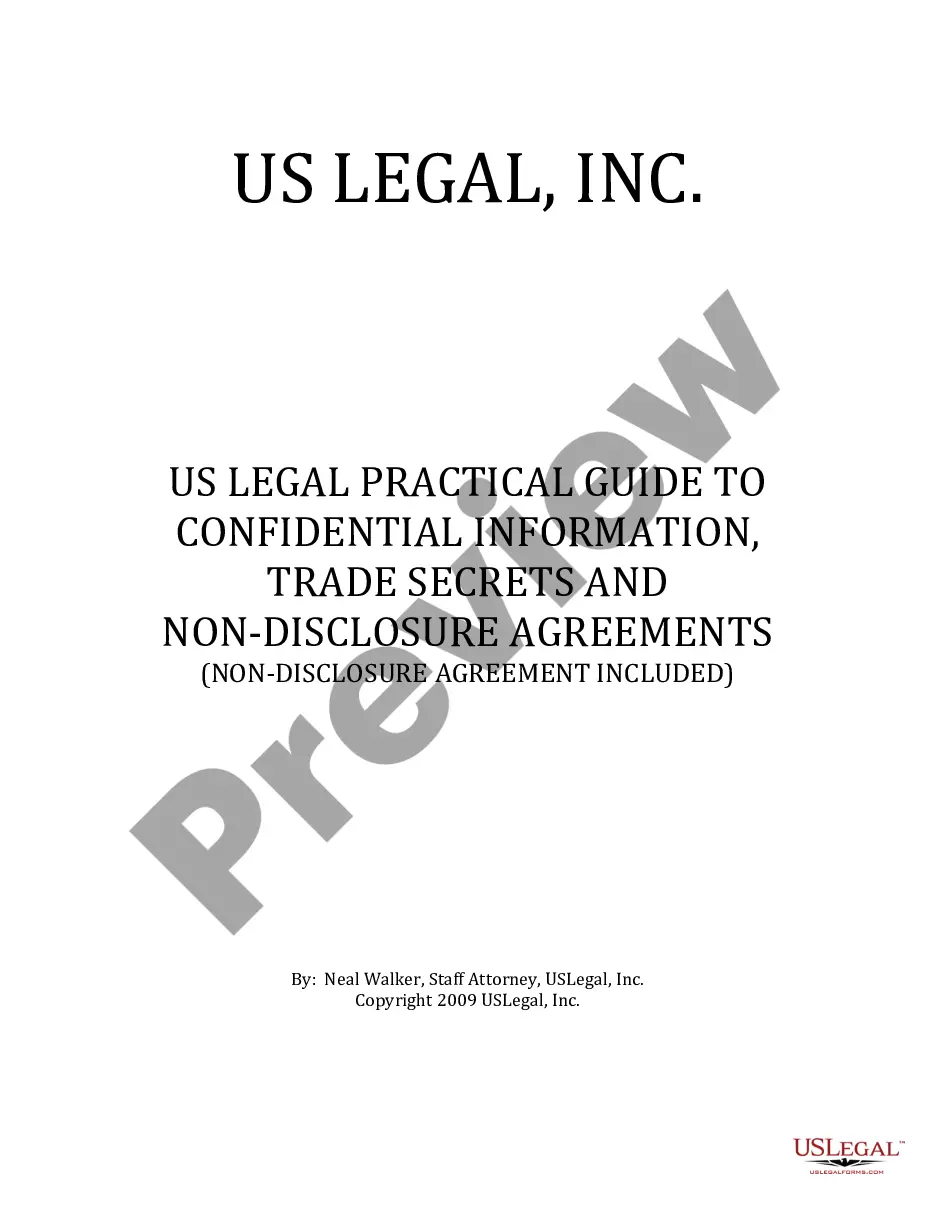
How to fill out USLegal Practical Guide To Confidential Information, Trade Secrets And NonDisclosure Agreements?
Legal administration can be overwhelming, even for the most seasoned professionals.
When you are looking for a Confidential Information With Meaning and lack the time to invest in finding the right and updated version, the process can be stressful.
Access a repository of articles, guides, handbooks, and resources related to your situation and needs.
Save time and effort in searching for the documents you require, and utilize US Legal Forms’ enhanced search and Preview feature to locate Confidential Information With Meaning and download it.
Ensure that the template is accepted in your state or county. Click Buy Now when you're ready. Select a subscription plan. Choose the format you need, and Download, fill out, eSign, print, and send your document. Benefit from the US Legal Forms online library, supported by 25 years of experience and trustworthiness. Transform your daily document management into a simple and user-friendly process today.
- If you possess a membership, Log In to your US Legal Forms account, find the form, and download it.
- Check your My documents section to review documents you've downloaded and manage your folders as needed.
- If it's your first experience with US Legal Forms, create an account and gain unlimited access to all the advantages of the library.
- Here are the steps to follow after downloading your desired form.
- Confirm it is the correct form by previewing and reviewing its details.
- Access state- or county-specific legal and business documents.
- US Legal Forms addresses all needs you might have, from personal to corporate paperwork, all in one location.
- Utilize advanced tools to complete and manage your Confidential Information With Meaning.
Form popularity
FAQ
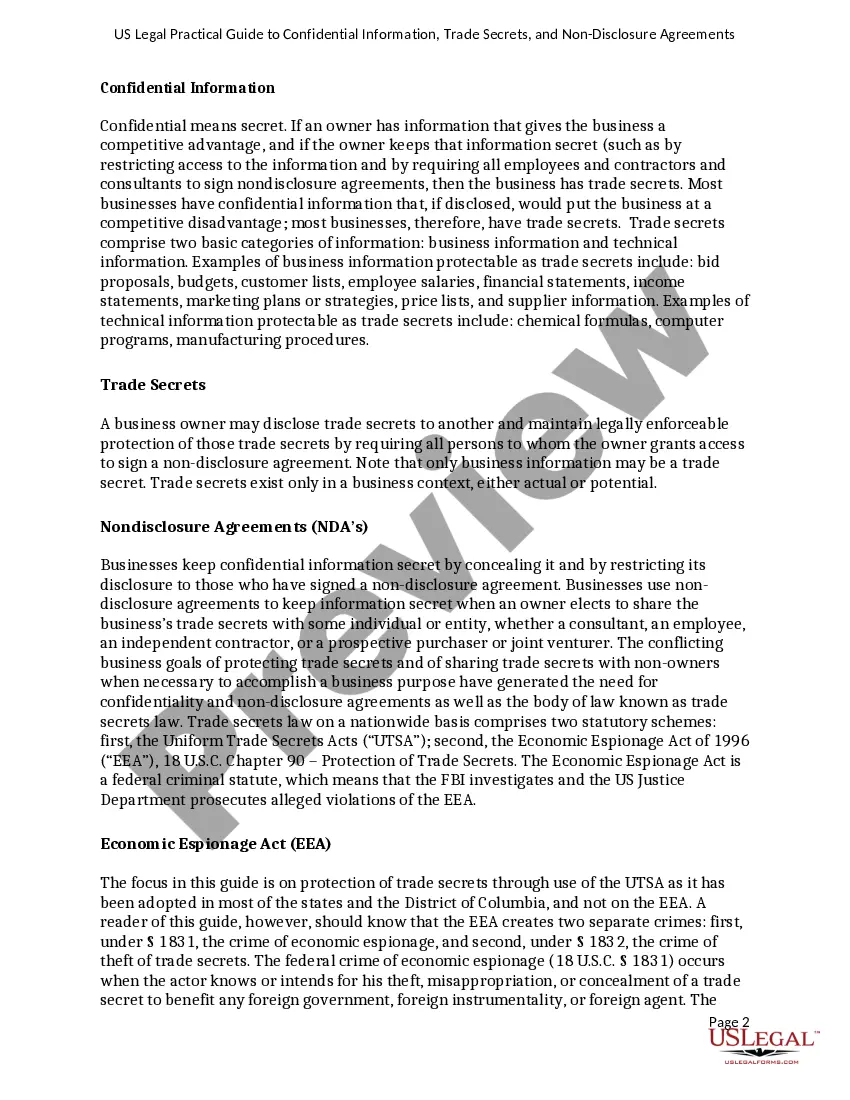
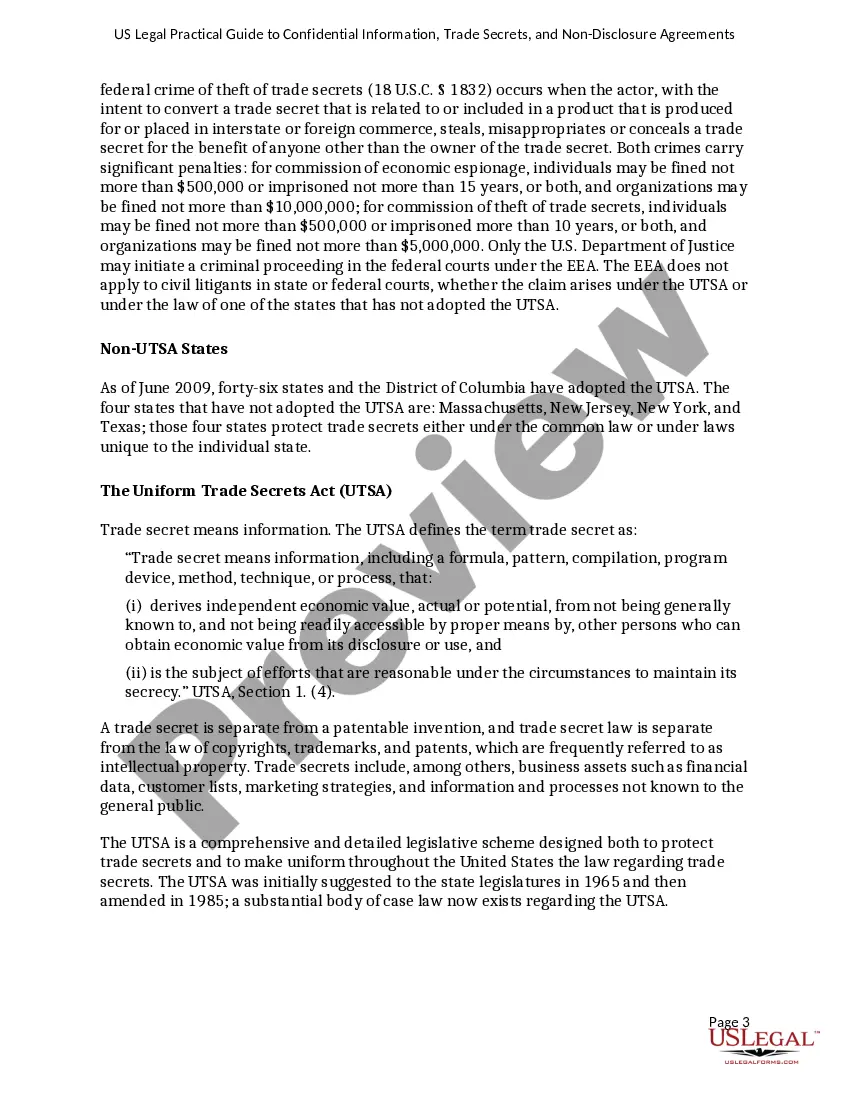
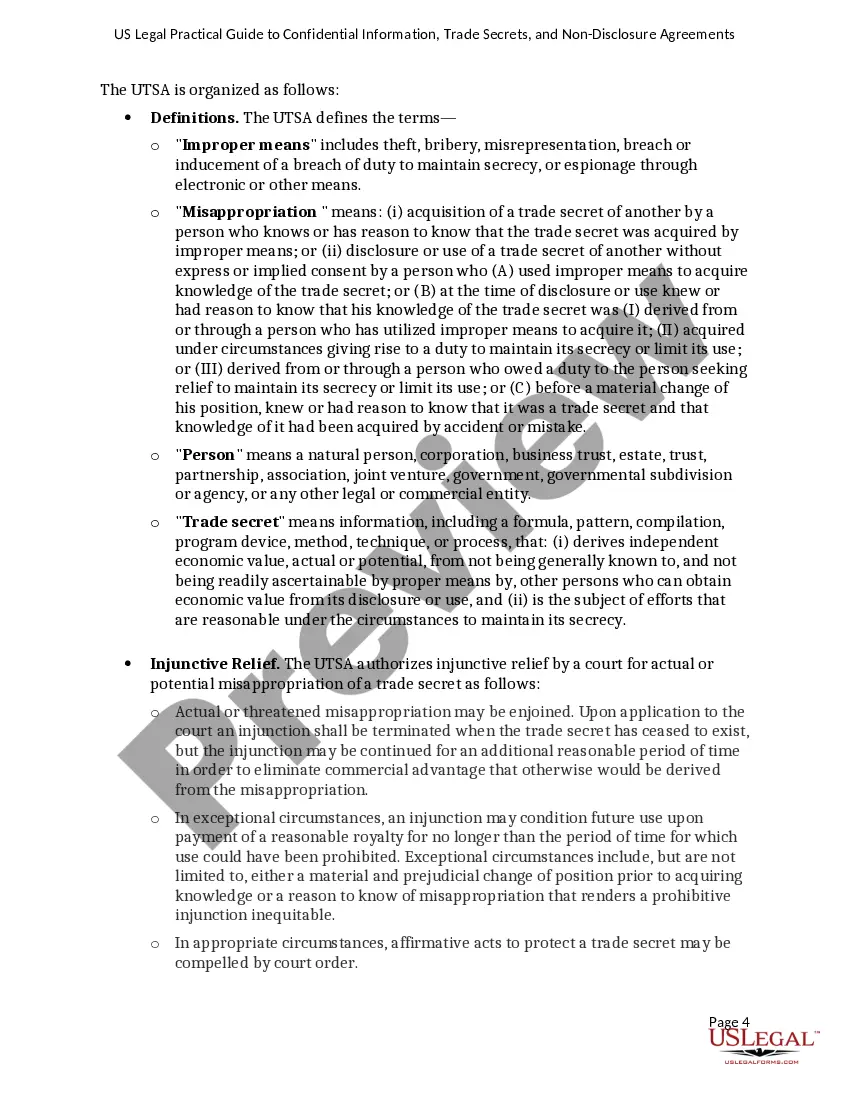
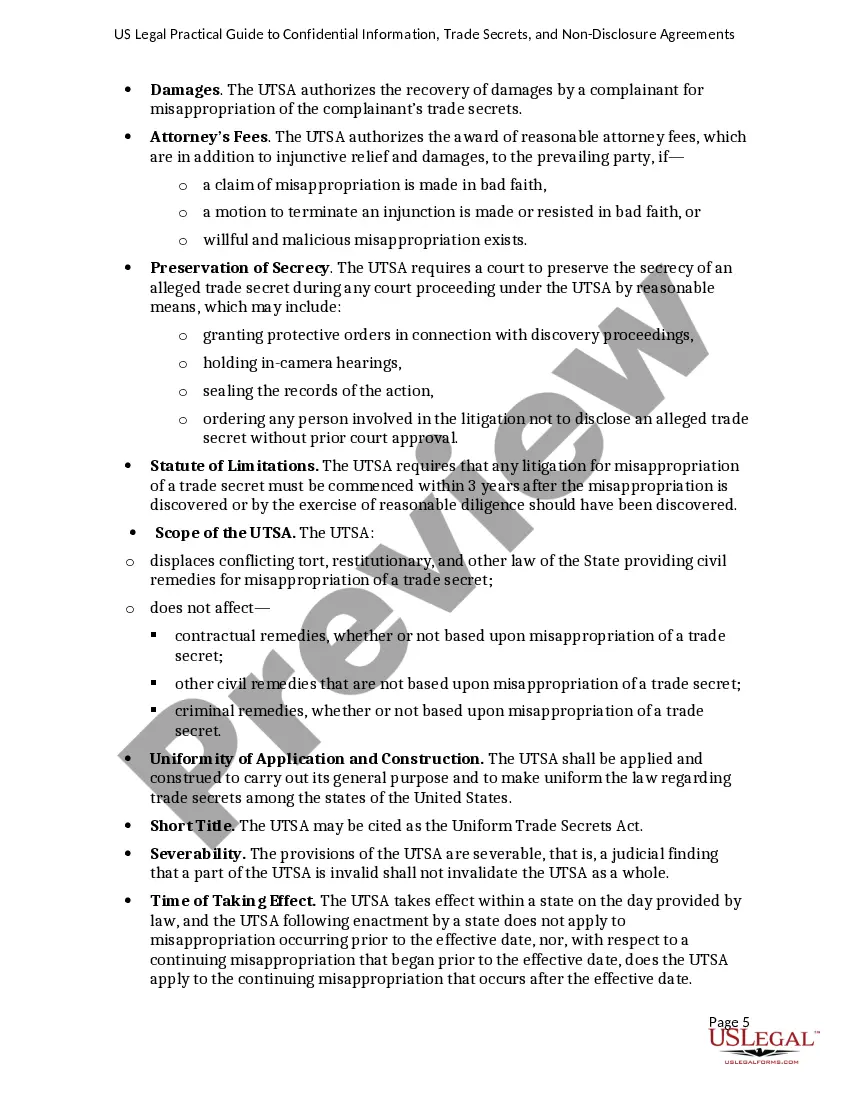
When you need to request that something be kept confidential, clarity is key. You might say, 'I kindly ask that you keep this information confidential information with meaning.' This simple, honest request emphasizes the importance of discretion and helps maintain trust in your communication.
Five common examples of confidentiality include patient health records, legal documents, trade secrets, employee personal information, and financial data. Each of these types of confidential information with meaning must be protected against unauthorized access to ensure privacy and compliance with regulations. Understanding these examples helps you grasp the broader context of confidentiality in various domains.
To request that someone keep information confidential, be direct yet courteous in your approach. You can say, 'I would appreciate it if you could keep this information confidential information with meaning.' This straightforward request underscores the importance of privacy and encourages the recipient to respect your wishes.
Creating confidential information with meaning involves clearly marking documents or data as confidential and limiting access to those who need to know. Implementing strong security measures, like encryption, also helps protect sensitive data. Remember, maintaining confidentiality is a proactive process that requires awareness and adherence to applicable laws and best practices.
When crafting an email to request confidentiality, you can phrase your request clearly and politely. You might write, 'Please treat the information in this email as confidential information with meaning.' This communicates your expectation that the recipient will handle the details with care and keep them private.
The phrase 'ability to maintain confidentiality' refers to the capacity to protect sensitive information from unauthorized disclosure. In legal contexts, this means keeping confidential information with meaning secure and ensuring it is only shared with authorized individuals. This principle is vital in various fields, including law, healthcare, and business, where trust is key.
Three examples of information that must be kept confidential include trade secrets, customer databases, and proprietary algorithms. These types of information are often vital to a business's success and provide a competitive advantage in the market. Failing to protect such data can lead to significant losses and legal repercussions. Thus, understanding the necessity of keeping these examples of confidential information with meaning secure is crucial for any organization.
A common example of confidential information includes employee records, which often contain sensitive details such as salaries and personal addresses. This data not only protects the employees' privacy but also the company's reputation. Maintaining the confidentiality of such information is critical in fostering trust and compliance within the organization. Recognizing examples of confidential information with meaning is essential in legal contexts.
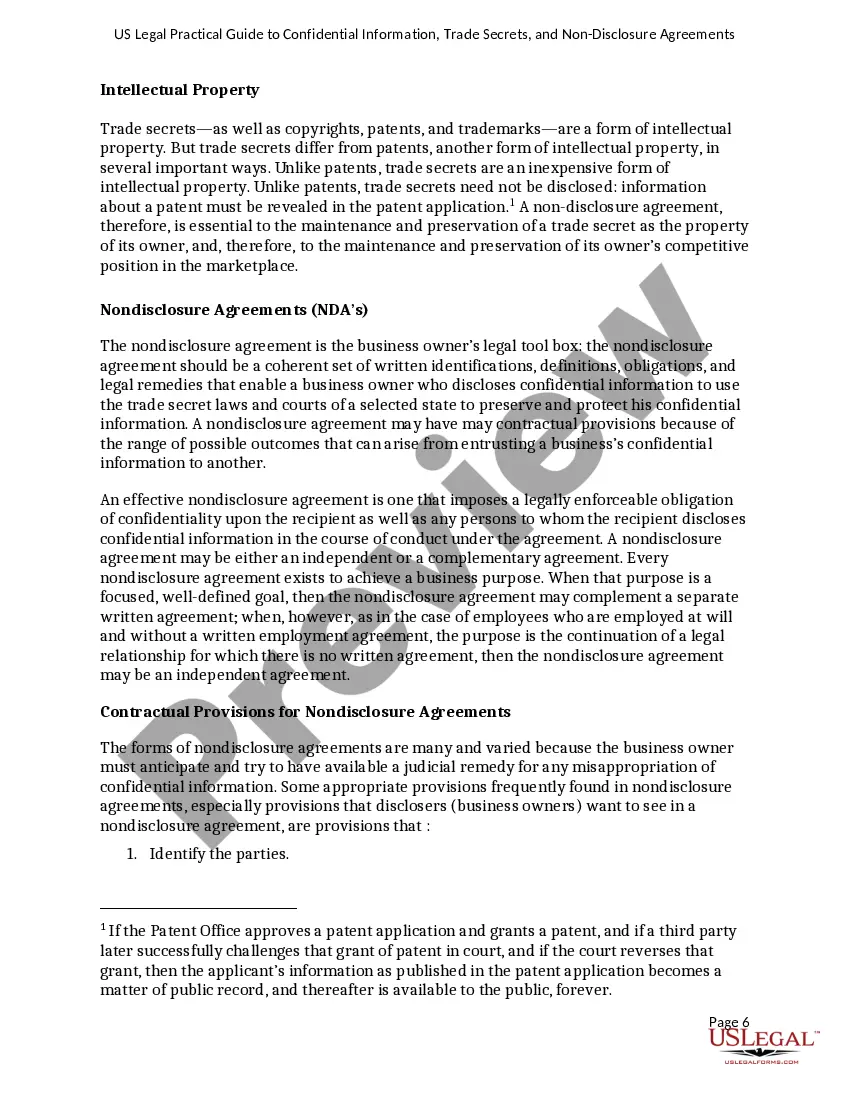
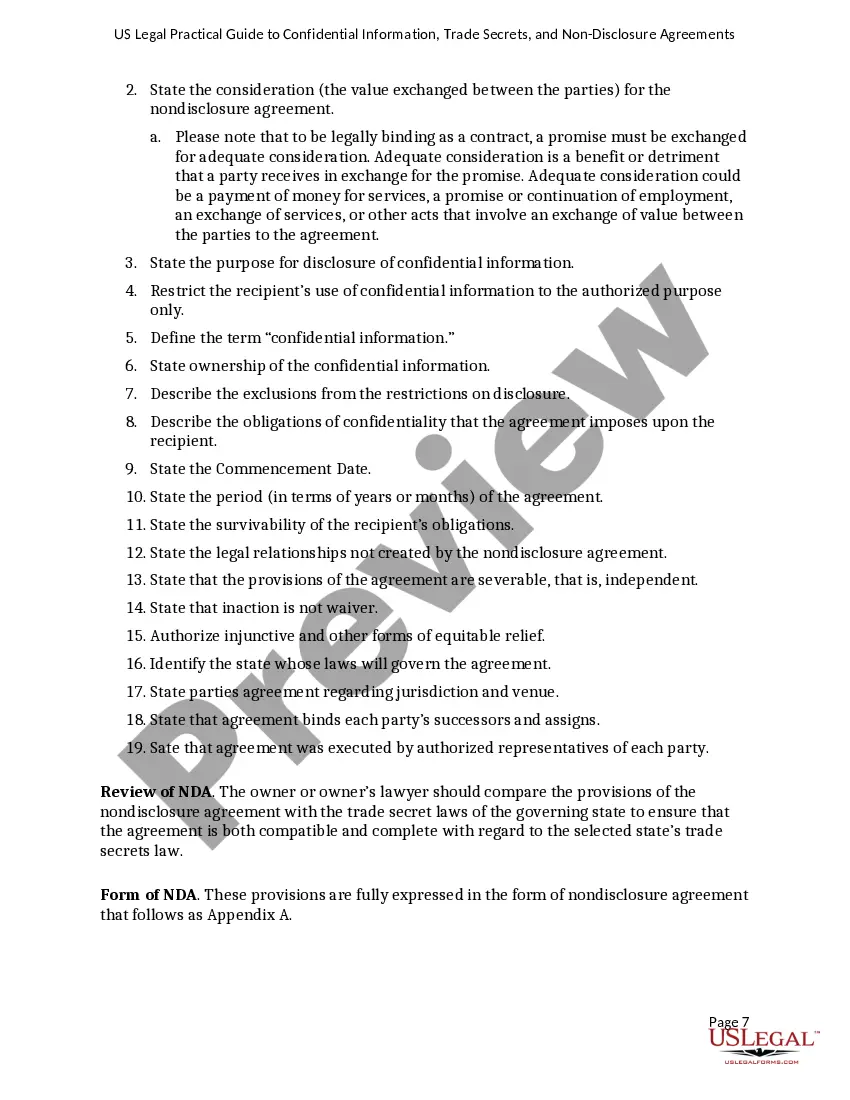
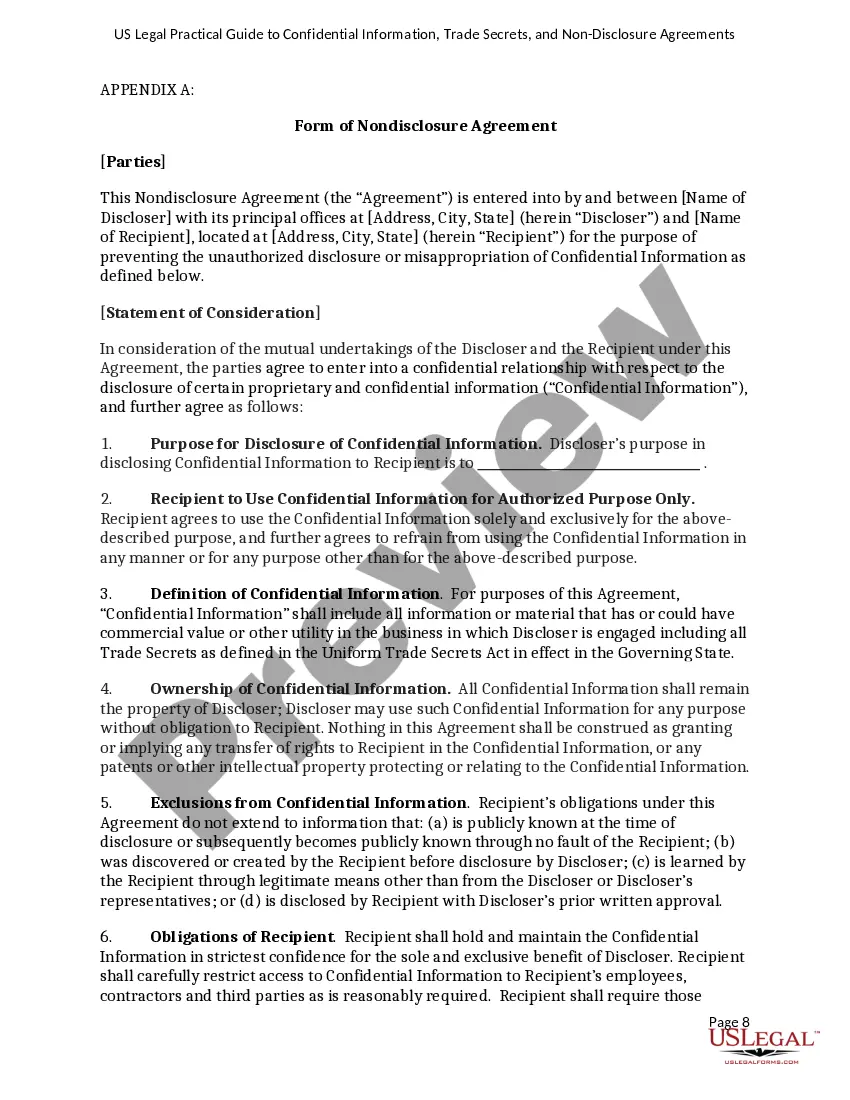
Writing a statement of confidentiality involves clearly stating the type of information you are protecting and the purpose behind the confidentiality. Begin with a brief introduction of the parties involved, followed by a clear definition of what information is considered confidential. Ensure that you include the consequences of violating the agreement to emphasize its importance. Using a structured approach helps in creating an effective statement of confidentiality that aligns with the concept of confidential information with meaning.
A confidentiality statement often outlines the nature of the information being shared and the responsibilities of the parties involved. For instance, it may read, "The undersigned agrees to protect the confidentiality of proprietary information shared during meetings." This statement serves to remind parties that they are bound to keep certain information private. Crafting a comprehensive confidentiality statement enhances the protection of confidential information with meaning.