Court Case Hearing For Eviction
Description
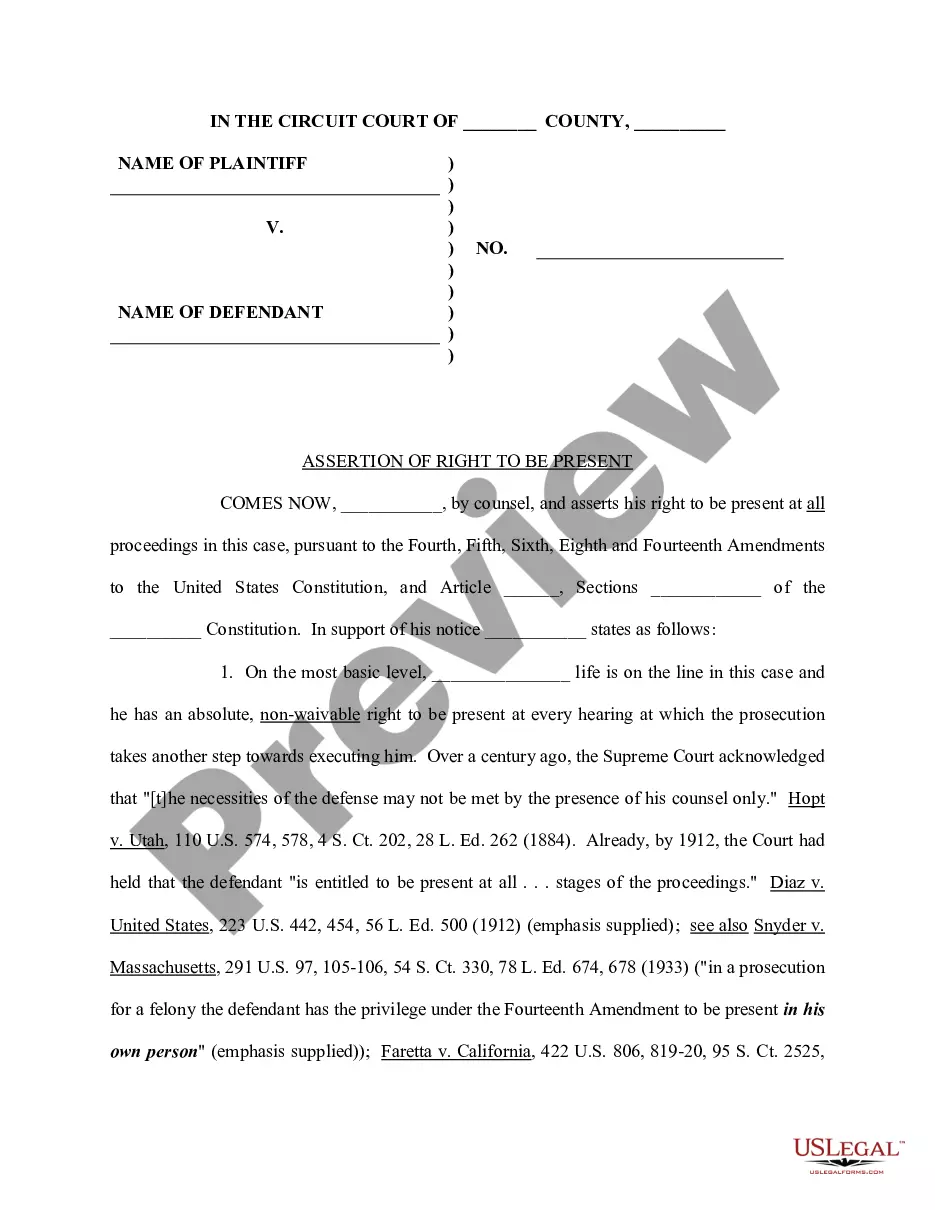
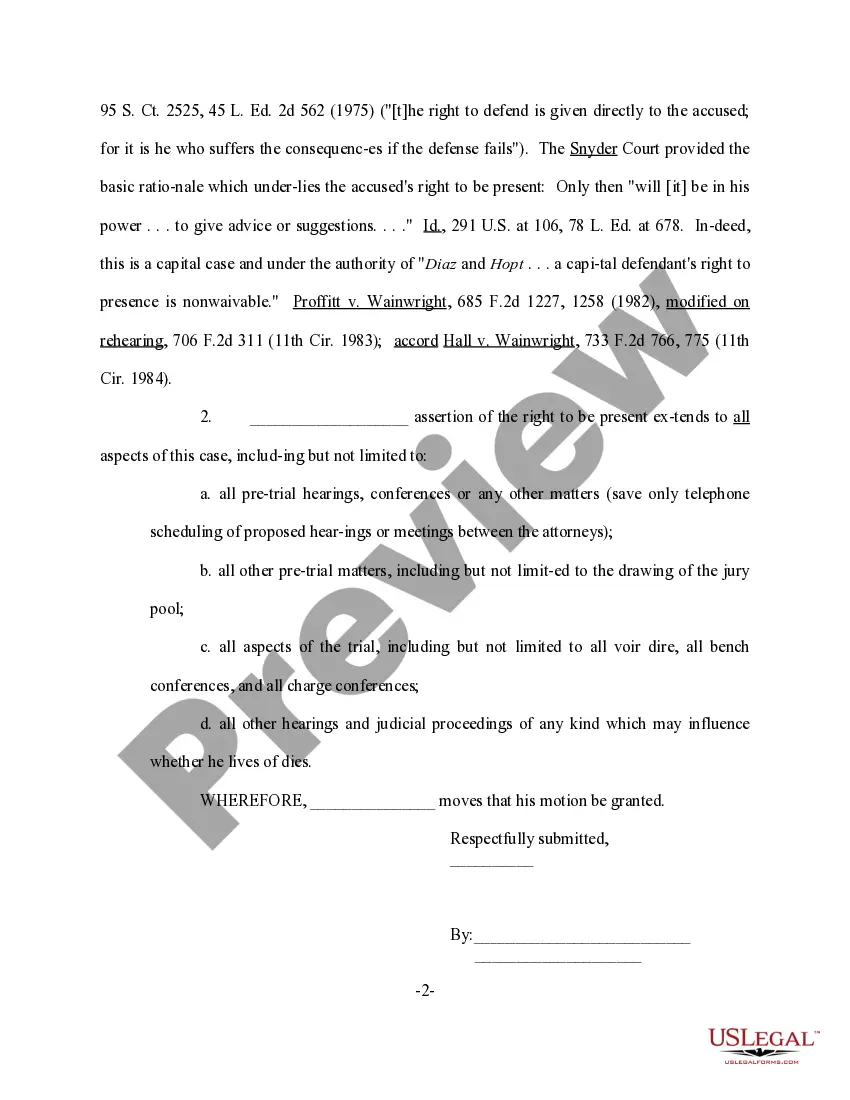
How to fill out Assertion Of Right To Be Present?
Creating legal documents from the ground up can frequently be overwhelming.
Certain situations may entail extensive investigation and significant costs.
If you’re looking for a more straightforward and economical method of producing Court Case Hearing For Eviction or any other forms without the hassle, US Legal Forms is readily available for you.
Our digital collection of more than 85,000 current legal forms addresses nearly every facet of your financial, legal, and personal issues. With just a few clicks, you can swiftly obtain state- and county-compliant forms meticulously prepared for you by our legal professionals.
Examine the document preview and descriptions to ensure you are on the correct form.
- Utilize our service whenever you require a dependable and trustworthy platform to quickly find and download the Court Case Hearing For Eviction.
- If you’re familiar with our site and have previously created an account with us, simply Log In to your account, find the template, and download it or access it again at any point in the My documents section.
- Not registered yet? It’s no issue. Setting up an account and navigating the library only takes a few moments.
- However, before diving directly into downloading Court Case Hearing For Eviction, consider following these guidelines.
Form popularity
FAQ
The eviction process in New Jersey includes several steps that start with filing a complaint in court. After a court case hearing for eviction, if you win, a judgment will be issued. It's crucial to understand and follow these steps diligently to ensure a smooth process. For detailed guidance, US Legal Forms offers resources tailored to New Jersey's eviction laws.
When preparing for a court case hearing for eviction, you should state your facts straightforwardly. Outline your reasons for the eviction and mention any attempts you made to resolve the issue amicably. A direct and factual approach builds credibility in the eyes of the court.
To win a court case hearing for eviction, gather all necessary documents, including lease agreements and payment records. Present your evidence in a well-organized manner and clearly articulate your reasons for the eviction. Consider utilizing resources from platforms like US Legal Forms to ensure that you understand the legal requirements in your state.
When discussing the court case hearing for eviction, a clear sentence might be, 'The landlord initiated a legal process to evict the tenant for non-payment of rent.' This sentence succinctly conveys the action taken without unnecessary complexity. Always focus on factual clarity in such matters.
Mississippi has specific rules governing the court case hearing for eviction. Typically, a landlord must provide a notice to the tenant before proceeding with eviction. The notice period often depends on the lease term and situation. Familiarize yourself with these rules to effectively navigate your case.
In a court case hearing for eviction, it is essential to clearly communicate your position. Begin by stating your name and your relationship to the property. Present your evidence in a logical manner, detailing the reasons for the eviction. Remain calm, respectful, and focused on the facts to increase your chances of a favorable outcome.
The duration of a court case hearing for eviction can vary, generally lasting anywhere from a few minutes to a couple of hours. Several factors can influence this, including the complexity of the case and the court's schedule. Be prepared for a brief hearing where both parties present their arguments. Understanding this process can help you manage expectations.
When facing eviction in court, it’s important to state your case clearly and calmly. Explain your situation, provide evidence supporting your position, and express your willingness to resolve the issue. Focus on facts and avoid personal attacks. Engaging constructively during your court case hearing for eviction can positively influence the outcome.
If you have to go to court for eviction, gather all relevant documents, such as your lease agreement and any communication with your landlord. Arrive early to allow time for check-in and to discuss your case with your attorney, if you have one. During the court case hearing for eviction, speak clearly and respectfully while presenting your side. Preparation is key to effectively addressing the court.
Missing your court case hearing for eviction does not typically result in jail time. However, it can lead to a default judgment against you, which gives the landlord the right to proceed with the eviction. It's essential to appear in court and present your case. If you cannot attend for a valid reason, you may request a rescheduling.