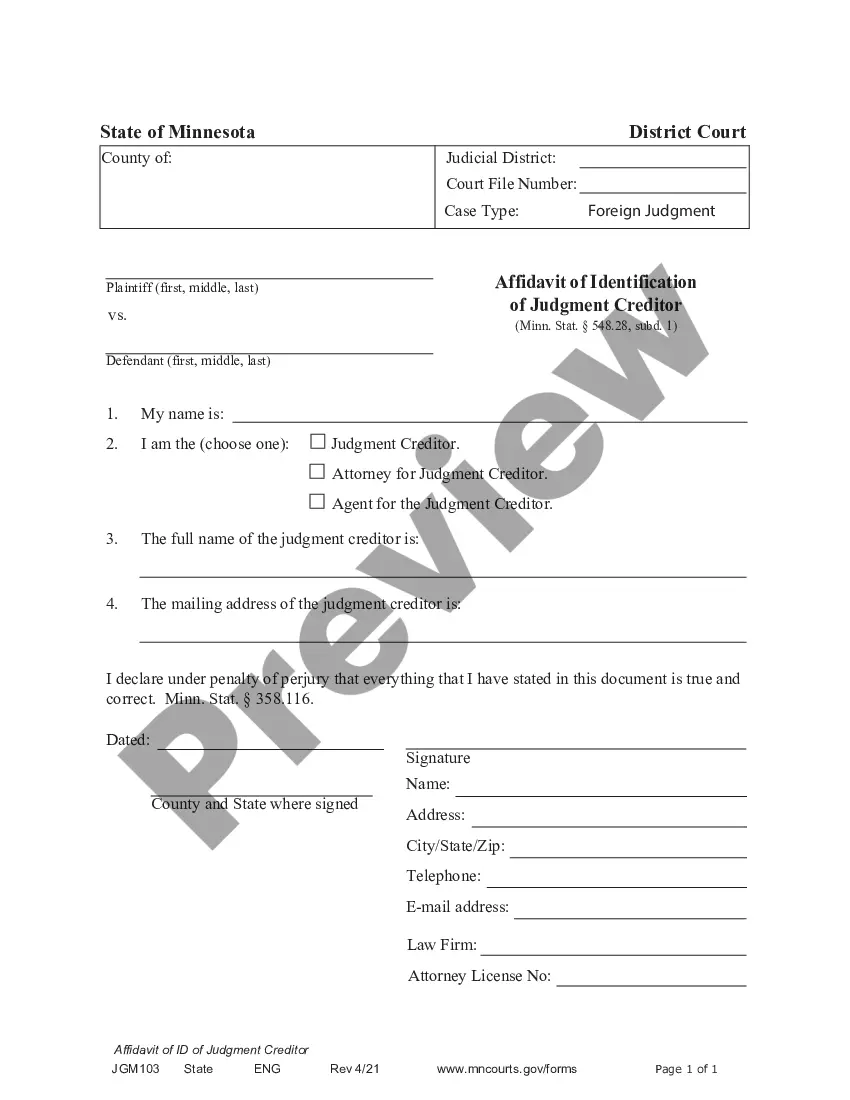
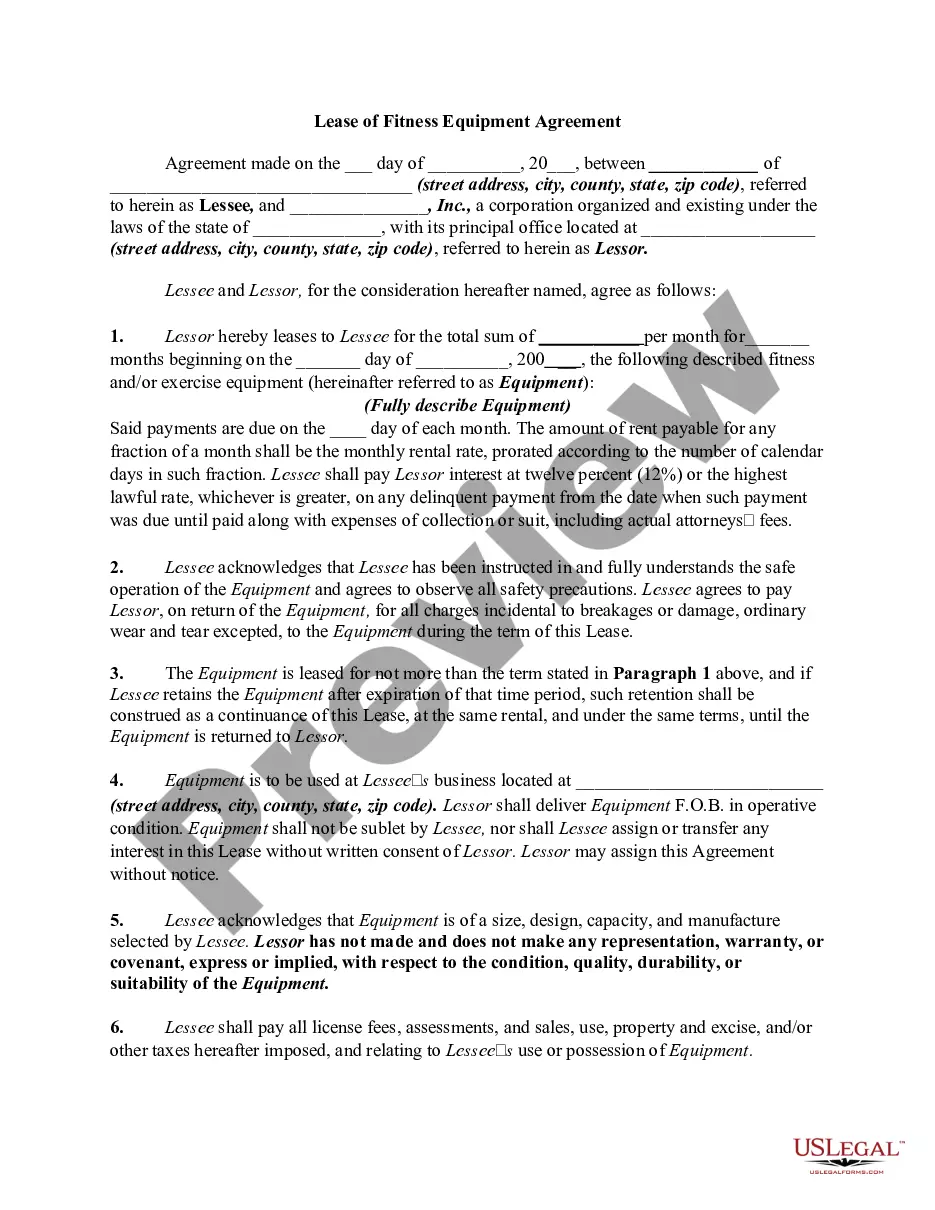
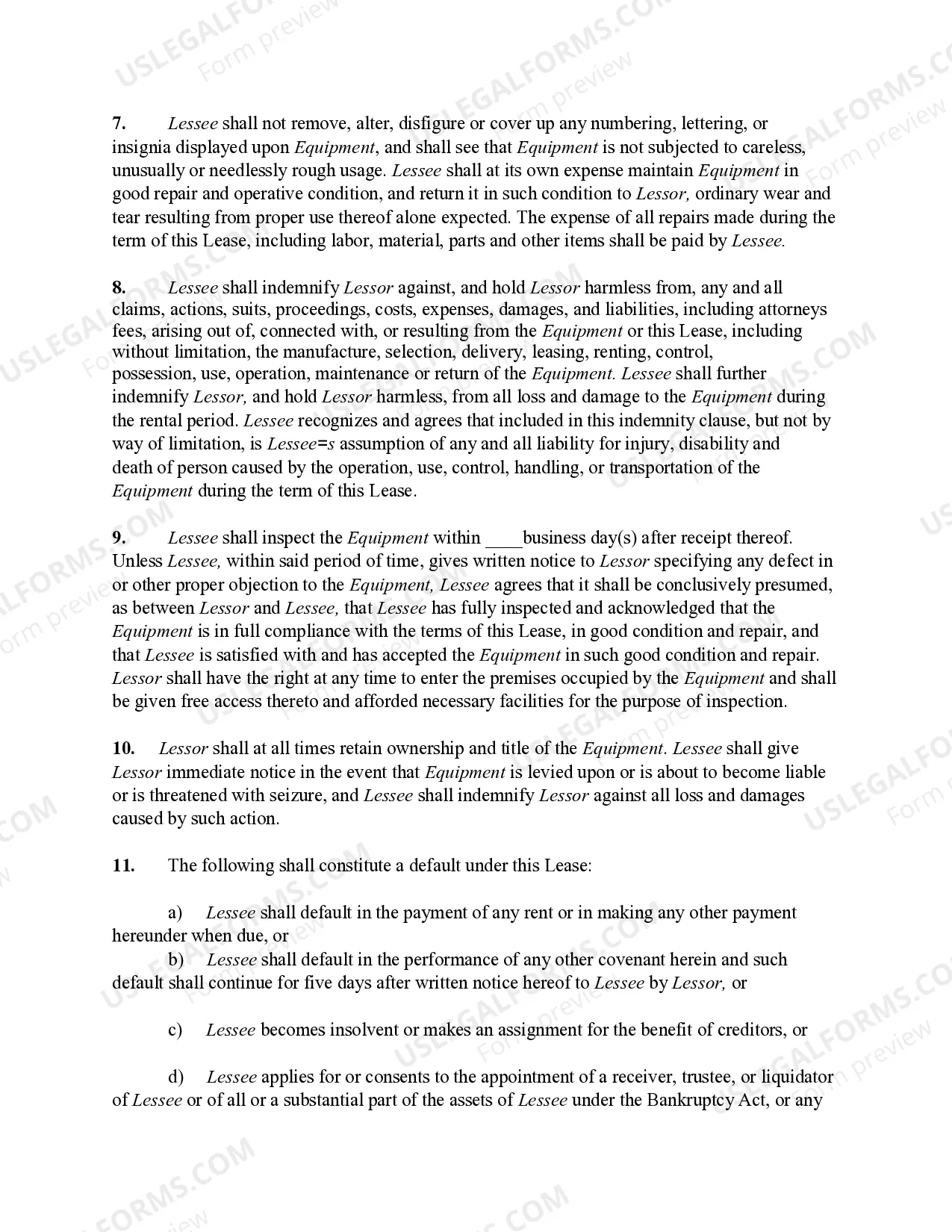
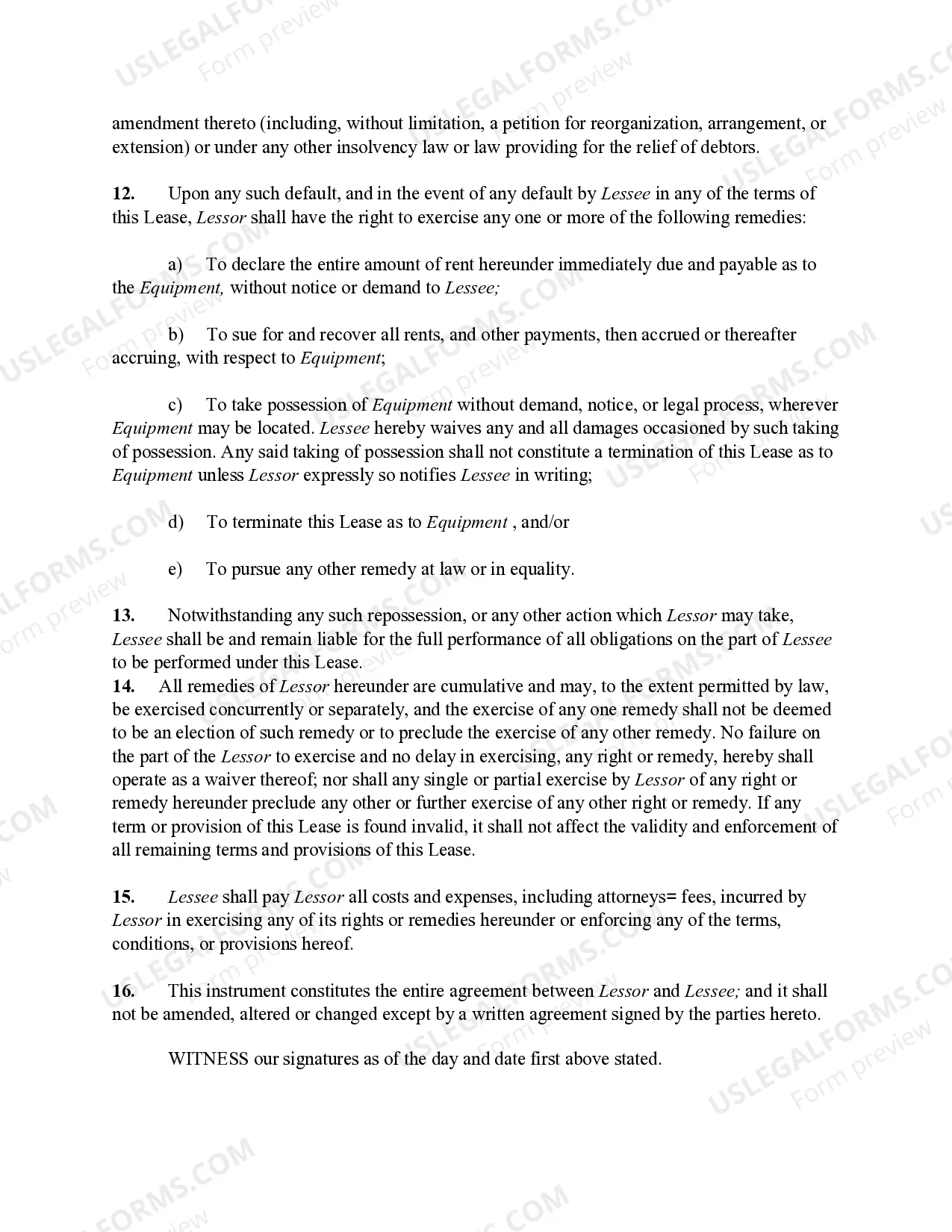
Equipment Lease On Balance Sheet
Description
Get your form ready online
Our built-in tools help you complete, sign, share, and store your documents in one place.
Make edits, fill in missing information, and update formatting in US Legal Forms—just like you would in MS Word.
Download a copy, print it, send it by email, or mail it via USPS—whatever works best for your next step.
Sign and collect signatures with our SignNow integration. Send to multiple recipients, set reminders, and more. Go Premium to unlock E-Sign.
If this form requires notarization, complete it online through a secure video call—no need to meet a notary in person or wait for an appointment.
We protect your documents and personal data by following strict security and privacy standards.

Make edits, fill in missing information, and update formatting in US Legal Forms—just like you would in MS Word.

Download a copy, print it, send it by email, or mail it via USPS—whatever works best for your next step.

Sign and collect signatures with our SignNow integration. Send to multiple recipients, set reminders, and more. Go Premium to unlock E-Sign.

If this form requires notarization, complete it online through a secure video call—no need to meet a notary in person or wait for an appointment.

We protect your documents and personal data by following strict security and privacy standards.
Looking for another form?

How to fill out Lease Of Fitness Equipment Agreement?
There's no longer a necessity to squander time looking for legal documents to meet your local state regulations.
US Legal Forms has consolidated all of them in a single location and enhanced their availability.
Our platform offers over 85k templates for any business and personal legal situations organized by state and area of usage.
Preparing legal documents under federal and state laws and regulations is quick and effortless with our library. Give US Legal Forms a try today to maintain your documentation in order!
- All forms are properly drafted and verified for authenticity, so you can be confident in securing an up-to-date Equipment Lease On Balance Sheet.
- If you are acquainted with our service and already possess an account, ensure your subscription is active before acquiring any templates.
- Log In to your account, select the document, and click Download.
- You can always return to all saved documents whenever necessary by accessing the My documents tab in your profile.
- If you've never utilized our service before, the procedure will require a few more steps to finalize.
- Here's how new users can locate the Equipment Lease On Balance Sheet in our catalog.
- Examine the content of the page thoroughly to confirm it contains the sample you need.
- To do this, use the form description and preview options if available.
Form popularity
FAQ
Operating leases are shown as an asset on the balance sheet, valued as the present value of the lease payments (not the market value of the asset) The lease liability is shown on the balance sheet (similarly, the present value of the lease payments)
Typically, these leases were recorded on the asset side of the balance sheet under Property, Plant and Equipment (PP&E) while the lease liabilities were recorded in Debt or Other Liabilities.
The lessee records the leased right as an item of property, plant, and equipment, which is then depreciated over its useful life to the lessee. The lessee must also record a liability reflecting the obligation to make continuing payments under the lease agreement, similar to the accounting for a note payable.
Assets being leased are not recorded on the company's balance sheet; they are expensed on the income statement. So, they affect both operating and net income. It is retained by the lessor during and after the lease term and cannot contain a bargain purchase option.
The lease is considered a loan (debt financing), and interest payments are expensed on the income statement. The present market value of the asset is included in the balance sheet under the assets side, and depreciation is charged on the income statement.