Custody Hearing Process For Juveniles
Description
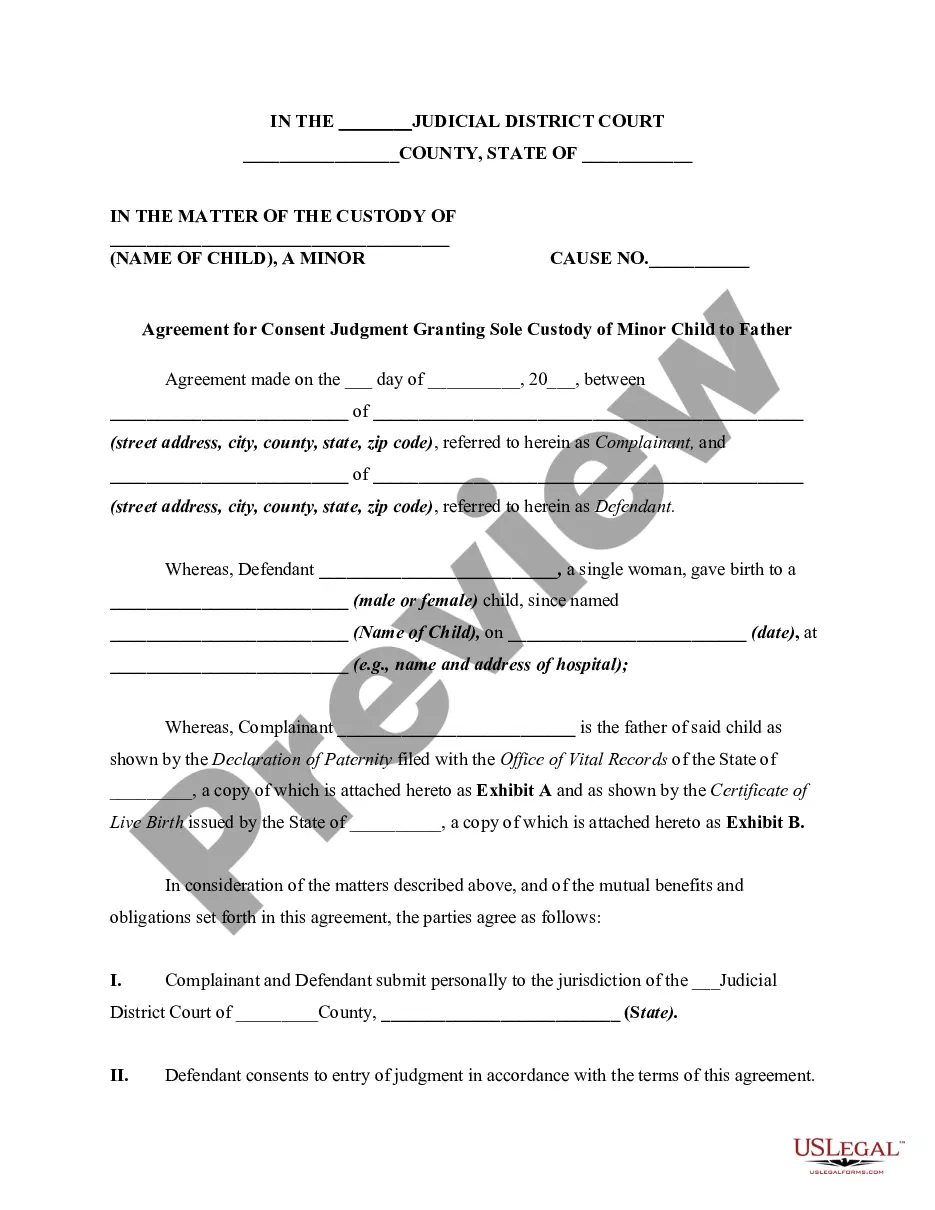
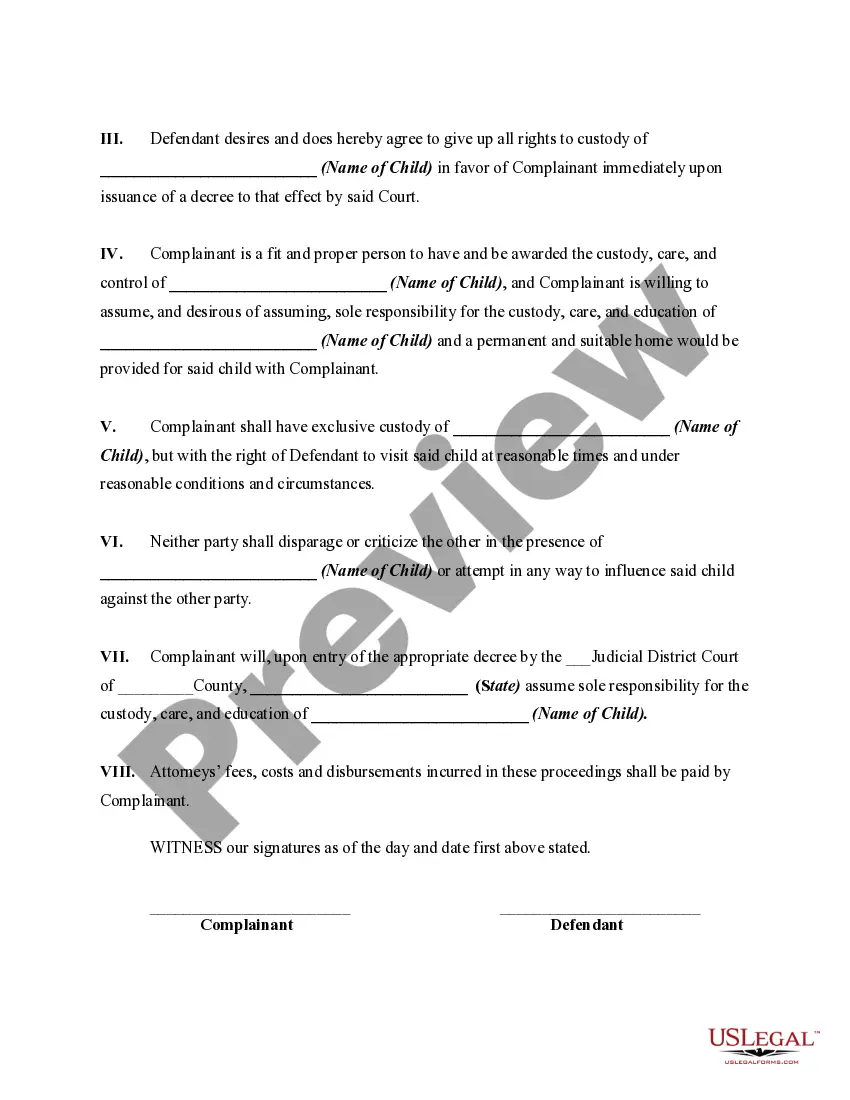

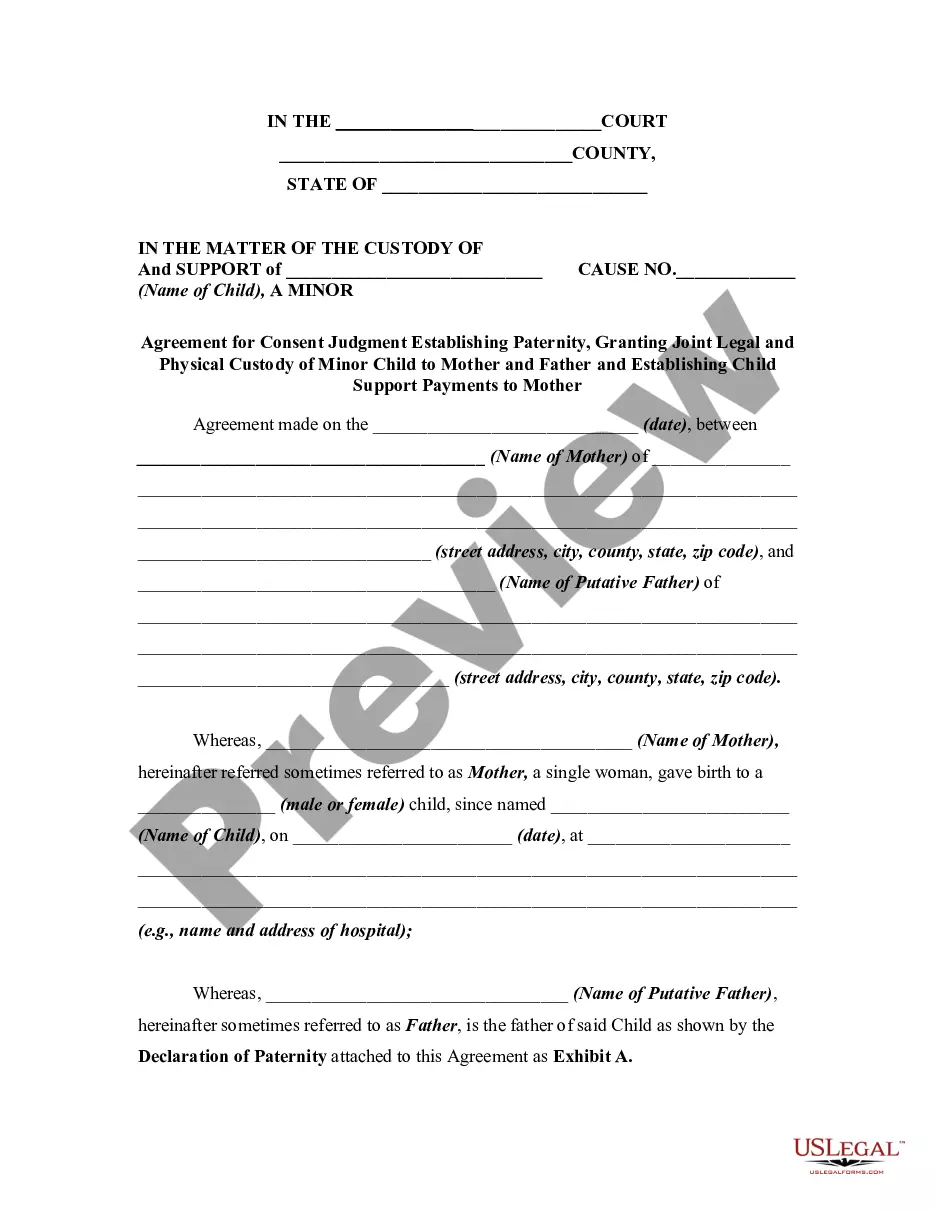
Get your form ready online
Our built-in tools help you complete, sign, share, and store your documents in one place.
Make edits, fill in missing information, and update formatting in US Legal Forms—just like you would in MS Word.
Download a copy, print it, send it by email, or mail it via USPS—whatever works best for your next step.
Sign and collect signatures with our SignNow integration. Send to multiple recipients, set reminders, and more. Go Premium to unlock E-Sign.
If this form requires notarization, complete it online through a secure video call—no need to meet a notary in person or wait for an appointment.
We protect your documents and personal data by following strict security and privacy standards.

Make edits, fill in missing information, and update formatting in US Legal Forms—just like you would in MS Word.

Download a copy, print it, send it by email, or mail it via USPS—whatever works best for your next step.

Sign and collect signatures with our SignNow integration. Send to multiple recipients, set reminders, and more. Go Premium to unlock E-Sign.

If this form requires notarization, complete it online through a secure video call—no need to meet a notary in person or wait for an appointment.

We protect your documents and personal data by following strict security and privacy standards.
Looking for another form?





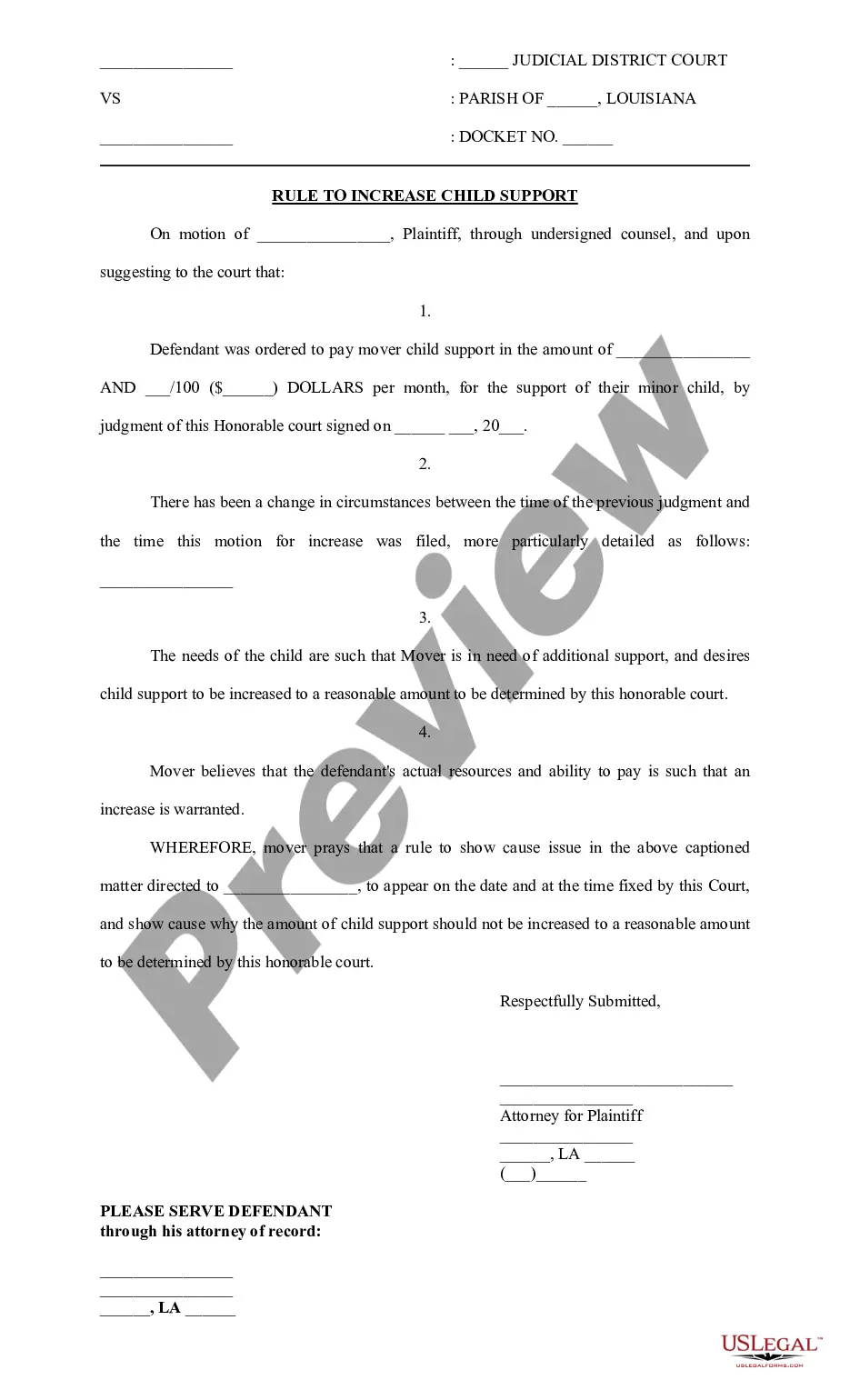


How to fill out Agreement For Consent Judgment Granting Sole Custody Of Minor Child To Father?
Getting a go-to place to take the most current and appropriate legal templates is half the struggle of dealing with bureaucracy. Finding the right legal papers requirements accuracy and attention to detail, which explains why it is important to take samples of Custody Hearing Process For Juveniles only from trustworthy sources, like US Legal Forms. A wrong template will waste your time and delay the situation you are in. With US Legal Forms, you have very little to be concerned about. You may access and check all the details concerning the document’s use and relevance for your situation and in your state or county.
Consider the following steps to complete your Custody Hearing Process For Juveniles:
- Use the catalog navigation or search field to find your template.
- Open the form’s information to check if it fits the requirements of your state and county.
- Open the form preview, if there is one, to make sure the form is definitely the one you are looking for.
- Get back to the search and look for the correct template if the Custody Hearing Process For Juveniles does not fit your needs.
- When you are positive regarding the form’s relevance, download it.
- When you are a registered customer, click Log in to authenticate and gain access to your selected forms in My Forms.
- If you do not have a profile yet, click Buy now to obtain the form.
- Choose the pricing plan that suits your preferences.
- Go on to the registration to complete your purchase.
- Complete your purchase by picking a transaction method (credit card or PayPal).
- Choose the file format for downloading Custody Hearing Process For Juveniles.
- When you have the form on your device, you can modify it using the editor or print it and complete it manually.
Eliminate the inconvenience that accompanies your legal paperwork. Check out the comprehensive US Legal Forms catalog to find legal templates, examine their relevance to your situation, and download them on the spot.
Form popularity
FAQ
The main types of cases heard and decided by Juvenile Court are as follows: Delinquency Cases. Involve juveniles alleged to have committed an act that is a violation of a criminal law. Traffic Cases. ... Unruly Cases. ... Neglect Cases. ... Abuse Cases. ... Dependent Cases. ... Custody Cases. ... Paternity Cases.
Although courts with juvenile jurisdiction handle a variety of cases, including abuse, neglect, adoption, and traffic violations, the Juvenile Court Statistics series focuses on the disposition of delinquency cases and formally pro- cessed status offense cases.
Similar to arrests of adults, arrests of juveniles must be supported by probable cause. Police officers generally must provide Miranda warnings as well. Probable cause is required before searching a juvenile in most cases, unless school authorities are conducting the search.
What are the steps or stages in the juvenile justice system? The juvenile justice system is a multistage process: (1) delinquent behavior, (2) referral, (3) intake/?diversion, (4) transfer/?waiver, (5) detention, (6) adjudication, (7) disposition, (8) juvenile corrections and (9) aftercare.
The potential punishments in juvenile courts can be vast, and are ultimately decided by the judge, if the juvenile is found guilty or admits to the charges. For the juvenile, these punishments can include incarceration, being placed on probation, ordered to complete community service work, counseling, and fines.