Custody For Life Sentence
Description
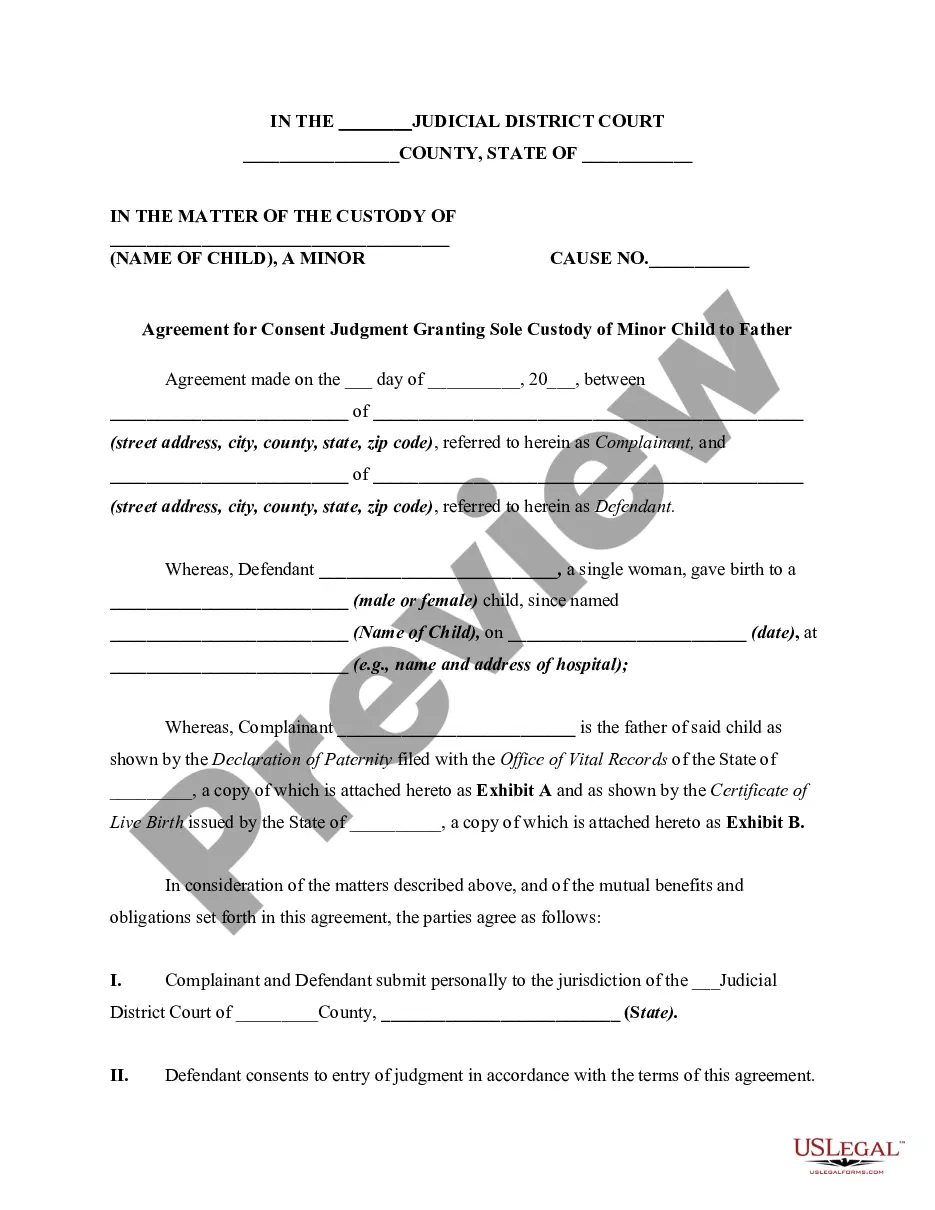
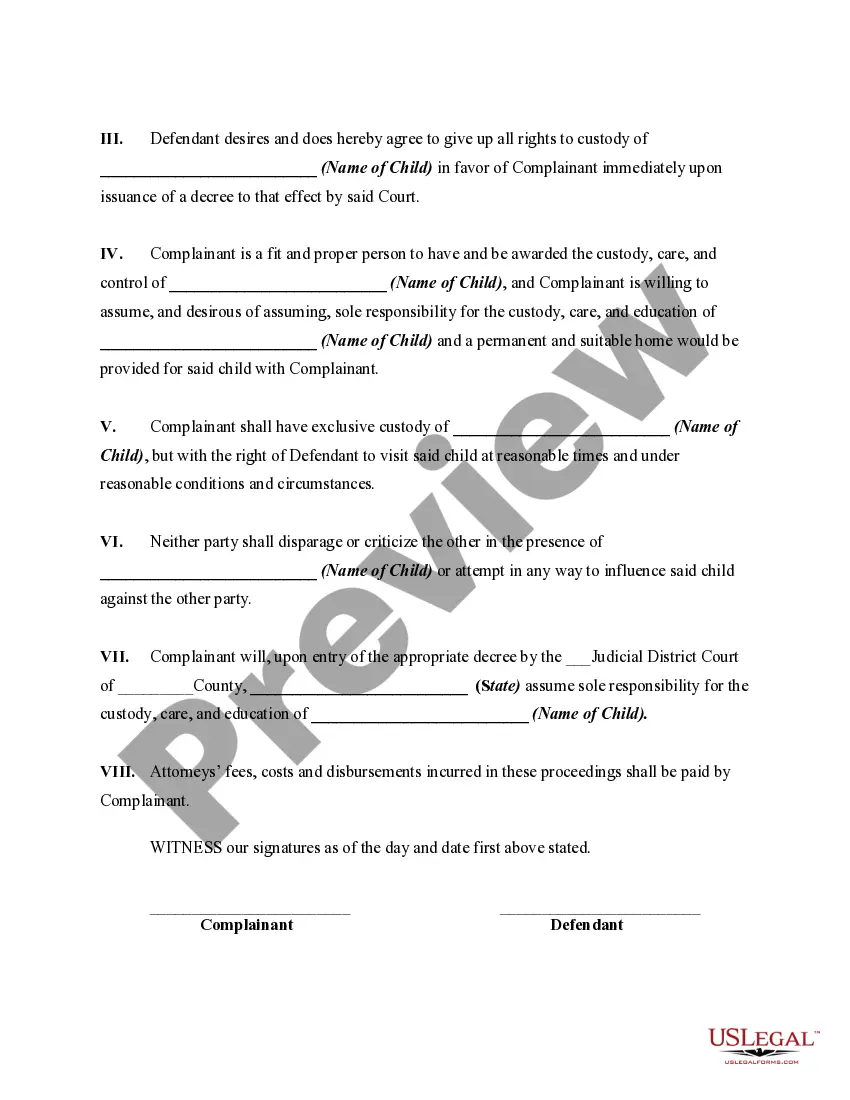

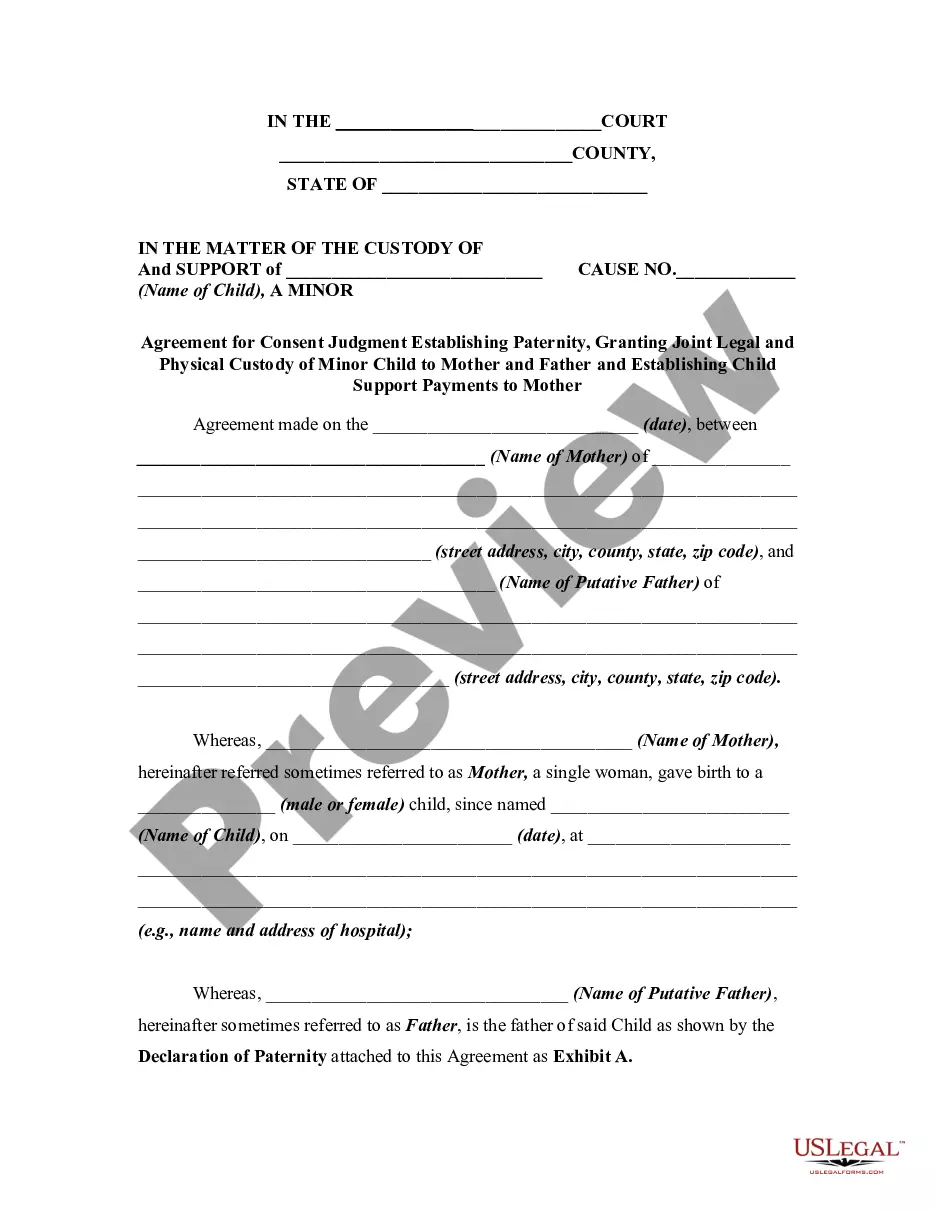
Get your form ready online
Our built-in tools help you complete, sign, share, and store your documents in one place.
Make edits, fill in missing information, and update formatting in US Legal Forms—just like you would in MS Word.
Download a copy, print it, send it by email, or mail it via USPS—whatever works best for your next step.
Sign and collect signatures with our SignNow integration. Send to multiple recipients, set reminders, and more. Go Premium to unlock E-Sign.
If this form requires notarization, complete it online through a secure video call—no need to meet a notary in person or wait for an appointment.
We protect your documents and personal data by following strict security and privacy standards.

Make edits, fill in missing information, and update formatting in US Legal Forms—just like you would in MS Word.

Download a copy, print it, send it by email, or mail it via USPS—whatever works best for your next step.

Sign and collect signatures with our SignNow integration. Send to multiple recipients, set reminders, and more. Go Premium to unlock E-Sign.

If this form requires notarization, complete it online through a secure video call—no need to meet a notary in person or wait for an appointment.

We protect your documents and personal data by following strict security and privacy standards.
Looking for another form?



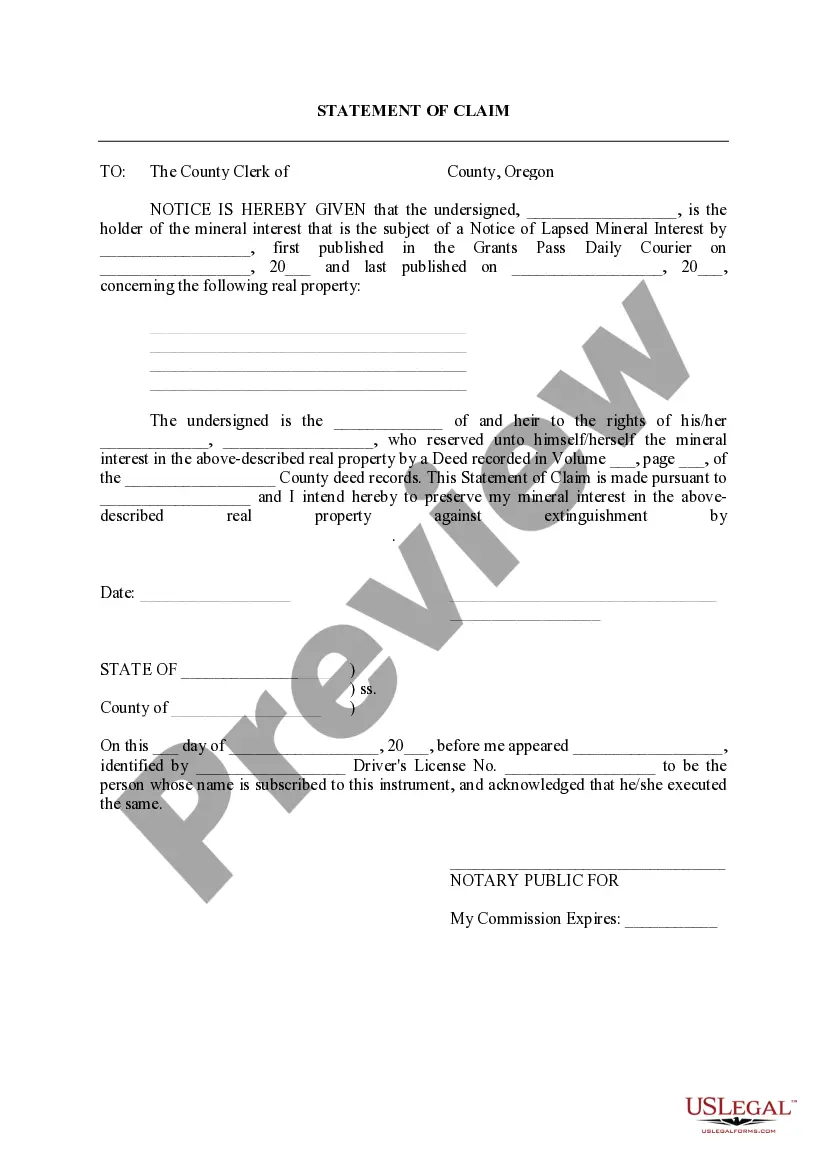




How to fill out Agreement For Consent Judgment Granting Sole Custody Of Minor Child To Father?
- If you're a returning user, log into your account and access the required form template. Ensure your subscription is active; renew if necessary.
- For first-time users, start by checking the Preview mode and form descriptions to select the document that aligns with your jurisdiction's requirements.
- If the initial form doesn't meet your needs, utilize the Search tab to locate a more suitable template.
- Once you've identified the correct document, click the Buy Now button and choose your subscription plan. You'll need to create an account for access.
- Complete your purchase by entering your payment details, either through credit card or PayPal.
- After payment, download your selected form to your device for easy completion and future access via the My Forms section of your profile.
Following these steps will ensure you efficiently gather the legal forms you need. US Legal Forms offers a robust collection of over 85,000 fillable legal documents, surpassing competitors in both quality and quantity.
Take action now! Simplify your legal journey with US Legal Forms and ensure you're equipped with the right documents.
Form popularity
FAQ
A life sentence is usually imposed by a judge after a defendant is found guilty of a serious crime during trial proceedings. Prosecutors may seek this harsh penalty based on the nature of the crime and its impact. During the sentencing phase, factors such as prior convictions and mitigating circumstances are considered. Therefore, having access to resources like US Legal Forms can assist you in understanding legal rights related to custody for life sentence.
While a life sentence means incarceration until death, certain jurisdictions might define it differently, often interpreting it as a minimum term, such as 25 years. Courts factor in specifics like age, criminal history, and type of crime during sentencing. Understanding these facets is essential as they affect the implications of custody for life sentence on the individual involved. Keep in mind these variable conditions offer different pathways within the justice system.
A life sentence typically means imprisonment for the remainder of an individual's natural life. However, specific terms can vary by jurisdiction, with some allowing parole eligibility after a certain period. Generally, a life sentence implies a long-term commitment to incarceration, emphasizing the gravity of the crime. Grasping these nuances is crucial for anyone dealing with issues related to custody for life sentence.
Crimes like first-degree murder or certain violent felonies could lead to a sentence of 25 years to life. The judicial system often uses this sentence as a measure for particularly severe offenses, allowing for the possibility of parole after 25 years. This approach aims to balance punishment with a chance for rehabilitation for certain offenders. Therefore, understanding these specific conditions clarifies the notion of custody for life sentence.
You receive a life sentence during a court proceeding after a conviction for a serious crime. The judge considers factors, such as the nature of the offense and the offender's criminal history. Additionally, laws vary by state, influencing the circumstances that lead to a life sentence. Consequently, knowing these details helps individuals grasp their situation concerning custody for life sentence.
A life sentence can result from serious crimes, such as murder, armed robbery, or specific drug offenses. Legal systems classify these actions as particularly heinous, reflecting the severity of their impact on victims and society. Consequently, a life sentence serves as a significant deterrent for potential offenders. Thus, understanding the implications can help individuals navigate the legal landscape surrounding custody for life sentence.
Yes, individuals serving a life sentence can potentially be released but typically only after meeting specific conditions. Parole eligibility often depends on various factors, including behavior and the nature of the crime. Thus, custody for life sentence does not automatically mean imprisonment until death for everyone. Legal resources can provide insights and guidance through this process for those affected.
The years attributed to a life sentence can differ greatly based on the legal system. While some may interpret it as 15 to 25 years based on eligibility for parole, in many cases, it signifies potentially many more decades, depending on the jurisdiction. Therefore, knowing how custody for life sentence is applied in your situation can greatly affect outcomes. Seeking legal assistance can help clarify these timeframes.
In many jurisdictions, a life sentence does not uniformly equate to 25 years. Instead, it represents a sentence meant to last for a person's lifetime. Depending on the crime and the laws of the state, the actual time served can vary widely. Consequently, when facing custody for life sentence situations, understanding the specific laws and options available becomes crucial.
A life sentence often suggests that an inmate will remain in jail for their entire life. However, in some cases, it allows for the possibility of parole after a designated period. Still, the likelihood of release can vary significantly based on the jurisdiction and the specific circumstances of the case. It's vital to consult with an attorney familiar with custody for life sentence matters to explore potential options.