Fiduciary Duty Lawsuit Without A Lawyer
Description
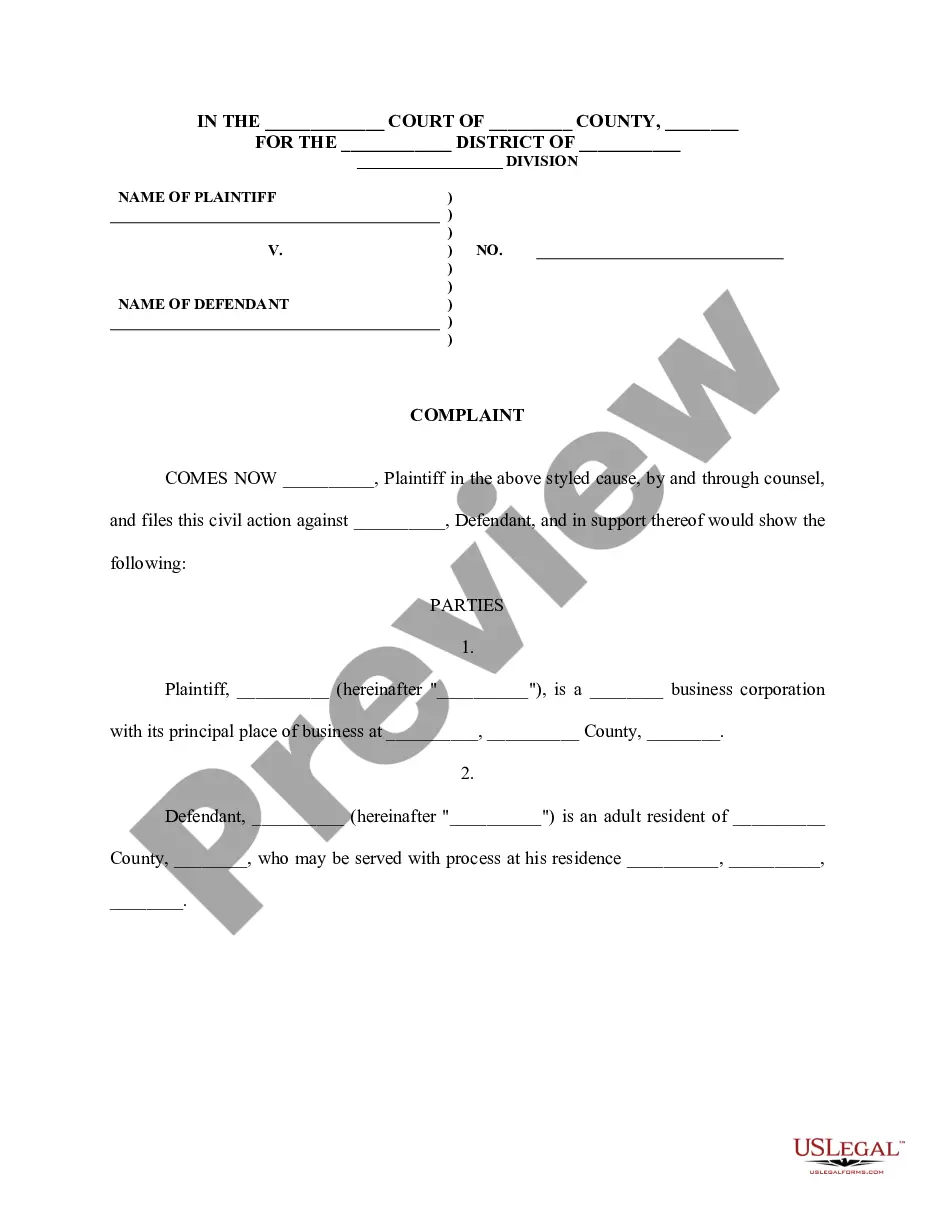
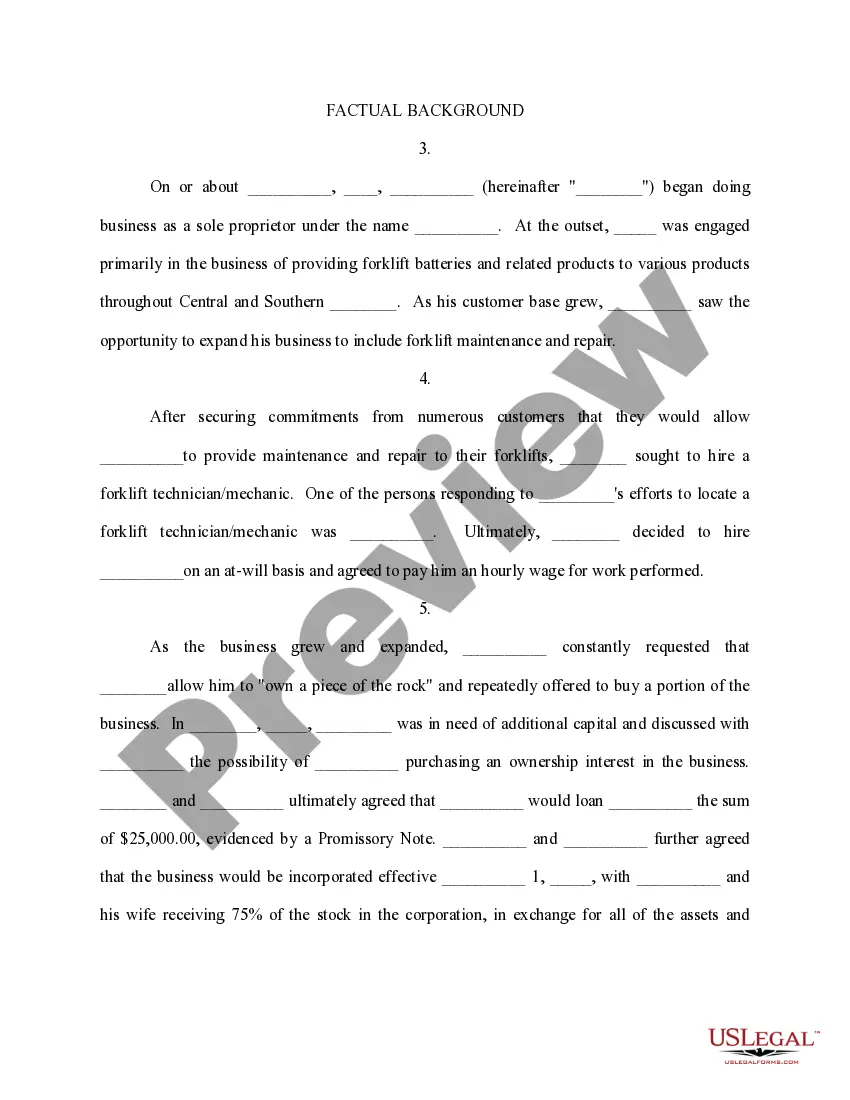
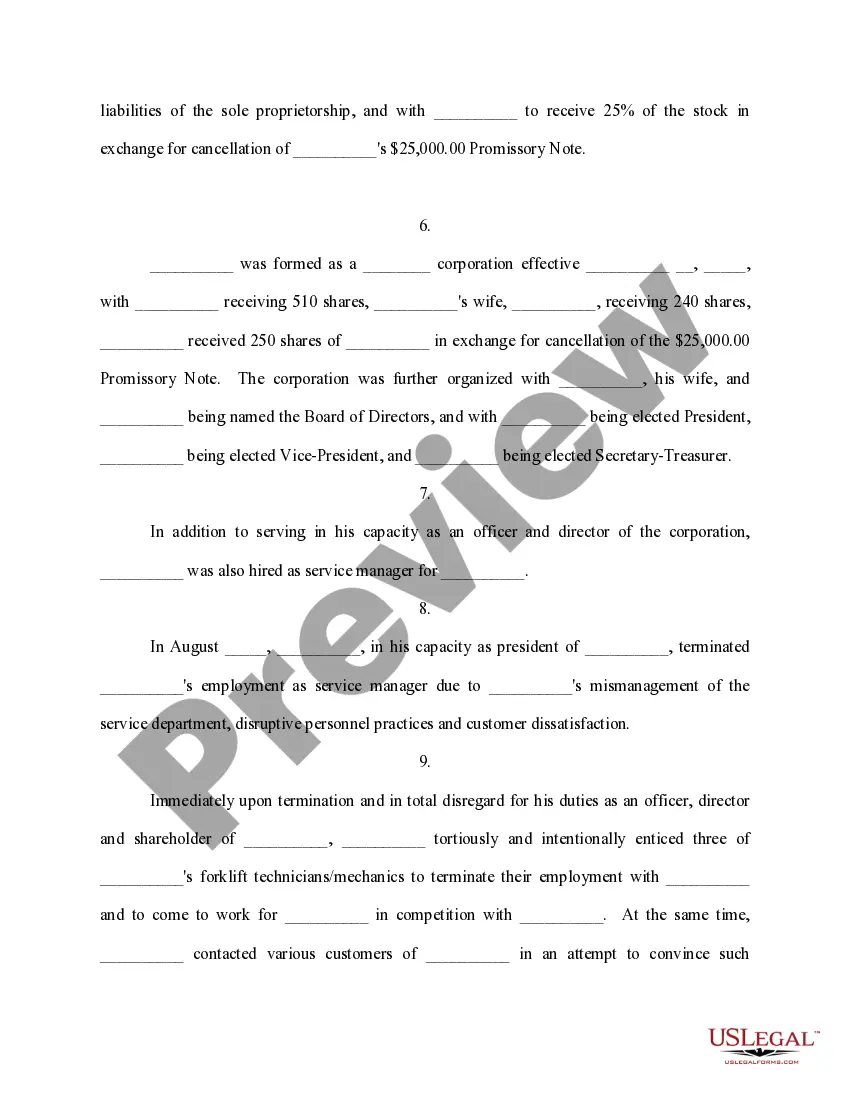
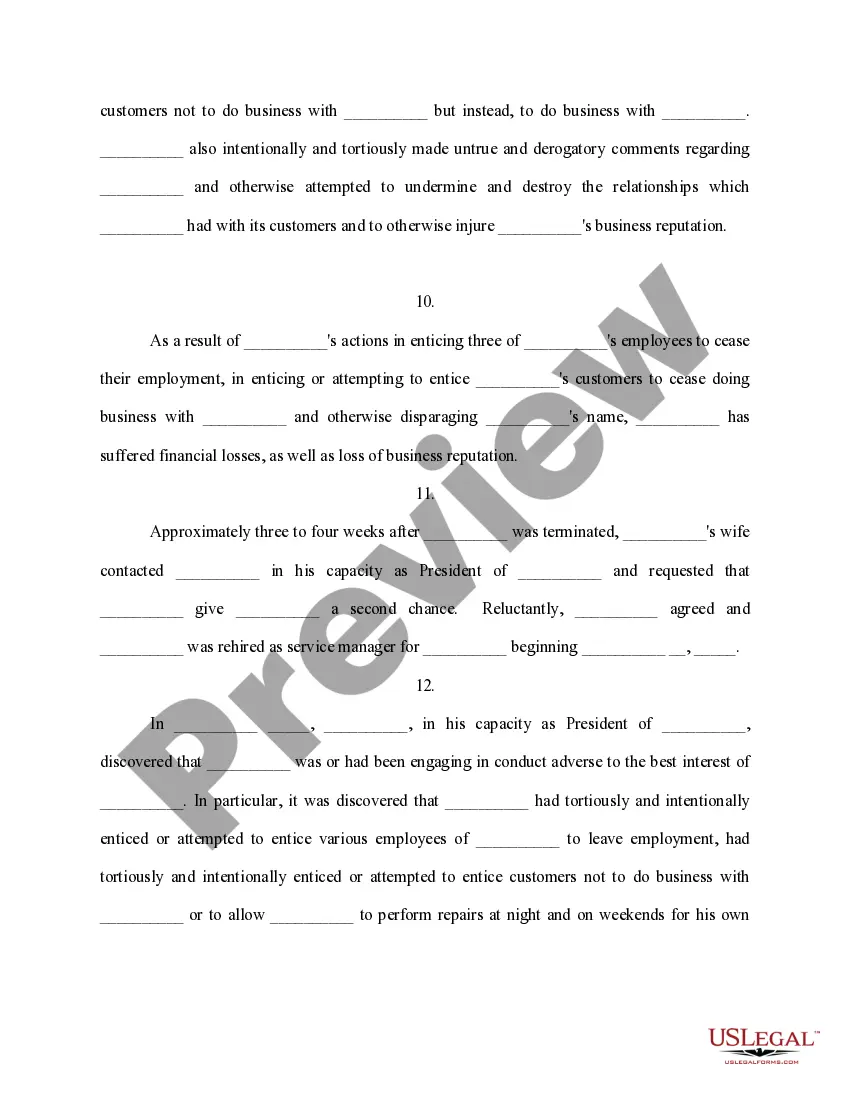
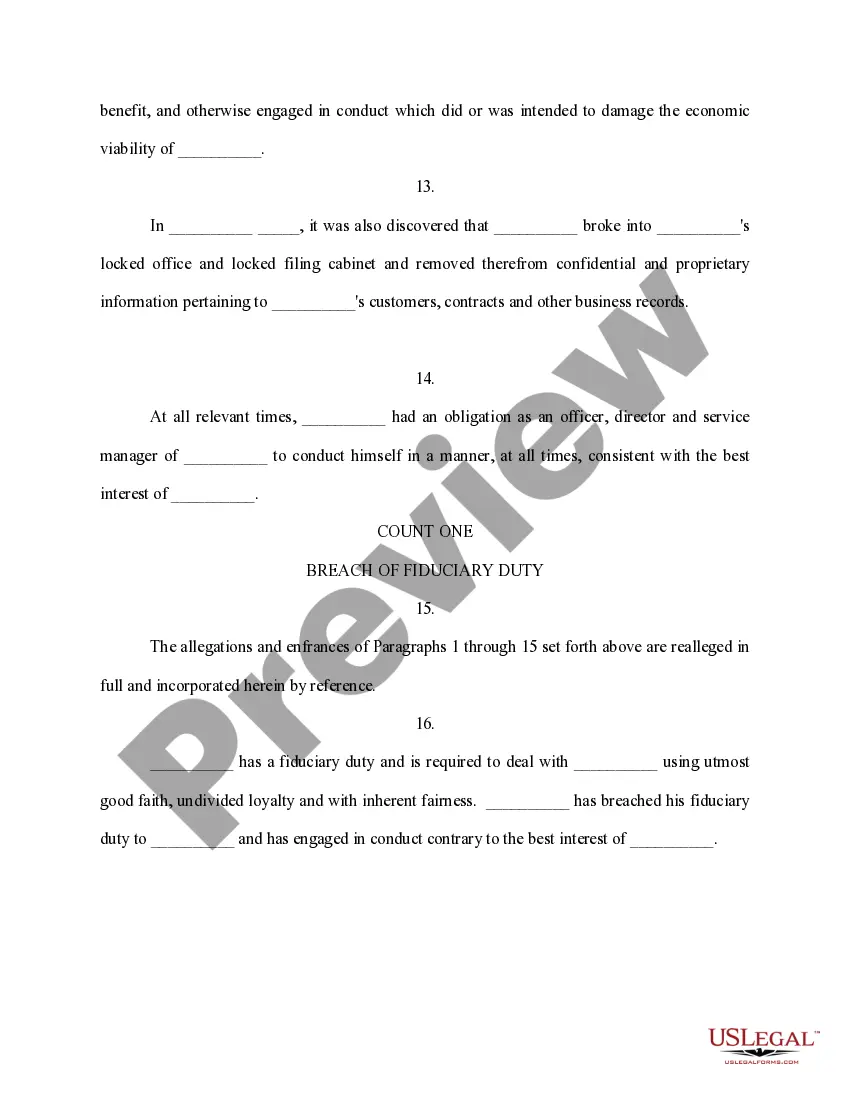
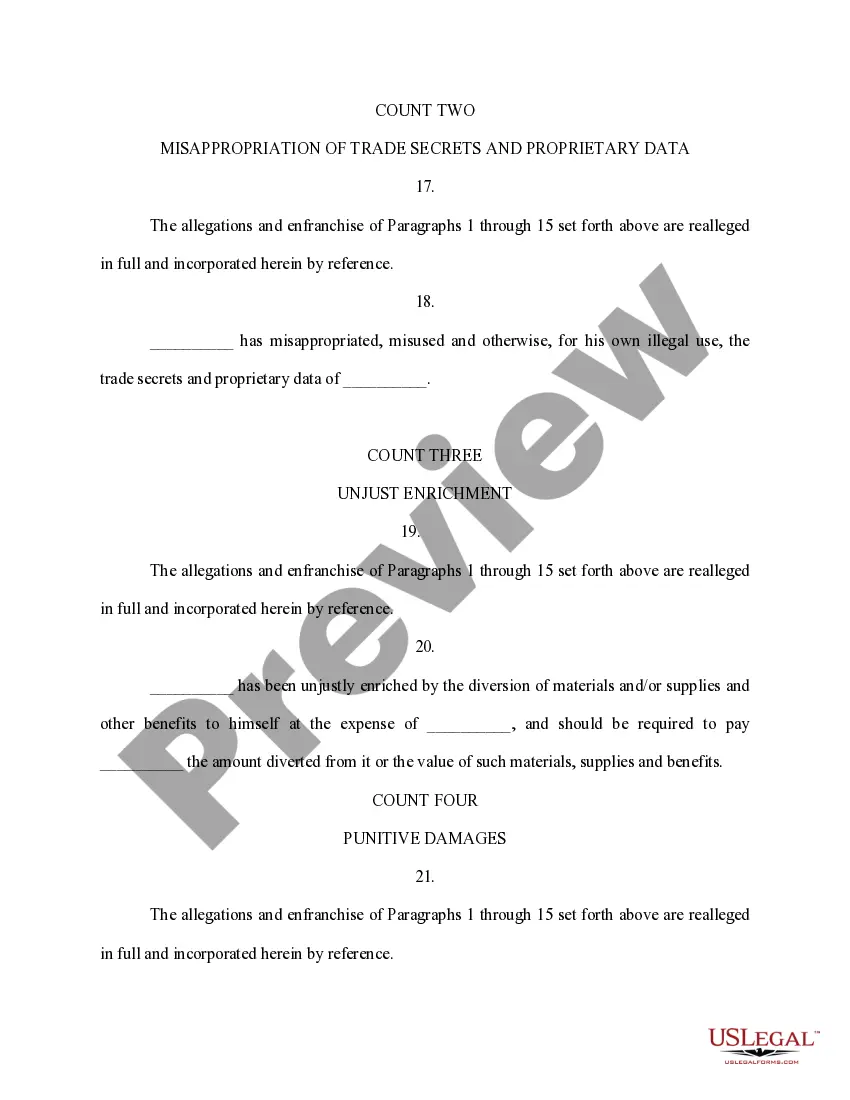
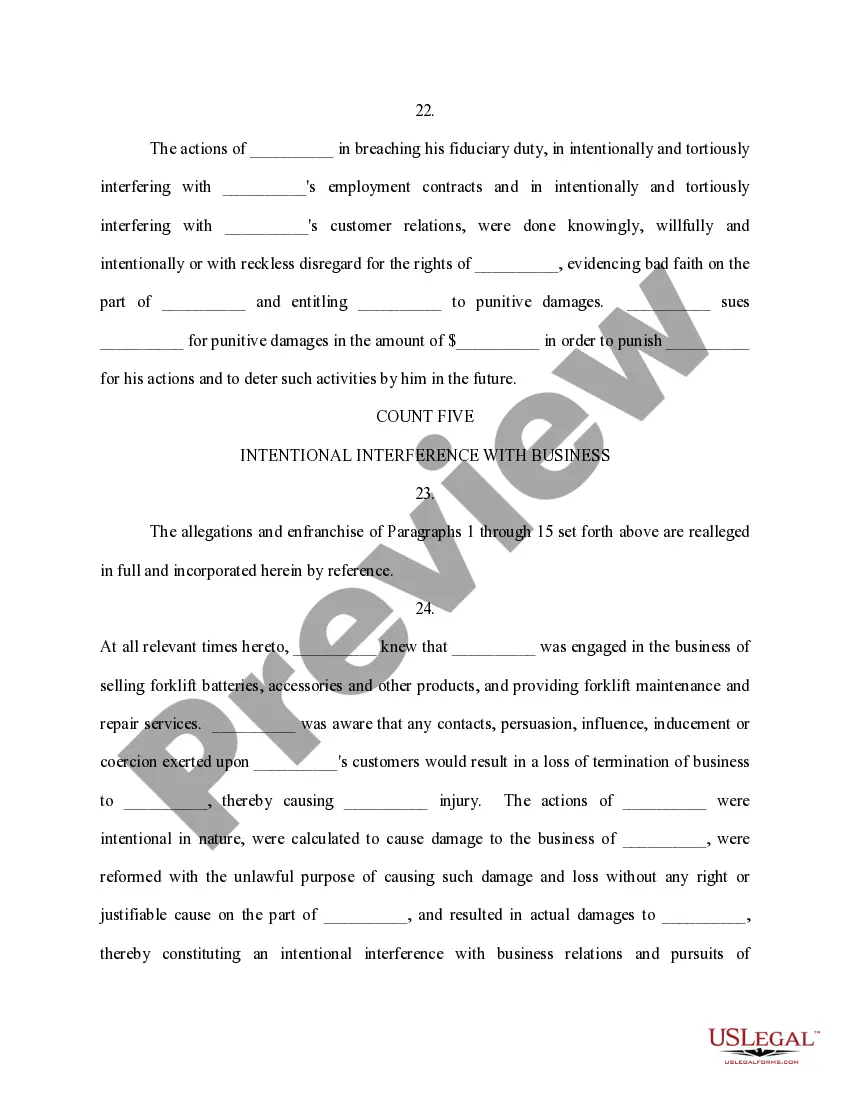
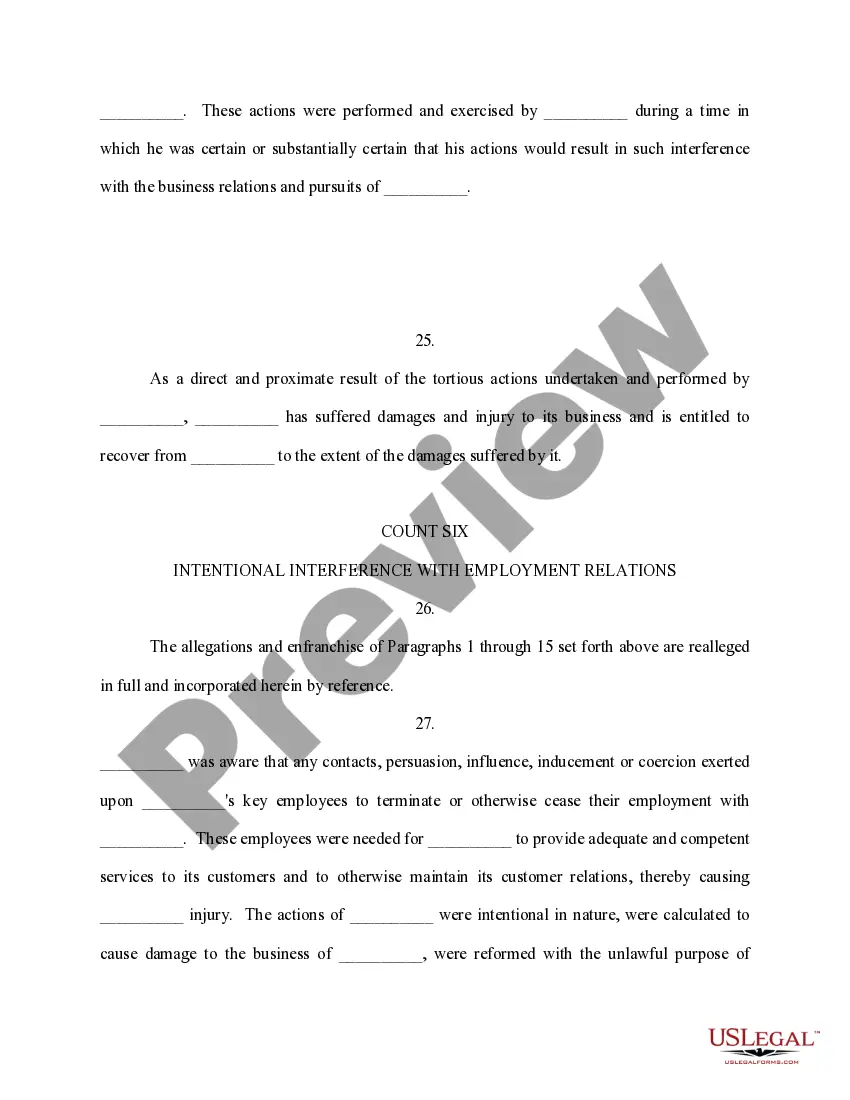
Get your form ready online
Our built-in tools help you complete, sign, share, and store your documents in one place.
Make edits, fill in missing information, and update formatting in US Legal Forms—just like you would in MS Word.
Download a copy, print it, send it by email, or mail it via USPS—whatever works best for your next step.
Sign and collect signatures with our SignNow integration. Send to multiple recipients, set reminders, and more. Go Premium to unlock E-Sign.
If this form requires notarization, complete it online through a secure video call—no need to meet a notary in person or wait for an appointment.
We protect your documents and personal data by following strict security and privacy standards.
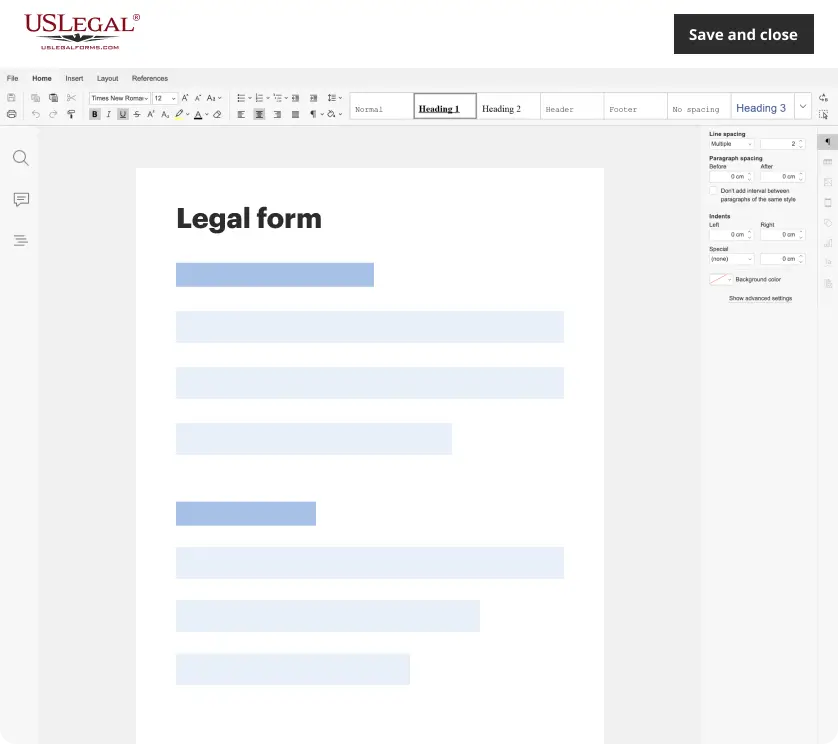
Make edits, fill in missing information, and update formatting in US Legal Forms—just like you would in MS Word.
Download a copy, print it, send it by email, or mail it via USPS—whatever works best for your next step.
Sign and collect signatures with our SignNow integration. Send to multiple recipients, set reminders, and more. Go Premium to unlock E-Sign.
If this form requires notarization, complete it online through a secure video call—no need to meet a notary in person or wait for an appointment.
We protect your documents and personal data by following strict security and privacy standards.
Looking for another form?

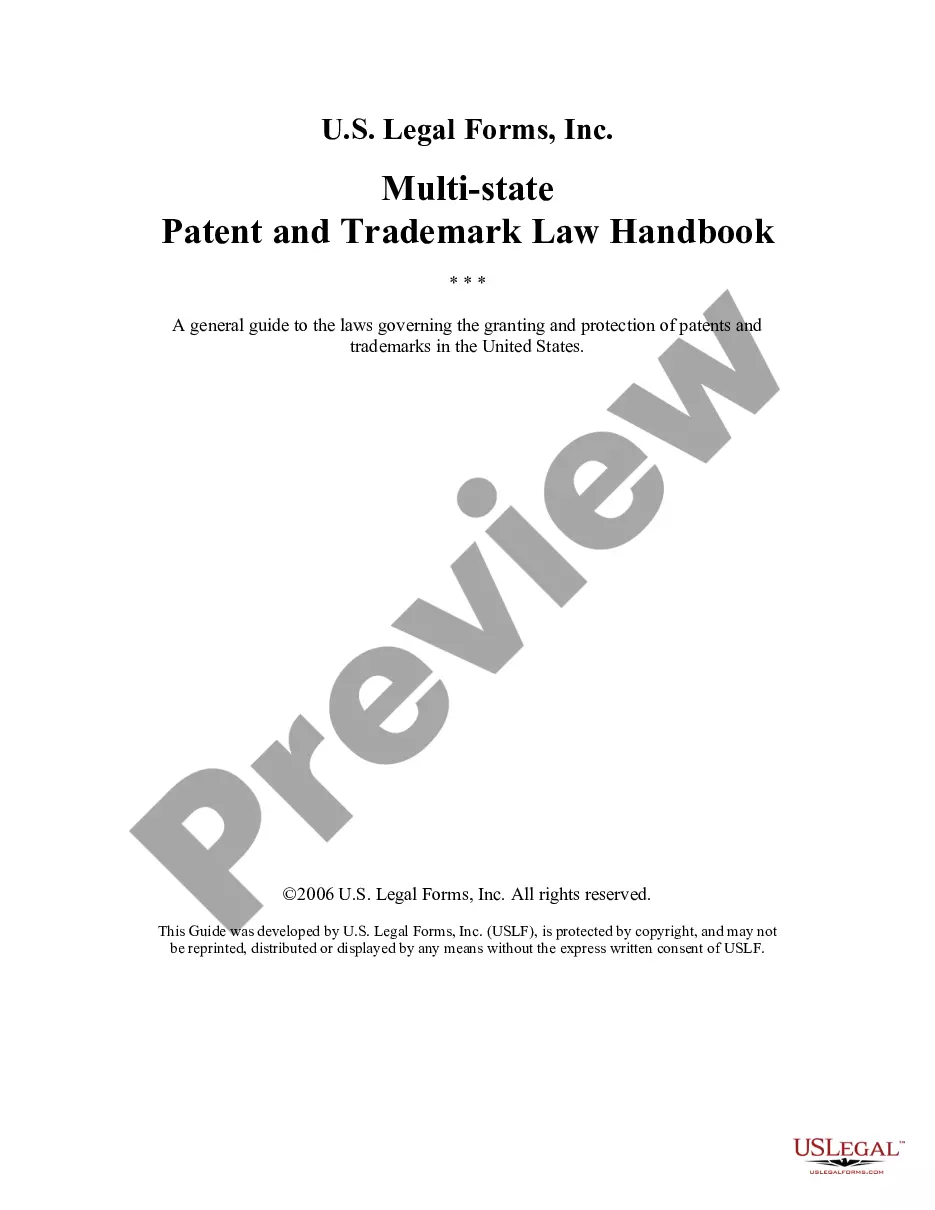
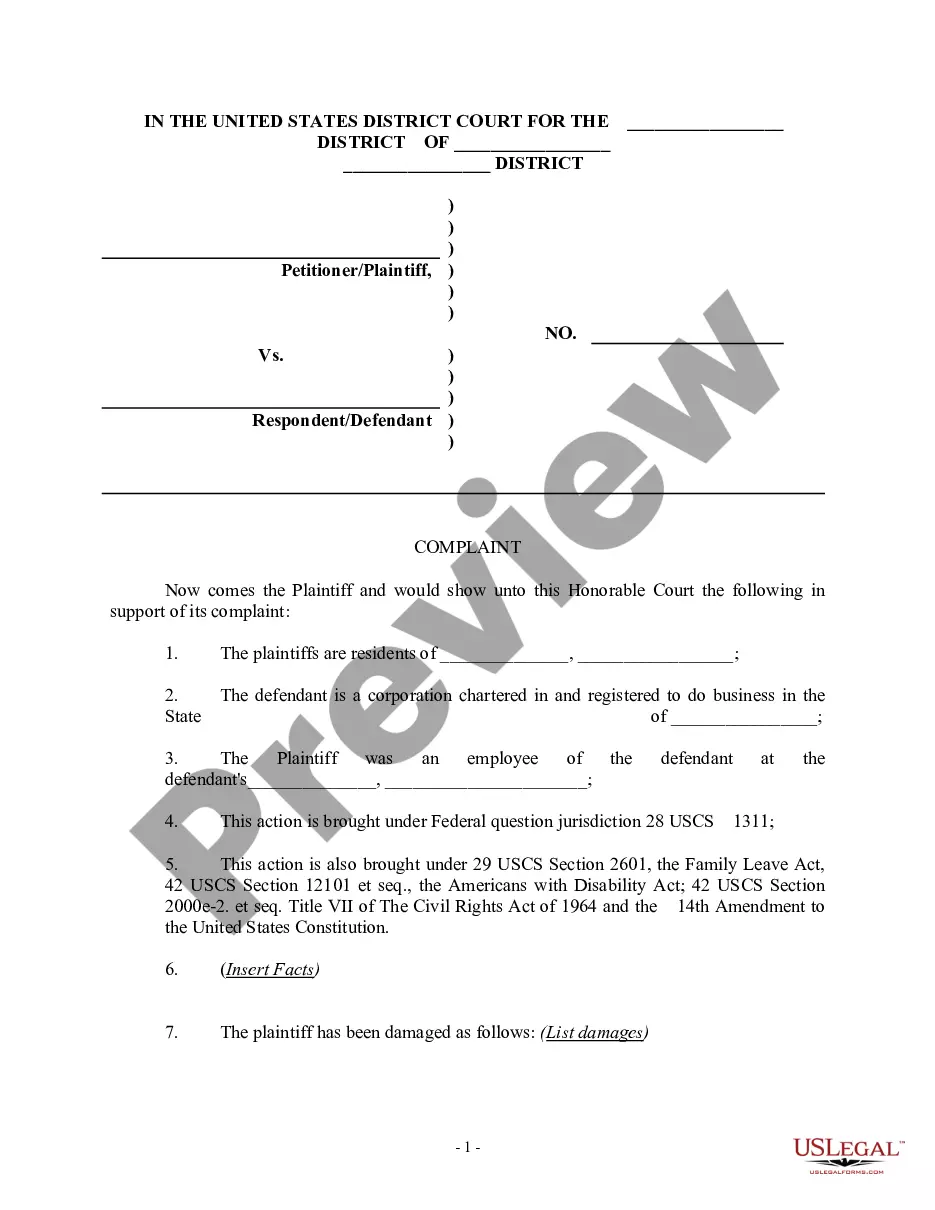
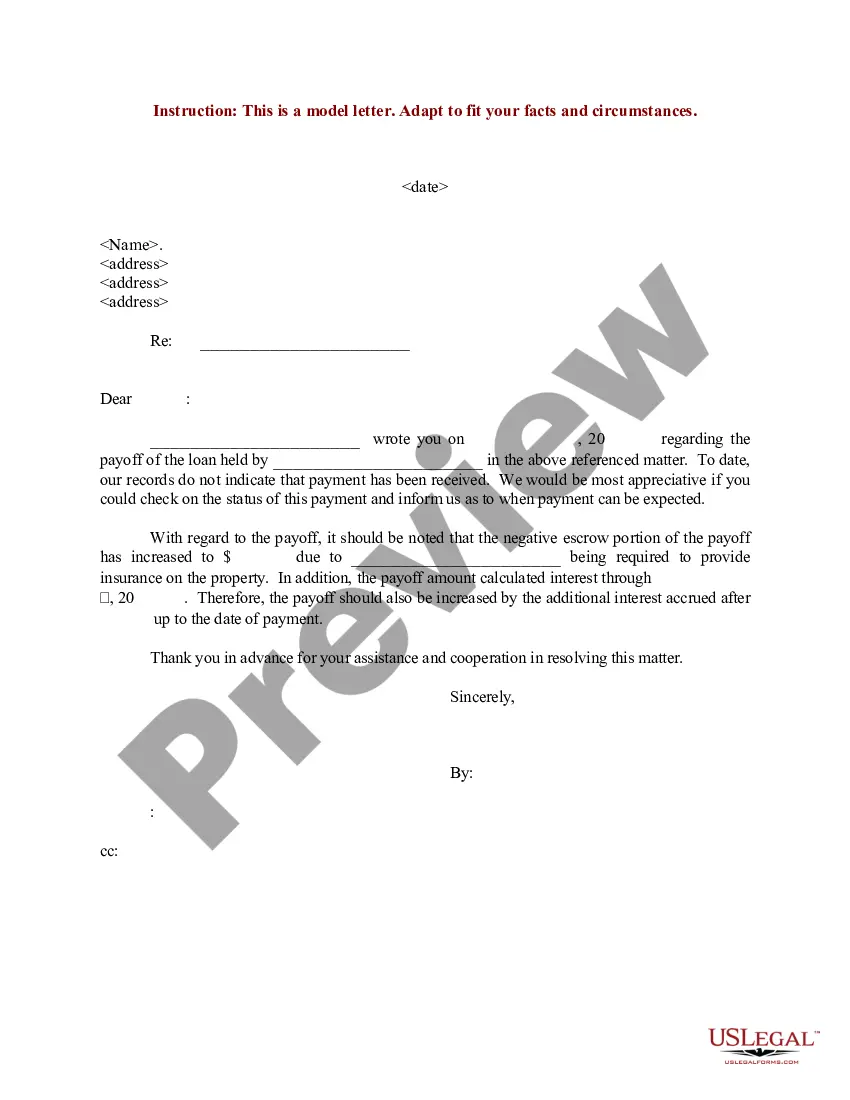
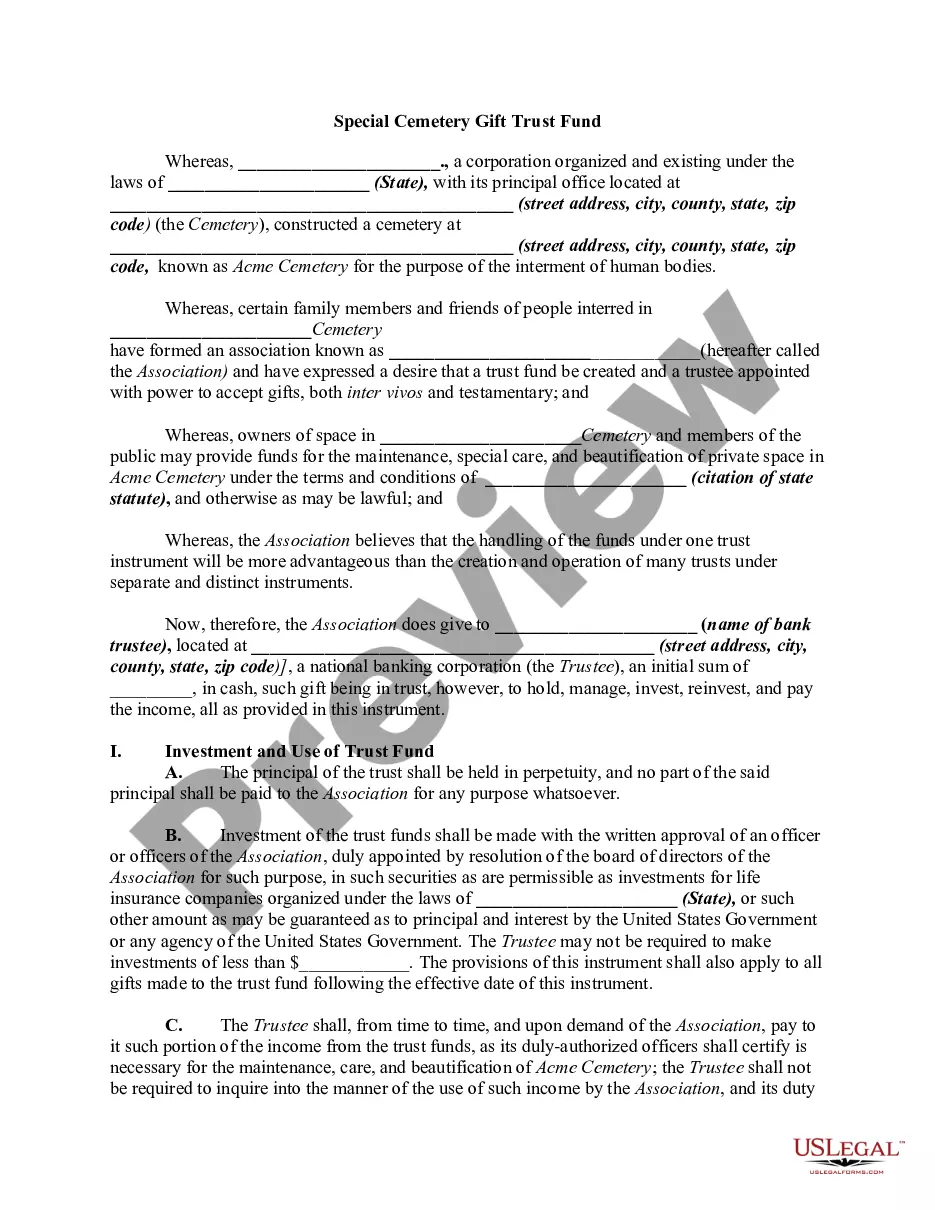

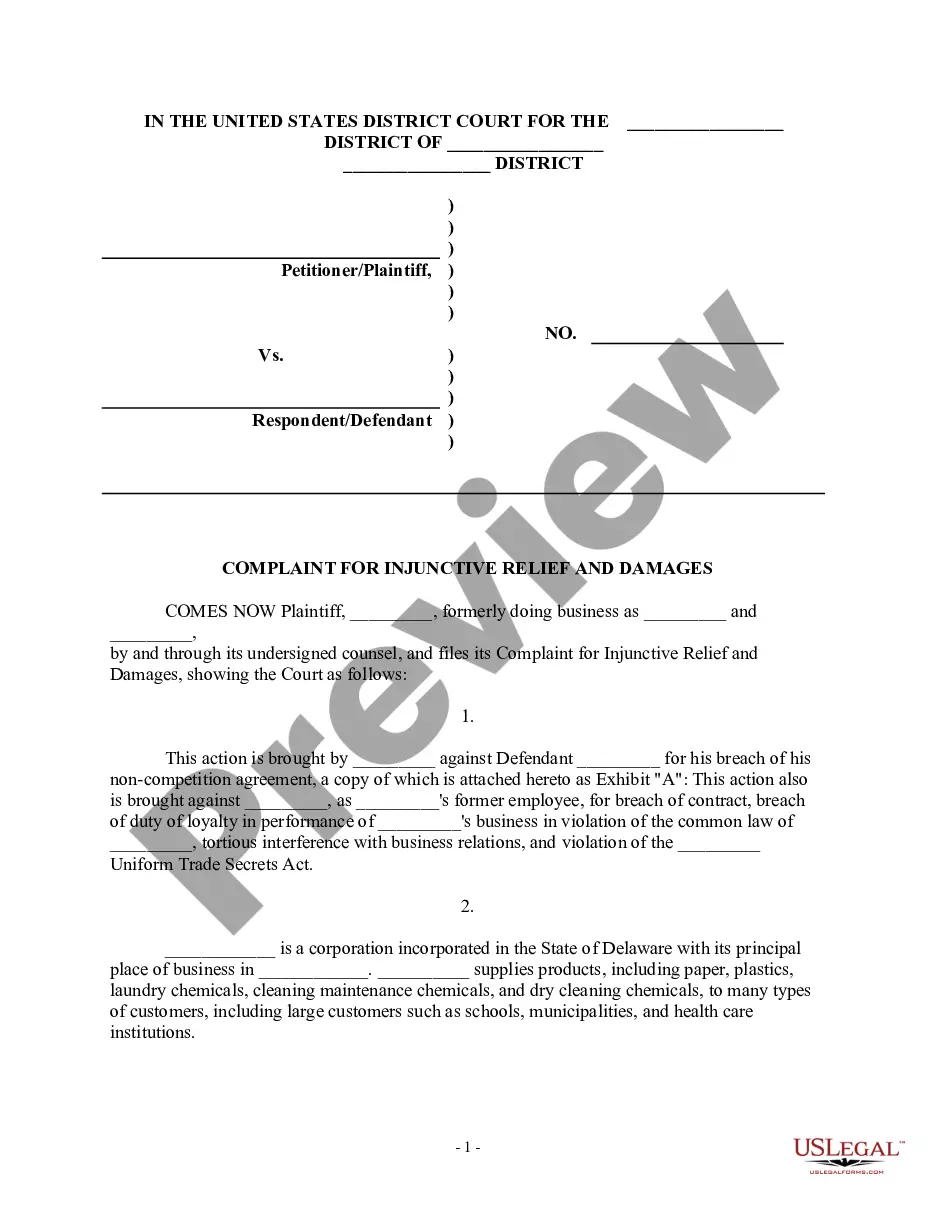
How to fill out Complaint For Breach Of Fiduciary Duty - Trust?
The Fiduciary Duty Lawsuit Without A Lawyer featured on this page is a reusable formal template crafted by professional attorneys in compliance with federal and state laws and regulations.
For over 25 years, US Legal Forms has supplied individuals, businesses, and lawyers with more than 85,000 validated, state-specific documents for any commercial and personal situation. It’s the quickest, simplest, and most dependable method to acquire the paperwork you require, as the service ensures the utmost level of data security and anti-malware safeguards.
Subscribe to US Legal Forms to have authenticated legal templates for all of life’s situations readily available.
- Search for the document you need and review it. Browse through the file you searched for and preview it or examine the form description to verify it meets your needs. If it doesn’t, utilize the search feature to locate the correct one. Click Buy Now after you have found the template you require.
- Subscribe and Log In. Select the pricing option that fits you and create an account. Use PayPal or a credit card to make a swift payment. If you already possess an account, Log In and verify your subscription to continue.
- Obtain the fillable template. Choose the format you desire for your Fiduciary Duty Lawsuit Without A Lawyer (PDF, Word, RTF) and save the document on your device.
- Fill out and sign the paperwork. Print the template to complete it manually. Alternatively, use an online multi-functional PDF editor to swiftly and accurately fill out and sign your form with an eSignature.
- Download your paperwork again. Reuse the same document whenever required. Access the My documents tab in your profile to redownload any previously acquired forms.
Form popularity
FAQ
Proving an Actual Breach of Fiduciary Duty Is Difficult In a personal injury case, proving a breach of duty is often the most contested part. Here, you must demonstrate what the fiduciary did that fell short of their duty.
WHAT CONSTITUTES A BREACH OF FIDUCIARY DUTY? A breach can occur under three categories: care, loyalty and candor. In short, these three categories mean, respectively, that a fiduciary must act in a reasonable and prudent way, they must act in the best interests of their beneficiary (i.e. an employer, client, etc.)
A plaintiff alleging a breach of a fiduciary duty ?must prove (1) existence of a duty owed, (2) breach of that duty, (3) resulting injury, and (4) that the claimed breach proximately caused the injury.? Micro Enhancement Int'l, Inc. v. Coopers & Lybrand, LLP, 110 Wn. App.
These include: Fraud that is committed by a trustee or an executor. Embezzlement that is carried out by an administrator or executor. Negligent or intentional oversight or investment of assets that were held in a trust or by an estate.
Proving Damages After a Breach of Fiduciary Duty If a case goes to litigation, plaintiffs must have a solid grounding for all damages to receive compensation. Plaintiffs can use physical evidence, such as business records and receipts, to prove damages.