Identity Law In Sets
Description
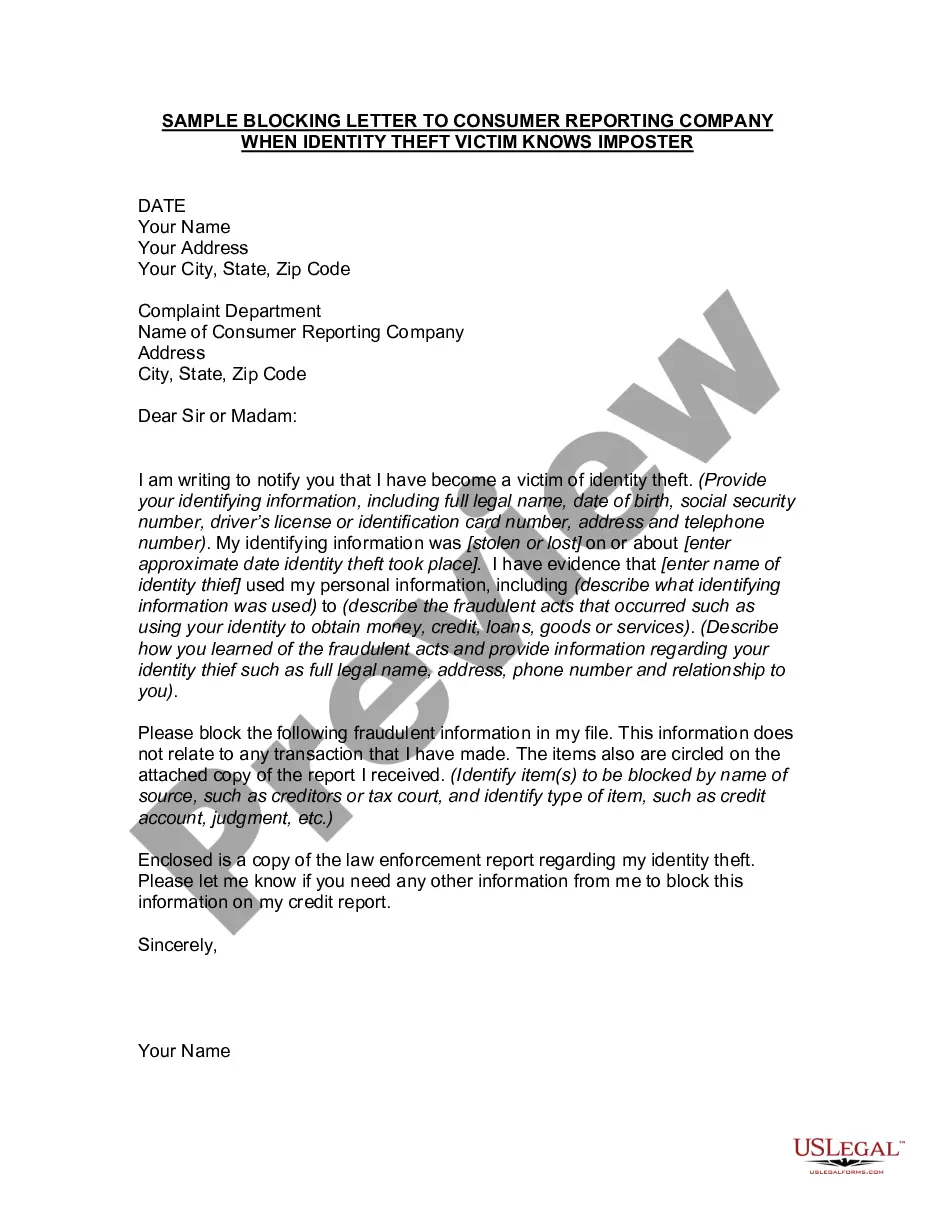
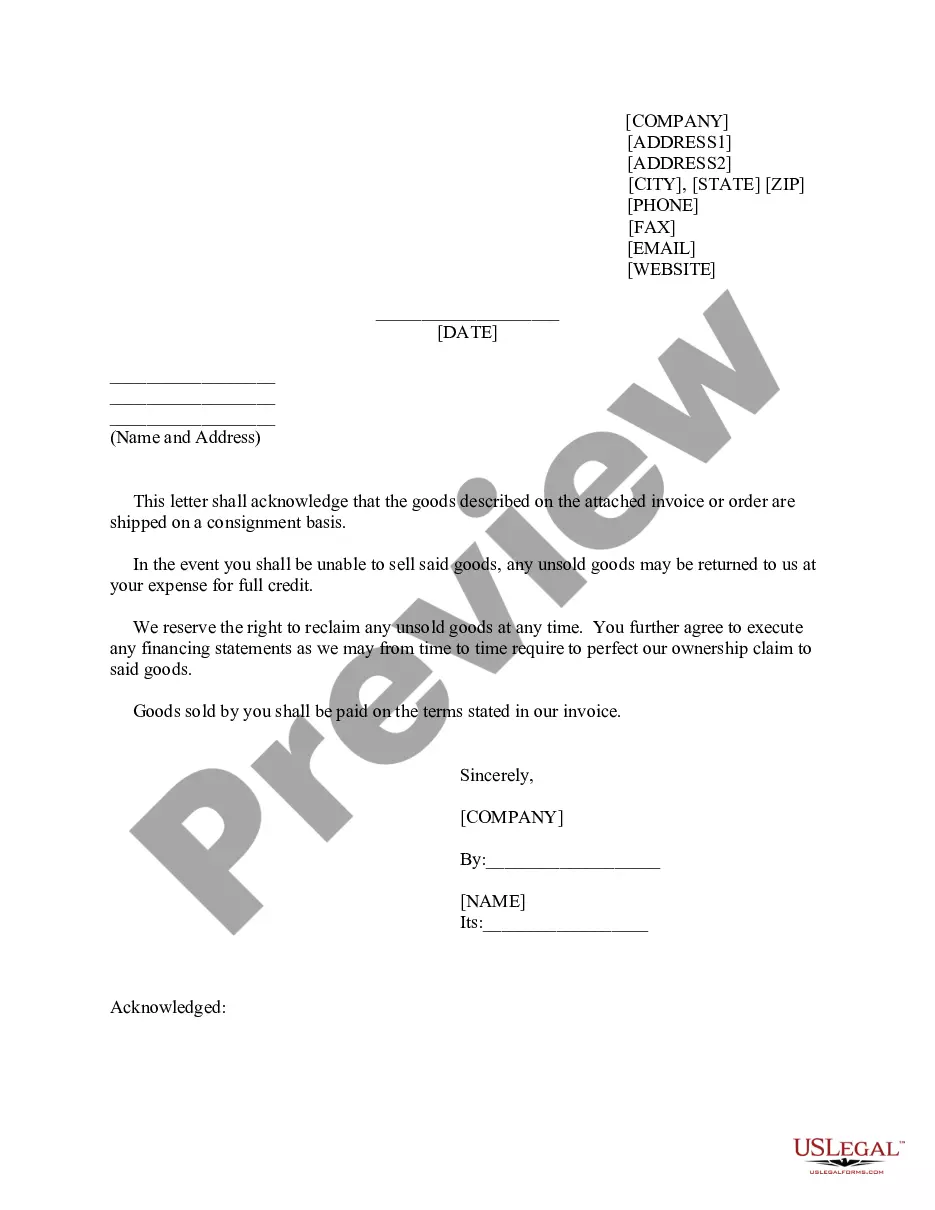

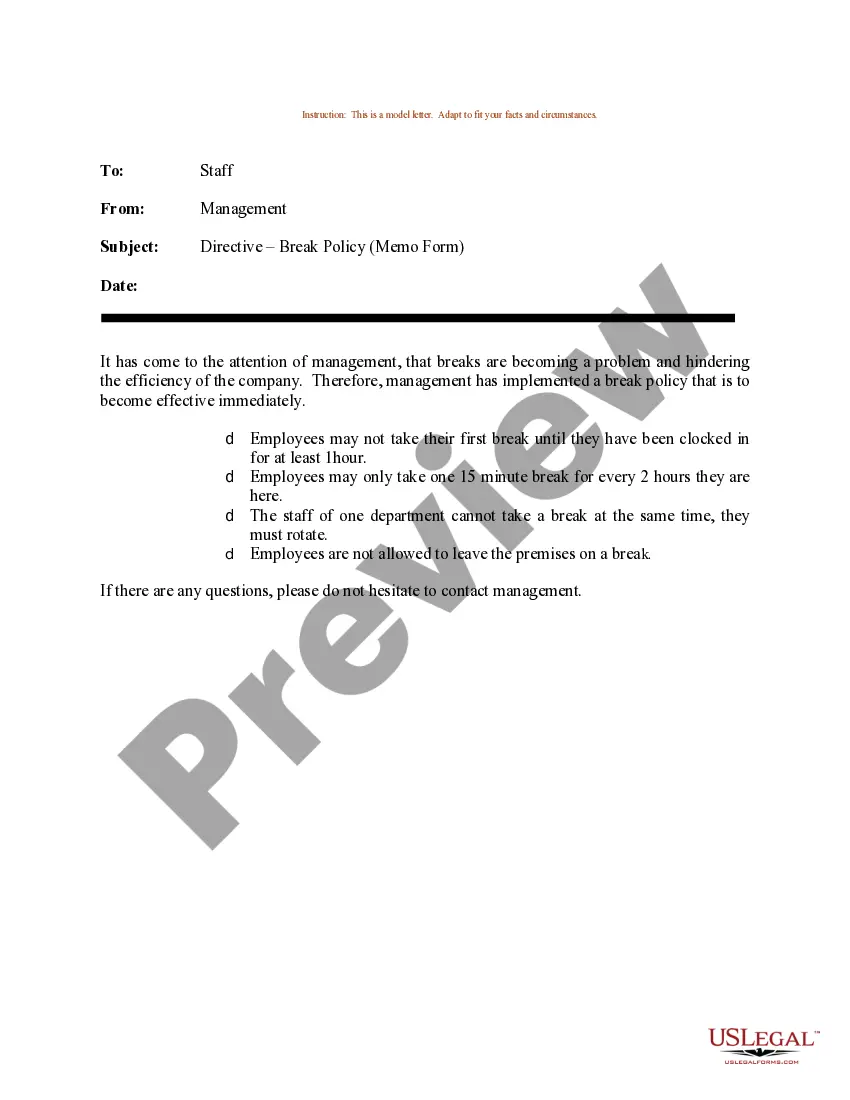
How to fill out Letter To Law Enforcement To Report Identity Theft By Known Imposter?
It’s clear that you cannot become a legal authority instantly, nor can you learn how to swiftly create Identity Law In Sets without having a specialized education.
Assembling legal documents is a lengthy endeavor necessitating specific training and expertise.
So why not entrust the development of the Identity Law In Sets to the experts.
You can re-access your documents from the My documents section at any time.
If you’re an existing client, you can simply Log In, and locate and download the template from the same section.
- Locate the document you require by utilizing the search bar located at the top of the page.
- View it (if this option is available) and review the accompanying description to ascertain whether Identity Law In Sets is what you seek.
- Restart your search if you need any other form.
- Sign up for a complimentary account and choose a subscription plan to acquire the form.
- Click Buy now. Once the transaction is completed, you can obtain the Identity Law In Sets, fill it out, print it, and send or mail it to the relevant individuals or organizations.
Form popularity
FAQ
Identity laws: A ? ? = A. A ? U = A.
The identity laws (together with the commutative laws) say that, just like 0 and 1 for addition and multiplication, ? and U are the identity elements for union and intersection, respectively. Unlike addition and multiplication, union and intersection do not have inverse elements.
Note: The Law of Identity is one of the Boolean Laws; it includes two terms: 1 AND A = A means a product of 1 and any number or variable is the same number and variable and 0 OR A = A means a sum of 0 and any number or variable is the same number or variable.
Discrete Math - 2.2.3 Proving Set Identities - YouTube YouTube Start of suggested clip End of suggested clip Ways. So as I said there are essentially three ways to prove. Set identities one is to prove eachMoreWays. So as I said there are essentially three ways to prove. Set identities one is to prove each set in the identity is a subset of the other. So again we had said if a is equal to B.
Note: The Law of Identity is one of the Boolean Laws; it includes two terms: 1 AND A = A means a product of 1 and any number or variable is the same number and variable and 0 OR A = A means a sum of 0 and any number or variable is the same number or variable.