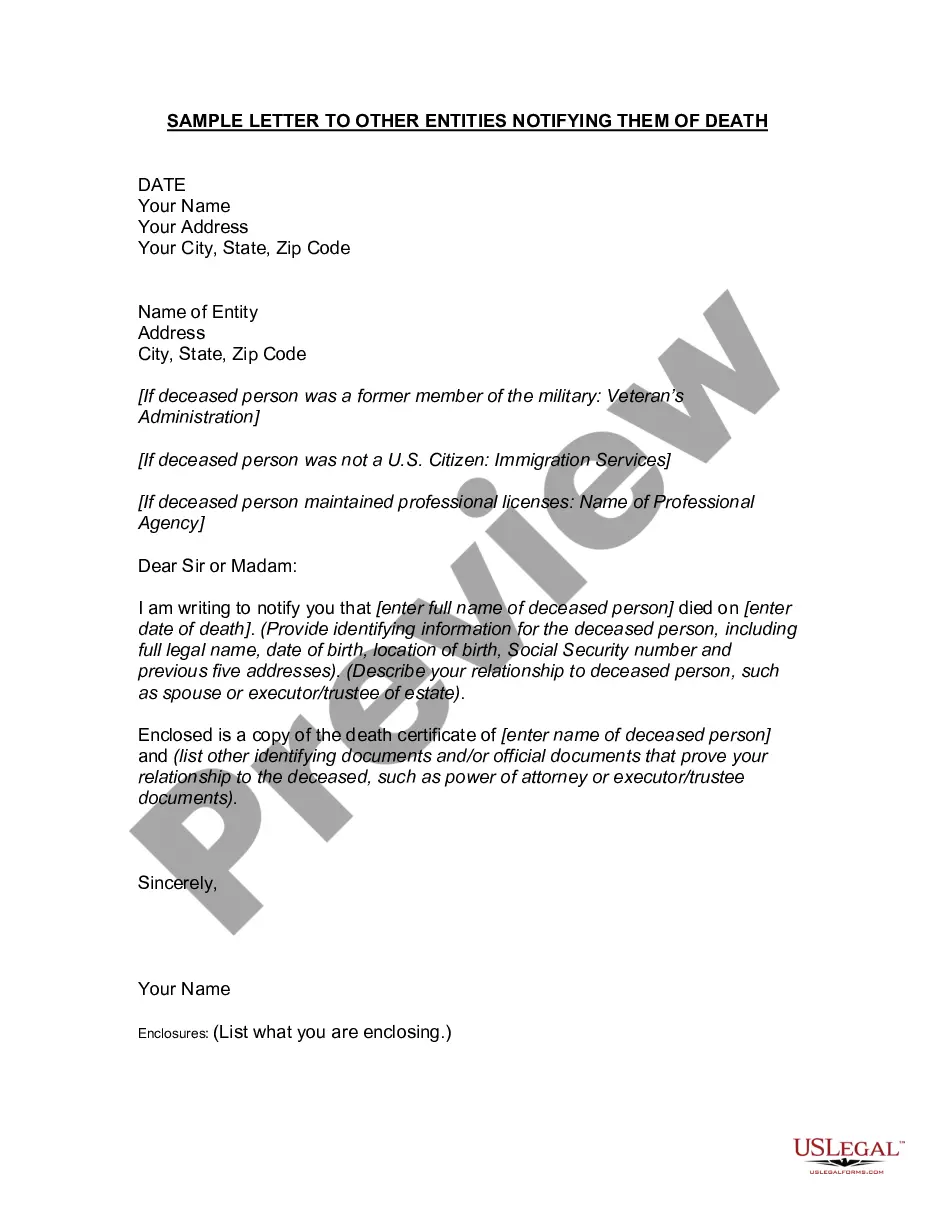
5071c Letter For Deceased Person
Description
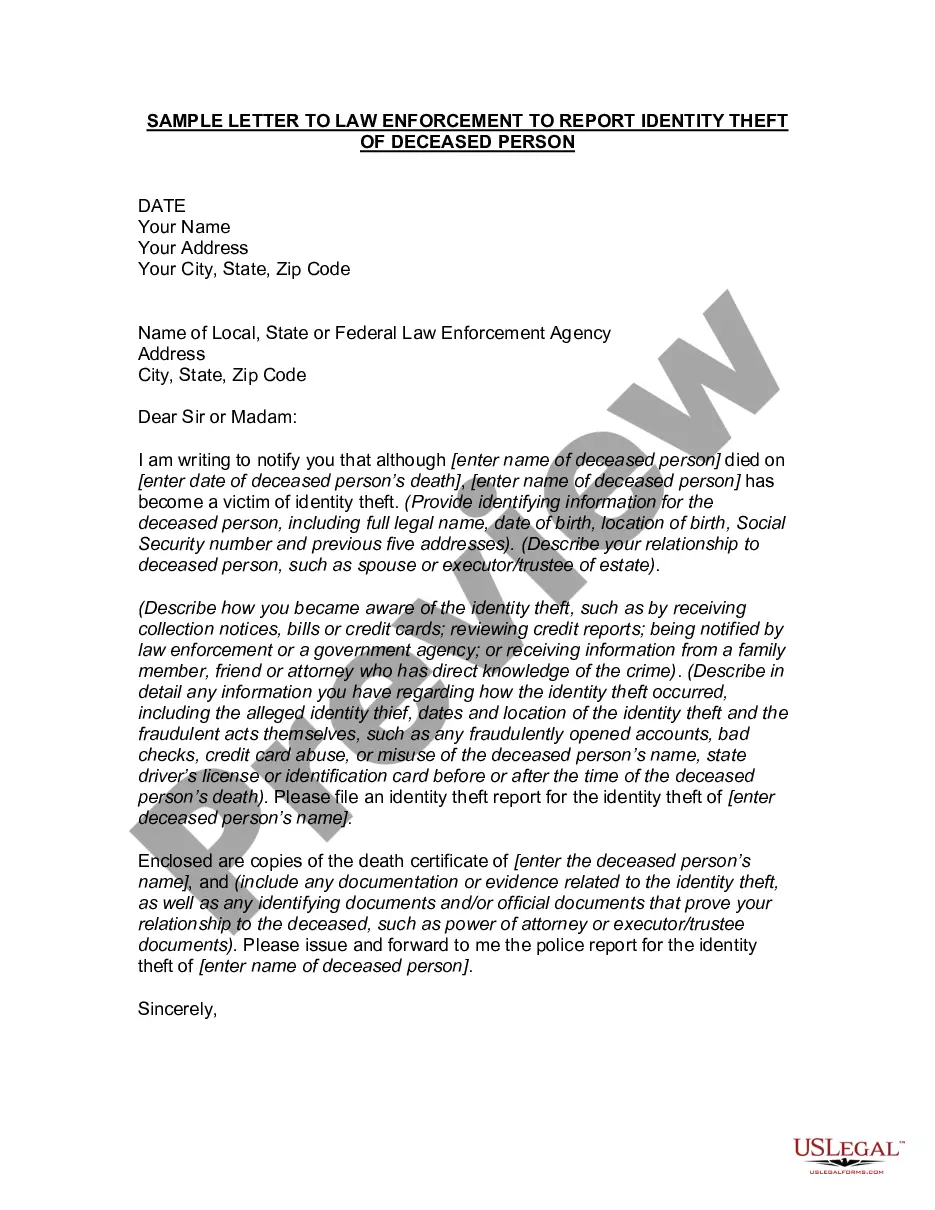

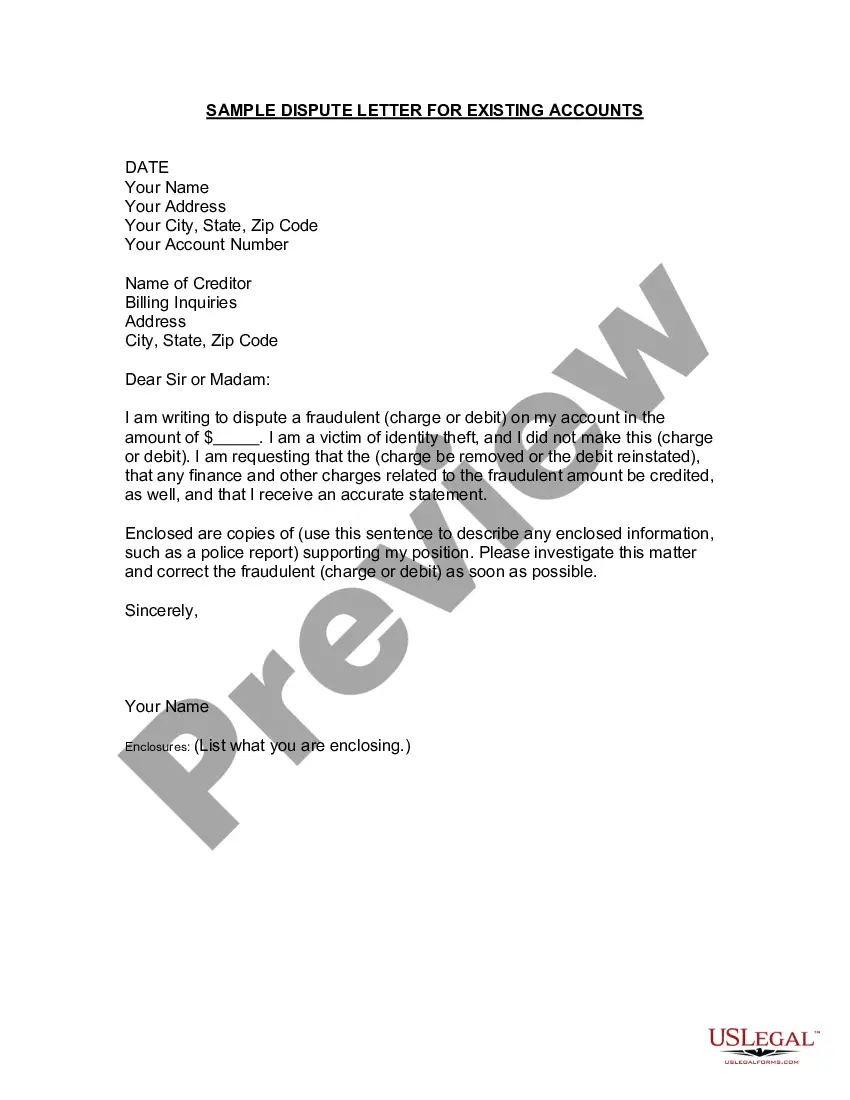
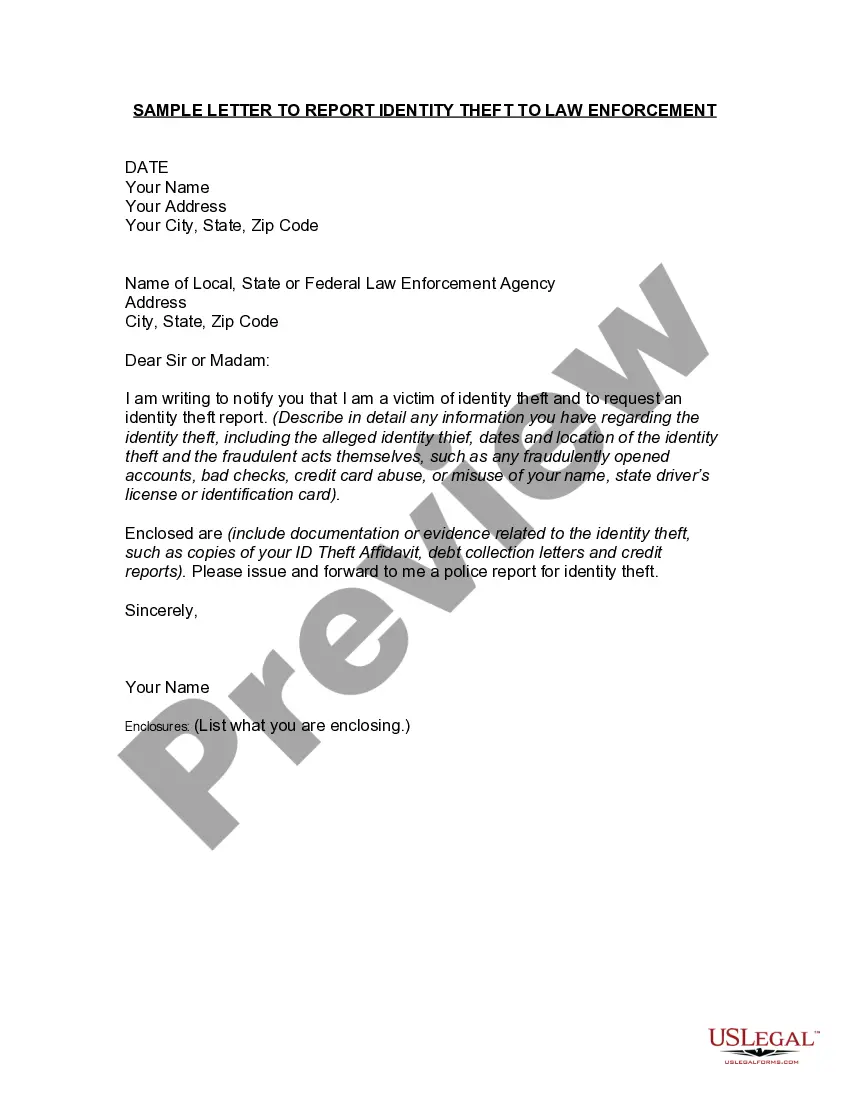
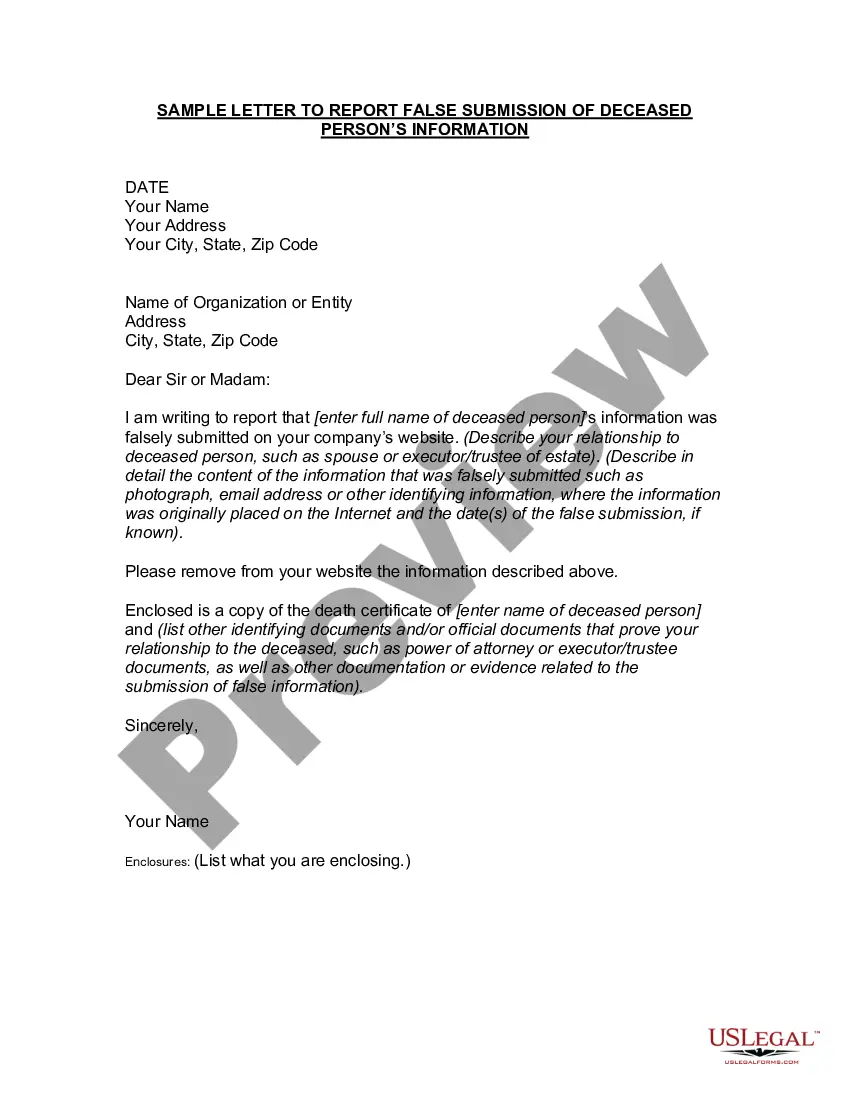
Get your form ready online
Our built-in tools help you complete, sign, share, and store your documents in one place.
Make edits, fill in missing information, and update formatting in US Legal Forms—just like you would in MS Word.
Download a copy, print it, send it by email, or mail it via USPS—whatever works best for your next step.
Sign and collect signatures with our SignNow integration. Send to multiple recipients, set reminders, and more. Go Premium to unlock E-Sign.
If this form requires notarization, complete it online through a secure video call—no need to meet a notary in person or wait for an appointment.
We protect your documents and personal data by following strict security and privacy standards.

Make edits, fill in missing information, and update formatting in US Legal Forms—just like you would in MS Word.

Download a copy, print it, send it by email, or mail it via USPS—whatever works best for your next step.

Sign and collect signatures with our SignNow integration. Send to multiple recipients, set reminders, and more. Go Premium to unlock E-Sign.

If this form requires notarization, complete it online through a secure video call—no need to meet a notary in person or wait for an appointment.

We protect your documents and personal data by following strict security and privacy standards.
Looking for another form?


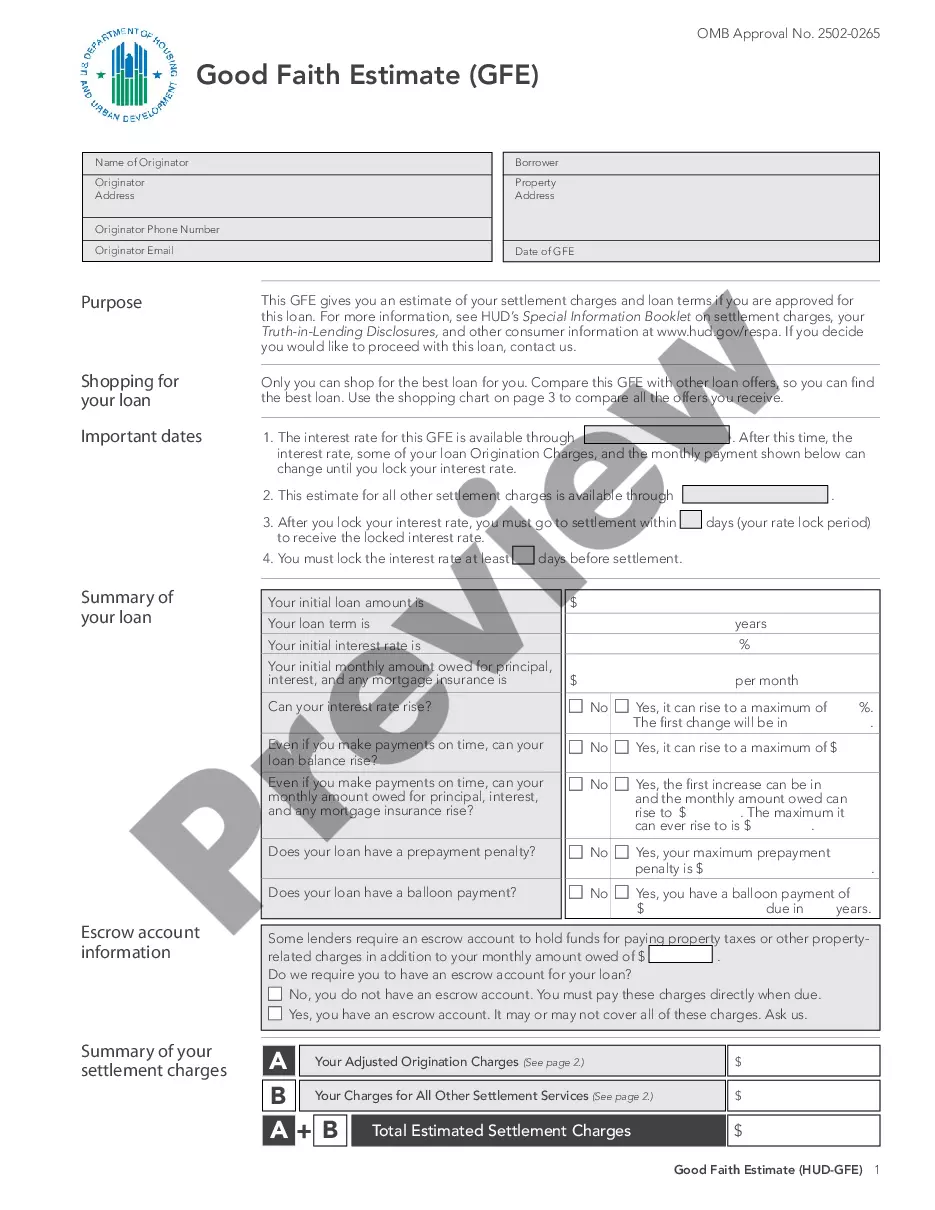




How to fill out Letter To Law Enforcement Notifying Them Of Identity Theft Of Deceased Person?
Maneuvering through the red tape of official documents and templates can be challenging, particularly if one does not engage in such tasks professionally.
Even locating the appropriate template to obtain a 5071c Letter For Deceased Individual will be labor-intensive, as it must be valid and accurate to the last digit.
However, you will need to invest considerably less time selecting a suitable template from a trusted source.
Follow these straightforward steps to acquire the correct form: Enter the name of the document in the search box. Locate the appropriate 5071c Letter For Deceased Individual from the list of results. Review the sample description or view its preview. When the template meets your requirements, click Buy Now. Select your subscription plan. Utilize your email to establish a password and create an account with US Legal Forms. Choose either a credit card or PayPal as your payment method. Store the template file on your device in your preferred format. US Legal Forms can save you time and effort in determining whether the form you discovered online is suitable for your requirements. Establish an account and gain unlimited access to all the templates you require.
- US Legal Forms is a site that streamlines the task of finding the right forms online.
- US Legal Forms serves as a centralized resource to access the latest templates of documents, verify their usage, and download them for completion.
- This library contains over 85K forms applicable in diverse sectors.
- If you are searching for a 5071c Letter For Deceased Individual, you need not question its validity as all forms are authenticated.
- Having an account at US Legal Forms guarantees you quick access to all essential documents.
- You can store them in your history or include them in the My documents catalog.
- Your saved forms can be accessed from any device by simply clicking Log In on the library's website.
- If you haven't yet created an account, you can still search for the required template.
Form popularity
FAQ
When verifying your identity, the IRS may ask questions about personal information, such as recent tax returns, bank account details, and debt amounts. They might inquire about your last tax filing status and specific financial activities. Engaging with these questions can help clarify your identity and resolve issues promptly for a deceased person’s tax situation. Utilizing resources from uslegalforms can aid in preparing for this verification process.
The designated personal representative or executor of the deceased's estate can sign the tax return. This person may need to provide documentation proving their authority to act on behalf of the deceased. It is important to ensure that the return is filed correctly to avoid complications with the IRS. Platforms like uslegalforms can guide you through the necessary steps.
If you receive an IRS refund check for a deceased person, it should not be cashed without proper authorization. Instead, you should endorse the check and return it to the IRS, explaining the situation. The IRS will typically request documentation, such as a death certificate, to process the refund correctly. Using online services like uslegalforms can help you manage these situations efficiently.
No, receiving a 5071C letter does not automatically mean you are being audited. Instead, it relates specifically to verifying your identity regarding the reported tax return. For a deceased person, this is important to protect against any fraudulent activities or mistakes. Staying informed about the process can help mitigate stress and prevent further complications.
Receiving a letter from the IRS asking you to verify your identity typically relates to concerns about identity theft or inaccuracies in a tax return. If you are handling a tax return for a deceased person, this request can arise more frequently. The IRS platform uses this method to ensure that the correct taxpayer's information is verified to avoid fraudulent claims. It is vital to respond quickly to maintain smooth processing.
The IRS typically seeks payment from the estate of a deceased person, not directly from family members. If the estate owes taxes, the personal representative may need to handle those obligations. However, if the estate lacks sufficient assets, family members generally do not face personal liability for any tax debts. Navigating these situations can feel overwhelming, but platforms like uslegalforms provide resources to clarify responsibilities.
You may receive a 5071C letter if the IRS identifies unusual activity on a tax return, such as a return filed for a deceased person. This letter indicates that the IRS needs to confirm your identity to ensure the accuracy of the submitted information. Responding to this letter is essential to secure any potential refunds or resolve issues effectively. Not addressing it may lead to further complications with the IRS.
The IRS issues the 5071C letter when they suspect possible identity theft or discrepancies related to a tax return. This is especially common for tax returns filed for a deceased person. The letter notifies you that the IRS needs to verify the identity of the taxpayer. It is crucial to respond promptly to prevent delays in processing.
Endorsing a tax refund check for a deceased person involves writing 'Payable to the Estate of Deceased Person's Name' on the back of the check. Follow this by signing your name, reflecting your role as the estate executor or administrator. This process helps ensure that the funds are handled properly. For more insights and forms, uslegalforms can provide valuable resources.
To notify the IRS of a deceased person, send a letter to the IRS, including the decedent's name, address, Social Security number, and the date of death. You can do this by mailing your correspondence to the address associated with their last tax return. It's essential to keep a copy of the letter for your records. For detailed templates and guidance, you might want to explore uslegalforms for tailored solutions.
