Property In Trust After Death Form To Transfer
Description
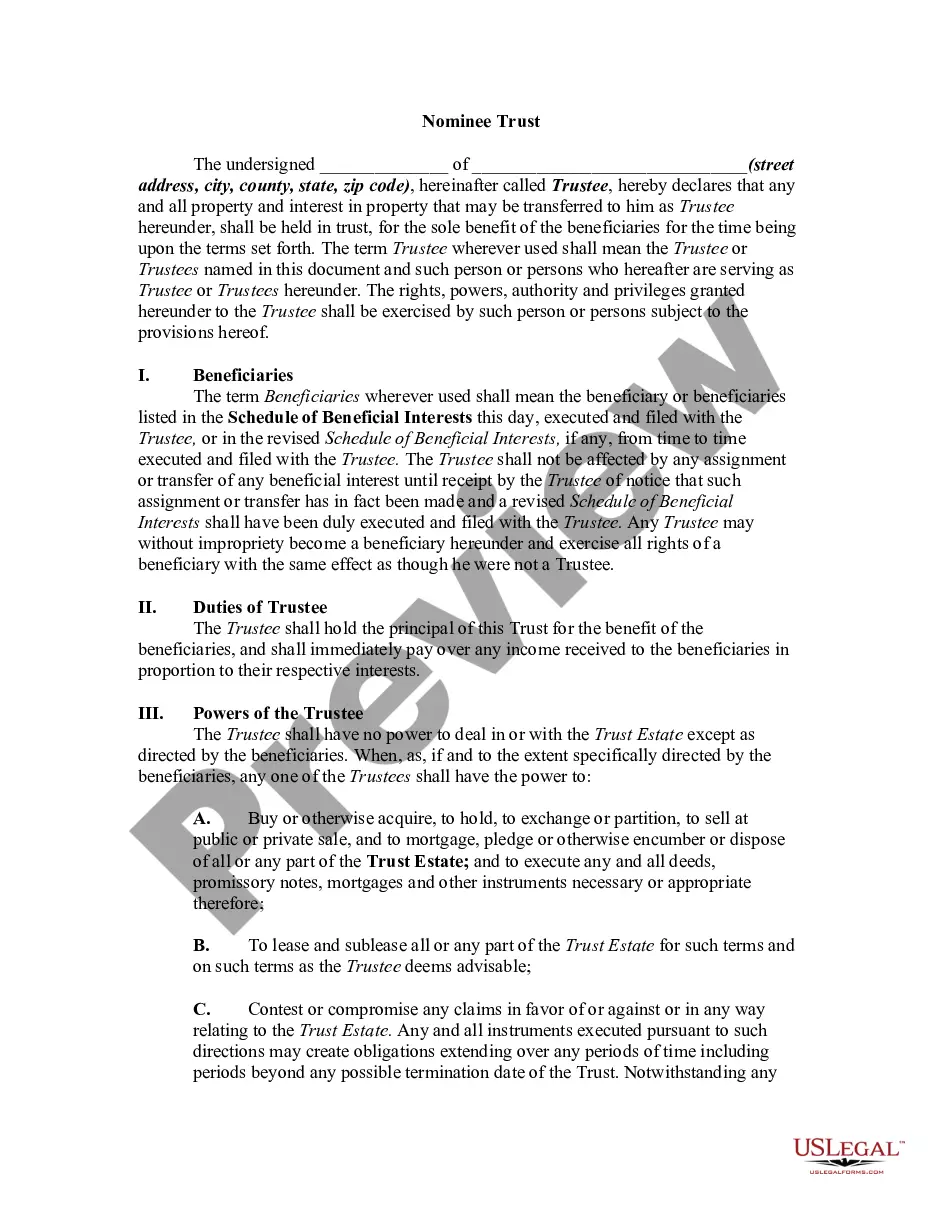
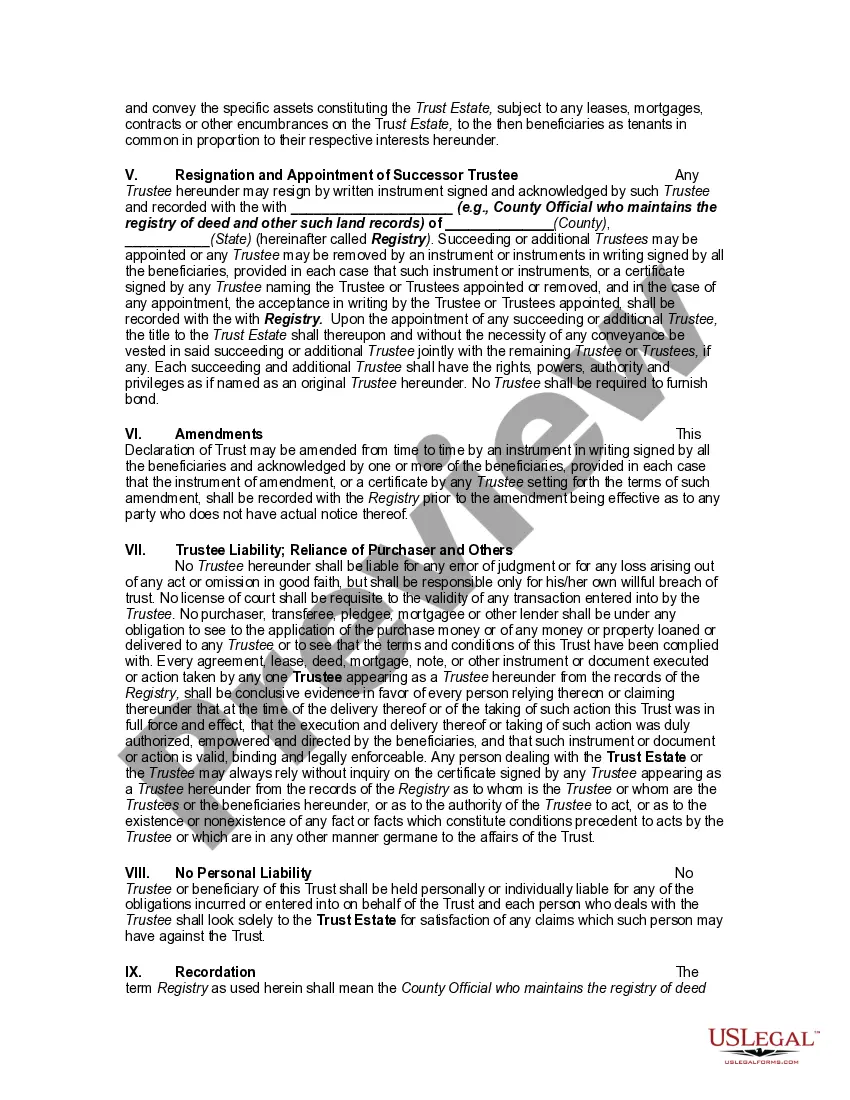
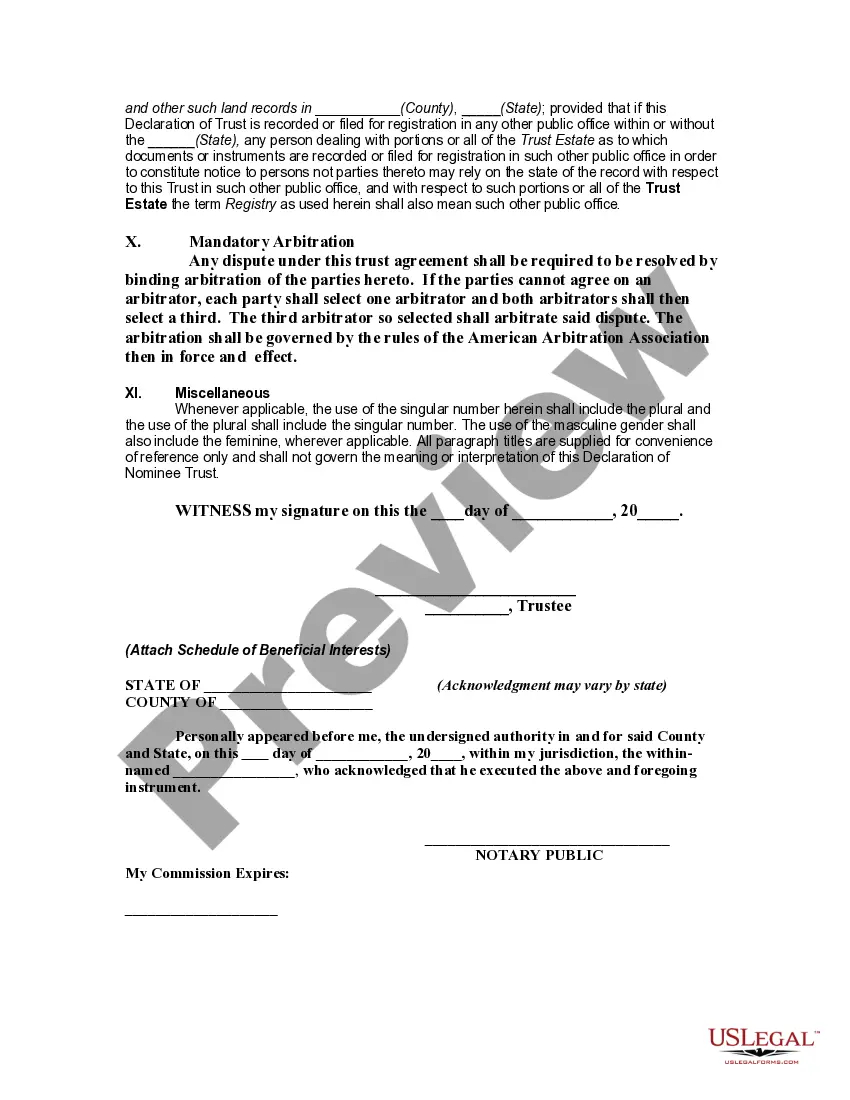
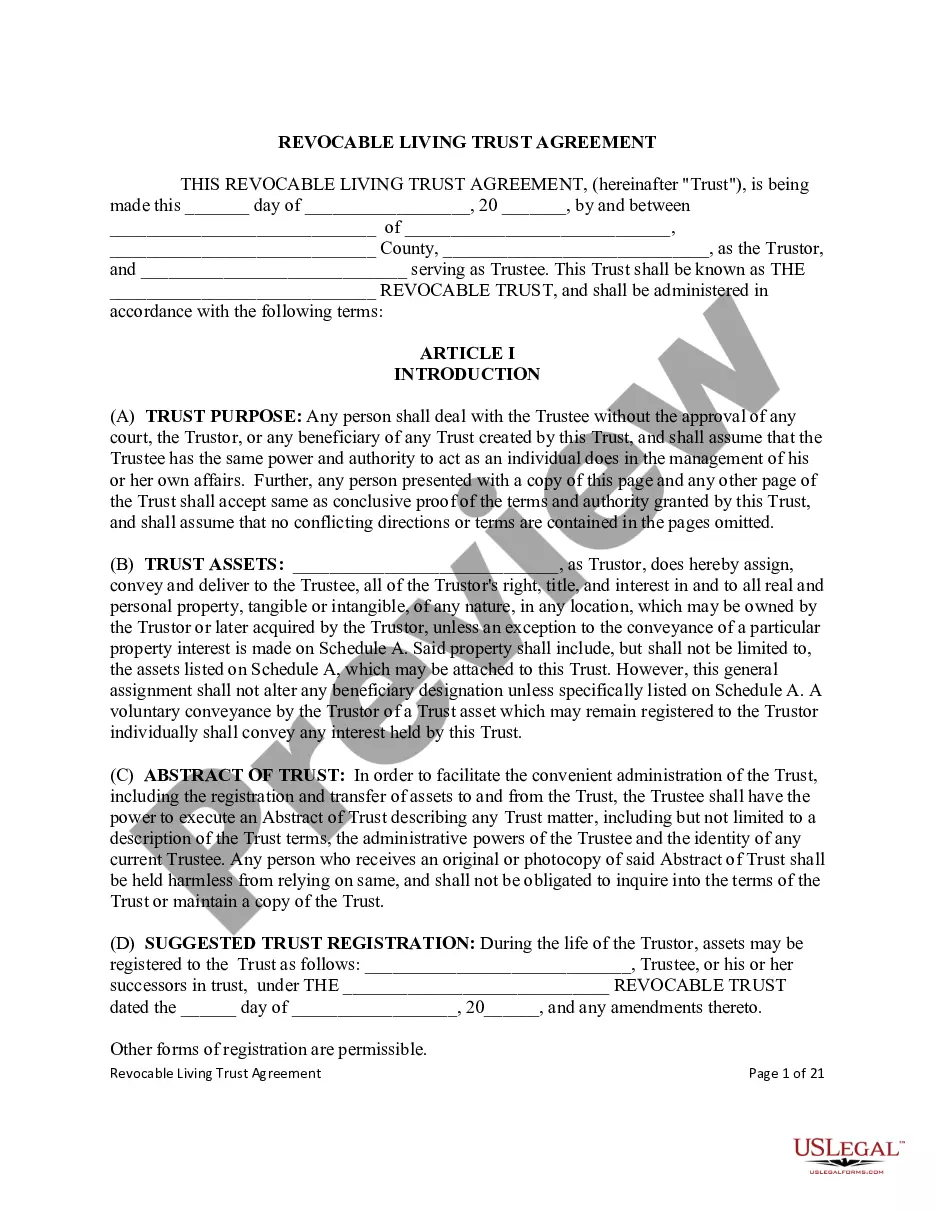
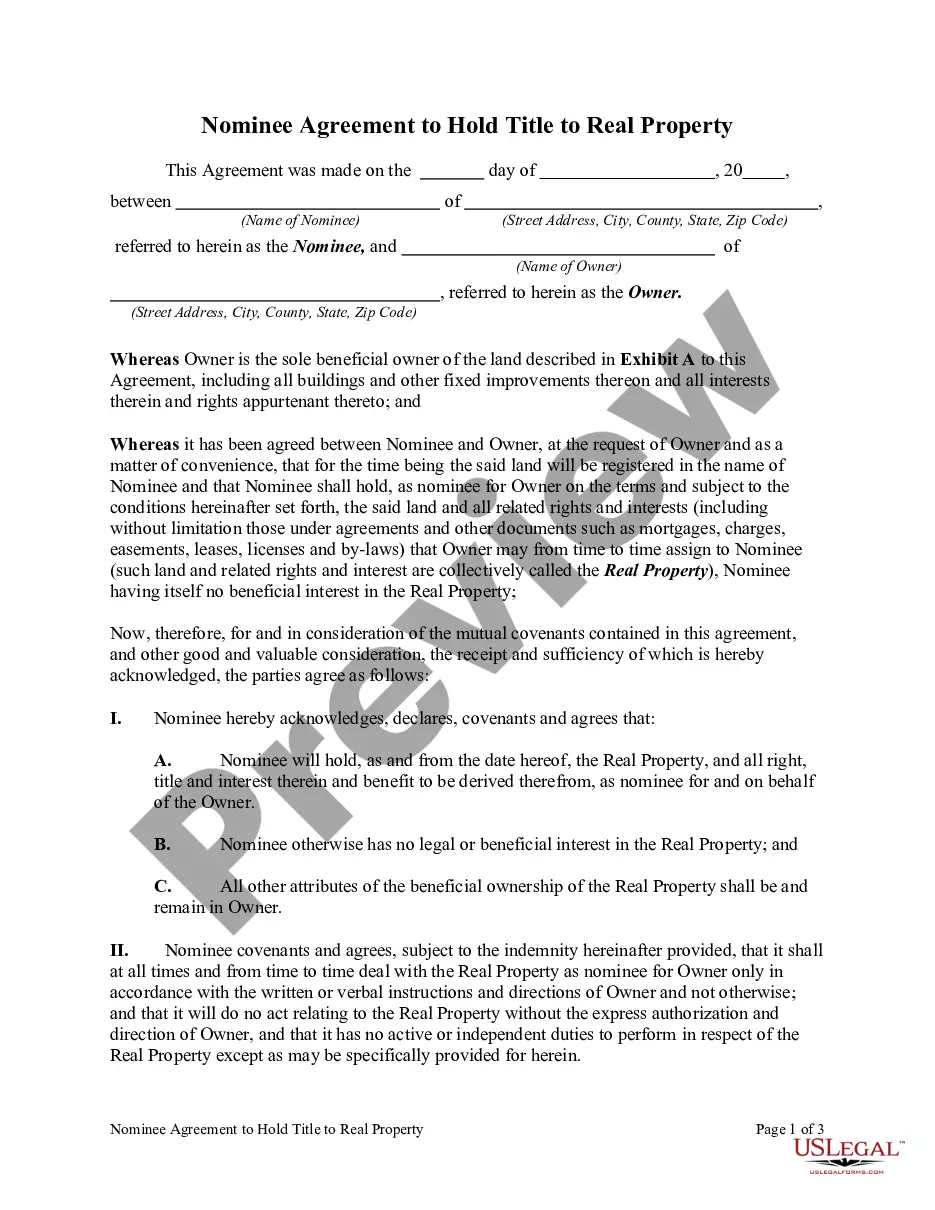
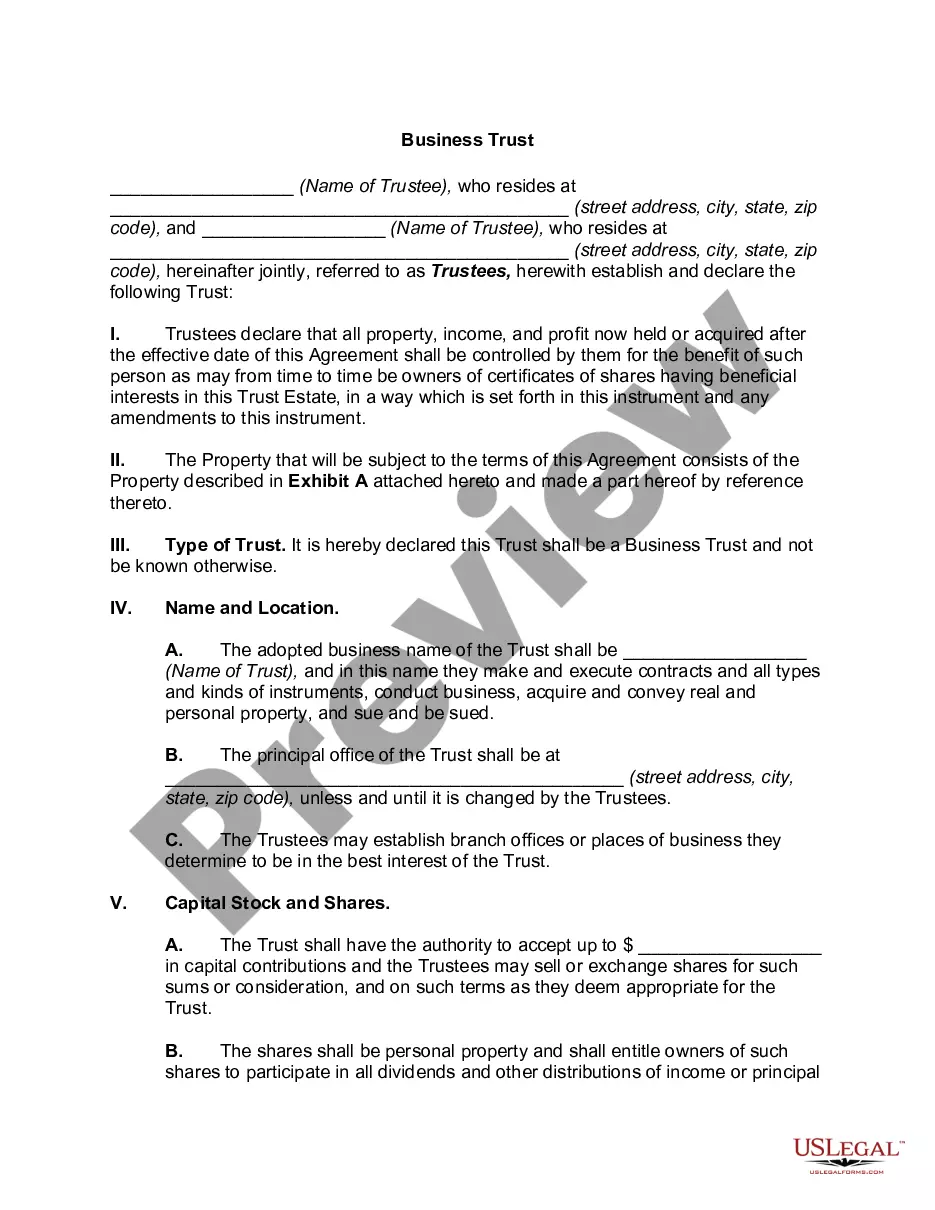
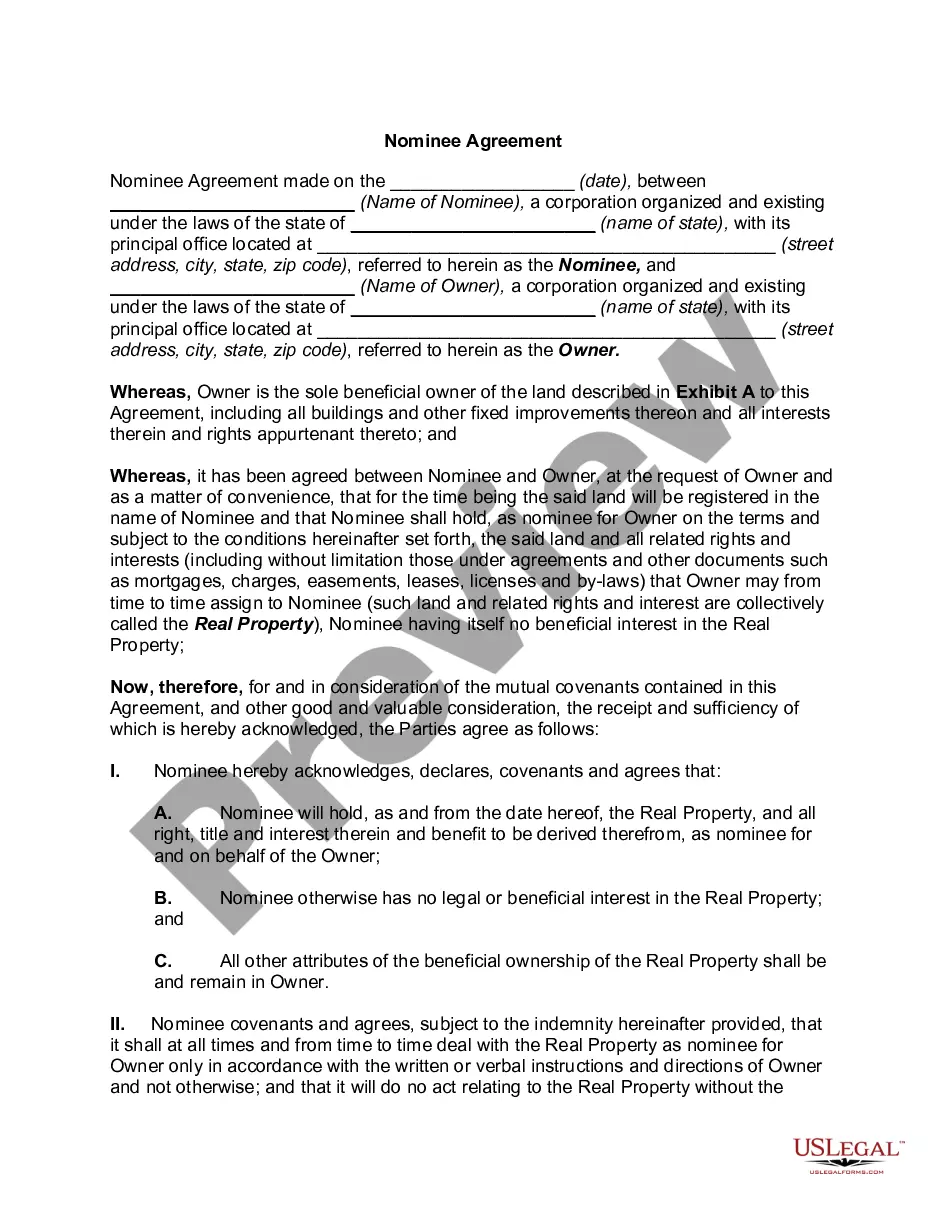

Get your form ready online
Our built-in tools help you complete, sign, share, and store your documents in one place.
Make edits, fill in missing information, and update formatting in US Legal Forms—just like you would in MS Word.
Download a copy, print it, send it by email, or mail it via USPS—whatever works best for your next step.
Sign and collect signatures with our SignNow integration. Send to multiple recipients, set reminders, and more. Go Premium to unlock E-Sign.
If this form requires notarization, complete it online through a secure video call—no need to meet a notary in person or wait for an appointment.
We protect your documents and personal data by following strict security and privacy standards.

Make edits, fill in missing information, and update formatting in US Legal Forms—just like you would in MS Word.

Download a copy, print it, send it by email, or mail it via USPS—whatever works best for your next step.

Sign and collect signatures with our SignNow integration. Send to multiple recipients, set reminders, and more. Go Premium to unlock E-Sign.

If this form requires notarization, complete it online through a secure video call—no need to meet a notary in person or wait for an appointment.

We protect your documents and personal data by following strict security and privacy standards.
Looking for another form?
Form popularity
FAQ
Deciding whether to gift a house or put it in a trust depends on individual circumstances and goals. Gifting can simplify ownership transfer, but it may also trigger gift taxes and affect your estate's value. In contrast, placing the house in a trust can allow for more control over asset distribution while potentially avoiding probate issues. Evaluating both options through a property in trust after death form to transfer can help determine the best path forward.
Transferring assets to a trust after death typically involves a detailed review of the trust documents and coordinating with the trustee or legal representative. This process can include identifying all assets and ensuring proper documentation for each. Engaging a professional can simplify the transfer and help navigate the complexities of using a property in trust after death form to transfer.
While it is not legally required to have a lawyer for a transfer on death deed, consulting one can offer significant benefits. A lawyer can provide valuable guidance on the legal implications and help ensure that the deed meets specific state requirements. This extra layer of assistance can simplify the process of using a property in trust after death form to transfer your assets.
The negative side of a trust often involves the upfront costs and the complexity associated with establishing and managing it. Some individuals may face difficulties if they wish to change trust provisions later. Additionally, trusts can require more time to set up compared to traditional wills. Hence, when using a property in trust after death form to transfer, it's vital to weigh these aspects carefully.
Holding property in a trust offers several benefits, including avoiding probate and maintaining privacy regarding asset distribution. However, it also brings some drawbacks, such as the complexity of setting up a trust and the ongoing administrative responsibilities. Balancing these pros and cons is crucial, especially when utilizing a property in trust after death form to transfer.
Rich individuals often put their homes in a trust to simplify the transfer of property after death. This approach helps avoid probate, which can be lengthy and costly. Additionally, it provides privacy, as trust arrangements are not public records. Utilizing a property in trust after death form to transfer can streamline estate management significantly.
Transferring assets into a trust after death typically involves probate proceedings. The executor or personal representative of the estate identifies the assets to be transferred and then uses appropriate legal documentation to complete the transfer. By utilizing the property in trust after death form to transfer, you can simplify this process and provide clarity for your beneficiaries in managing inherited assets.
To transfer property from one trust to another, you must follow the specific procedures outlined in both trust agreements. Generally, this involves preparing and executing a new deed that indicates the transfer of the property. Utilizing the property in trust after death form to transfer can help streamline this process and ensure everything complies with legal requirements.
While trusts offer many advantages, there are potential downsides. For example, creating and maintaining a trust can involve legal costs and administrative tasks that some may find burdensome. It's important to weigh these against the benefits of the property in trust after death form to transfer, which can help secure your legacy and ease the transfer process.
One significant mistake parents make is failing to clearly define the terms and conditions of the trust. This can lead to confusion among beneficiaries and unintended consequences. By using the property in trust after death form to transfer, you can specify instructions clearly, helping prevent disputes among family members in the future.