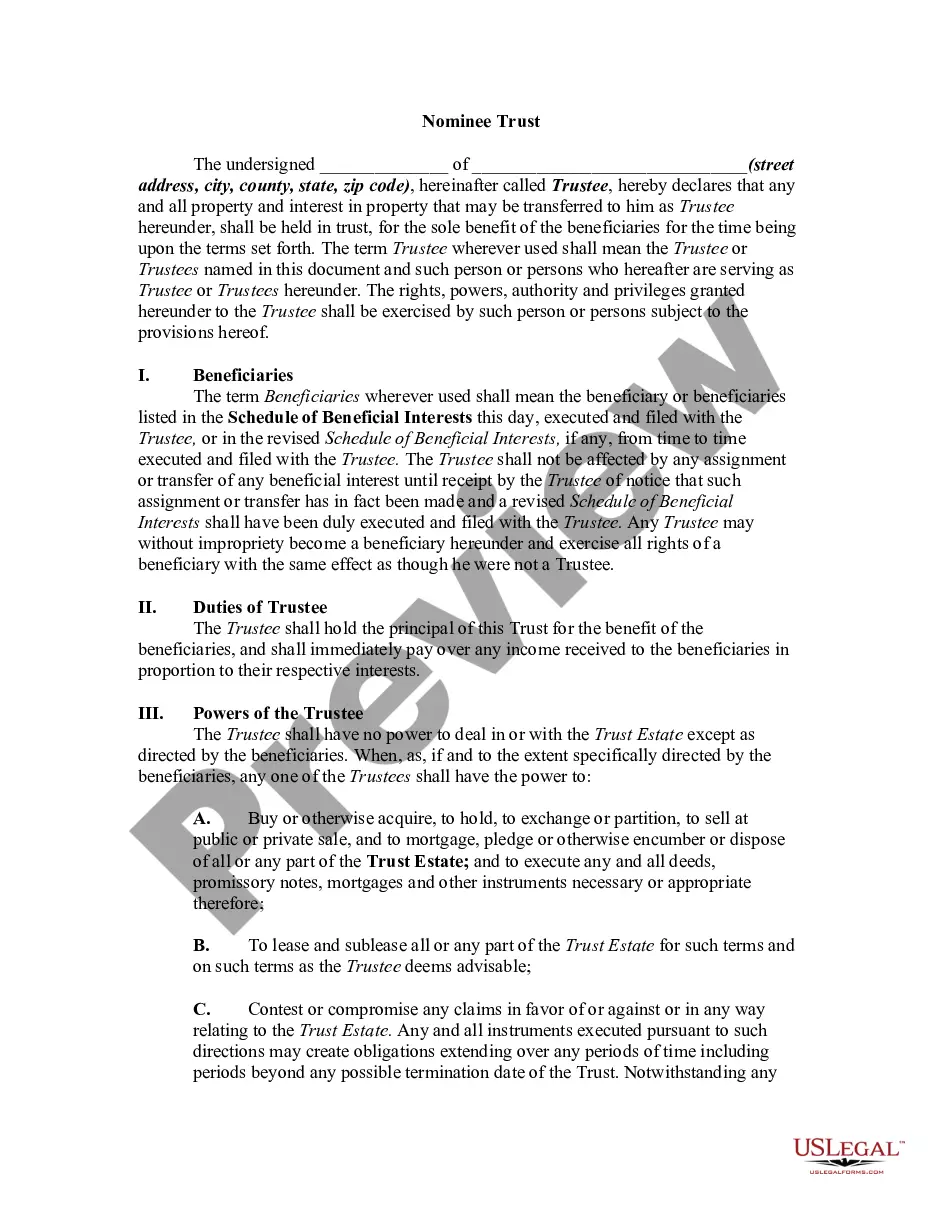
Nominee Trust Definition For Bank
Description
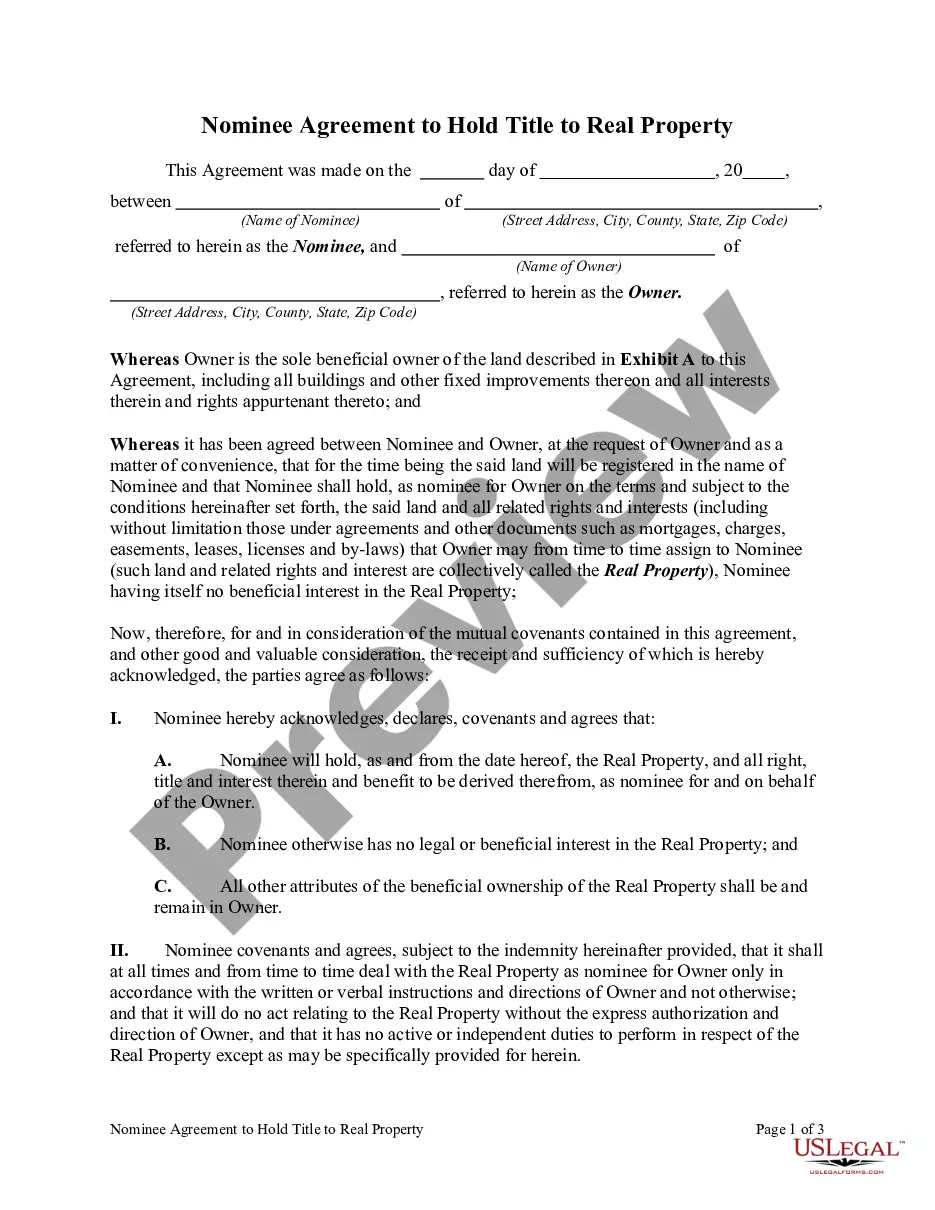
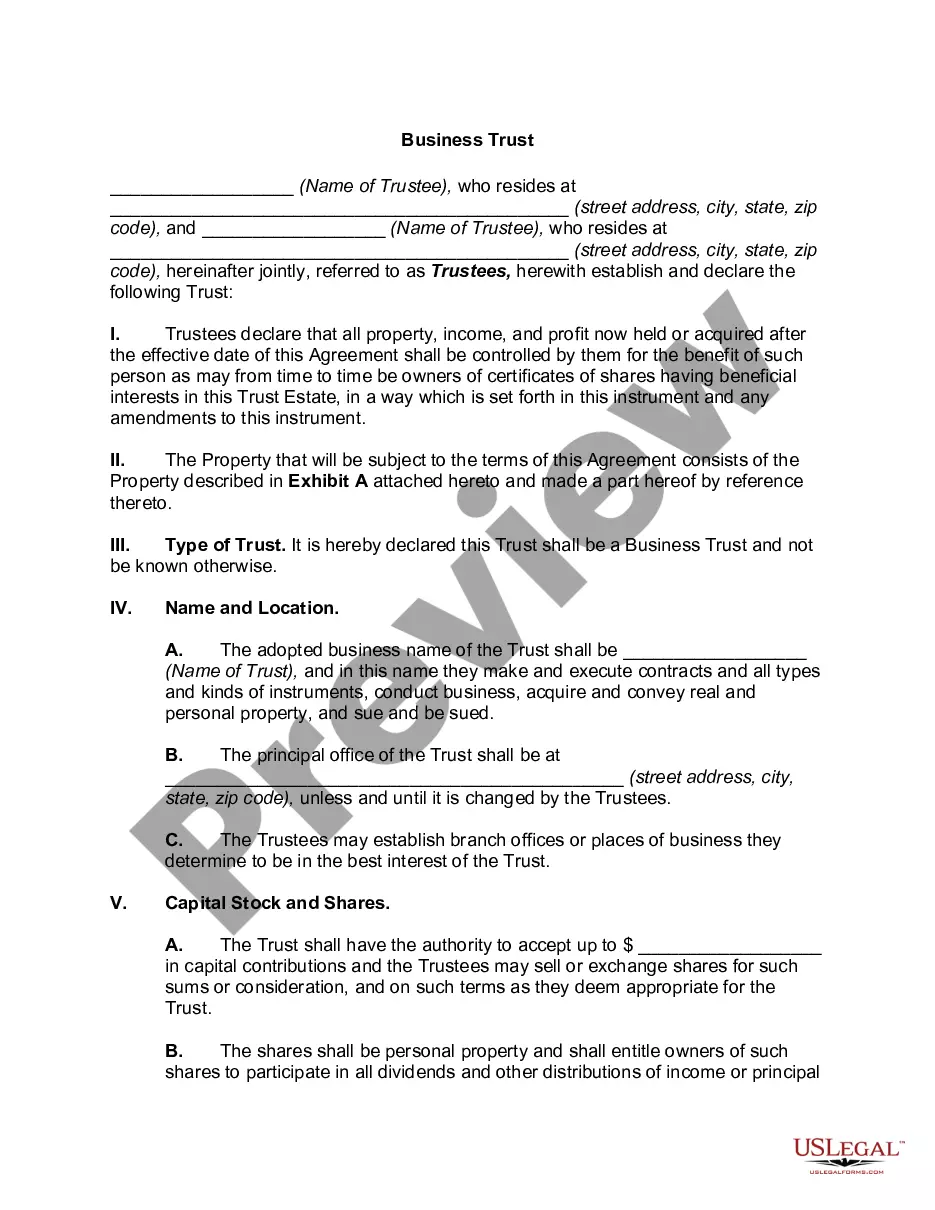
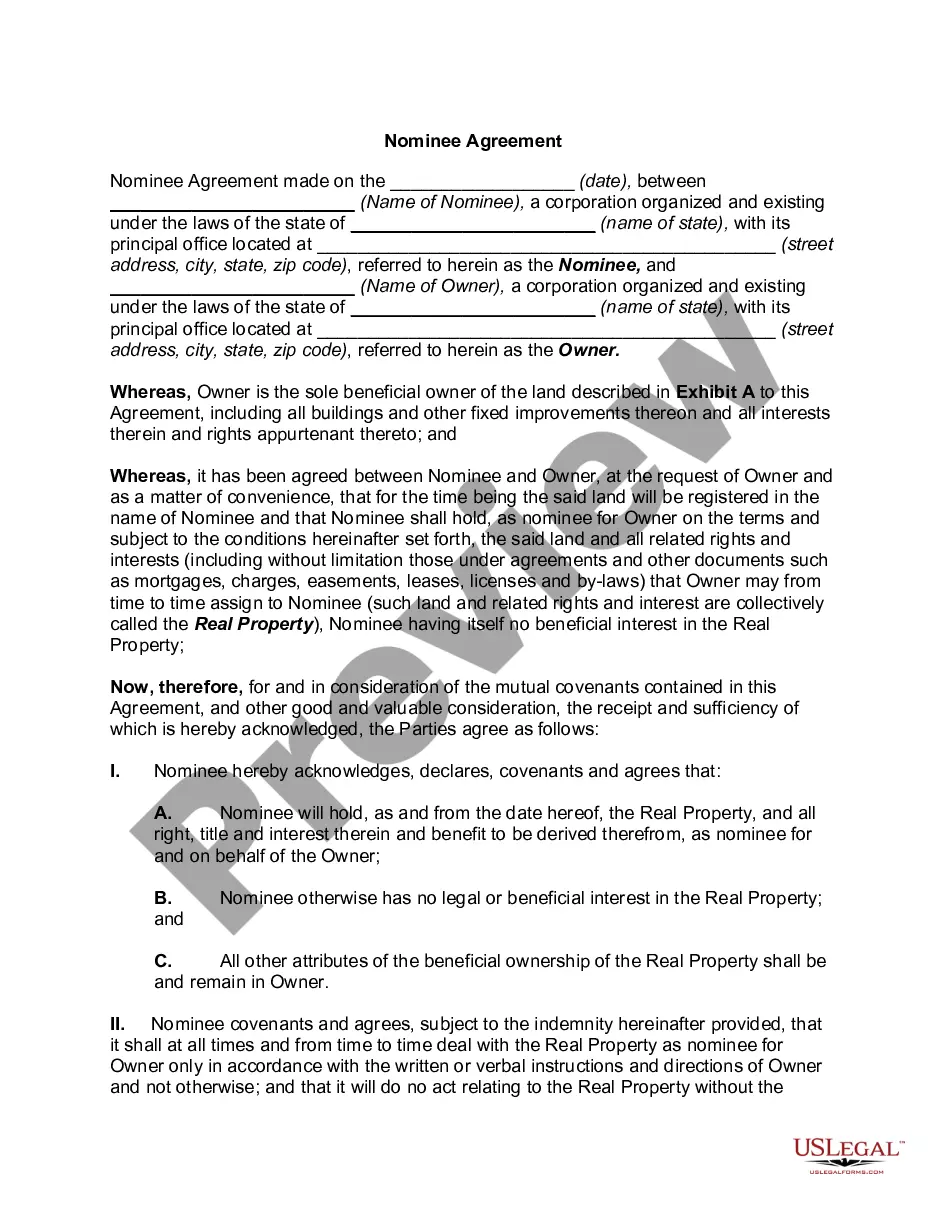

Get your form ready online
Our built-in tools help you complete, sign, share, and store your documents in one place.
Make edits, fill in missing information, and update formatting in US Legal Forms—just like you would in MS Word.
Download a copy, print it, send it by email, or mail it via USPS—whatever works best for your next step.
Sign and collect signatures with our SignNow integration. Send to multiple recipients, set reminders, and more. Go Premium to unlock E-Sign.
If this form requires notarization, complete it online through a secure video call—no need to meet a notary in person or wait for an appointment.
We protect your documents and personal data by following strict security and privacy standards.

Make edits, fill in missing information, and update formatting in US Legal Forms—just like you would in MS Word.

Download a copy, print it, send it by email, or mail it via USPS—whatever works best for your next step.

Sign and collect signatures with our SignNow integration. Send to multiple recipients, set reminders, and more. Go Premium to unlock E-Sign.

If this form requires notarization, complete it online through a secure video call—no need to meet a notary in person or wait for an appointment.

We protect your documents and personal data by following strict security and privacy standards.
Looking for another form?







How to fill out Nominee Trust?
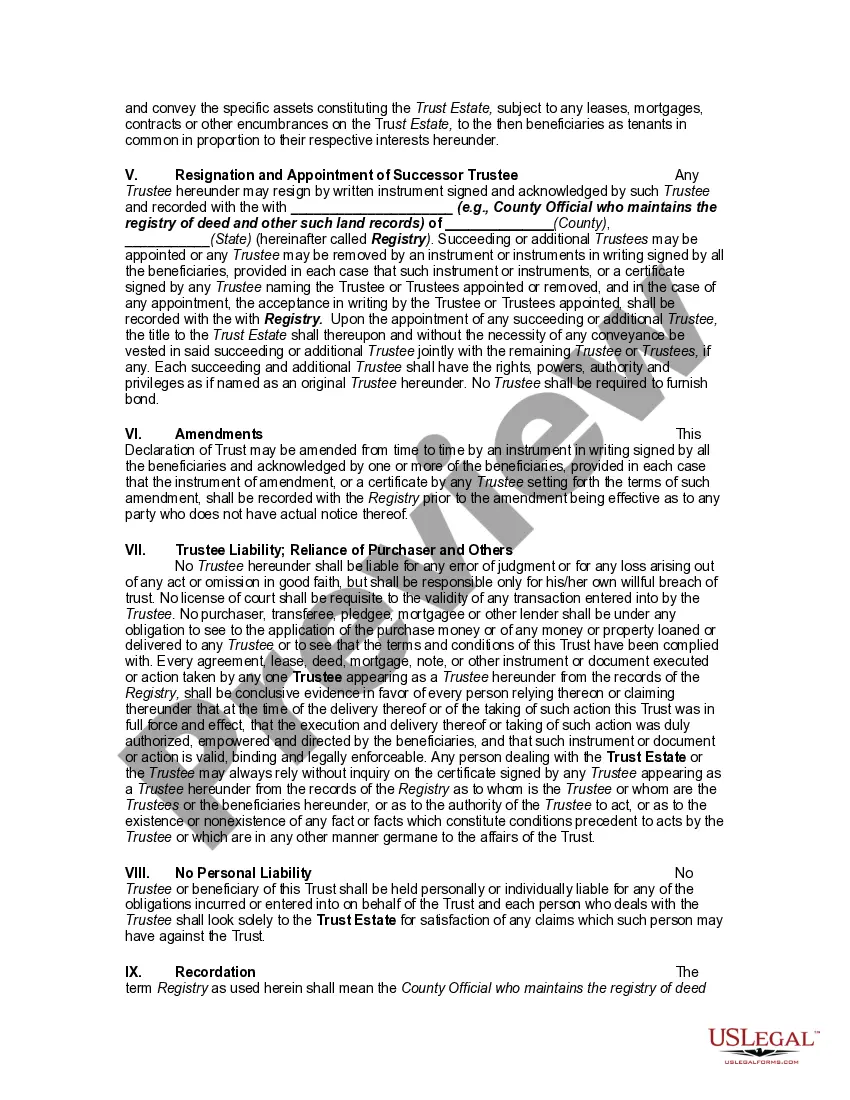
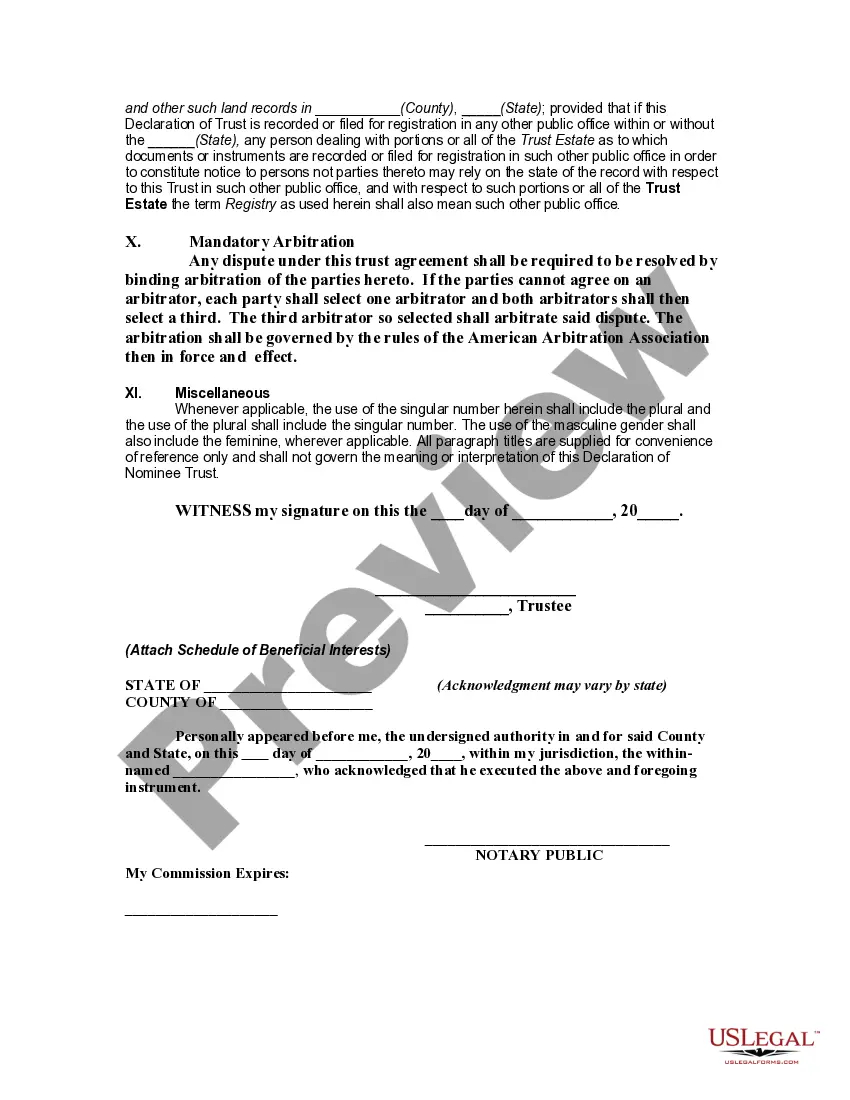
The Nominee Trust Explanation For Bank you view on this site is a reusable legal framework created by expert lawyers in compliance with federal and local laws.
For over 25 years, US Legal Forms has offered individuals, companies, and legal professionals access to more than 85,000 authenticated, state-specific documents for any business or personal needs.
Use the exact document again whenever needed. Access the My documents section in your account to redownload any previously saved documents. Register for US Legal Forms to have trusted legal templates for all of life’s eventualities available at your fingertips.
- Search for the document you require and review it.
- Examine the file you found and preview it or assess the form description to ensure it meets your requirements. If it doesn’t, use the search feature to locate the suitable one. Click Buy Now once you have identified the template you need.
- Choose a pricing plan that works for you and set up an account. Make a swift payment using PayPal or a credit card. If you already possess an account, Log In and check your subscription to proceed.
- Select the file format you prefer for your Nominee Trust Explanation For Bank (PDF, DOCX, RTF) and download the template to your device.
- Print the template to fill it out manually. Alternatively, use an online multifunctional PDF editor to quickly and accurately complete and sign your document with a legally-recognized electronic signature.
Form popularity
FAQ
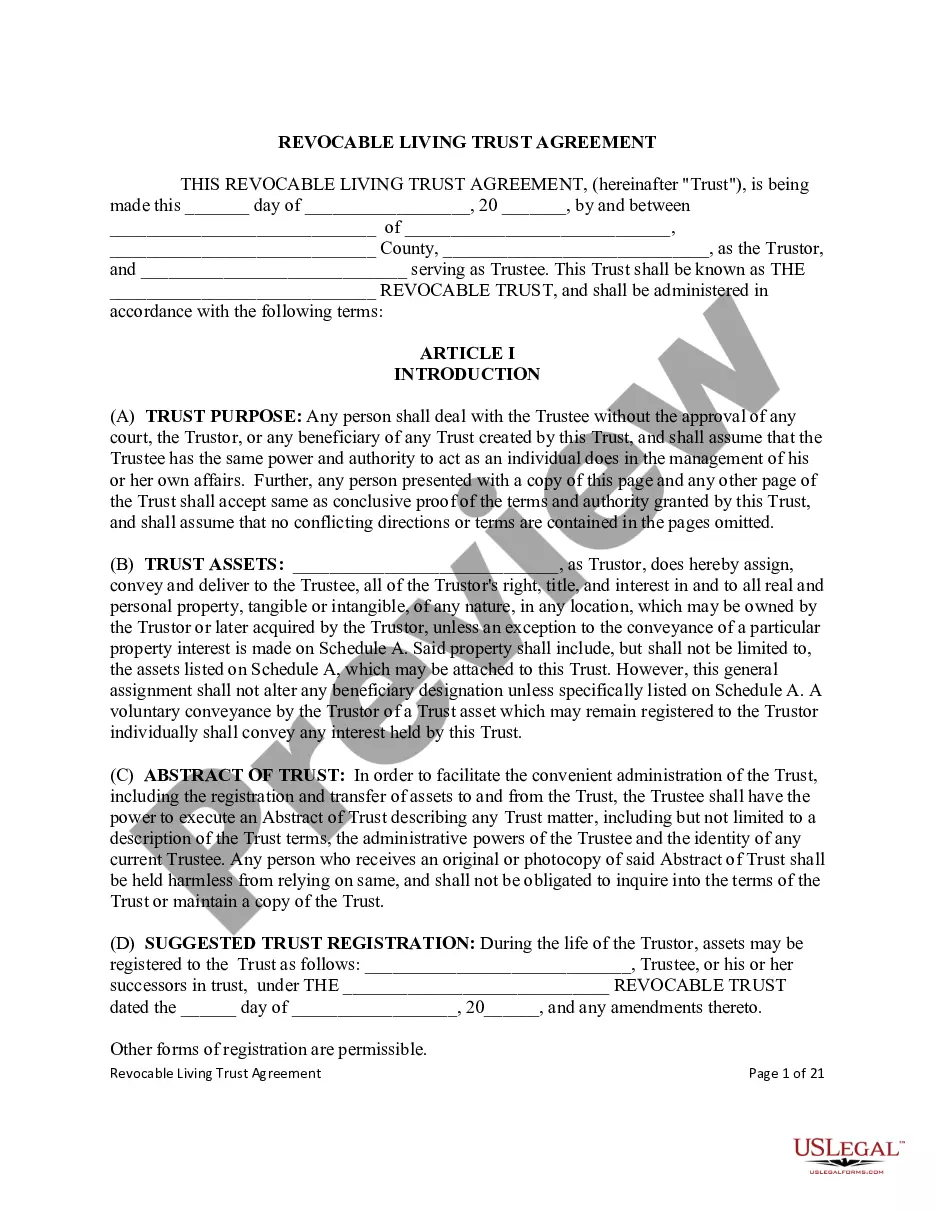
Living trusts, Totten trusts, and nominee trusts are the main types of revocable trusts. They can be revoked, amended, or terminated by the trust grantor, the person who creates the trust, any time before his or her death.
66.In this context a nominee is a person appointed by the trustees to hold trust property in his or her own name. Thus, a person may be registered as the owner of certain shares in a company but may in fact hold them as nominee for a trust.
Nominee trusts can be used to avoid reporting the ownership of real estate on the public record. The deed, or other filed document, lists the trustee but not the undisclosed principals. Nominee trusts can be used to avoid shares being registered in the names of the beneficiaries.
Unlike a real trust, where the power and duty to appropriately control the trust property lies with the trustee, in a nominee trust the beneficiaries actually retain all decision-making power. In fact, the trustee is really just an agent of the beneficiaries, who essentially act as the principal.
Nominee accounts are a form of trust similar to a bare trust. If a person invests in their own name with the intention of holding the money for someone else (perhaps their grandchildren) and they can prove their intent, then HMRC will usually accept that a trust was created.