California Trust Probate Code Withdrawal
Description

Get your form ready online
Our built-in tools help you complete, sign, share, and store your documents in one place.
Make edits, fill in missing information, and update formatting in US Legal Forms—just like you would in MS Word.
Download a copy, print it, send it by email, or mail it via USPS—whatever works best for your next step.
Sign and collect signatures with our SignNow integration. Send to multiple recipients, set reminders, and more. Go Premium to unlock E-Sign.
If this form requires notarization, complete it online through a secure video call—no need to meet a notary in person or wait for an appointment.
We protect your documents and personal data by following strict security and privacy standards.

Make edits, fill in missing information, and update formatting in US Legal Forms—just like you would in MS Word.

Download a copy, print it, send it by email, or mail it via USPS—whatever works best for your next step.

Sign and collect signatures with our SignNow integration. Send to multiple recipients, set reminders, and more. Go Premium to unlock E-Sign.

If this form requires notarization, complete it online through a secure video call—no need to meet a notary in person or wait for an appointment.

We protect your documents and personal data by following strict security and privacy standards.
Looking for another form?







How to fill out Nominee Trust?
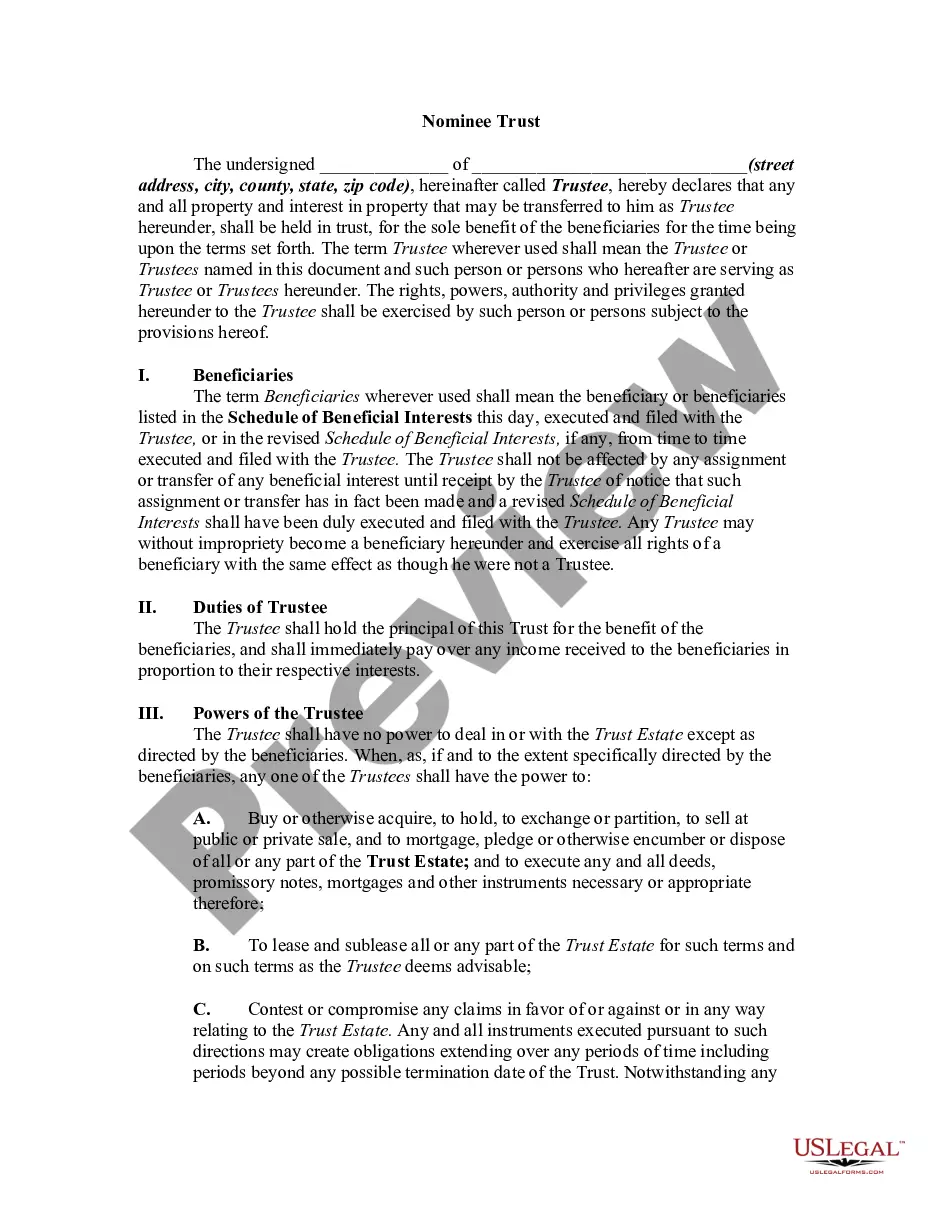
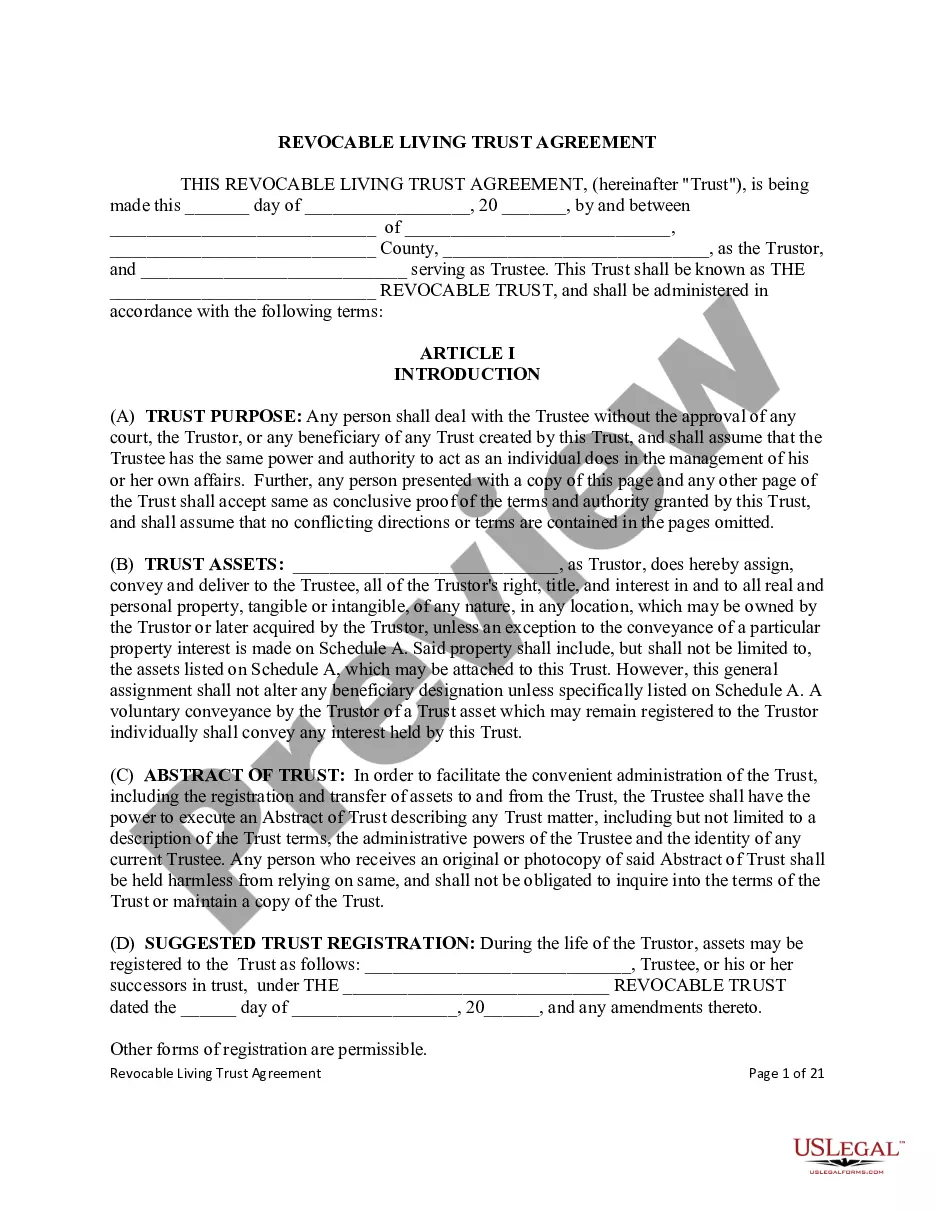
The California Trust Probate Code Withdrawal displayed on this page is a reusable legal template crafted by experienced attorneys in accordance with national and local statutes.
For over 25 years, US Legal Forms has offered individuals, enterprises, and legal practitioners more than 85,000 verified, state-specific templates for any business or personal event. It’s the fastest, easiest, and most dependable method to secure the documents you require, with the service ensuring bank-grade data security and anti-malware measures.
Choose the format you prefer for your California Trust Probate Code Withdrawal (PDF, DOCX, RTF) and store the sample on your device.
- Search for the document you require and verify it.
- Explore the file you looked for and preview it or review the document description to confirm it meets your expectations. If it doesn’t, use the search feature to locate the suitable one. Click Buy Now once you find the template you need.
- Register and Log In.
- Select the pricing option that fits you and establish an account. Utilize PayPal or a credit card to make a swift payment. If you already possess an account, Log In and review your subscription to proceed.
- Obtain the editable template.
Form popularity
FAQ
Disbursements are payments in cash or cash equivalents. In comparison, reimbursement refers to the actual payment to cover the original disbursement. For example, when attorneys pay expenses on behalf of a client, the money paid to a third party is a disbursement.
To remove the trustee of an irrevocable trust, a court must get involved. To start the process, a party with an interest in the trust (like a beneficiary or a co-trustee) must file a petition with the appropriate court requesting that the court remove the trustee.
The trust can pay out a lump sum or percentage of the funds, make incremental payments throughout the years, or even make distributions based on the trustee's assessments. Whatever the grantor decides, their distribution method must be included in the trust agreement drawn up when they first set up the trust.
Once disbursement is complete, meaning all debts and final taxes are paid, a trustee can distribute the inheritance to beneficiaries. This is called distribution. It is only then that money should be paid to the benefit or care of the beneficiary.
A trust may be terminated by the written consent of the settlor and all beneficiaries without court approval, but with notice to the Attorney General. Irrevocable trusts require the consent of all trust beneficiaries and Court approval to terminate, and the Attorney General should be given notice.