Shareholder Withdrawal Journal Entry
Description

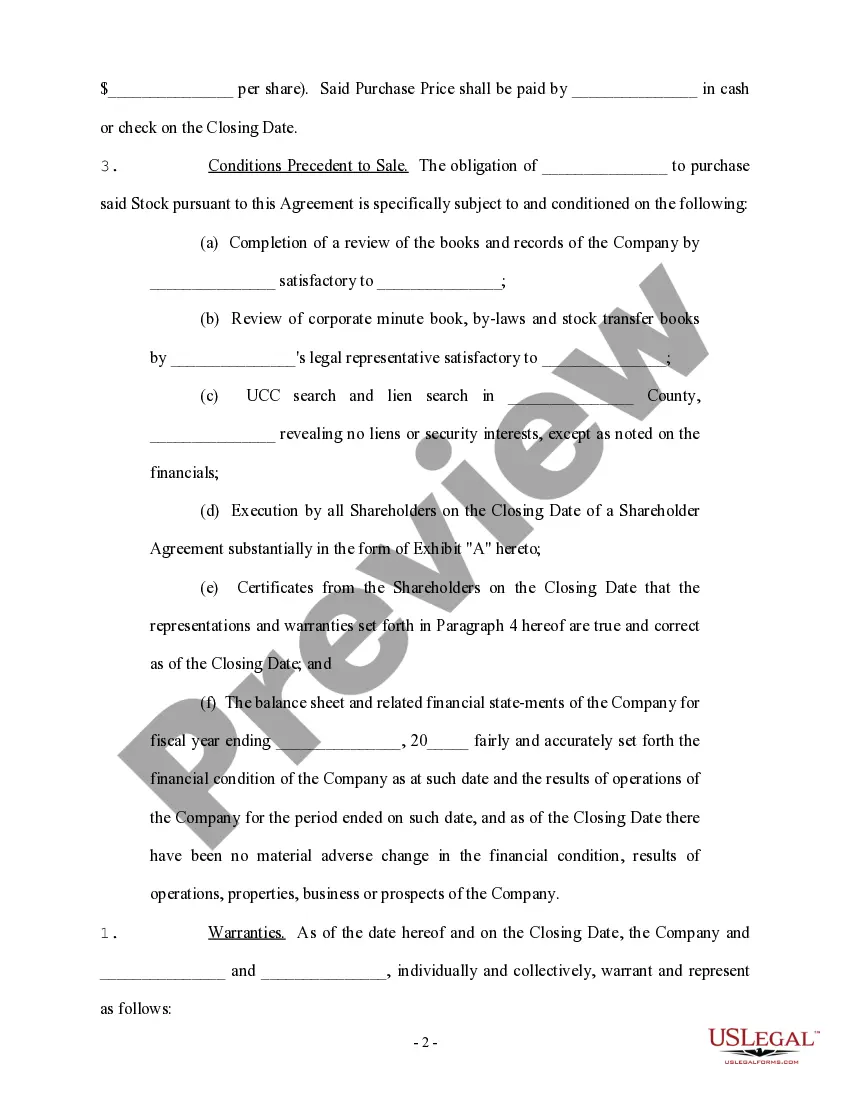
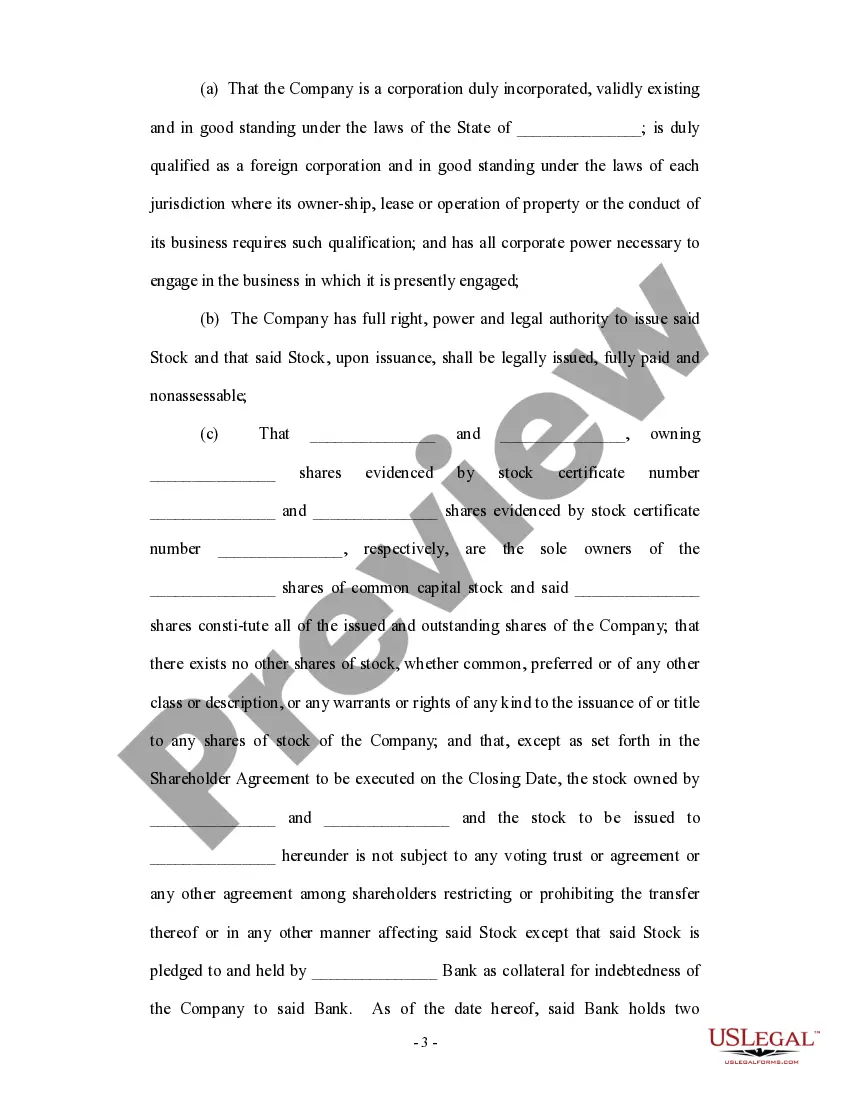
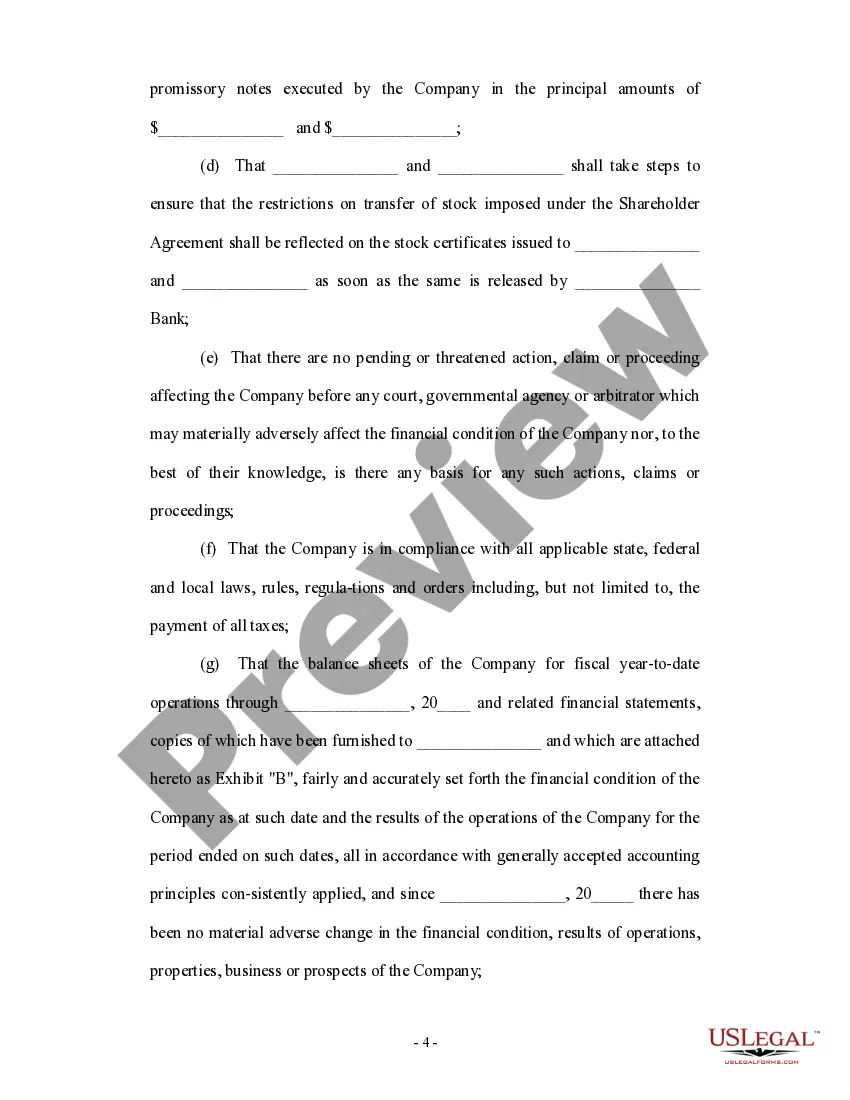

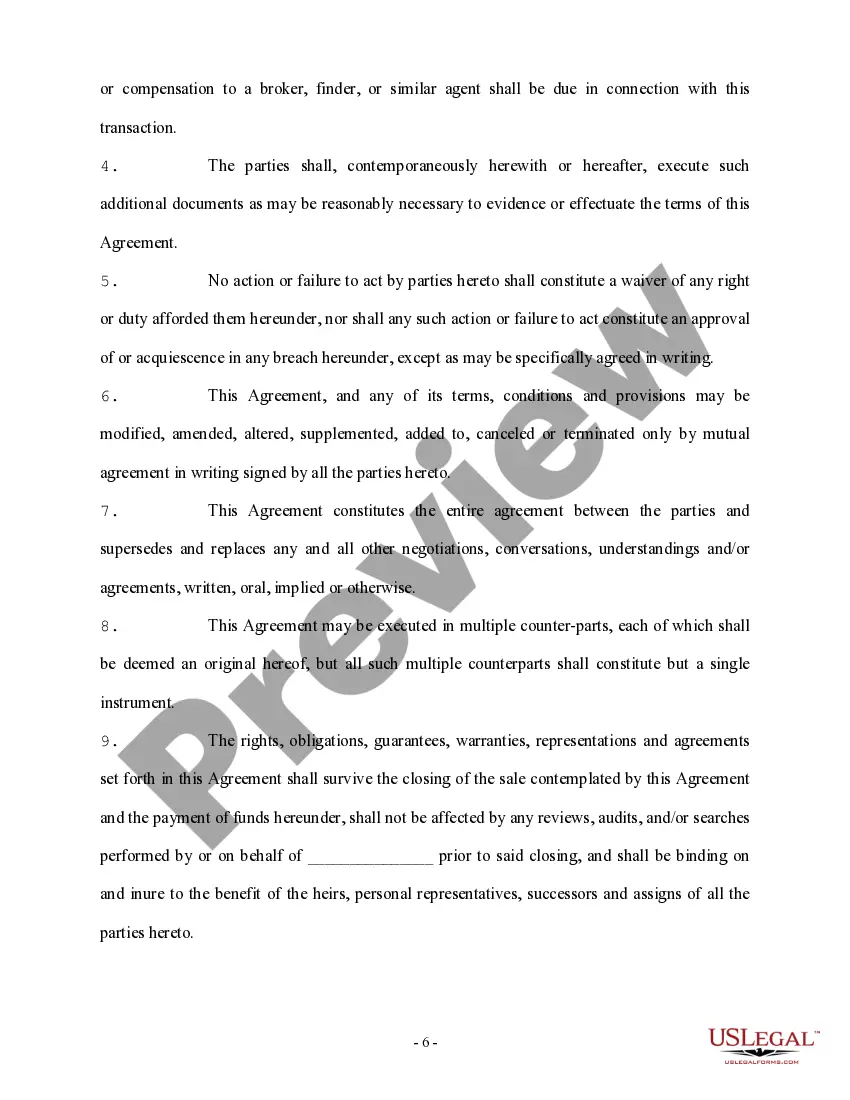

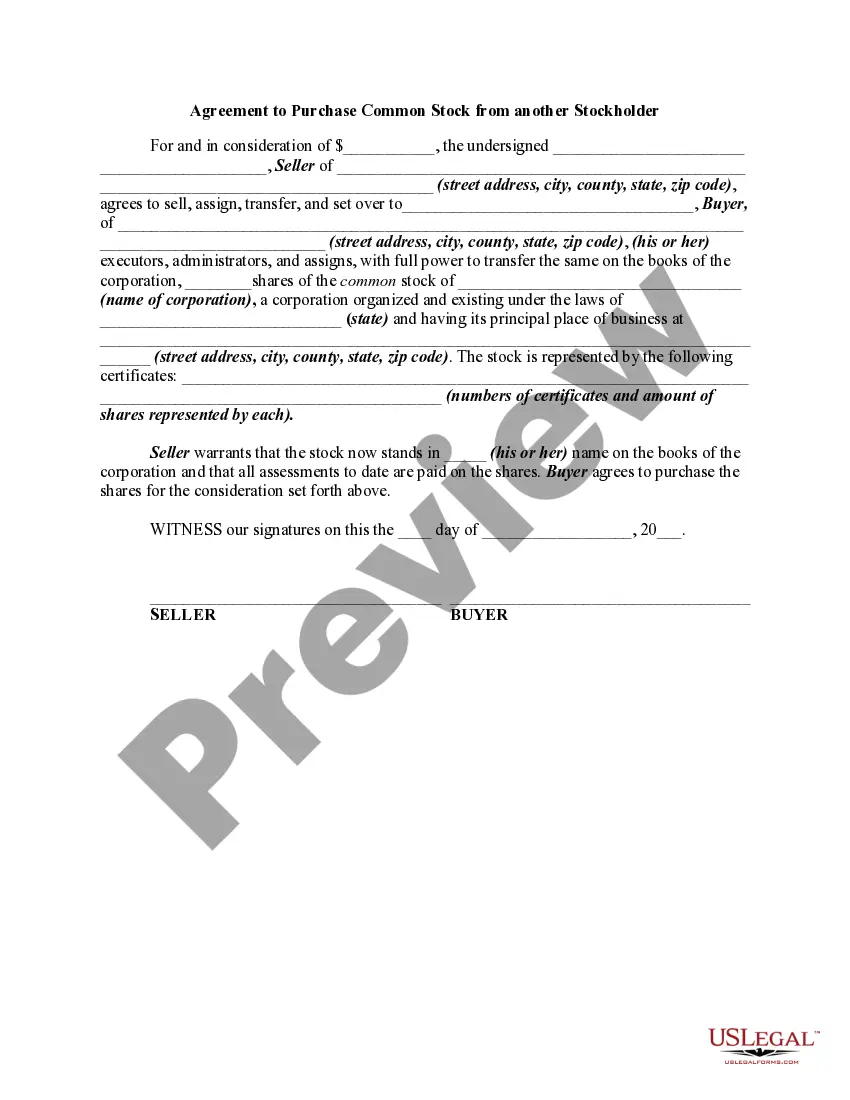
Get your form ready online
Our built-in tools help you complete, sign, share, and store your documents in one place.
Make edits, fill in missing information, and update formatting in US Legal Forms—just like you would in MS Word.
Download a copy, print it, send it by email, or mail it via USPS—whatever works best for your next step.
Sign and collect signatures with our SignNow integration. Send to multiple recipients, set reminders, and more. Go Premium to unlock E-Sign.
If this form requires notarization, complete it online through a secure video call—no need to meet a notary in person or wait for an appointment.
We protect your documents and personal data by following strict security and privacy standards.

Make edits, fill in missing information, and update formatting in US Legal Forms—just like you would in MS Word.

Download a copy, print it, send it by email, or mail it via USPS—whatever works best for your next step.

Sign and collect signatures with our SignNow integration. Send to multiple recipients, set reminders, and more. Go Premium to unlock E-Sign.

If this form requires notarization, complete it online through a secure video call—no need to meet a notary in person or wait for an appointment.

We protect your documents and personal data by following strict security and privacy standards.
Looking for another form?







Form popularity
FAQ
You account for owner drawings by recording them as reductions in the owner's equity. Each time an owner withdraws funds, you create a shareholder withdrawal journal entry that reflects this transaction. This entry decreases the capital account and increases the drawings account, ensuring proper tracking of funds taken out by owners.
To record an owner withdrawal journal entry, you will need to debit the drawings account and credit the respective asset account from where the withdrawal is made. This ensures that your records accurately reflect the withdrawal and its impact on equity. By using tools from UsLegalForms, you can automate and track these entries efficiently.
Closing your owner's drawing account requires you first to debit the owner's capital account equal to the total drawing amount. Then, credit the drawing account, thus reducing its balance to zero. This method keeps your financial records precise and up-to-date. For assistance in your accounting needs, consider using US Legal Forms to simplify the process related to shareholder withdrawal journal entry.
The closing entry for an owner's drawing operates in a similar fashion to an owners drawing. You will close the drawing account by debiting the owner's capital and crediting the individual drawing account. This action maintains accurate financial reporting. Working with US Legal Forms can help streamline your process for accurately managing shareholder withdrawal journal entry.
The closing entry for owners drawing involves transferring the drawing amount to the owner's equity account. This process reduces the owner's equity, ensuring accurate financial statements. To summarize it, you will debit the owner's equity account and credit the drawing account. Ultimately, this creates a clear record of shareholder withdrawal journal entry.