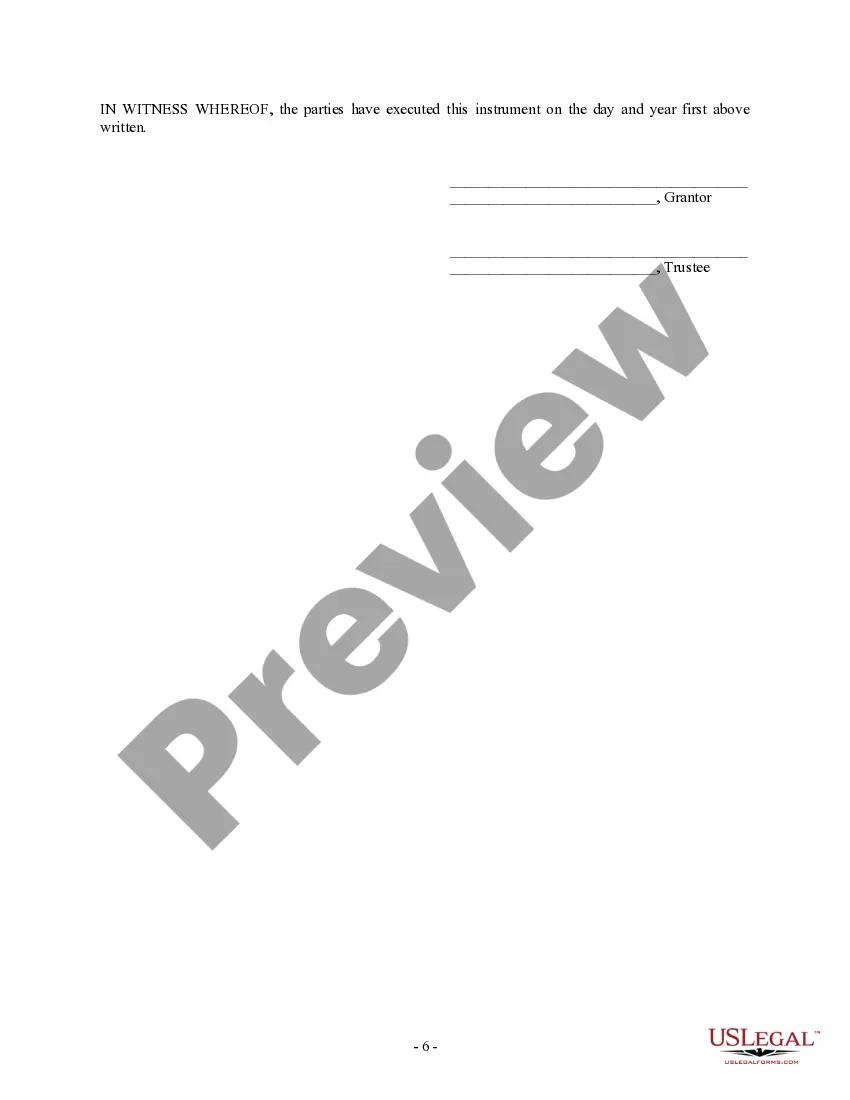
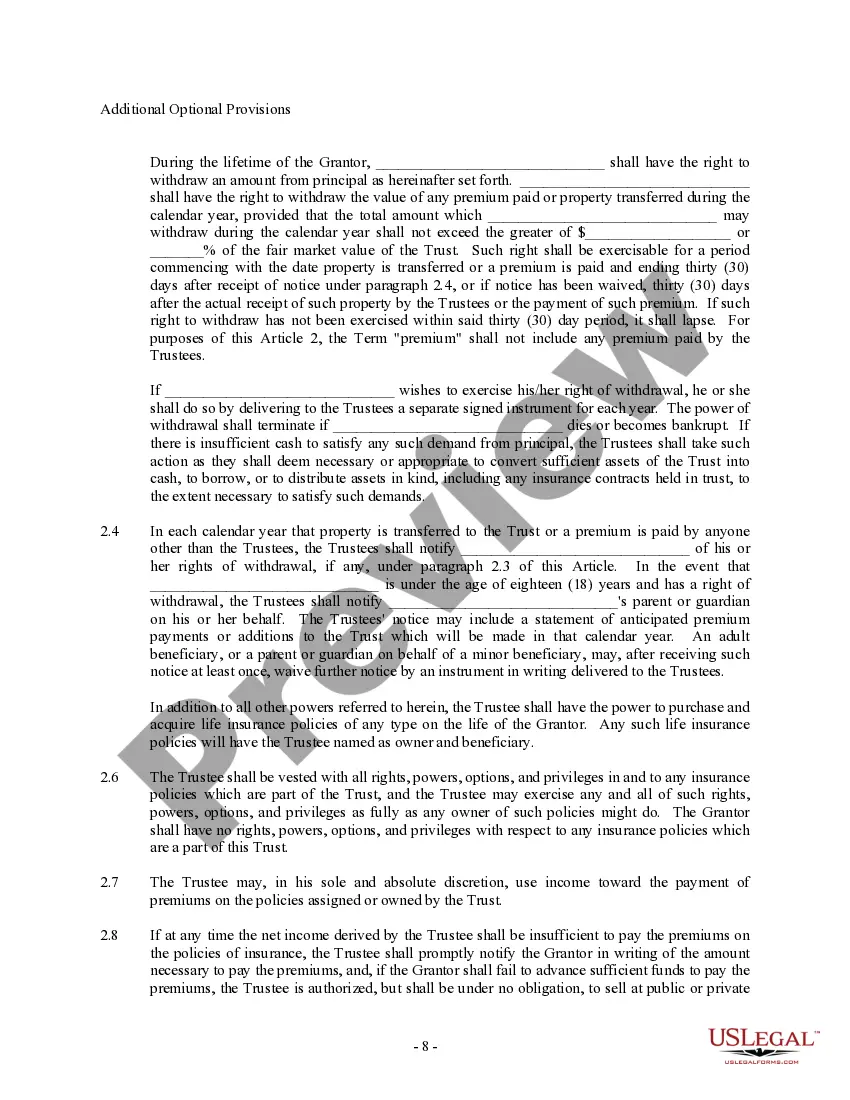
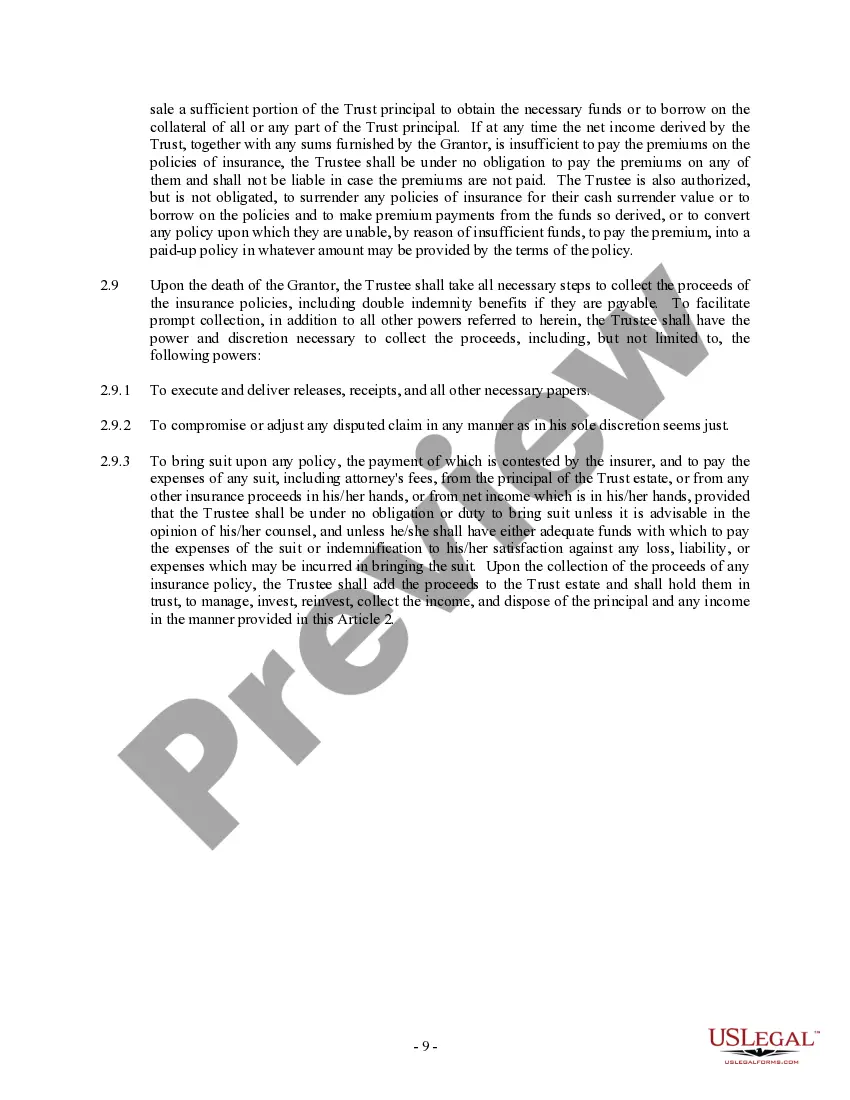
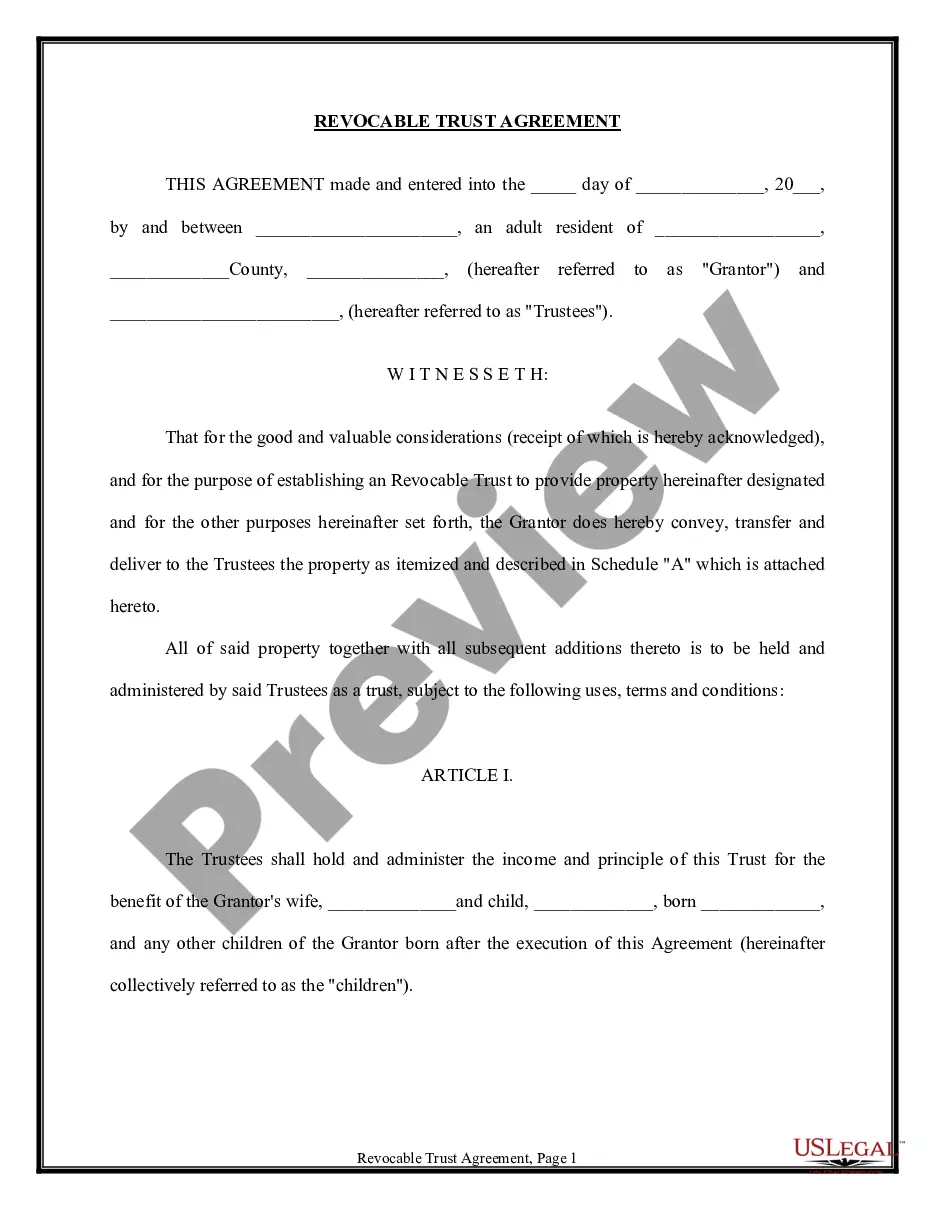
Texas Special Needs Trust With No Assets
Description

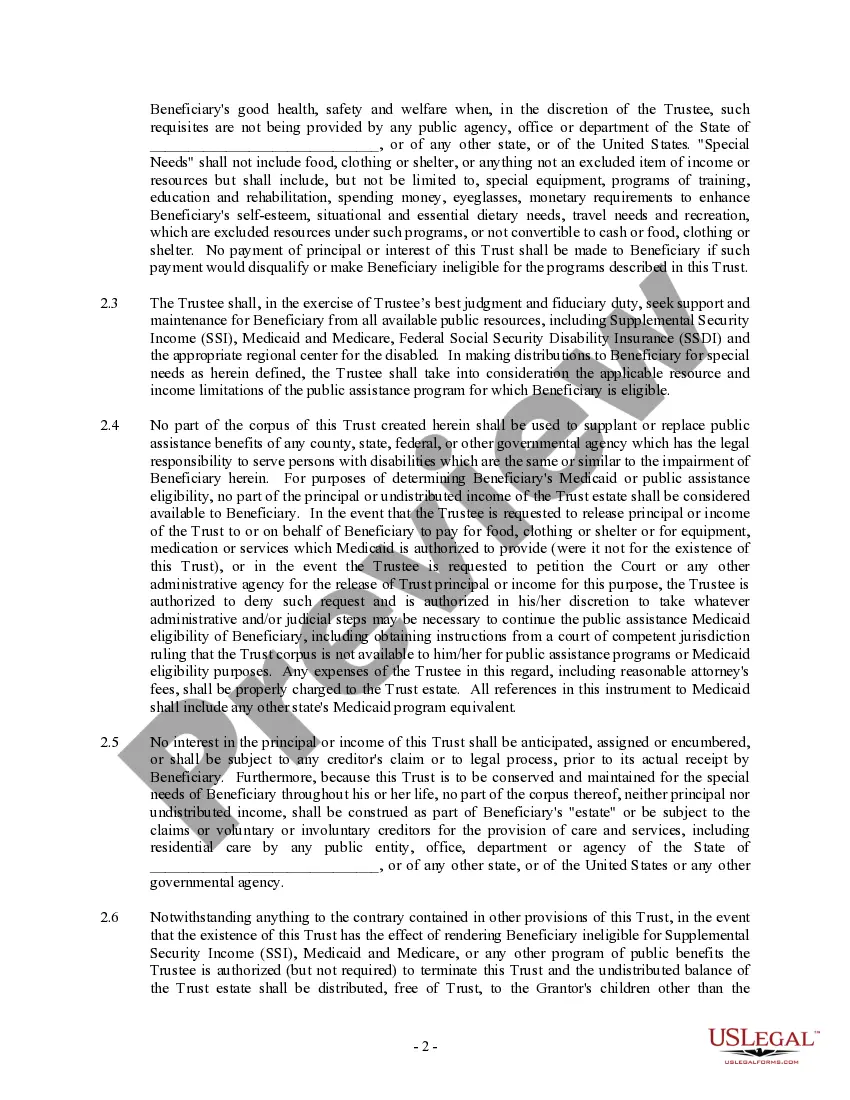
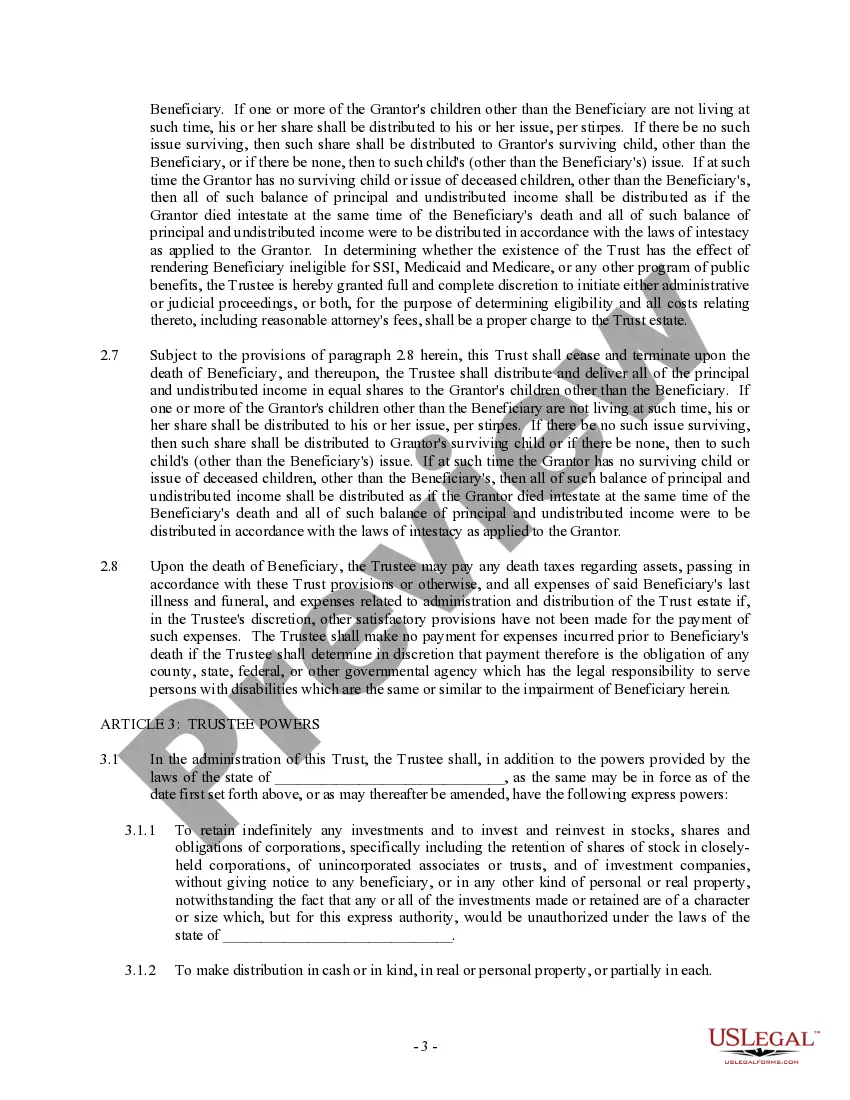
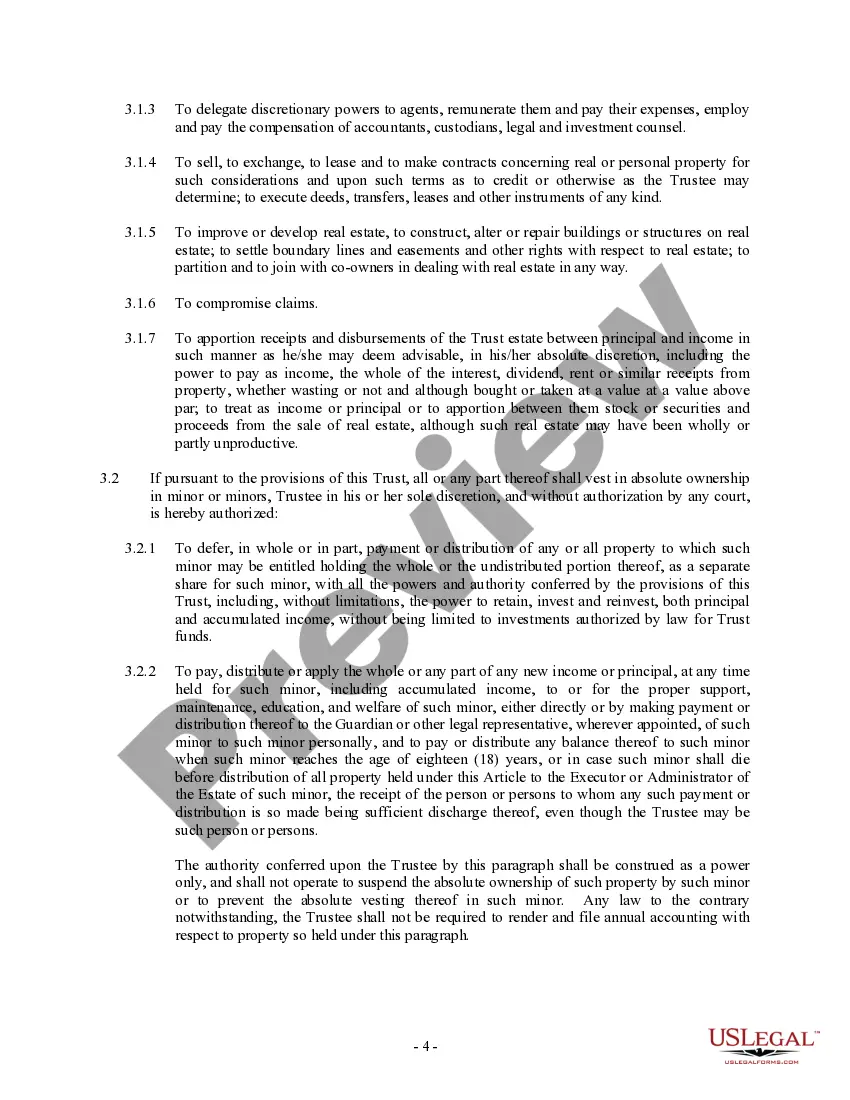
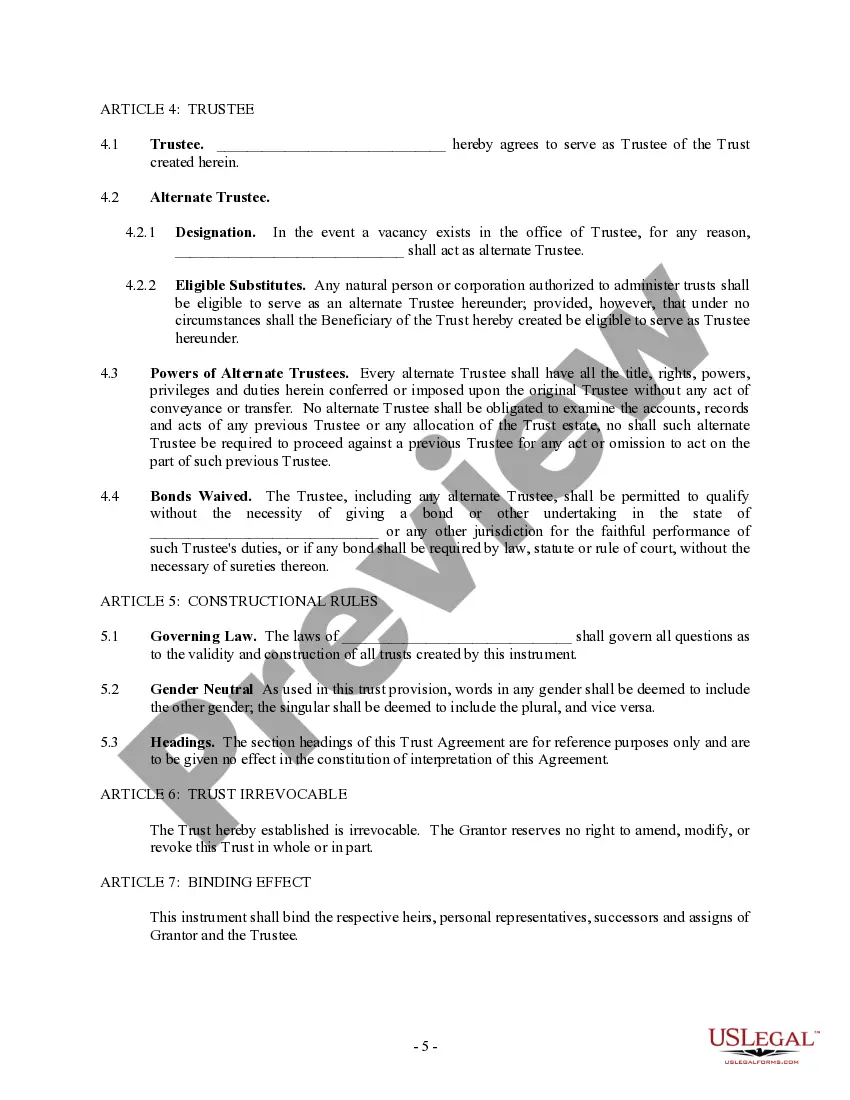


Get your form ready online
Our built-in tools help you complete, sign, share, and store your documents in one place.
Make edits, fill in missing information, and update formatting in US Legal Forms—just like you would in MS Word.
Download a copy, print it, send it by email, or mail it via USPS—whatever works best for your next step.
Sign and collect signatures with our SignNow integration. Send to multiple recipients, set reminders, and more. Go Premium to unlock E-Sign.
If this form requires notarization, complete it online through a secure video call—no need to meet a notary in person or wait for an appointment.
We protect your documents and personal data by following strict security and privacy standards.

Make edits, fill in missing information, and update formatting in US Legal Forms—just like you would in MS Word.

Download a copy, print it, send it by email, or mail it via USPS—whatever works best for your next step.

Sign and collect signatures with our SignNow integration. Send to multiple recipients, set reminders, and more. Go Premium to unlock E-Sign.

If this form requires notarization, complete it online through a secure video call—no need to meet a notary in person or wait for an appointment.

We protect your documents and personal data by following strict security and privacy standards.
Looking for another form?









How to fill out Trust Agreement - Family Special Needs?
Legal administration can be bewildering, even for the most informed professionals.
If you're seeking a Texas Special Needs Trust With No Assets and haven't had the opportunity to invest time locating the appropriate and current version, the process may become overwhelming.
US Legal Forms accommodates any requirements you may have, spanning personal to business documentation, all in one platform.
Employ sophisticated tools to complete and manage your Texas Special Needs Trust With No Assets.
The subsequent steps to follow after acquiring the form you require include.
- Access a valuable resource library of articles, guides, handbooks, and materials related to your situation and requirements.
- Save time and effort searching for the documents you need, and utilize US Legal Forms’ advanced search and Review tool to locate Texas Special Needs Trust With No Assets and obtain it.
- If you have a subscription, Log In to your US Legal Forms account, search for the form, and procure it.
- Visit the My documents tab to view the documents you've previously downloaded and manage your folders accordingly.
- If it’s your first experience with US Legal Forms, create a complimentary account for unlimited access to all platform benefits.
- A comprehensive online form directory could revolutionize the way anyone manages these circumstances efficiently.
- US Legal Forms is a leader in online legal documentation, boasting over 85,000 state-specific legal forms available to you at any moment.
- With US Legal Forms, you can access legal and business forms specific to your state or county.
Form popularity
FAQ
The 5-year rule for special needs trusts generally refers to the look-back period for Medicaid eligibility. When using a Texas special needs trust with no assets, it's crucial to understand that transferring assets within this time frame can affect eligibility for benefits. Consulting with an expert can clarify how this rule applies to your specific situation.
It is possible to create a special needs trust without a lawyer, but caution is advised. A Texas special needs trust with no assets requires careful wording to ensure it complies with federal and state laws. Utilizing tools like UsLegalForms can help you navigate this process, but consulting a lawyer is beneficial for tailored guidance.
Yes, generally, you must file taxes on a special needs trust regardless of whether it has assets. The IRS requires trusts, including a Texas special needs trust with no assets, to file an annual tax return, reporting any income or gains. It is essential to keep accurate records to ensure compliance and avoid penalties.
One downside of a Texas special needs trust with no assets is the administrative responsibility it imposes on the trustee. Trustees must ensure compliance with governement regulations to maintain the beneficiary’s eligibility for benefits. Additionally, establishing and maintaining the trust may involve legal fees, which can add to the overall burden.
Yes, you can create a trust in Texas without an attorney, including a Texas special needs trust with no assets, but it can be overwhelming. While online tools and templates are available, they may not cover all legal nuances. Seeking legal advice can save you time and prevent future problems, ensuring your trust meets all requirements.
Typically, a family member or a legal guardian sets up a special disability trust. In Texas, it is important to designate a trustee who understands the specific needs of the beneficiary. Establishing a Texas special needs trust with no assets correctly can protect government benefits for the disabled individual, ensuring secure and consistent support.
It is possible to set up a Texas special needs trust with no assets without an attorney; however, doing so may lead to complications. While you can find resources online, an attorney can help ensure that the trust meets all legal requirements. Moreover, guidance from a professional can aid in making the best decisions regarding your loved one's future needs and resources.
Creating a Texas special needs trust with no assets can come with a few disadvantages. First, it may not provide the intended financial support for your loved one if there are no assets to fund the trust. Additionally, the administrative fees associated with setting up and maintaining the trust can become burdensome. Finally, without sufficient funding, the trust may fail to meet your beneficiary's needs, requiring alternative financial planning solutions.
A Texas special needs trust with no assets can present some challenges for individuals and families. One disadvantage is that it might limit the beneficiary's access to certain government benefits, as some trusts may restrict how funds are distributed. Additionally, setting up a Texas special needs trust requires careful planning and legal expertise, which can involve costs and complexity. Ultimately, it's crucial to weigh these factors to ensure the trust meets your needs.