Special Needs Trusts In Texas
Description
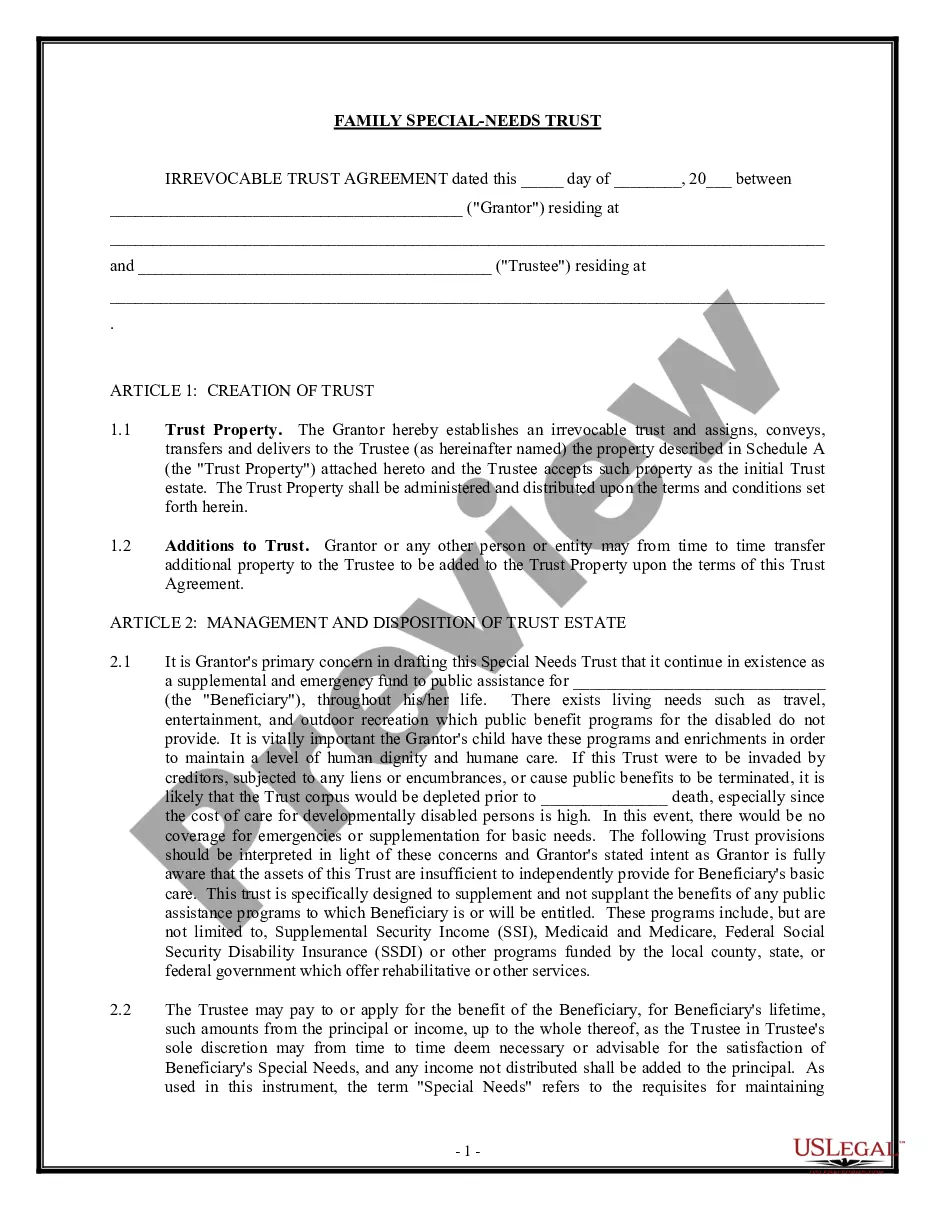
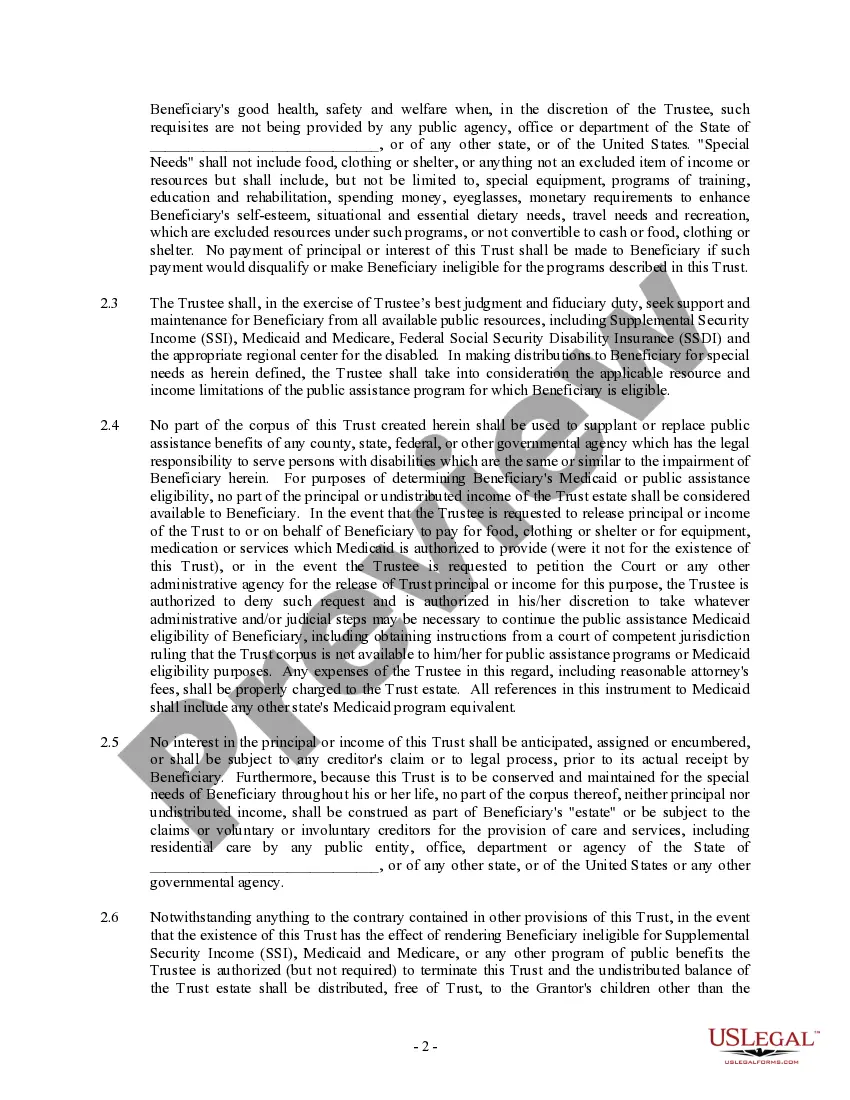
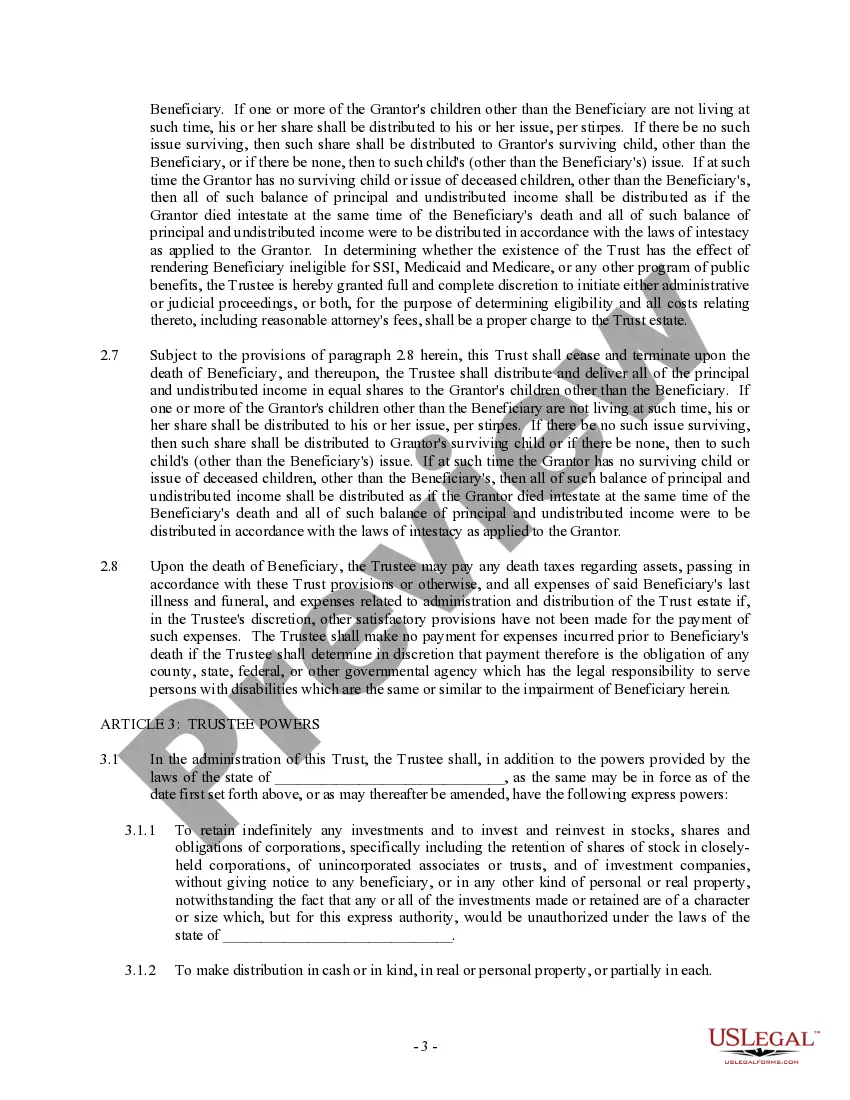
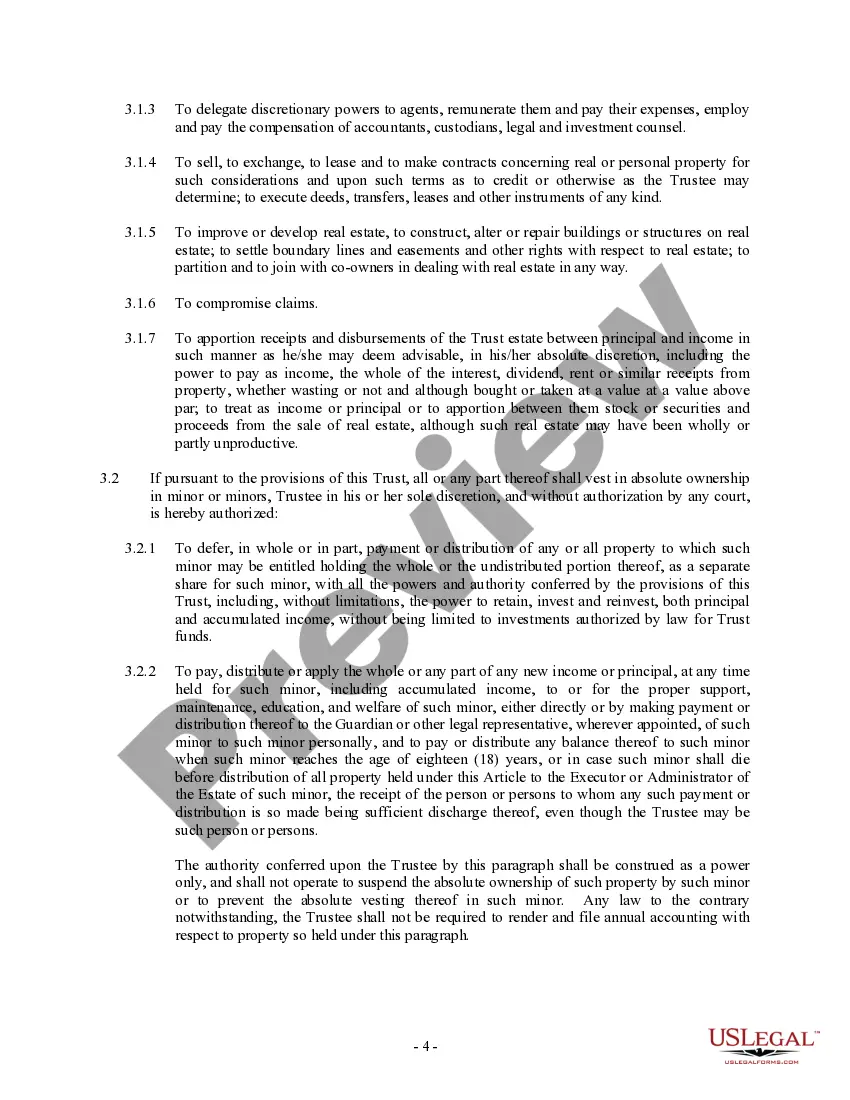
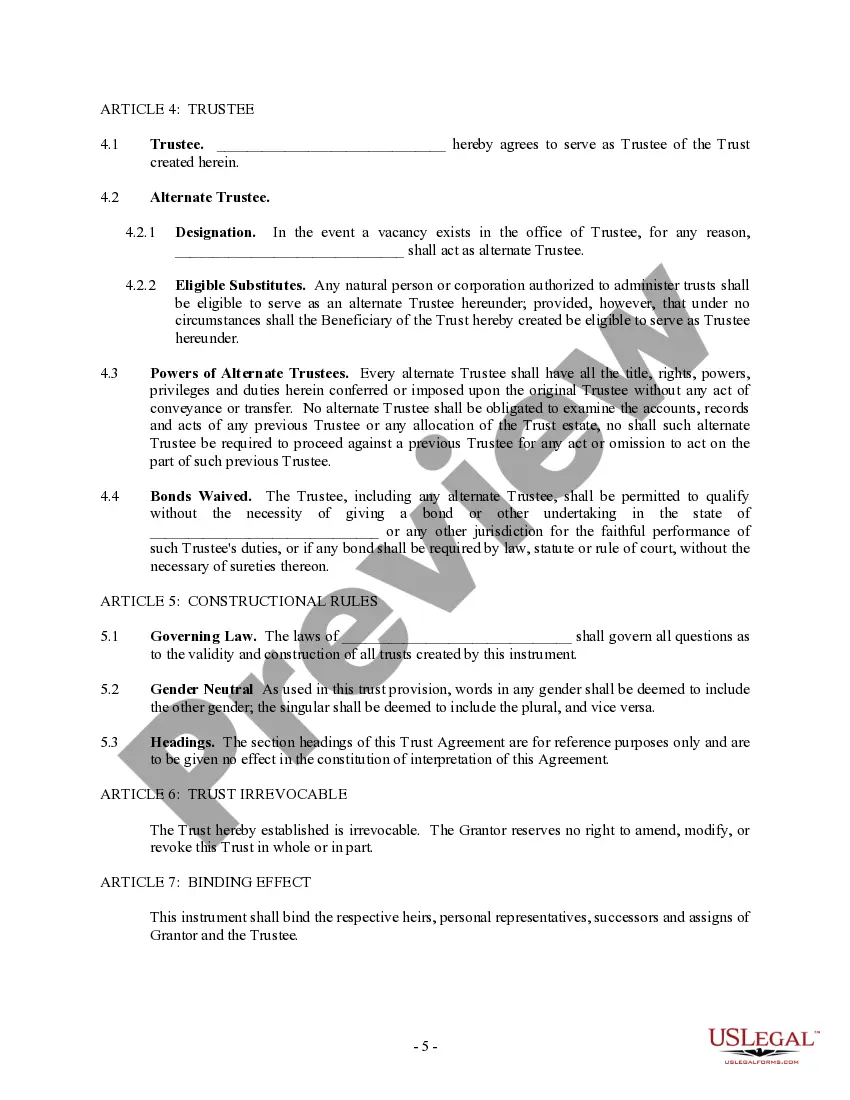
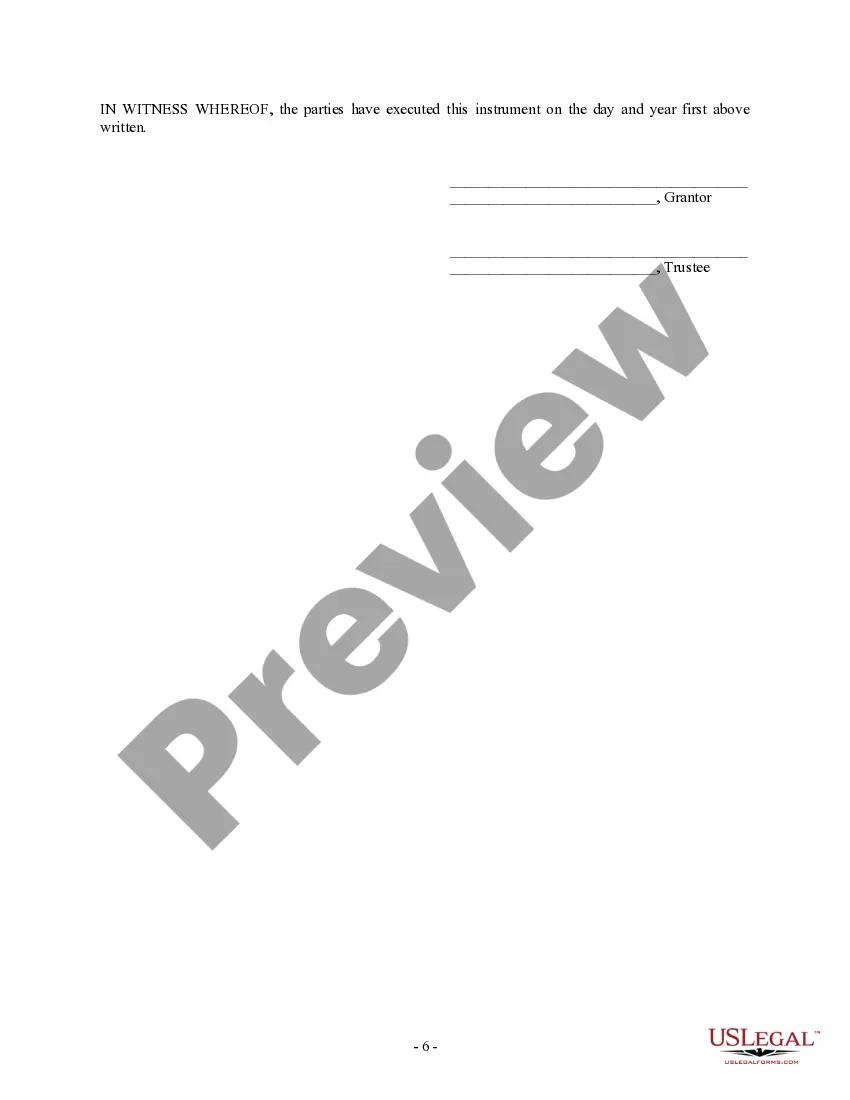
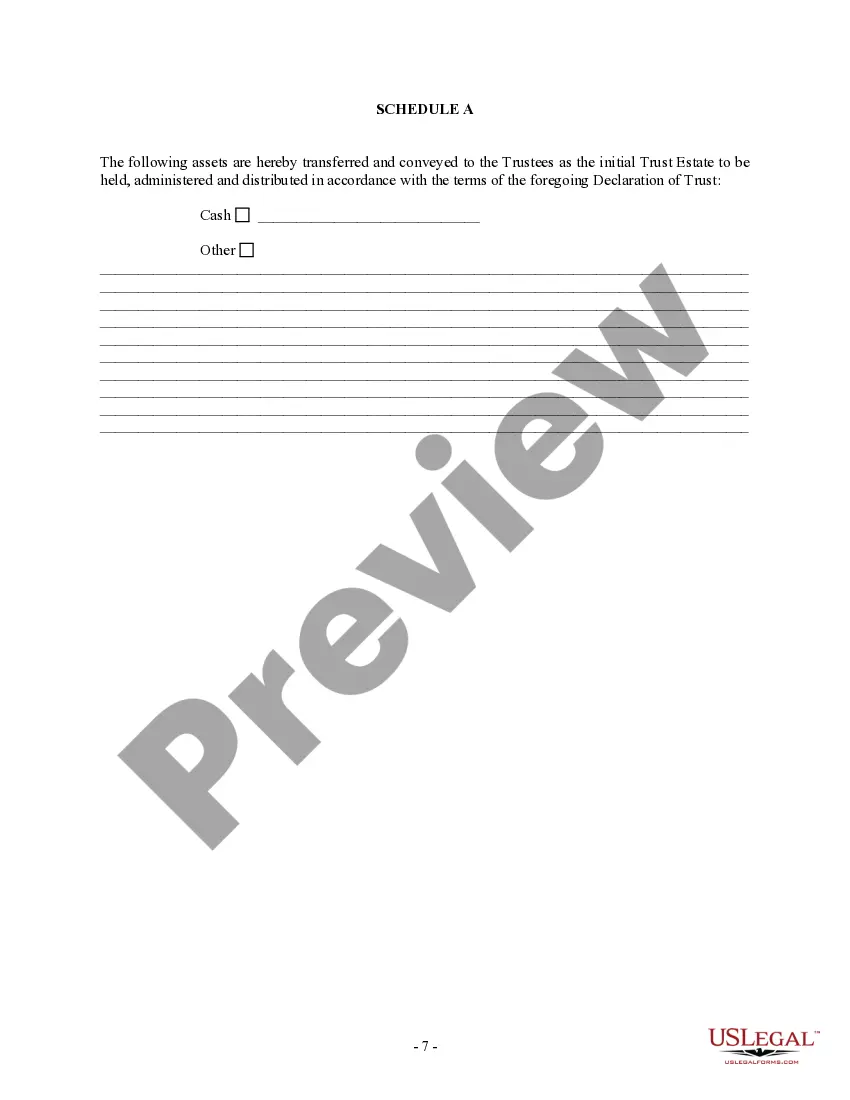
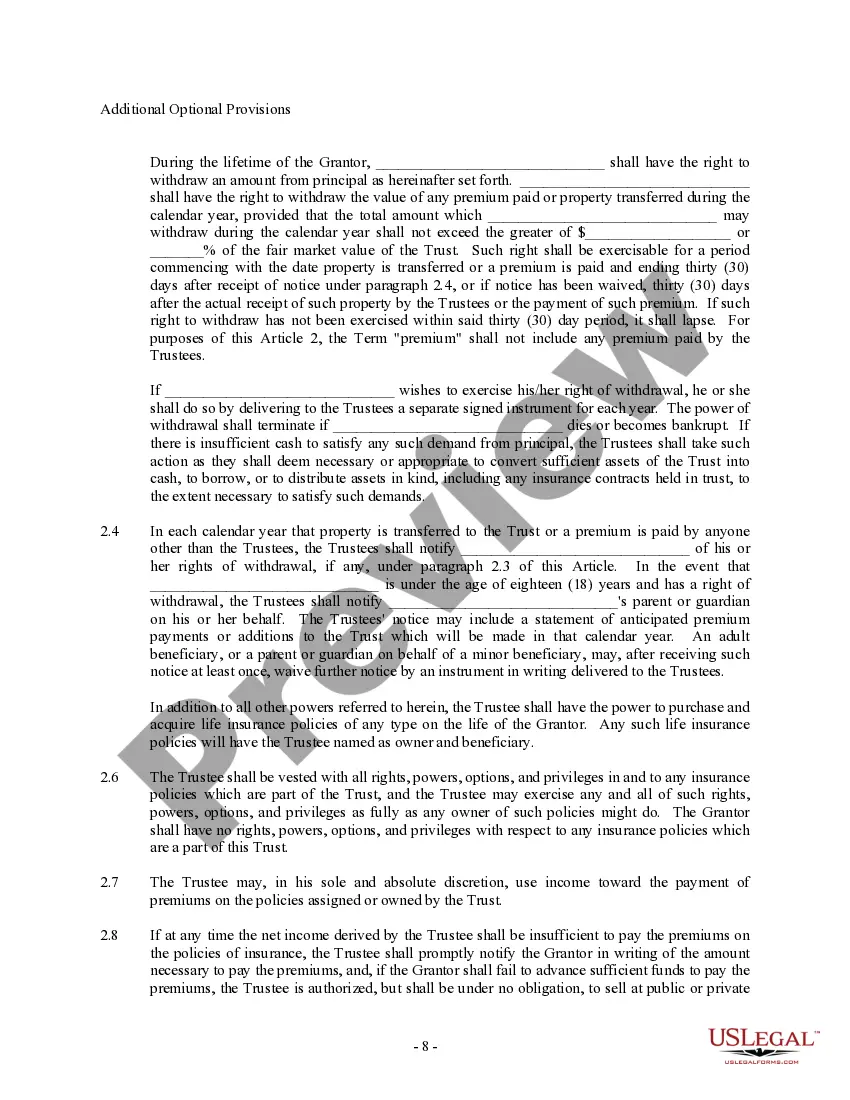


Get your form ready online
Our built-in tools help you complete, sign, share, and store your documents in one place.
Make edits, fill in missing information, and update formatting in US Legal Forms—just like you would in MS Word.
Download a copy, print it, send it by email, or mail it via USPS—whatever works best for your next step.
Sign and collect signatures with our SignNow integration. Send to multiple recipients, set reminders, and more. Go Premium to unlock E-Sign.
If this form requires notarization, complete it online through a secure video call—no need to meet a notary in person or wait for an appointment.
We protect your documents and personal data by following strict security and privacy standards.

Make edits, fill in missing information, and update formatting in US Legal Forms—just like you would in MS Word.

Download a copy, print it, send it by email, or mail it via USPS—whatever works best for your next step.

Sign and collect signatures with our SignNow integration. Send to multiple recipients, set reminders, and more. Go Premium to unlock E-Sign.

If this form requires notarization, complete it online through a secure video call—no need to meet a notary in person or wait for an appointment.

We protect your documents and personal data by following strict security and privacy standards.
Looking for another form?







How to fill out Trust Agreement - Family Special Needs?
Creating legal documents from scratch can often be daunting.
Some situations might require extensive research and significant financial outlay.
If you’re seeking a simpler and more economical method of drafting Special Needs Trusts in Texas or any other documentation without unnecessary obstacles, US Legal Forms is always available to assist you.
Our online repository of over 85,000 up-to-date legal forms covers nearly every facet of your financial, legal, and personal matters. With just a few clicks, you can swiftly obtain state- and county-specific forms carefully prepared for you by our legal experts.
Confirm that the form you choose complies with the laws and regulations of your state and county. Select the appropriate subscription option to purchase the Special Needs Trusts in Texas. Download the document, then complete, sign, and print it. US Legal Forms prides itself on a flawless reputation and over 25 years of experience. Join us today and transform document management into a straightforward and efficient process!
- Utilize our website whenever you require trustworthy and dependable services to easily locate and download the Special Needs Trusts in Texas.
- If you’re already familiar with our services and have previously registered with us, simply Log In to your account, find the form, and download it or re-download it anytime later in the My documents section.
- Not registered yet? No problem. Registration takes minimal time, allowing you to explore the library.
- Before downloading Special Needs Trusts in Texas, consider these pointers.
- Examine the form preview and descriptions to ensure you have located the document you need.
Form popularity
FAQ
To set up a trust for your special needs child in Texas, you can start by consulting a qualified attorney who specializes in special needs trusts. They will help you understand the legal requirements and guide you in choosing the right type of trust. You will need to consider the specific needs of your child and how to structure the trust accordingly. Additionally, platforms like US Legal Forms offer resources that make it easier to create and manage these trusts effectively.
If you do not file a tax return for a special needs trust when required, the trust may face penalties from the IRS. This could lead to interest on unpaid taxes and potential legal issues. Moreover, failing to meet tax obligations can jeopardize the trust’s standing and the beneficiary’s access to needed support. It's crucial to stay on top of tax requirements to protect your loved one’s best interests.
The exemption amount for a special needs trust in Texas pertains to the assets held to maintain the beneficiary’s eligibility for government assistance. Generally, there is no set dollar limit for the amount held in a special needs trust, as long as it is used for qualifying expenses. This means your focus should be on proper management rather than a specific exemption amount. Working with knowledgeable professionals can guide you and maximize benefits for your loved one.
Yes, you may need to file taxes on a special needs trust in Texas if the trust generates taxable income. This income can come from assets held within the trust. It's essential to differentiate between the income generated and the funds that the trust uses for expenses. Consulting with a tax professional helps clarify your responsibilities and ensures compliance with tax laws.
In Texas, whether you need to file taxes for a special needs trust depends on the trust’s income. If the trust earns more than a specific threshold in income, you are required to file a tax return. However, the principal amount generally does not incur taxes. It is wise to consult with a tax advisor familiar with special needs trusts in Texas to ensure you meet all regulatory obligations.
A special needs trust in Texas allows you to set aside funds for a person with disabilities without affecting their eligibility for government benefits. This means your loved one can receive financial support for certain needs while still qualifying for programs like Medicaid and Social Security. The trust holds assets that can be used for qualifying expenses such as medical care, education, and housing. Importantly, the funds are managed by a trustee who ensures they are used in compliance with the law.
Setting up special needs trusts in Texas involves several important steps. First, you need to identify your loved one's specific needs and financial situation. Next, it's crucial to draft the trust document that clearly outlines how funds will be used while preserving eligibility for government benefits. Legal platforms like USLegalForms can provide guidance and templates to simplify the process, ensuring that everything is correctly structured.
One significant mistake parents make is failing to properly fund the special needs trust. Without proper funding, the trust cannot provide the needed support for their child's future. Another common oversight is not clearly outlining the trust's provisions, which can lead to confusion later. To avoid these pitfalls, consider working with experts in special needs trusts in Texas to ensure everything is in order.
While special needs trusts in Texas offer many advantages, they also have some downsides. Establishing such a trust may involve upfront costs and ongoing management fees, which can be a burden. Additionally, if the trust is not structured correctly, it could jeopardize eligibility for public benefits. Consulting with a knowledgeable professional can help you navigate these challenges effectively.
Creating a special needs trust in Texas typically takes a few weeks, depending on the complexity of your situation and the attorney's schedule. Initial consultations prepare the groundwork, while the actual drafting of documents may require additional time. Working with a knowledgeable platform like US Legal Forms can expedite this process significantly, ensuring all legal requirements are met efficiently.