Special Needs Trust Information Withdrawals
Description
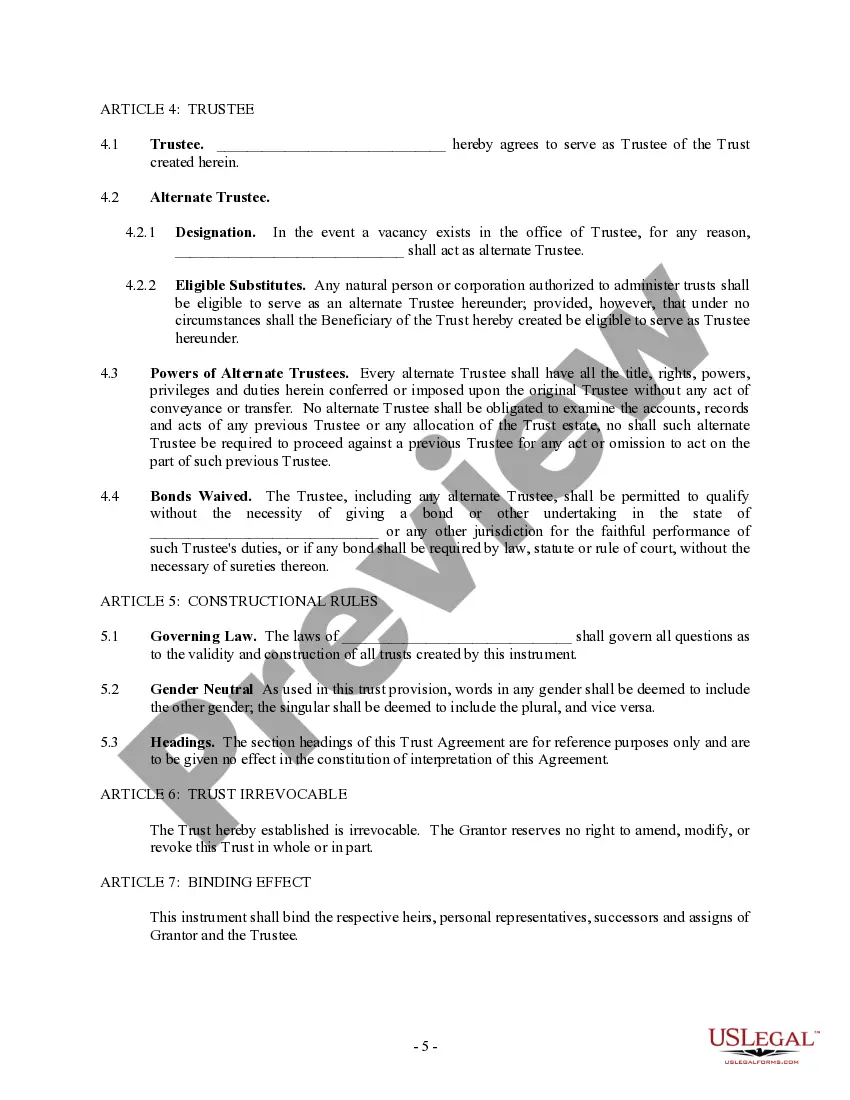
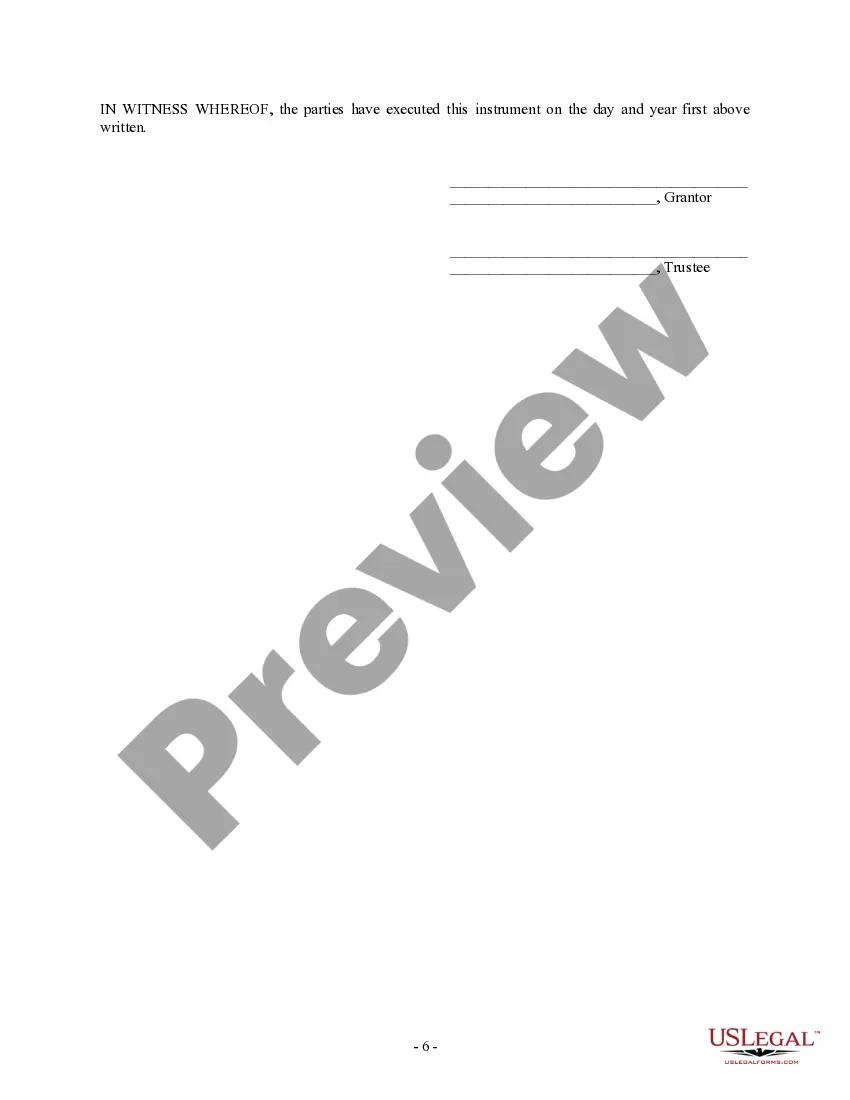
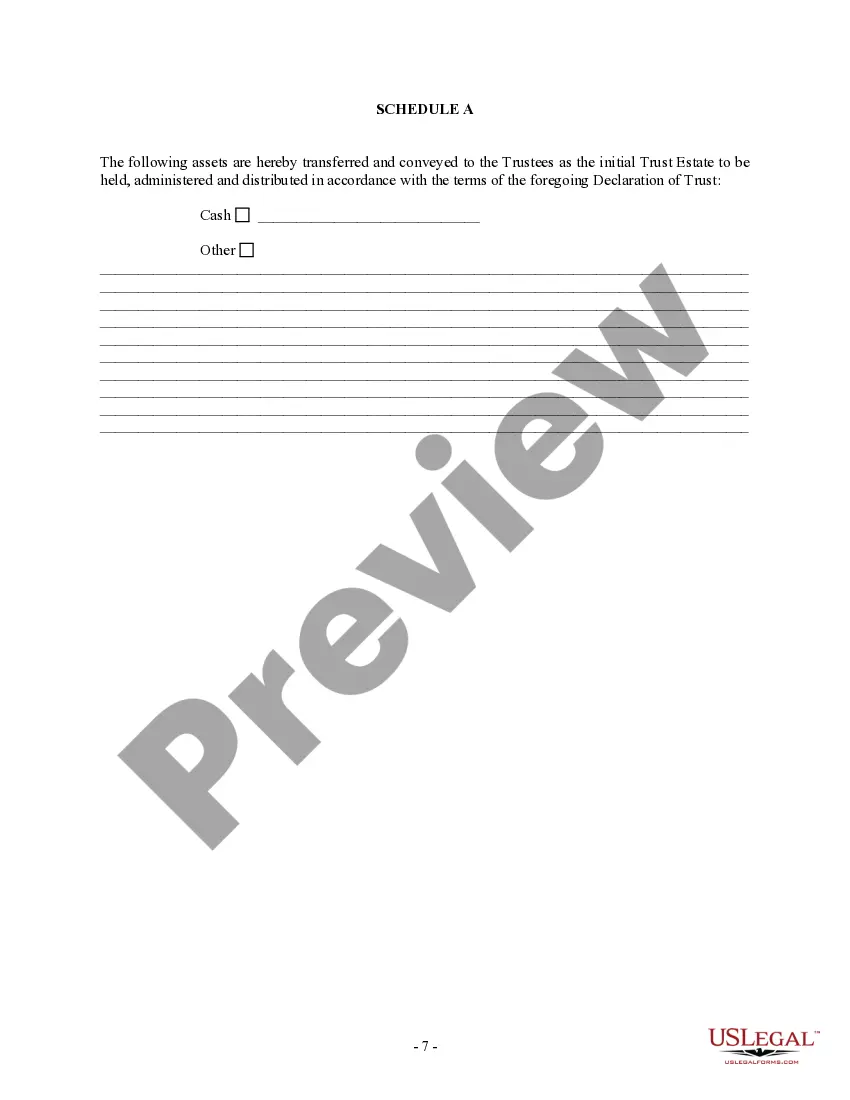
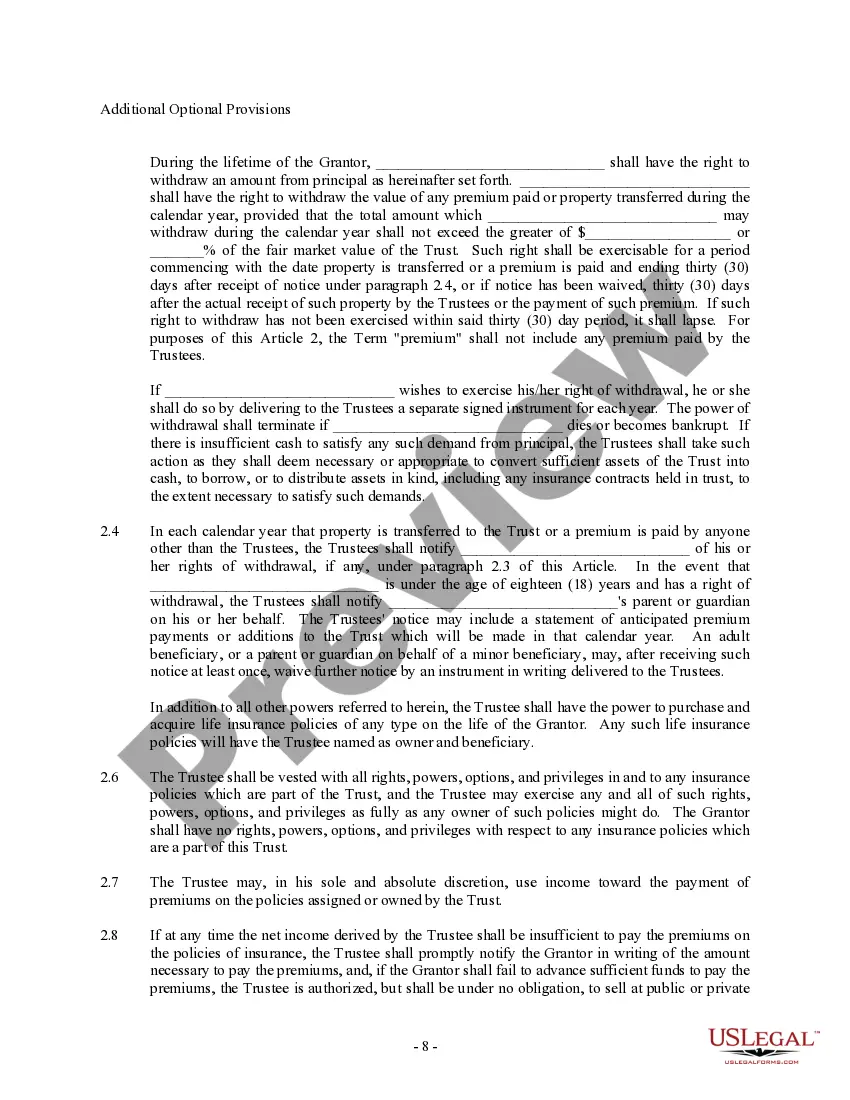
Get your form ready online
Our built-in tools help you complete, sign, share, and store your documents in one place.
Make edits, fill in missing information, and update formatting in US Legal Forms—just like you would in MS Word.
Download a copy, print it, send it by email, or mail it via USPS—whatever works best for your next step.
Sign and collect signatures with our SignNow integration. Send to multiple recipients, set reminders, and more. Go Premium to unlock E-Sign.
If this form requires notarization, complete it online through a secure video call—no need to meet a notary in person or wait for an appointment.
We protect your documents and personal data by following strict security and privacy standards.

Make edits, fill in missing information, and update formatting in US Legal Forms—just like you would in MS Word.

Download a copy, print it, send it by email, or mail it via USPS—whatever works best for your next step.

Sign and collect signatures with our SignNow integration. Send to multiple recipients, set reminders, and more. Go Premium to unlock E-Sign.

If this form requires notarization, complete it online through a secure video call—no need to meet a notary in person or wait for an appointment.

We protect your documents and personal data by following strict security and privacy standards.
Looking for another form?







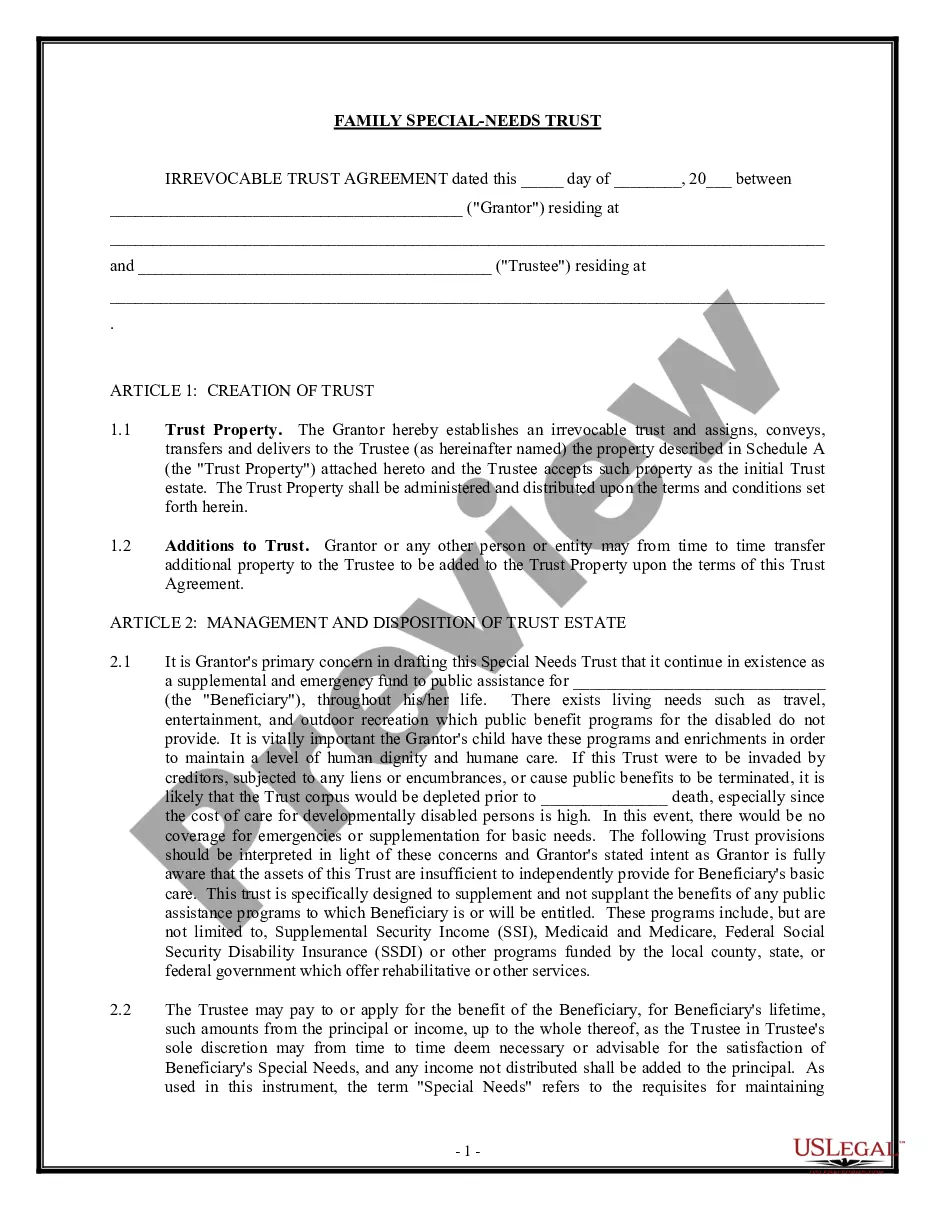
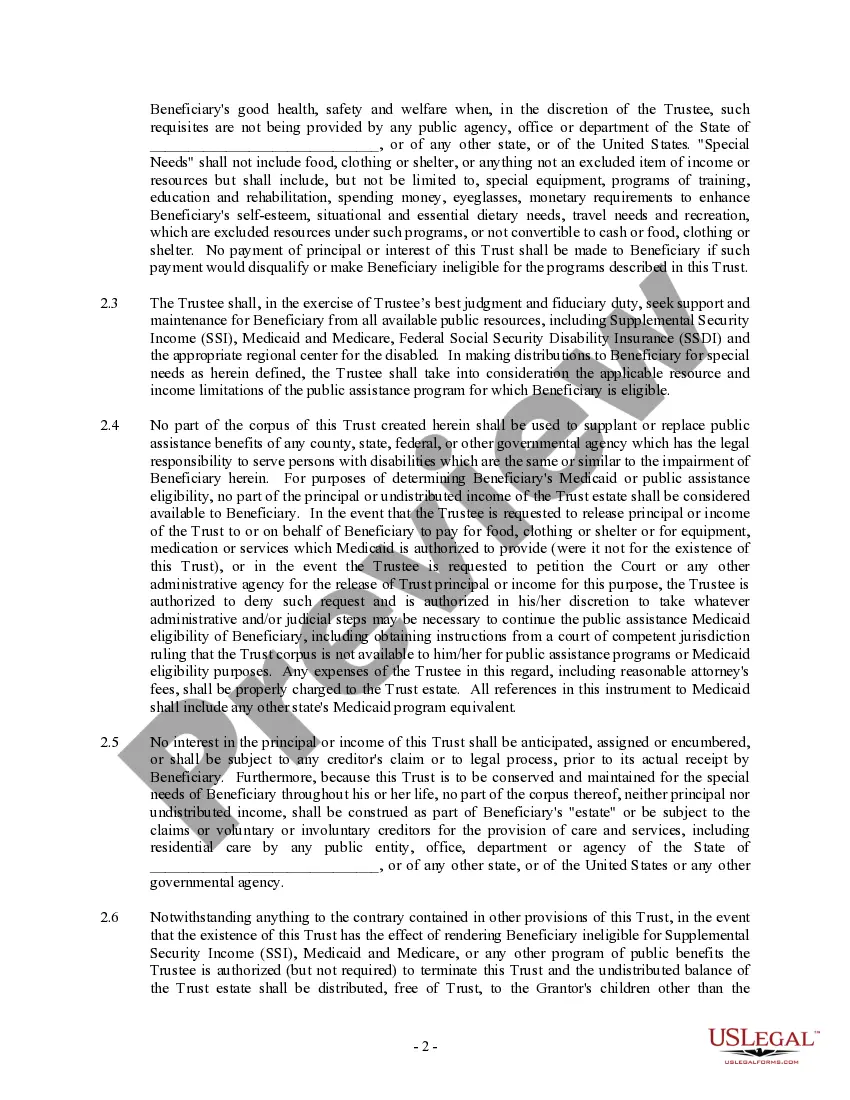
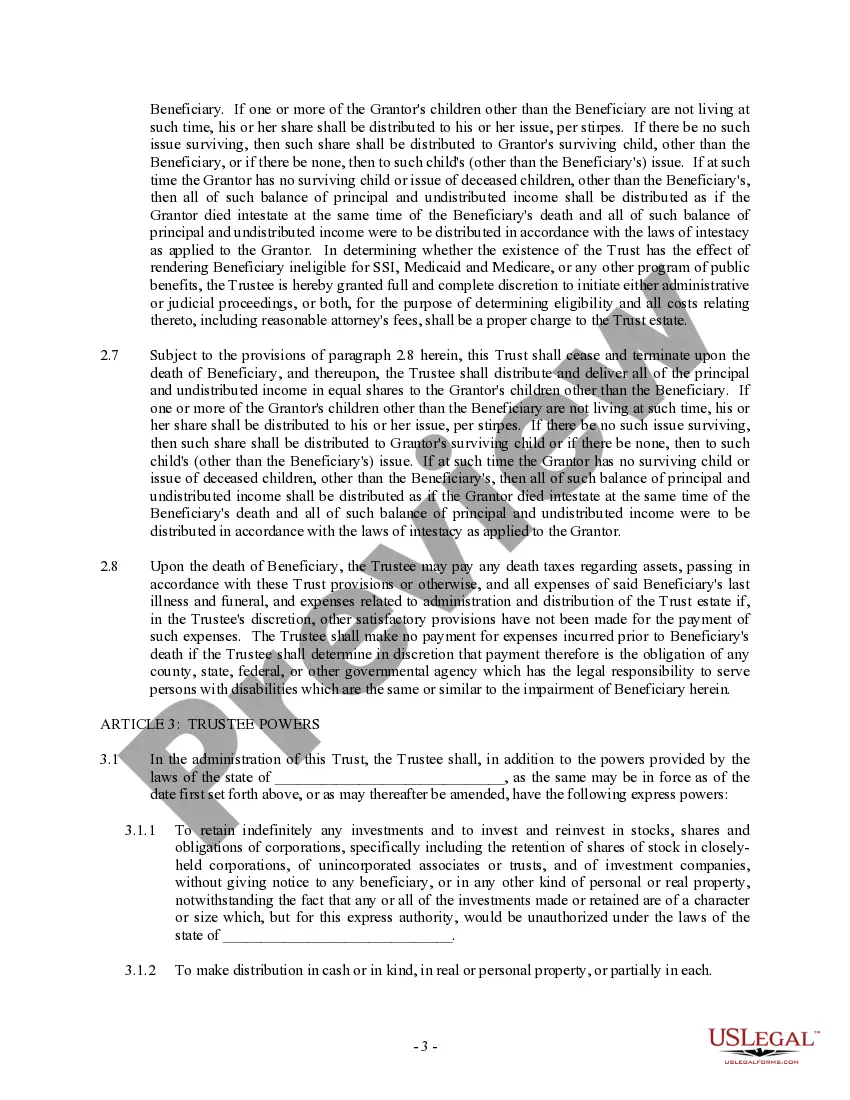
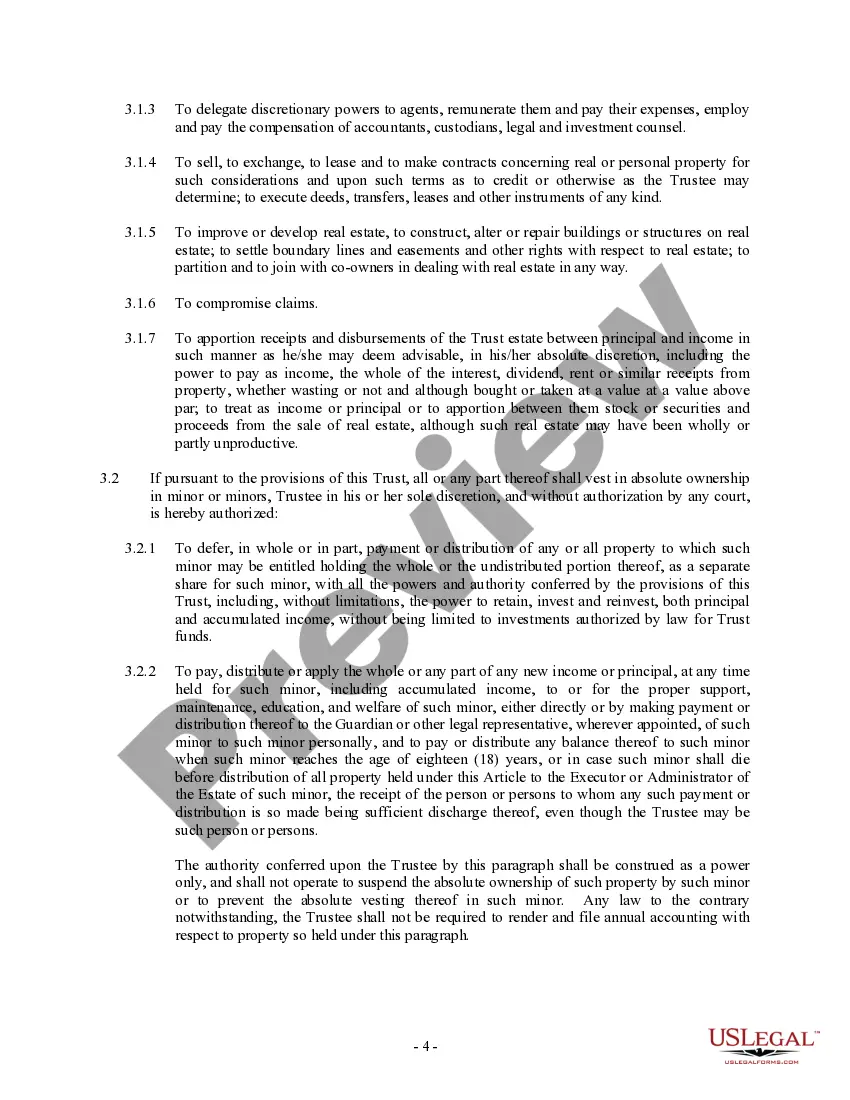
How to fill out Trust Agreement - Family Special Needs?
Utilizing legal document examples that comply with federal and regional laws is essential, and the web provides numerous choices.
However, what's the benefit of squandering time searching for the appropriate Special Needs Trust Information Withdrawals template online if the US Legal Forms digital catalog already assembles such documents in one convenient location.
US Legal Forms stands as the largest online legal repository with over 85,000 editable templates created by lawyers for all business and personal needs.
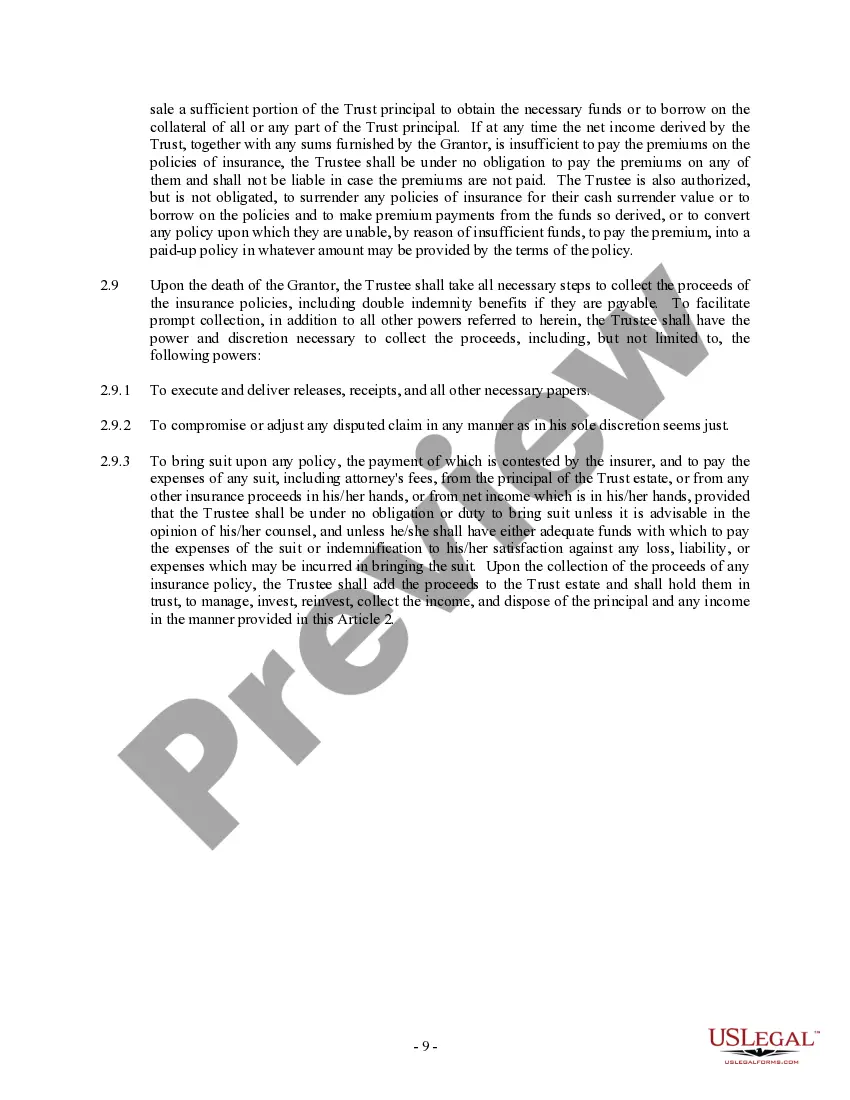
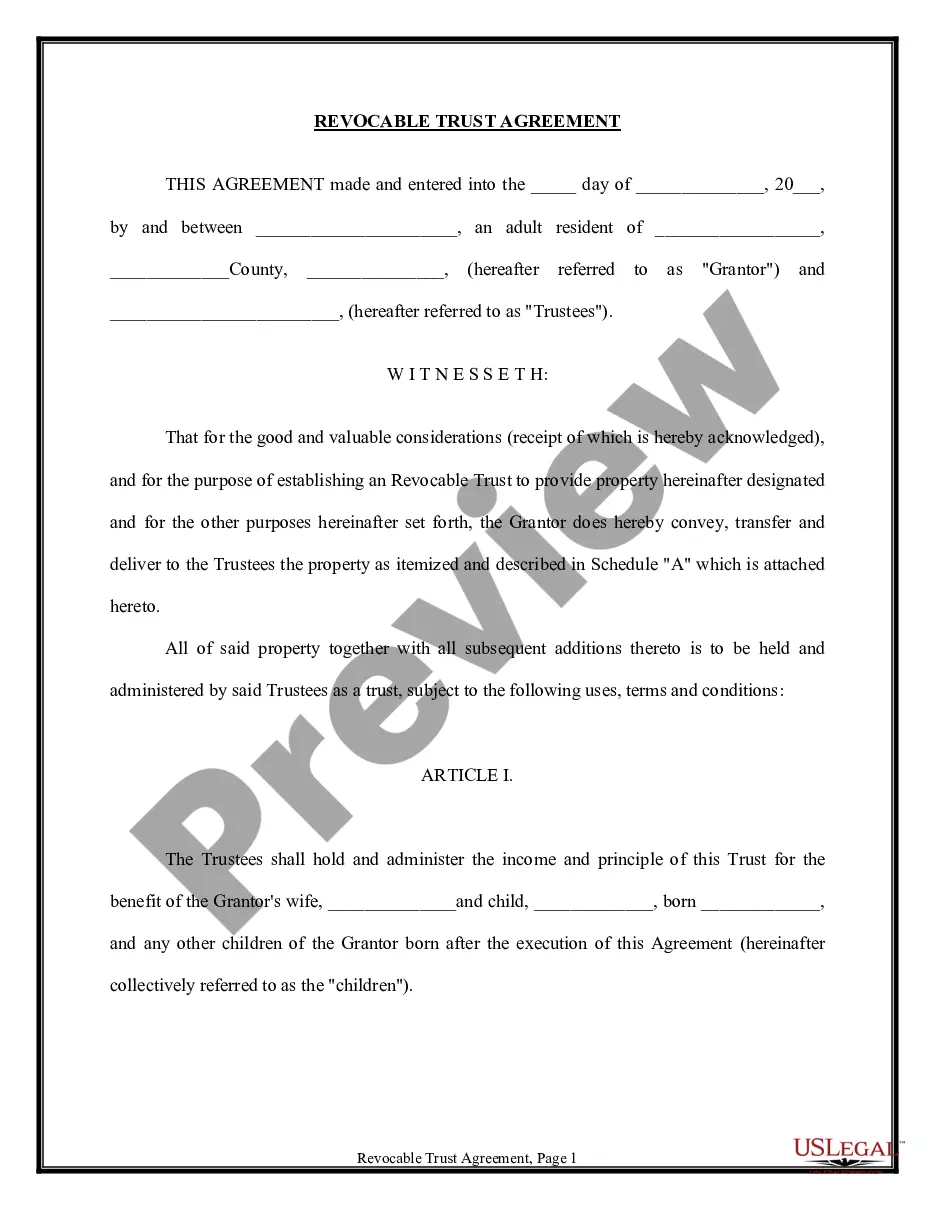
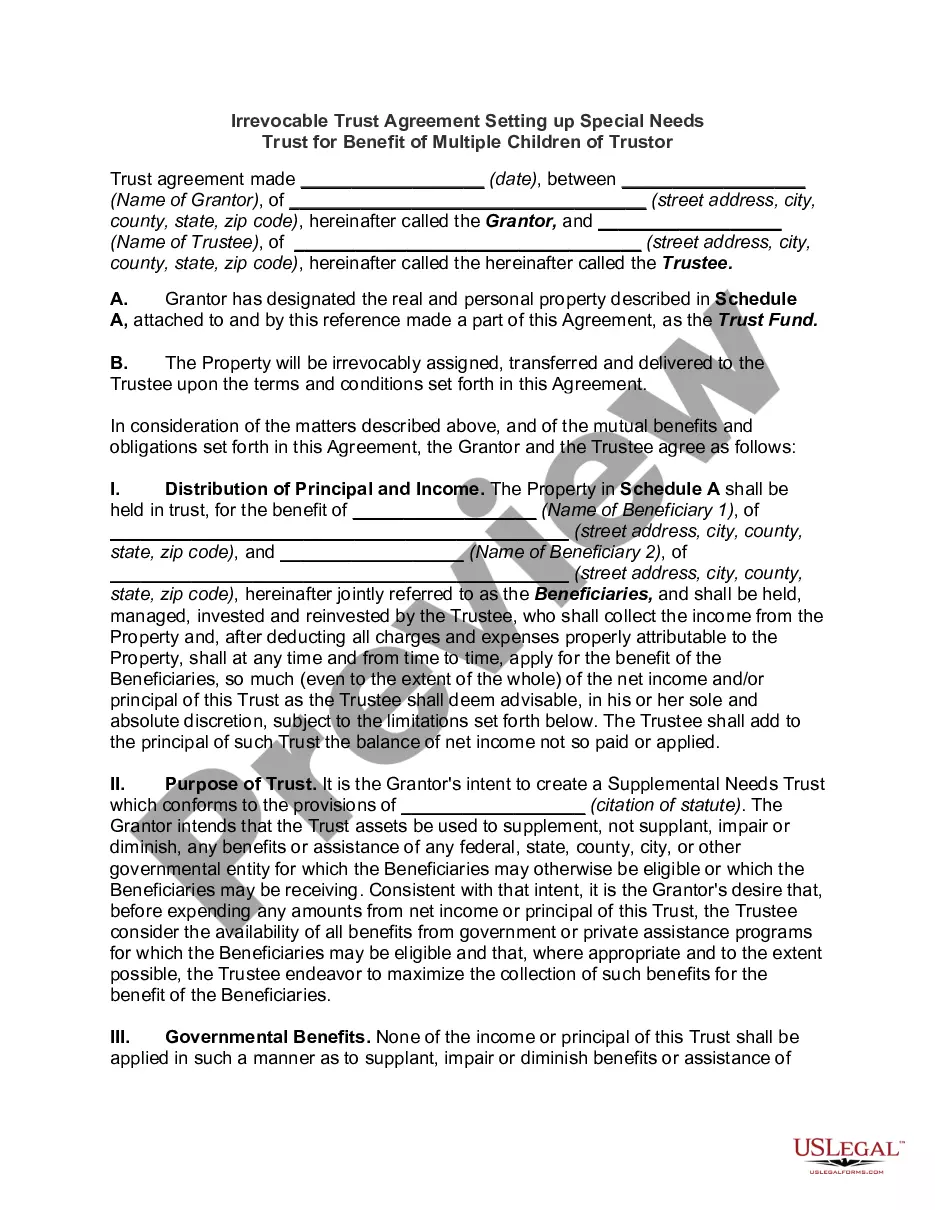
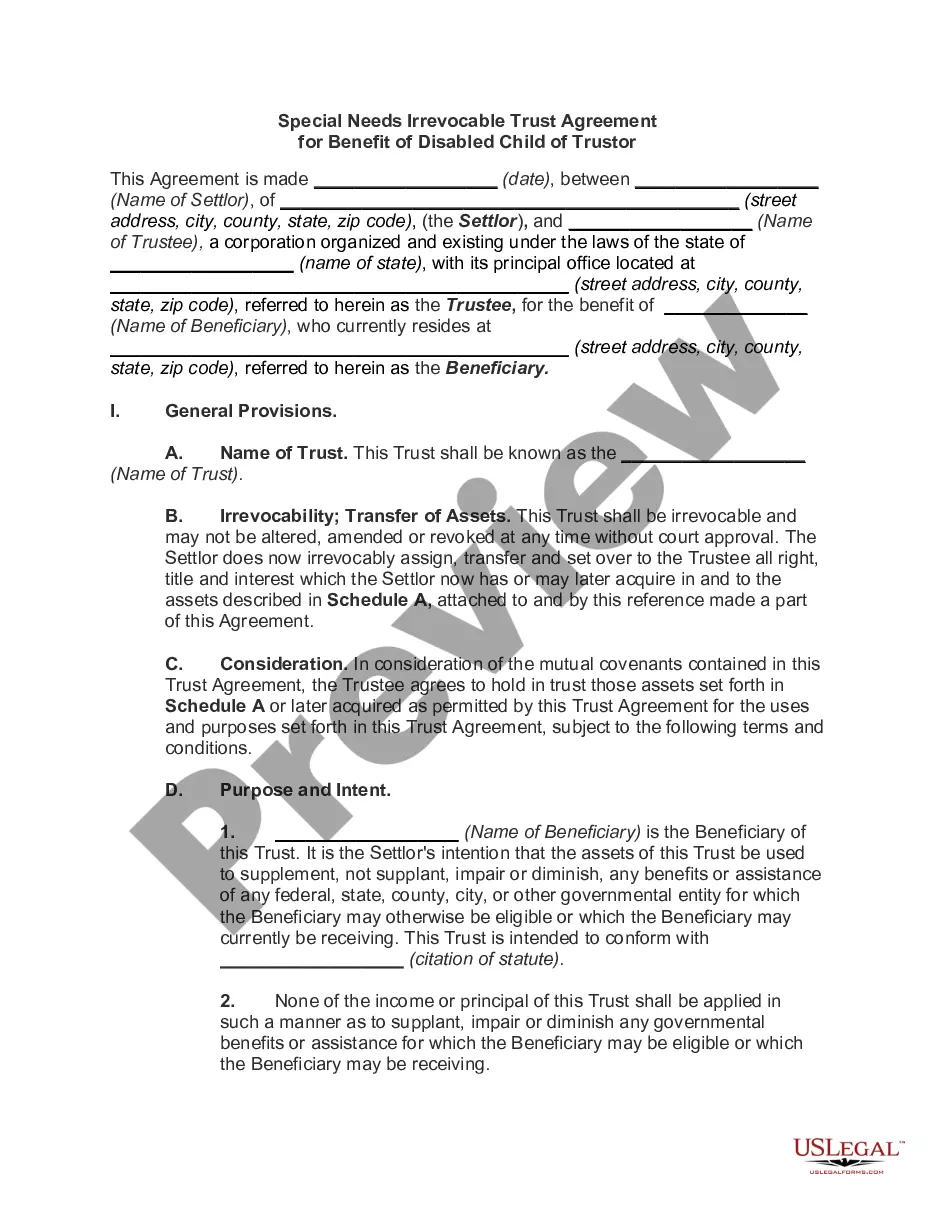
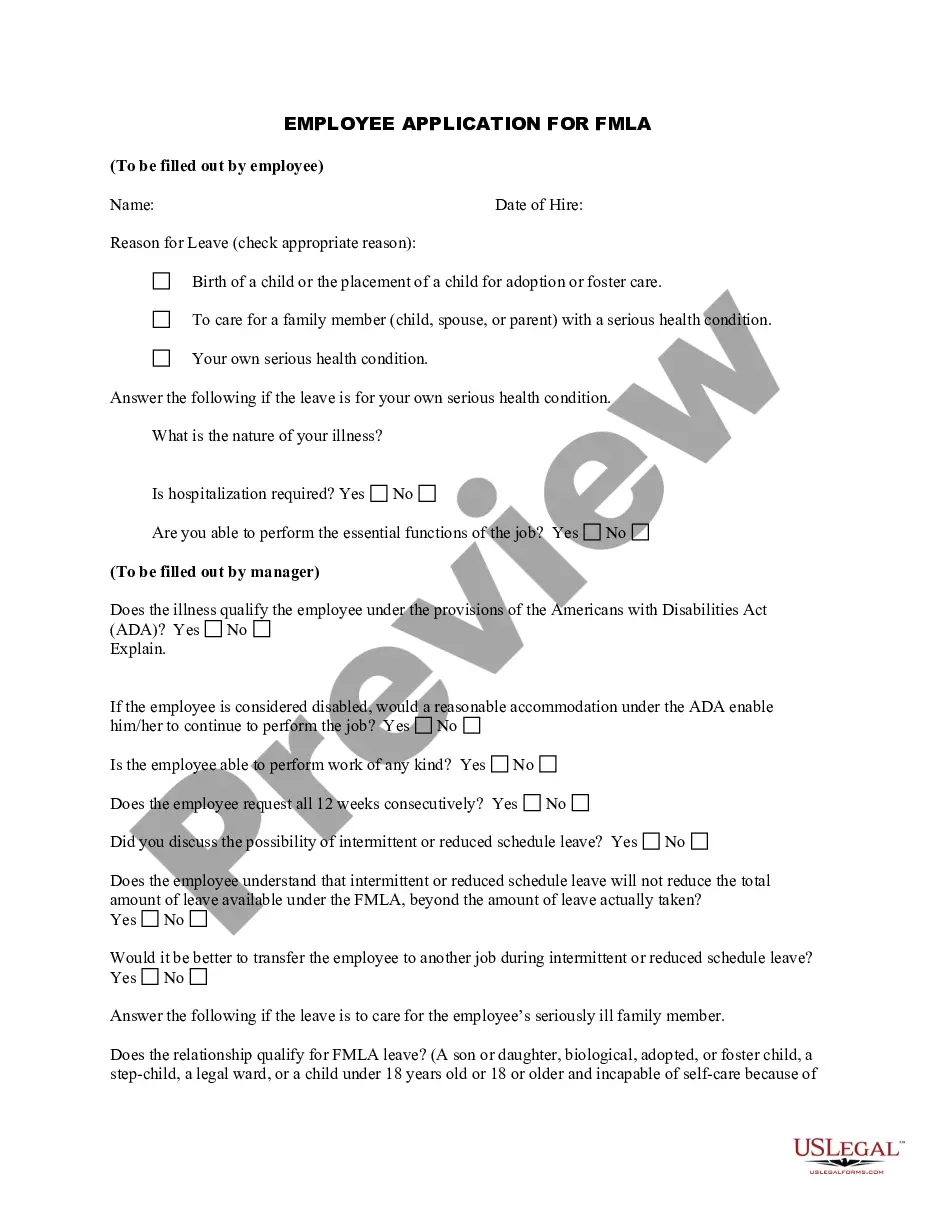
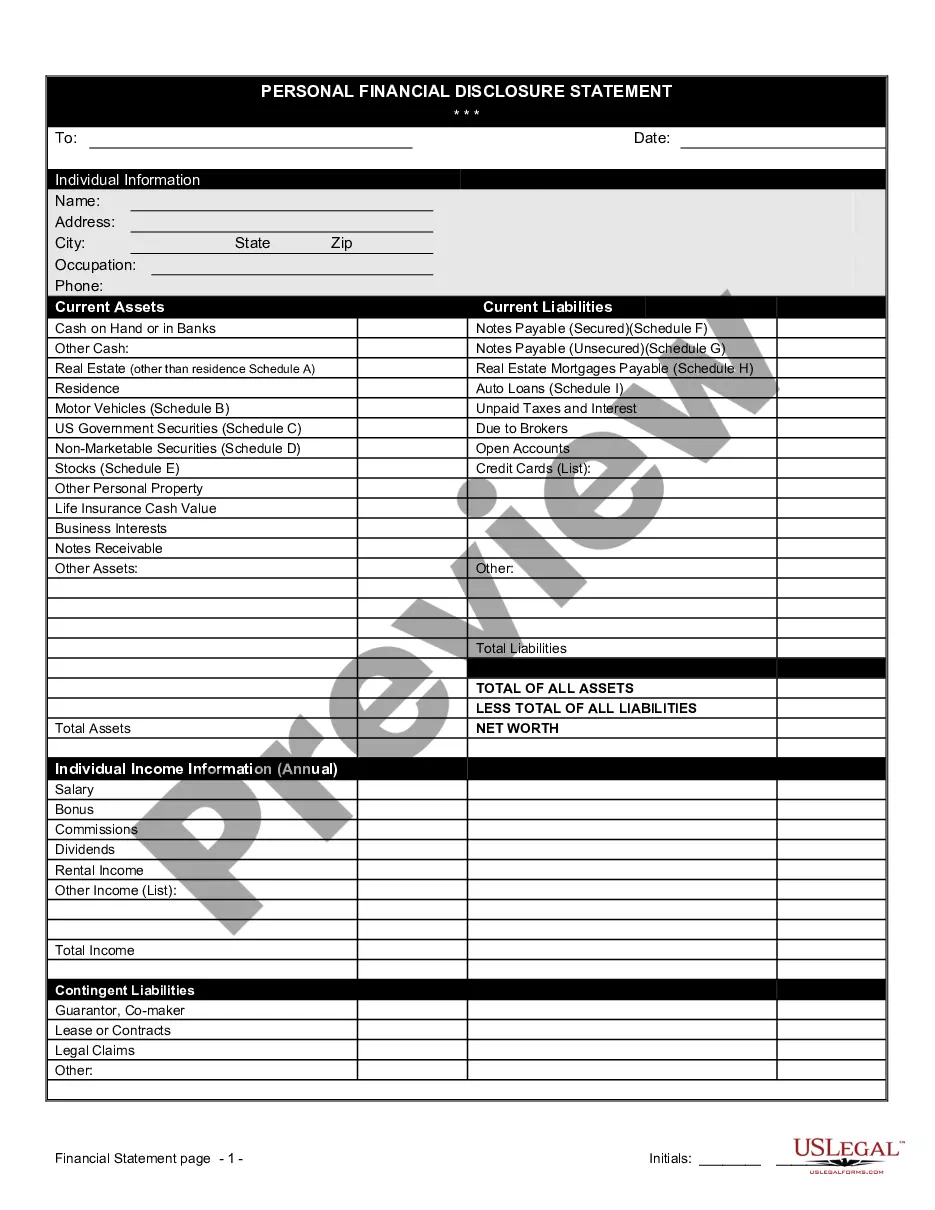
Review the template using the Preview feature or through the written description to confirm it fulfills your needs.
- They are straightforward to navigate with all forms organized by state and usage purpose.
- Our experts stay updated with legislative changes, ensuring your documents are current and compliant when you obtain a Special Needs Trust Information Withdrawals from our site.
- Obtaining a Special Needs Trust Information Withdrawals is simple and fast for both existing and new clients.
- If you possess an account with an active subscription, Log In and download the form you require in the desired format.
- For newcomers to our platform, follow these steps.
Form popularity
FAQ
Just choose your preferred account on the ATM screen. If you use the credit card function on your Trust card at an ATM, this means you are taking a cash advance. Note that supplementary cardholders cannot take out a cash advance. If you use the debit card function, you are withdrawing cash from your savings account.
The Trustee simply transfers all assets to the beneficiary. Distribution is also fairly easy if the trust document identifies all assets and specific amounts to be paid to each beneficiary. Distributions by percentages are a little more complicated as the Trustee should first establish the estate's fair market value.
In the case of third party special needs trusts, if the trust is considered a grantor trust, all items of income, deduction and credit are generally taxed to the individual(s) who created and funded the trust (typically parents or other relatives of the individual with a disability).
It depends on the terms of the trust. It may happen quickly or it could take years or even decades to distribute. It's important to point out that the longer it takes to distribute the assets, the more money it will cost to keep the trust active since you must pay for maintenance and trustee fees.
The trustee works in very close contact with the beneficiary and/or their caregiver to manage the trust and its financial distributions to pay for these things. The main takeaway regarding distribution of SNT funds is this: The beneficiary never sees the money directly, but the money is used to pay for their needs.