Special Needs Trust Form 1041 With Irs
Description
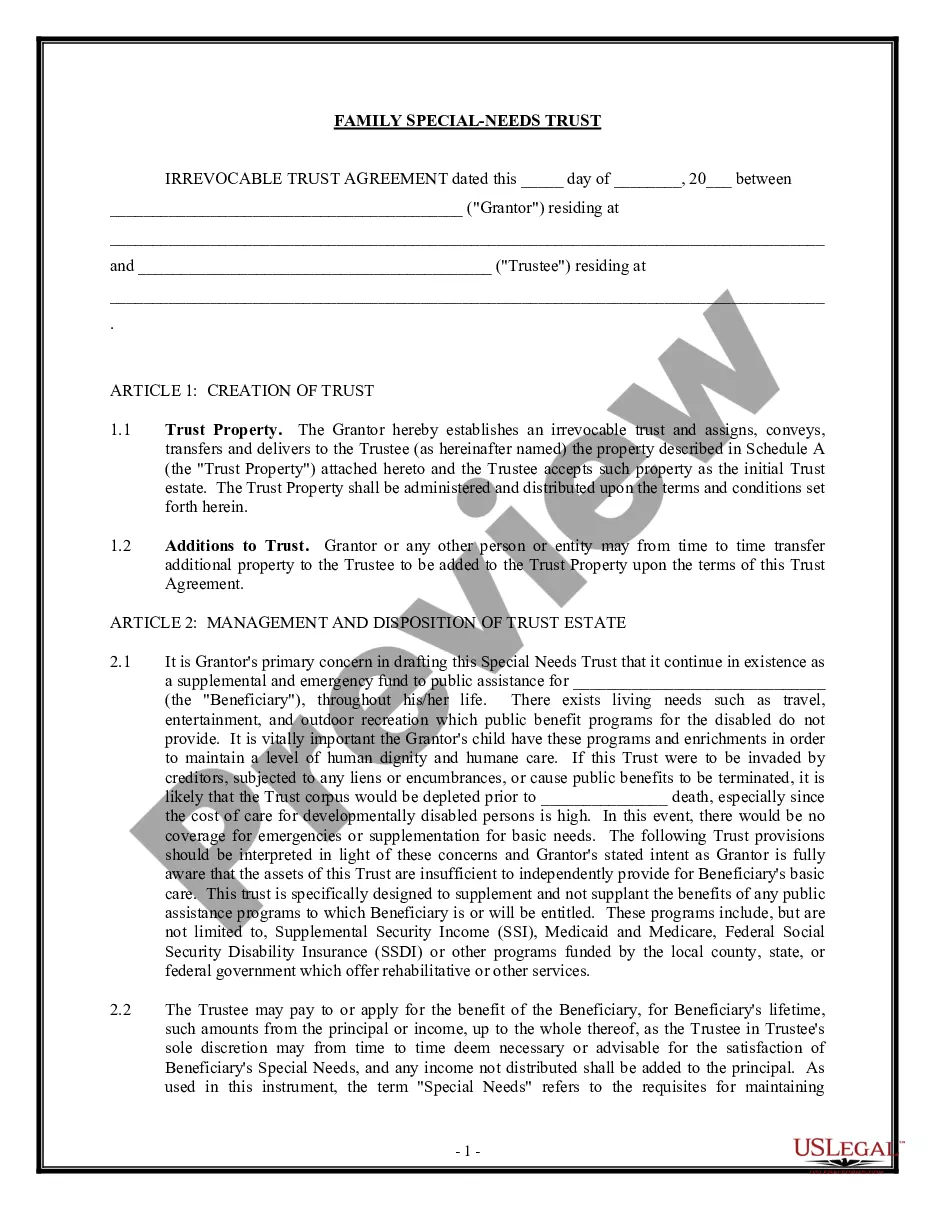
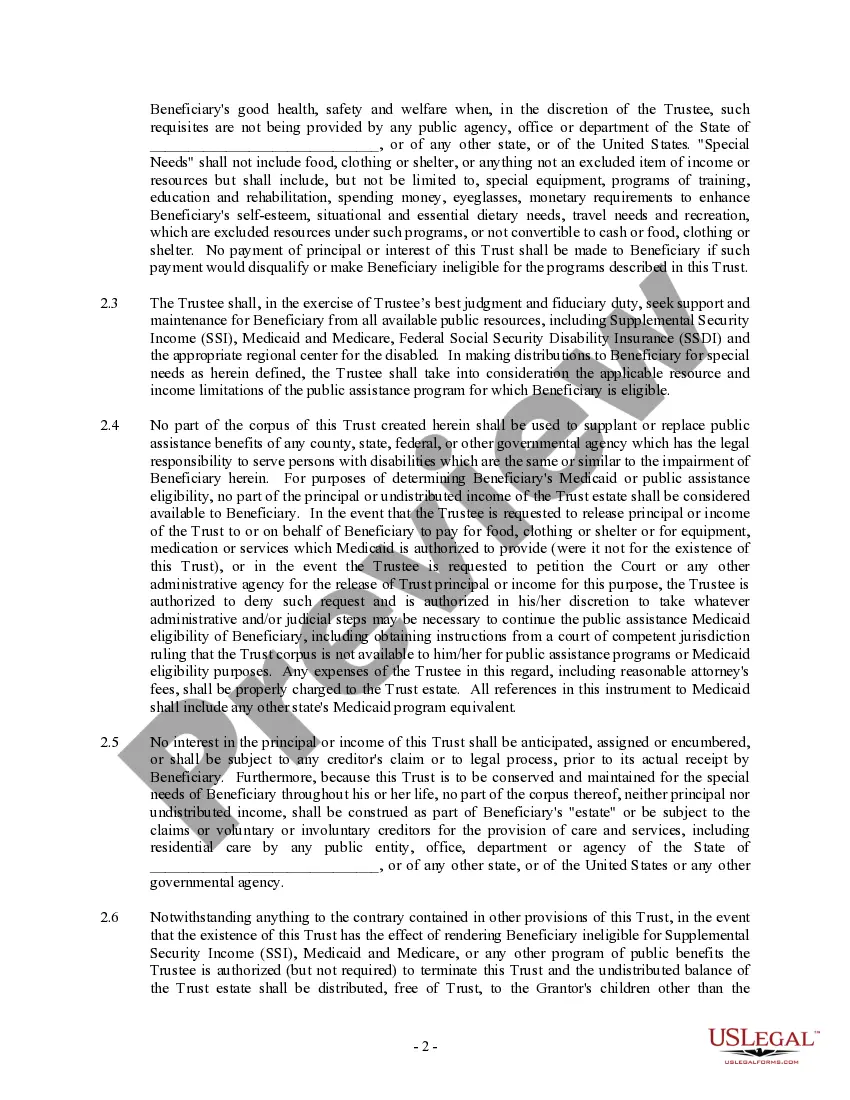
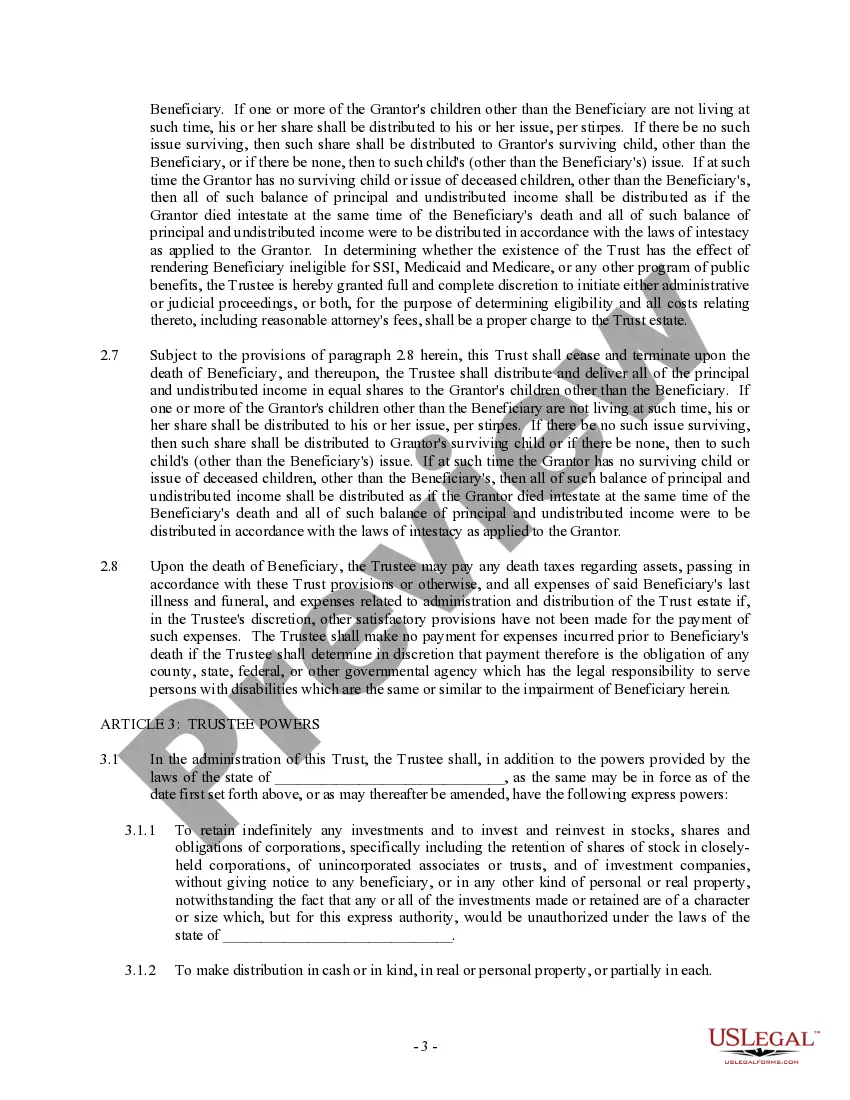
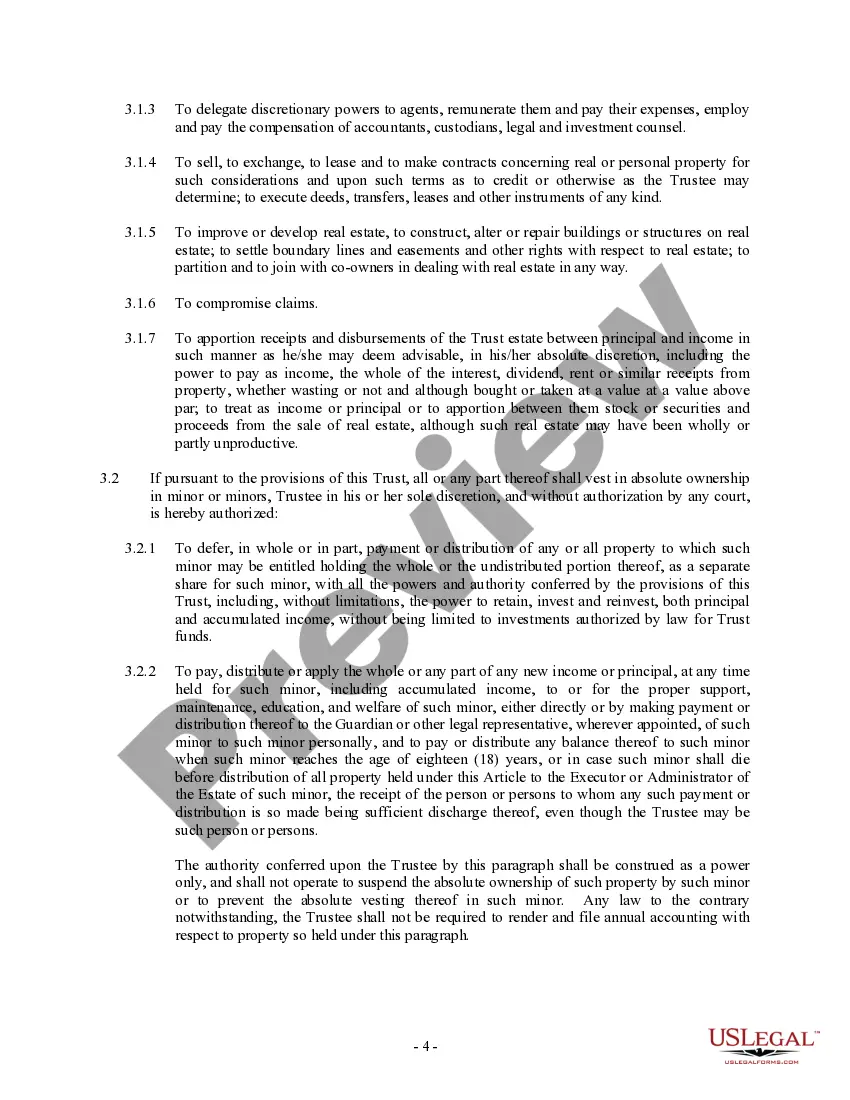
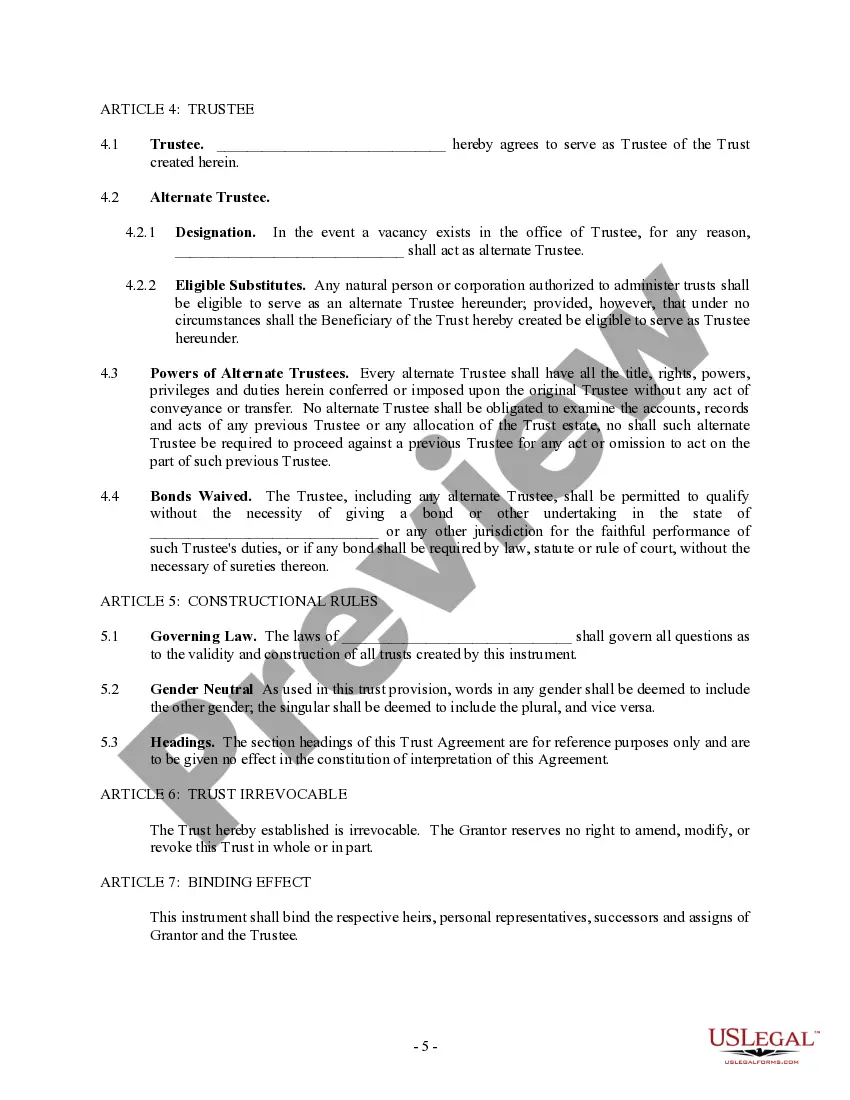
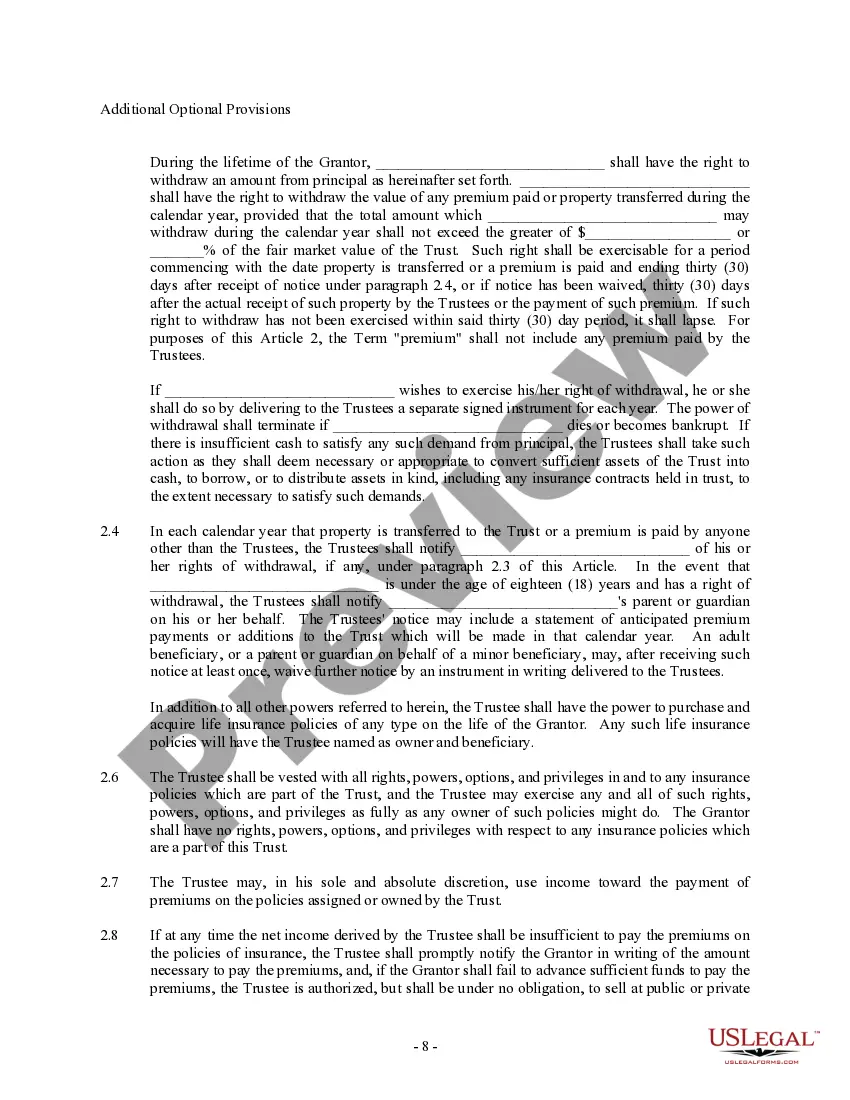


Get your form ready online
Our built-in tools help you complete, sign, share, and store your documents in one place.
Make edits, fill in missing information, and update formatting in US Legal Forms—just like you would in MS Word.
Download a copy, print it, send it by email, or mail it via USPS—whatever works best for your next step.
Sign and collect signatures with our SignNow integration. Send to multiple recipients, set reminders, and more. Go Premium to unlock E-Sign.
If this form requires notarization, complete it online through a secure video call—no need to meet a notary in person or wait for an appointment.
We protect your documents and personal data by following strict security and privacy standards.

Make edits, fill in missing information, and update formatting in US Legal Forms—just like you would in MS Word.

Download a copy, print it, send it by email, or mail it via USPS—whatever works best for your next step.

Sign and collect signatures with our SignNow integration. Send to multiple recipients, set reminders, and more. Go Premium to unlock E-Sign.

If this form requires notarization, complete it online through a secure video call—no need to meet a notary in person or wait for an appointment.

We protect your documents and personal data by following strict security and privacy standards.
Looking for another form?






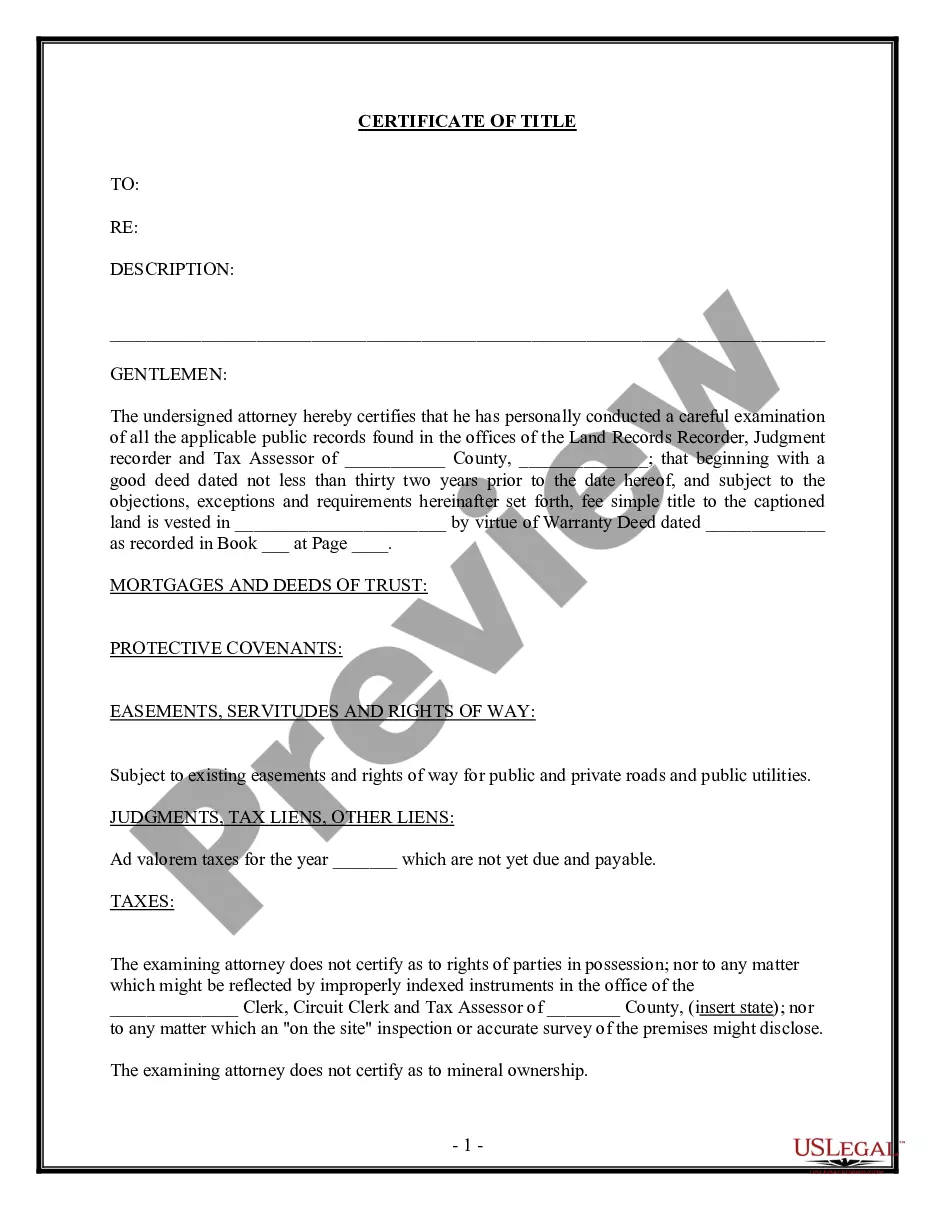

How to fill out Trust Agreement - Family Special Needs?
Acquiring legal document samples that adhere to federal and local regulations is crucial, and the internet presents countless choices to select from.
However, why waste time searching for the accurately drafted Special Needs Trust Form 1041 With Irs template online if the US Legal Forms digital library already compiles such documents in one location.
US Legal Forms is the largest online legal repository with over 85,000 editable templates created by attorneys for any professional and personal situation.
Review the template using the Preview function or through the text outline to confirm it meets your requirements.
- They are easy to navigate with all documents categorized by state and intended use.
- Our specialists keep pace with legislative changes, ensuring that your paperwork is always current and compliant when obtaining a Special Needs Trust Form 1041 With Irs from our platform.
- Acquiring a Special Needs Trust Form 1041 With Irs is quick and straightforward for both existing and new users.
- If you already possess an account with an active subscription, Log In and store the document sample you require in the appropriate format.
- If you are unfamiliar with our website, follow the steps outlined below.
Form popularity
FAQ
A Special Needs Trust must have its own Federal Identification Number (also called an Employer Identification Number, EIN, Tax Identification Number, or TIN) to be valid. This unique number means that the Trust is its own entity, and that it does not belong to anyone but itself.
Trusts considered to be qualified disability trusts are entitled to the same personal exemption allowed to all individual taxpayers when filing a tax return.
The default exemption for a trust is $100, while a trust that is required to distribute all its income can qualify for a $300 exemption. In 2022, a qualified disability trust is allowed a $4,400 exemption. The increased exemption becomes critical given the design of most qualified disability trusts.
In the case of third party special needs trusts, if the trust is considered a grantor trust, all items of income, deduction and credit are generally taxed to the individual(s) who created and funded the trust (typically parents or other relatives of the individual with a disability).
Whether or not you need an EIN for a trust depends on the type of trust. Generally, grantor revocable trusts do not need an EIN. Any income taxes from a revocable trust is reported via the grantor's SSN since the grantor can revoke the trust at any time and regain possession of the property.