Florida Special Needs Trust Form For Trust
Description

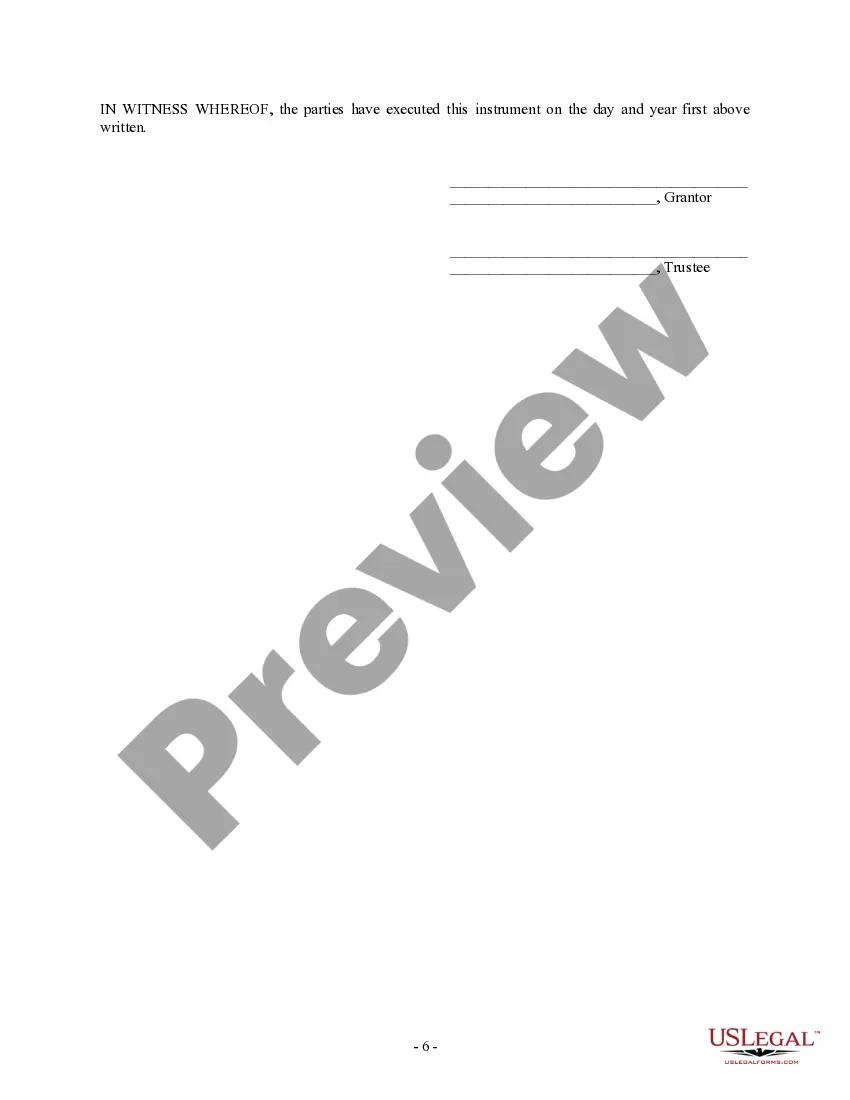
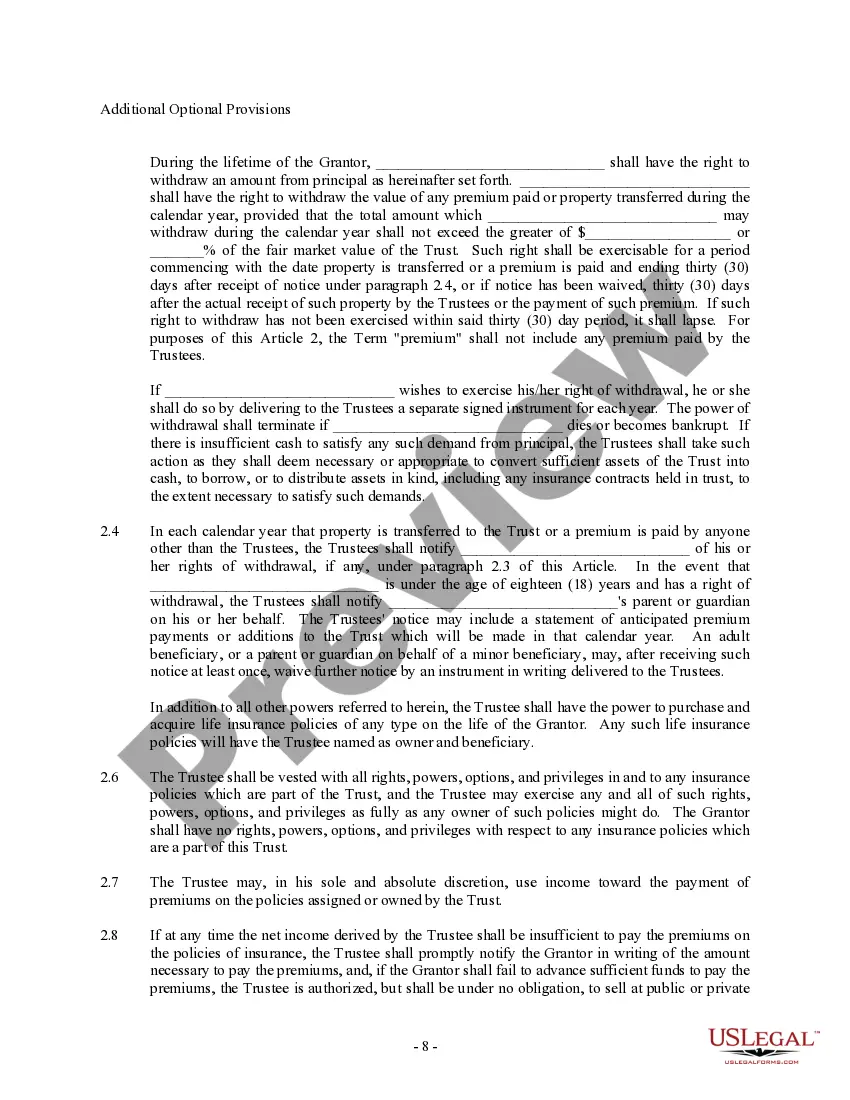
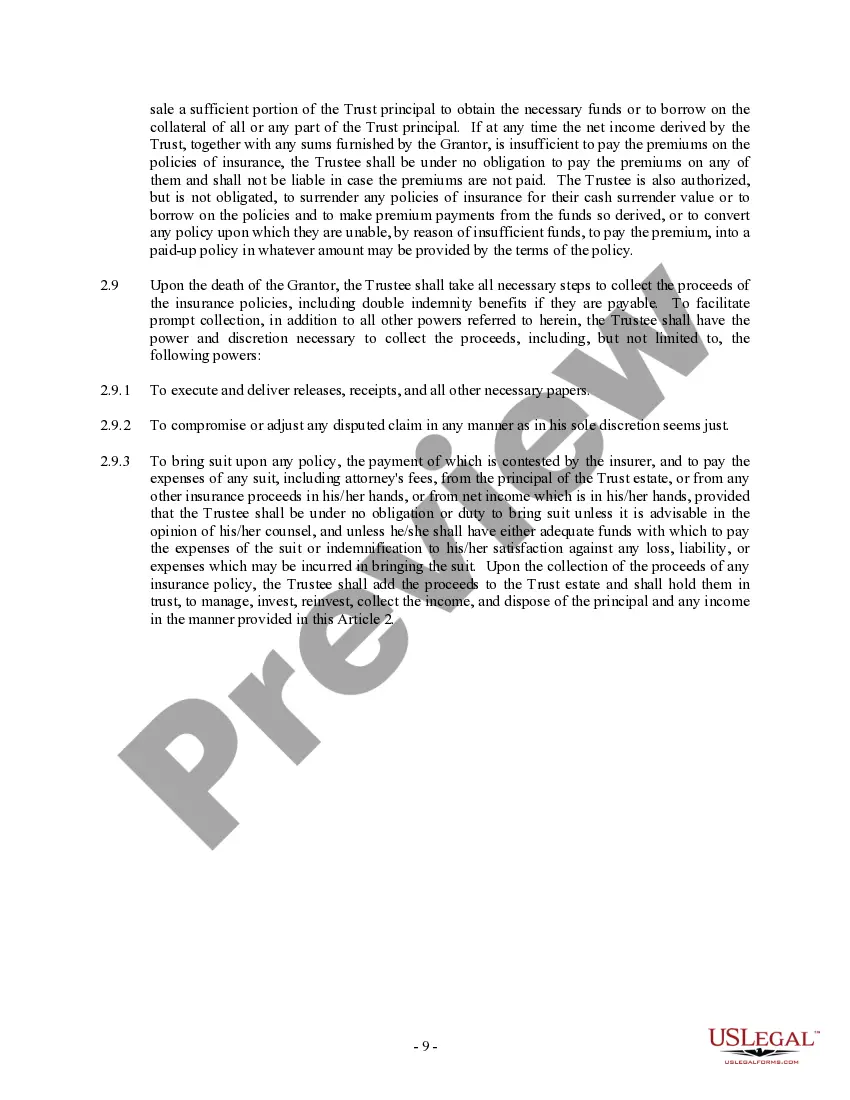


Get your form ready online
Our built-in tools help you complete, sign, share, and store your documents in one place.
Make edits, fill in missing information, and update formatting in US Legal Forms—just like you would in MS Word.
Download a copy, print it, send it by email, or mail it via USPS—whatever works best for your next step.
Sign and collect signatures with our SignNow integration. Send to multiple recipients, set reminders, and more. Go Premium to unlock E-Sign.
If this form requires notarization, complete it online through a secure video call—no need to meet a notary in person or wait for an appointment.
We protect your documents and personal data by following strict security and privacy standards.

Make edits, fill in missing information, and update formatting in US Legal Forms—just like you would in MS Word.

Download a copy, print it, send it by email, or mail it via USPS—whatever works best for your next step.

Sign and collect signatures with our SignNow integration. Send to multiple recipients, set reminders, and more. Go Premium to unlock E-Sign.

If this form requires notarization, complete it online through a secure video call—no need to meet a notary in person or wait for an appointment.

We protect your documents and personal data by following strict security and privacy standards.
Looking for another form?
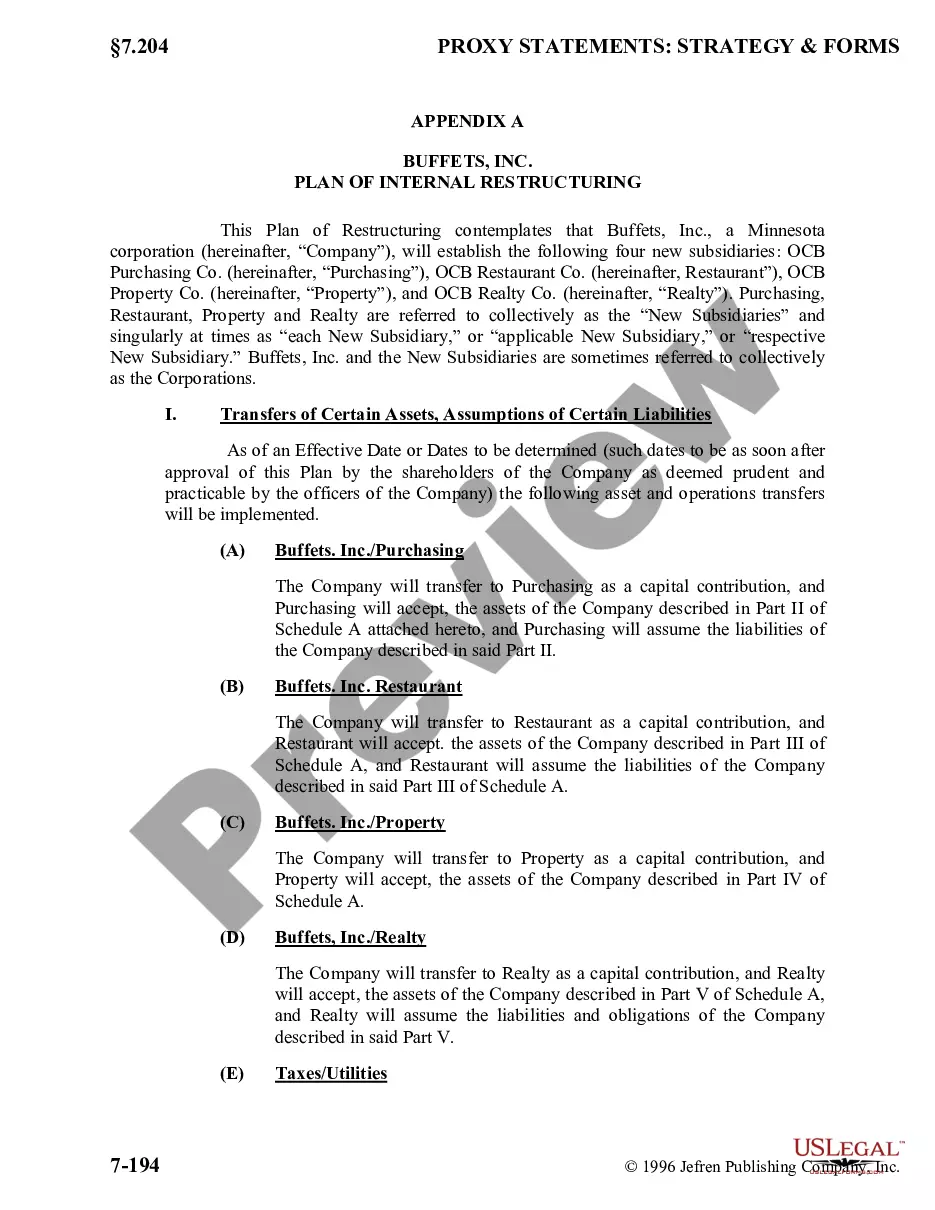


How to fill out Trust Agreement - Family Special Needs?
Obtaining samples of legal documents that comply with state and federal regulations is essential, and the internet presents numerous choices to select from.
However, why spend time searching for the precisely formatted Florida Special Needs Trust Form For Trust example online when the US Legal Forms online database already curates such templates in one location.
US Legal Forms is the largest online legal repository with over 85,000 customizable templates created by lawyers for various business and personal situations. They are easy to navigate, with all documents organized by state and intended use. Our experts stay updated with legal changes, so you can always trust that your form is current and compliant when obtaining a Florida Special Needs Trust Form For Trust from our site.
Once you’ve identified the correct form, click Buy Now and choose a subscription plan. Create an account or Log In and pay with PayPal or a credit card. Select the format for your Florida Special Needs Trust Form For Trust and download it. All templates you find through US Legal Forms are reusable. To re-download and complete previously saved forms, access the My documents section in your profile. Take advantage of the most comprehensive and user-friendly legal document service!
- Acquiring a Florida Special Needs Trust Form For Trust is straightforward and quick for both existing and new users.
- If you already possess an account with an active subscription, Log In and save the document sample you require in the appropriate format.
- If you are new to our platform, follow these steps.
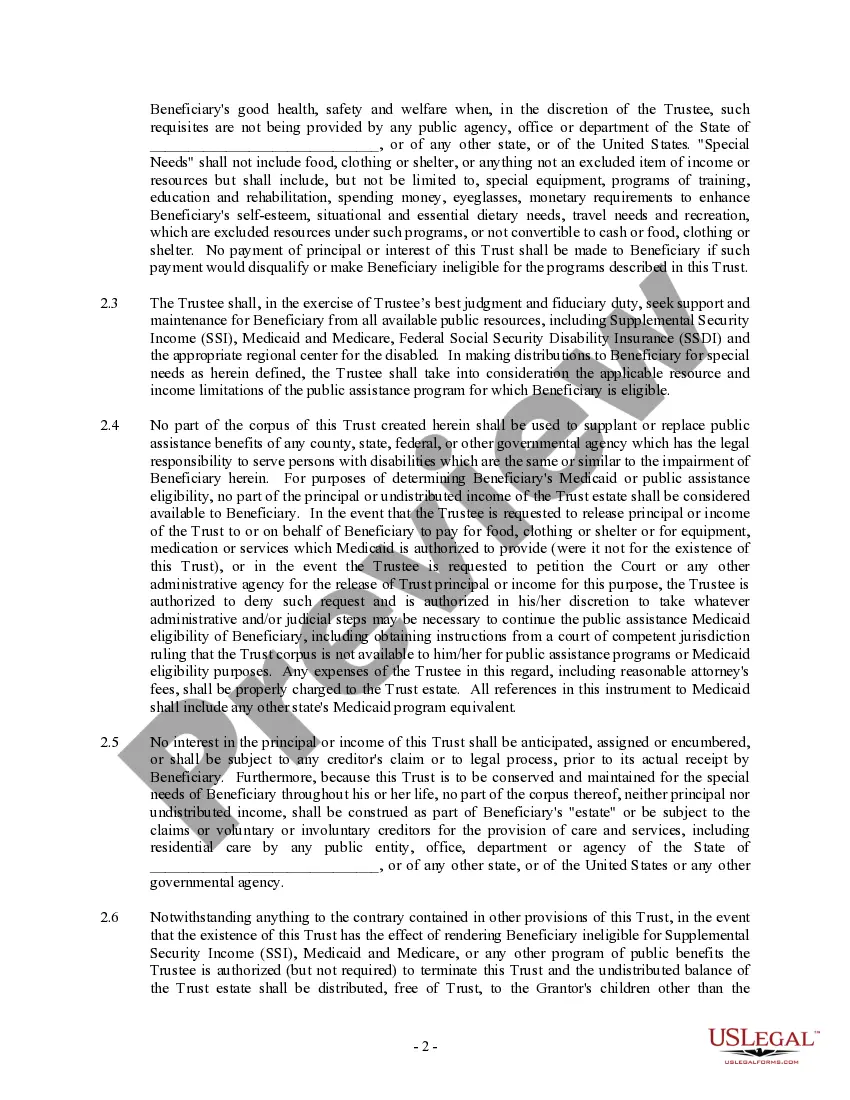
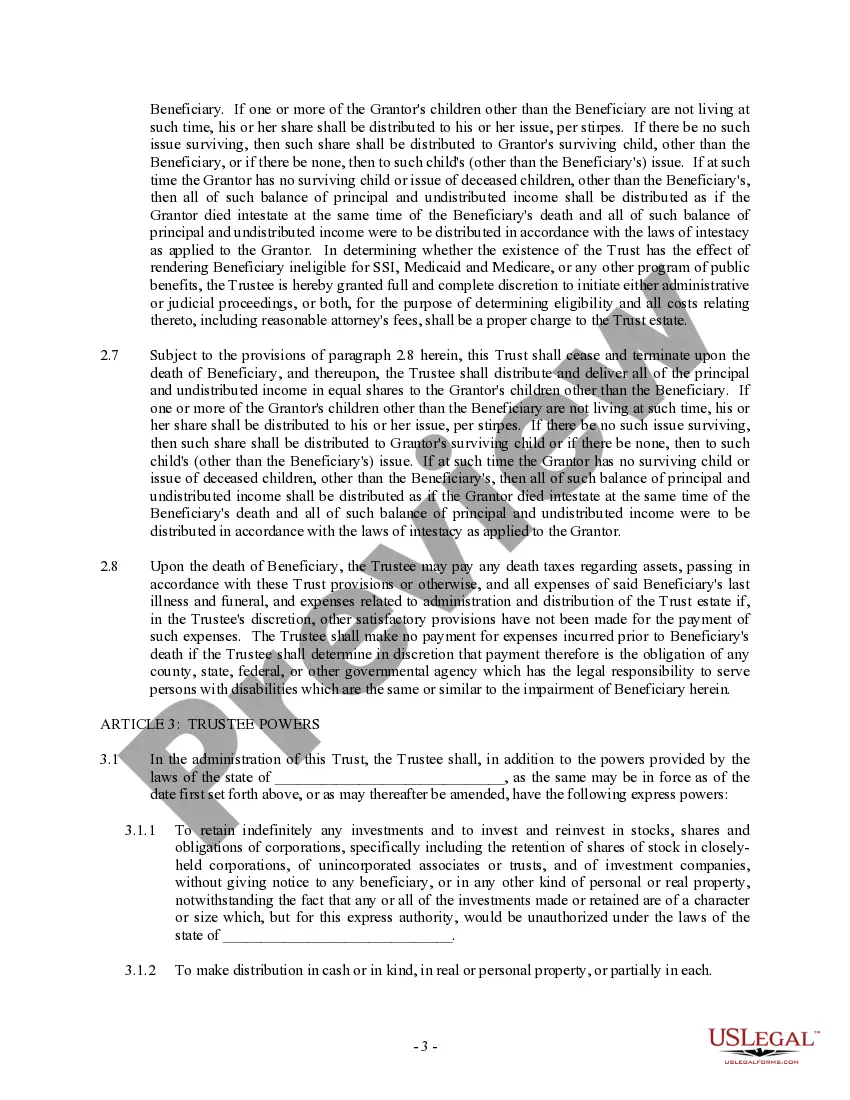
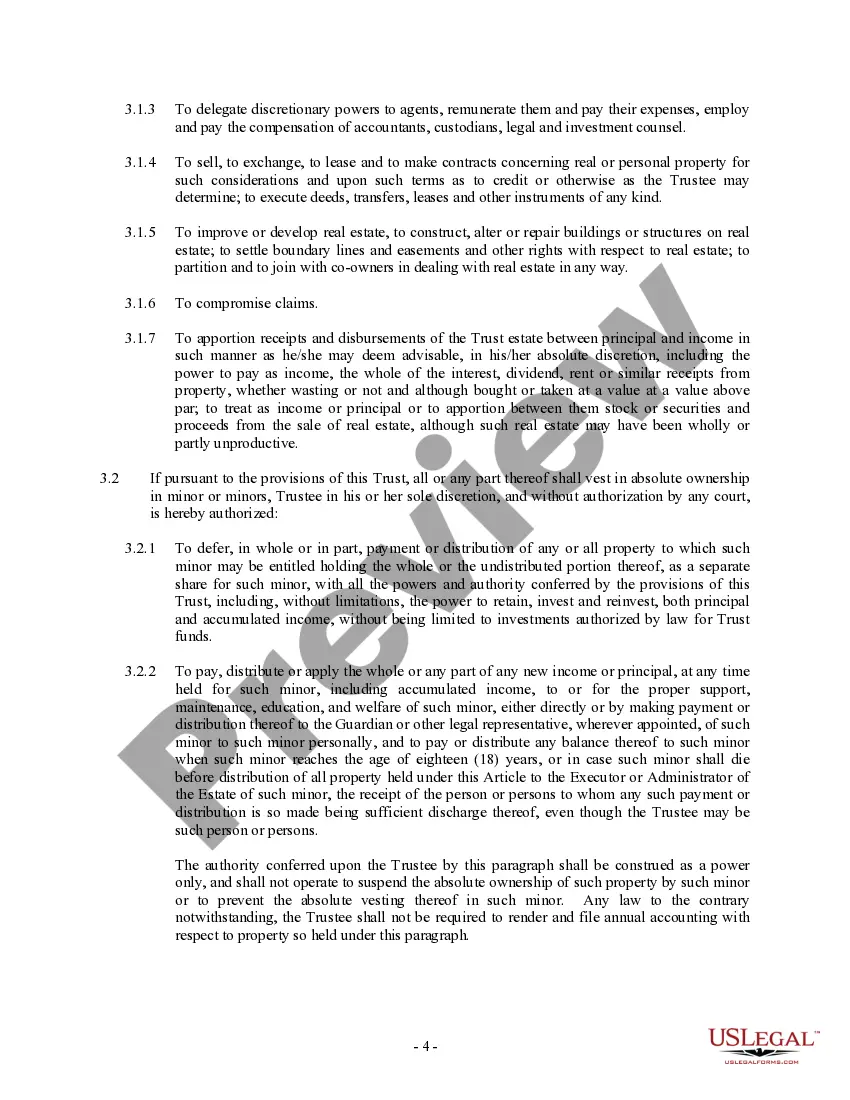
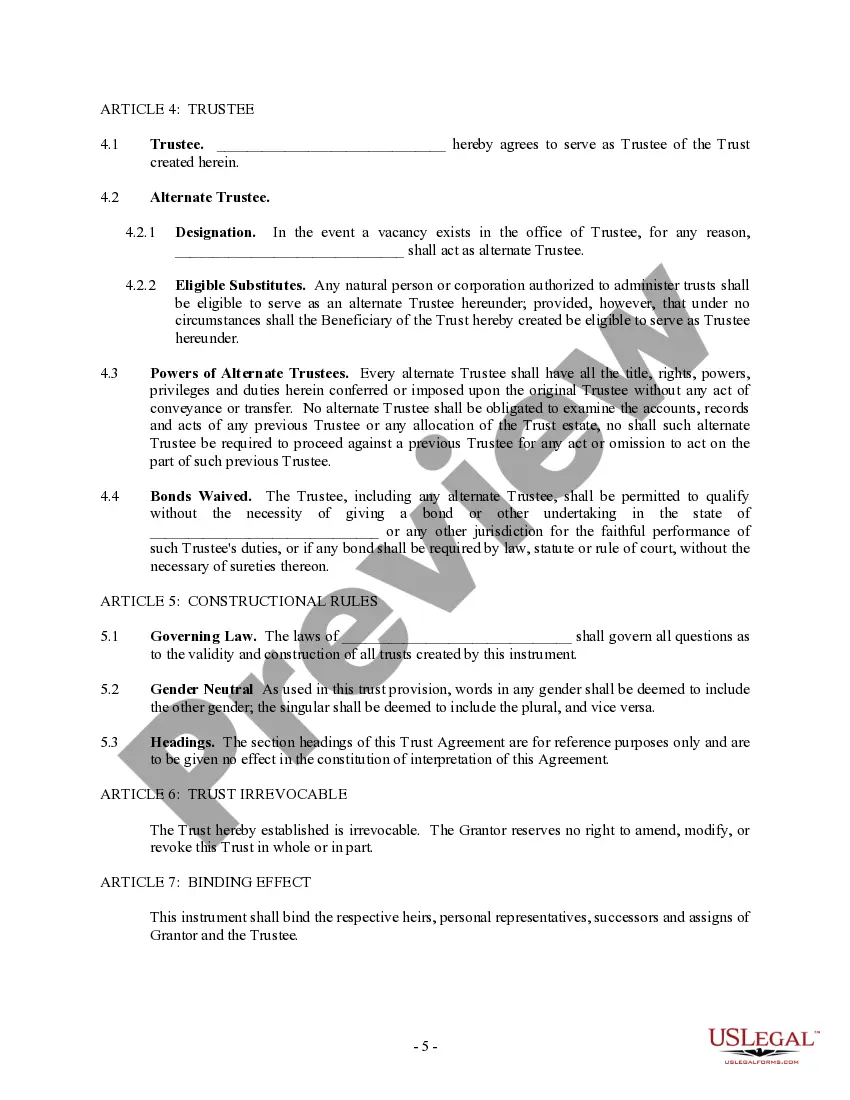
- Examine the template using the Preview feature or through the text outline to confirm it fulfills your requirements.
- If needed, find another sample using the search functionality at the top of the page.
Form popularity
FAQ
The timeline to establish a special needs trust can vary based on individual circumstances and the complexity of the trust. Generally, using a Florida special needs trust form for trust, you can expect the process to take anywhere from a few weeks to a couple of months. Factors like gathering documentation and working with legal professionals can influence the duration. Utilizing a straightforward platform like UsLegalForms can expedite the creation of your trust.
The best trust for a disabled person often depends on individual circumstances. A special needs trust, specifically a Florida special needs trust form for trust, provides the right structure to protect assets while allowing individuals to remain eligible for government benefits. This type of trust ensures that funds are used for the beneficiary's needs without jeopardizing public assistance. Consulting with an expert or using a reliable platform like UsLegalForms can greatly simplify the process.
A special needs trust is a legal arrangement designed to help individuals with disabilities live more comfortably while preserving their eligibility for government benefits. For example, if you establish a Florida special needs trust form for trust, you might allocate funds for medical expenses, education, or other personal needs that enhance the quality of life for the beneficiary. This arrangement ensures that their financial aid is not jeopardized by additional resources.
One downside of having a trust is the potential for upfront costs and ongoing maintenance fees. It's important to understand that establishing a Florida special needs trust form for trust requires careful planning and may involve legal fees. Additionally, while a trust helps manage your assets, it may not provide complete protection from creditors. Working with platforms like USLegalForms can lessen the burden by offering you accessible options to create and manage your trust.
While it is not legally required to hire a lawyer to set up a trust in Florida, having legal guidance can be beneficial. A lawyer can help you navigate the complexities of creating a Florida special needs trust form for trust. They ensure that the trust complies with state laws and meets your specific needs. Using an online platform like USLegalForms can simplify the process by providing user-friendly templates and resources.
The rules for a special needs trust focus on preserving the beneficiary's eligibility for government benefits, which includes adhering to specific spending guidelines. Generally, funds cannot be used for food, shelter, or other basic support that government assistance programs provide. Completing the Florida special needs trust form for trust correctly is crucial, as it sets the guidelines for how the funds can be allocated. Staying informed about these rules helps ensure that the trust is effective and meets its intended purpose.
In Florida, a special needs trust works by allowing funds to be used for the supplemental needs of the beneficiary without jeopardizing public assistance benefits. This means that the trust may cover medical expenses, education, and other quality-of-life enhancements while the beneficiary retains access to essential government programs. When you use the Florida special needs trust form for trust, it precisely defines how funds can be spent and ensures compliance with state laws. With the right framework, the trust can greatly benefit individuals with disabilities.
To set up a special needs trust, start by gathering necessary information about the beneficiary, including any government benefits they receive. You will then need to complete the Florida special needs trust form for trust, ensuring it complies with relevant laws to protect the beneficiary's eligibility for benefits. It’s often wise to consult with a legal expert to ensure that all provisions are properly written and that the trust meets your specific goals. This careful planning can secure a brighter financial future for your loved one.
A trust is a broader financial tool that holds assets for the benefit of a person or entity, acting under the terms set by the trust creator. In contrast, a special needs trust is specifically designed to benefit individuals with disabilities without affecting their eligibility for government benefits. This is where the Florida special needs trust form for trust becomes essential, as it outlines the specific provisions and limits needed to comply with federal and state laws. Understanding this difference can help you make informed decisions about financial planning.
A special disability trust, often called a special needs trust, helps individuals with disabilities maintain their eligibility for government benefits while providing additional financial support. By using the Florida special needs trust form for trust, you can ensure that the funds in the trust do not count against the beneficiary's asset limit. This structure allows them to receive care and support without losing essential services. Ultimately, it secures their future while enhancing their quality of life.