Family Trust Info With Us
Description

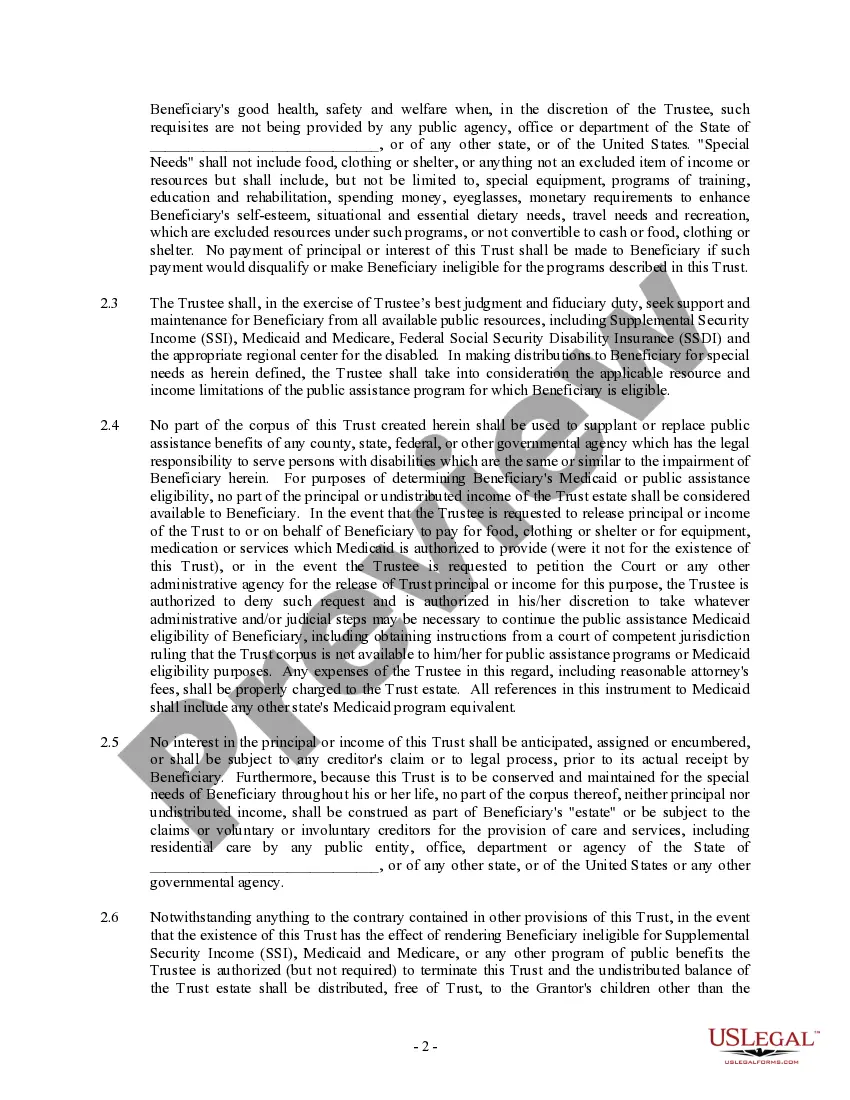
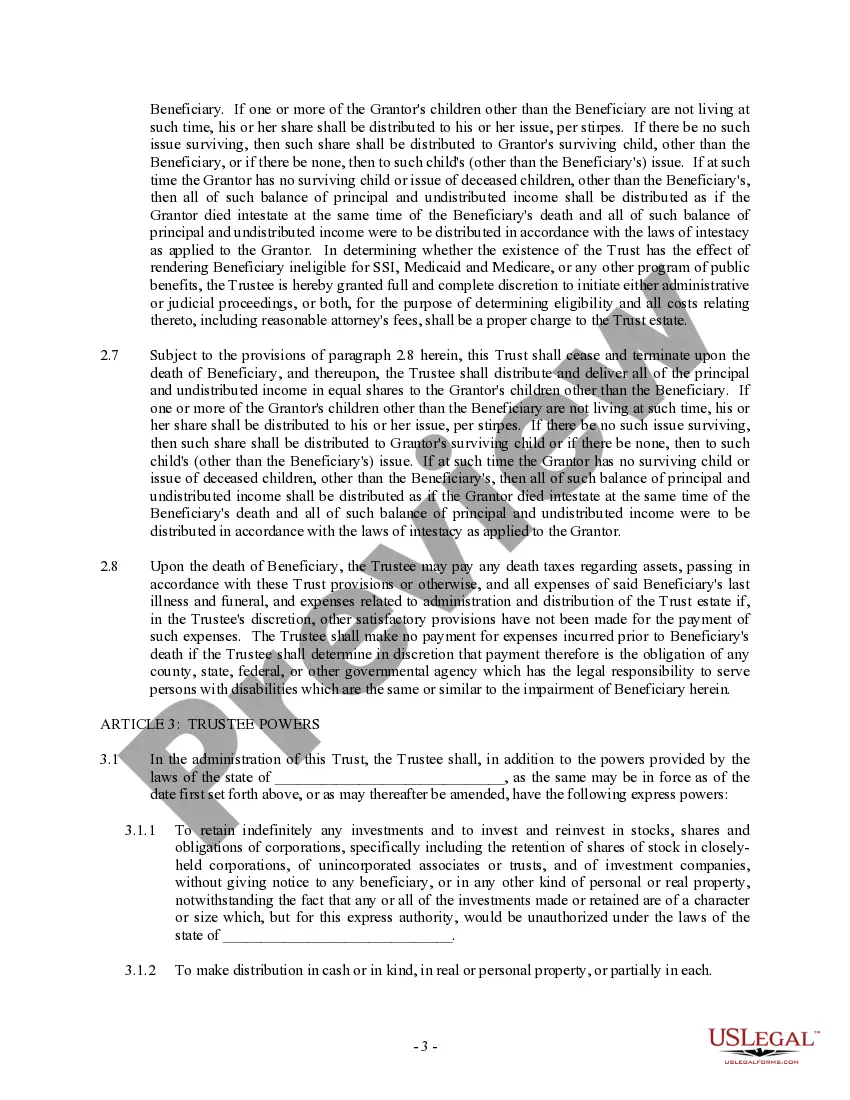
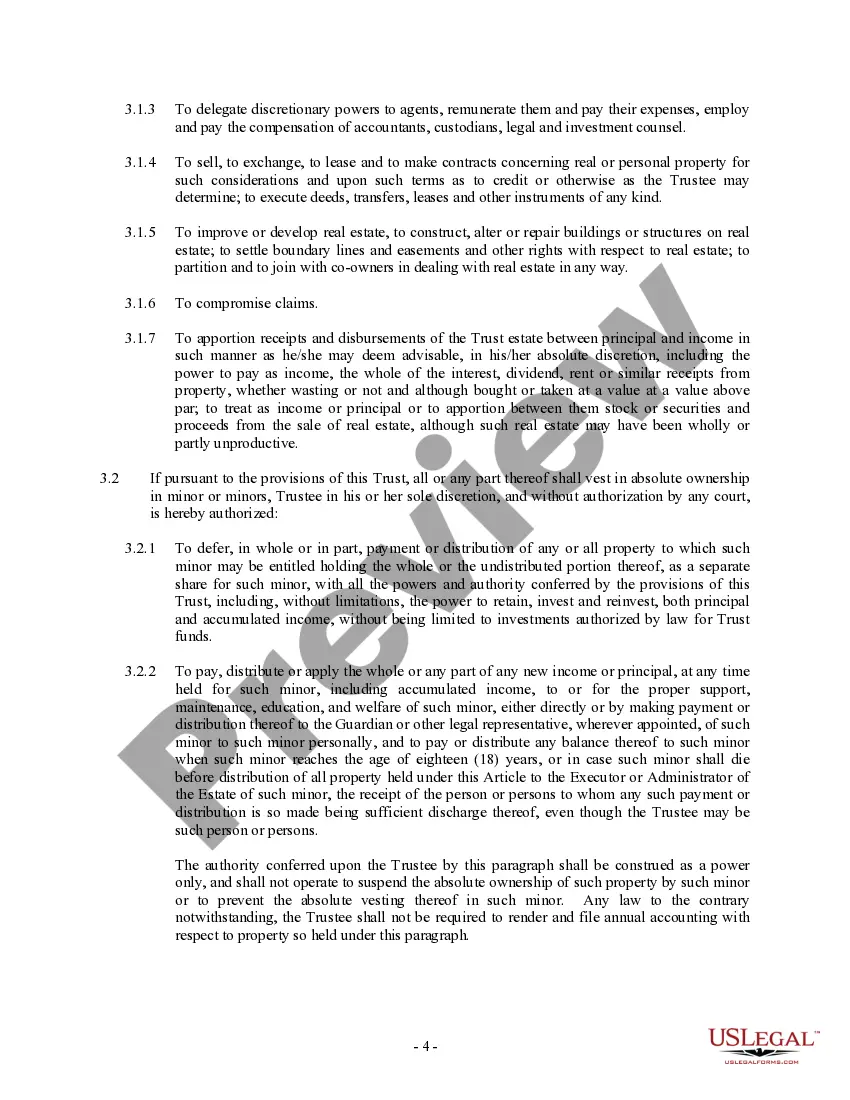
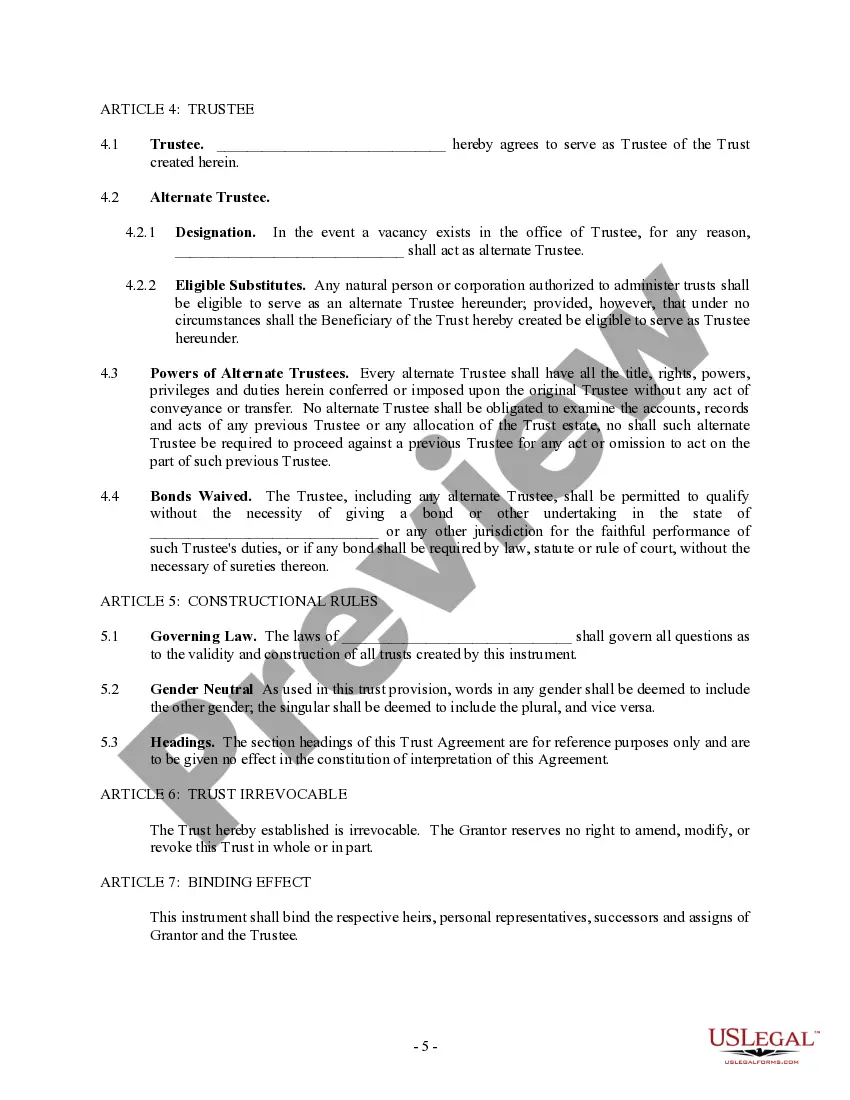



Get your form ready online
Our built-in tools help you complete, sign, share, and store your documents in one place.
Make edits, fill in missing information, and update formatting in US Legal Forms—just like you would in MS Word.
Download a copy, print it, send it by email, or mail it via USPS—whatever works best for your next step.
Sign and collect signatures with our SignNow integration. Send to multiple recipients, set reminders, and more. Go Premium to unlock E-Sign.
If this form requires notarization, complete it online through a secure video call—no need to meet a notary in person or wait for an appointment.
We protect your documents and personal data by following strict security and privacy standards.

Make edits, fill in missing information, and update formatting in US Legal Forms—just like you would in MS Word.

Download a copy, print it, send it by email, or mail it via USPS—whatever works best for your next step.

Sign and collect signatures with our SignNow integration. Send to multiple recipients, set reminders, and more. Go Premium to unlock E-Sign.

If this form requires notarization, complete it online through a secure video call—no need to meet a notary in person or wait for an appointment.

We protect your documents and personal data by following strict security and privacy standards.
Looking for another form?




How to fill out Trust Agreement - Family Special Needs?
Utilizing legal document examples that adhere to national and local regulations is essential, and the web provides numerous choices to select from.
However, what's the purpose of spending time searching for the suitable Family Trust Info With Us example online when the US Legal Forms digital library has already compiled such templates in a single location.
US Legal Forms is the largest online legal resource with over 85,000 editable templates created by lawyers for various professional and personal situations.
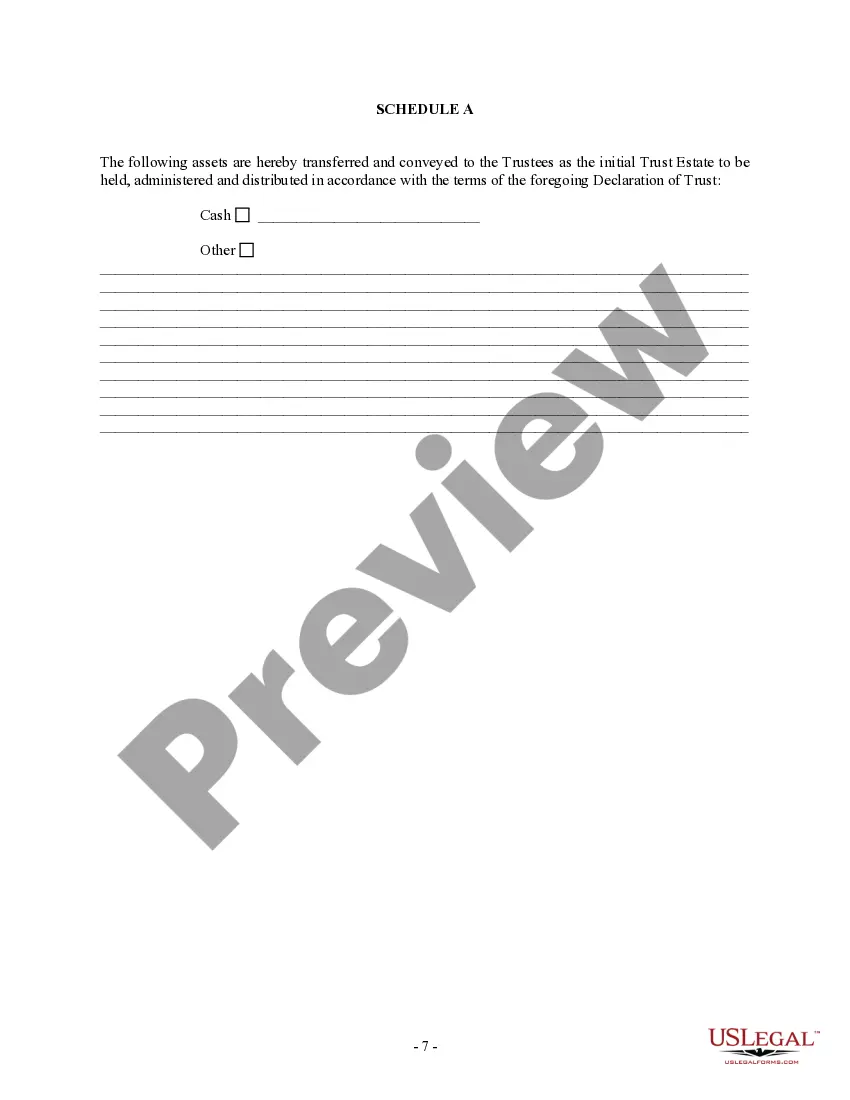
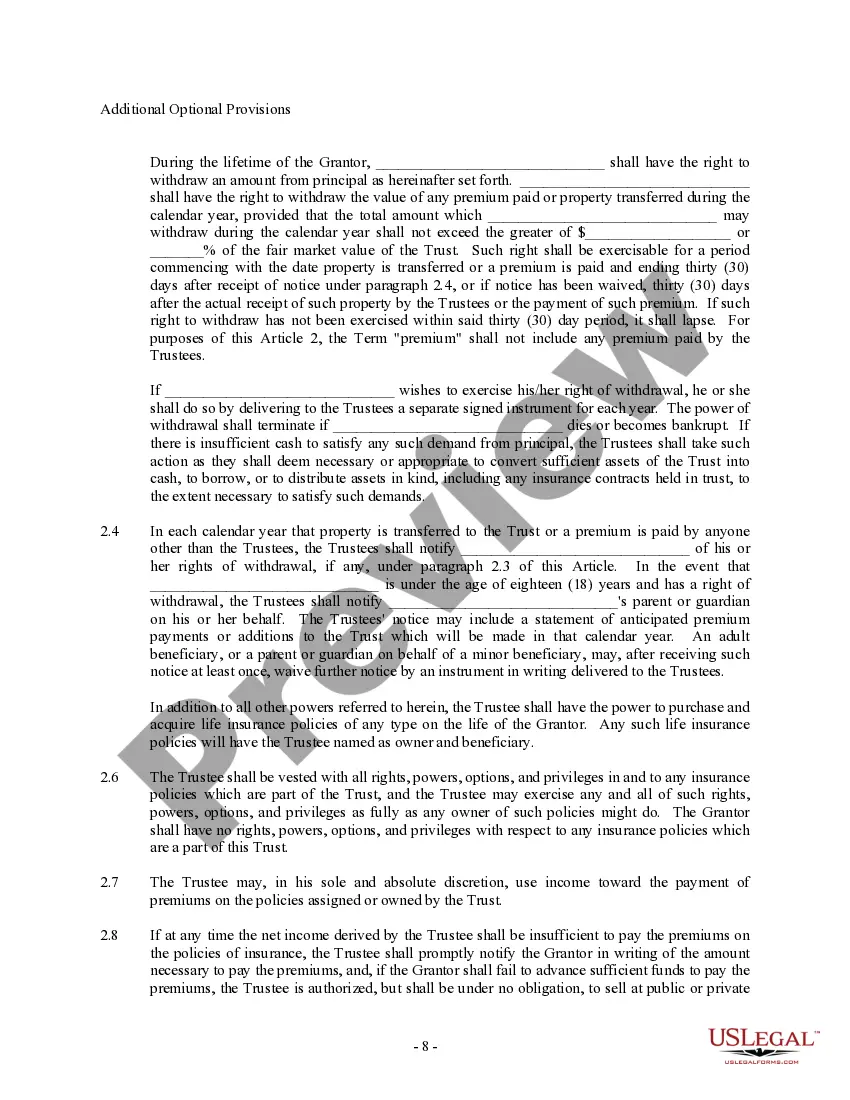
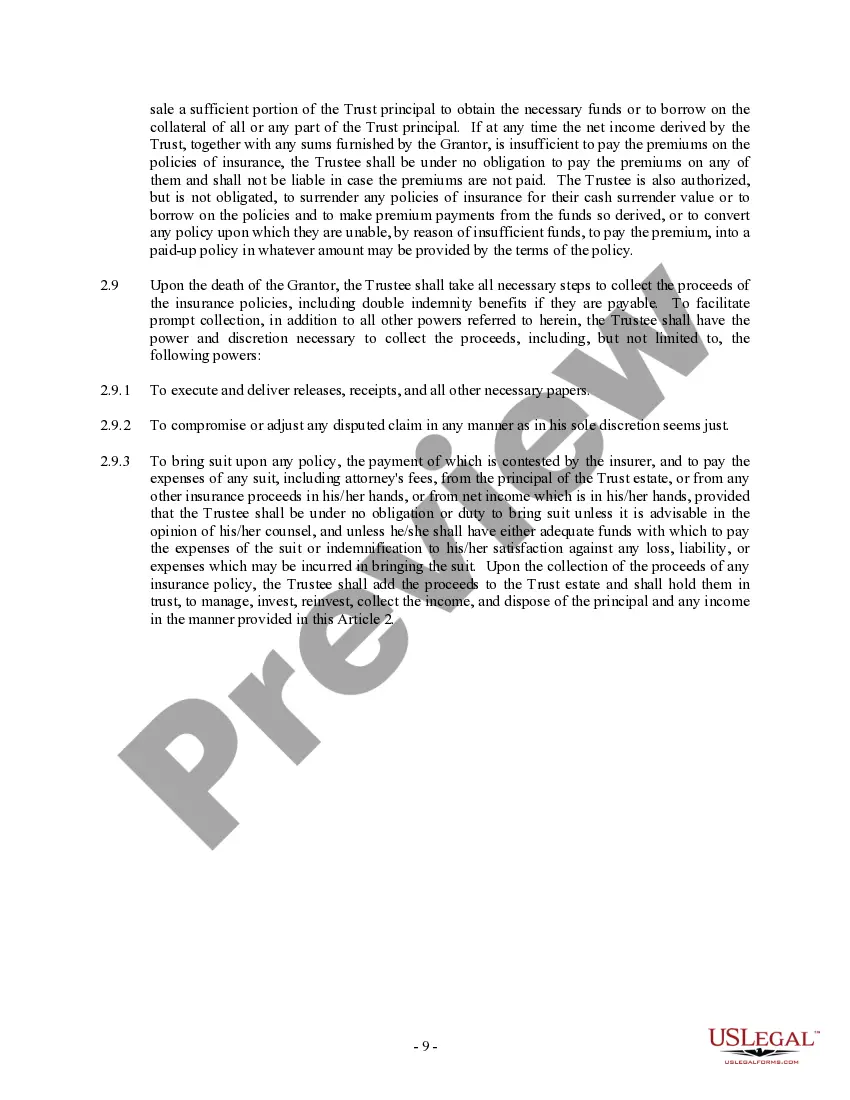
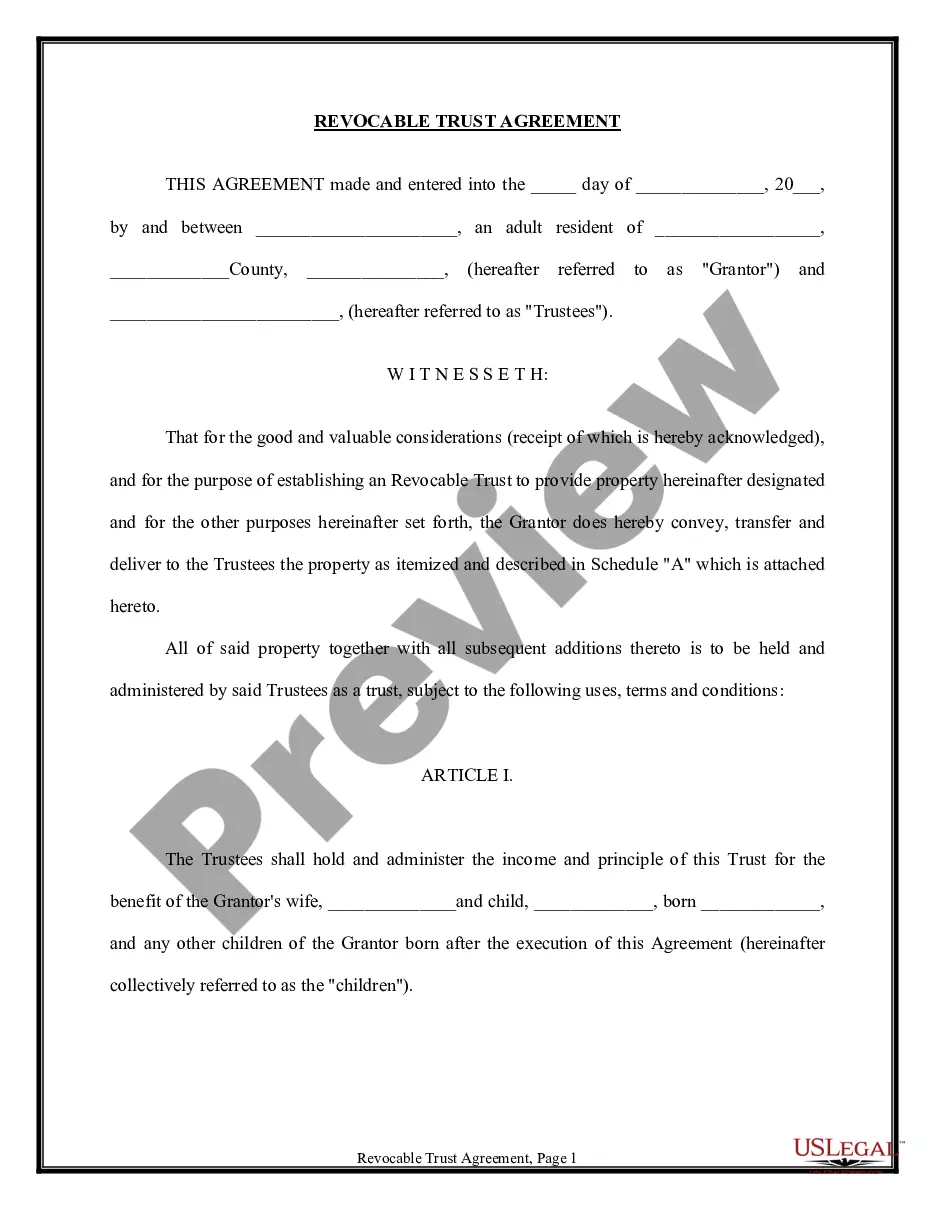
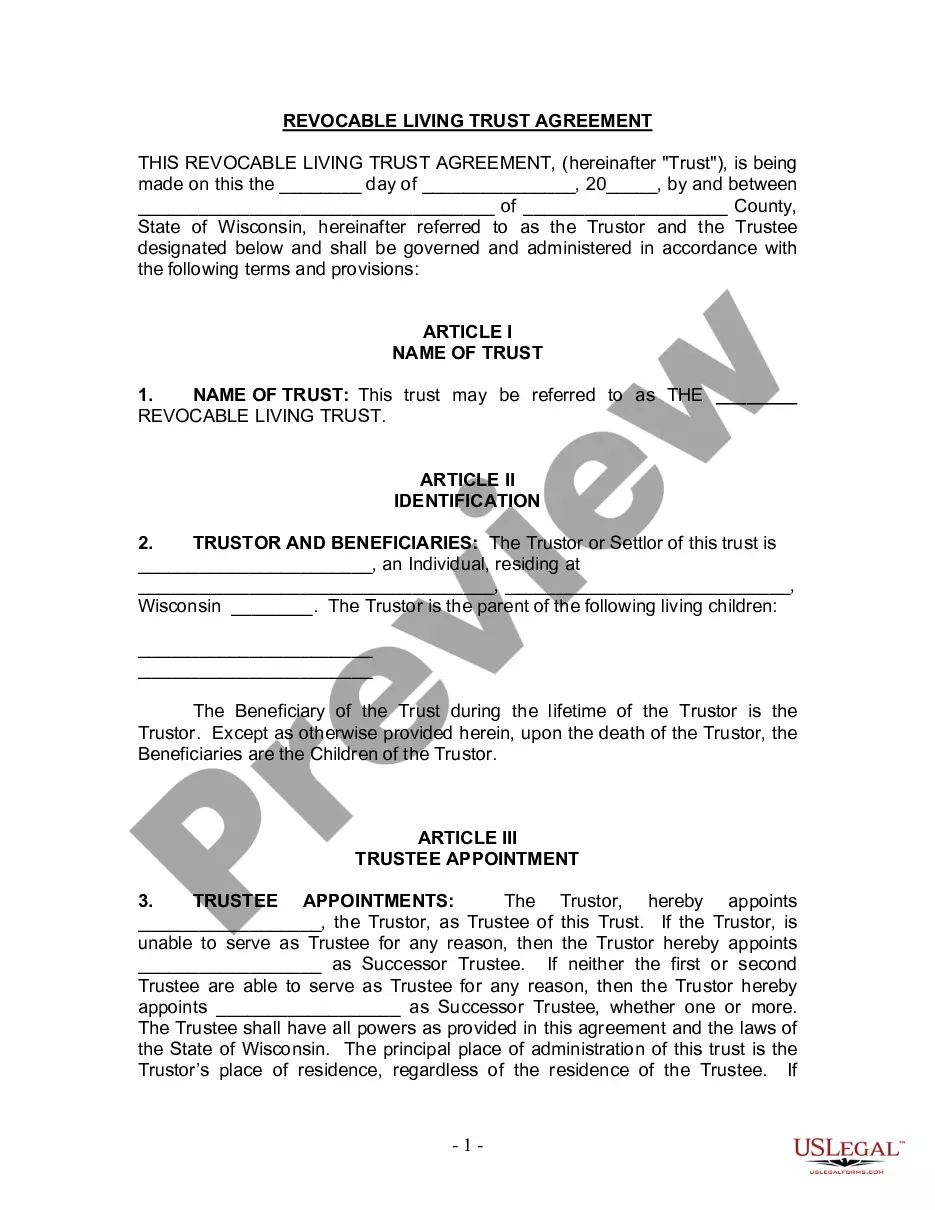
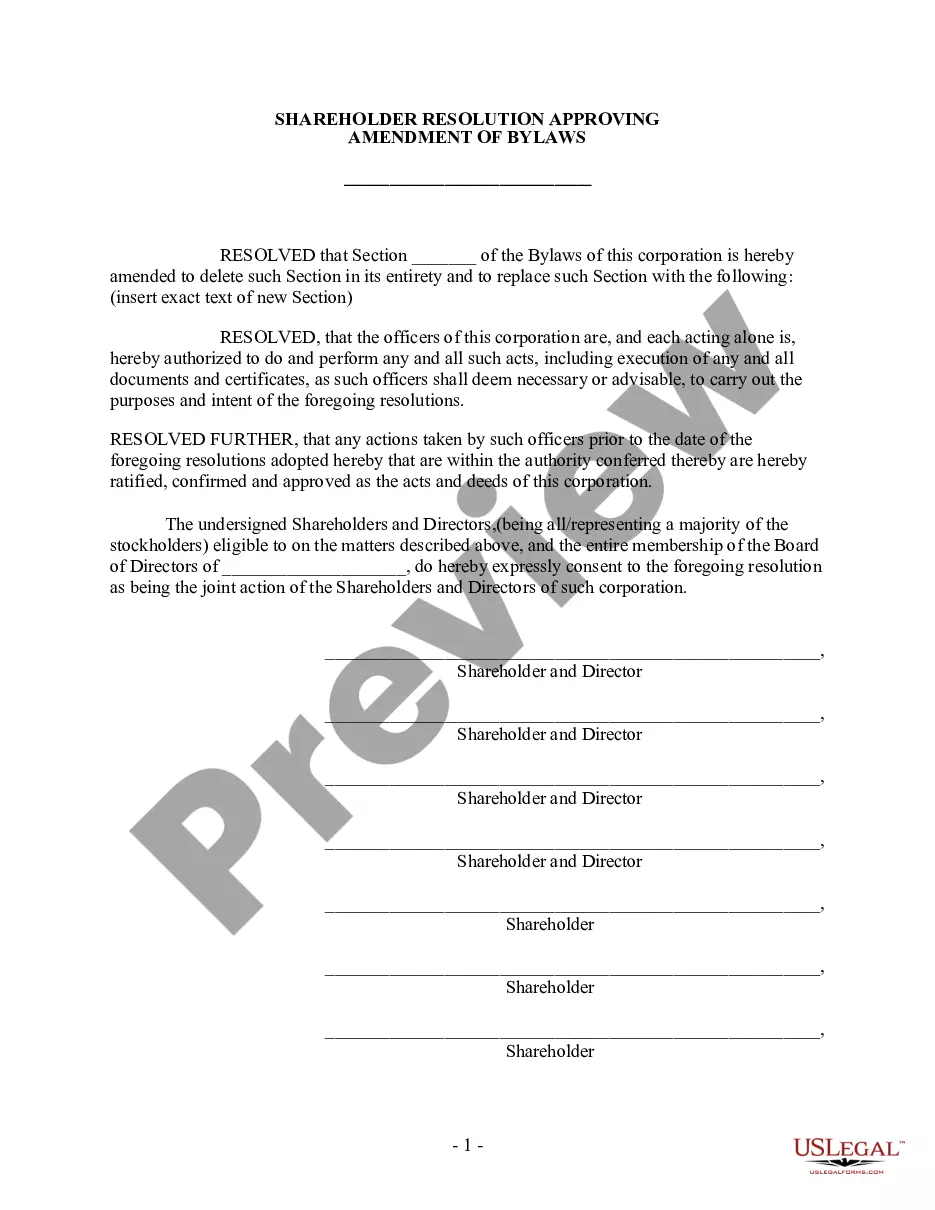
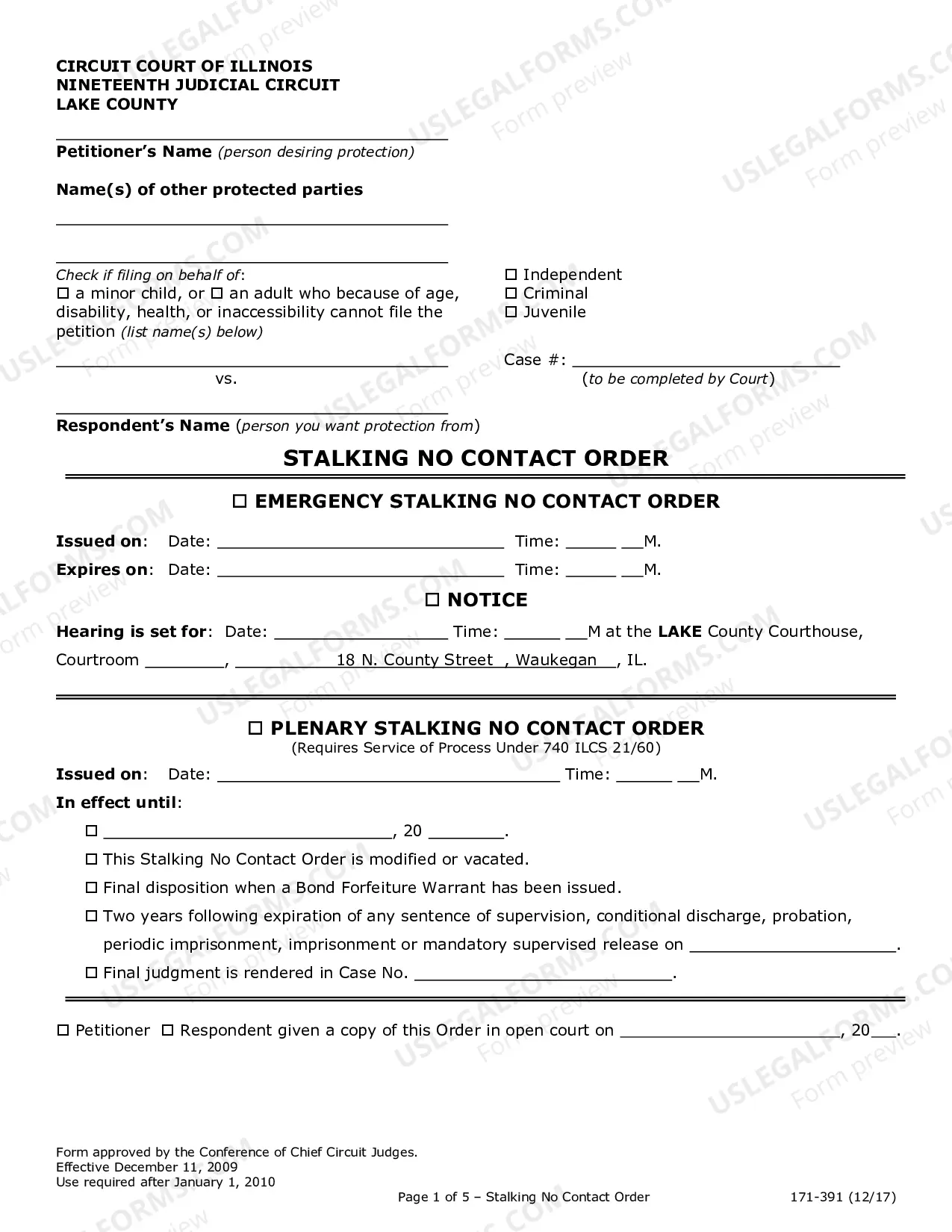
Review the template using the Preview function or through the textual description to verify it fulfills your requirements.
- They are easy to navigate with all documents categorized by state and intended use.
- Our specialists stay updated with legal modifications, ensuring that your paperwork is current and compliant when procuring a Family Trust Info With Us from our site.
- Obtaining a Family Trust Info With Us is quick and straightforward for both existing and new users.
- If you already possess an account with an active subscription, sign in and save the document sample you need in the appropriate format.
- If you are a new visitor to our site, follow the steps outlined below.
Form popularity
FAQ
Not every trust needs to be filed with the IRS, but most irrevocable trusts do require a tax identification number and filing of Form 1041. Revocable trusts generally do not file tax returns during the grantor's lifetime. For clarity on your trust's IRS requirements, explore our family trust info with us for tailored advice.
A family trust may receive a 1099 form if it earns interest or dividends from its assets. Beneficiaries may also receive 1099 forms for their portion of the income, depending on the distribution made by the trust. To clarify your specific situation, trust our family trust info with us for further explanation.
Yes, income generated by a family trust is typically taxable. How it is taxed depends on whether the income is distributed to beneficiaries or kept within the trust. To navigate these tax obligations smoothly, you can refer to our family trust info with us for valuable insights and resources.
Filing taxes for a family trust requires completing IRS Form 1041, if the trust generates income. You must also report distributions made to beneficiaries, as these will impact their personal tax returns. For detailed guidance on the tax implications of a family trust, check out our resources and family trust info with us.
A family trust holds and manages assets for the benefit of your family members. The person creating the trust, known as the grantor, specifies how the assets should be distributed. This structure allows for more control over asset distribution and may provide protection from creditors, which you can learn more about by accessing our family trust info with us.
Yes, a trust may need to file its own tax return. The requirement depends on whether the trust is revocable or irrevocable. Additionally, it is essential to understand how to handle taxes on the income generated from the trust, as we provide comprehensive family trust info with us to guide you through this process.
To register a trust in the USA, you first need to draft a trust document that outlines the terms and conditions of the trust. After creating the document, you may need to fund the trust by transferring assets into it. Once your trust is established and funded, consider using our platform, US Legal Forms, to handle any necessary filings and ensure compliance with state laws.
A family trust in the USA is a legal arrangement that holds assets for the benefit of family members. Typically created during a person's lifetime, it outlines how assets should be managed and distributed after their death. This tool can help reduce estate taxes and simplify the transfer process. For detailed explanations and guidance, refer to family trust info with us.
Having a family trust can be worthwhile for many families, especially those with substantial assets or specific inheritance goals. It can protect your legacy and provide more control over asset distribution. Additionally, it can minimize estate taxes and avoid probate delays. For insights on whether this option aligns with your goals, explore family trust info with us.
A family trust functions by holding and managing assets on behalf of your family. Typically, you appoint a trustee to oversee the assets according to your wishes. This structure allows for specific instructions regarding the distribution of assets, which can be beneficial for tax and estate planning. For further understanding, check the comprehensive family trust info with us.