Family Settlement Agreement In Pa

Description
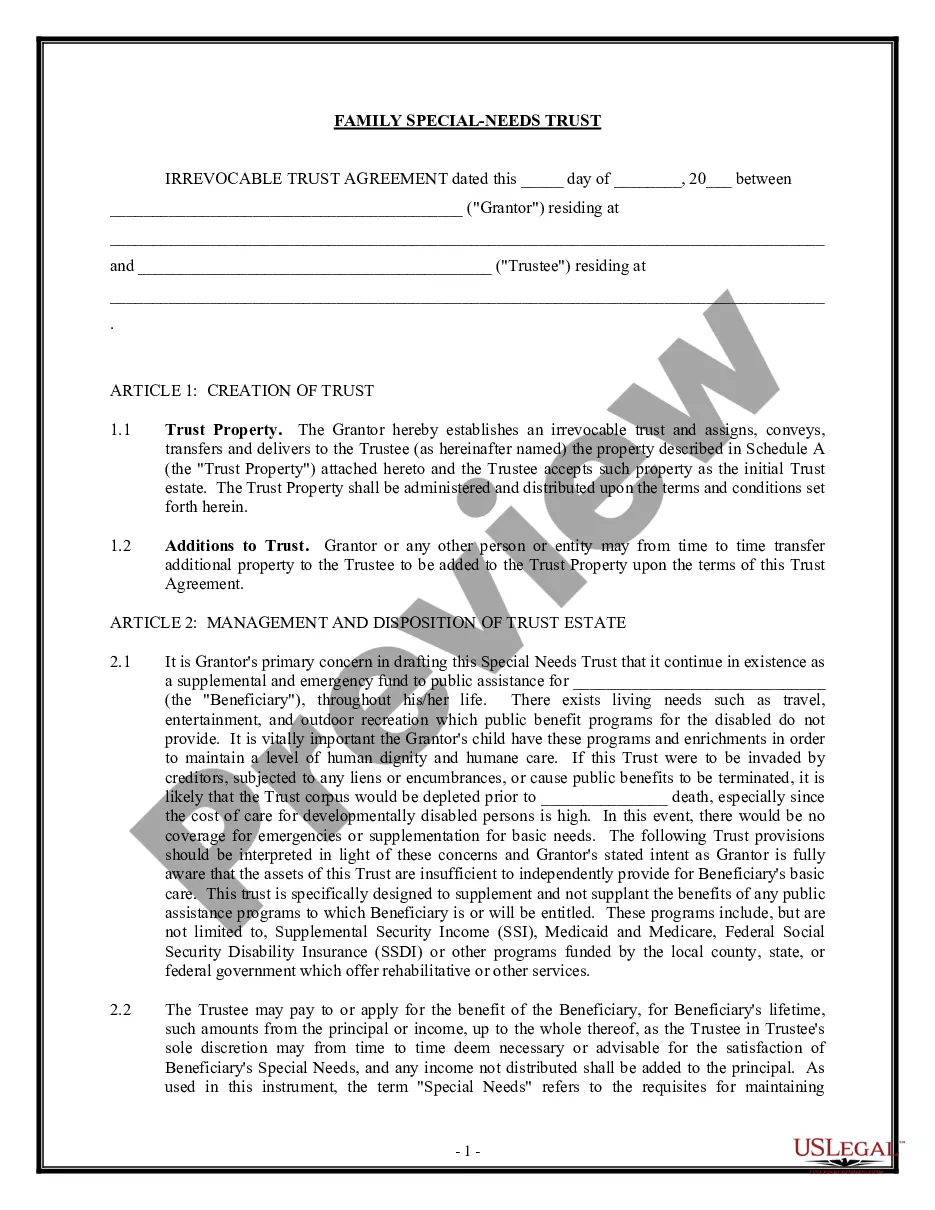
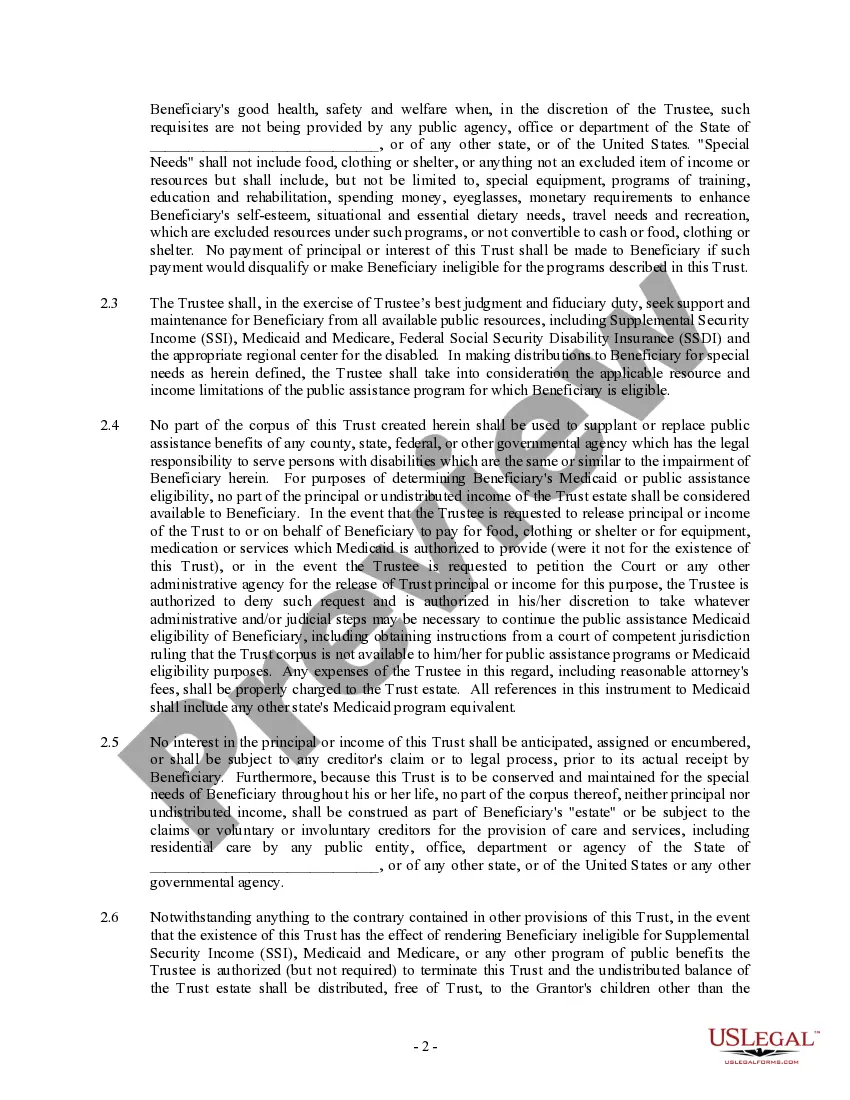
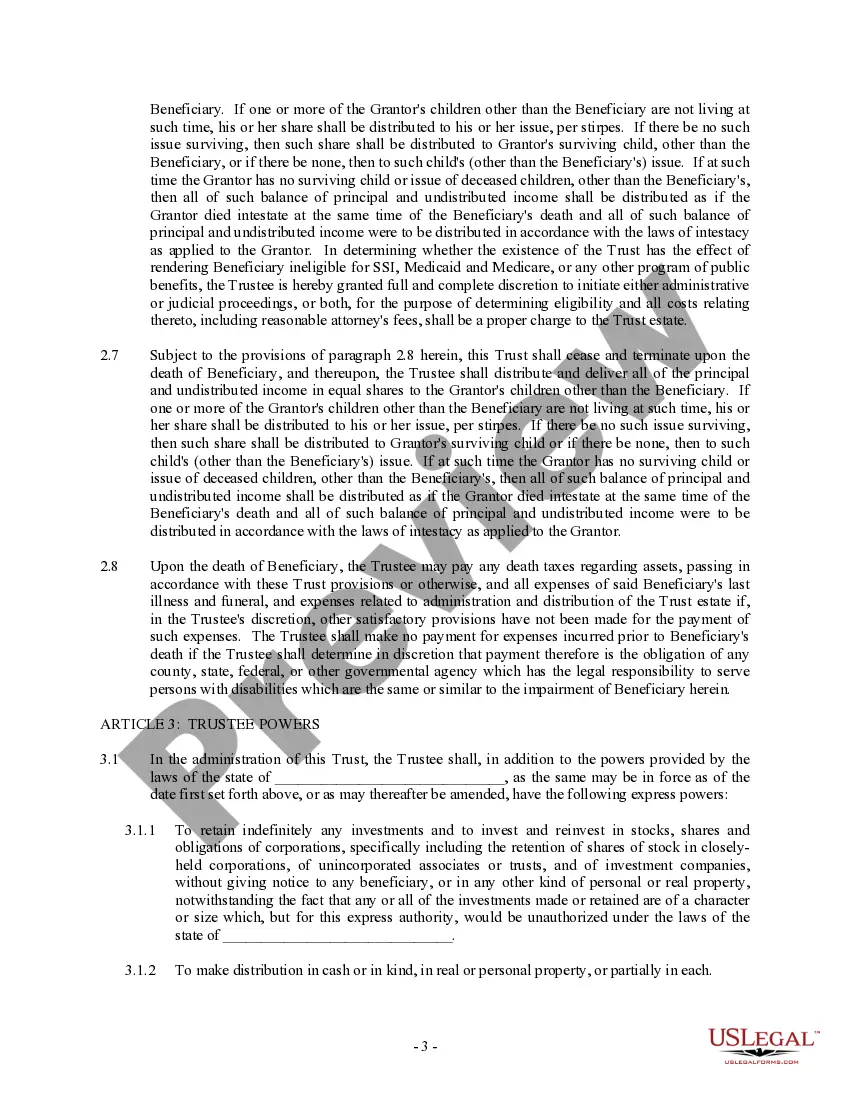
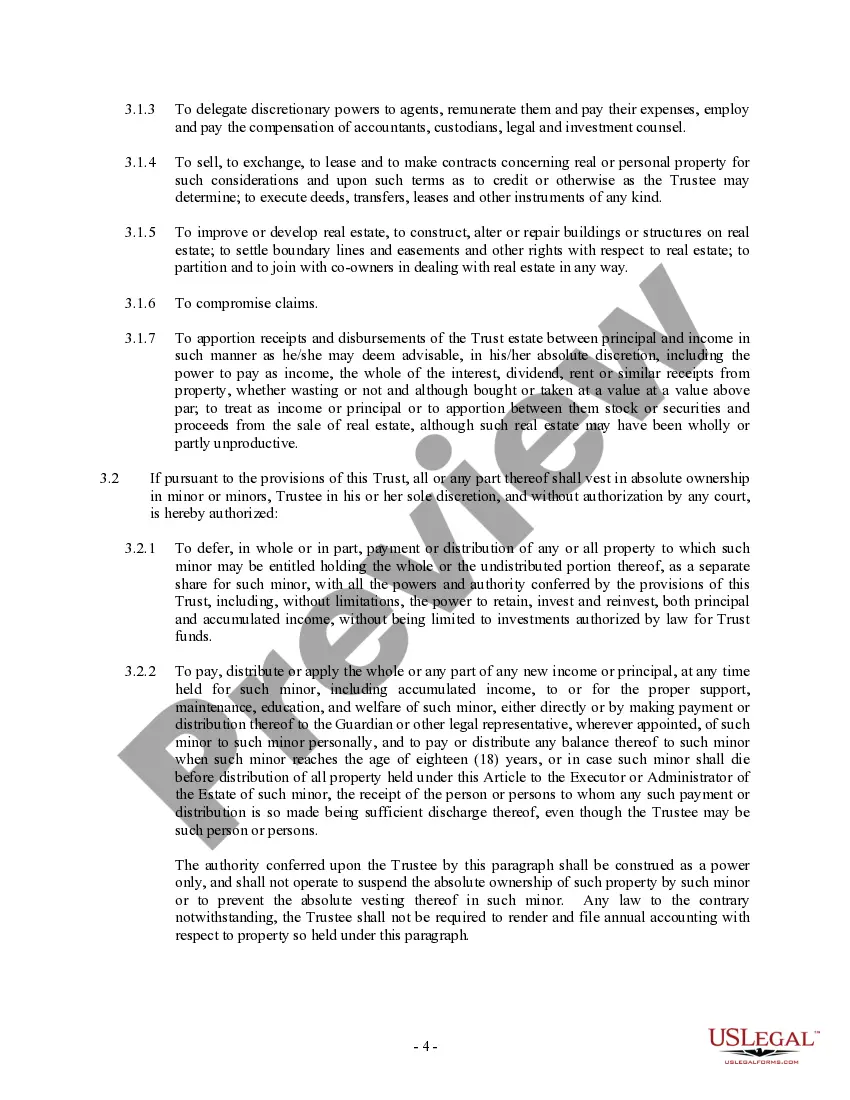
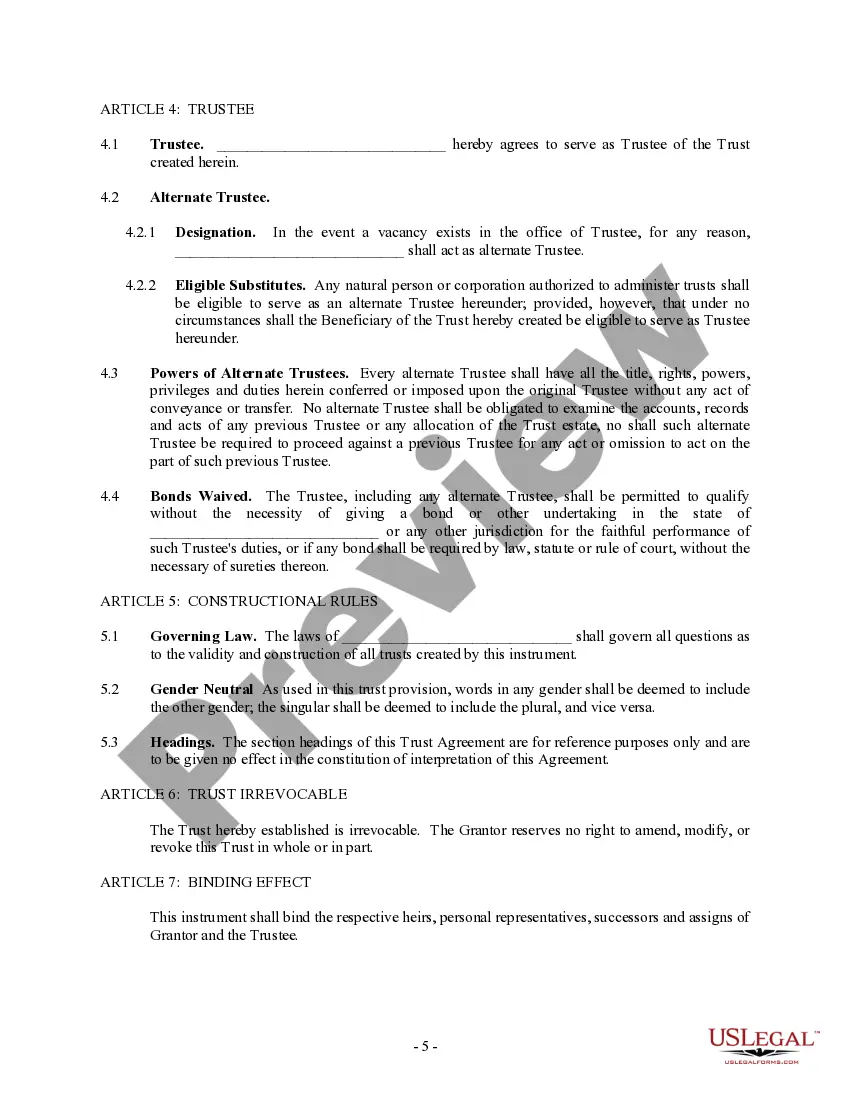
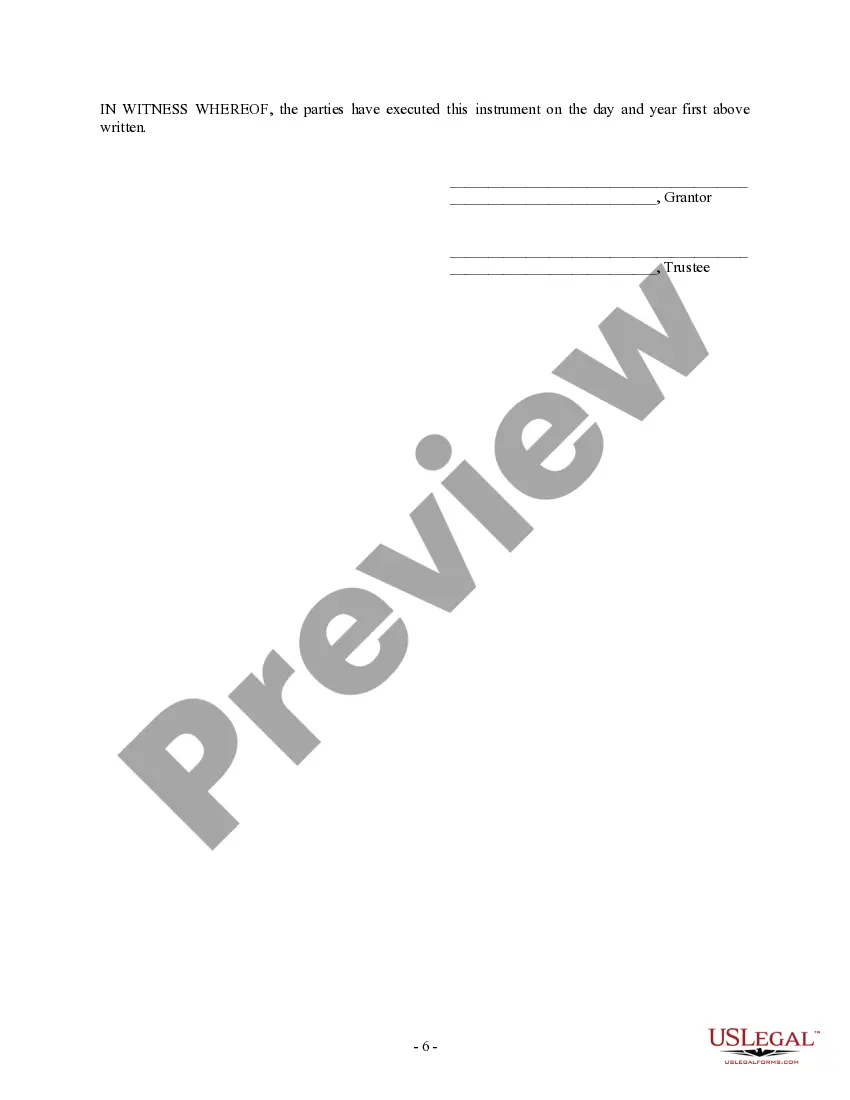
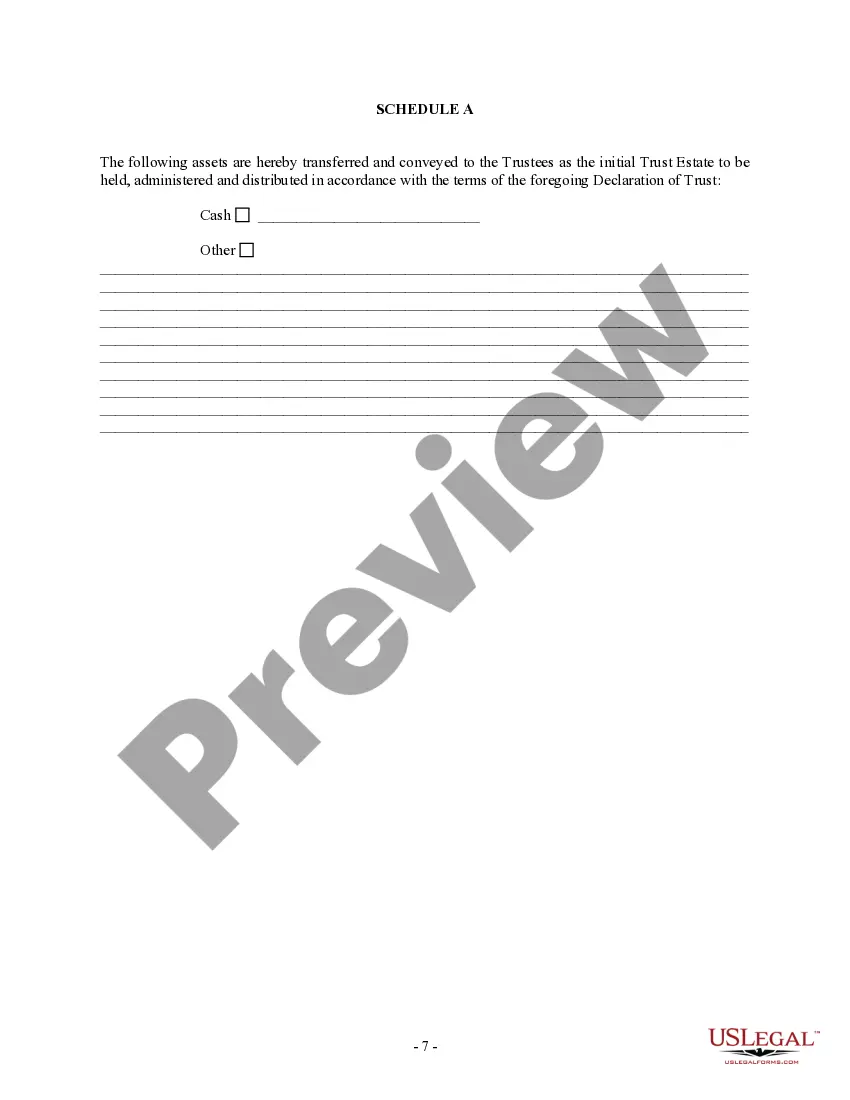
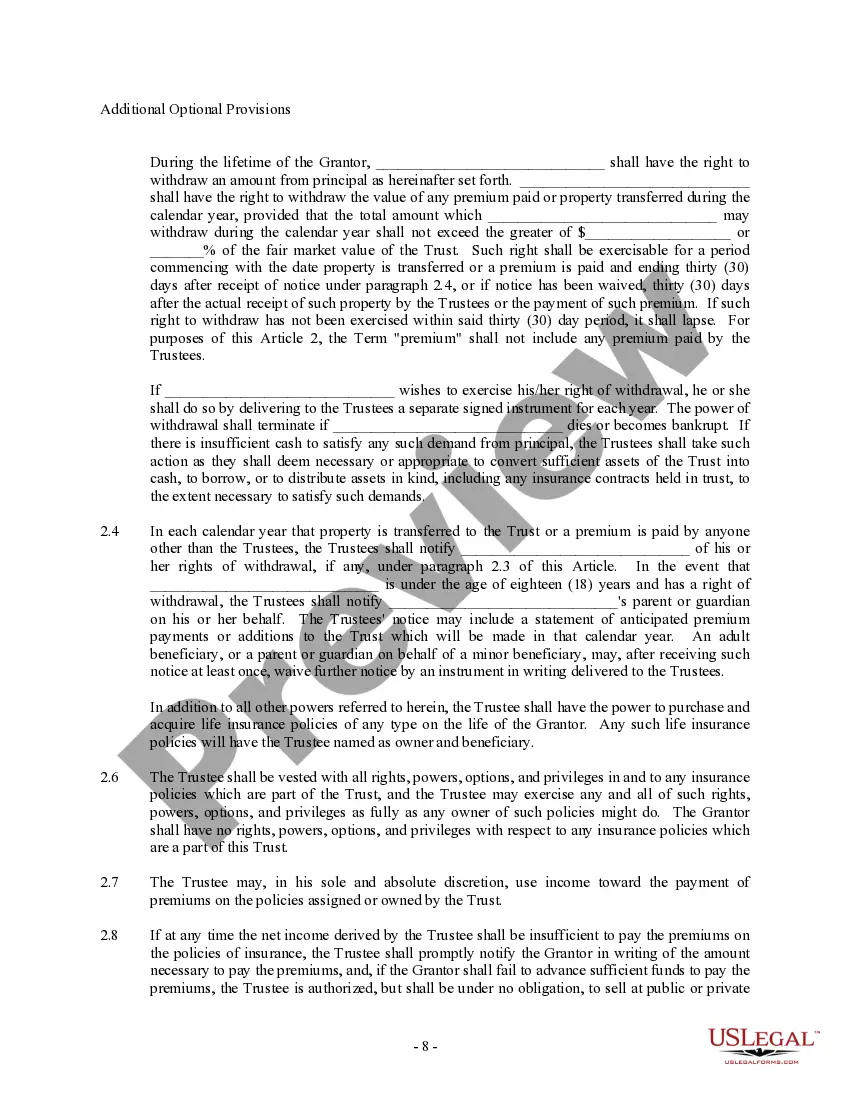
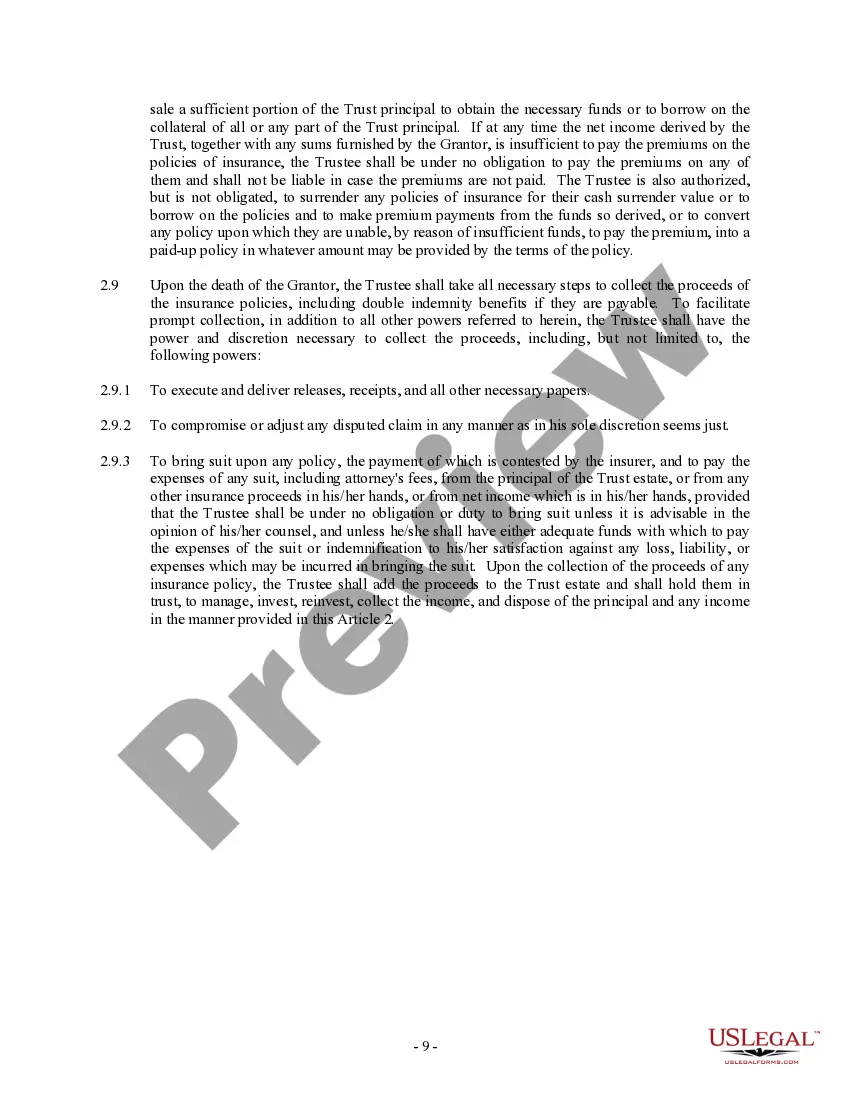
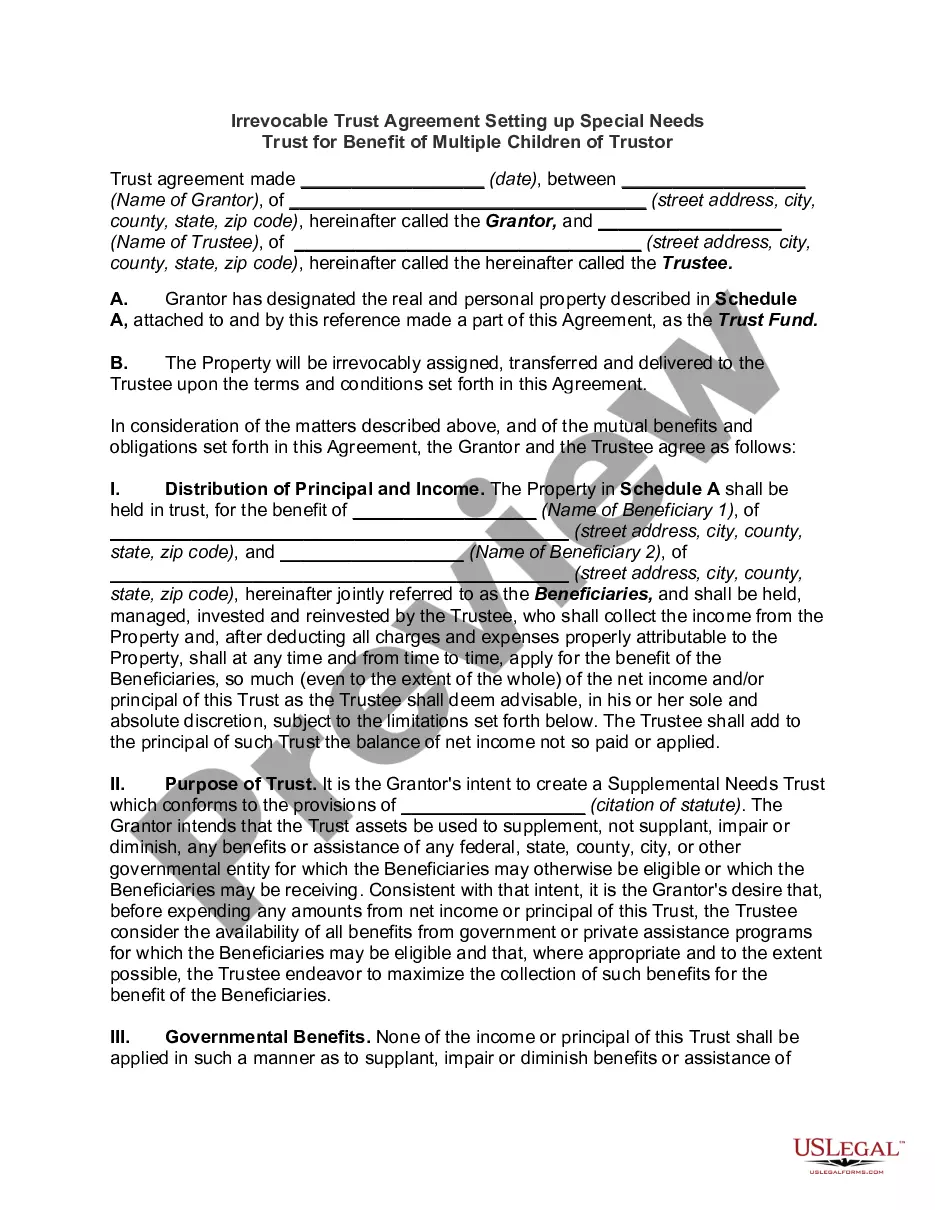
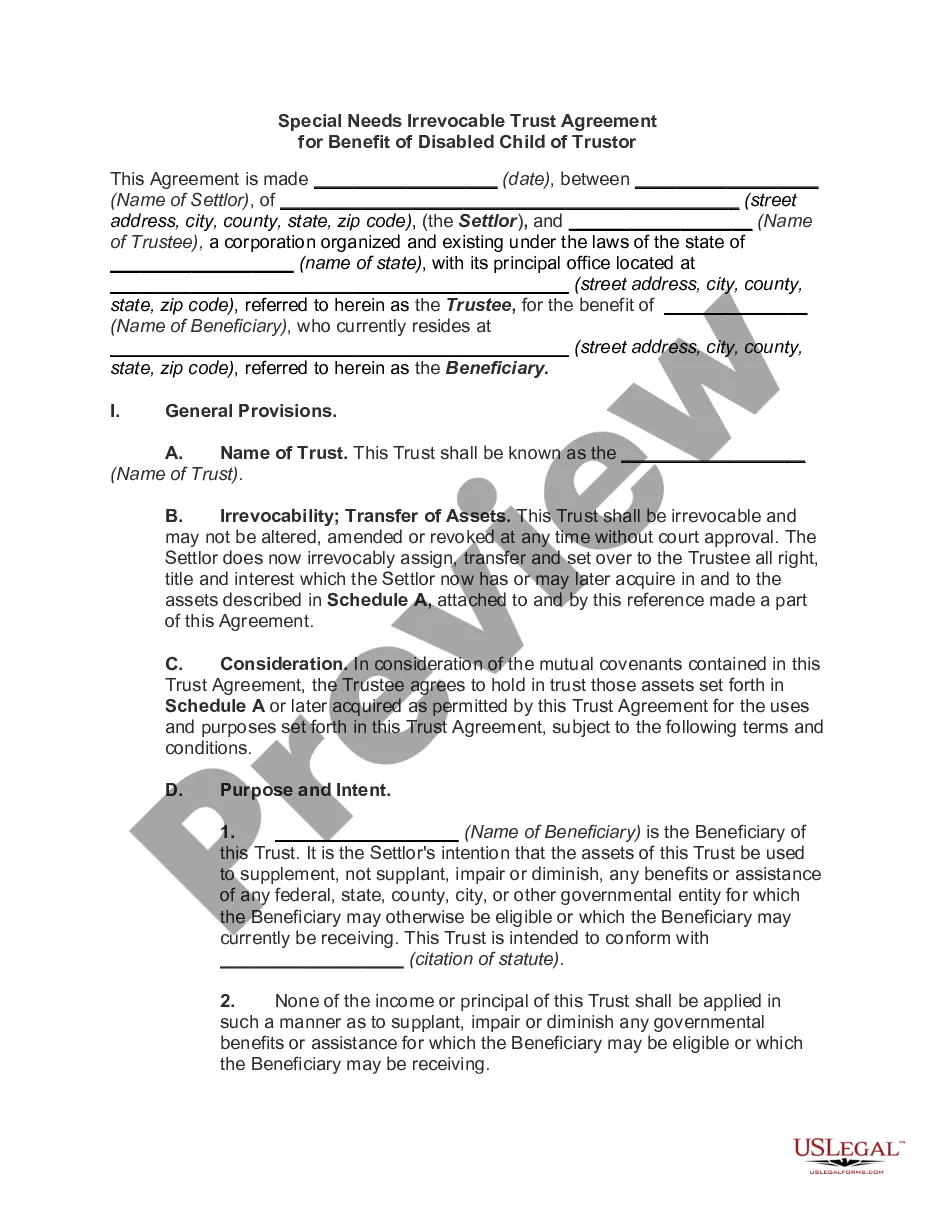
Get your form ready online
Our built-in tools help you complete, sign, share, and store your documents in one place.
Make edits, fill in missing information, and update formatting in US Legal Forms—just like you would in MS Word.
Download a copy, print it, send it by email, or mail it via USPS—whatever works best for your next step.
Sign and collect signatures with our SignNow integration. Send to multiple recipients, set reminders, and more. Go Premium to unlock E-Sign.
If this form requires notarization, complete it online through a secure video call—no need to meet a notary in person or wait for an appointment.
We protect your documents and personal data by following strict security and privacy standards.

Make edits, fill in missing information, and update formatting in US Legal Forms—just like you would in MS Word.

Download a copy, print it, send it by email, or mail it via USPS—whatever works best for your next step.

Sign and collect signatures with our SignNow integration. Send to multiple recipients, set reminders, and more. Go Premium to unlock E-Sign.

If this form requires notarization, complete it online through a secure video call—no need to meet a notary in person or wait for an appointment.

We protect your documents and personal data by following strict security and privacy standards.
Looking for another form?
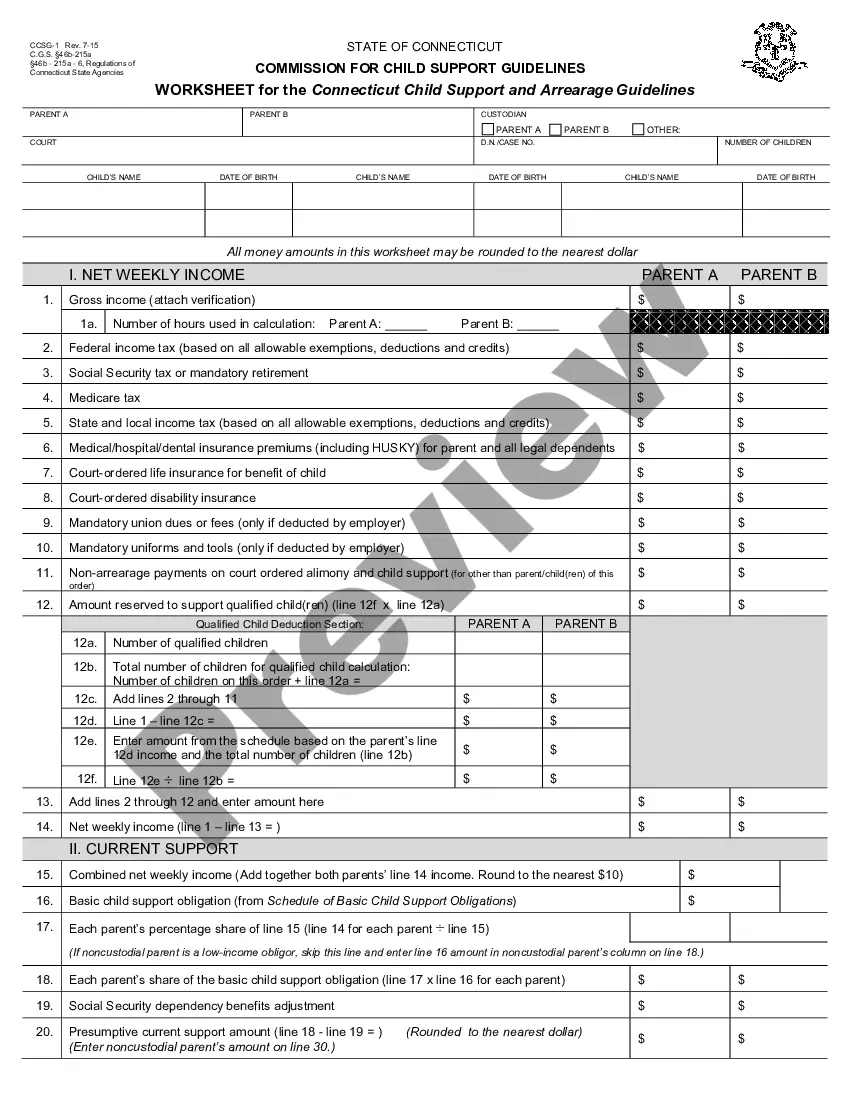
How to fill out Trust Agreement - Family Special Needs?
Management of legal documents can be perplexing, even for the most skilled professionals.
When you are looking for a Family Settlement Agreement in PA and lack the time to dedicate to finding the correct and current version, the process can be overwhelming.
Gain access to a valuable resource collection of articles, guides, handbooks, and materials pertinent to your situation and needs.
Save time and effort searching for the documents you require, and take advantage of US Legal Forms' sophisticated search and Preview function to locate the Family Settlement Agreement in PA and download it.
Leverage the US Legal Forms web library, supported by 25 years of experience and reliability. Transform your routine document management into a smooth and user-friendly process today.
- If you have a monthly subscription, Log In to your US Legal Forms account, search for the form, and download it.
- Check the My documents tab to see the documents you have previously saved and manage your folders to your liking.
- If this is your first time with US Legal Forms, create a free account and gain unlimited access to all the benefits of the library.
- Once you have the form you need, confirm it is the correct document by previewing it and reviewing its details.
- Ensure that the template is accepted in your state or county.
- Select Buy Now when you are prepared.
- Pick a monthly subscription plan.
- Choose your desired file format, and Download, complete, eSign, print, and deliver your document.
- Access state- or county-specific legal and business documents.
- US Legal Forms addresses any requirements you may possess, from individual to corporate paperwork, all in one place.
- Utilize advanced features to complete and manage your Family Settlement Agreement in PA.
Form popularity
FAQ
A settlement agreement is used to outline the terms of an agreement between parties to resolve disputes out of court. It provides a written record of the terms each party agrees to follow, thus reducing the potential for misunderstandings. In Pennsylvania, this type of agreement, including a family settlement agreement, is vital for achieving a smooth and efficient resolution.
The GARNISHMENT JUDGMENT is an order instructing the garnishee to deliver defendant's wages and/or commission to the Constable of the City of Baton Rouge. ANY QUESTIONS YOU MAY HAVE CONCERNING THE SEIZED WAGES AND/OR COMMISSIONS ARE TO BE DIRECTED TO THE CONSTABLE'S OFFICE AT NUMBER (225) 389-3004.
Buried deep in the Louisiana Code of Civil Procedure is a little-known law which gives creditors the right to seek wage garnishments from a borrower's employer if the borrower fails to satisfy a loan obligation.
This debt may be unpaid taxes, child support, or other debts. Certain types of income, such as Social Security and disability benefits, are exempt from garnishment. Most wage garnishments get ordered by a court judgment.
However, filing for bankruptcy can provide an immediate stop to wage garnishment. This is due to an injunction known as the automatic stay, which comes into effect as soon as you file for bankruptcy. The automatic stay prohibits most creditors from continuing collection activities, including wage garnishment.
To obtain a wage garnishment, the creditor must first file a lawsuit against you to get a judgment. The judgment gives the creditor the right to take collection actions against you, including wage garnishment. Once the creditor has the judgment, they will need to file a garnishment petition and order with the court.
While states are free to impose stricter limits, Louisiana's law is similar to federal law. On a weekly basis, the garnishment can't exceed the lesser of: 25% of your disposable earnings for that week, or. the amount by which your disposable earnings for that week surpasses 30 times the federal minimum hourly wage.
While states are free to impose stricter limits, Louisiana's law is similar to federal law. On a weekly basis, the garnishment can't exceed the lesser of: 25% of your disposable earnings for that week, or. the amount by which your disposable earnings for that week surpasses 30 times the federal minimum hourly wage.