Executive Director For Nonprofit Salary
Description
Get your form ready online
Our built-in tools help you complete, sign, share, and store your documents in one place.
Make edits, fill in missing information, and update formatting in US Legal Forms—just like you would in MS Word.
Download a copy, print it, send it by email, or mail it via USPS—whatever works best for your next step.
Sign and collect signatures with our SignNow integration. Send to multiple recipients, set reminders, and more. Go Premium to unlock E-Sign.
If this form requires notarization, complete it online through a secure video call—no need to meet a notary in person or wait for an appointment.
We protect your documents and personal data by following strict security and privacy standards.

Make edits, fill in missing information, and update formatting in US Legal Forms—just like you would in MS Word.

Download a copy, print it, send it by email, or mail it via USPS—whatever works best for your next step.

Sign and collect signatures with our SignNow integration. Send to multiple recipients, set reminders, and more. Go Premium to unlock E-Sign.

If this form requires notarization, complete it online through a secure video call—no need to meet a notary in person or wait for an appointment.

We protect your documents and personal data by following strict security and privacy standards.
Looking for another form?










Form popularity
FAQ
The salary of a non-executive director varies widely based on factors such as the organization’s size, location, and budget. Generally, compensation for non-executive directors may range significantly, and it's essential to conduct thorough research to understand averages in your sector. By exploring resources like US Legal Forms, you can access valuable insights into salary benchmarks, including the executive director for nonprofit salary.
Non-executive directors provide valuable insights and diverse perspectives, which can enhance governance and strategic planning. They often bring specialized knowledge that supports the executive director in decision-making, ensuring a balanced leadership approach. Furthermore, having an experienced non-executive director can impact the overall compensation structure, including the executive director for nonprofit salary.
Yes, a non-profit executive director often serves as the CEO of the organization. They take on the responsibility of overseeing operations, making strategic decisions, and ensuring the organization's mission is fulfilled. In this role, the executive director for nonprofit salary reflects their level of responsibility, comparable to that of a typical CEO in a for-profit company.
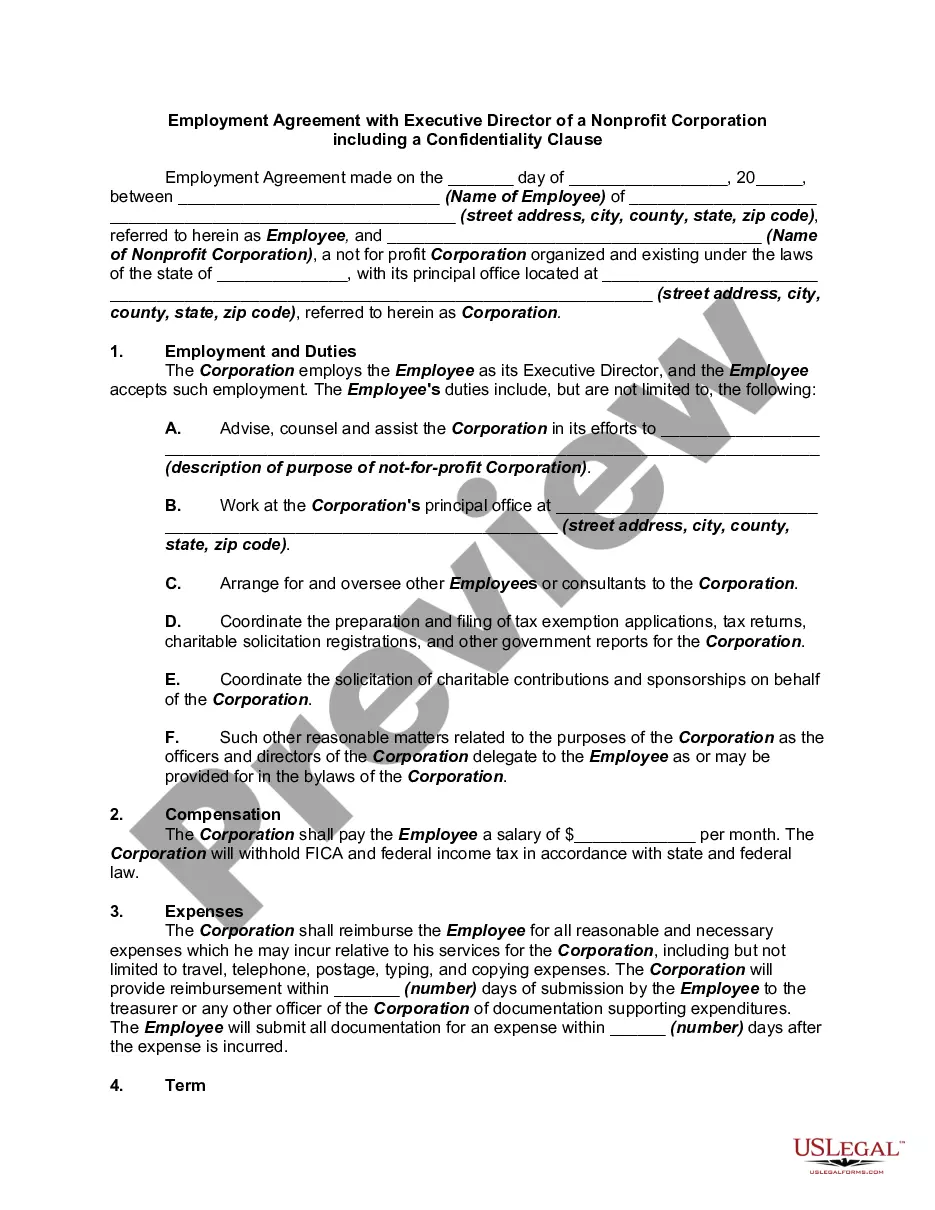
The duties of an executive director include overseeing program implementation, managing staff, and engaging with stakeholders. They also lead fundraising efforts and ensure financial sustainability. The executive director sets the tone of the organization and fosters a culture aligned with its mission. Consequently, the executive director for nonprofit salary reflects these diverse responsibilities and the skill set needed to fulfill them.
A CEO (Chief Executive Officer) is typically involved in the day-to-day operations and strategic direction of a for-profit or nonprofit entity, while a non-executive director provides oversight and guidance without engaging in daily management. In nonprofit organizations, the executive director often serves a similar role to a CEO. Therefore, understanding how these roles impact the organization can provide insights into the executive director for nonprofit salary.
A director generally refers to a specific area within an organization, such as finance, programs, or marketing. On the other hand, the executive director holds a leadership position overseeing all aspects of the nonprofit's operations. The executive director is responsible for strategic decision-making and reports directly to the board of directors. Hence, the executive director for nonprofit salary is often higher due to the comprehensive responsibilities of the role.
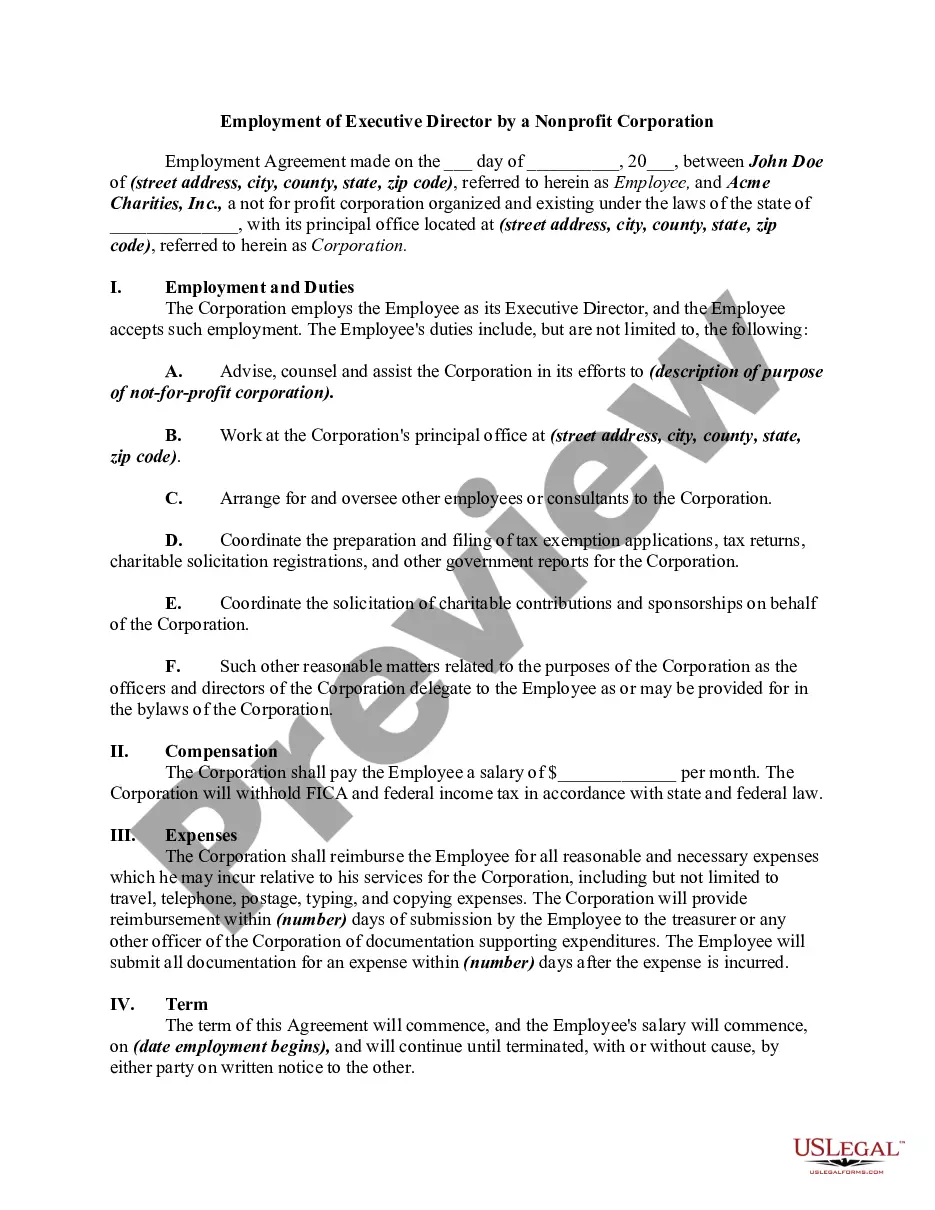
The salary of an executive director can vary widely based on factors such as organization size, budget, and geographic location. On average, the executive director for nonprofit salary ranges from $60,000 to over $150,000 annually. Furthermore, this role demands a combination of leadership skills and financial expertise to drive the organization's mission forward. Understanding the compensation trends can help nonprofits set competitive salaries.
The highest position in a nonprofit organization is typically the executive director. This role is crucial for guiding the organization towards its mission while managing day-to-day operations. Some nonprofits also have a board president, but the executive director is primarily responsible for executing strategies. As such, the executive director for nonprofit salary reflects this significant responsibility.
An executive director of a nonprofit oversees the organization's operations, finances, and strategic planning. This individual implements the board's policies and ensures the mission of the organization is fulfilled. They also manage staff and resources effectively to maximize the impact of the nonprofit. In terms of remuneration, the executive director for nonprofit salary varies based on the organization's size and location.
Being a non-executive director can provide valuable experience and insight into nonprofit management without the pressure of day-to-day operations. This role allows you to influence strategic decisions and contribute to the overall mission of the organization. Although the executive director for nonprofit salary may be higher, non-executive directors often enjoy the opportunity to engage with multiple organizations and broaden their impact in the sector. Furthermore, this position can serve as a stepping stone for those considering future leadership roles.
