Sole Proprietorship With Employees
Description
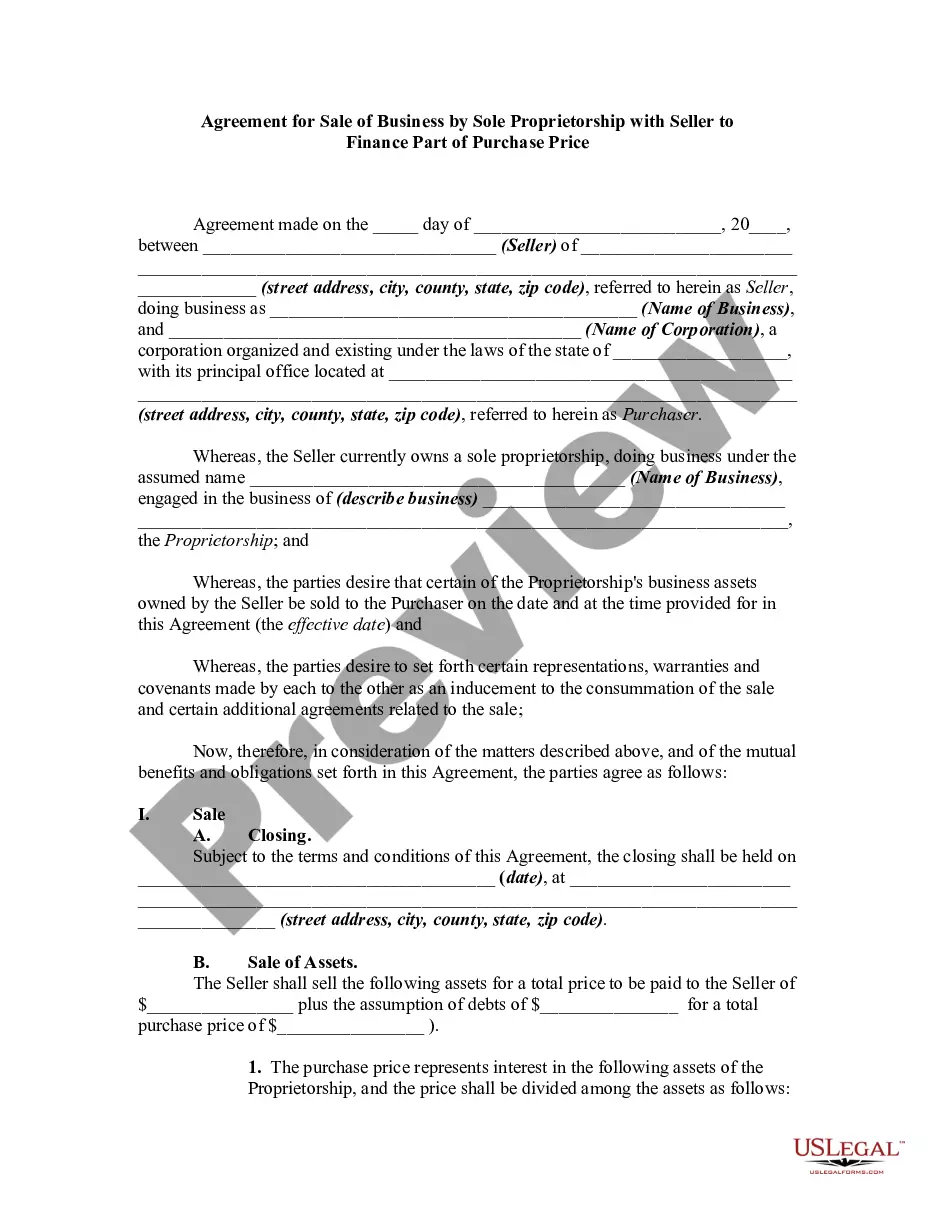
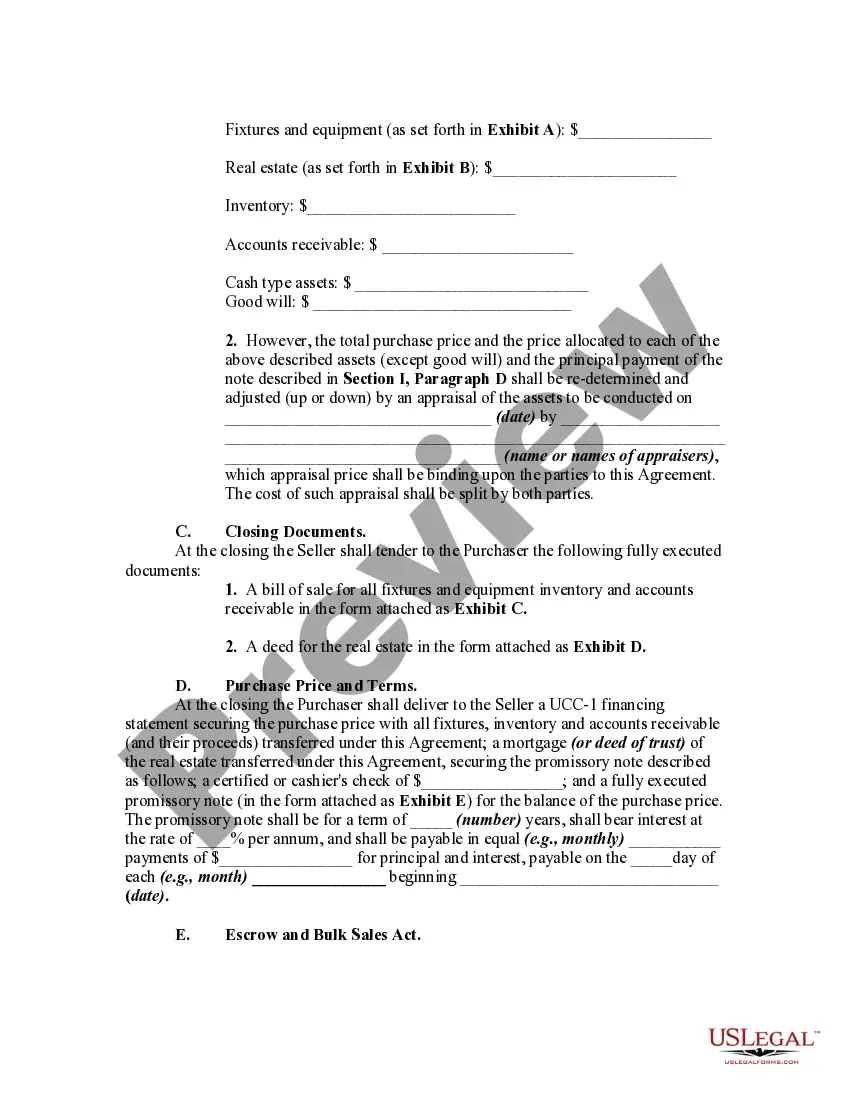
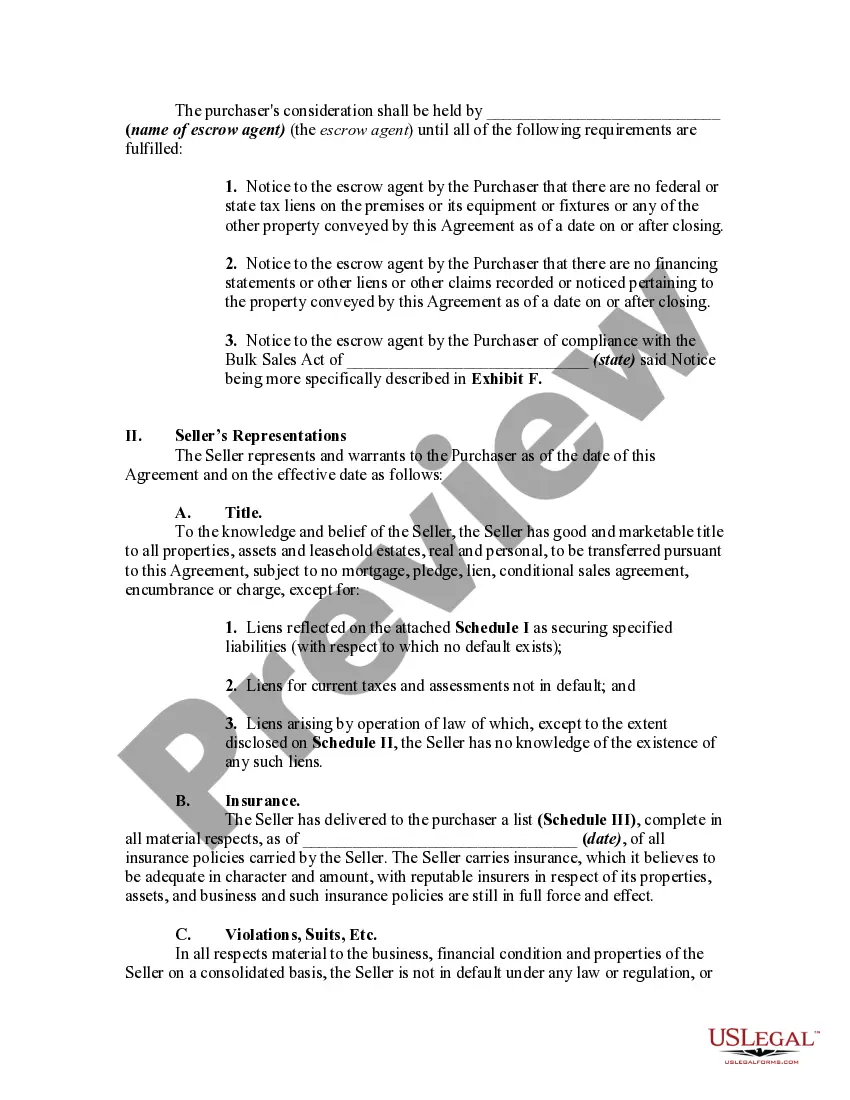
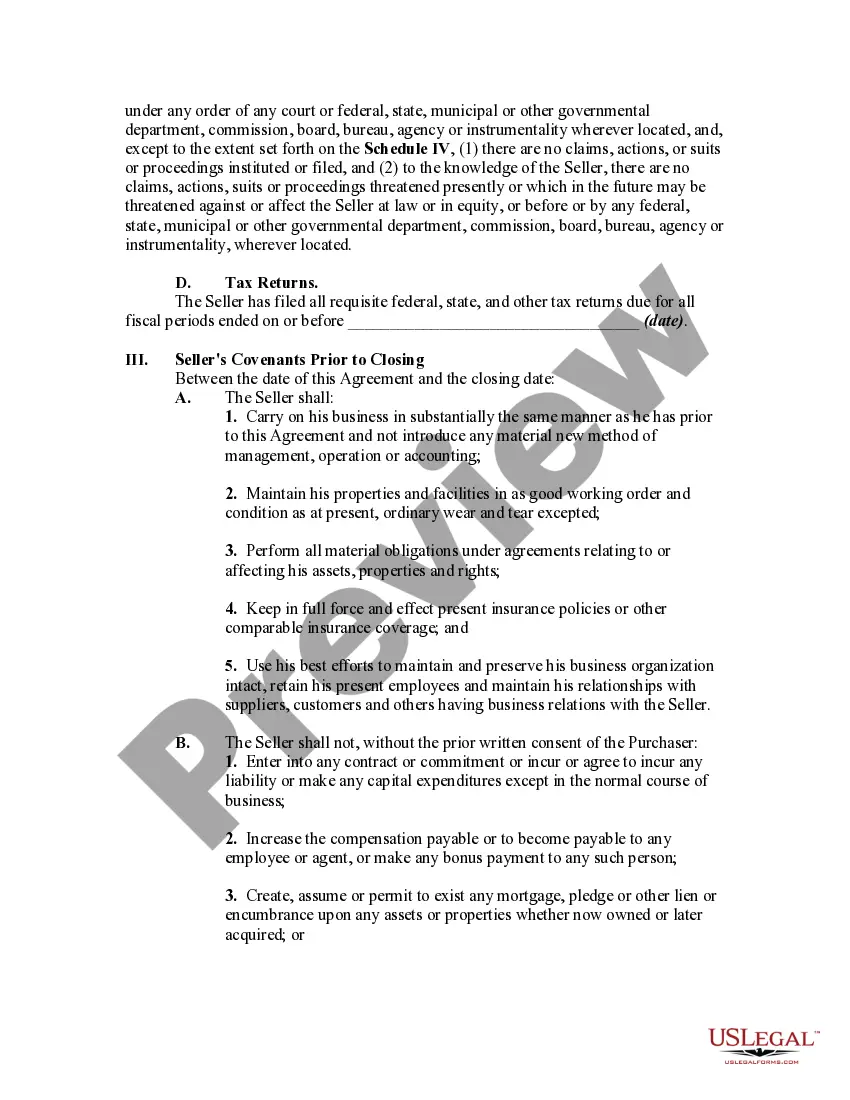


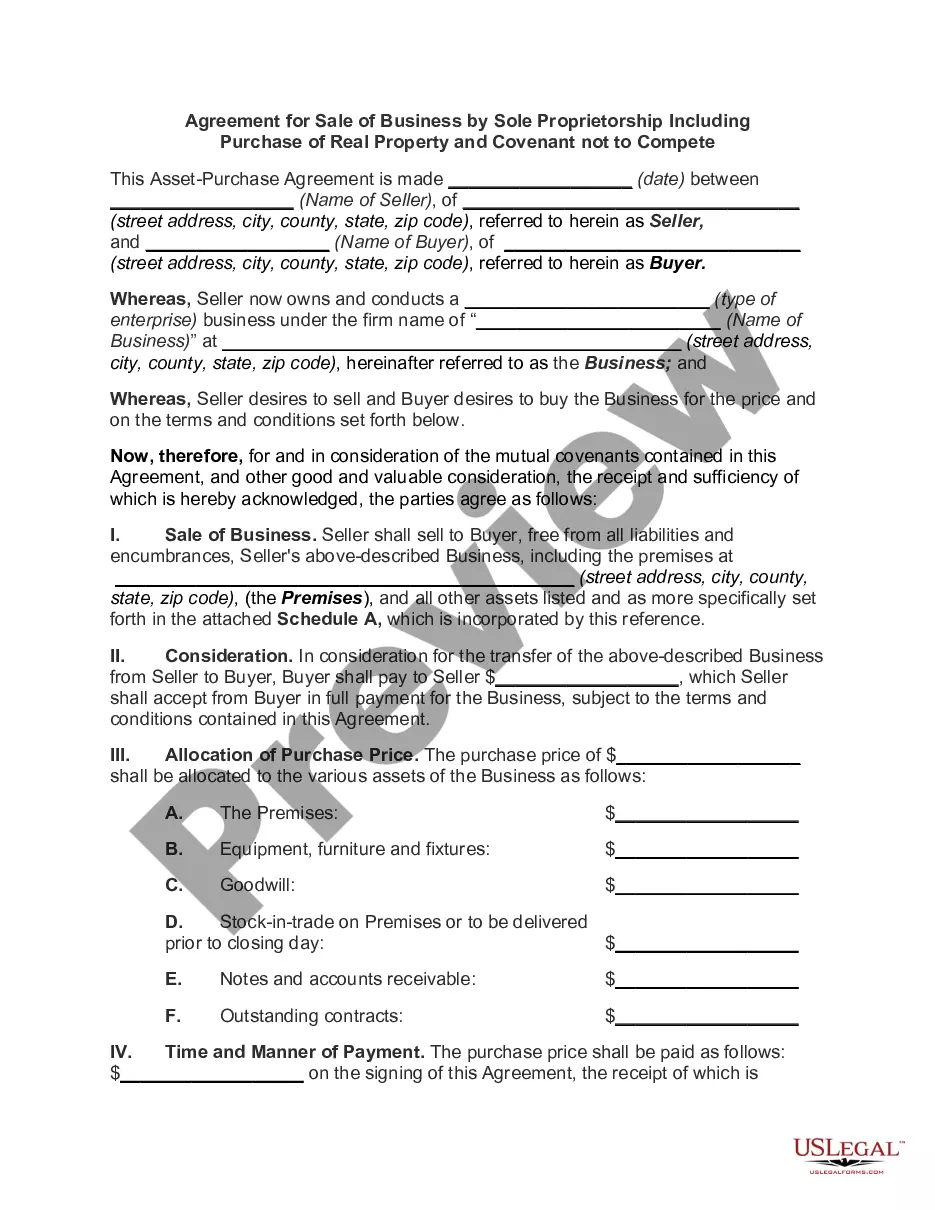
Get your form ready online
Our built-in tools help you complete, sign, share, and store your documents in one place.
Make edits, fill in missing information, and update formatting in US Legal Forms—just like you would in MS Word.
Download a copy, print it, send it by email, or mail it via USPS—whatever works best for your next step.
Sign and collect signatures with our SignNow integration. Send to multiple recipients, set reminders, and more. Go Premium to unlock E-Sign.
If this form requires notarization, complete it online through a secure video call—no need to meet a notary in person or wait for an appointment.
We protect your documents and personal data by following strict security and privacy standards.

Make edits, fill in missing information, and update formatting in US Legal Forms—just like you would in MS Word.

Download a copy, print it, send it by email, or mail it via USPS—whatever works best for your next step.

Sign and collect signatures with our SignNow integration. Send to multiple recipients, set reminders, and more. Go Premium to unlock E-Sign.

If this form requires notarization, complete it online through a secure video call—no need to meet a notary in person or wait for an appointment.

We protect your documents and personal data by following strict security and privacy standards.
Looking for another form?










Form popularity
FAQ
The disadvantages of sole proprietorship include unlimited personal liability, meaning your personal assets could be at risk if your business faces legal issues. Additionally, it may be challenging to raise capital due to the lack of corporate structure. A sole proprietor with employees might face difficulties in managing taxes and regulatory compliance. For these reasons, tools like US Legal Forms can help streamline business operations and safeguard your interests.
To hire employees as a sole proprietor in the Philippines, you need to register your business with the government and comply with labor laws. You should also prepare employment contracts and establish payroll systems for tax deductions. Resources like US Legal Forms can simplify the documentation process, making your hiring experience smoother.
No, a sole proprietorship cannot have two people as owners. By definition, a sole proprietorship is owned by one individual. However, if you want to operate with a partner, consider forming a partnership or a limited liability company (LLC). This change can provide additional benefits while still allowing you to hire employees.
In India, a sole proprietorship can hire employees, similar to the structure in the U.S. This allows sole proprietors to expand their operations and provide jobs. It is essential to follow local labor laws regarding wages, benefits, and working conditions. Using resources like US Legal Forms can help navigate these regulations effectively.
Yes, a sole proprietor can have W-2 employees. This means that you can hire staff and provide them with benefits, including tax withholdings, insurance, and retirement plans. Managing employees as a sole proprietor requires you to comply with federal and state regulations. For a smooth process, consider using platforms like US Legal Forms to handle your employment documentation.
A sole partnership refers to a business structure that combines elements of both a sole proprietorship and a partnership, though it's not commonly recognized as a formal term. Essentially, it suggests a scenario where a sole proprietor takes on partners to share the venture's responsibilities. This approach can benefit a sole proprietorship with employees by combining independence with shared resources.
Yes, a sole proprietor can hire employees in Malaysia. However, they must adhere to the local regulations regarding employment and taxation. This flexibility allows a sole proprietorship with employees to expand its workforce, opening doors to improved productivity and service delivery.
A partnership fosters collaboration, which enhances creativity and innovation. Unlike a sole proprietorship, where decisions rest solely on one person, partnerships draw on different viewpoints. This collaborative spirit is particularly beneficial for a sole proprietorship with employees, ensuring varied ideas drive the business forward.
Partnerships can provide a more robust business structure than a sole trader arrangement. For instance, they allow for shared financial burden, decreasing the risk for an individual. This feature is vital for sole proprietorships with employees, as it ensures that financial responsibilities can be shared, leading to better stability.
A partnership can offer greater capital opportunities compared to a sole proprietorship. Partners can contribute personal funds and investments, which can be crucial for growth and expansion. This aspect particularly benefits a sole proprietorship with employees, as it creates a stronger financial foundation for hiring and development.
