Owner Finance Contract For Deed
Description
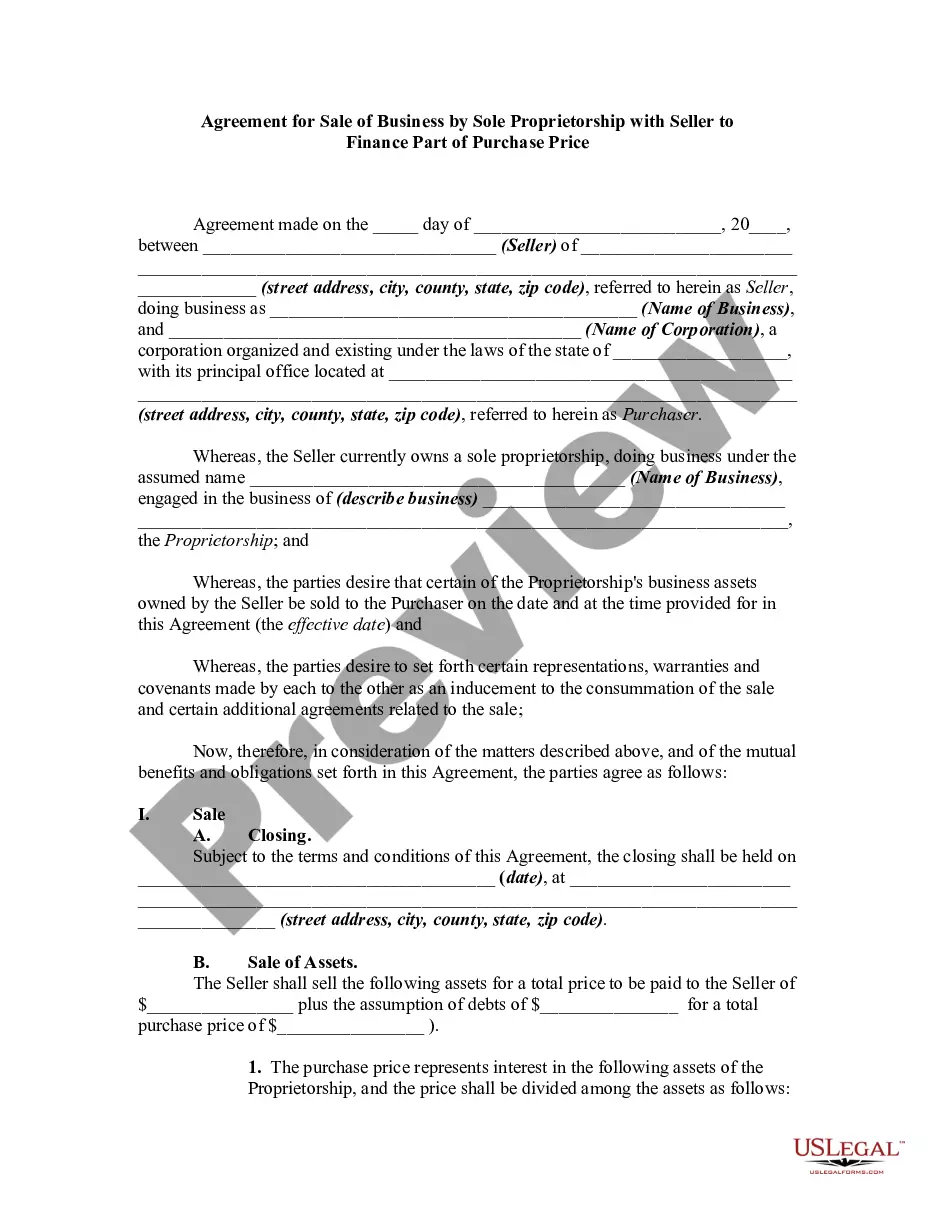
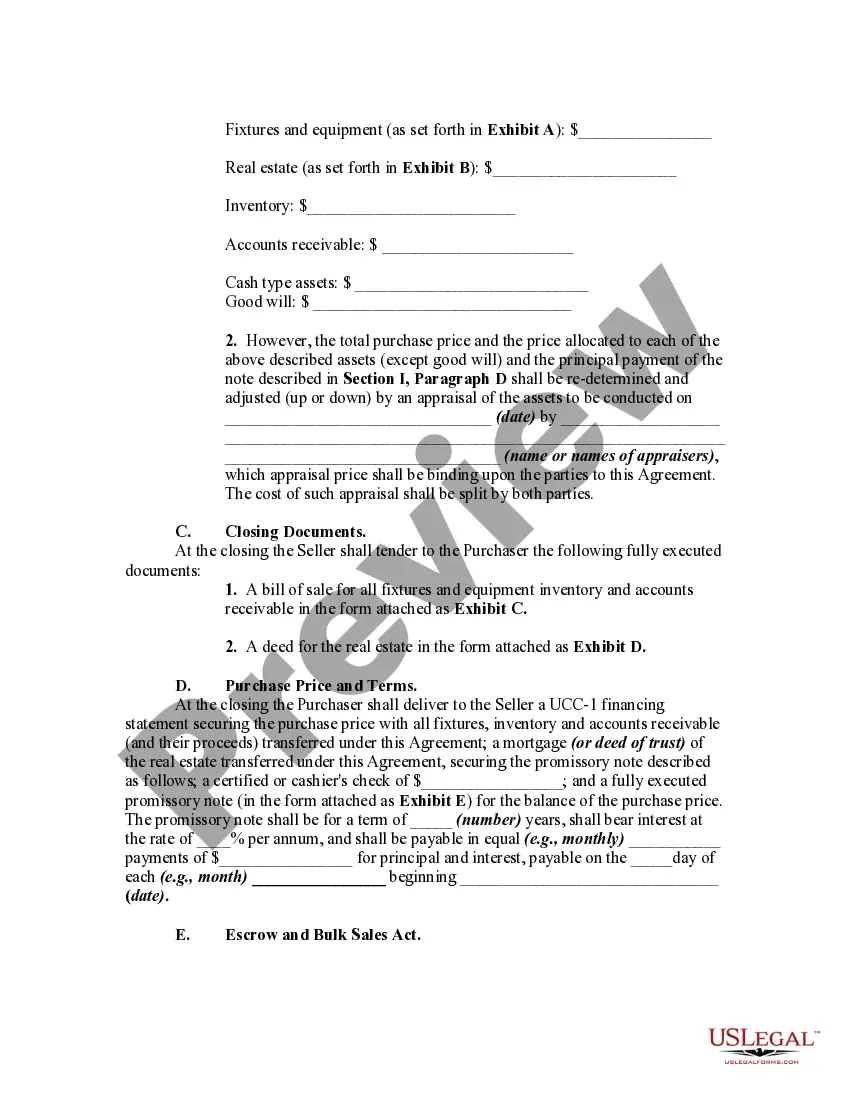
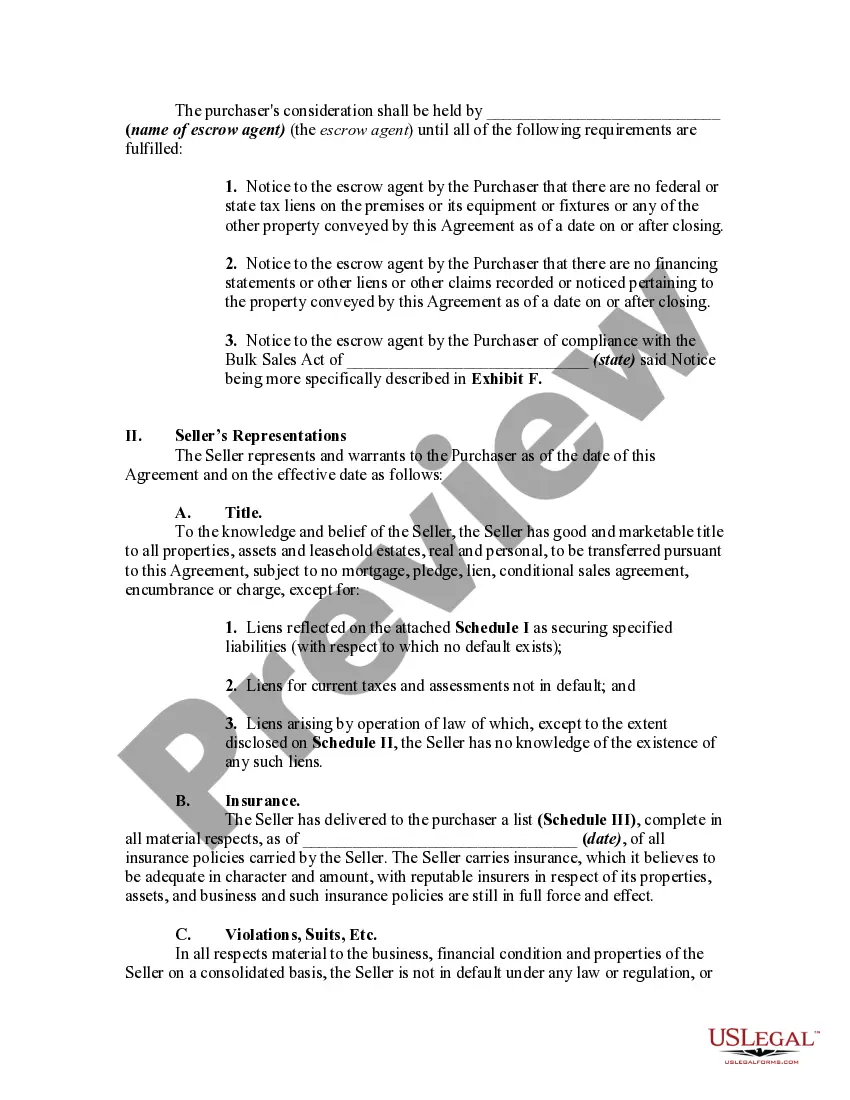
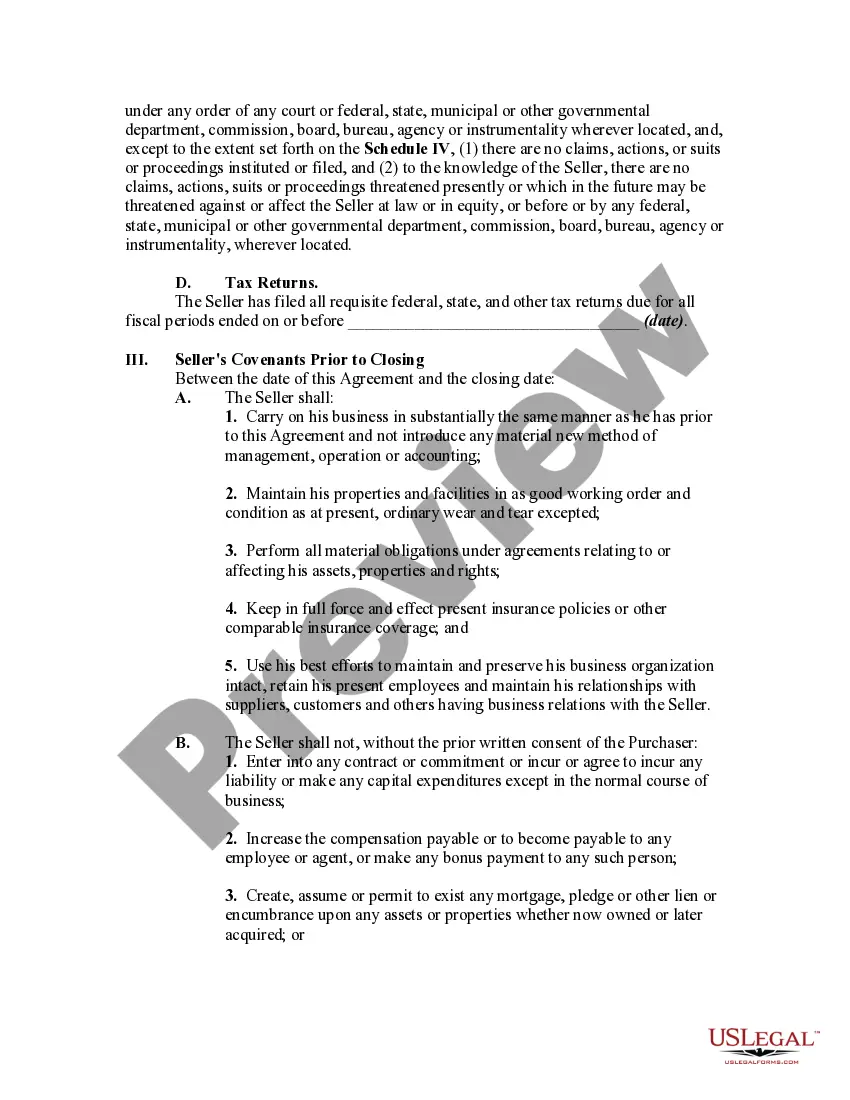
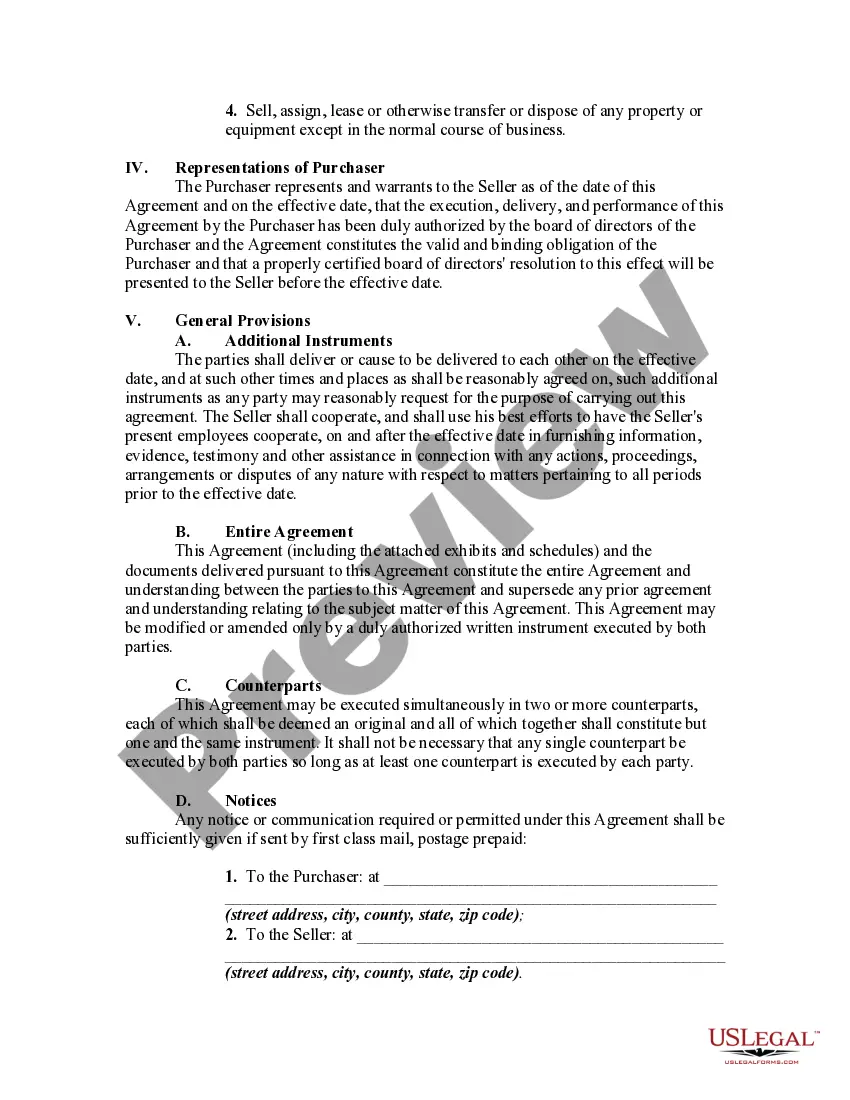
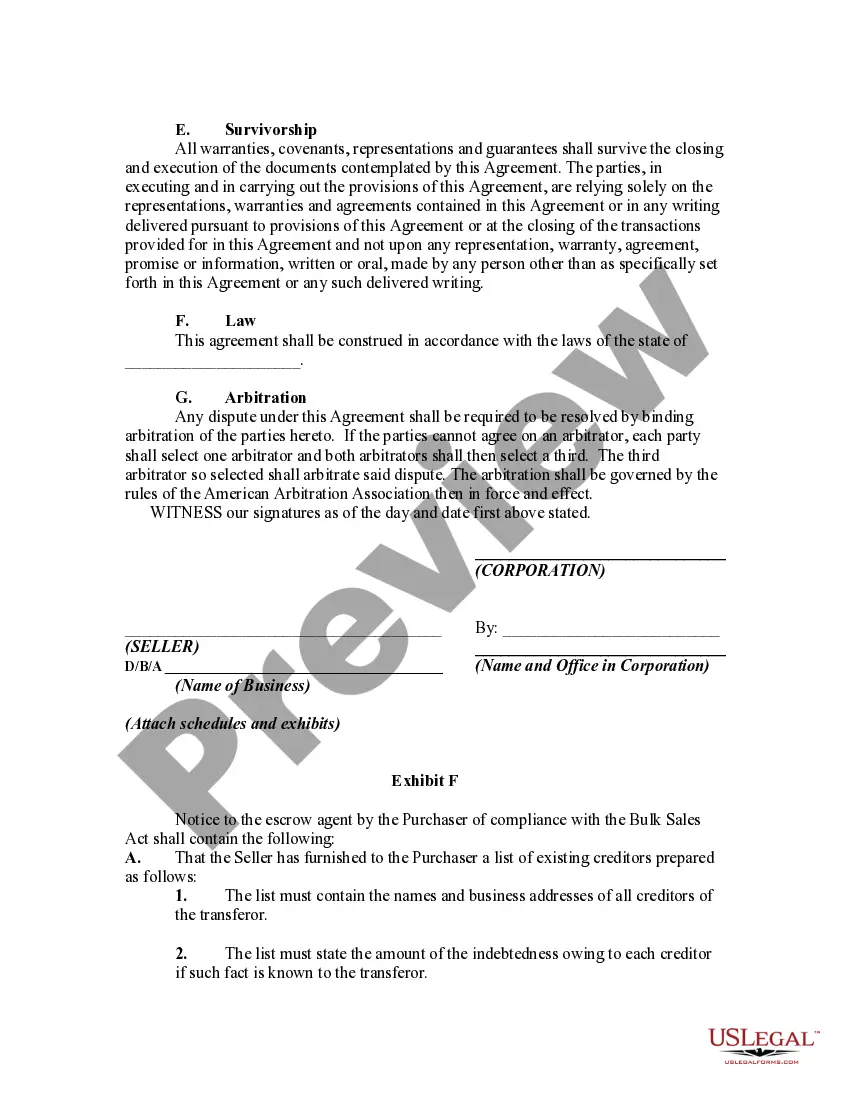
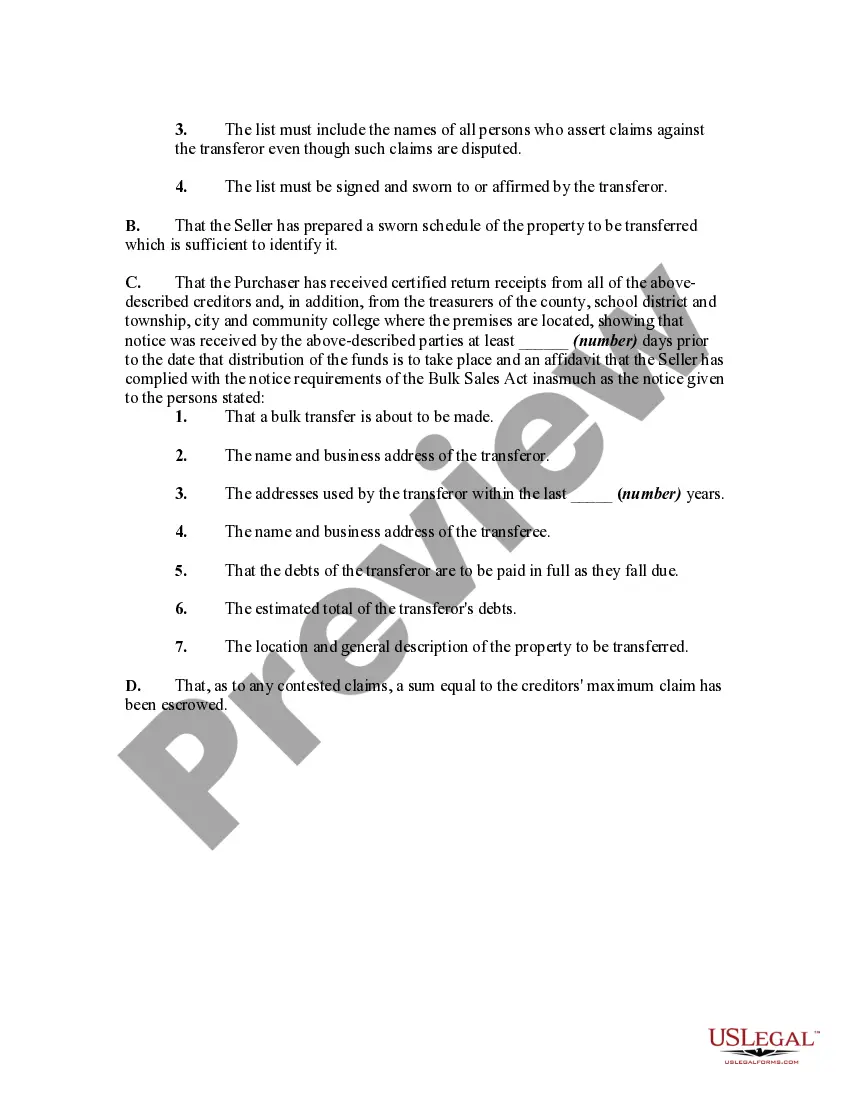
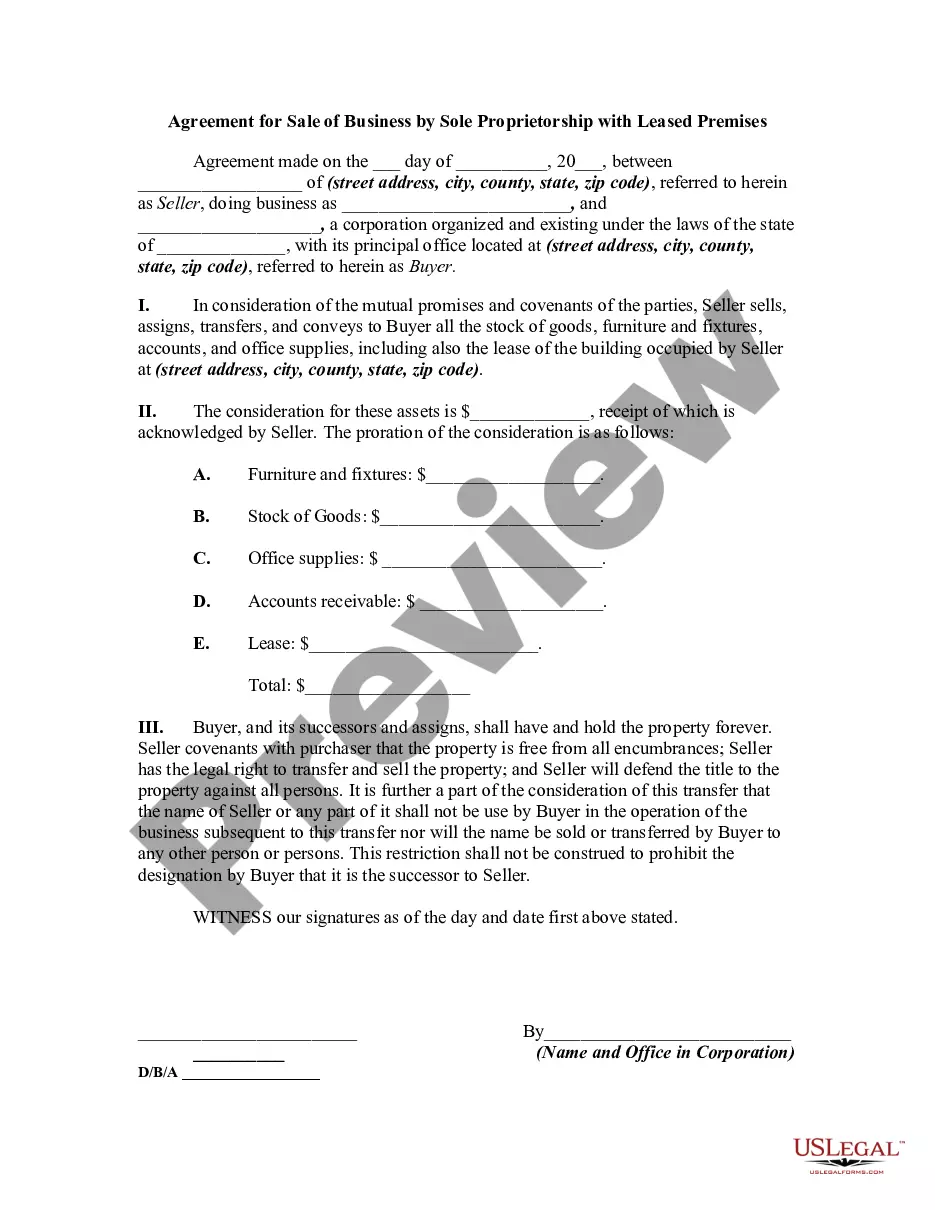
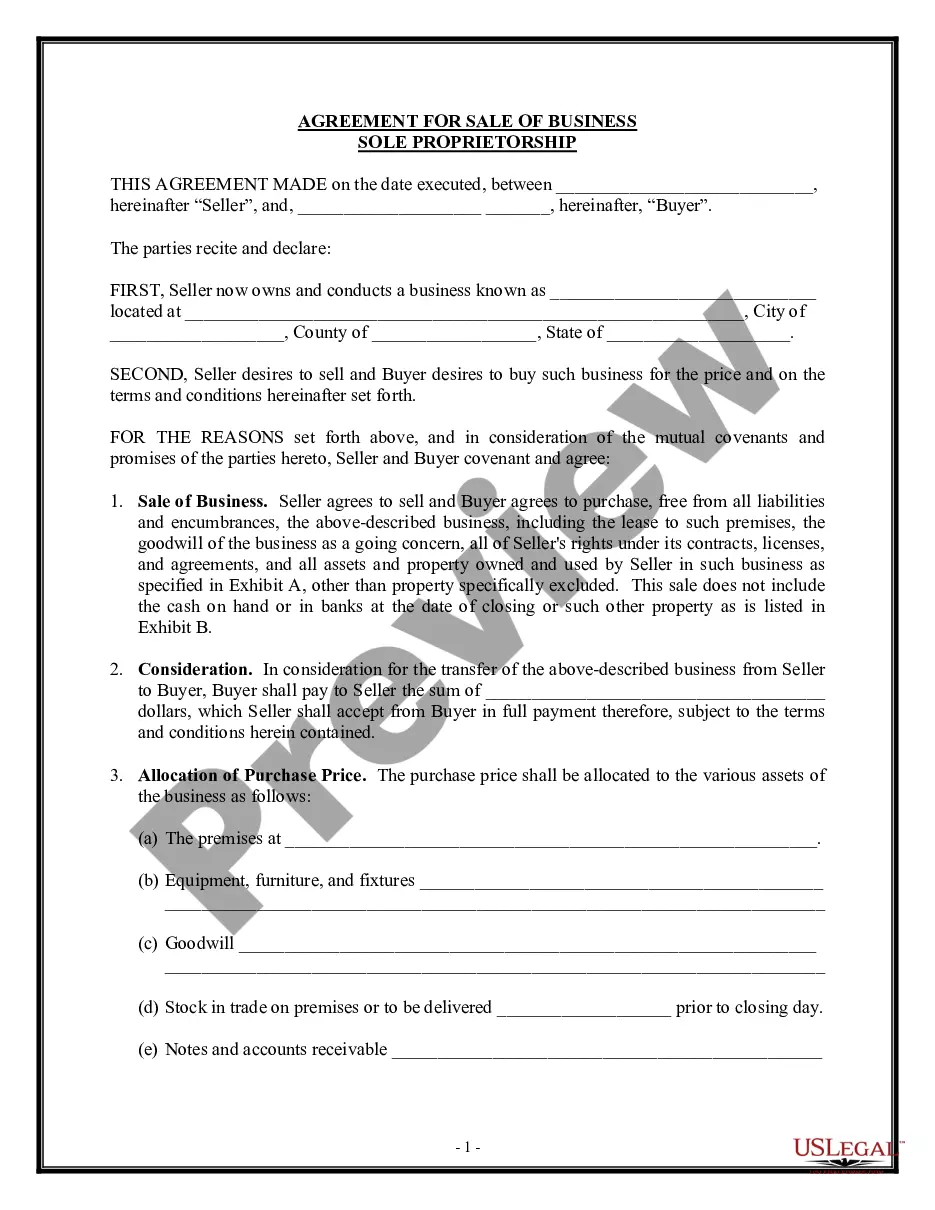




How to fill out Agreement For Sale Of Business By Sole Proprietorship With Seller To Finance Part Of Purchase Price?
Handling legal documents and procedures can be a lengthy addition to your schedule.
Owner Finance Contract For Deed and similar forms usually require you to locate them and comprehend how to fill them out correctly.
Consequently, whether you are addressing financial, legal, or personal issues, possessing a comprehensive and accessible online database of forms at your disposal will greatly assist.
US Legal Forms is the premier online resource for legal templates, boasting over 85,000 state-specific documents and a range of tools to help you complete your paperwork effortlessly.
Is it your first time using US Legal Forms? Register and create your account in a matter of minutes to gain access to the document library and Owner Finance Contract For Deed. Then, follow the steps below to finalize your document: Ensure you have identified the correct document by utilizing the Preview feature and reviewing the document description. Select Buy Now once you are ready, and choose the monthly subscription plan that suits your requirements. Click Download, then complete, eSign, and print the document. US Legal Forms has twenty-five years of experience assisting users in managing their legal documents. Find the document you need today and streamline any process effortlessly.
- Browse the collection of suitable documents available to you with just a single click.
- US Legal Forms offers you state- and county-specific documents accessible at any time for download.
- Protect your document management processes by utilizing a high-quality service that enables you to assemble any document in minutes without extra or concealed charges.
- Simply Log In to your account, locate Owner Finance Contract For Deed, and obtain it instantly from the My documents section.
- You can also retrieve previously saved documents.
Form popularity
FAQ
Yes, seller financing can indeed be structured as a contract for deed. This method allows the seller to maintain title to the property while the buyer makes payments over time. This arrangement can benefit both parties, offering flexibility and alternative financing options. To create a compliant and effective owner finance contract for deed, consider leveraging tools available from US Legal Forms.
While owner financing can be a great solution, it does come with potential downsides. For instance, the buyer might face a higher interest rate compared to traditional loans, and the seller carries the risk of default. Additionally, without proper legal documentation, disputes can arise, making it crucial to use a well-structured owner finance contract for deed. Utilizing platforms like US Legal Forms can help ensure all legal aspects are covered.
Owner financing and a contract for deed are similar but not identical. An owner finance contract for deed allows the buyer to make payments directly to the seller, but the seller retains title until the buyer completes the payments. This arrangement provides benefits for both parties, such as a streamlined transaction and flexibility. However, it is essential to understand the specific terms outlined in the contract.
Yes, a contract for deed is often considered a type of owner financing. In this arrangement, the seller retains the deed while the buyer makes payments over time. Understanding this relationship is crucial, as it impacts the rights and responsibilities of both parties involved in the owner finance contract for deed.
Typically, the buyer is responsible for paying property taxes in an owner financing arrangement. However, this responsibility should be clearly outlined in the owner finance contract for deed. It's important for both parties to agree on tax responsibilities to avoid any misunderstandings down the line.
Owner financing can be easier to obtain compared to traditional financing. Buyers who may struggle with credit history or obtaining bank loans often find this option more accessible. However, the terms can vary widely, so it is essential to review the owner finance contract for deed carefully to understand the obligations involved.
In seller financing, the seller retains ownership of the deed until the buyer fulfills the terms of the owner finance contract for deed. This means that the buyer has equitable interest in the property but does not hold the legal title until the financing is complete. This arrangement can provide security for the seller while allowing the buyer to occupy the property.
To file a contract for a deed, you must first ensure that both parties agree to the terms. Next, draft the owner finance contract for deed, clearly outlining payment terms and property details. Afterward, you need to sign the document in front of a notary. Finally, file the signed contract with your local county recorder's office to make it legally binding.