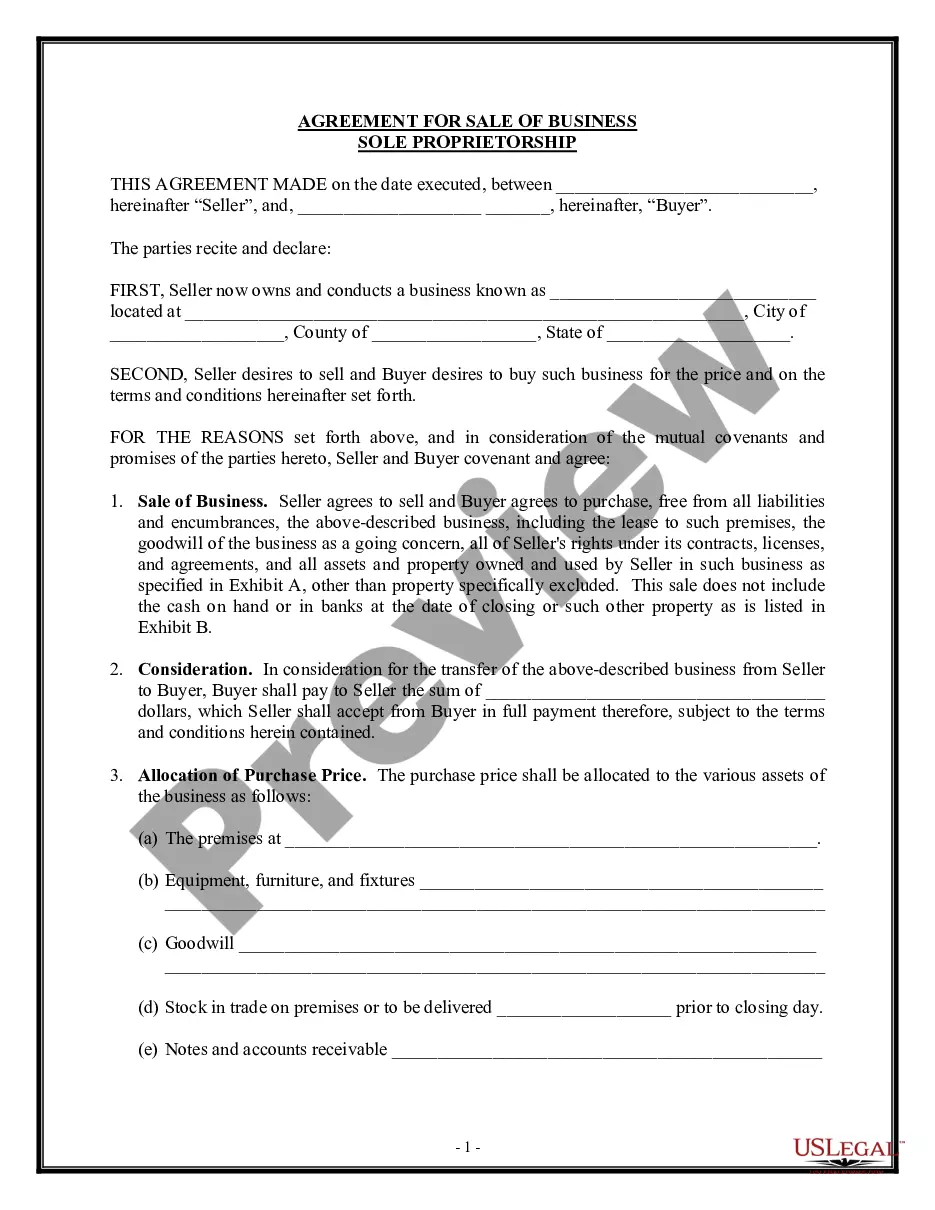
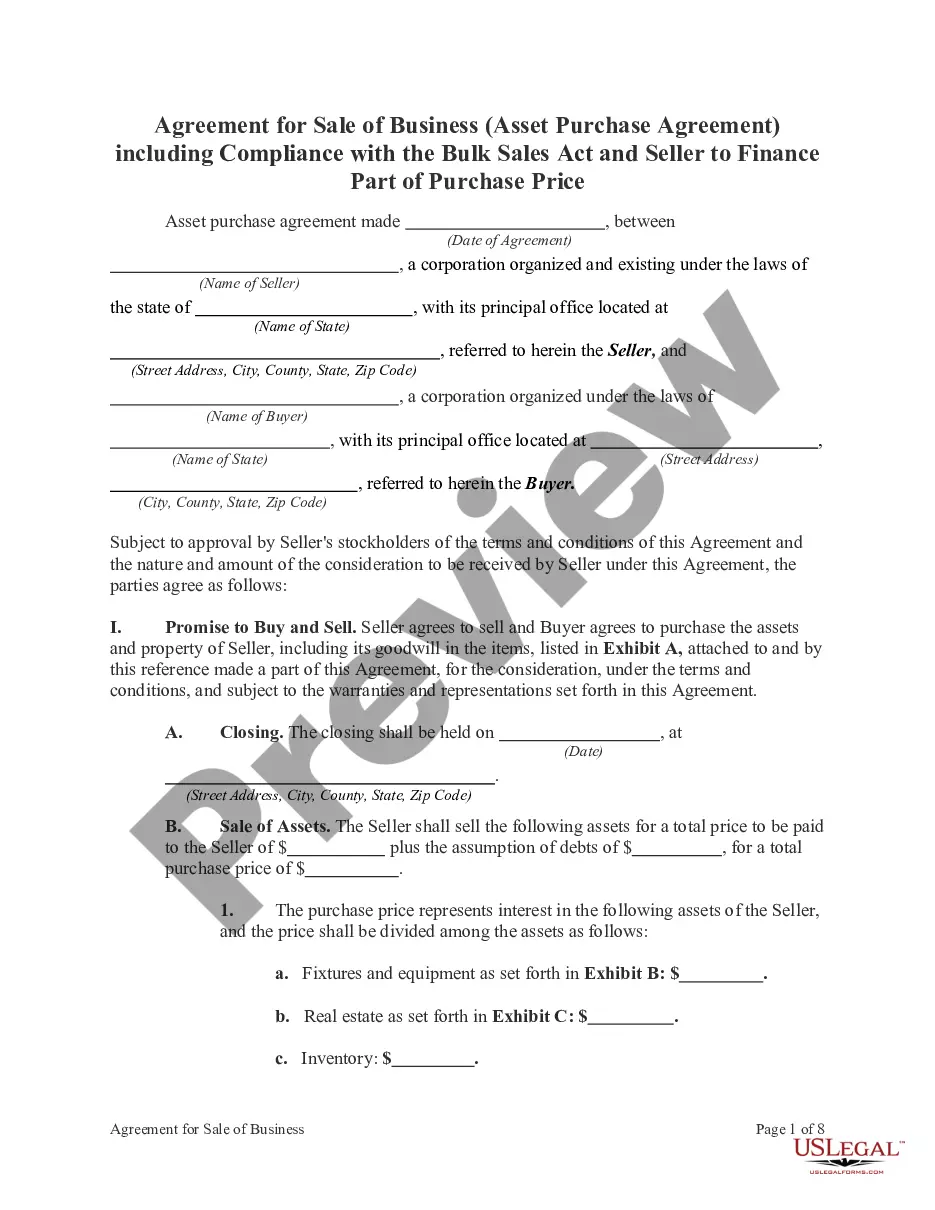
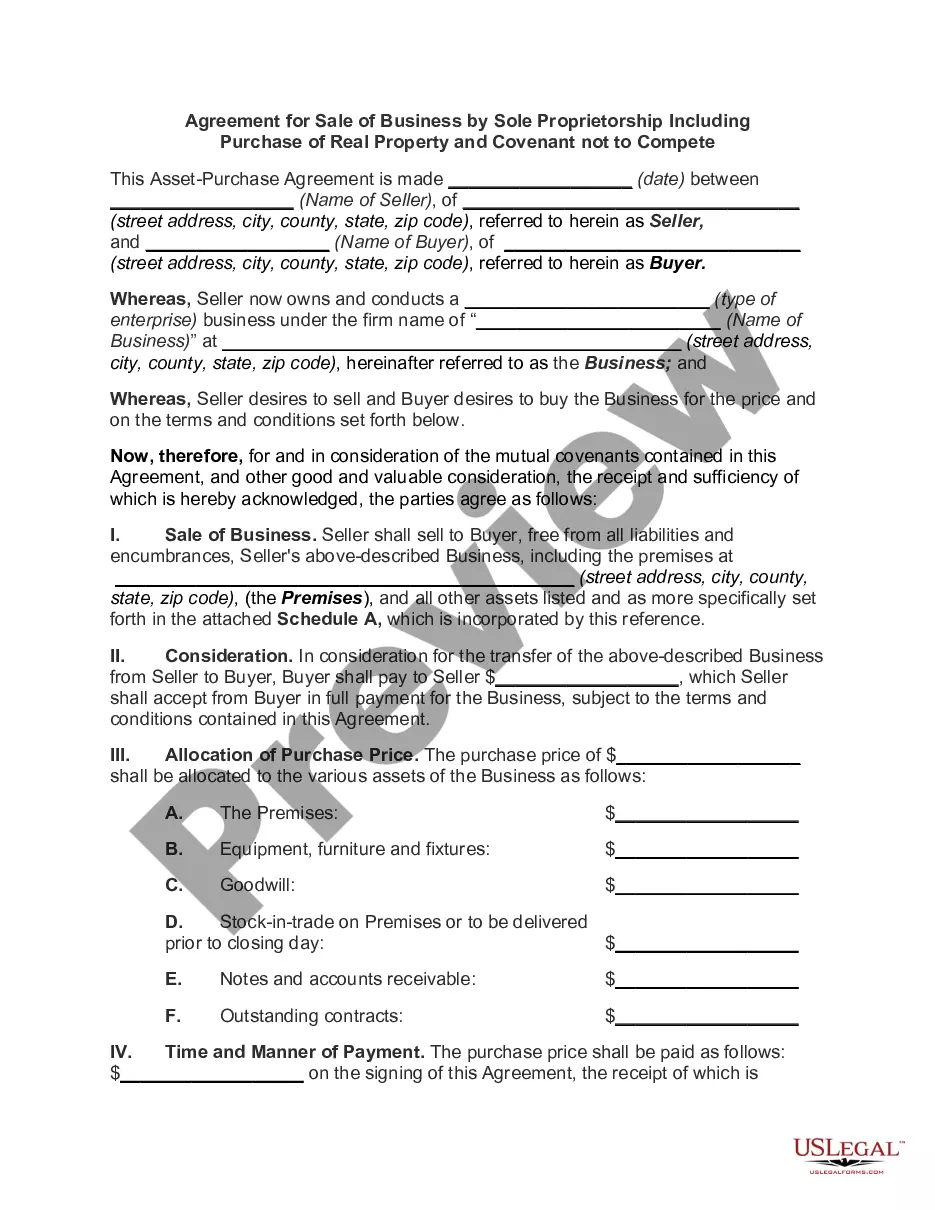
Asset Sale Purchase Price Allocation
Description
Get your form ready online
Our built-in tools help you complete, sign, share, and store your documents in one place.
Make edits, fill in missing information, and update formatting in US Legal Forms—just like you would in MS Word.
Download a copy, print it, send it by email, or mail it via USPS—whatever works best for your next step.
Sign and collect signatures with our SignNow integration. Send to multiple recipients, set reminders, and more. Go Premium to unlock E-Sign.
If this form requires notarization, complete it online through a secure video call—no need to meet a notary in person or wait for an appointment.
We protect your documents and personal data by following strict security and privacy standards.

Make edits, fill in missing information, and update formatting in US Legal Forms—just like you would in MS Word.

Download a copy, print it, send it by email, or mail it via USPS—whatever works best for your next step.

Sign and collect signatures with our SignNow integration. Send to multiple recipients, set reminders, and more. Go Premium to unlock E-Sign.

If this form requires notarization, complete it online through a secure video call—no need to meet a notary in person or wait for an appointment.

We protect your documents and personal data by following strict security and privacy standards.
Looking for another form?







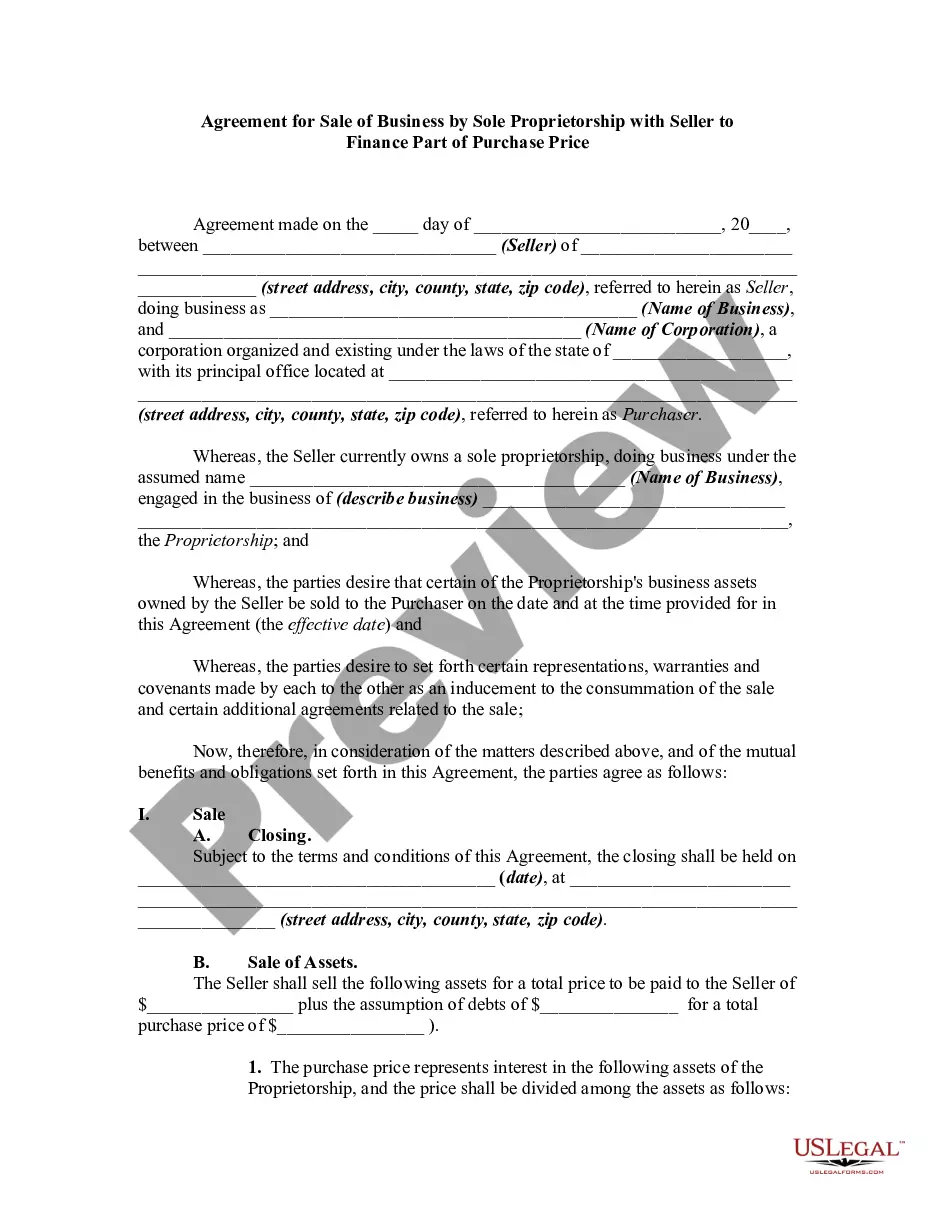
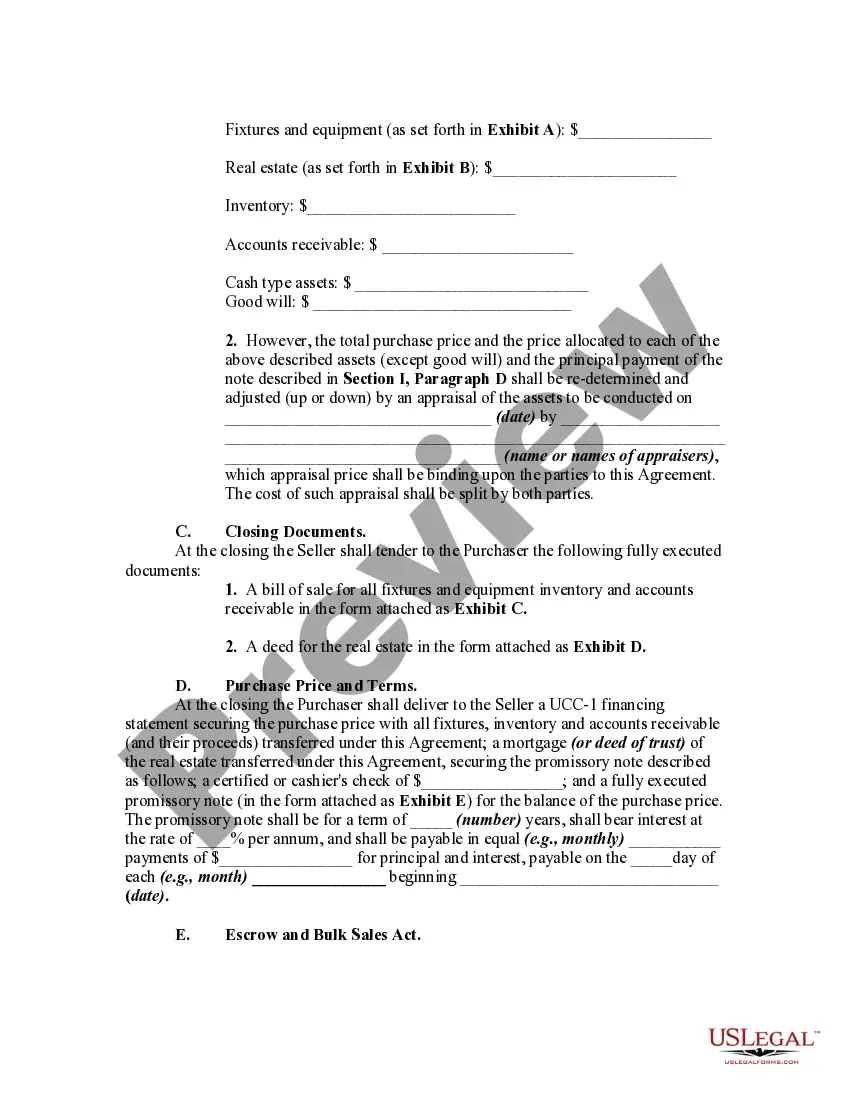
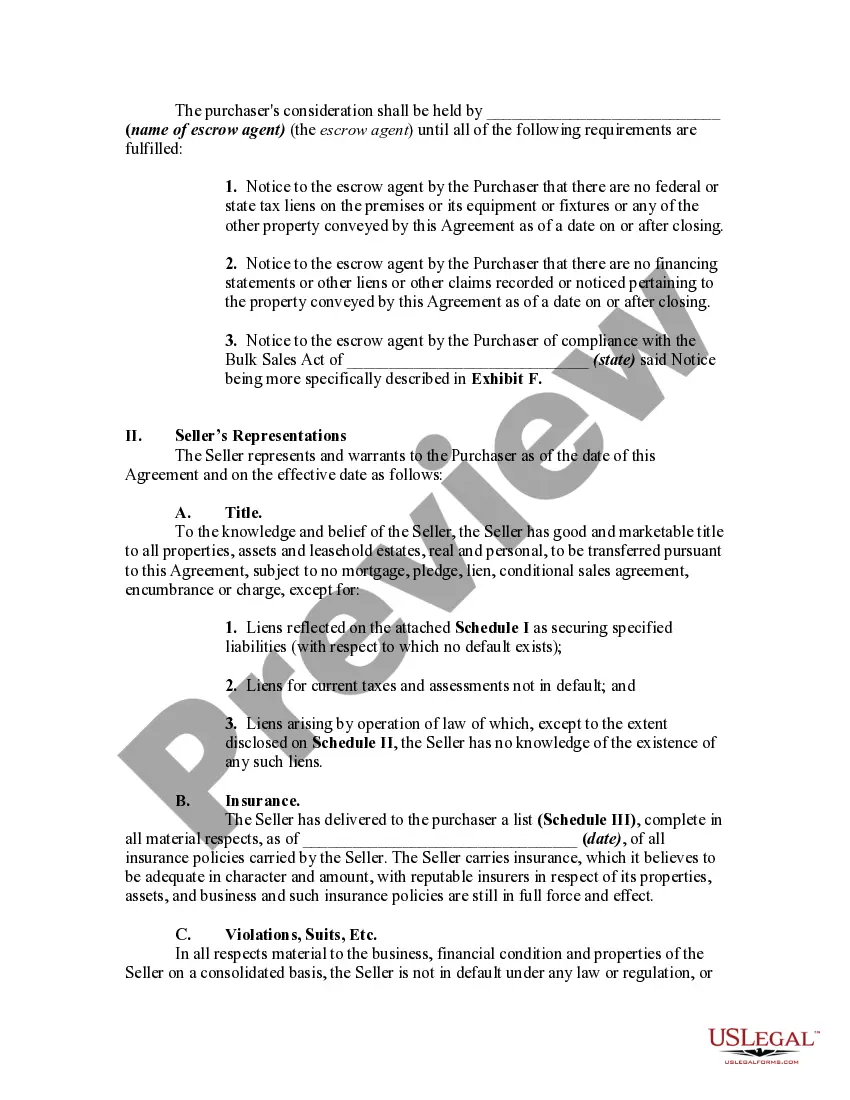
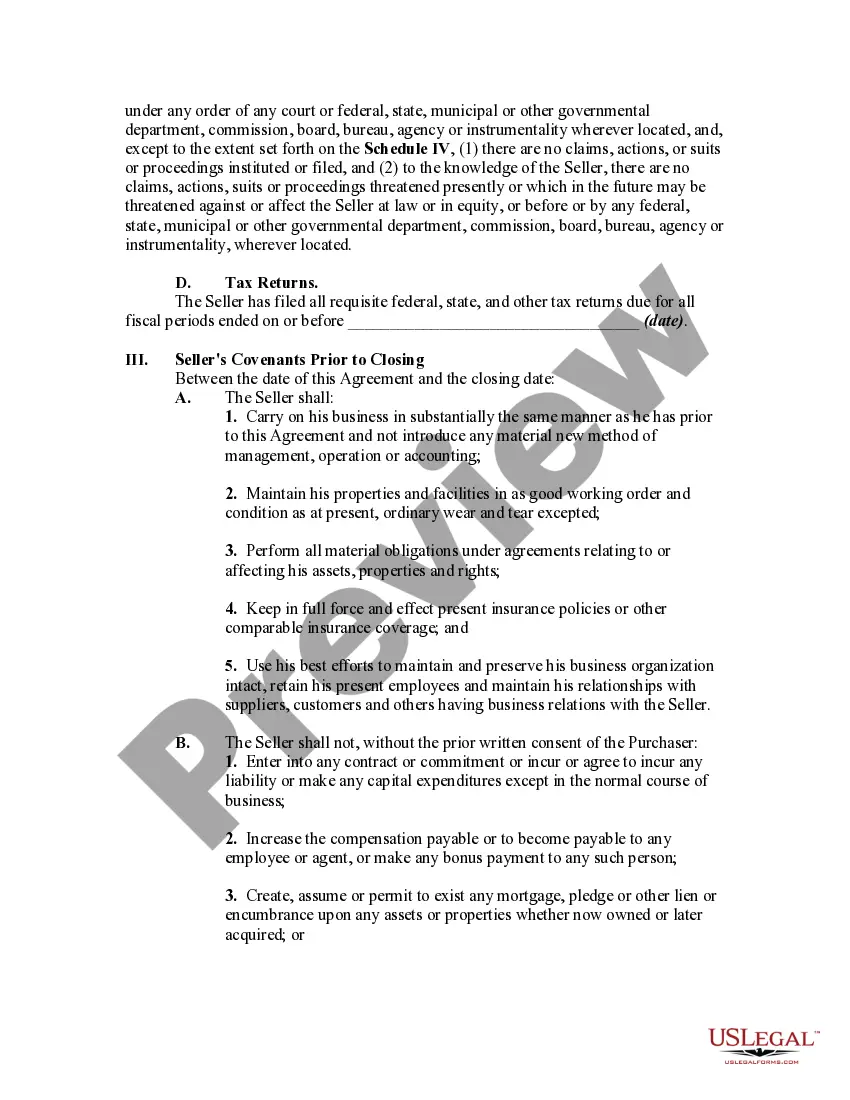
How to fill out Agreement For Sale Of Business By Sole Proprietorship With Seller To Finance Part Of Purchase Price?
It’s well-known that you cannot instantly transform into a legal expert, nor can you swiftly grasp how to prepare an Asset Sale Purchase Price Allocation without possessing a distinct set of abilities.
Assembling legal documents is an extensive procedure that demands specific training and expertise. So why not entrust the preparation of the Asset Sale Purchase Price Allocation to the experts.
With US Legal Forms, one of the most extensive libraries of legal templates, you can locate everything from court forms to templates for in-office correspondence.
You can access your forms again through the My documents tab at any time. If you’re a current client, you can simply Log In, and find and download the template from the same tab.
Regardless of the reasons for your documents—whether they are financial, legal, or personal—our website has you covered. Try US Legal Forms today!
- Identify the form you need using the search feature at the top of the page.
- Preview it (if this option is available) and review the accompanying description to determine whether the Asset Sale Purchase Price Allocation is what you’re looking for.
- Start your search anew if you require a different template.
- Create a free account and select a subscription plan to acquire the form.
- Click Buy now. Once the payment is finalized, you can download the Asset Sale Purchase Price Allocation, fill it out, print it, and send or mail it to the relevant individuals or organizations.
Form popularity
FAQ
Valuing a company for an asset purchase sale requires analyzing financial statements, market conditions, and the value of specific assets. A thorough evaluation looks at tangible and intangible assets, including equipment and customer relationships. Ensuring accurate and fair valuation supports a smooth transaction and helps in negotiations. For comprehensive guidance on this process, US Legal Forms provides valuable tools and resources tailored to your needs.
Typically, the purchase price allocation is prepared by financial professionals, such as accountants or valuation experts. They assess each asset's fair market value and categorize them according to the IRS guidelines. It's crucial to have accurate and compliant documentation to prevent future disputes or tax issues. US Legal Forms can guide you to the right templates and experts to ensure your PPA is done correctly.
The form 8594 allocation of sales price is a document used to report the allocation of the purchase price in an asset sale. This form helps both buyers and sellers categorize the sale into various asset classes, such as goodwill, inventory, and tangible assets. Proper completion of Form 8594 ensures compliance with tax regulations and facilitates fair tax treatment on both sides of the transaction. You can find guidance on this form through the US Legal Forms platform, which streamlines the process for users.
Both buyers and sellers should submit a purchase price allocation for the tax year of the sale. If the parties submit contradicting purchase price allocations, the IRS may challenge one or both of them; therefore, it is best practice for the parties to agree on an allocation prior to closing.
Reduce the purchase price by the amount of Class I assets (cash and equivalents) transferred from seller to buyer. Allocate the remaining purchase price to Class II assets (Securities), then to Class III (Accounts Receivable), IV (Inventory), V (Fixed Assets), and VI (Intangibles) assets in that order.
Clauses to fill in the form 8594 Line 1: Fill in the name, address and TIN of the other party of the transaction (either the purchaser or seller). The TIN of the other party is required in the form. ... Line 2: Indicate the date on which the sale of the assets happened. Line 3: Enter the total value of the assets exchanged.
Generally, a purchase price allocation is an exercise that identifies each individual asset purchased, tangible and intangible, as well as any liabilities, then the assets are assigned a value. Typically, it is a three-step process: Determining the purchase price (total consideration paid)
Purchase price allocation example Company B's book value of assets equals $8 billion, while its book value of liabilities equals $2 billion. To calculate net identifiable assets, you subtract the liabilities ($2 billion) from the assets ($8 billion) to equal $6 billion.