Sole Proprietorship For Taxes
Description
Get your form ready online
Our built-in tools help you complete, sign, share, and store your documents in one place.
Make edits, fill in missing information, and update formatting in US Legal Forms—just like you would in MS Word.
Download a copy, print it, send it by email, or mail it via USPS—whatever works best for your next step.
Sign and collect signatures with our SignNow integration. Send to multiple recipients, set reminders, and more. Go Premium to unlock E-Sign.
If this form requires notarization, complete it online through a secure video call—no need to meet a notary in person or wait for an appointment.
We protect your documents and personal data by following strict security and privacy standards.

Make edits, fill in missing information, and update formatting in US Legal Forms—just like you would in MS Word.

Download a copy, print it, send it by email, or mail it via USPS—whatever works best for your next step.

Sign and collect signatures with our SignNow integration. Send to multiple recipients, set reminders, and more. Go Premium to unlock E-Sign.

If this form requires notarization, complete it online through a secure video call—no need to meet a notary in person or wait for an appointment.

We protect your documents and personal data by following strict security and privacy standards.
Looking for another form?

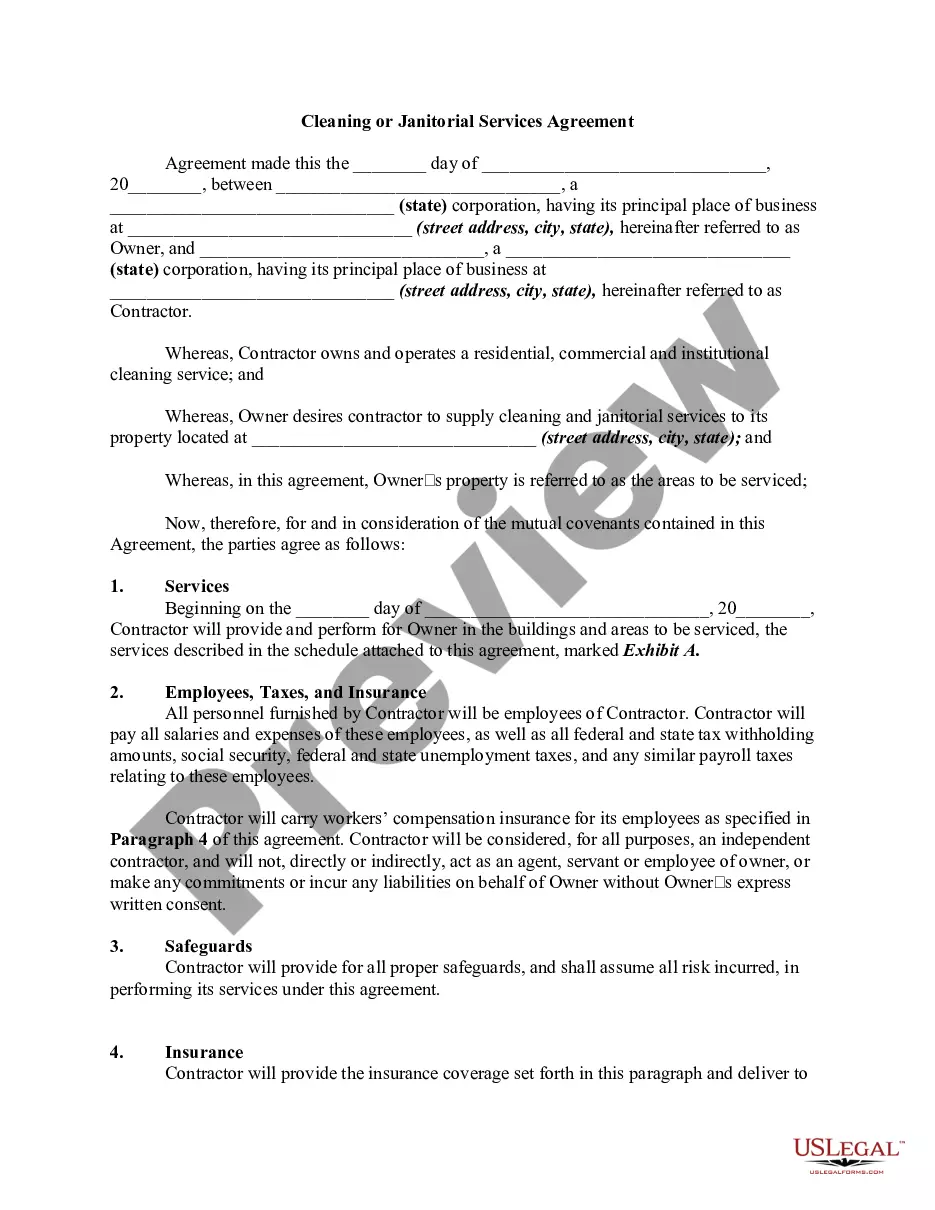



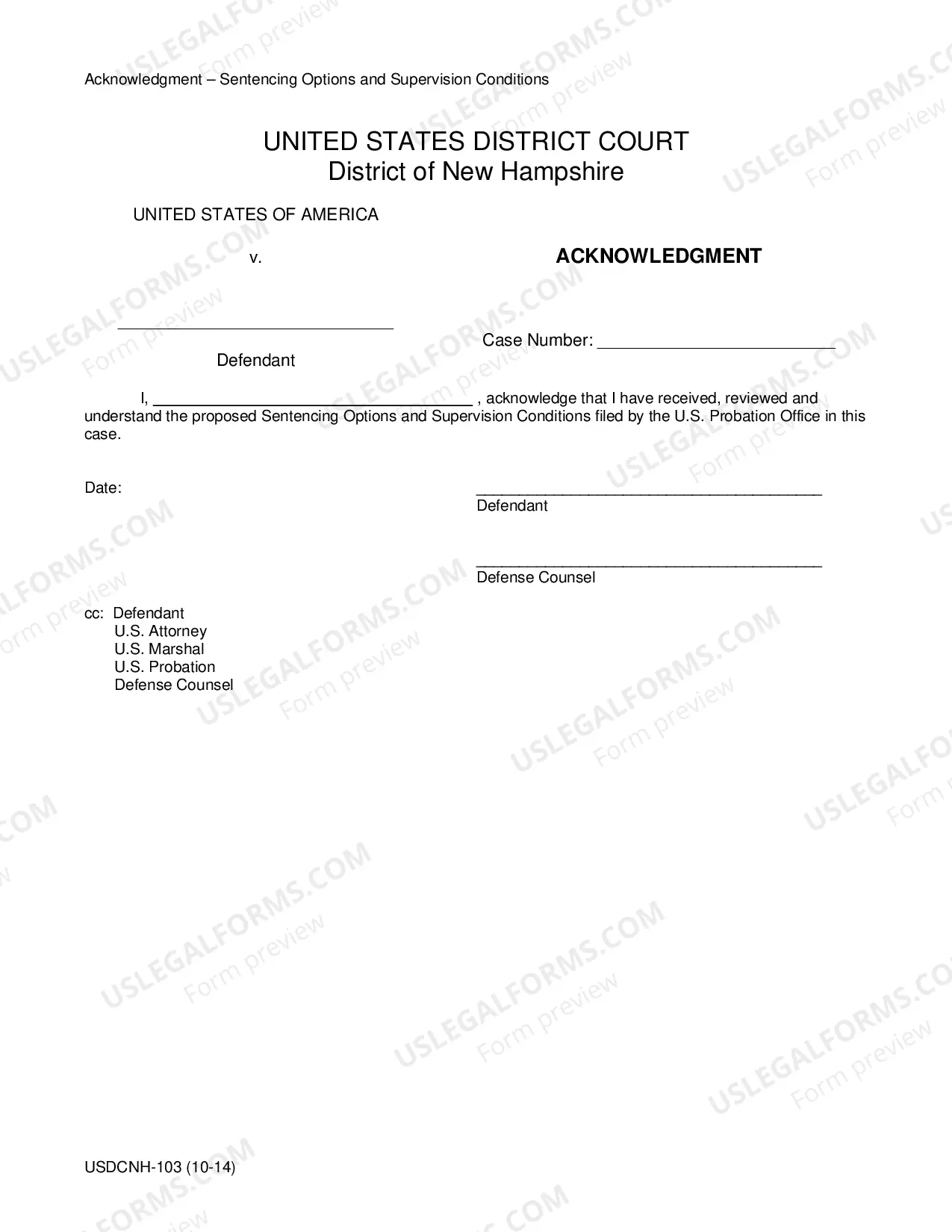
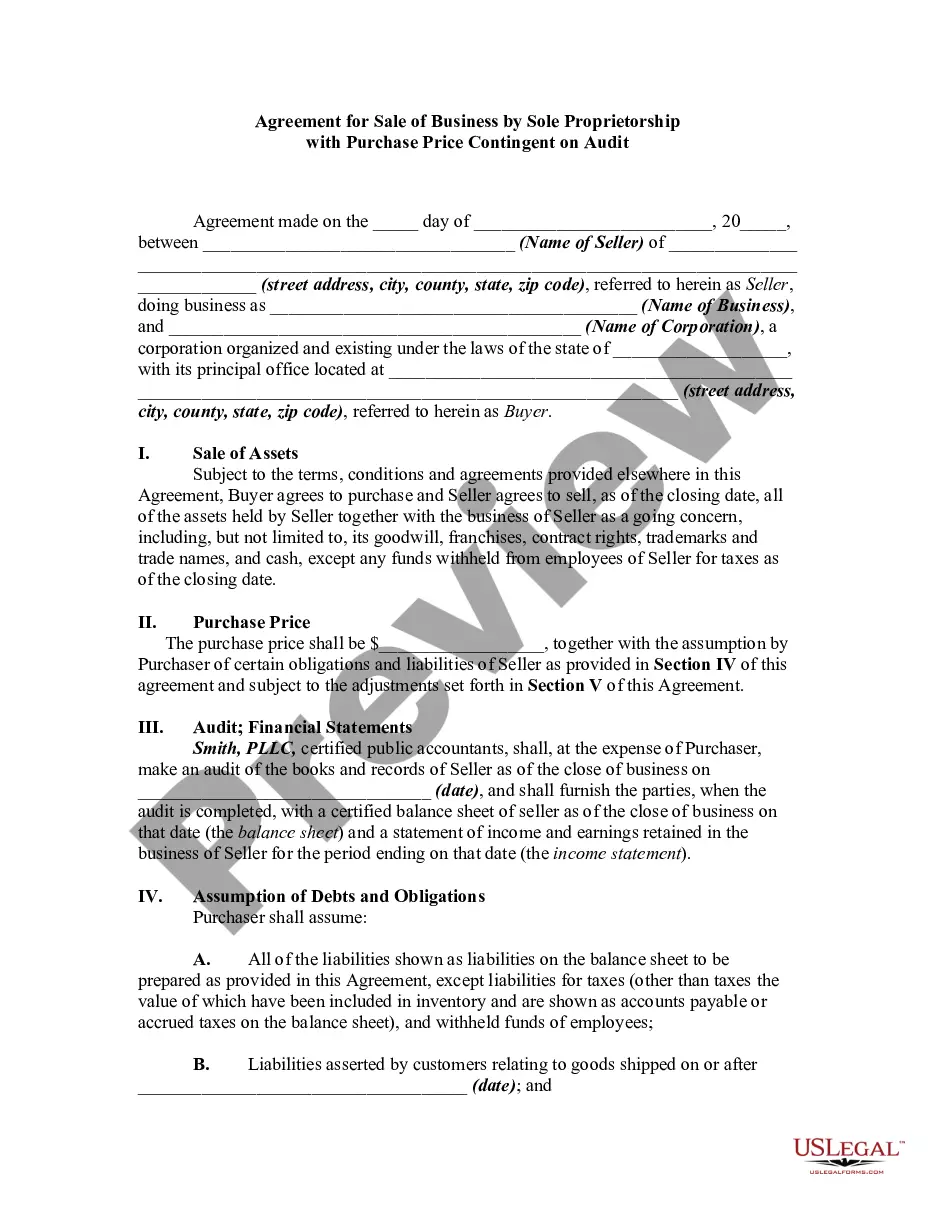
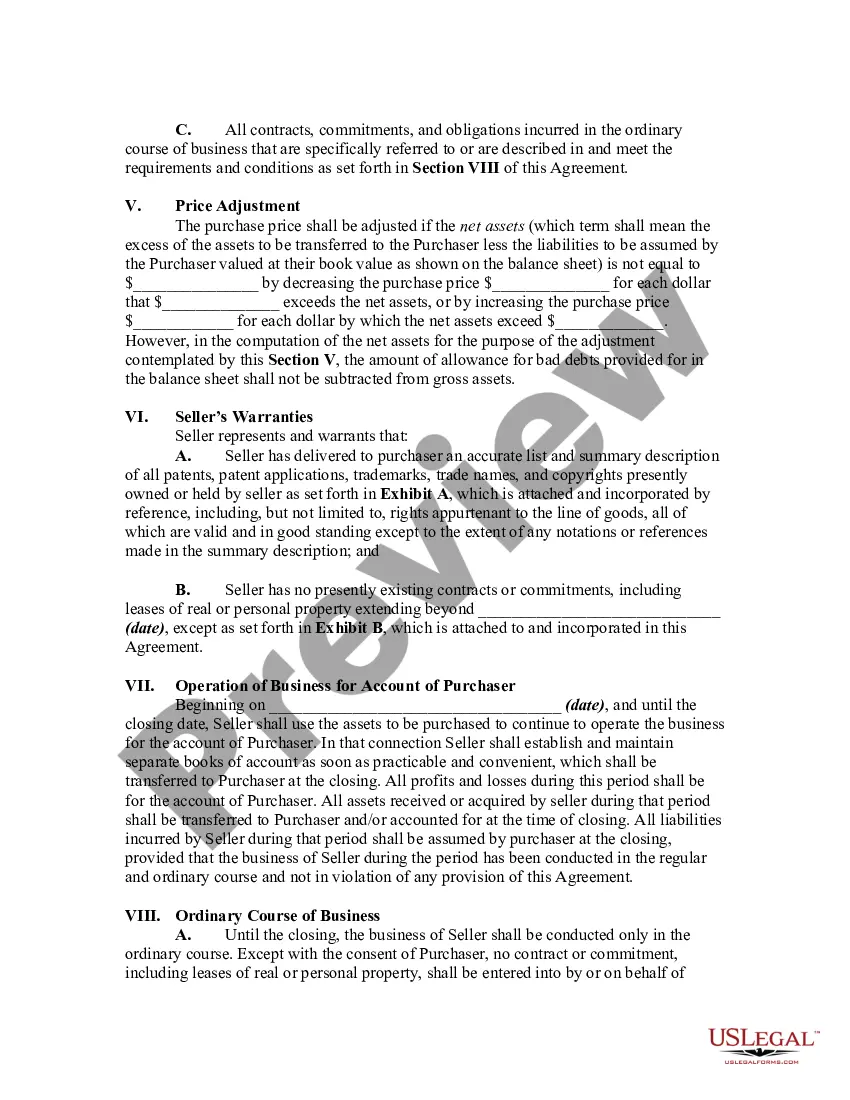
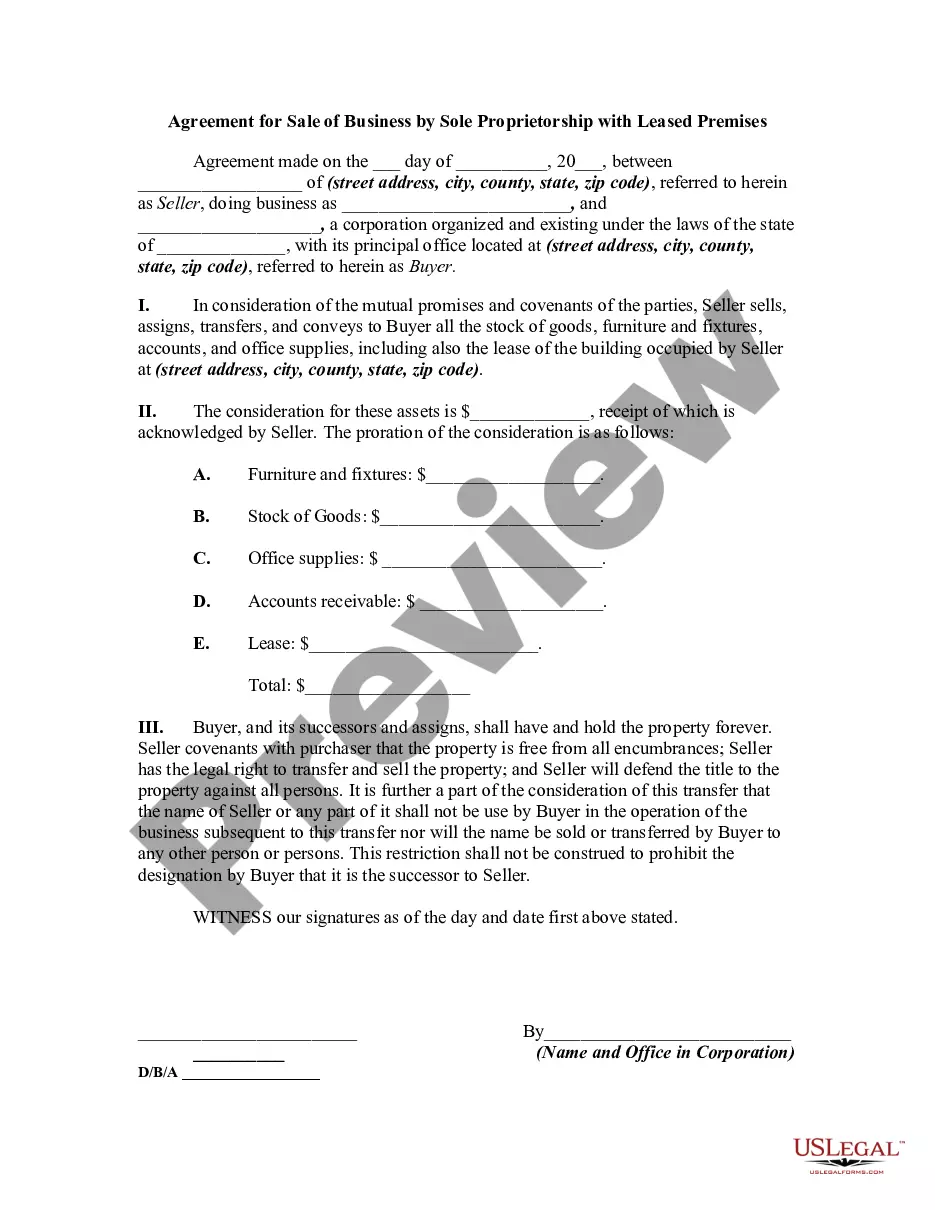
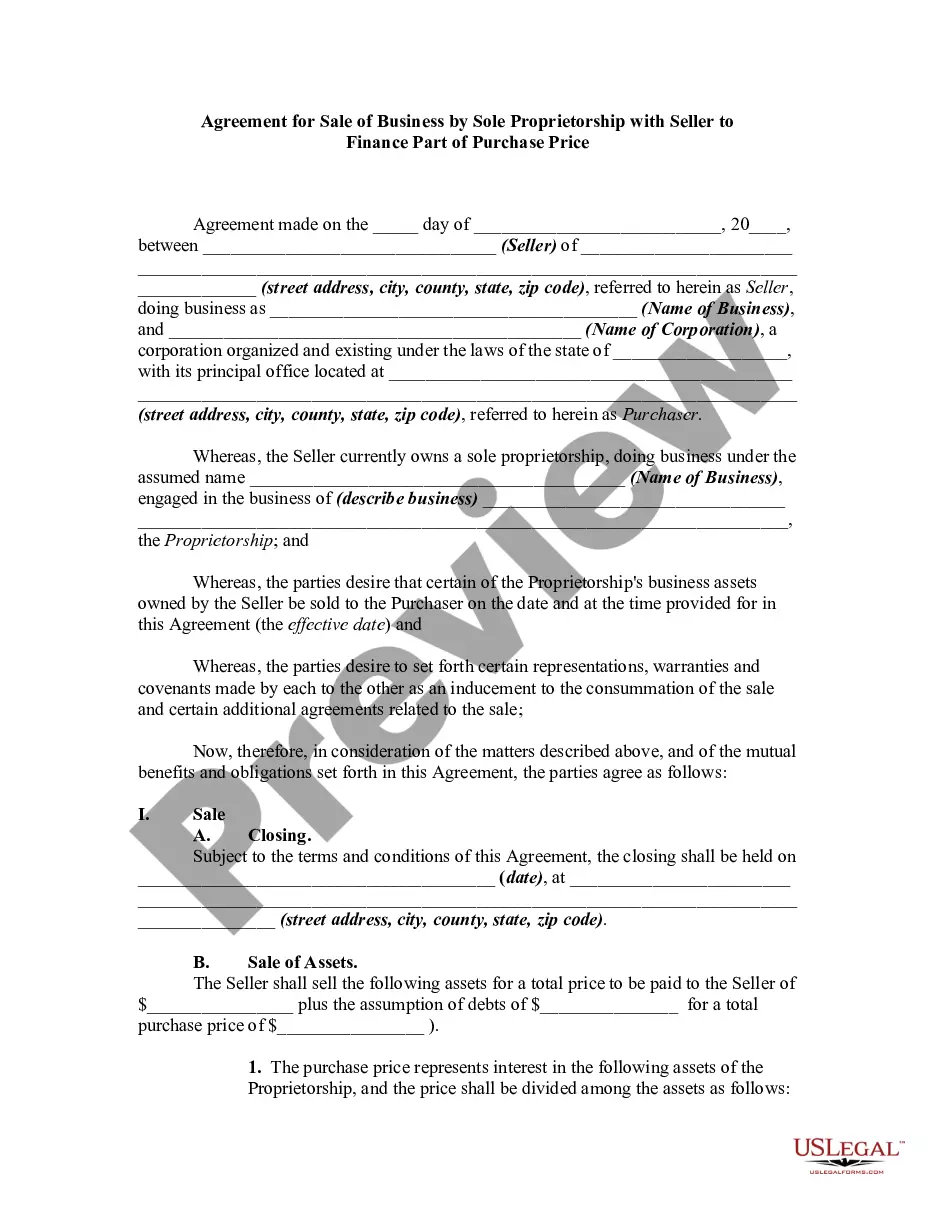
How to fill out Agreement For Sale Of Business By Sole Proprietorship With Purchase Price Contingent On Audit?
- Visit the US Legal Forms website.
- If you are a returning user, log in to your account to access previously downloaded forms. Ensure your subscription is active and renew if necessary.
- For new users, browse through the extensive library by checking the Preview mode and form descriptions to select the appropriate document that meets your local jurisdiction requirements.
- If you need to find another template, use the Search tab for swift navigation through our robust collection.
- Select the appropriate document and click on the Buy Now button. Choose a subscription plan that best fits your needs.
- Complete your purchase by entering your payment details or using your PayPal account for a seamless transaction.
- After purchase, download your document directly to your device, and you can find it later in the My Forms section of your profile.
Successfully managing your sole proprietorship for taxes becomes much simpler when you take advantage of the resources available through US Legal Forms.
Start your journey towards easier tax management today by accessing our comprehensive library of legal forms!
Form popularity
FAQ
Choosing between an LLC and a sole proprietorship often depends on your specific business needs. Sole proprietorships are simpler to manage and cheaper to maintain, especially for tax purposes. However, if you seek liability protection and want to separate your assets, an LLC might be the better option. Evaluate your priorities, as both structures have distinct benefits.
To claim your status as a sole proprietor on taxes, you will need to fill out a Schedule C as part of your Form 1040. This form allows you to report income and expenses related to your business. By accurately listing your income and deducting necessary expenses, you will streamline your tax filing, maximizing the benefits of being a sole proprietorship for taxes.
Setting yourself up as a sole proprietor involves selecting your business name and ensuring it complies with local regulations. Next, you should register for any required permits or licenses specific to your trade. Utilizing a platform like USLegalForms can simplify this process, guiding you through the necessary steps to establish your sole proprietorship for taxes effectively.
To establish yourself as a sole proprietorship, you need to choose a business name and register it if required by your state. Then, obtain the necessary licenses and permits to operate legally. Remember that as a sole proprietorship for taxes, you will report your business income on your personal tax return, making this structure quite straightforward.
As a sole proprietor for taxes, you can write off numerous business expenses that contribute to your taxable income. Common deductions include home office expenses, business-related travel, equipment purchases, and meals with clients. This ability to reduce your taxable income can result in lower overall tax liability, making understanding these deductions essential.
Operating as a sole proprietorship for taxes allows you to pass business income directly to your personal tax return. This structure simplifies the tax filing process, as you avoid double taxation associated with corporations. Additionally, you can take advantage of various deductions related to your business expenses, which can lead to significant tax savings.
As a sole proprietor for taxes, you generally file your income on Schedule C, which you attach to your personal tax return, Form 1040. It's crucial to maintain accurate records of your business income and expenses throughout the year. Using accounting software or platforms like USLegalForms can streamline this process, providing the forms you need for accurate reporting.
TurboTax is a popular choice for individuals filing as sole proprietors for taxes. It provides user-friendly interfaces and offers specific guidance tailored to self-employed individuals. Many users appreciate its ability to maximize deductions while ensuring compliance. Using USLegalForms can enhance your preparation process by providing the necessary forms and information.
When you operate as a sole proprietor for taxes, it's recommended that you set aside about 25% to 30% of your income. This percentage helps cover federal and state taxes, including self-employment tax. Consider using estimated tax payments to avoid surprises at tax time. Platforms like USLegalForms can assist you in understanding your tax obligations as a sole proprietor.
Yes, it is possible to receive a tax refund when you are self-employed through a sole proprietorship. If you overpay your estimated taxes, you could qualify for a refund when you file your annual return. Additionally, by claiming all applicable business deductions, you may increase your chances of getting a refund. To ensure you maximize your refund potential, consider using platforms like US Legal Forms for guidance on managing your sole proprietorship for taxes.